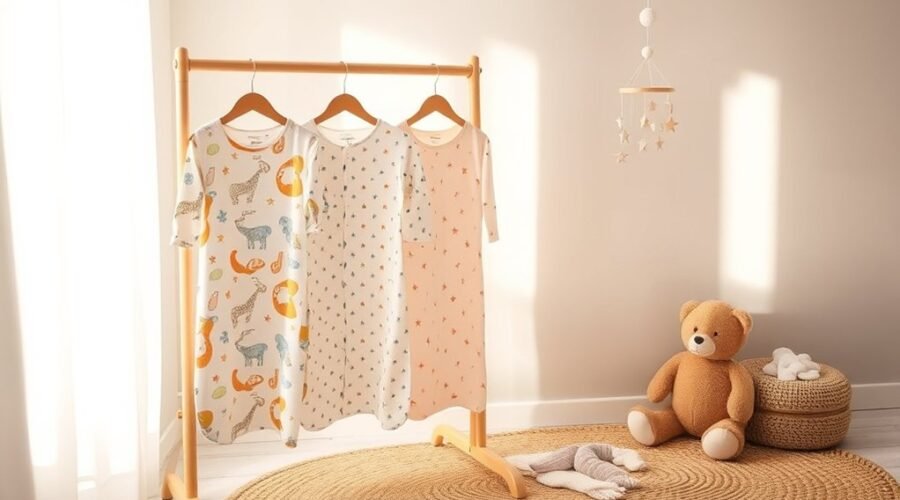
Choosing the right sleep sack is mainly about fit, fabric, TOG rating, room temperature, and your child’s stage of development. Three practical options for 2026 are the Dreamland Baby Lightweight Sleep Sack for younger infants, the Baby Deedee Sleep Nest Lite for toddlers, and the HALO Cotton Wearable Blanket for families who prefer lightweight cotton. All three are non-weighted wearable sleep options, but their warmth levels, sizing, and features differ. Use the comparison below to narrow down the best match for your child and nursery conditions.
Disclosure: This article contains affiliate links. We may earn a commission from qualifying purchases at no extra cost to you.
Safe Sleep Note: A sleep sack does not replace safe-sleep practices. For infants, use a correctly sized, non-weighted wearable blanket, place your baby on their back on a firm, flat sleep surface, and keep loose blankets, pillows, toys, and other soft items out of the sleep space. Stop using swaddling or sleepwear that restricts the arms, chest, or body as soon as your baby shows signs of trying to roll. See current American Academy of Pediatrics safe-sleep guidance.
Quick Comparison: Sleep Sacks for 2026
| Sleep Sack | Best For | Material | TOG | Sizing Note | Check Details |
|---|---|---|---|---|---|
| Dreamland Baby Lightweight Sleep Sack | Young infants who need a soft, non-weighted option | Viscose from bamboo blend | 1.0 TOG | Small: 0–6 months; check current weight and height chart | Check on Amazon |
| Baby Deedee Sleep Nest Lite | Toddlers in warmer rooms | 100% cotton | 0.6 TOG | Linked Large variant: 18–36 months | Check on Amazon |
| HALO Cotton Wearable Blanket | Warm rooms and swaddle transition | 100% cotton | 0.5 TOG | Multiple sizes exist; confirm the selected Amazon variant | Check on Amazon |
Dreamland Baby Lightweight Sleep Sack (Small)
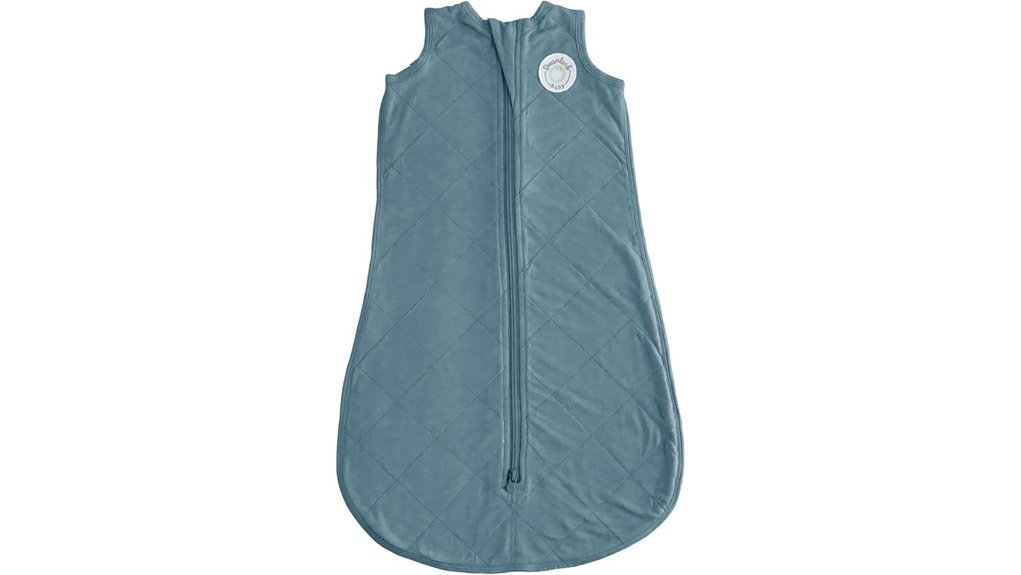
The Dreamland Baby Lightweight Sleep Sack is a non-weighted wearable sleep option designed for families who want a soft fabric and easy nighttime access. The Small size is intended for babies around 0–6 months, and parents should check the current manufacturer weight and height chart before choosing a size. Its viscose-from-bamboo fabric is designed to feel soft and breathable, while the two-way zipper makes diaper changes easier without fully removing the sack.
This version is listed as 1.0 TOG, making it more insulating than the two lighter cotton options below. Room temperature, pajamas worn underneath, and your baby’s individual comfort still matter, so TOG should be used as a guide rather than a guarantee against overheating or feeling cold.
Best For: Families shopping for a soft, non-weighted sleep sack for a younger infant who fits the Small size range.
Why You’ll Like It: It combines a soft bamboo-viscose feel, a tagless design, and a practical two-way zipper while avoiding weighted construction.
Pros:
- Non-weighted design suitable for families avoiding weighted infant sleepwear.
- Soft, breathable viscose-from-bamboo fabric.
- Two-way zipper can simplify nighttime diaper changes.
- 1.0 TOG provides more warmth than 0.5–0.6 TOG options.
Cons:
- The Small size can be outgrown quickly, so weight and height matter more than age alone.
- 1.0 TOG may be warmer than needed in a hot nursery.
- Fabric composition can vary by listing or updated product version, so check the current label before buying.
Baby Deedee Sleep Nest Lite Cotton Sleep Sack 0.6 TOG
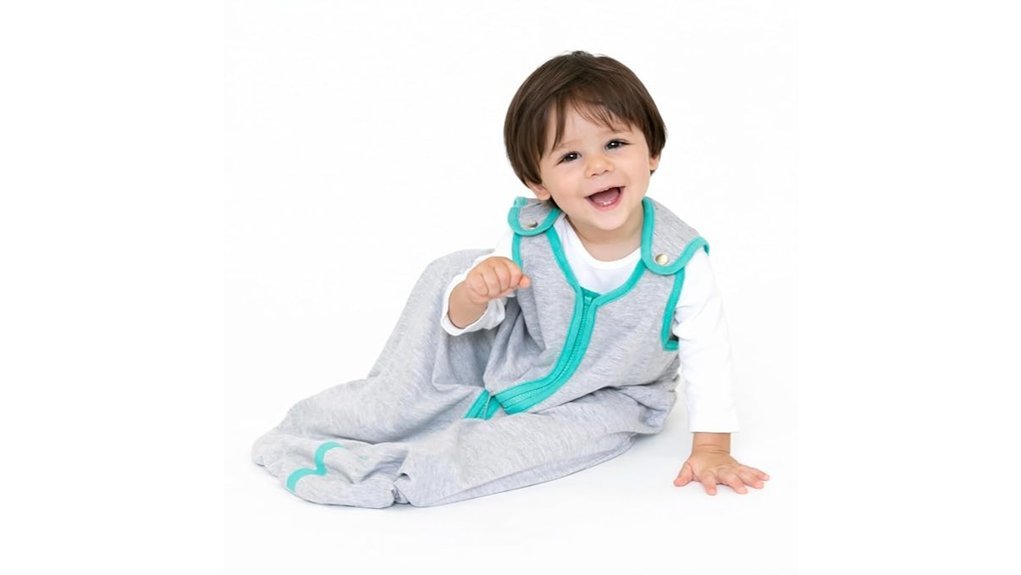
The Baby Deedee Sleep Nest Lite is a lightweight 100% cotton wearable blanket made for warmer sleeping conditions. The Amazon-linked version is the Large size for approximately 18–36 months, so it is the clearest toddler-focused option in this comparison.
Its 0.6 TOG rating is designed for warmer nurseries, with Baby Deedee recommending the Sleep Nest Lite line for rooms around 70–80°F. Its standout convenience features are the shoulder snaps, which let the sack open more fully, and the bottom-opening reverse zipper for easier diaper access.
Best For: Toddlers who fit the Large 18–36 month size and sleep in warmer rooms.
Why You’ll Like It: The cotton construction is simple and breathable, while the shoulder snaps and reverse zipper make dressing and diaper changes more convenient.
Pros:
- 100% cotton fabric.
- Lightweight 0.6 TOG construction for warmer nursery conditions.
- Shoulder snaps make it easier to open and position the sleep sack.
- Bottom-opening reverse zipper provides convenient diaper access.
Cons:
- 0.6 TOG may not provide enough insulation for a cool room without suitable sleepwear underneath.
- The linked Large version is intended for a specific toddler size range rather than younger infants.
- Parents still need to check the child’s current weight and the manufacturer’s size chart instead of relying on age alone.
HALO Cotton Wearable Blanket for Babies
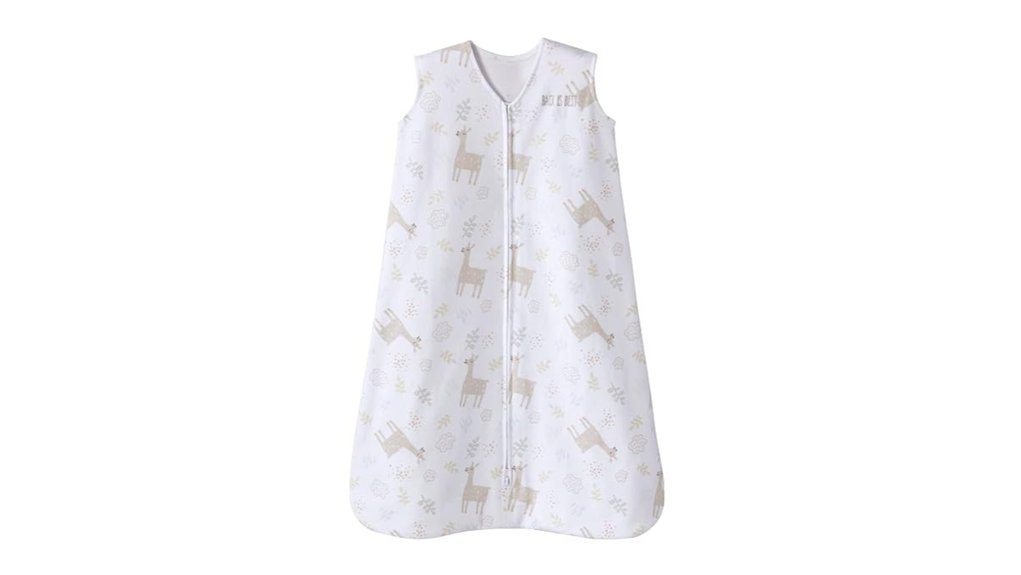
The HALO Cotton Wearable Blanket is an arms-free SleepSack designed as an alternative to loose crib blankets and as a next step after swaddling. Made from 100% cotton, it has a lightweight 0.5 TOG rating, making it better suited to warmer room conditions than heavier sleep sacks.
Its design includes a bottom-opening zipper for diaper changes, a zipper cover near the neckline, and a roomy lower section that allows space for natural hip and leg positioning. HALO’s wearable blanket line has also been recognized by the International Hip Dysplasia Institute as hip-healthy when used as directed.
Best For: Families looking for a lightweight cotton wearable blanket, especially after moving away from swaddling.
Why You’ll Like It: The simple cotton design is easy to understand, the 0.5 TOG construction works well for warmer rooms, and the inverted zipper can make nighttime changes easier.
Pros:
- 100% cotton construction.
- 0.5 TOG for warm nursery conditions.
- Roomy lower section supports natural leg and hip movement.
- Bottom-opening zipper provides easier diaper access.
Cons:
- 0.5 TOG is a lightweight option and may require different sleepwear in cooler rooms.
- HALO offers multiple sizes and prints, so buyers need to confirm the exact Amazon variant before ordering.
- It is an arms-free wearable blanket, not a substitute for a swaddle when a parent specifically wants a swaddling product for a baby who is not yet showing signs of rolling.
Factors to Consider When Choosing Sleep Sacks in 2026
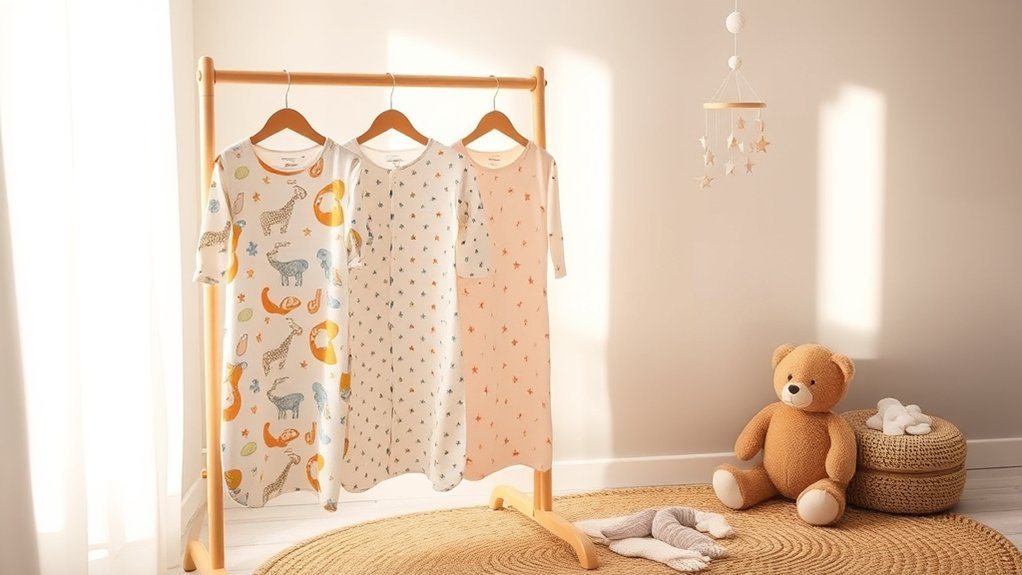
A good baby sleep sack should match your child’s current size, allow comfortable movement, and provide an appropriate level of insulation for the room. Rather than choosing by brand name alone, compare fabric, TOG rating, fit, zipper design, care requirements, and safe-sleep suitability.
Fabric Composition Importance
Fabric affects how a sleep sack feels, washes, and handles warm conditions. Cotton is a familiar, breathable option that is easy to find and suitable for frequent use. Viscose from bamboo can feel especially soft and is commonly used in lightweight sleepwear. Neither fabric automatically makes one sleep sack safer or better for every baby, so consider your child’s skin sensitivity, room temperature, laundering needs, and the manufacturer’s care instructions.
If your child has eczema, allergies, or recurring skin irritation, wash new sleepwear before use and discuss persistent concerns with your pediatrician rather than relying only on material marketing claims.
TOG Rating Considerations
TOG is a measure of thermal insulation. A lower number generally means a lighter garment, while a higher number provides more insulation. In this comparison, the HALO is 0.5 TOG, the Baby Deedee is 0.6 TOG, and the Dreamland Baby option is listed as 1.0 TOG.
There is no single TOG that is ideal for every home. Check the manufacturer’s current temperature guide and consider the clothing worn underneath the sleep sack. Avoid adding excessive layers simply because a baby feels cool on the hands or feet; watch the baby’s chest or back for signs of overheating and follow current pediatric safe-sleep guidance.
Ease of Use Features
Small design details can make a major difference during nighttime changes. Two-way, inverted, or bottom-opening zippers let parents access the diaper area without completely removing the sleep sack. Shoulder snaps, such as those used by Baby Deedee, can make it easier to open the garment and place a child inside.
Also look for zipper covers around the neckline, smooth seams, and closures that remain secure during normal movement. Convenience matters, but correct fit and safe construction should come first.
Size and Fit Guide
Choose a sleep sack using the manufacturer’s weight, height, and size chart rather than relying only on age. The neckline and armholes should be fitted well enough that the baby’s head cannot slip inside the sack, while the lower portion should leave enough room for natural hip and leg movement.
Avoid deliberately sizing up to extend the garment’s useful life. A sleep sack that is too large can fit poorly around the neck or arms. Recheck the fit as your baby grows and move to the next size when the manufacturer recommends it.
Safe Sleep Considerations
For infant sleep, a non-weighted wearable blanket can provide warmth without adding a loose blanket to the crib. Babies should still be placed on their backs on a firm, flat, separate sleep surface with a fitted sheet and no loose blankets, pillows, stuffed toys, bumpers, or other soft objects.
Avoid weighted sleep sacks, weighted swaddles, and other weighted infant sleepwear. If a garment swaddles or restricts the arms, chest, or body, stop using that restrictive configuration when the baby first shows signs of attempting to roll. An arms-free sleep sack that allows unrestricted movement is different from a swaddle.
Maintenance and Care Tips
Always follow the care label for the specific sleep sack. Cotton and bamboo-viscose garments do not necessarily have identical washing or drying instructions. Before washing, close zippers and fasten snaps when recommended to reduce snagging.
Inspect the sleep sack regularly for broken zippers, loose snaps, torn seams, stretched neck openings, or other damage that could affect fit. Replace a garment when it no longer fits securely or when damaged hardware cannot be safely used.
Frequently Asked Questions
What Age Is Best for Transitioning to a Sleep Sack?
There is no universal age when every baby needs to transition to an arms-free sleep sack. A correctly sized, non-swaddling wearable blanket can be used when the product is designed for your baby’s current size and stage. If you are swaddling, stop as soon as your baby shows signs of trying to roll over, which can happen as early as about 2 months. Always follow the product’s age, weight, height, and developmental guidance.
Can Sleep Sacks Help With Sleep Training?
A sleep sack can become a consistent part of a bedtime routine and can keep a baby comfortably covered without a loose blanket. However, a sleep sack does not by itself teach a baby to sleep independently or guarantee longer sleep. Sleep patterns vary greatly by age and child.
How Do I Wash and Care for Sleep Sacks?
Check the care label first because washing and drying instructions vary by fabric and brand. Many cotton sleep sacks can be machine washed, while some fabrics may benefit from gentler drying instructions. Close zippers or fasten snaps when directed, use an appropriate detergent, and inspect the garment for damage after repeated washing.
Are Sleep Sacks Safe for Newborns?
A properly sized, non-weighted wearable blanket designed for a newborn’s current weight and height can be used as part of a safe-sleep setup. Place the baby on their back on a firm, flat sleep surface and keep loose bedding and soft objects out of the sleep area. Avoid weighted infant sleepwear. If the product restricts the arms or functions as a swaddle, stop that restrictive use when the baby shows signs of attempting to roll.
What Materials Are Best for Sensitive Baby Skin?
Soft cotton and viscose-from-bamboo fabrics are common choices for baby sleepwear because they can feel smooth and breathable. However, no fabric works perfectly for every child. Wash new garments before use, avoid products that irritate your baby’s skin, and seek pediatric advice for persistent rashes, eczema, or suspected allergies.
Conclusion
The best sleep sack depends less on a single “winner” and more on matching the product to your child’s size, developmental stage, room temperature, and fabric preference. The Dreamland Baby Lightweight Sleep Sack is the warmer 1.0 TOG, non-weighted choice for younger infants in this comparison. The Baby Deedee Sleep Nest Lite is a useful 0.6 TOG cotton option for toddlers in warmer rooms, while the HALO Cotton Wearable Blanket offers a lightweight 0.5 TOG cotton design that works well as an arms-free wearable blanket.
Whichever option you choose, confirm the current size chart and product instructions before ordering. For infants, keep the sleep sack non-weighted, make sure it fits securely around the neck and armholes, avoid overheating, and continue following safe-sleep guidance for every nap and nighttime sleep.