This article contains Amazon affiliate links. If you buy through these links, we may earn a commission at no extra cost to you.
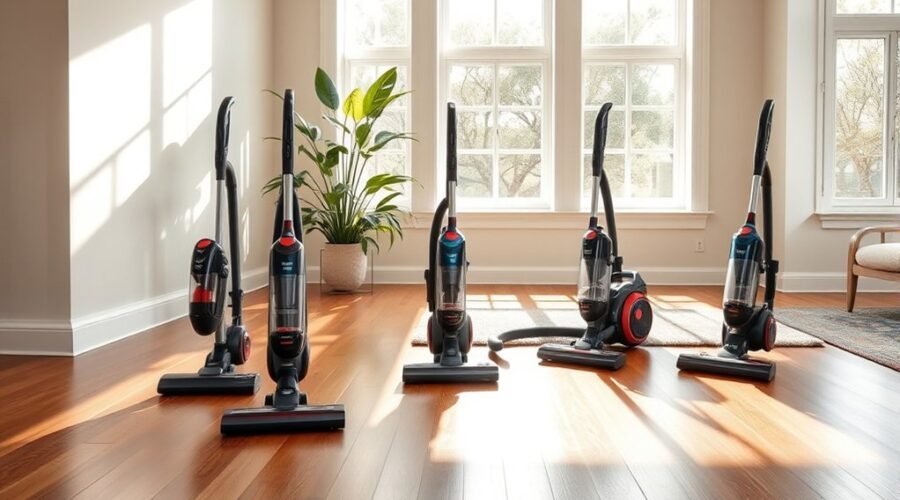
The 2026 list of the best vacuums for hardwood floors narrows in on three models that are genuinely built for hard-surface cleaning. The Dyson V11 Torque Drive brings powerful, adaptable suction for homes with mixed floor types. The Bissell Hard Floor Expert is purpose-built with a soft turbine foot designed specifically to protect delicate hard floors. The Shark Apex Lift-Away rounds things out with dual brushroll technology for homes that switch between carpet and hardwood. Each pick below focuses on real hard-floor performance rather than general all-purpose cleaning.
Quick Verdict
| Model | Best For | Key Strength | |
|---|---|---|---|
| Dyson V11 Torque Drive | Mixed floors & pet hair | Adaptive cordless suction | Check Price on Amazon |
| Bissell Hard Floor Expert | Hardwood-only homes | Purpose-built hard-floor foot | Check Price on Amazon |
| Shark Apex Lift-Away (AZ1002) | Carpet + hardwood combo homes | Dual brushroll, anti-hair-wrap | Check Price on Amazon |
Dyson V11 Torque Drive Cordless Vacuum Cleaner, Blue
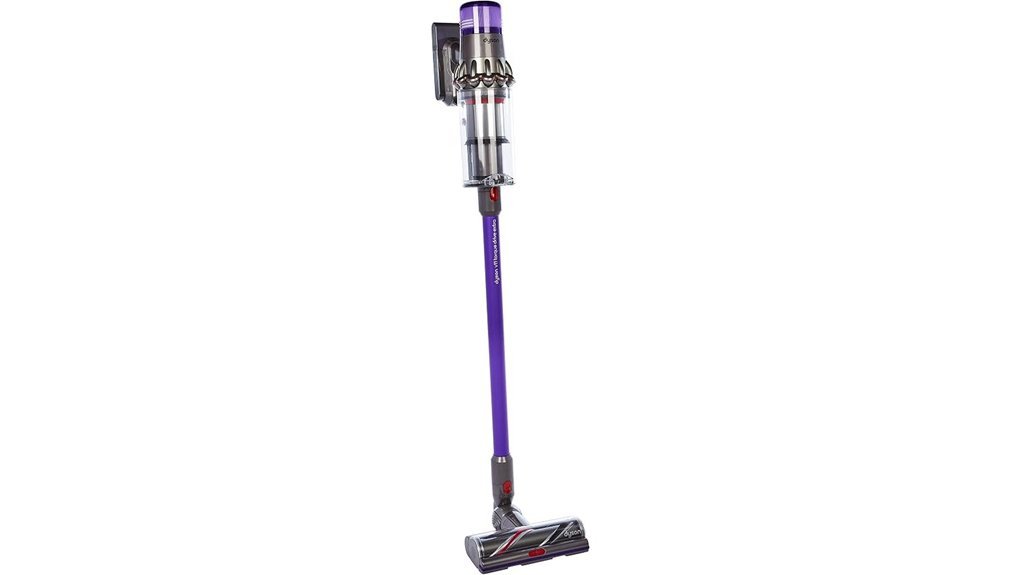
The Dyson V11 Torque Drive Cordless Vacuum Cleaner, Blue is a strong option for homeowners who want one cordless machine that adapts across hardwood, tile, and carpet. Its cleaner head senses floor type and adjusts suction automatically, and whole-machine filtration is rated to capture over 99.9% of fine dust particles, including allergens. Runtime is rated up to 60 minutes, though real-world time will vary with power mode and attachments. It ships with several accessories, including a mini-motorized tool that’s useful for pet hair and upholstery.
Why You’ll Like It: One vacuum that genuinely switches between hard floors and carpet without swapping heads, which suits most real homes.
Who Should Buy This: Homeowners with mixed flooring and pets who want a single, versatile cordless machine.
Who Should Avoid This: Buyers on a tight budget, or anyone who only has hardwood and doesn’t need carpet performance — the Bissell below is a more targeted, typically cheaper choice for that.
Best For: Homeowners with pets and various floor types looking for a powerful, adaptive cordless vacuum cleaner.
Pros:
- Adaptive suction: Automatically adjusts power between carpets and hard floors.
- Strong filtration: Rated to capture over 99.9% of fine dust and allergens.
- Versatile accessories: Comes with multiple tools for different cleaning tasks.
Cons:
- Price point: Higher cost than standard vacuum cleaners.
- Runtime limitations: Actual run time varies by power mode and attachments used.
- Availability: As an older generation model, current listings may be third-party or renewed stock — check the listing details before buying.
Bissell Hard Floor Expert Bagless Canister Vacuum
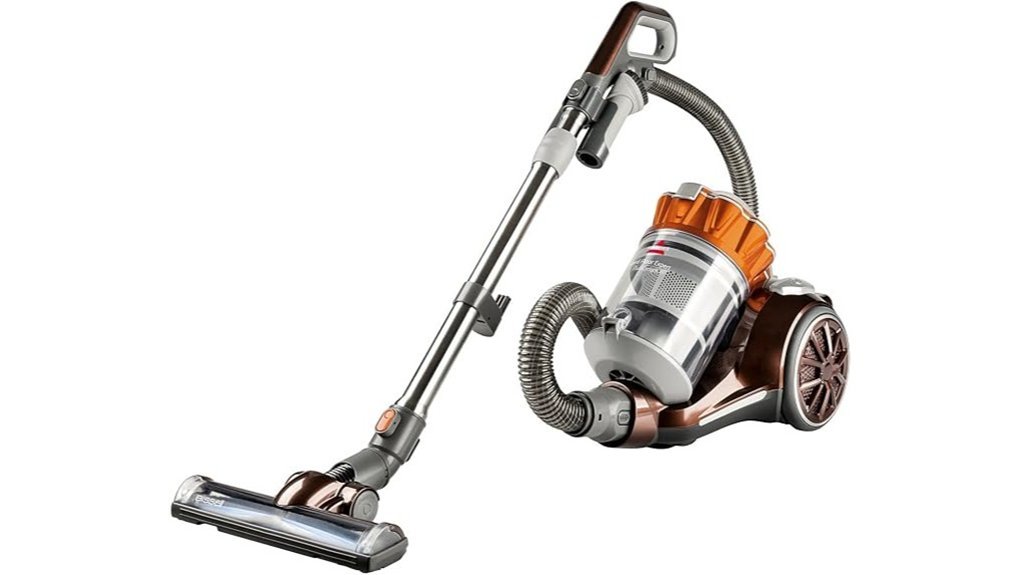
For homeowners who mostly deal with hard flooring, the Bissell Hard Floor Expert Bagless Canister Vacuum is the most purpose-built option here. This corded canister uses multi-cyclonic technology and a specialized Hard Floor Turbine Foot designed to lift dirt while being gentle on hardwood finishes. A telescoping metal wand extends its reach for above-floor cleaning like drapes and ceilings, and a large-capacity dirt tank reduces how often you need to empty it.
Why You’ll Like It: It’s built around one job — cleaning hard floors well without scratching them — rather than trying to be a jack-of-all-trades.
Who Should Buy This: Homeowners looking for an efficient, protective vacuum specifically for hard floors and light multi-surface use.
Who Should Avoid This: Households with substantial wall-to-wall carpet or high-pile rugs, where a dedicated multi-surface upright will perform better.
Best For: Homeowners looking for an efficient vacuum specifically designed for hard floors and light multi-surface cleaning.
Pros:
- Multi-cyclonic technology helps maintain consistent suction over time.
- Lightweight, compact design that’s easy to carry and store.
- Turbine foot designed to protect delicate hard-floor finishes.
Cons:
- Corded design may limit mobility compared to cordless options.
- Hose reach is more limited than a full upright’s cord length.
- Optimized for hard floors, so it’s a secondary choice for heavy carpet cleaning.
Shark Apex Lift-Away Vacuum (AZ1002)
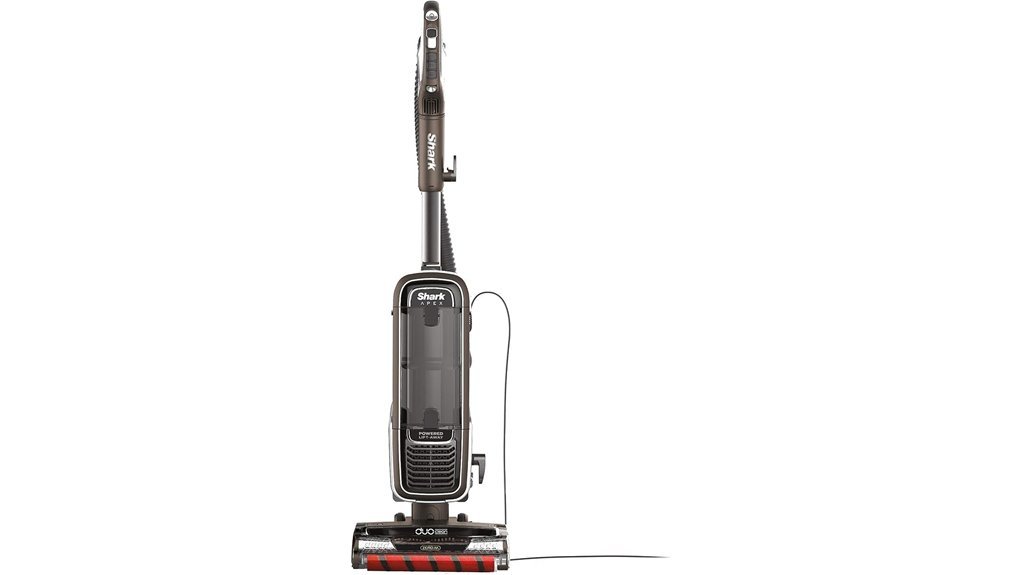
The Shark Apex Lift-Away Vacuum (AZ1002) is a solid pick for homes with both carpet and hardwood, thanks to its DuoClean dual-brushroll system — one roller agitates carpet, the other engages hard floors directly for a cleaner finish. A self-cleaning (Zero-M) brushroll helps cut down on hair wrap, and the Powered Lift-Away canister detaches for stairs and upholstery. It includes an Anti-Allergen Complete Seal and HEPA filtration. Note: this is a legacy Shark model — the brand’s current flagship upright line is the newer Vertex series, so shoppers who want the latest tech may want to compare both before buying.
Why You’ll Like It: One machine handles both carpet and hardwood well without swapping cleaning heads, and hair wrap is less of a hassle.
Who Should Buy This: Pet owners and households with mixed flooring who want strong performance on both surfaces.
Who Should Avoid This: Buyers who specifically want Shark’s newest flagship technology — the Vertex line has since replaced the Apex as Shark’s current premium upright.
Best For: Pet owners looking for an efficient vacuum that reduces hair wrap while cleaning both carpet and hardwood well.
Pros:
- Self-cleaning brushroll reduces hair wrap and maintenance hassle.
- DuoClean technology cleans both carpets and hard floors effectively.
- HEPA filter and anti-allergen seal help trap dust and allergens.
Cons:
- Heavier than some competitors, making it less portable.
- Legacy model — Shark’s newer Vertex line has since replaced it as the flagship upright.
- Higher price point compared to basic vacuum models.
Before You Buy: Quick Checklist
- Floor mix: All hardwood → favor a dedicated hard-floor model like the Bissell. Mixed hardwood and carpet → favor the Dyson or Shark.
- Weight: Lighter machines are easier to maneuver around furniture and up stairs.
- Corded vs. cordless: Corded means unlimited runtime but less mobility; cordless means freedom of movement but a battery to manage.
- Filtration: HEPA or whole-machine filtration matters most if anyone in the home has allergies.
- Attachments: Confirm the tools you need (crevice tool, upholstery tool, pet brush) are included before buying.
Factors to Consider When Choosing Vacuums for Hardwood Floors in 2026
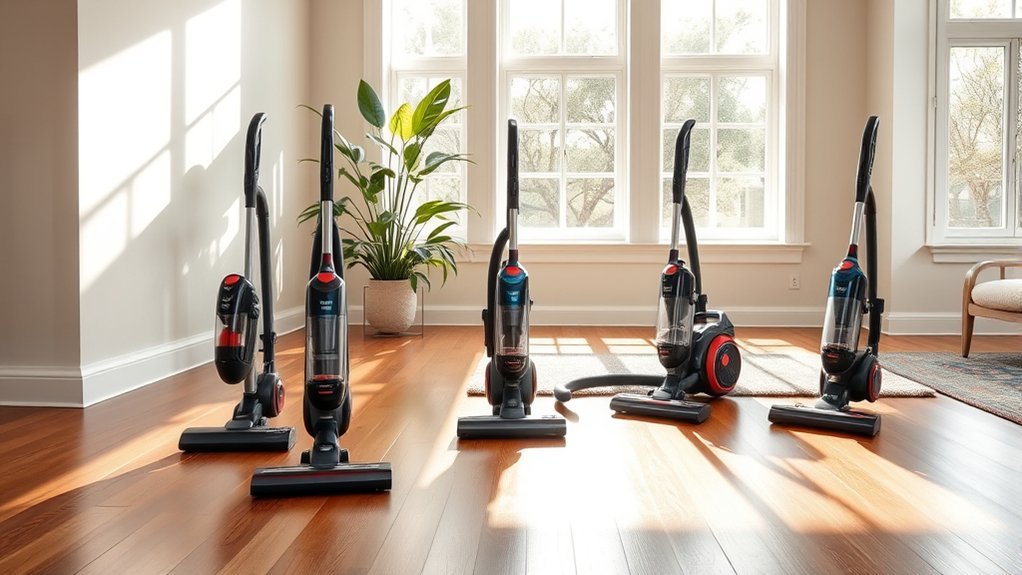
When selecting vacuums for hardwood floors, several key factors come into play. Suction power, floor type compatibility, and weight considerably influence performance and usability. Additionally, considerations such as filtration efficiency and noise levels can enhance the overall cleaning experience.
Suction Power Considerations
Often overlooked, suction power is a critical factor in selecting vacuums for hardwood floors. Models with strong suction effectively lift dirt and debris without risking scratches on the surface. It is advisable to choose vacuums with adjustable suction settings, allowing for lower power on delicate hardwood to help prevent damage. Advanced cleaning technologies, such as multi-cyclonic systems, help maintain consistent suction performance over time by minimizing clogs. Additionally, specialized brush rolls designed for hardwood can enhance pickup while reducing scratching risk. Finally, a vacuum’s suction power should be paired with effective filtration systems to capture fine particles for a thorough clean without leaving residue.
Floor Type Compatibility
Choosing the right vacuum for hardwood floors requires careful consideration of floor type compatibility. Models equipped with soft brush rolls or specialized hard floor attachments are vital to help prevent scratches and damage. Multi-surface options that switch modes offer versatility, cleaning both hardwood and carpeted areas while minimizing debris scattering. Vacuums featuring advanced filtration systems, such as HEPA filters, can also enhance indoor air quality by trapping allergens and dust.
Weight and Maneuverability
The weight of a vacuum considerably influences its maneuverability, making lighter models preferable for hardwood floor cleaning. Lighter vacuums are generally easier to navigate around furniture and into tight spaces. Features such as ergonomic handles and low-profile designs further enhance maneuverability, while swivel steering can improve navigation around obstacles. Cord and hose length also matter for corded models, reducing how often you need to switch outlets.
Filtration Efficiency
Maneuverability and weight are important, but filtration efficiency is equally vital. Effective HEPA filters are designed to capture the vast majority of fine dust particles, reducing allergens and supporting better indoor air quality. Advanced whole-machine filtration helps prevent particles from being released back into the air during cleaning. Bagged vacuums tend to offer strong filtration since sealed bags contain dust well, while bagless systems can release some particles when the bin is emptied. Regular maintenance of filters is essential for sustained performance.
Noise Level Assessment
Noise levels can meaningfully affect the cleaning experience, especially in homes with pets or children. Some vacuums are designed for quieter operation, and features like soft brush rolls and optimized airflow can help reduce noise. If you’re sensitive to noise, it’s worth checking a model’s decibel rating or reading owner reviews before buying.
Corded vs. Cordless
When choosing between corded and cordless vacuums for hardwood floors, several factors matter. Corded vacuums typically deliver consistent suction without interruptions for recharging, making them well suited to longer cleaning sessions. Cordless models offer enhanced mobility for quick clean-ups, though runtime varies — often up to 60 minutes — depending on power mode and surface type. Corded vacuums also tend to have larger dirt capacities, meaning less frequent emptying.
Attachments and Versatility
Selecting the right attachments matters when choosing a vacuum for hardwood floors. Models with soft-bristle brushes clean gently without scratching surfaces. Versatile vacuums should include tools like crevice tools and dusting brushes for tight spaces, and models that convert into handheld units add flexibility for stairs and upholstery. Adjustable suction power helps optimize performance on hardwood while protecting the finish.
Maintenance and Disposal Options
Maintaining a vacuum for hardwood floors involves both upkeep and disposal considerations. Models with easy-empty dirt tanks reduce dust scattering during disposal, and HEPA or advanced filtration helps trap allergens for cleaner air during and after cleaning. Bagged vacuums allow you to seal and replace bags without exposing contents to the air. Regular maintenance — cleaning filters and clearing brush rolls of debris — is essential for peak performance over time.
Frequently Asked Questions
How Do I Maintain My Vacuum for Hardwood Floors?
To maintain a vacuum for hardwood floors, regularly clean the filter, empty the dustbin, check for clogs, and inspect brushes for debris. Additionally, make certain wheels and attachments remain in good condition for peak performance.
Are Cordless Vacuums Effective on Hardwood Surfaces?
Cordless vacuums can capably clean hardwood surfaces, combining convenience with effective suction. Their lightweight design allows for agile maneuvering, helping with thorough dirt removal. However, battery life may limit prolonged cleaning sessions, requiring timely recharges.
What Attachments Are Best for Cleaning Hardwood Floors?
Soft bristle brushes and microfiber pads are ideal attachments for cleaning hardwood floors. These options help trap dust and debris without scratching surfaces, supporting a thorough clean while helping preserve the floor’s finish.
Can Vacuums Damage Hardwood Flooring Finishes?
The right vacuum, used with a soft-bristle or hard-floor-specific head, is designed to clean without scratching. Improper choices — such as stiff-bristled carpet-only brush rolls — may scratch or dull finishes, so it’s worth confirming a model is rated safe for hardwood before buying.
How Often Should I Vacuum Hardwood Floors?
Many flooring manufacturers recommend vacuuming hardwood floors at least once a week to remove dust and debris. High-traffic areas may benefit from more frequent cleaning, while less-frequented spots can typically be vacuumed every two weeks.
Final Recommendation
If you want one machine that handles hardwood and carpet without a second thought, the Dyson V11 Torque Drive is the most versatile choice. If your home is mostly or entirely hardwood, the Bissell Hard Floor Expert is the more targeted, protective option. If you split your time evenly between carpet and hardwood and want easier hair-wrap maintenance, the Shark Apex Lift-Away is a solid middle ground — just know that Shark’s Vertex line has since taken over as its newest flagship.
Conclusion
Each of these three vacuums takes a different approach to hard-floor cleaning: the Dyson V11 prioritizes adaptable, whole-home cordless suction; the Bissell Hard Floor Expert focuses narrowly on protecting hardwood while lifting dirt effectively; and the Shark Apex Lift-Away balances carpet and hardwood performance with easier maintenance. Matching your choice to your actual floor mix — rather than picking on suction numbers alone — is the surest way to get a vacuum that keeps your hardwood floors looking their best.