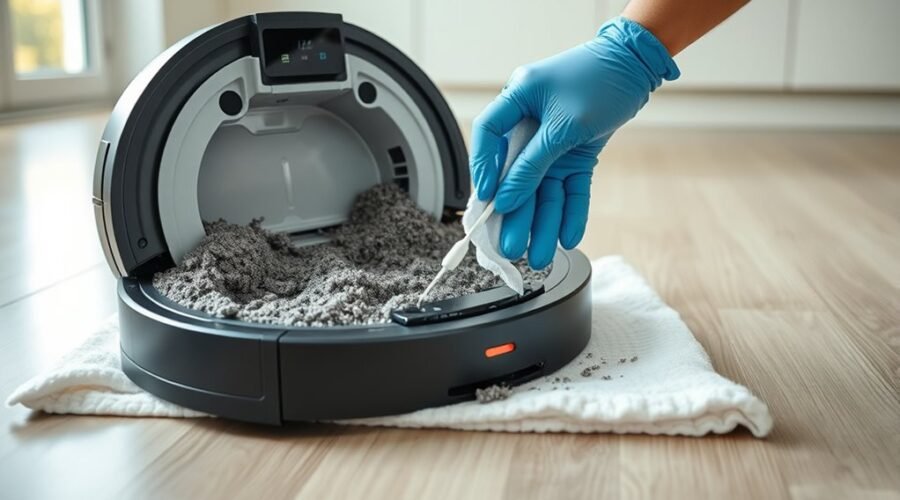
When a robot vacuum reports a full bin too often, the cause is often not the debris level but the sensors themselves. These parts can collect dust, lint, or residue and send false alerts. The fix is simple, but only if handled correctly. Power must be off, the bin removed, and the sensor surfaces cleaned with care. The next steps show how to do it safely and what to check if the warning remains.
Why Roomba Says the Bin Is Full
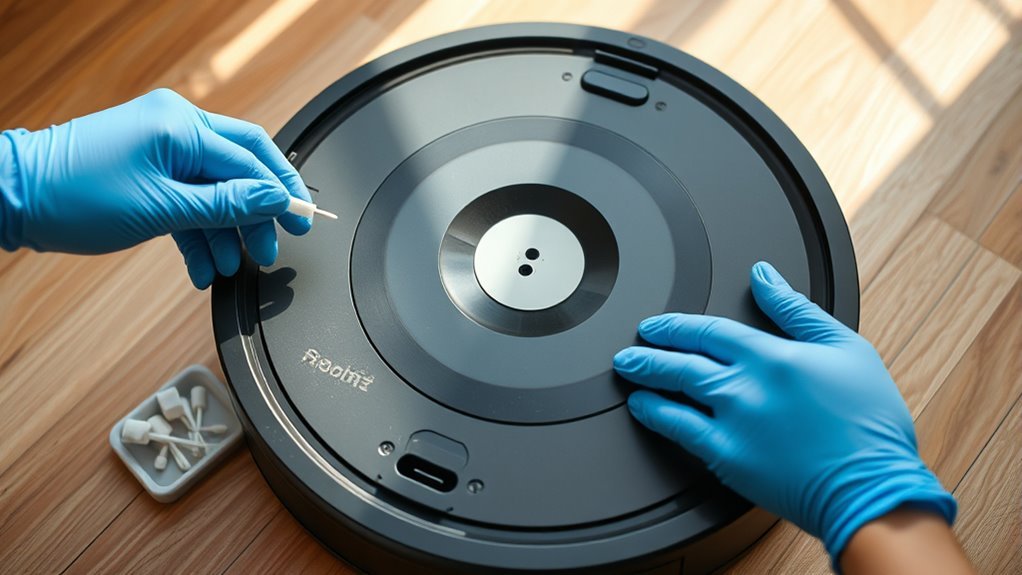
A Roomba typically displays a “dust bin full” alert when its internal sensors detect debris blocking the light beam from the black pegs at the back of the dust bin. The full bin message is consequently often a detection issue, not proof that the bin is truly packed.
Dust, lint, or compacted debris can interrupt the beam and trigger a false alarm. Cleaning the dust bin and keeping it free of blockages helps restore normal signaling. The sensors themselves can also collect grime, which reduces accuracy over time and can cause repeated interruptions in routine cleaning.
Dust, lint, or compacted debris can interrupt the beam, so keep the bin and sensors clean.
A clogged filter may further restrict airflow and affect sensor performance, making the robot misread the bin status. Regular inspection of the bin, filter, and sensors supports reliable operation and reduces unnecessary stoppages.
For users seeking practical autonomy in home care, these small maintenance checks preserve efficient cleaning without surrendering time to avoidable errors.
Clean the Full Bin Sensors Safely
Once the bin itself and the filter have been checked, attention should turn to the full bin sensors inside the robot.
To clean the full bin sensors safely, the Robot Vacuum should be powered off and unplugged first, preventing accidental activation. The dust bin can then be removed, exposing the two black pegs at the rear that send infrared beams used to detect fullness.
A soft, dry cloth or a cotton swab should be used to wipe each sensor gently, removing dust without forcing debris deeper into the housing. No liquids or abrasive materials should be applied, because they can damage the sensing surfaces and distort readings.
When the light path is clear, the unit can regain accurate detection and help clear the error. Regular inspection supports consistent performance, reduces false “full bin” alerts, and preserves reliable operation for users who want the machine to work without unnecessary interruption.
Check the Bin and Filter
Start by removing the dust bin from the robot vacuum and inspecting it for trapped debris or blockages that could interfere with normal operation. A clear dust bin supports accurate sensing and steady airflow, while a clogged internal filter can restrict suction and provoke false full-bin alerts.
The rear black pegs should remain open and clean, because they project the infrared beam used to judge bin level. The clear windows on the bin door also need unobstructed surfaces so the signal passes correctly.
- Remove the dust bin and empty compacted material.
- Examine the internal filter for dust mats or tears.
- Wipe the sensor windows and peg area with a dry cloth.
Routine inspection preserves efficiency and reduces unnecessary stoppages. If buildup persists, clean or replace the dust bin and filter according to the manufacturer’s schedule.
Reset a Roomba Full Bin Error
To clear a Roomba full bin error, the user should press and hold the button on top of the device for 20 seconds; multiple attempts may be needed before the reset takes effect. This basic step can reset a roomba when a temporary sensor state has locked in. Afterward, inspect cleaning sensors and verify the infrared light from the black pegs at the rear of the dust bin is unobstructed. Clean the internal filter after removing the bin, since residue can mimic a blocked sensor and keep the alert active.
| Check | Action |
|---|---|
| Top button | Hold 20 seconds |
| Alert status | Repeat if needed |
| Rear pegs | Keep clear |
| Internal filter | Clean after removal |
| Persistent fault | Seek support |
If the full bin error remains after repeated cleaning, replacing the main dust bin bag may restore normal operation. If the fault still persists, customer service may be necessary.
Clear a Stuck Full Bin Alert
To clear a stuck full bin alert, the dust bin should be removed and the two black pegs at the rear of the vacuum checked, since they emit the infrared beam used to detect bin status.
The clear windows on the bin door must also be free of dust or debris, and the sensors should be wiped with a soft, dry cloth to preserve signal accuracy.
If the alert remains after inspection and cleaning, a reset of the full bin indicator may be required to clear a software fault.
Check Bin Sensors
Inspect the dust bin sensors by checking the two black pegs at the back of the bin, which emit the infrared beam used to detect fullness.
To check bin sensors, the operator should verify that iRobot Corporation dust-bin components are unobstructed and that clear door windows are free of debris.
Clean sensors with a dry, lint-free swab; avoid moisture and abrasives. Regular cleaning preserves accurate detection and reduces false full-bin alerts, keeping the machine autonomous and the user unburdened.
- Remove the bin and face the rear pegs toward light.
- Wipe the clear windows on the bin door.
- Reinstall the bin and confirm the alert clears.
Consult the manual for model-specific guidance.
Reset Full Bin Alert
If the full bin alert remains after the bin sensors have been cleaned, the dust bin should be removed and the two black pegs at the rear of the vacuum checked for any obstruction of the infrared beam.
If the beam path is clear, a reset can be initiated by holding the top button for 20 seconds. This action may clear a stuck alert and restore normal operation.
If the warning persists, the reset may need to be repeated; some units require several attempts before the fault is released.
Afterward, the vacuum should be monitored for recurrence. Consistent maintenance of the bin and sensors supports reliable performance and reduces repeated interruptions.
For model updates and support notices, consult iRobot Newsletter Privacy, Join the iRobot, Rights Reserved.
Prevent Full Bin Warnings
Preventing full bin warnings on a Roomba® requires keeping the bin sensors clear and unobstructed. Effective bin sensor maintenance preserves accurate infrared detection and reduces false alerts that interrupt autonomous cleaning. Practical routine cleaning tips support liberation from constant monitoring and keep the machine ready for work.
- Inspect the two black pegs at the rear of the unit and remove dust, fibers, or debris that could block the beam.
- Wipe the clear windows on the dust bin door with a soft, dry cloth so sensor readings remain precise.
- Check the internal filter during scheduled maintenance; clean or replace it before buildup affects troubleshooting alerts.
The iRobot Home App can reinforce this process by issuing bin maintenance notifications. When the sensors, windows, and filter stay clean, the vacuum can report true fill conditions instead of unnecessary warnings.
This disciplined routine keeps operation predictable, efficient, and materially less dependent on intervention.
When to Contact iRobot Support
If the dust bin full error persists after repeated cleaning and reset attempts, the unit should be treated as having a possible sensor or bin fault.
Damaged black pegs at the rear of the dust bin, or continued full-bin alerts despite maintenance, also indicate a need for professional evaluation.
In such cases, iRobot Support can provide troubleshooting guidance and repair options.
Persistent Bin Errors
Persistent “dust bin full” alerts that continue after the bin has been emptied often point to a blockage in the infrared sensors at the back of the Roomba.
Good sensor maintenance tips focus on clear access, dry tools, and careful inspection of the black pegs that emit the beam. Practical blockage detection techniques include checking for lint, dust, or debris around the rear sensor window and bin interface.
For reliable infrared sensor care, keep the optics unobstructed and the filters clean.
- Inspect the back sensors after each bin emptying.
- Wipe exposed areas with a soft, dry cloth.
- If alerts remain after cleaning, hold reset for 20 seconds and, if needed, contact iRobot support for guidance or return options.
Reset Attempts Fail
When repeated resets fail to clear a “dust bin full” alert, the fault may lie beyond a simple sensor obstruction and point to a deeper problem in the vacuum’s internal components or sensor system.
At this stage, sensor malfunction causes should be considered, not merely surface debris. If obstruction checks and bin installation verification do not restore normal function, contacting iRobot support is the practical next step.
Provide a concise log of troubleshooting sensor issues already performed, including sensor cleaning, reset attempts, and any dust bin bag replacement. Clear records help support staff interpret behavior, understanding error codes, and identify whether the unit requires further evaluation.
If the device is under warranty, support may direct the owner toward repair processing or other formal resolution paths.
Support Repair Options
Repeated “full bin” errors after a cleaned bin, cleared sensors, and verified filters often indicate a fault beyond routine maintenance, making iRobot support the appropriate next step.
A technician can then assess the infrared path, including the two black pegs at the rear, where dust or debris may block the beam.
- Record each reset attempt and error message.
- Confirm filters are seated correctly and unobstructed.
- Contact customer assistance with the robot model and steps already taken.
This documentation speeds diagnosis and helps clarify whether warranty options apply or repair services are needed.
When simple cleaning no longer restores normal detection, professional intervention prevents wasted effort and returns the device to dependable operation.
Frequently Asked Questions
How to Clean Roomba Bin Full Sensors?
Remove the bin, wipe the two rear black sensor pegs and clear windows with a soft dry cloth, then reinstall securely. These sensor maintenance tips support Roomba troubleshooting techniques and vacuum performance enhancement without obstruction.
Why Does My Roomba Keep Saying Bin Is Full?
It usually says bin full because dust remains despite emptiness, like a clean shelf with a locked drawer. Obstructed sensors, sensor malfunction, clogged filters, or missed maintenance tips can trigger the alert; a reset may help.
How Do I Clean the Sensors on My Robot Vacuum?
Power off the robot, then wipe sensors and rear infrared pegs with a dry microfiber cloth. These robot maintenance tips, sensor troubleshooting techniques, and vacuum efficiency improvements prevent dust buildup, false alerts, and preserve reliable performance.
What Are the Most Common Problems With Robot Vacuums?
Common robot vacuum failures include battery issues, navigation problems, app connectivity glitches, clogged brushes, and sensor contamination. Routine inspection, firmware updates, and cleaning preserve reliable autonomy, reducing interruptions and restoring practical, user-directed household maintenance.
Conclusion
In the end, keeping a robot vacuum’s full bin sensors clean is a tiny task with enormous payback. A powered-off device, a removed dust bin, and a gentle pass with a dry cloth or cotton swab can silence false alerts before they become a nuisance. Regular inspection of the bin, filter, and sensor area helps the machine stay remarkably reliable, reduces shutdown errors, and preserves efficient cleaning with almost absurd consistency.