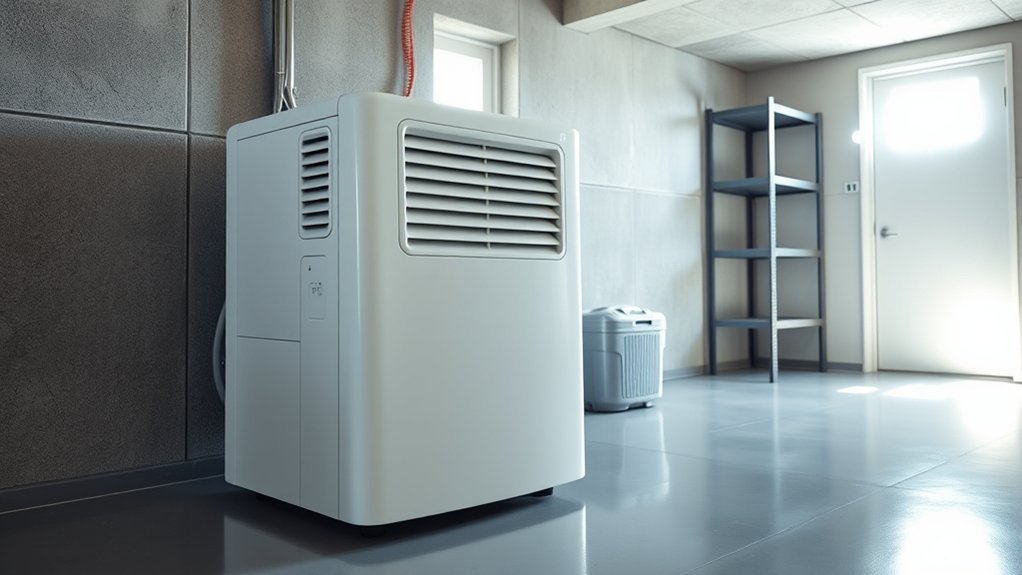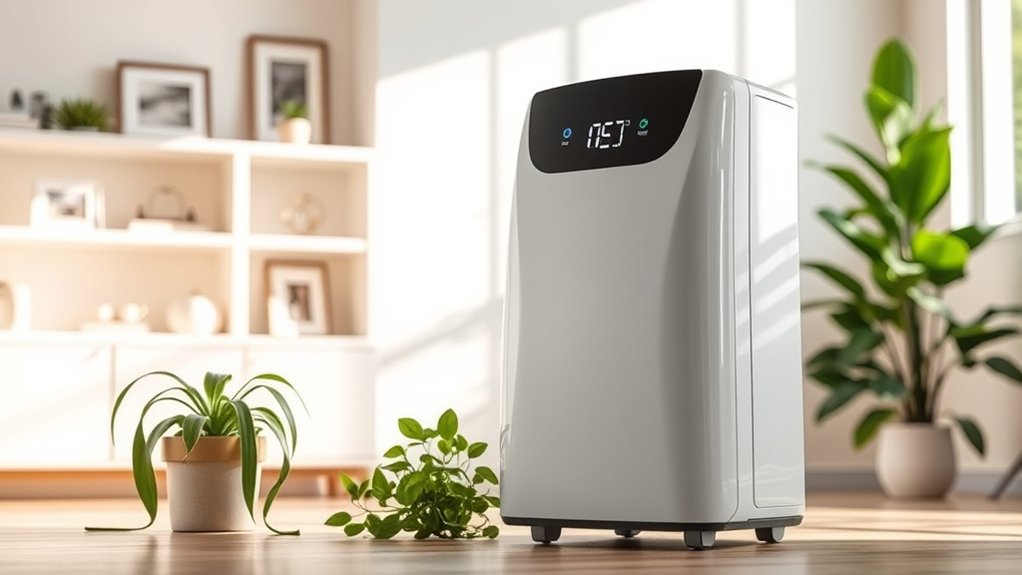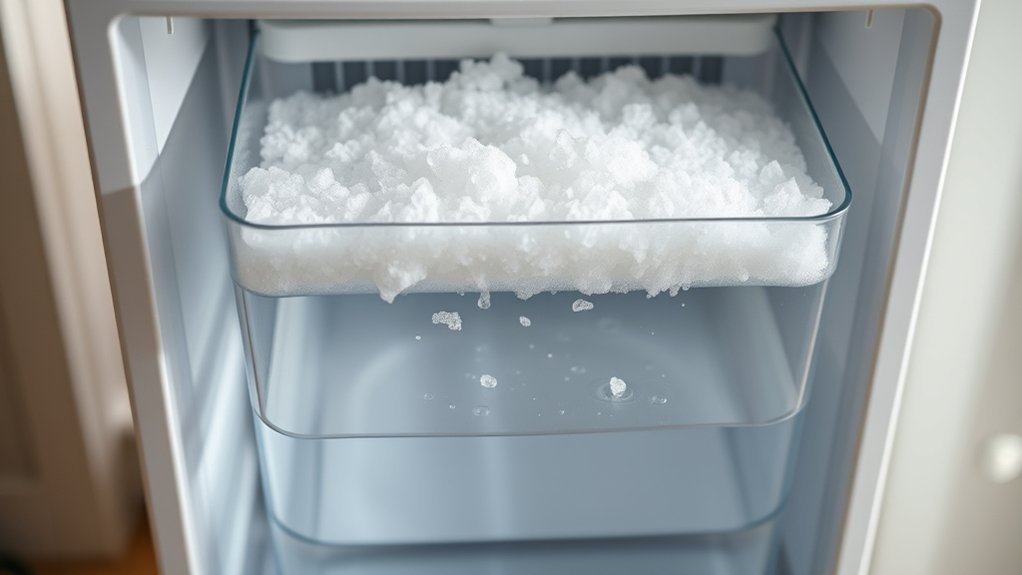
A calcium chloride dehumidifier works by using deliquescence: the salt attracts water vapor from humid air, absorbs enough moisture to dissolve itself, and turns that moisture into concentrated brine. The brine then collects in a lower reservoir so you can remove it. This passive method helps in small enclosed spaces, but it will not fix leaks, standing water, active mold, or whole-room humidity problems.
If you’ve ever set a calcium chloride tub in a damp basement and found liquid collecting a few days later, you’ve seen the process happening. Performance depends on relative humidity, airflow, exposed crystal surface, container design, temperature, and how often you replace the filled unit.
Quick Answer
A calcium chloride dehumidifier works by using a highly hygroscopic salt to attract water vapor from humid air. As the salt absorbs enough moisture, it dissolves into liquid brine that drains into a reservoir. It is best for small, enclosed damp spaces, not major leaks or whole-house humidity problems.
Key Takeaways
- Calcium chloride removes moisture through deliquescence, which means it can absorb water vapor and turn into liquid brine.
- It works best in closets, storage bins, RVs, boats, shipping containers, and small basement corners with trapped humidity.
- It does not fix leaks, standing water, active mold, or large rooms with ongoing moisture problems.
- Wear gloves and eye protection when replacing a filled unit because the brine can irritate skin and damage metals or finished surfaces.
At a Glance
| Time Required | 5–10 minutes to place; check weekly in damp spaces |
| Difficulty | Easy, but basic chemical safety matters |
| Tools Needed | Calcium chloride moisture absorber, gloves, eye protection, tray, hygrometer |
| Cost | Low per tub or refill, but ongoing replacement is needed |
How Does a Calcium Chloride Dehumidifier Work?
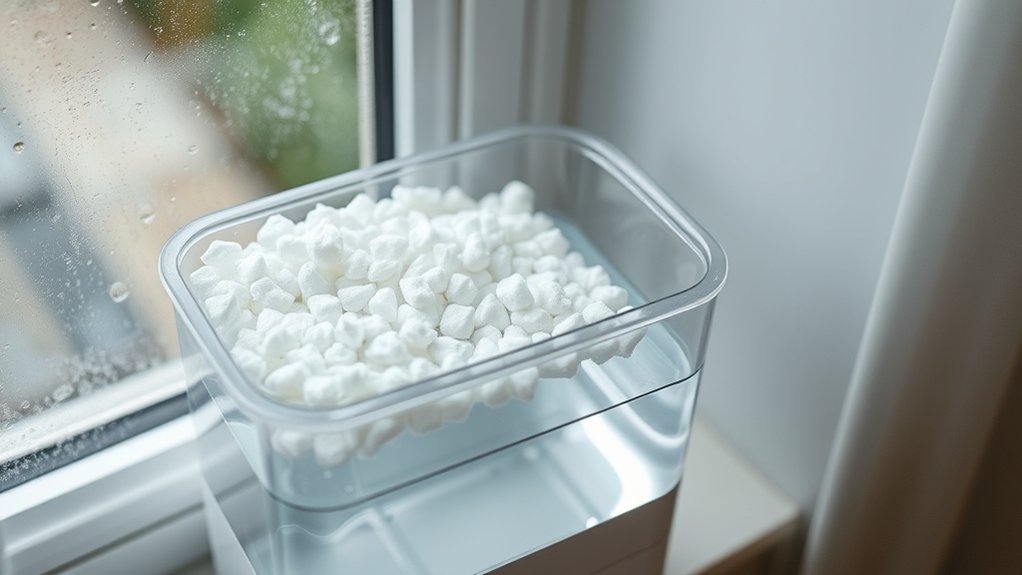
A calcium chloride dehumidifier works by pulling moisture from the air through deliquescence. In simple terms, the calcium chloride crystals attract water vapor, absorb it, and slowly dissolve into a salty liquid called brine. The brine then drips or collects in a lower reservoir so you can dispose of it safely when the container is full.
This process is passive, so it needs no plug, battery, fan, compressor, or drain hose. That is why calcium chloride tubs are popular in closets, storage containers, boats, RVs, garages, and small damp corners. The trade-off is that they work slowly and only hold a limited amount of moisture before they need replacement.
Calcium chloride is widely recognized as a highly water-soluble inorganic salt, and OxyChem’s Calcium Chloride Handbook explains that solid calcium chloride is hygroscopic and deliquescent, meaning it can absorb moisture from the air and become liquid.
Note: A calcium chloride tub lowers moisture only near the air that reaches it. It will not dry a large wet basement by itself if leaks, standing water, or poor ventilation keep adding moisture.
Why Does Calcium Chloride Pull Moisture From Air?
Calcium chloride pulls moisture from air because it is made of charged calcium and chloride ions. Water molecules are polar, which means one side of the molecule has a slight positive charge and the other side has a slight negative charge. Those water molecules are strongly attracted to the ions in calcium chloride.
As moisture lands on the crystals, the salt starts to hydrate and dissolve. Once enough water is present, the solid crystals lose their dry shape and become brine. This is different from a sponge simply holding water in empty spaces. Calcium chloride changes state as it absorbs moisture.
The wetter the air, the faster this process usually happens. OxyChem gives a useful reference point: at 85°F (30°C), calcium chloride can liquefy at about 22% relative humidity, and higher humidity helps it absorb more moisture. That does not mean one consumer tub will dry a whole room quickly. Surface area, airflow, temperature, and product design still control real-world speed.
How Moisture Turns Into Brine
When calcium chloride takes on enough water vapor, it does not just become damp. It begins to dissolve into a concentrated calcium chloride solution. That solution is the brine you see in the bottom of the container.
- Higher humidity gives the salt more water vapor to attract.
- More exposed crystal surface can speed moisture capture.
- The solid-to-liquid change shows that the desiccant is actively saturating.
- The reservoir keeps the brine away from the remaining dry crystals until the unit is spent.
In practice, you are turning airborne water vapor into a collected liquid. That is useful in enclosed damp spaces because it reduces the moisture available for musty smells, condensation, and mildew-friendly conditions.
Pro Tip: Place the tub where air can reach it, not behind sealed boxes or under a pile of stored fabric. A little open space around the container helps humid air contact the crystals.
How Much Moisture Can Calcium Chloride Absorb?
The amount of moisture a calcium chloride dehumidifier can absorb depends on the product size, purity, humidity level, temperature, airflow, and how much crystal surface is exposed. Some calcium chloride systems can hold a large amount of water compared with their dry weight, but a consumer tub should always be judged by the capacity printed on its label.
| Condition | What to expect |
|---|---|
| Low humidity | Slow collection; little visible brine |
| Moderate humidity | Gradual crystal shrinkage and some liquid in the reservoir |
| High humidity | Faster brine formation and more frequent replacement |
| Large or wet space | Multiple units or an electric dehumidifier may be needed |
Do not treat a single absorption percentage as universal. The same amount of calcium chloride can behave differently in a sealed closet, an open basement, a cold garage, or a humid storage container. For best results, pair the absorber with a small hygrometer so you can see whether the relative humidity is actually dropping.
A filled reservoir means the calcium chloride has captured moisture, but it also means the unit is closer to being spent. Replace it before brine reaches the overflow line.
How to Tell If One Tub Is Enough
Use a hygrometer before and after you place the absorber. The U.S. EPA recommends keeping indoor humidity below 60% where possible, with 30% to 50% as an ideal range for mold prevention. A calcium chloride tub is doing useful work if the space moves toward that range and the musty smell fades.
| 7-day result | What it means | Next step |
|---|---|---|
| Humidity drops and stays below your target | The passive absorber is likely enough for that small space | Keep checking the fill line and replace as directed |
| Humidity drops only near the tub | Airflow or placement is limiting performance | Move stored items away and add a second unit if needed |
| Humidity stays above 60% | The moisture source is stronger than the absorber | Look for leaks, condensation, or poor ventilation |
| Brine fills quickly every few days | The area has a persistent moisture load | Use a powered dehumidifier or repair the moisture source |
Recommended Products

POWERFUL MOISTURE & ODOR ELIMINATOR: Our advanced spherical beads instantly attract and trap excess moisture from the air, eliminating musty odors at the source. Creates fresher, cleaner air for your home and protects clothes, leather, and valuables from damp damage. Fragrance-free formula ideal for sensitive noses.

Powerful Moisture Absorption: These moisture absorber tubs use calcium chloride to pull excess humidity from the air, working as a water absorber that turns moisture into water you can see collect inside without electricity or vents.

LARGE 2200 ML CAPACITY: This Vacplus moisture absorber bucket holds up to 2200 ml of water, absorbing over four times more moisture than standard 500 ml options. The clear water tank allows you to easily track the fill level over time. A safe moisture absorber that’s also a cost-effective choice for closets, basements, and storage areas with ongoing humidity problems.
Where Calcium Chloride Dehumidifiers Work Best
You’ll get the best performance from a calcium chloride dehumidifier in small, enclosed, high-humidity environments where trapped air has limited ventilation. It is especially useful where electricity is unavailable, inconvenient, or unnecessary.
High-Humidity Environments
In high-humidity environments, calcium chloride dehumidifiers work well because the salt has more water vapor to attract. Good examples include closets with musty smells, under-sink cabinets after a minor repair, laundry cupboards, boats, RVs, wardrobes, sheds, and storage bins.
- Use one in a closed closet or cabinet where damp air lingers.
- Place it on a stable tray to catch leaks or accidental overflow.
- Keep it away from direct contact with metal tools, leather, paper, and fabrics.
- Check it more often during rainy seasons or humid summer weather.
Shipping and Storage Areas
Shipping and storage areas are common uses for calcium chloride dehumidifiers because containers, trailers, and warehouses can trap humid air. The salt absorbs airborne moisture and converts it into brine, which can help reduce condensation risk around boxed goods, packaging, tools, and stored materials.
For valuable goods, use calcium chloride as one layer of protection, not the only protection. Seal cartons properly, keep items off concrete floors, allow air gaps between stacks, and inspect for leaks or sweating walls. If the space stays above your target humidity even after using absorbers, you need ventilation or a powered dehumidifier.
When a Calcium Chloride Dehumidifier Is Not Enough
A calcium chloride tub is helpful for mild, localized dampness, but it cannot solve every moisture problem. You should move beyond passive moisture absorbers if the space has active water entry, visible mold growth, wet drywall, standing water, or humidity that stays high across a whole room.
| Problem | Better fix |
|---|---|
| Roof, pipe, or foundation leak | Repair the leak first, then dry the area |
| Large damp basement | Use a properly sized electric dehumidifier |
| Condensation on windows or cold pipes | Improve ventilation, insulation, and humidity control |
| Visible mold | Remove the moisture source and clean or remediate safely |
| Musty smell returning quickly | Check for hidden water damage, wet materials, or poor airflow |
EPA mold guidance makes the same practical point: moisture control comes first. If you clean mold or mask a musty smell without fixing the water source, the problem usually returns.
Recommended Products

Semiconductor dehumidifiers use thermoelectric cooling to remove moisture from the air. They create a drier, more comfortable environment by reducing humidity and improving air quality.

OUR FASTEST ACTING MOISTURE ABSORBER: DampRid Reusable Moisture Absorber with 4 Drop-In Tablets is designed to go to work immediately, attracting and trapping excess moisture, eliminating musty odors, and creating cleaner, fresher air.

Quiet & High-Efficiency Dehumidifier: Featuring next-generation semiconductor cooling technology, this quiet dehumidifier delivers efficient moisture removal while running at ultra-low noise (≤40dB). Stable humidity levels are maintained, making your home environment more comfortable and pleasantly dry.
Calcium Chloride vs. Silica Gel for Dehumidifying
You’ll find that calcium chloride and silica gel both remove moisture, but they do it in different ways. Calcium chloride absorbs water and turns into brine. Silica gel adsorbs water onto the surface of its many pores and usually stays solid. That makes each material better for different jobs.
Recommended Products
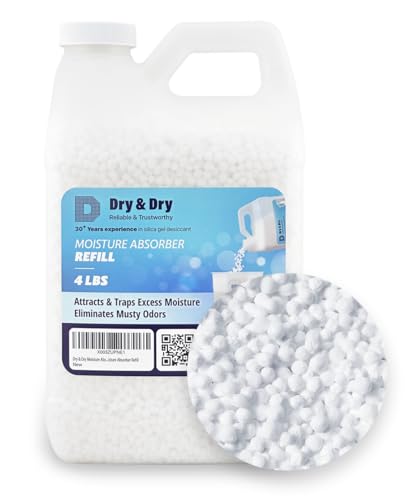
Moisture Absorber Refill, Frangrance Free, Eliminates Musty Odors, Attracts and Traps Excess Moisture

EFFICIENT MOISTURE REMOVAL: Ksend safe moisture absorbers effectively eliminate excess moisture in the air and maintain a comfortable room environment by utilizing large spherical calcium chloride particles. These particles expand the contact area with the air, expediting the dehumidification process.

EFFICIENT DEHUMIDIFICATION: The large spherical calcium chloride particles in the moisture absorber boxes expand the contact area with air and accelerate the dehumidifying process. That's why Vacplus moisture removers can effectively collect the excess moisture in the air and keep your room comfortable.
Moisture Absorption Capacity
Calcium chloride is usually the stronger choice for damp spaces because it can keep drawing moisture until it becomes liquid brine. Silica gel is better for small, sensitive items because it stays dry to the touch and can often be regenerated by heating, depending on the product instructions.
| Option | Best for | Main limitation |
|---|---|---|
| Calcium chloride | Closets, storage areas, RVs, boats, containers, small damp spaces | Turns into brine and must be replaced or refilled |
| Silica gel | Electronics, cameras, documents, toolboxes, sealed bins | Lower capacity in heavy humidity |
| Electric dehumidifier | Rooms, basements, laundry areas, repeated moisture problems | Needs power, drainage, cleaning, and maintenance |
Best Use Cases
Choose calcium chloride when you need simple, low-cost moisture control in an enclosed space and you do not need precise humidity control. Choose silica gel when you are protecting small items in a sealed container. Choose an electric dehumidifier when the space is large, constantly humid, or affected by ongoing moisture sources.
How to Use and Replace It Safely
For best performance, place a calcium chloride dehumidifier in the dampest enclosed area where air can circulate around it. Set it upright on a stable surface, keep it away from children and pets, and avoid placing it directly on metal, wood finishes, carpet, clothing, or paper.
- Put on gloves before opening or replacing the unit.
- Place the container on a plastic tray or shallow bin to catch leaks.
- Set it where humid air can reach it, such as a closet shelf, cabinet corner, or storage area.
- Check the reservoir weekly in very damp weather and monthly in milder conditions.
- Replace or refill the unit when the crystals are gone, the fill line is reached, or the label says it is spent.
- Dispose of the brine according to the product label and local rules.
Warning: Calcium chloride brine can irritate skin and eyes, and solid calcium chloride releases heat when it dissolves in water. Do not ingest it, do not let children or pets reach it, and do not pour water into a container of dry crystals.
Spill Cleanup and Disposal Tips
If brine spills, act quickly because it can leave a slippery residue and may damage metals, leather, wood finishes, and some fabrics. Wear gloves, keep pets and children away, and blot liquid with disposable towels. Then wipe the area with clean water and dry it fully.
- For hard floors, wipe, rinse lightly, and dry so no salty residue remains.
- For metal surfaces, clean promptly to reduce corrosion risk.
- For fabric, leather, paper, or unfinished wood, follow the item’s care instructions and test cleaning in a hidden area.
- For large spills, check the product label or local waste guidance before disposal.
Frequently Asked Questions
Are calcium chloride dehumidifiers effective?
Yes, calcium chloride dehumidifiers are effective for small, enclosed damp spaces such as closets, cabinets, boats, RVs, and storage bins. They are not the best choice for large rooms, active leaks, standing water, or severe basement humidity.
What are the disadvantages of calcium chloride dehumidifiers?
The main disadvantages are limited capacity, ongoing replacement cost, possible brine leakage, skin and eye irritation risk, and corrosion or surface damage if the liquid spills. They also do not control humidity as precisely as an electric dehumidifier.
Can you use calcium chloride as a dehumidifier?
Yes, calcium chloride can be used as a dehumidifier because it is hygroscopic and deliquescent. For home use, choose a purpose-made moisture absorber with a secure reservoir instead of loose calcium chloride crystals in an open bowl.
Can a dehumidifier cause a sore throat?
Yes, any dehumidifying method can contribute to dry throat symptoms if indoor humidity gets too low. Use a hygrometer and aim for a balanced indoor humidity range instead of drying the space as much as possible.
What humidity should I aim for indoors?
For mold prevention, the EPA recommends keeping indoor relative humidity below 60% where possible, ideally between 30% and 50%. Use a hygrometer because a calcium chloride tub cannot show the room’s actual humidity level.
How do I know when to replace a calcium chloride dehumidifier?
Replace it when the crystals have mostly dissolved, the brine reaches the fill line, the container looks swollen or unstable, or the product label says the unit is spent. In very damp spaces, check it more often.
Is calcium chloride better than silica gel?
Calcium chloride is usually better for heavier moisture loads because it can turn absorbed water into brine. Silica gel is better for small sealed containers, electronics, cameras, and documents because it stays solid and many types can be reused after drying.
Can I pour calcium chloride brine down the drain?
Follow the product label and local disposal rules. Small household moisture absorber reservoirs are often disposed of according to label directions, but you should avoid splashing, mixing with other chemicals, or pouring brine where it can contact plants, metals, or sensitive surfaces.
Conclusion
A calcium chloride dehumidifier works because the salt attracts water vapor, absorbs it, and turns into collected brine. That makes it a simple, low-power way to control mild dampness in small enclosed spaces. For best results, place it where humid air can reach it, check the reservoir often, protect nearby surfaces, and replace it before it overflows.
Use calcium chloride for closets, storage areas, RVs, boats, and similar spaces. For leaks, wet building materials, active mold, or large rooms with persistent humidity, fix the moisture source and use stronger ventilation or an electric dehumidifier.
Sources
- OxyChem Calcium Chloride Handbook — backs up hygroscopic/deliquescent behavior, brine formation, storage, and safe handling.
- PubChem: Calcium Chloride — supports chemical identity, solubility, and hazard classification.
- Sustainable, low-cost sorbents based on calcium chloride-loaded polyacrylamide hydrogels — supports condition-based discussion of calcium chloride water uptake research.
- U.S. EPA: A Brief Guide to Mold, Moisture and Your Home — supports moisture-control context, mold prevention, and indoor humidity targets.
- Experimental data on water vapour adsorption on silica gel — supports the silica gel adsorption comparison.