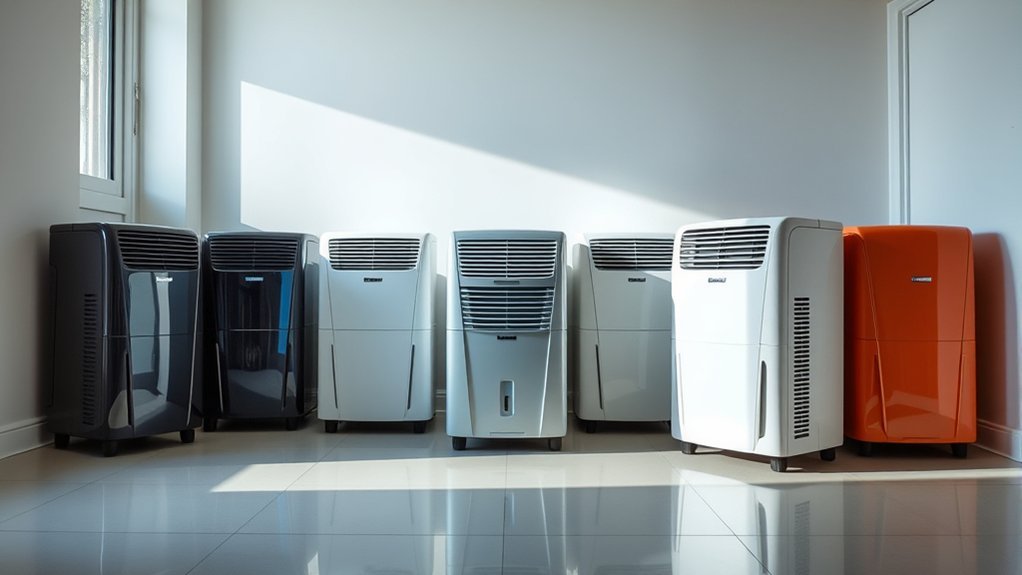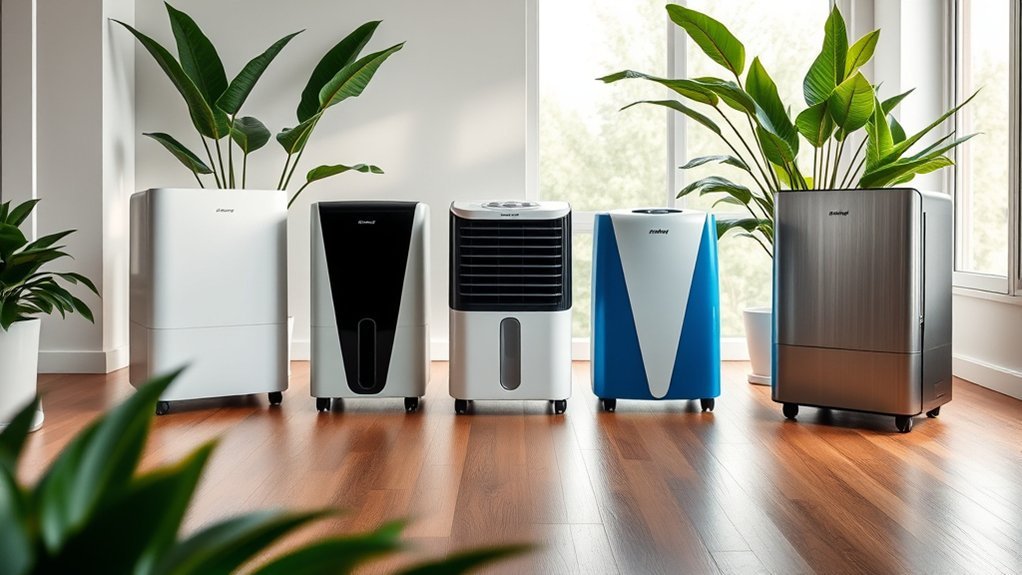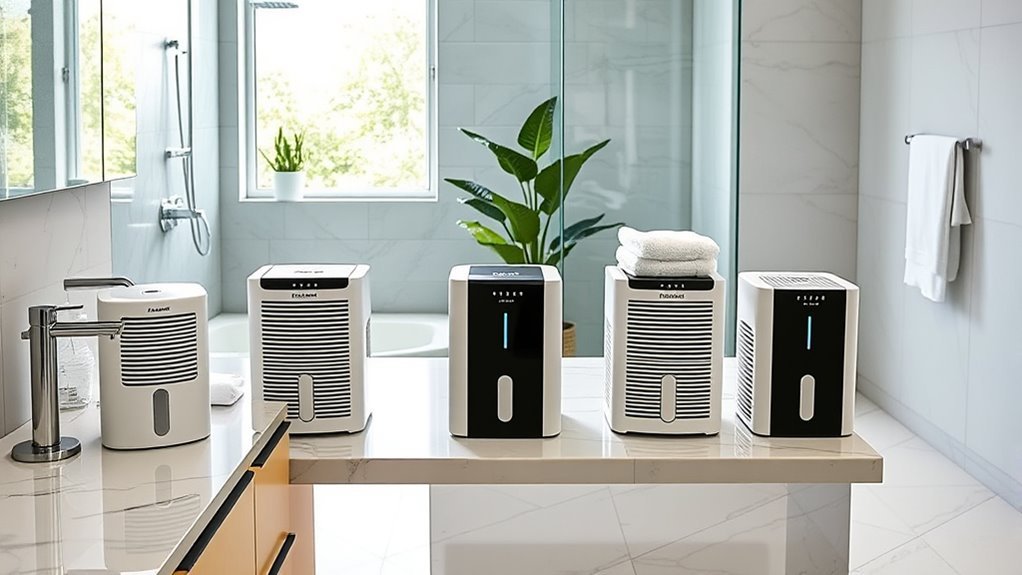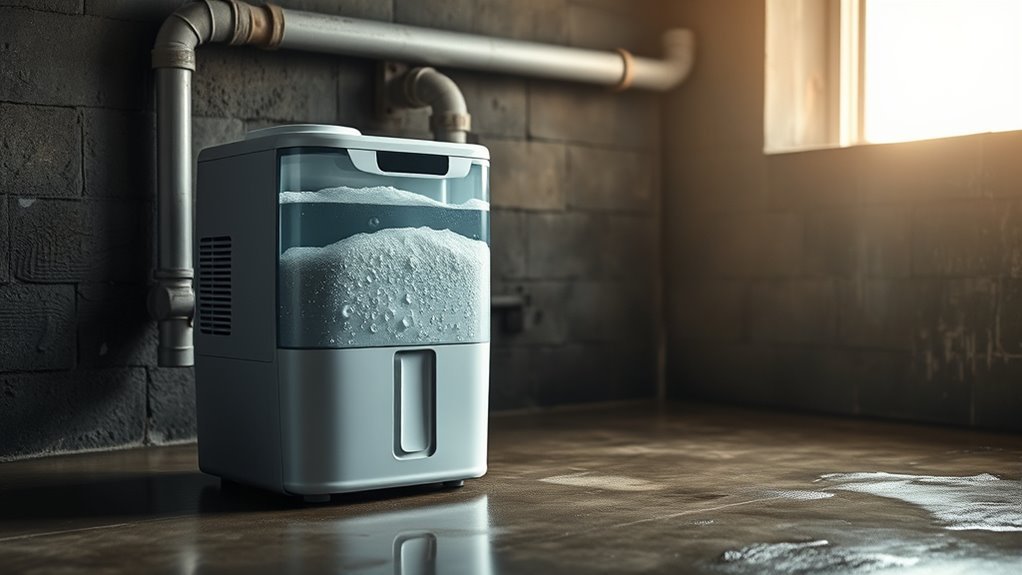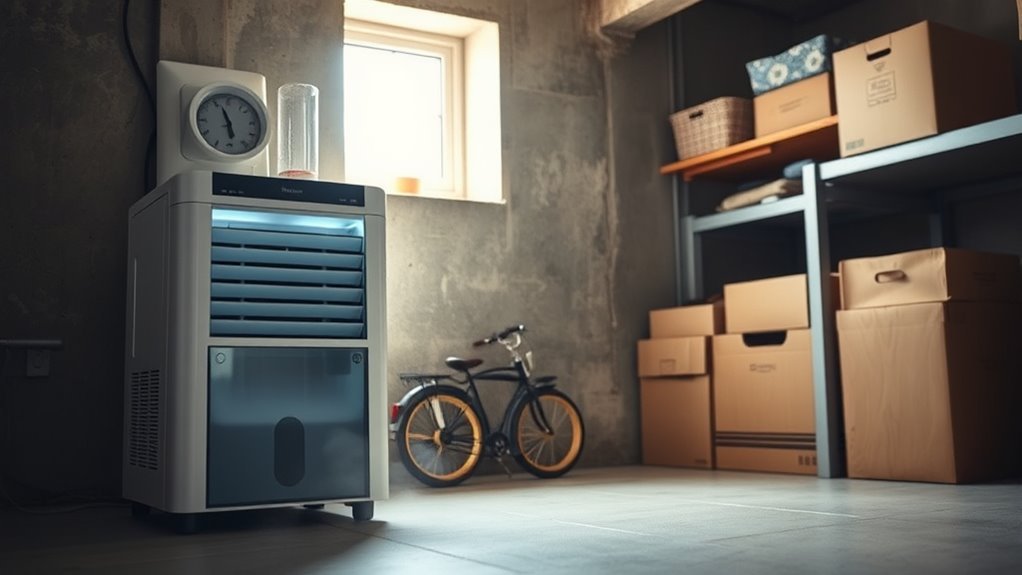
How long should a dehumidifier run? Long enough to bring indoor humidity into a healthy range, not for a fixed number of hours. For most homes, aim for about 30% to 50% relative humidity and keep it below 60%. Damp basements, bathrooms, laundry rooms and recently leaky spaces usually need longer runtime than dry bedrooms or living rooms.
Quick Answer
Typical runtimes are roughly 2 to 12 hours per day, depending on humidity, room size, temperature, and moisture sources. If indoor humidity is above 70%, run the unit continuously at first, then switch to a humidistat setting once the room holds about 40% to 50% RH.
Key Takeaways
- Use a hygrometer or built-in humidistat instead of guessing by time alone.
- Aim for about 30% to 50% indoor relative humidity; for mold prevention, avoid staying above 50% to 60%.
- Run continuously only when humidity is very high, then let the humidistat cycle the unit on and off.
- If the tank fills quickly or the room never dries, check for leaks, poor airflow, a clogged filter, or an undersized unit.
At a Glance
| Time Required | About 2 to 12 hours daily for routine use; continuous operation may be needed at first in very damp spaces. |
| Difficulty | Easy if the unit has a humidistat; moderate if you need to troubleshoot leaks, drainage, or airflow. |
| Tools Needed | Dehumidifier, hygrometer, timer or humidistat, clean filter, and optional drain hose or pump kit. |
| Cost | Runtime cost depends on wattage, electricity rates, humidity load, and whether the unit can cycle off automatically. |
How Long Should a Dehumidifier Run?
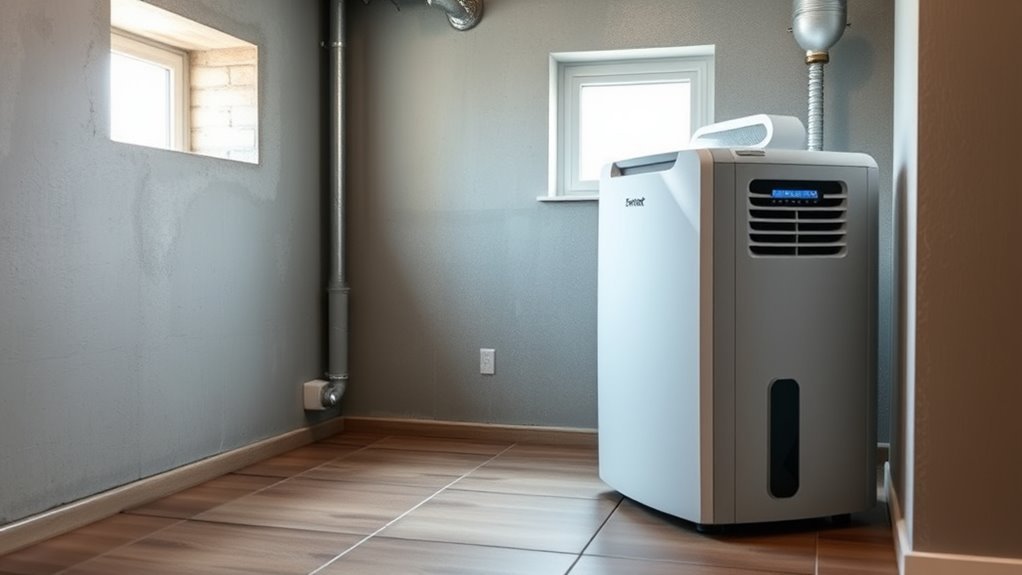
A dehumidifier should run until the room reaches your target humidity. In most homes, that target is about 40% to 50% RH for comfort and mold prevention. The U.S. Environmental Protection Agency recommends keeping indoor humidity below 60% and ideally between 30% and 50% when possible. The Centers for Disease Control and Prevention advises keeping home humidity no higher than 50% all day to help prevent mold.
As a starting point, many rooms need 2 to 8 hours of daily runtime. Damp basements, bathrooms, laundry rooms, and poorly ventilated spaces may need 8 to 12 hours. If humidity is above 70%, run the dehumidifier continuously at first, then reduce runtime once the room stays below your target.
Note: Do not treat 4, 8, or 12 hours as a universal rule. A small dry bedroom may need a short cycle, while a wet basement with seepage may need continuous operation until the moisture source is fixed.
How Long to Run a Dehumidifier Daily
Daily runtime depends on four things: the current humidity reading, the room size, the moisture source, and the dehumidifier’s capacity. A larger room, open basement, indoor laundry area, or space with leaks will need longer runtime than a closed bedroom with mild humidity.
Daily Runtime Factors
Use these starting points, then adjust based on your hygrometer reading:
| Indoor Humidity | Suggested Runtime | What to Do Next |
|---|---|---|
| Above 70% | Run continuously at first | Look for leaks, wet materials, poor ventilation, or an undersized unit. |
| 60% to 70% | About 6 to 12 hours | Run longer after showers, laundry, storms, or basement seepage. |
| 50% to 60% | About 4 to 8 hours | Use the humidistat to bring the room closer to 40% to 50% RH. |
| 30% to 50% | Short cycles or automatic mode | Let the unit cycle on and off instead of running nonstop. |
| Below 30% | Usually off | Avoid over-drying the room, especially during heating season. |
Humidity-Based Scheduling
A humidity-based schedule is more reliable than a fixed daily timer. Start by checking the room with a hygrometer. If the reading is high, run the dehumidifier until the room reaches your target range. Then use automatic mode, a humidistat, or a timer to maintain that level.
ENERGY STAR notes that certified dehumidifiers include a built-in humidistat, which lets the unit cycle on and off after the room reaches the desired RH level. That cycling is the easiest way to save energy without letting dampness return.
How Indoor Humidity Affects Run Time
The higher the moisture load, the longer your dehumidifier has to run. A room at 75% humidity contains much more moisture than a room at 55%, and wet surfaces, damp carpet, laundry, shower steam, or basement seepage will keep adding moisture as the unit works.
Humidity Levels and Runtime
If humidity is only slightly high, a few hours may be enough. If the room is very damp, run the unit longer and keep doors and windows closed so the dehumidifier is not trying to dry outdoor air. Check the reading after a few hours, not just the water level in the tank.
The best runtime is the shortest runtime that keeps the room consistently near your target humidity.
Damp Rooms Need More Time
Basements, bathrooms, laundry rooms, crawl-space-adjacent rooms, and rooms with poor ventilation often need longer daily operation. These spaces may require 8 to 12 hours of runtime, especially after rain, shower use, or indoor clothes drying. If humidity stays high after a full day of operation, the issue is probably not just runtime. Check for water intrusion, blocked airflow, dirty filters, open windows, or the wrong unit size.
Ideal Dehumidifier Run Times by Room
Use these room-by-room ranges as starting points. Adjust them based on the actual RH reading.
- Bedroom: 2 to 4 hours may be enough if humidity is only slightly high. Use quiet or automatic mode at night if noise bothers you.
- Living room: 2 to 6 hours often works when humidity rises from weather, houseplants, cooking, or open windows.
- Bathroom: 2 to 4 hours after showers can help, but an exhaust fan that vents outdoors should be the first defense.
- Laundry room: 4 to 8 hours may be needed after drying clothes indoors. If possible, vent the dryer outdoors and avoid air-drying heavy loads in closed rooms.
- Basement: 8 to 12 hours or automatic continuous cycling may be needed during damp seasons.
- Recently wet room: Run continuously at first, but fix the leak or water source. A dehumidifier cannot solve active water intrusion by itself.
Pro Tip: Place a separate hygrometer across the room from the dehumidifier. The built-in reading near the unit can look lower than the average humidity in the whole space.
Recommended Products

Wellness Indicator: This humidity meter with humidity level icon indicates air conditions - DRY/COMFORT/WET, allowing this humidity sensor to ensure you’re always aware of changes to your home/household with just a quick glance

Face Icon Comfort Indicator: Humidity temperature gauge features face icons to indicate DRY/COMFORT/WET air conditions, quickly informs you how to adjust your humidifier or dehumidifier to achieve optimal comfort.

Smart Features: The Govee Wireless Thermometer Hygrometer supports all basic functions as well as smart functions such as remote monitoring and temp humidity graphs. Our humidity meters are reliable and easy to use for homes, greenhouses and more.(Only supports 164ft Bluetooth connection)
How to Set Your Dehumidifier Timer
Set your dehumidifier timer around moisture events, not just the clock. Run it after showers, cooking, laundry, wet weather, or basement seepage. Then check the humidity reading and shorten or lengthen the next cycle.
- Measure the starting humidity. Use the built-in display or a separate hygrometer.
- Choose a target. Set the humidistat around 45% to 50% for most damp spaces.
- Start with a practical timer. Try 2 to 4 hours in mildly damp rooms and 6 to 12 hours in basements or laundry rooms.
- Check the reading again. If the room is still above 50% to 60%, run another cycle.
- Switch to automatic mode. Once humidity is stable, let the humidistat cycle the unit instead of forcing nonstop runtime.
Recommended Products

【The Undisputed Champion — Industry-Leading Dehumidifier Brand】When you choose AEOCKY, you get double market validation. According to data independently verified by Stackline, a leading third-party data analytics company, AEOCKY was an industry‑leading dehumidifier brand on Amazon U.S. in 2025. This means you’re not just choosing a flagship product from a market leader, but a top-performing brand backed by independent market data and trusted by millions of real users, delivering the ultimate combination of performance, quality and trust.

Product Type :Light Bulb

The humidity controller ranges from 5 to 99.99% RH
When to Run a Dehumidifier Continuously
Run your dehumidifier continuously when the room is extremely damp, humidity is above 70%, the tank fills rapidly, or mold and musty odors are already a concern. Continuous operation can also help after a leak has been repaired and wet materials are drying. Keep checking the RH level. Once the room holds around 40% to 50%, reduce runtime or use automatic mode.
Warning: Follow your owner’s manual for continuous operation. Keep the unit on a level floor, do not place it where water can splash into it, do not run it with a damaged cord, and unplug it before cleaning.
Continuous drainage makes long runtime easier. If your model supports a drain hose or pump, connect it according to the manual and make sure the hose slopes correctly, has no kinks, and drains into a safe location. If you rely on the bucket, empty it before it reaches full shutoff so the unit can keep working.
Where to Place a Dehumidifier for Better Runtime
Placement can shorten runtime. Put the dehumidifier in the dampest part of the room, away from walls, curtains, furniture, and anything that blocks airflow. Keep interior doors open if you want to dry connected spaces, or close the door if you want to focus on one room.
Avoid placing the unit directly against wet laundry, inside a shower area, or near standing water. Many compressor dehumidifiers also work less efficiently in cold rooms, and some may frost up if the temperature is too low. If the room is cold, choose a model with auto-defrost or check whether a desiccant dehumidifier is more suitable.
Signs Your Dehumidifier Is Overworking
Your dehumidifier may be overworking if it runs nonstop but humidity does not fall, the tank fills much faster than usual, the room still smells musty, or energy use rises sharply. Before assuming the unit is broken, check these common causes:
- Dirty filter: A clogged filter restricts airflow and slows moisture removal.
- Undersized unit: A small model may not handle a large basement or heavy moisture load.
- Open windows or doors: Outdoor humidity can replace the moisture the unit removes.
- Leaks or seepage: Active water intrusion will keep feeding the problem.
- Poor placement: Blocked intake or exhaust air makes the unit work harder.
- Cold room: Frost or low temperature can reduce performance.
If the unit still cannot reach the target humidity after these checks, inspect the space for hidden moisture or consider a larger-capacity unit. For major leaks, visible mold, or flood damage, get professional help rather than relying on a portable dehumidifier alone.
How to Empty and Clean the Tank
Check the tank daily when the room is damp. Empty it as soon as it is full, then reinstall it correctly so the unit can restart. Standing water in the bucket can develop odors and buildup, so clean the tank regularly with mild soap and water unless your manual gives different instructions.
- Turn off and unplug the dehumidifier.
- Remove the bucket carefully so water does not spill into the unit.
- Pour the water into a sink, toilet, or floor drain.
- Wash the tank with mild soap and warm water.
- Rinse and dry the tank before reinstalling it.
- Check the drain opening, hose, and bucket float for clogs or buildup.
Also clean the air filter on the schedule in your owner’s manual. GE Appliances warns not to operate a dehumidifier without the filter installed, because dirt and lint can clog the unit and reduce performance. A Midea dehumidifier manual also advises unplugging before cleaning and cleaning the filter every two weeks.
What to Do If Your Dehumidifier Fills Too Fast
A fast-filling bucket can mean the unit is doing its job in a very damp room. It can also point to a larger moisture problem. Track the pattern for a few days and compare it with the humidity reading.
- Check the RH reading. If it is still above 60% to 70%, the room is still carrying a heavy moisture load.
- Inspect the drain setup. Look for a kinked hose, clogged drain port, or loose connection.
- Look for moisture sources. Check plumbing, foundation seepage, wet carpet, damp drywall, dryer venting, and condensation.
- Improve airflow. Move the unit away from walls and clean the filter.
- Confirm capacity. If the unit is too small for the room, it may run constantly without catching up.
If the tank fills fast and the room stays damp, do not just keep extending the timer. Find and fix the moisture source first.
Recommended Products

Multi-Purpose Hose, 6ft Cut-to-Fit:This 6-foot hose is designed for various applications, including dehumidifier drainage and gardening tasks. It can be easily cut to the desired length for flexible use. Please confirm the required length before purchase.

[Convenient] This drain hose automatically drains water from the dehumidifier to the drain for uninterrupted use.

MULTIFUNCTIONAL UNIVERSAL DRAIN HOSE: This drain hose has multiple uses, in addition to being suitable for dehumidifier drainage, it is also suitable for air conditioner drainage as well as being suitable for a variety of gardening tasks. Additionally our dehumidifier drain hose can be cut to your desired length to customize it for different situations.
Can You Run a Dehumidifier Too Long?
Yes. Running a dehumidifier too long can over-dry the room, waste energy, and make the unit cycle more than needed. If humidity falls below 30%, turn the unit off or raise the humidistat setting. Over-dry air may feel uncomfortable, especially during winter heating season.
People with asthma, COPD, allergies, or other respiratory conditions should be extra careful with humidity extremes. Dampness and mold can irritate the lungs, but overly dry air may also feel irritating. The American Lung Association notes that dampness and mold can contribute to upper and lower respiratory problems. Johns Hopkins Medicine explains that dehumidifiers can help limit mold and bacterial growth in humid homes. If you have a diagnosed lung condition, use your clinician’s advice as the final guide.
Frequently Asked Questions
Is it best to run a dehumidifier at night or during the day?
Run it when humidity is highest. For many homes, that is after showers, cooking, laundry, rain, or overnight basement dampness. Nighttime use can be convenient if noise does not disturb sleep, but daytime use is better if that is when moisture is produced.
Can you run a dehumidifier too much?
Yes. If humidity drops below about 30%, the room may become too dry. Use a humidistat, timer, or automatic mode so the unit shuts off after it reaches your target range.
Should a dehumidifier run all the time?
Not nonstop. Run it until the room reaches your target humidity, then let the humidistat cycle the unit. If it never reaches the target, check for an undersized unit, open windows, a dirty filter or an active moisture source.
How long can a dehumidifier run continuously?
Many dehumidifiers can run continuously when used according to the owner’s manual, especially with a drain hose or pump. Use automatic shutoff, keep the filter clean, place the unit on a level surface, and stop continuous operation once humidity is stable.
What humidity should I set my dehumidifier to?
A setting around 45% to 50% works well for many damp rooms. If you see condensation, musty odors, or mold risk, aim closer to 45%. In winter, avoid over-drying the room below about 30%.
Why does my dehumidifier run all day but humidity stays high?
Common causes include an undersized unit, dirty filter, open windows, poor airflow, low room temperature, active leaks, or wet building materials. Fix the moisture source first, then use the dehumidifier to bring humidity back under control.
Conclusion
Run your dehumidifier long enough to keep indoor humidity near 30% to 50%, then let the unit rest or cycle automatically. In dry rooms, that may mean only a few hours. In damp basements, bathrooms, laundry rooms, or wet spaces, it may mean 8 to 12 hours or continuous operation at first. The best approach is simple: measure humidity, set a realistic target, keep the filter and tank clean, and fix any moisture source that keeps the room damp.
Sources
- U.S. Environmental Protection Agency: A Brief Guide to Mold, Moisture and Your Home — supports indoor humidity targets and mold-prevention guidance.
- Centers for Disease Control and Prevention: Mold — supports keeping home humidity no higher than 50% all day for mold prevention.
- ENERGY STAR: Dehumidifiers — supports humidistat cycling and energy-conscious operation.
- GE Appliances: Dehumidifier Cleaning and Maintenance — supports filter maintenance and operation guidance.
- Midea Dehumidifier Manual — supports safety, cleaning, placement, and filter-care guidance.
- Johns Hopkins Medicine: Air Filters, Dehumidifiers, and Humidifiers — supports health-related context for humid homes, mold, and allergens.