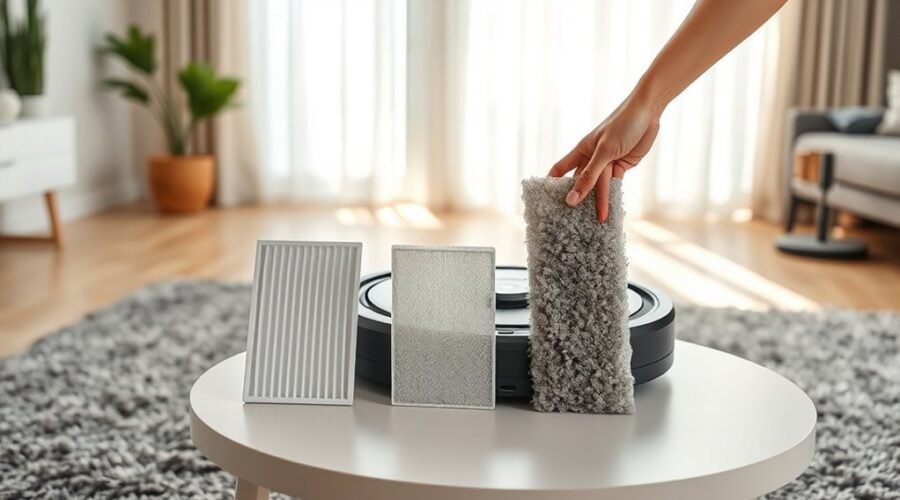
A robot vacuum filter should usually be cleaned about once a month, or after roughly 10 hours of use, but that baseline changes with pets, dust, and heavy foot traffic. Frequent checks can prevent suction loss and help protect air quality. The key issue is not only routine cleaning, but knowing when conditions demand more frequent care, and when a filter has reached the point where cleaning is no longer enough.
How Often Should You Clean Your Robot Vacuum Filter?
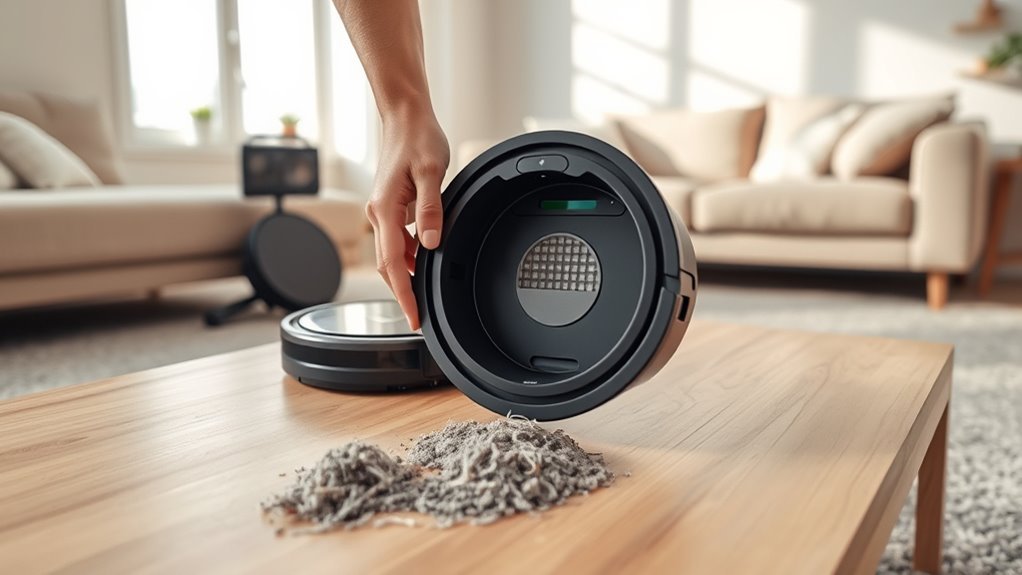
Robot vacuum filters should be cleaned at least once a month to preserve suction performance and indoor air quality. This baseline applies to most robot vacuums and provides a reliable interval for maintaining efficient airflow.
A clean filter reduces resistance, supports stronger pickup, and helps the machine keep working across hard floors and carpet. After roughly 10 hours of vacuuming, the filter should be checked and cleaned if debris is visible or airflow is reduced.
In environments with pets or heavy dust, a more frequent clean filter cycle, including weekly service, may be justified. Inspection should also include signs of wear, since replacement is advised after about 120 hours of use or earlier if damage appears.
Regular maintenance gives users greater control over cleaning results and limits dependence on overworked equipment.
What Affects Robot Vacuum Filter Cleaning Frequency?
Cleaning frequency depends on how the vacuum is used and the conditions it operates in. Usage time is the first control variable: a practical benchmark is cleaning the filter after about 10 hours of operation to preserve airflow and suction.
Households with pets or children usually load the filter faster, because hair, lint, crumbs, and fine dust accumulate more aggressively. Flooring also matters. Carpets retain more debris than hard surfaces, so units working on textile surfaces often need earlier attention.
Pets, kids, and carpeted floors all make filters clog faster, so these vacuums need earlier attention.
In busy homes or high-traffic zones, the filter should be checked at least monthly, and more often when performance drops. Visible wear, clogging, or persistent loss of pickup signals that maintenance is overdue.
At roughly 120 hours of cleaning, or sooner if efficiency falls, users should replace the filter. This disciplined approach gives the machine freer movement, steadier cleaning, and less dependence on avoidable labor.
How Do You Clean a Robot Vacuum Filter?
Before servicing the unit, the robot vacuum should be powered off and removed from the charging dock to eliminate the risk of accidental activation.
The filter is usually housed inside the dust bin or canister, so the cover or latch should be opened and the part lifted out carefully.
To clean the filter, loose debris should be shaken into a trash can first, reducing clogging before water is used. If needed, the filter can be rinsed under lukewarm water and lightly rubbed to dislodge embedded dirt.
Harsh scrubbing, detergents, and high heat should be avoided, as they can damage filtration media.
After washing, the filter must air-dry completely before being reinstalled; moisture can encourage mold and reduce performance.
As a practical baseline, users should clean your robot vacuum’s filter at least monthly, with shorter intervals in homes with pets or significant dust, preserving efficiency and maintaining cleaner air.
When Does Your Robot Vacuum Filter Need Extra Cleaning?
Beyond the basic monthly cleaning schedule, a robot vacuum filter may need attention sooner when operating conditions are demanding. A practical threshold is every 10 hours of operation, because accumulated debris can restrict airflow and reduce collection efficiency.
In homes with pets or children, the filter typically traps more hair, crumbs, and fine particles, so a tighter clean interval is justified. Heavy dust, construction residue, or persistent allergens also warrant weekly inspection and cleaning to preserve suction and air quality.
A drop in suction power, visible dust escape, or lingering odors indicates that the filter is overloaded and should be cleaned without delay. Regular monitoring prevents the machine from laboring against blockage and keeps maintenance under user control.
For those seeking cleaner, more autonomous living, disciplined filter care is a small routine with outsized practical benefit.
How Do You Know When to Replace the Filter?
Filter replacement becomes necessary when inspection reveals visible tears, holes, or other structural wear.
A measurable drop in suction, or reduced pickup of debris, also indicates that the filter may no longer be functioning effectively.
Persistent odors or continued dust discharge after cleaning can further confirm that replacement is due.
Visible Wear And Tears
Visible wear is one of the clearest indicators that a robot vacuum filter should be replaced. Any visible damage, including tears, holes, frayed edges, or warped pleats, can compromise airflow and reduce filtration integrity.
A filter that appears unusually dark, stained, or packed with debris also warrants replacement, because accumulated contamination restricts performance and signals that cleaning is no longer sufficient.
Routine inspection gives the user practical control over maintenance decisions, rather than relying on guesswork. Manufacturers commonly advise replacement after about 120 hours of operation or every two to three months, depending on use.
When wear becomes obvious, prompt replacement restores reliable airflow, supports reduced performance recovery, and helps keep the machine working with greater autonomy and efficiency.
Reduced Suction Performance
Reduced suction is another reliable sign that a robot vacuum filter needs attention. When reduced suction performance appears, the primary filter may be clogged, restricting airflow and weakening pickup.
A practical check is simple: if dust remains after a normal pass, or if cleaning efficiency drops noticeably, the filter deserves inspection. Visible dirt, tearing, or holes indicate immediate replacement rather than further use.
Most filters reach a functional limit after about 120 hours of cleaning, after which suction loss becomes more likely. Washable filters should be cleaned at least monthly to preserve output, while disposable versions should be replaced according to manufacturer guidance, often after 12 vacuum sessions.
This approach keeps maintenance disciplined and supports cleaner floors with less dependence on guesswork.
Persistent Odors And Dust
Persistent odors or lingering dust from a robot vacuum often point to a clogged or dirty filter that is no longer trapping debris effectively. A worn filter can compromise suction, reduce air quality, and leave a stale smell in the home. When washable units are cleaned yet persistent odors remain, replacement is the practical next step.
| Indicator | Meaning | Action |
|---|---|---|
| Tears or holes | Filter failure | Replace immediately |
| Heavy soil | Reduced airflow | Replace or deep clean |
| ~120 hours use | End of service life | Install new filter |
Visible damage, persistent odors, or a sharp drop in suction signals the filter has reached its limit. Routine inspection preserves efficiency and supports a cleaner, freer living space.
Washable vs Disposable Robot Vacuum Filters
Washable robot vacuum filters are intended for repeated use and typically benefit from rinsing every 1–2 months.
In dusty or pet-heavy homes, more frequent care is recommended to preserve airflow and suction.
Disposable filters are replaced rather than cleaned, usually after 2–3 months or sooner if clogging reduces performance or increases motor load.
Filter condition should be monitored directly, since visible wear or reduced cleaning efficiency indicates either the need for washing or replacement.
Washable Filter Care
A washable robot vacuum filter can be rinsed and reused multiple times, making it a practical option for households that want lower replacement costs. However, it typically needs replacement after about 120 hours of cleaning or sooner if it shows wear.
For washable filters, monthly washing is a baseline for preserving suction and air quality; pets or heavy dust justify tighter intervals.
- Rinse gently, then dry fully before reinstalling to prevent airflow loss.
- Inspect pleats for tears, deformation, or embedded debris.
- Track runtime and clogging patterns to decide when replacement is warranted.
These filters usually trap larger debris effectively and support maintenance autonomy, but performance declines when neglected. Routine inspection keeps the system efficient and helps guarantee cleaner indoor air without unnecessary waste or dependence on frequent purchases.
Disposable Filter Replacement
Disposable filters require a different maintenance approach than washable ones because they are not intended for repeated rinsing and reuse.
In practice, disposable filter replacement should occur when clogging is visible or after about 12 vacuum sessions, whichever arrives first. This schedule preserves suction, limits motor strain, and keeps debris flow unobstructed.
HEPA filters, often used as disposable elements, trap microscopic particles with high efficiency, yet their performance declines as dust loads rise. Regular inspection consequently supports cleaner air and steadier robot operation.
Unlike washable filters, these parts are not reclaimed through rinsing; they are removed and discarded. Users seeking greater control over maintenance should verify the vacuum manual for the exact filter type and interval, then follow that guidance without compromise.
How Can You Keep the Filter Cleaner Longer?
Keeping a robot vacuum filter cleaner for longer starts with simple preventive habits: empty loose debris from the filter over a trash can before rinsing it, clean it at least once a month—or about every 10 hours of use for heavy operation—and guarantee it dries completely after a lukewarm-water rinse to prevent mold and preserve airflow.
Consistent filter cleaning reduces clogging and helps the machine move freely through demanding spaces.
- Choose a washable filter, since rinsing and reuse extend service life and reduce waste.
- Inspect for wear after roughly 120 hours of cleaning; replace any filter with damage or persistent airflow loss.
- Keep the dock and brush path clear so less dust reaches the filter.
This routine preserves suction, lowers maintenance burden, and supports independent, efficient operation.
Clean handling, timely drying, and scheduled replacement create a durable system that performs reliably without unnecessary restriction.
Frequently Asked Questions
How Long Do Roomba Filters Last?
Roomba filters typically last about 120 cleaning hours, or roughly 12 vacuum sessions, with proper filter maintenance. Cleaning frequency should increase in pet-heavy or dusty homes; visible wear or tears signals immediate replacement.
Is It Okay to Run a Robot Vacuum Every Day?
Yes—daily use is generally acceptable, like a quiet sentry sweeping each day. For homes with pets or heavy traffic, a daily maintenance routine and strict cleaning schedule improve suction, reduce allergens, and preserve machine longevity.
What Is the Average Lifespan of a Robot Vacuum Cleaner?
A robot vacuum cleaner typically lasts 3 to 6 years. Lifespan depends on robot maintenance, cleaning frequency, flooring, and use. Quality units may last longer, while filters and batteries often need replacement every 1 to 2 years.
Can Roomba Filters Be Washed and Reused?
Yes—washable Roomba filters can be rinsed and reused after proper air-drying. Effective filter maintenance depends on regular cleaning frequency: monthly for washable units, while disposable filters require replacement when clogged, not washing.
Conclusion
In practical use, a robot vacuum filter should be cleaned at least monthly, or every 10 hours of operation, with tighter intervals in homes with pets, heavy foot traffic, or dust. Reduced suction, visible debris, or odor signals immediate maintenance. A clean filter supports stronger airflow, better particle capture, and improved indoor air quality. A routine that includes cleaning, inspection, and timely replacement prevents performance loss and keeps the vacuum operating like a clear airway, not a clogged one.