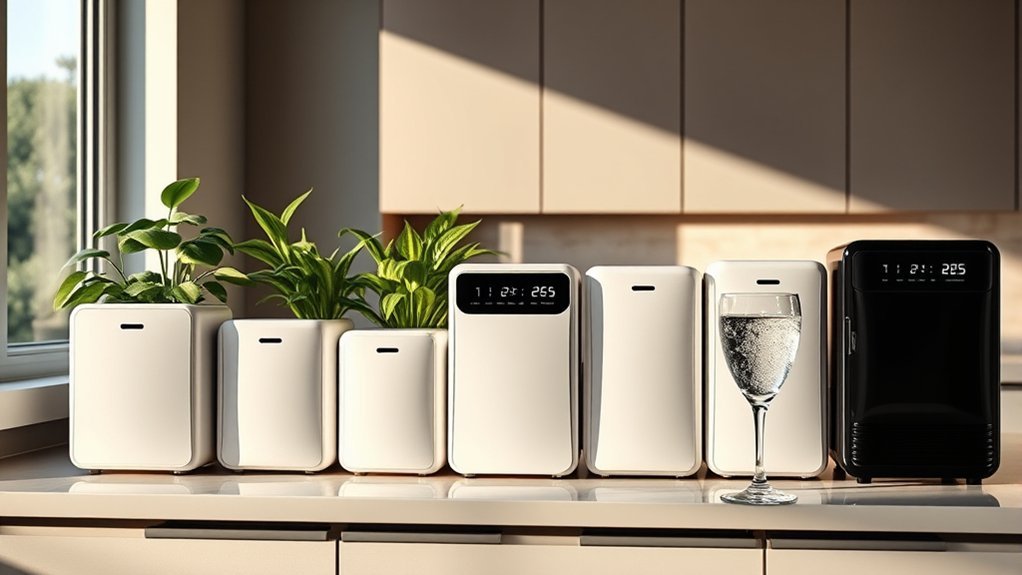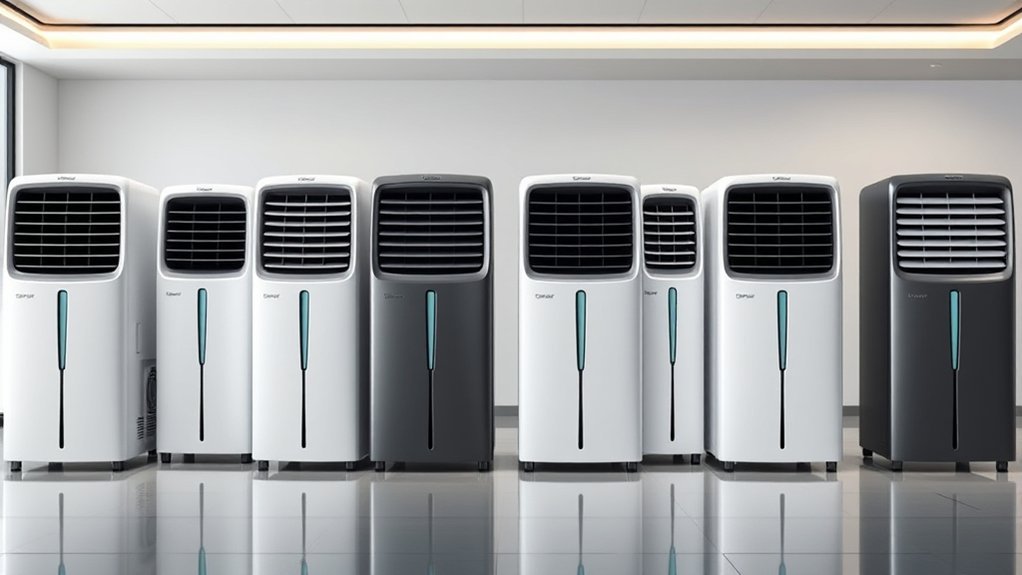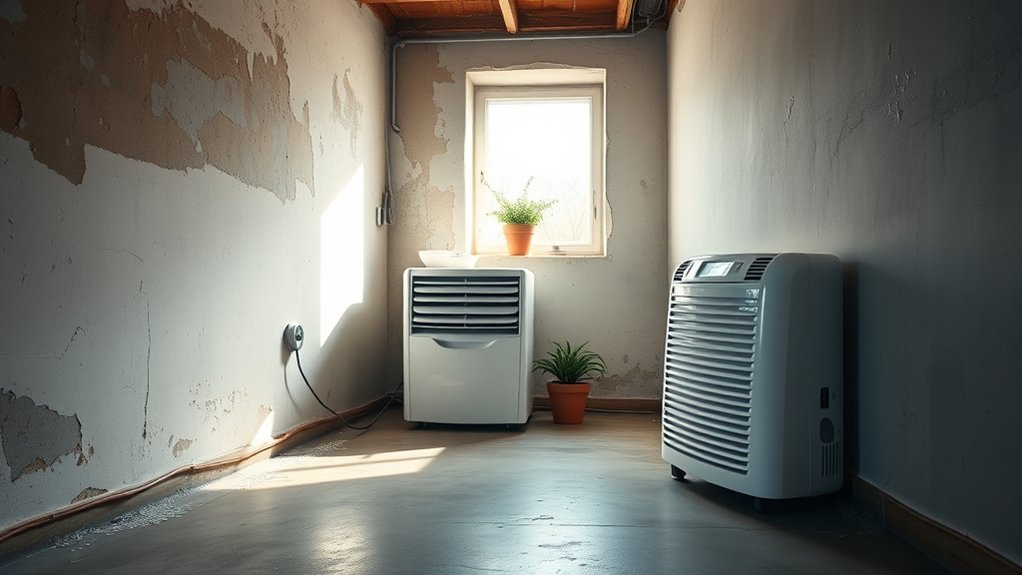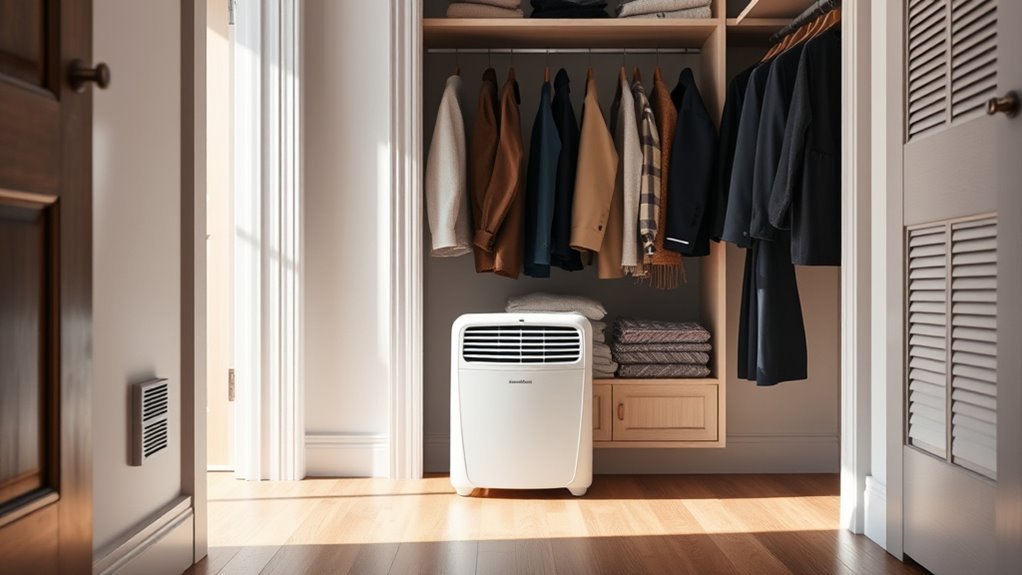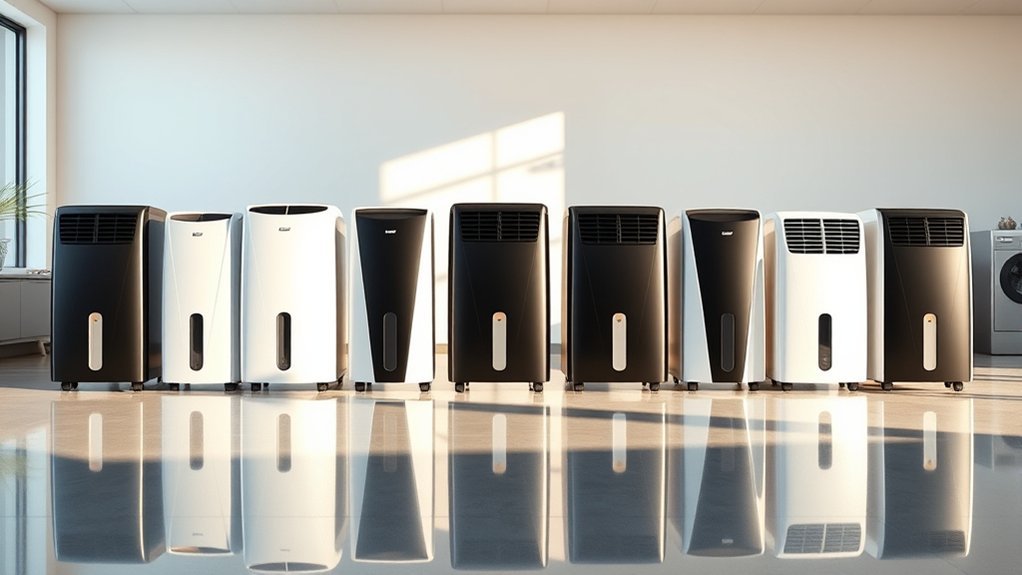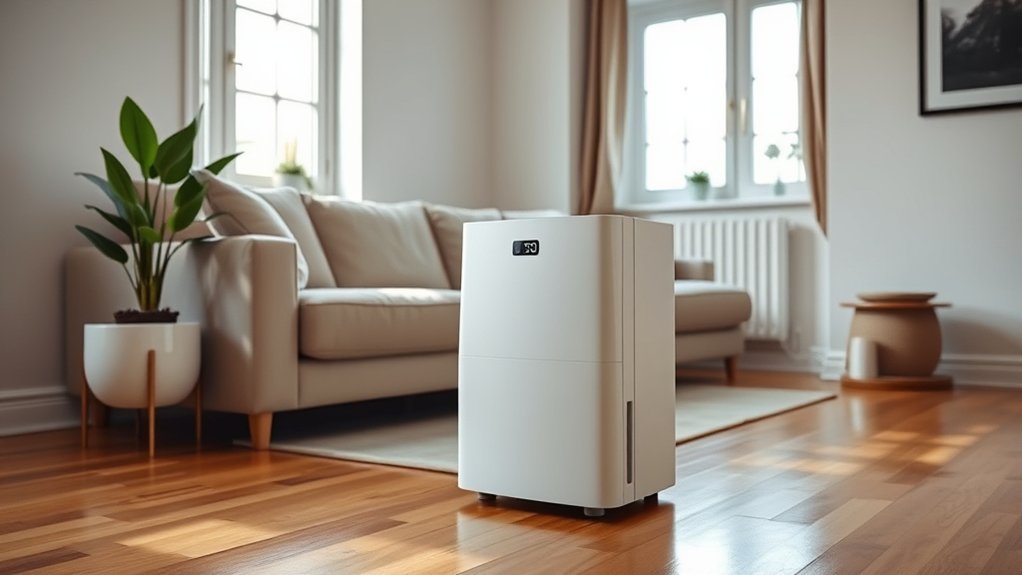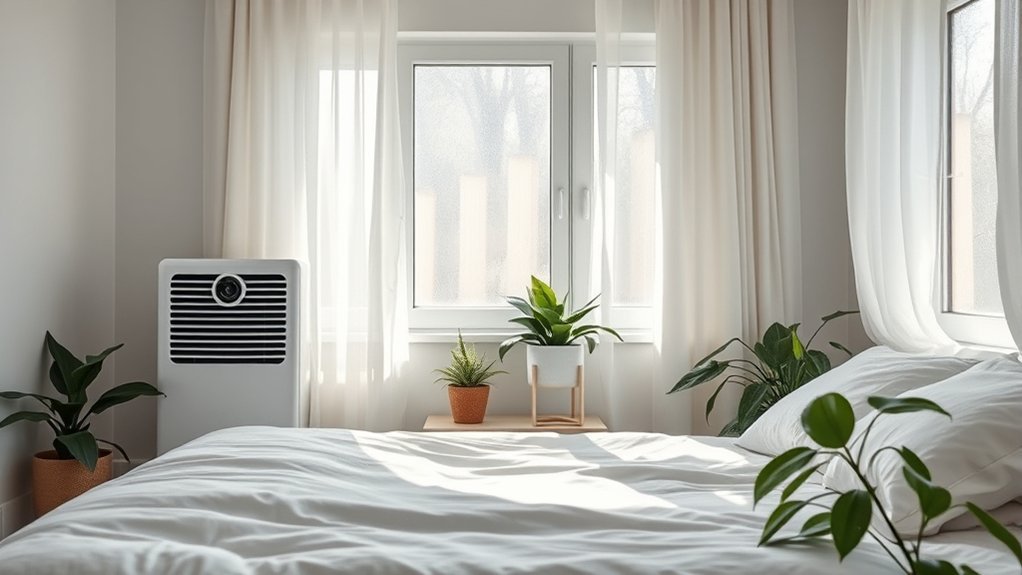
If you need to dehumidify a room fast, start with the moisture source, not just the damp feeling. A dehumidifier or air conditioner can lower humidity quickly, but leaks, wet materials, poor ventilation, shower steam, cooking, and drying laundry indoors can keep feeding the problem. The goal is simple: measure the room, remove new moisture, move air correctly, and keep indoor relative humidity around 30% to 50% when possible.
Quick Answer
To dehumidify a room fast, close windows if the outdoor air is humid, run a dehumidifier in the dampest area, use fans to move air toward it, run bathroom or kitchen exhaust fans, and stop active moisture sources such as leaks, wet laundry, or standing water.
Key Takeaways
- Use a hygrometer first so you know whether the room is actually too humid.
- Aim for 30% to 50% relative humidity when possible; at minimum, keep it below 60% to reduce mold risk.
- Run a dehumidifier or AC with windows closed when outdoor air is humid.
- Open windows only when the outdoor air is drier and outdoor air quality is acceptable.
- Fix leaks, wet carpets, damp walls, blocked drains, and poor exhaust ventilation or the humidity will return.
At a Glance
| Time Required | 15 minutes for setup; 1 to 6+ hours for noticeable drying, depending on room size and moisture level |
| Difficulty | Easy for everyday humidity; moderate if leaks, mold, or wet building materials are involved |
| Tools Needed | Hygrometer, dehumidifier, fan, AC or exhaust fan, towels or wet/dry vacuum for spills |
| Cost | Low if using fans and ventilation; higher if you need a portable dehumidifier or professional leak repair |
How to Dehumidify a Room Fast
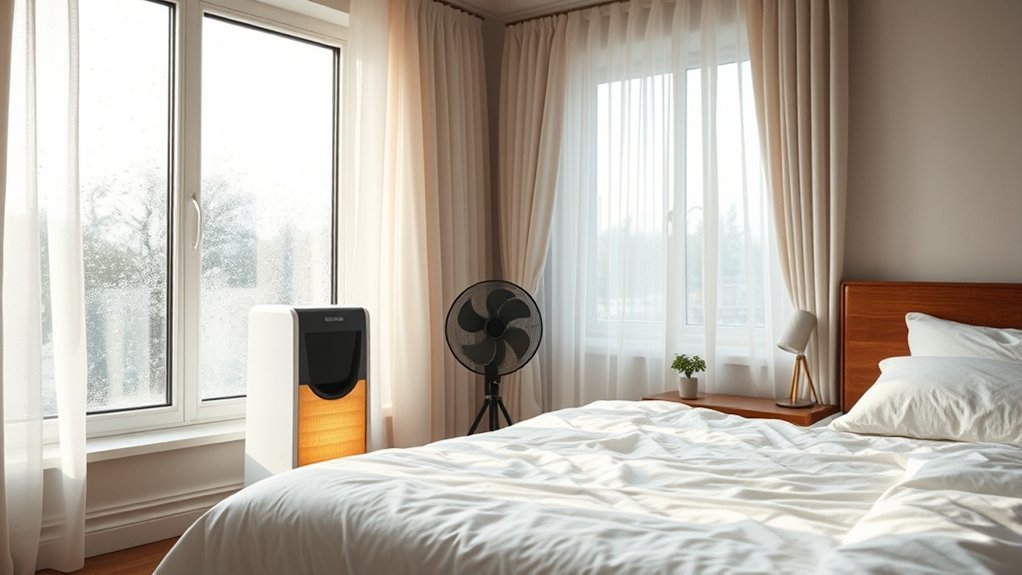
For the fastest results, treat humidity like a source-and-removal problem. First, stop new moisture from entering the room. Then remove the moisture already in the air and materials. A powered dehumidifier is usually the quickest single tool, but it works best when the room is set up correctly.
- Check the humidity level. Use a hygrometer and note the starting relative humidity. If it is above 50% to 60%, the room needs active moisture control.
- Stop obvious moisture sources. Wipe up water, remove wet towels, stop drying laundry indoors, cover simmering pots, and check for leaks.
- Close windows and doors if outdoor air is humid. A dehumidifier or AC works faster in a sealed room because it is not fighting new damp air from outside.
- Run a dehumidifier in the dampest zone. Keep the intake and exhaust clear so the unit can pull in humid air and circulate drier air.
- Use fans to move air. Aim fans across the room and toward the dehumidifier, not directly at one tiny wet spot.
- Use exhaust fans at the source. Run bathroom and kitchen fans while showering or cooking and for a while afterward.
- Recheck the hygrometer. Once the room reaches about 30% to 50% RH, switch to maintenance mode.
Warning: If the room is wet from a flood, sewage backup, roof leak, or major plumbing leak, dry materials quickly and safely. The CDC recommends drying homes fully and quickly, within 24 to 48 hours after flooding, to help prevent mold growth.
Measure Humidity First
Before you open windows or start running appliances, measure the room with a hygrometer. Guessing can waste time because a room can feel clammy from poor airflow, cold surfaces, damp fabrics, or actual high humidity.
The EPA recommends keeping indoor humidity below 60% and ideally between 30% and 50% where possible. The CDC gives an even stricter mold-prevention target: no higher than 50% all day long. For most rooms, aim for 30% to 50% RH and avoid staying above 60%.
| Humidity Reading | What It Means | What To Do |
| 30% to 50% | Good target range for most rooms | Maintain airflow and fix moisture sources |
| 51% to 60% | Borderline damp, especially for basements and bathrooms | Run fans, exhaust fans, AC, or a dehumidifier |
| Above 60% | Too humid; mold risk rises if moisture persists | Use active dehumidification and find the source |
What’s Causing the Moisture?
Moisture usually comes from one of four places: outdoor air, water leaks, indoor activities, or damp materials. You need to identify the source because a room will not stay dry if new moisture keeps entering.
- Leaks: roof leaks, plumbing faults, leaking appliance lines, dripping faucets, damp foundations, or water entering around windows.
- Daily activities: showers, cooking, dishwashing, indoor laundry drying, aquariums, and many houseplants.
- Poor ventilation: bathroom fans that do not vent outside, blocked vents, closed interior doors, or stagnant air behind furniture.
- Condensation: moisture on windows, pipes, walls, or cold corners.
- Weather and building gaps: humid outdoor air, rain, poor seals, clogged gutters, or soil sloping toward the foundation.
Condensation on windows or walls is a warning sign. It means moist air is hitting a cold surface and turning into water. Dry the surface, improve airflow, and reduce the moisture source before it turns into a mold problem.
Open Windows, Doors, and Vents
Opening windows can help, but only under the right conditions. If the outdoor air is drier than the indoor air, cross-ventilation can push humid indoor air out. If it is raining, muggy, or hotter and more humid outside, opening windows can make the room wetter.
Use this simple rule: open windows when the outdoor air feels dry, the weather is clear, and outdoor air quality is acceptable. Keep windows closed when rain, fog, high outdoor humidity, smoke, or poor air quality is present.
Note: If you are running a dehumidifier or air conditioner, close windows and doors. Otherwise, the appliance keeps pulling in new humid air and works harder than necessary.
To ventilate quickly, open two windows on opposite sides of the room or open a window and a nearby door. Place one fan so it pushes damp air toward the exit path. In bathrooms and kitchens, use exhaust fans that vent outdoors. The U.S. Department of Energy recommends using bathroom and kitchen exhaust fans to remove moisture and odors quickly, and those fans should vent outside the home.
Dehumidify a Room With Fans and AC
Fans alone do not remove water from the air. They help by moving damp air away from surfaces and toward a dehumidifier, exhaust fan, or open path. AC can remove some moisture while cooling, but it works best when the room is closed off from humid outdoor air.
Recommended Products

𝗢𝗻𝗲 𝗙𝗮𝗻 𝗳𝗼𝗿 𝗔𝗹𝗹 𝗬𝗼𝘂𝗿 𝗡𝗲𝗲𝗱𝘀: From a gentle breeze to a powerful wind, it adapts to your everyday needs with up to 28 ft/s airflow and a wide oscillation angle to deliver fast, whole-room cooling
Fan Placement Tips
Place fans where they move air through the whole room, not where they blast one wall or one wet patch. Good airflow prevents moisture from sitting in corners, behind furniture, and inside fabrics.
- Use an oscillating fan to sweep air across the room.
- Move furniture a few inches away from cold exterior walls.
- Point a fan toward the dehumidifier intake area, while keeping the unit’s vents clear.
- Use a window fan only when outdoor air is drier than indoor air.
- Keep closet doors open if the closet smells musty or feels damp.
Use AC Efficiently
Air conditioning can help reduce humidity because cooling coils condense moisture from the air. For fast results, close windows and doors, set the AC to cooling or dry mode if available, and keep the filter clean. If the room feels cold but still damp, the AC may be cycling off too quickly or the moisture load may be too high, so a dedicated dehumidifier can help.
| Checkpoint | Action |
| Room sealed | Shut windows and exterior doors while AC or a dehumidifier runs |
| AC running | Use cooling or dry mode and avoid constant fan-only mode in damp weather |
| System health | Clean filters and keep condensate drains clear |
| Comfort target | Use a hygrometer and aim for 30% to 50% RH |
Boost Air Circulation
Better air circulation helps damp surfaces dry more evenly and helps your dehumidifier or AC treat more of the room. Keep interior doors open when you want airflow between rooms, but close the room off when you are actively running a portable dehumidifier for fast results.
Pro Tip: If one corner stays damp, pull furniture away from the wall, run an oscillating fan, and check for cold surfaces, hidden leaks, or blocked airflow behind curtains and storage boxes.
Use a Dehumidifier the Right Way
A dehumidifier is the most direct way to remove moisture from a room. According to ENERGY STAR, the optimum relative humidity level for a building is generally considered 30% to 50%, and ENERGY STAR dehumidifiers include a built-in humidistat so you can set the desired RH level.
For fast drying, place the dehumidifier in the dampest part of the room or near the center of the space. Keep it at least several inches away from walls, curtains, bedding, and furniture so air can flow through it. Empty the bucket often or use a drain hose if the unit supports one.
Warning: Follow the dehumidifier manufacturer’s electrical instructions. ENERGY STAR advises using a properly grounded outlet and keeping drain hoses, water disposal, and cords away from electrical circuits and trip hazards.
Recommended Products

Semiconductor dehumidifiers use thermoelectric cooling to remove moisture from the air. They create a drier, more comfortable environment by reducing humidity and improving air quality.

✔ EASY TO USE: This mini dehumidifier is spill and mess free. Just hang and go! Non-toxic, child and pet safe! Your small rooms will be dry and odor free. Works for areas up to 333 cubic feet.

🍃Advanced Small Dehumidifier for Home: Designed for lasting home use, our bathroom dehumidifier works gently and steadily to maintain a balanced humidity level. The large 44 OZ (1.3L) water tank minimizes emptying frequency. Suitable for dorm room, camper, apartment, room, office and living room. No more dampness-just fresh, comfortable air everywhere
Use Baking Soda and Rock Salt
Baking soda and rock salt can help with minor dampness in small, enclosed areas, but they will not dehumidify a whole room quickly. Treat them as backup tools for closets, cabinets, small bathrooms, or musty corners while your main solution handles the actual room humidity.
Baking Soda Absorption
Place open bowls of baking soda in closets, cabinets, or small damp zones to help with odors and light moisture. Use wide bowls for more surface area, keep them uncovered, and replace the baking soda when it clumps. Do not rely on baking soda for a wet room, a damp basement, or humidity above 60%.
Rock Salt Moisture Control
Rock salt can attract moisture in small spaces, but it is messy once it becomes wet. Place it in a container that can catch liquid, keep it away from children and pets, and replace it when it dissolves or clumps. For room-scale moisture, use a dehumidifier, AC, exhaust fan, or proper ventilation instead.
Stop Leaks and Improve Ventilation
Fast dehumidifying only lasts if the moisture source is under control. Inspect the room and nearby areas for leaks, seepage, and trapped dampness.
- Check plumbing: look under sinks, behind toilets, near tubs, around radiators, and near appliance hoses.
- Check the building shell: look for roof leaks, damp window trim, stained ceilings, wet exterior walls, and basement seepage.
- Check drainage: clean gutters, extend downspouts away from the foundation, and make sure soil slopes away from the house.
- Vent moisture outdoors: bathroom fans, kitchen range hoods, and clothes dryers should vent outside, not into an attic or crawlspace.
- Reduce indoor moisture habits: cover pots while cooking, shorten very steamy showers, avoid drying laundry indoors, and remove wet towels promptly.
The EPA recommends fixing leaks and seepage, using exhaust fans in bathrooms and kitchens, venting clothes dryers outdoors, and using dehumidifiers and air conditioners when needed.
Recommended Products

Installation Support: Designed for 4-inch duct. If your existing ductwork is 3 inches, reach out to Amico for a free 4" to 3" duct reducer for quick, trouble-free installation.
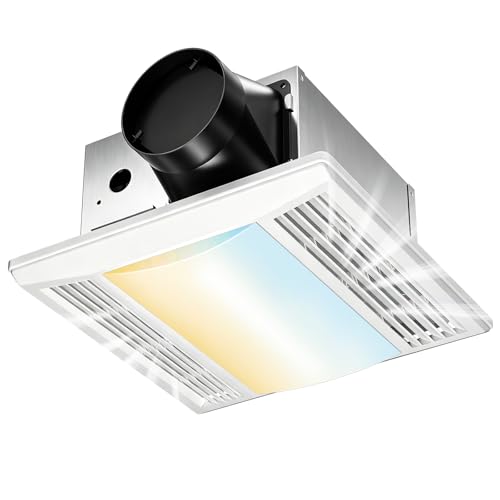
[Easy Installation] Please confirm the dimensions first: 12.1”x12.1” grille, 8.8”x8.8” ceiling cutout, 4” duct (duct not included). No attic access is required for replacement, saving you valuable time and effort.

Dimensions and Fit: Housing size 7.5 x 7.2 x 4 inches; Grille cover measures 9.4 x 8.6 inches; Includes 4-inch duct diameter for flexible installation; recommended ceiling cutout size 7.6 x 7.3 inches.
Troubleshooting a Room That Stays Humid
| Problem | Likely Cause | Fix |
| Humidity drops, then rises again | Ongoing moisture source | Check leaks, laundry, showers, cooking, and outdoor air |
| Room smells musty | Damp fabrics, carpet, closet, or hidden mold | Dry or remove damp materials and inspect behind furniture |
| Windows keep sweating | High indoor humidity or cold glass | Lower RH, improve airflow, and insulate cold surfaces where practical |
| Dehumidifier runs constantly | Unit too small, clogged filter, open windows, or severe moisture | Clean filter, close the room, empty bucket, and address leaks |
| Wall or plaster stays damp | Moisture inside material or ongoing leak | Use gentle airflow, check the source, and avoid force-drying fresh plaster |
When to Call a Professional
Call a plumber, roofer, HVAC technician, or mold remediation professional if the room stays humid despite dehumidifying, if you find recurring mold, if drywall or plaster remains wet, or if there is a hidden leak you cannot reach. You should also get help after a flood, sewage backup, or large water intrusion.
If anyone in the home has asthma, COPD, allergies, immune suppression, or another lung condition, be extra cautious around damp or moldy materials. The CDC says people with chronic respiratory diseases such as COPD may have trouble breathing when exposed to mold and should not take part in mold cleanup.
Frequently Asked Questions
What is the most effective way to dehumidify a room?
The most effective method is to run a properly sized dehumidifier in the dampest area with windows and doors closed. Use fans to circulate air, run exhaust fans for steam, and fix the moisture source so the humidity does not return.
Should you use a dehumidifier if you have COPD?
A dehumidifier may help if high humidity, musty air, or mold is affecting your indoor air, but COPD needs individualized medical guidance. The NHS notes that hot weather and humidity can cause breathing problems for people with COPD. If you have COPD and see mold or water damage, avoid cleanup exposure and ask a qualified professional or clinician for advice.
Will a dehumidifier help dry out plaster?
Yes, a dehumidifier can help lower room humidity while plaster dries, but do not force-dry fresh plaster with excessive heat or aggressive drying. British Gypsum warns that plaster needs some mixing water to set and reach full strength, so the safest approach is gentle airflow, steady room conditions, and patience.
What is the best humidity level for eczema?
There is no single perfect humidity level for every person with eczema, but overly dry air can irritate skin. The American Academy of Dermatology advises keeping temperature and humidity comfortable and avoiding extremely dry air or overheating. For many homes, a balanced range around 40% to 50% RH is a practical target.
Can you dehumidify a room without a dehumidifier?
Yes, but results are usually slower. Use exhaust fans, open windows only when outdoor air is drier, run AC if available, improve air circulation, remove wet items, and fix leaks. Baking soda or rock salt can help small enclosed spaces, but they will not dry a whole room quickly.
How long does it take to dehumidify a room?
A mildly humid room may feel better within an hour after running a dehumidifier or AC. A very damp room, basement, wet carpet, or water-damaged wall can take many hours or days. If humidity keeps rising after treatment, look for an active moisture source.
Conclusion
To dehumidify your room fast, measure the humidity, stop new moisture, and use the right drying method for the situation. A dehumidifier is the fastest room-scale tool, AC can help in warm humid weather, fans improve circulation, and exhaust fans remove steam at the source. Keep indoor humidity around 30% to 50% when possible, fix leaks quickly, and do not rely on baking soda or rock salt for serious dampness. Moisture keeps coming back when the source is ignored, so solve the cause and the room will stay drier for longer.
Sources
- EPA: A Brief Guide to Mold, Moisture and Your Home — indoor humidity targets, condensation, leaks, and moisture control.
- CDC: Mold — mold prevention, humidity guidance, leak repair, exhaust fans, and drying within 24 to 48 hours after flooding.
- ENERGY STAR: Dehumidifiers — humidistats, hygrometers, ideal RH range, dehumidifier operation, and electrical safety.
- NHS: Living with COPD — humidity and weather considerations for people with COPD.
- American Academy of Dermatology: Atopic Dermatitis Self-care — temperature and humidity comfort guidance for eczema-prone skin.
- British Gypsum: Thistle Undercoat Plaster Product Data Sheet — plaster moisture and drying caution.