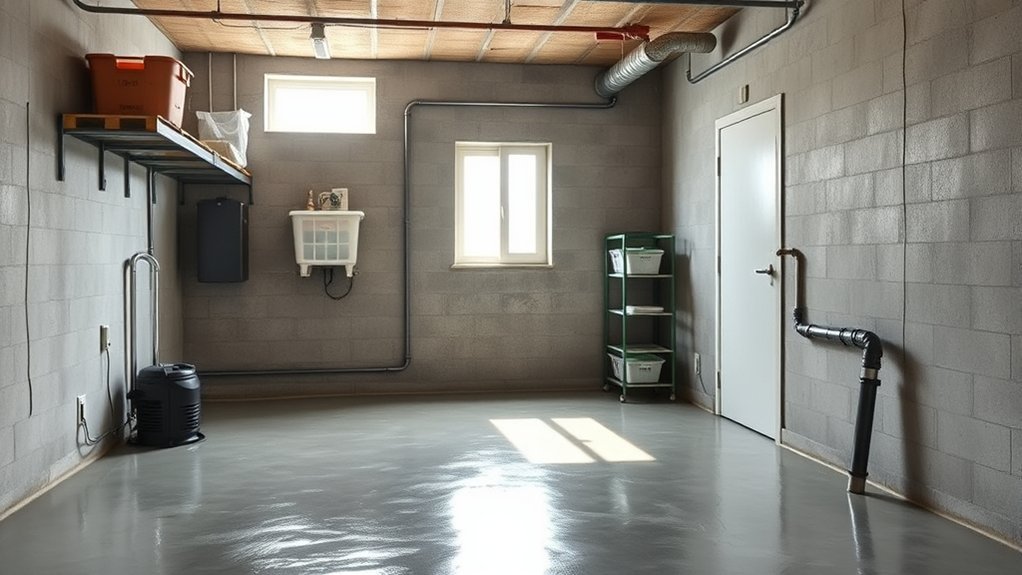
You can keep a basement dry without a dehumidifier by stopping water at the source, measuring humidity, ventilating only when outdoor air is actually drier, and improving drainage around the foundation. Start with simple checks first: gutters, downspouts, cracks, plumbing leaks, dryer vents, sump pits, and damp concrete. If water keeps returning after storms, treat it as a drainage or foundation problem, not just a humidity problem.
Quick Answer
To dry a basement without a dehumidifier, keep indoor humidity near 30% to 50%, vent only when outdoor air is not humid, seal cracks and air leaks, extend downspouts, slope soil away from the foundation, fix plumbing leaks, and use fans to move air after moisture sources are controlled.
Key Takeaways
- Measure first. A basement should generally stay around 30% to 50% relative humidity.
- Do not open windows just because the day feels warm. Warm, humid air can condense on cool basement walls and floors.
- Fix outdoor water control before buying more indoor drying products: gutters, downspouts, grading, and foundation drainage matter most.
- Fans help move air, but they do not remove water unless damp air is exhausted outdoors or replaced with drier air.
- Standing water, sewage, large mold areas, wall movement, or repeated seepage after rain means it is time to call a qualified pro.
At a Glance
| Time Required | 30 minutes for inspection; 1 weekend for basic sealing, gutter, airflow, and grading fixes |
| Difficulty | Easy to moderate for prevention; professional level for recurring seepage, structural cracks, or drainage installation |
| Tools Needed | Hygrometer, flashlight, caulk or masonry sealant, gutter scoop, downspout extensions, fan, tape, plastic sheet, gloves, and eye protection |
| Cost | About $20–$150 for basic DIY checks and materials; more for sump, drainage, or foundation repairs |
Why Basements Get Humid
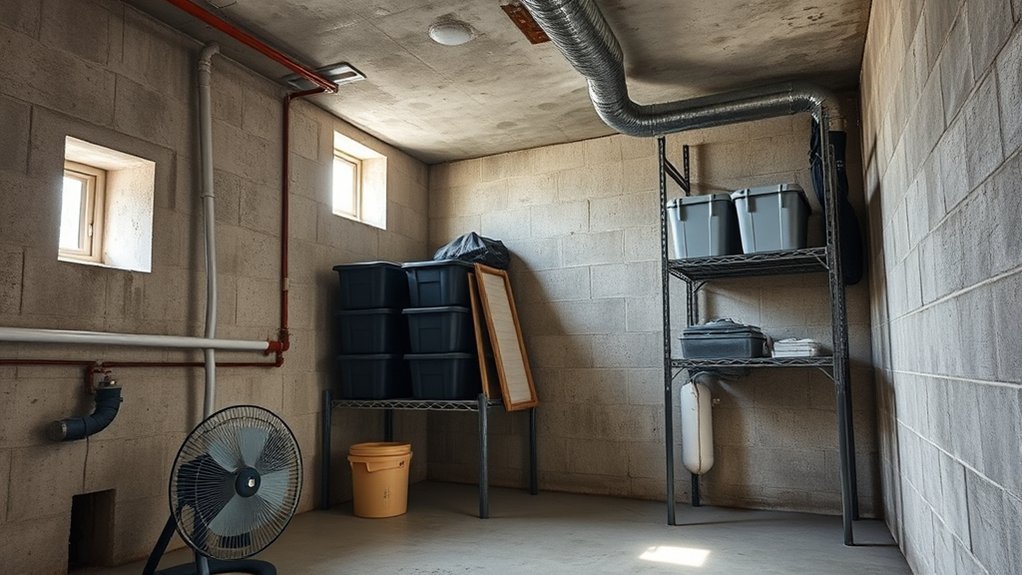
Basements get damp because they sit below grade, touch cool soil, and often have less airflow than the rest of the house. When warm, humid air reaches cold concrete walls or floors, water vapor can condense into liquid moisture. The University of Minnesota Extension notes that humid outdoor air can condense on cool basement surfaces and look like wall leakage even when the moisture source is actually air.
Water can also enter from outside. Rainwater from the roof, poor grading, short downspouts, clogged gutters, high groundwater, cracks, and porous concrete can all add moisture. Interior sources matter too: unvented dryers, laundry, showers, cooking, humidifiers, wet storage, and plumbing leaks can raise basement humidity fast.
Mold needs moisture to grow. The EPA recommends keeping indoor relative humidity below 60%, ideally between 30% and 50% when possible. If the basement stays above that range, look for a source instead of trying to mask the smell.
The key to a dry basement is not just moving air. It is controlling liquid water, water vapor, and humid outdoor air before they settle on cold surfaces.
Check Basement Humidity Levels First
Start with a hygrometer. Place it in the center of the basement, away from direct airflow, laundry machines, sump pits, and exterior doors. Check it in the morning and evening for several days. Your goal is usually 30% to 50% relative humidity, with quick action if the basement stays above 60%.
Measure Relative Humidity
A hygrometer tells you whether the basement is truly humid or simply cool and stale. Write down the relative humidity, temperature, weather, and whether it recently rained. If humidity spikes after rain, suspect grading, gutters, cracks, or groundwater. If it spikes after laundry, showers, or cooking, suspect appliance venting or indoor moisture.
Also look for condensation on pipes, windows, metal ducts, and concrete. Condensation is a clue that warm, moist air is touching a cold surface. Fans may dry the surface for a while, but the real fix is to reduce moisture or warm/insulate the cold surface correctly.
Identify Moisture Sources
Use this quick test before choosing a fix:
- Condensation: moisture appears on cold walls, pipes, windows, or floors during warm, humid weather.
- Seepage: dampness appears at wall-floor joints, cracks, corners, or after rain.
- Plumbing leak: dampness stays near a pipe, valve, water heater, washer, sink, or bathroom line.
- Appliance moisture: humidity rises during laundry, showering, cooking, or when a dryer vent is loose or unvented.
- Sump pit moisture: the area smells damp near an open sump pit or floor drain.
If you are not sure whether moisture is coming through concrete, tape a small square of clear plastic to a clean section of wall or floor for 24 hours. Moisture on the room side points to condensation. Moisture behind the plastic points to vapor or seepage through the concrete.
Track Daily Fluctuations
Track readings for at least one week if the problem is not urgent. Log rain, laundry, open windows, fan use, and visible moisture. Patterns matter. A basement that jumps from 45% to 70% after a storm needs drainage work. A basement that rises only when windows are open may be pulling in humid outdoor air.
Note: A musty smell is not a diagnosis by itself. Pair odor clues with humidity readings, rain timing, and a visual inspection before spending money on repairs.
Ventilate the Basement Without Adding Moisture
Ventilation helps only when the air you bring in is drier than the air you remove. The EPA says opening windows can help decrease humidity if it is not humid outdoors. In a basement, this detail matters. Outdoor air that feels pleasant upstairs can still condense downstairs if basement surfaces are cold.
Open Windows Strategically
Open basement windows only when outdoor air is cool, dry, and less humid than the basement air. A simple rule: if the outdoor dew point is high or the basement walls feel cold, keep the windows closed. Open windows on opposite sides for cross-ventilation, run fans to move stale air out, then close the windows before evening humidity rises.
Avoid opening basement windows during rain, fog, muggy summer afternoons, or right after storms. In those conditions, ventilation can make the basement wetter.
Use Exhaust Fans
Use exhaust fans to pull damp air outdoors from laundry areas, basement bathrooms, workshops, or utility rooms. A fan that simply blows air around the basement may reduce stale spots, but it does not remove moisture from the building. For best results, direct damp air outside and replace it with drier air.
Install timers or humidistats where practical. Run exhaust fans after showers, laundry, mopping, or any wet cleanup. Clean fan grilles and check that ducts are not crushed, blocked, or venting into the basement ceiling.
Pro Tip: Before opening basement windows, compare indoor and outdoor humidity with a hygrometer or weather app. If outdoor air is humid, use air movement inside but keep windows closed.
Seal Basement Cracks and Air Leaks
Inspect basement walls, floors, rim joists, window frames, door frames, pipe penetrations, utility openings, and the wall-floor joint. Small gaps can pull humid outdoor air into the basement or allow damp soil air to enter. Seal small air leaks with appropriate exterior-grade caulk or foam. Seal minor masonry cracks with a masonry crack filler, hydraulic cement, or epoxy product labeled for the surface and crack type.
Do not seal over active water, crumbling masonry, bowed walls, or wide cracks without professional advice. A crack that grows, leaks after rain, or runs horizontally across a foundation wall may signal pressure from outside soil or water.
If your basement has a sump pit, make sure it has a tight, serviceable cover. An open sump pit can add moisture and odor to basement air. Also keep floor drains clean and check that traps do not dry out.
Note: Basements can also have radon concerns because radon can enter through cracks and openings in floors and walls. If you seal foundation openings or finish a basement, consider testing for radon with an approved kit.
Recommended Products

Concrete patch filler seals cracks and holes in exterior or interior concrete and masonry surfaces

Concrete crack filler repairs horizontal cracks in concrete, stone and other masonry materials

Ready-to-use, concrete patch and repair formula is ideal for repairing horizontal cracks in interior or exterior concrete
Clean Gutters and Extend Downspouts
Gutters and downspouts are basement moisture control, not just roof maintenance. The Building America Solution Center explains that gutters and downspouts direct rainwater down and away from the home to reduce soil saturation around the foundation.
Clean gutters at least twice a year, and more often if trees hang over the roof. Check that gutters slope toward downspouts, seams do not leak, and downspouts are not clogged. During a rainstorm, watch where the water goes. Overflow beside the foundation is a basement warning sign.
Extend downspouts at least 5 to 10 feet from the foundation when site conditions allow. Building America guidance recommends carrying downspout water to a sloping final grade at least 5 feet from the foundation or to an underground catchment system at least 10 feet from the foundation. Make sure discharge water does not flow back toward the house, a neighbor’s property, window wells, patios, or basement stairs.
Recommended Products
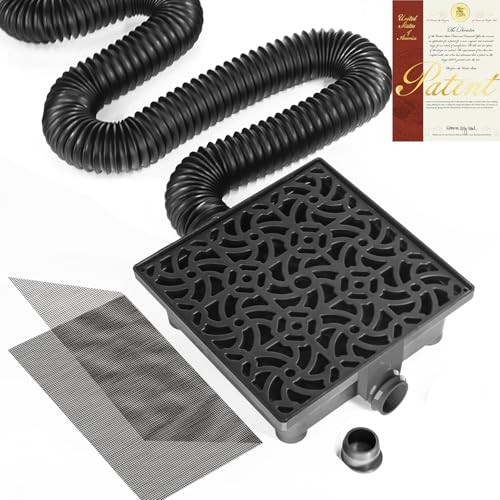
🏆【US Patented Design】 Patent No. D1018796.

【Long Enough to Protect Your Foundation】- The rain gutter downspout extensions can effectively divert damaging rainwater & sewage away from your foundations. The downspout extender can be easily extended from 20 to 66 inches. If you connect 2 pipes to 1 long pipe with the mini connector, the length can be up to 127 inch. It helps to prevent the problems of flooding in your home.

DURABLE MATERIALS: Constructed from strong resin and polyvinyl chloride for long-lasting performance in all weather conditions. Designed to withstand heavy rain and outdoor elements.
Fix Yard Drainage Around the Foundation
Good grading keeps roof water and surface runoff from pressing against the basement wall. Building America recommends sloping permeable surfaces away from the house at least 0.5 inch per foot for 10 feet. That equals a 6-inch drop over the first 10 feet when space allows.
Walk around the house after rain and look for low spots, puddles, mulch piled against siding, sunken backfill, patios sloping toward the house, and water flowing toward window wells. Add compacted soil where the grade has settled, but keep soil below siding and weep holes. Do not pile mulch high against the foundation because it can hold moisture.
If the yard cannot slope away because of a sidewalk, driveway, property line, or hill, use a swale, surface drain, French drain, or other approved drainage path to move water away. French drains work best when they discharge to a safe low point, dry well, storm system, or daylight location allowed by local rules.
Water-loving plants can help manage damp landscaping areas, but they are not a substitute for grading. Keep plantings, irrigation, and mulch from holding water against the foundation.
Stop Plumbing and Appliance Moisture
Small leaks can keep a basement damp for months. Check supply lines, shutoff valves, drain traps, water heaters, washers, utility sinks, bathroom fixtures, and exposed pipe joints. Look for corrosion, mineral deposits, drip marks, warped trim, dark staining, or a damp ring on the floor.
Replace worn washing machine hoses, tighten loose dryer vent connections, and make sure clothes dryers vent outdoors. Never vent a dryer into the basement. Dryer exhaust carries moisture and lint, and it can create indoor air and fire-safety problems.
Insulate cold-water pipes if they sweat in humid weather. Use pipe insulation made for the pipe size, and seal joints neatly. Keep appliance drip pans clean and make sure condensate lines from air handlers or high-efficiency equipment drain freely.
Add Vapor Barriers and Interior Waterproofing
Vapor barriers and interior waterproofing can help, but they must match the actual moisture problem. The EPA cautions that vapor barriers must be located and installed properly because the wrong placement can slow drying and create moisture problems.
For bare concrete floors, a sealed vapor barrier can reduce moisture vapor coming through the slab. For walls, use caution. Do not trap water behind finished wall materials. If the wall leaks after rain, fix exterior drainage and foundation water first. Interior coatings may reduce dampness on porous masonry, but they are not a cure for water pressure outside the wall.
| Area | Common Material | Best Use |
|---|---|---|
| Bare concrete floor | Sealed polyethylene or approved floor vapor retarder | Reducing vapor from the slab before adding flooring |
| Minor wall dampness | Masonry waterproofing coating | Reducing surface dampness after exterior water is controlled |
| Recurring seepage | Interior drain channel and sump pump | Managing water that still enters after drainage improvements |
| Cracks and joints | Hydraulic cement, epoxy, or polyurethane injection | Sealing specific entry points after diagnosing the cause |
Recommended Products

Class 1 Vapor Barrier protects against moisture when installing vinyl, laminate, SPC and engineered wood flooring

Our 9 mil, 3.78 inch wide vapor barrier seam tape was developed to be high performance, durable, moisture resistant and manufactured to withstand the most demanding conditions

10 Mil White Plastic Sheeting - 0.01 inches thick plastic sheeting engineered from low-density polyethylene. Thickness: 10Mil, Width:10ft, Length: 65ft. covering 650 sq.ft. Our rolls of white plastic sheeting are strong and durable - they will not tear or rip easily. Useful as a painter's tarp, vapor barrier, or for general use. Thicker and more durable than a standard 6 mil vapor barrier!
Vapor Barrier Installation
If a vapor barrier is appropriate, overlap seams, tape them with compatible tape, seal edges, and avoid punctures. Do not leave gaps around posts, pipes, drains, or wall edges. If you plan to install flooring, choose materials rated for below-grade use and test the slab first.
For finished basement walls, ask a qualified contractor or building professional before adding plastic sheeting. Wall assemblies need a drying path, and the right choice depends on climate, insulation type, wall condition, and whether the foundation ever leaks.
Interior Waterproofing Methods
Interior waterproofing is a second line of defense when exterior water control is not enough. Common methods include crack repair, masonry coatings, dimpled wall membranes, interior drain tile, sump pumps, and battery backup pumps. These systems manage water; they do not replace gutters, downspouts, grading, and exterior drainage.
Test your sump pump before storm season by lifting the float or pouring water into the pit until the pump runs. Confirm that the discharge pipe sends water well away from the foundation and does not freeze, clog, or recycle water back toward the basement.
Use Fans to Move Basement Air
Fans are useful after you control water sources. Place a box fan or oscillating fan so air moves across damp corners, storage areas, and exterior walls. Keep furniture, boxes, and stored items a few inches away from walls so air can circulate.
Do not blow a fan across standing water near outlets, cords, extension cords, appliances, or electrical panels. Do not use fans to spread air from a moldy area into the rest of the home. If the basement smells strongly musty, find and fix the source first.
For storage, use plastic bins instead of cardboard boxes. Raise items off the floor on shelves or pallets. Avoid carpet in basements that have recurring moisture because carpet and padding can hold water and support mold growth.
Know When Basement Repairs Are Needed
Some basement moisture problems are not DIY humidity problems. If the same wet spots return after heavy rain, water pools at the wall-floor joint, cracks widen, walls bow, paint blisters repeatedly, or efflorescence keeps coming back, you may need drainage or foundation repair.
The EPA recommends drying water-damaged areas and items within 24 to 48 hours to help prevent mold growth. If materials stay wet longer than that, remove wet cardboard, fabric, carpet padding, and other absorbent items that cannot be dried quickly.
Warning: Do not enter standing water if it may contact electrical outlets, cords, appliances, the service panel, sewage, or floodwater. Shut power off only from a dry, safe location. Call a licensed electrician, plumber, restoration professional, or local emergency service when safety is uncertain.
Call a qualified professional if you see structural cracks, recurring seepage, sewage backup, large mold areas, or water that keeps returning after exterior drainage fixes. The CDC warns that damp and moldy environments can affect health, especially for people with asthma, allergies, immune compromise, or chronic lung disease.
Frequently Asked Questions
What pulls moisture out of a basement?
Dry outdoor air, exhaust fans, air conditioning, absorbent products, and dehumidifiers can pull moisture from basement air. Without a dehumidifier, your best options are source control, dry-day ventilation, fans that exhaust outdoors, drainage improvements, sealing leaks, and removing wet materials.
Should you use a dehumidifier if you have COPD?
Ask your clinician for advice based on your symptoms and home conditions. In general, dampness and mold can irritate the lungs, and organizations such as the American Lung Association recommend controlling moisture and keeping indoor humidity below about 50%. If your basement stays damp without mechanical help, a dehumidifier may still be necessary.
How do I keep my basement dry without a dehumidifier?
Measure humidity, ventilate only when outdoor air is dry, clean gutters, extend downspouts, slope soil away from the foundation, seal small cracks and air leaks, fix plumbing leaks, vent dryers outdoors, cover sump pits, and use fans to move air after moisture sources are controlled.
What can I use instead of a dehumidifier in my basement?
You can use exhaust fans, dry-day window ventilation, vapor barriers, masonry sealants, sump pumps, drainage systems, downspout extensions, pipe insulation, and moisture absorbers. Absorbent tubs and packets help in small closets or storage bins, but they are not enough for ongoing water entry.
Can fans make a basement more humid?
Yes. Fans can make things worse if they pull warm, humid outdoor air into a cool basement. That air can condense on concrete, pipes, and windows. Use fans with closed windows for circulation, or exhaust damp air outdoors only when replacement air is drier.
When should I call a professional for basement moisture?
Call a professional if water returns after storms, mold covers a large area, walls bow or crack, sewage is involved, electrical components are wet, the sump pump fails, or you cannot identify the moisture source. These problems can involve safety, drainage, structural, or health risks.
Conclusion
Keeping a basement dry without a dehumidifier starts with moisture control. Measure humidity, find the source, stop roof and yard water from reaching the foundation, seal small air leaks, fix plumbing and appliance moisture, and ventilate only when outdoor air is drier. Fans and vapor barriers can help, but they work best after drainage and leaks are handled. If water keeps returning, move from humidity fixes to repair mode before mold or structural damage spreads.
Sources
- U.S. EPA — Care for Your Air — indoor humidity target, humidity gauge use, and ventilation guidance
- U.S. EPA — A Brief Guide to Mold, Moisture and Your Home — mold prevention, 24–48 hour drying guidance, gutters, and moisture control
- University of Minnesota Extension — Moisture in Basements — condensation from humid outdoor air, interior moisture sources, capillary action, and grading
- Building America Solution Center — Gutters and Downspouts — downspout discharge distances and foundation water management
- Building America Solution Center — Final Grade Slopes Away from Foundation — slope guidance and drainage alternatives
- CDC — Mold — mold health effects and prevention guidance