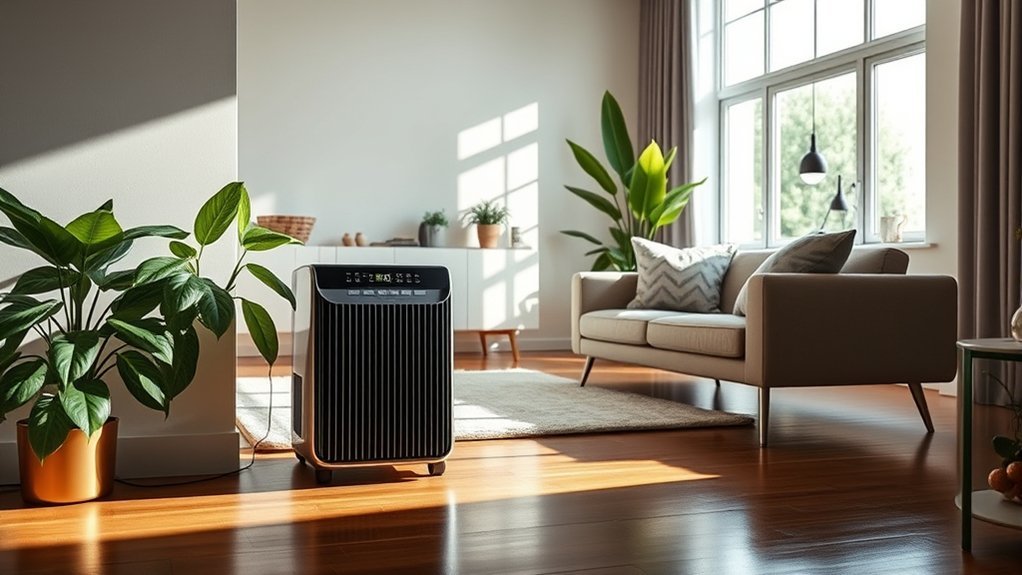
A dehumidifier can benefit your health when your home is damp. The main dehumidifier health benefits come from keeping humidity around 30% to 50%, which makes the air less friendly to mold, mildew, and dust mites. That can reduce some allergy and asthma triggers, but a dehumidifier does not treat disease, and over-drying the air can irritate your nose, throat, and skin.
Quick Answer
A dehumidifier may support healthier indoor air by keeping humidity around 30% to 50%, which helps limit mold and dust mites. It can reduce dampness-related allergy and asthma triggers, but it does not treat asthma, remove all allergens, or replace medical care, cleaning, ventilation, or air filtration.
Key Takeaways
- A dehumidifier helps most when indoor humidity is regularly above 50% or rooms feel damp, musty, or clammy.
- Lower humidity can make your home less hospitable to mold and dust mites, two common allergy and asthma triggers.
- Too much dehumidifying can dry your nose, throat, skin, and scalp, especially if humidity drops below about 30%.
- Use a hygrometer, clean the tank and filter, fix leaks, and improve ventilation so the moisture problem does not return.
Dehumidifier Health Benefits: What Does It Do for You?
A dehumidifier removes water vapor from indoor air. When a room stays damp, moisture can collect on walls, windows, fabrics, carpet, drywall, and stored items. That dampness can encourage mold growth, musty odors, and dust mite activity. Keeping humidity controlled can make the room feel fresher and may reduce exposure to some irritants.
The U.S. Environmental Protection Agency recommends keeping indoor humidity below 60% and ideally between 30% and 50% to help prevent mold growth. The CDC also advises keeping home humidity no higher than 50% all day long to help prevent mold.
That does not mean a dehumidifier is a cure for allergies, asthma, COPD, sinus problems, or skin conditions. It is an environmental tool. It can help reduce dampness-related triggers, but it works best alongside cleaning, leak repair, ventilation, and the medical plan recommended by your clinician.
Note: A dehumidifier changes moisture levels. It does not diagnose mold, treat lung disease, remove all airborne particles, or replace a doctor’s advice if you have ongoing coughing, wheezing, chest tightness, or shortness of breath.
How Does a Dehumidifier Help Allergy Symptoms?
A dehumidifier may help allergy symptoms when dampness is feeding indoor allergens. Dust mites and mold are two common triggers that do better in humid spaces. When you lower excess moisture, you make it harder for those triggers to thrive.
Dust mites are especially tied to humidity. Mayo Clinic recommends keeping relative humidity below 50% to reduce dust mites and notes that a dehumidifier or air conditioner can help. That matters because dust mite allergy can cause sneezing, runny nose, itchy eyes, congestion, coughing, and asthma-related symptoms in some people.
Mold is another concern. Mold can grow where there is moisture, and mold exposure can cause stuffy nose, sore throat, coughing, wheezing, burning eyes, or skin rash in some people. People with asthma, mold allergy, weakened immune systems, or chronic lung disease may react more strongly.
For allergy control, use a dehumidifier as one part of a larger plan:
- Keep humidity around 30% to 50%.
- Wash bedding weekly if dust mites are a concern.
- Use allergen-proof mattress and pillow covers.
- Remove damp carpet or upholstery that cannot dry fully.
- Fix leaks and improve bathroom, kitchen, and laundry ventilation.
- Use a suitable air purifier or HVAC filter if airborne particles are a major trigger.
Can a Dehumidifier Help With Asthma?
Yes, a dehumidifier can help some people with asthma by reducing dampness-related triggers such as mold and dust mites. It should be viewed as trigger control, not asthma treatment. Keep using prescribed inhalers and medications exactly as directed by your healthcare professional.
Humidity and Asthma Triggers
High indoor humidity can make asthma harder to manage if it allows mold, mildew, or dust mites to build up. The EPA states that molds can trigger asthma episodes in sensitive people with asthma. The American Lung Association also notes that mold exposure can trigger allergic reactions and asthma symptoms in people who are allergic to mold, and that indoor dampness can contribute to upper and lower respiratory problems.
When you reduce excess moisture, you reduce the conditions that allow those triggers to grow. That may mean fewer damp smells, less condensation, and a home that feels easier to breathe in.
Cleaner Air, Easier Breathing
A dehumidifier does not scrub the air like a HEPA air purifier. Its main job is moisture control. Still, moisture control can support cleaner indoor conditions because mold needs water or moisture to grow. If your asthma symptoms flare in damp rooms, a dehumidifier may be useful in those specific spaces.
Pay attention to your body. If running a dehumidifier makes your throat dry, your cough worse, or your chest feel irritated, check the humidity. The room may be too dry, or another trigger may be present.
Ideal Home Humidity Levels
For most homes, a practical target is 30% to 50% relative humidity. Many people feel best around 40% to 50%, while some homes need to stay closer to 30% to 45% during cold weather to prevent window condensation.
Warning: If you have asthma and notice severe wheezing, chest tightness, shortness of breath, blue lips, confusion, or symptoms that do not respond to your rescue medicine, seek urgent medical help. A dehumidifier cannot treat an asthma attack.
Why Do Lower Humidity Levels Reduce Mold and Dust Mites?
Lower humidity helps because mold and dust mites depend on moisture. Mold spores are always present in indoor and outdoor air, but they need moisture to grow on surfaces. Dust mites also do better in humid environments, especially in bedding, carpet, upholstered furniture, and soft toys.
When you keep humidity under control, you make your home less inviting to both problems. This can reduce musty odors, visible mildew, damp bedding, and the conditions that keep allergens active. It will not remove existing mold by itself. If mold is already growing, you still need to clean it safely and fix the moisture source.
The CDC says that if you see or smell mold, you should remove it and fix the moisture problem. Home mold testing usually is not needed because the health effects of mold vary from person to person and there are no set standards for an acceptable quantity of mold in a home.
How Do Dehumidifiers Improve Indoor Air Quality?
Dehumidifiers improve indoor conditions by reducing excess moisture. That can help prevent musty smells, condensation, mildew, and mold-friendly surfaces. In that sense, they support indoor air quality by controlling a major cause of dampness-related problems.
But a dehumidifier is not the same as an air purifier. Most dehumidifiers do not remove fine particles, pollen, smoke, pet dander, or mold spores from the air in the way a properly sized air purifier can. For particle filtration, the EPA recommends choosing a portable air cleaner with a clean air delivery rate, or CADR, large enough for the room. For HVAC systems, EPA suggests selecting a filter rated at least MERV 13 or as high as your system can handle.
| Device | Main job | Best for |
| Dehumidifier | Removes moisture from air | Damp rooms, musty smells, condensation, mold prevention, dust mite control |
| Air purifier | Filters particles from air | Pollen, smoke, pet dander, airborne dust, fine particles |
| Humidifier | Adds moisture to dry air | Dry winter air, dry throat, dry nasal passages, dry skin when humidity is too low |
Pro Tip: Use a dehumidifier for moisture and a good air purifier or HVAC filter for particles. If you have both dampness and airborne allergens, you may need both tools.
When Can a Dehumidifier Make You Feel Worse?
A dehumidifier can make you feel worse when it dries the air too much, is dirty, is too small for the room, or is used without fixing the real moisture source. The goal is balanced humidity, not the lowest number possible.
Too Dry Air Risks
If humidity drops below about 30%, your nose, throat, eyes, skin, and scalp may feel dry or irritated. You may notice a dry cough, scratchy throat, nosebleeds, static electricity, or tight skin. People with eczema, dermatitis, chronic sinus irritation, or sensitive airways may notice discomfort sooner.
Use a hygrometer instead of guessing. If the room is already below 30% humidity, do not run a dehumidifier. If the room is between 30% and 50% and feels comfortable, you may not need one running continuously.
Sensitive Skin Reactions
For sensitive skin, a dehumidifier can help if dampness is encouraging mold or dust mites, but it can backfire if it over-dries the room. Dry air can make itching, flaking, and tightness worse. If you use a dehumidifier in a bedroom, check the humidity before sleeping and again in the morning until you know how the room responds.
What Humidity Level Is Best for Health?
The best indoor humidity level for most homes is about 30% to 50%. That range helps limit mold and dust mites while keeping air comfortable for your nose, throat, skin, and sleep. The right setting may shift by season: lower in winter if condensation forms on windows, and slightly higher in summer if the room still stays below 50%.
| Humidity reading | What it means | What to do |
| Below 30% | Too dry for many people | Stop dehumidifying and address dry-air symptoms. |
| 30% to 50% | Healthy target range for most homes | Maintain this range and monitor problem rooms. |
| Above 50% | Mold and dust mite risk increases | Use a dehumidifier, improve ventilation, and look for moisture sources. |
| Above 60% | High moisture problem | Act quickly: check for leaks, condensation, damp materials, and mold. |
What Are the Signs You Need a Dehumidifier?
You may need a dehumidifier if your home regularly feels damp or smells musty. The clearest signs are moisture problems you can see, smell, or measure.
- Indoor humidity stays above 50%.
- Rooms feel sticky, clammy, or heavy.
- You smell musty odors in basements, bathrooms, closets, or bedrooms.
- Windows, walls, or pipes collect condensation.
- You see mildew or small mold patches.
- Allergy or asthma symptoms feel worse in damp rooms.
- Clothes, towels, bedding, or carpet stay damp too long.
- Paint peels, wood swells, or stored items smell musty.
- There has been a leak, flood, or heavy rainfall that left materials damp.
If the problem comes from a leak, clogged gutter, foundation issue, poor ventilation, or flood damage, do not rely on a dehumidifier alone. Fix the water source first. Otherwise, the mold and dampness can return.
Recommended Products

Semiconductor dehumidifiers use thermoelectric cooling to remove moisture from the air. They create a drier, more comfortable environment by reducing humidity and improving air quality.

Effective Moisture Control for Home Use: OWAAE dehumidifier is designed to reduce excess moisture and help maintain comfortable humidity levels in everyday living spaces. It works best in moderate-to-high humidity environments, improve overall air comfort at home
How to Use a Dehumidifier Safely
Safe use is simple: measure, set, clean, and check the moisture source. A dehumidifier works best when you use it with basic home maintenance.
- Measure humidity first. Place a hygrometer in the room and check the reading before turning the unit on.
- Set a target. Aim for about 45% to 50% in most damp rooms, or lower within the 30% to 50% range if condensation is a problem.
- Keep airflow open. Leave space around the unit so air can move freely. Do not press it tightly against walls, curtains, or furniture.
- Empty and clean the tank. Standing water can become dirty. Empty it often and clean the tank according to the manufacturer’s instructions.
- Check the filter. Rinse or replace filters as directed. A clogged filter reduces performance.
- Use continuous drainage carefully. If you attach a hose, make sure it drains into a safe location and cannot kink, leak, or back up.
- Stop if the air gets too dry. If humidity falls below 30% or your throat, skin, or nose feels irritated, turn the unit off or raise the humidity setting.
Warning: Call a qualified mold remediation professional if mold covers more than about 10 square feet, if the damage involves sewage or floodwater, if mold is inside HVAC equipment, or if someone in the home is immune-compromised or has serious lung disease.
Recommended Products

Wellness Indicator: This humidity meter with humidity level icon indicates air conditions - DRY/COMFORT/WET, allowing this humidity sensor to ensure you’re always aware of changes to your home/household with just a quick glance

2-in-1 Thermometer Hygrometer Meter: Built-in probe for unparalleled precision. It serves as both a digital electronic thermometer and a hygrometer, meticulously engineered for indoor environmental monitoring.
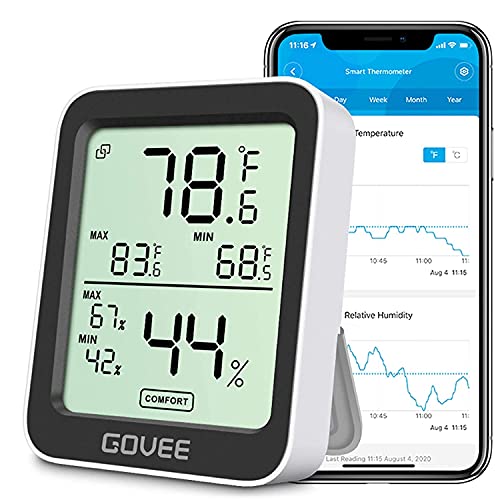
Smart Features: The Govee Wireless Thermometer Hygrometer supports all basic functions as well as smart functions such as remote monitoring and temp humidity graphs. Our humidity meters are reliable and easy to use for homes, greenhouses and more.(Only supports 164ft Bluetooth connection)
Where Should You Put a Dehumidifier?
Put the dehumidifier where moisture is actually high. A basement, bathroom-adjacent hallway, laundry room, bedroom with condensation, or damp storage area may benefit more than a dry living room.
- Basement: Place it near the dampest open area, not inside a closed closet.
- Bedroom: Keep it away from bedding and direct airflow. Use a quiet setting at night.
- Bathroom: Use the exhaust fan first. A dehumidifier can help nearby areas if humidity lingers after showers.
- Laundry area: Vent the dryer outdoors and use the dehumidifier if clothes or walls stay damp.
- Storage room: Keep boxes off the floor and leave space for airflow.
For whole-home humidity problems, a portable unit may not be enough. You may need HVAC service, better ventilation, drainage fixes, insulation improvements, or a whole-house dehumidifier.
Recommended Products

Upgrade High Efficient Dehumidification: Dehumidifier utilize semi conductor condensation technology, ensuring quiet operation while effectively extracting moisture from the air. This advanced feature helps keep humidity levels below 45%

【Upgrade High Efficient Home Dehumidifier】PSOS dehumidifier utilize dual semiconductor condensation technology, ensuring quiet operation while effectively extracting moisture from the air. They create a drier, more comfortable environment by reducing humidity and improving air quality

【Ideal for Large Homes & Basements (Up to 5,000 Sq. Ft)】The Waykar 80 pint dehumidifier efficiently removes up to 80 pints of moisture per day in high-humidity conditions (95°F, 90% RH). In warmer, damp spaces like basements (86°F, 80% RH), it removes 62 pints/day. This dehumidifier for basement is perfect for large areas such as basements, bathrooms, bedrooms, and living rooms. Customize your space by adjusting the humidity level from 30% to 80%, creating a drier and healthier environment
Frequently Asked Questions
Is it healthy to sleep in a room with a dehumidifier?
Yes, it can be healthy to sleep with a dehumidifier if the room is damp and you keep humidity around 30% to 50%. It may reduce musty air, mold-friendly conditions, and dust mite activity. Do not over-dry the room, and keep the tank and filter clean.
What are the downsides of a dehumidifier?
The main downsides are dry air, noise, electricity use, tank emptying, cleaning, and the risk of ignoring the real moisture source. A dirty tank or filter can also become unpleasant. Use a hygrometer and clean the unit regularly.
Are dehumidifiers good for lungs?
They can be helpful for some lungs when dampness is triggering symptoms. By reducing excess humidity, a dehumidifier can make mold and dust mites less likely to thrive. It does not treat asthma, COPD, infections, or other lung conditions, so ongoing breathing symptoms need medical advice.
Are dehumidifiers good for dry scalp?
A dehumidifier is not usually the best tool for dry scalp, and it can make dryness or flaking worse if your air is already dry. It may help only if dampness, mold, or dust mites are irritating your skin. Keep humidity balanced rather than as low as possible.
Should I use a dehumidifier or an air purifier for allergies?
Use a dehumidifier if humidity is high, rooms smell musty, or dust mites and mold are likely triggers. Use an air purifier if airborne particles such as pollen, smoke, pet dander, or fine dust are the main concern. Many homes benefit from both.
Can a dehumidifier remove mold?
No. A dehumidifier can help prevent mold growth by lowering moisture, but it will not remove existing mold. If you see or smell mold, clean it safely and fix the water or humidity source so it does not come back.
Conclusion
A dehumidifier can support a healthier home when damp air is causing musty smells, condensation, mold risk, or dust mite problems. The healthiest approach is balance: keep indoor humidity around 30% to 50%, clean the unit, fix leaks, and improve ventilation. If the air gets too dry, symptoms can shift from damp-air irritation to dry-air irritation. Use the dehumidifier as a moisture-control tool, not as a substitute for medical care, mold cleanup, or proper air filtration.
Sources
- U.S. Environmental Protection Agency: A Brief Guide to Mold, Moisture and Your Home — supports the 30% to 50% ideal humidity range, moisture control, mold cleanup, and prevention guidance.
- CDC: Mold — supports mold health effects, keeping humidity no higher than 50%, and fixing moisture problems.
- Mayo Clinic: Dust Mite Allergy — supports keeping relative humidity below 50% and using a dehumidifier or air conditioner to reduce dust mites.
- American Lung Association: Mold — supports mold and dampness health risks, asthma symptom concerns, and keeping indoor humidity below 50%.
- U.S. Environmental Protection Agency: Guide to Air Cleaners in the Home — supports the distinction between dehumidifiers, portable air cleaners, HVAC filters, CADR, and MERV 13 filtration.