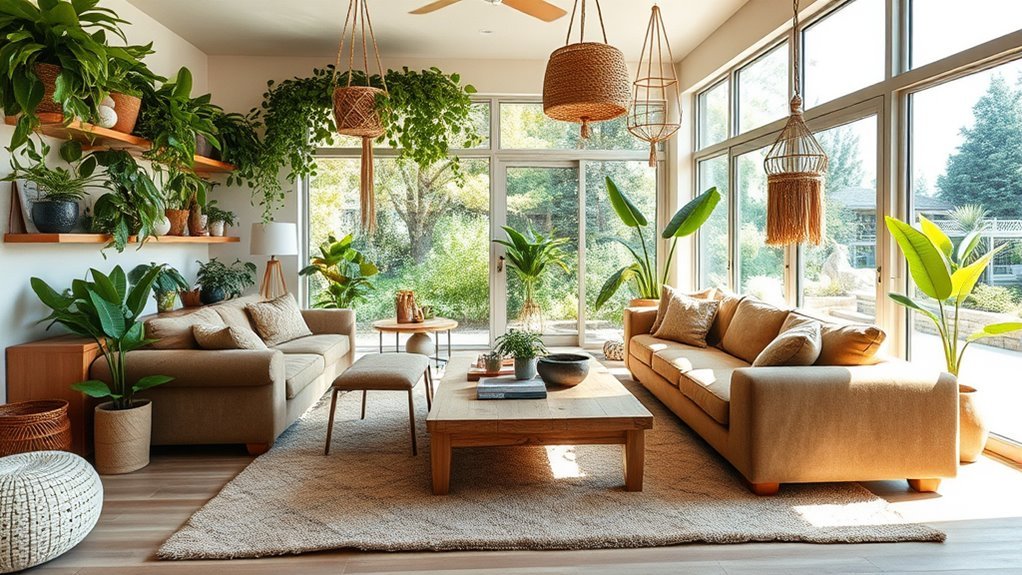
Biophilic design in living rooms connects you to nature through the integration of natural elements, enhancing your well-being. Think large windows that flood the space with light, or earthy color palettes that evoke calm. Incorporate indoor plants to purify the air and create a serene atmosphere. Use natural materials like wood and stone for added warmth. This aesthetic not only promotes relaxation but fosters a lifestyle that appreciates nature’s beauty. Discover how to transform your living space further.
What Is Biophilic Design and Why It Matters for Living Rooms?
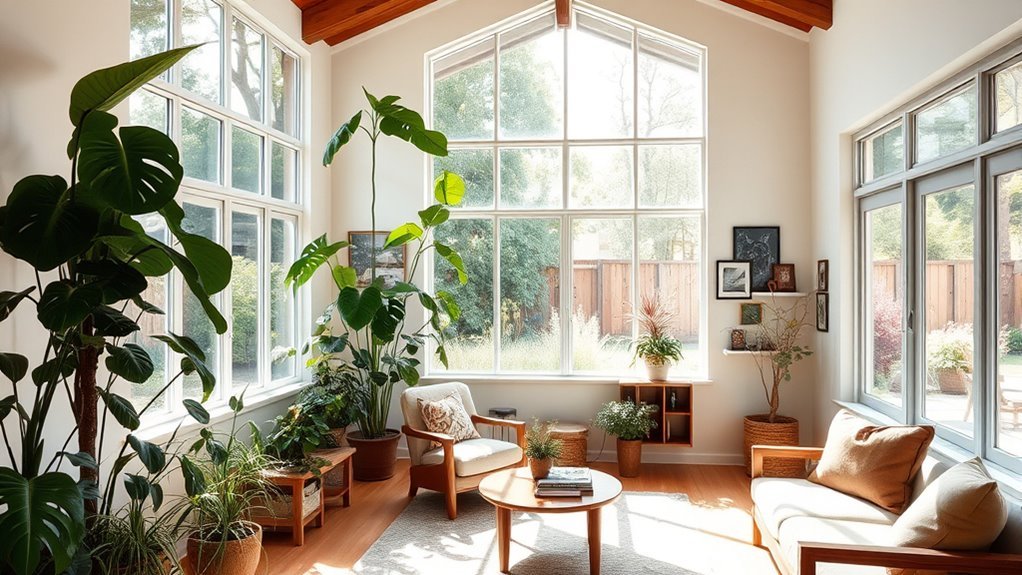
Biophilic design transforms living rooms into serene retreats that celebrate the beauty of nature. By incorporating natural materials like wood and stone, you create a warm, inviting atmosphere that fosters a strong connection to nature. Large windows and skylights invite abundant natural light, enhancing your mood and supporting your circadian rhythms. Imagine basking in the soft glow, feeling your serotonin levels rise with each sunbeam. Indoor plants breathe life into your space, purifying the air and promoting relaxation, while a color palette inspired by earthy tones and soft greens evokes a deep sense of calm. Adding a small fountain or aquarium can elevate tranquility, connecting your sanctuary to the soothing rhythms of the natural world, enhancing your overall health and well-being.
Essential Components of Biophilic Design to Create a Calming Living Room
Imagine basking in the warmth of natural light streaming through expansive windows, instantly uplifting your mood and connecting you to the beauty outside. By embracing an earthy color palette, you’ll create a soothing atmosphere that invites relaxation and harmony. Let’s explore how these essential elements can transform your living room into a serene oasis.
Natural Light Integration
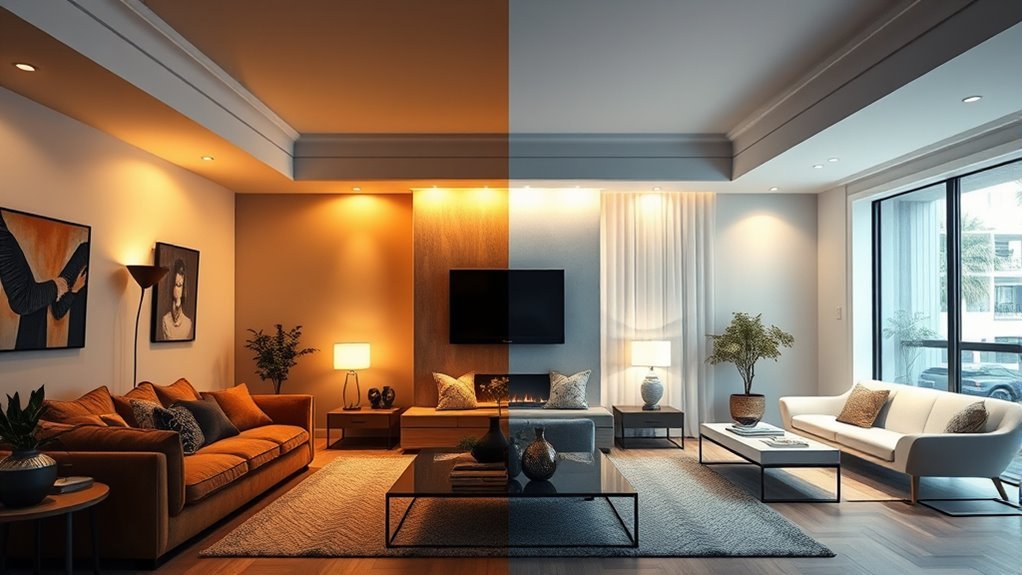
How can the gentle embrace of natural light transform your living room into a peaceful haven? By integrating biophilic design elements, you can create a space that nurtures your well-being. Large windows or skylights allow sunlight to pour in, fostering a seamless visual connection between indoor and outdoor environments.
| Feature | Benefits | Tips |
|---|---|---|
| Large Windows | Maximizes natural light | Position furniture to face your views |
| Layered Lighting | Balances cool and warm tones | Use adjustable fixtures throughout the day |
| Reflective Surfaces | Enhances brightness | Opt for light-colored walls and decor |
This harmonious blend invites tranquility, encouraging mindfulness and relaxation, making your living room a true sanctuary.
Earthy Color Palette
When you embrace an earthy color palette in your living room, you invite the soothing essence of nature indoors. This biophilic design approach not only enhances your living spaces but also promotes well-being through nature-inspired colors. Imagine the calming effects of rust, mocha mousse, and moss green enveloping you in tranquility.
- Forest greens to ground your thoughts and elevate your mood
- Soft blues that evoke serenity and harmony
- Warm ambers to create a cozy, inviting atmosphere
Enhancing Your Living Room With Natural Light
What if your living room could transform into a sunlit sanctuary? By embracing natural light, you can create a space that uplifts your spirit and energizes your day. Incorporate large windows and skylights to flood your living room with daylight, enhancing your mood and improving cognitive function. Sheer curtains or roller blinds can control light entry, allowing you to bask in warmth while reducing glare. Position your furniture to face the windows, inviting nature’s views and encouraging the flow of light, fostering tranquility. These architectural practices not only enhance your living room but also reduce stress, creating harmonious spaces we live in. With biophilic design, you’ll find liberation in the glow of natural illumination.
Best Indoor Plants for Biophilic Design: Benefits and Care Tips
Bringing indoor plants into your living room not only purifies the air but also adds a touch of nature that soothes the soul. You’ll find that low-light champions like the Snake Plant and ZZ Plant thrive effortlessly, transforming your space into a tranquil retreat. With a few simple care tips, you can nurture these green companions to flourish and elevate your home’s biophilic charm.
Best Low-Light Plants
While you might think your living room needs bright, natural light to thrive, the truth is that many stunning plants flourish in low-light conditions, making them perfect for biophilic design. Incorporating the best low-light plants not only beautifies your space but also enhances air quality and promotes well-being. Here are a few you’ll love:
- ZZ Plant: Resilient and low-maintenance, ideal for indoor gardening novices.
- Snake Plant: Air-purifying powerhouse that lowers stress levels and removes toxins.
- Pothos: A versatile trailing beauty that adapts effortlessly and helps reduce indoor pollutants.
Embracing these greenery gems nurtures your living environment and invites the psychological benefits of nature into your home, creating a tranquil retreat you’ll cherish.
Air-Purifying Plant Benefits
Integrating air-purifying plants into your living room not only enhances its aesthetic appeal but also transforms your space into a sanctuary of clean air and tranquility. These remarkable plants—like the Snake Plant and Peace Lily—improve our well-being by filtering out indoor pollutants, thereby ensuring increased air quality. Imagine the Spider Plant, effortlessly absorbing 90% of harmful chemicals within 24 hours, creating a natural environment that fosters relaxation. By incorporating these green companions, you embrace biophilic principles, forging a deeper connection with nature that helps reduce stress levels by up to 30%. Elevate your living space not just visually, but also as a refreshing change, where each plant becomes an essential part of your serene escape.
Care Tips for Success
To guarantee your indoor plants not only survive but thrive, it’s vital to understand their specific needs and preferences. Here are some essential care tips to elevate your biophilic design:
- Choose the Right Plant: Opt for air-purifying options like the Snake Plant or ZZ Plant for improved air quality.
- Water Wisely: Regularly water your Boston Fern, ensuring it receives indirect sunlight to promote lush growth and stress reduction.
- Embrace Natural Materials: Use clay or terracotta pots to enhance visual appeal and connect your living space with nature.
Pick Natural Materials for a Cozy Living Room
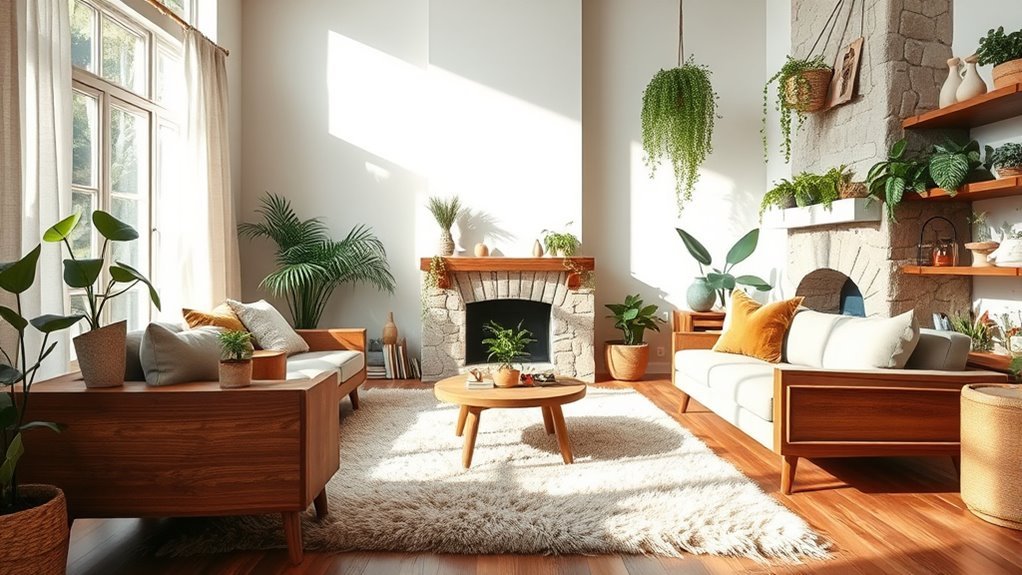
Creating a cozy living room is all about embracing natural materials that invite warmth and tranquility into your space. Opt for untreated woods, stone accents, and organic textiles to enhance your biophilic design. These elements foster a deep connection to nature while promoting eco-conscious living. The textural variety from wood grain to soft fabrics adds depth, creating a sensory-rich environment perfect for relaxation. Earthy color palettes—think lush greens, warm browns, and muted tones—evoke calm and serenity, transforming your living room into a peaceful retreat. Additionally, choosing furniture crafted from natural materials not only elevates aesthetic appeal but also supports healthy indoor air quality by minimizing harmful chemicals. Embrace nature, and let your living room breathe.
Creating a Seamless Indoor-Outdoor Connection in Your Living Room
When you transform your living room into a seamless blend of indoor and outdoor spaces, it invites nature right into your home. Imagine basking in natural light, where every corner breathes life and tranquility. You can create this enchanting environment by:
Transform your living room into a serene sanctuary that harmoniously connects with nature and embraces the beauty of natural light.
- Installing floor-to-ceiling windows for uninterrupted views and an abundance of light.
- Positioning furniture to face these large windows, encouraging a deeper connection with the outdoors.
- Incorporating plants and outdoor-inspired elements, like wooden accents, to enhance air quality and achieve a cohesive aesthetic.
Biophilic Color and Texture Tips for Your Living Room
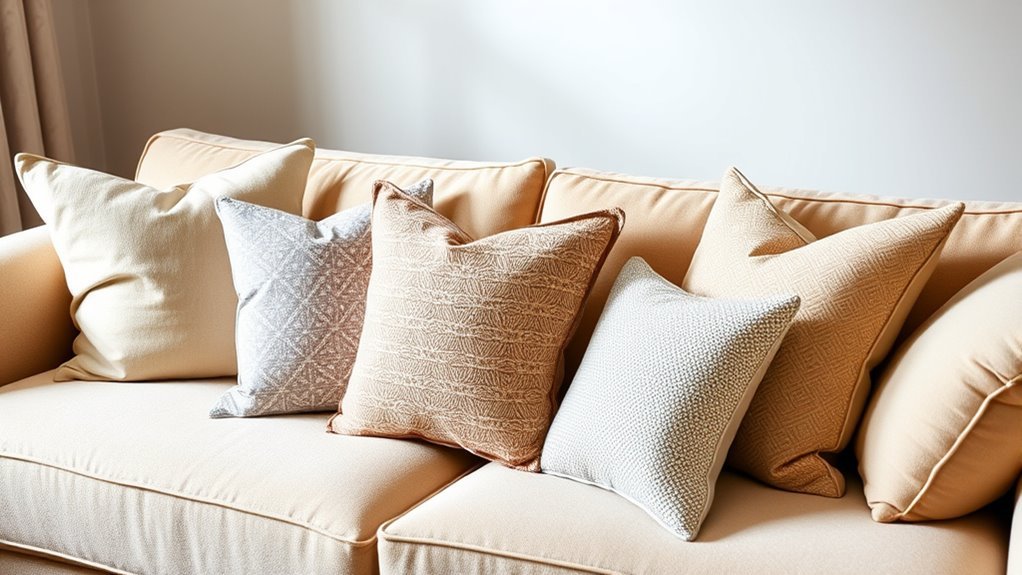
As you embrace the seamless connection between your indoor and outdoor spaces, don’t overlook the impact of color and texture in your living room. Opt for earthy palettes inspired by nature, like rust, mocha mousse, and moss green, to create a calming biophilic environment. Layer natural textures—think wool, linen, and leather—to add depth and invite touch, enhancing your sensory experience. Incorporating timeless neutrals such as sand, truffle, and stone provides a soothing backdrop that beautifully harmonizes with organic materials. Don’t shy away from patterns that echo nature’s rhythm; they can introduce subtle movement and interest without overwhelming the space. This thoughtful integration fosters a serene atmosphere that liberates your spirit, connecting you more deeply with the world around you.
Real-Life Examples of Biophilic Design in Living Rooms
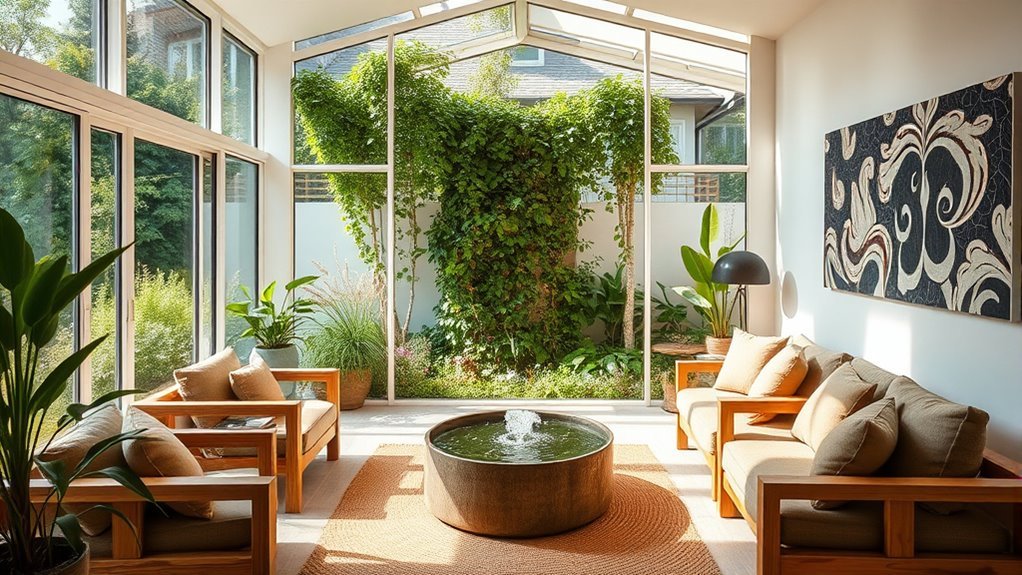
Biophilic design transforms living rooms into serene retreats that harmonize with nature, and real-life examples showcase its beauty and functionality. Here are three inspiring ways to incorporate this approach:
- Large Windows: Expansive glass doors invite natural light, framing breathtaking outdoor views and merging your living space with the tranquility of nature.
- Indoor Plants: Fiddle Leaf Figs and Snake Plants bring vibrant greenery indoors, enhancing air quality while creating a calming atmosphere.
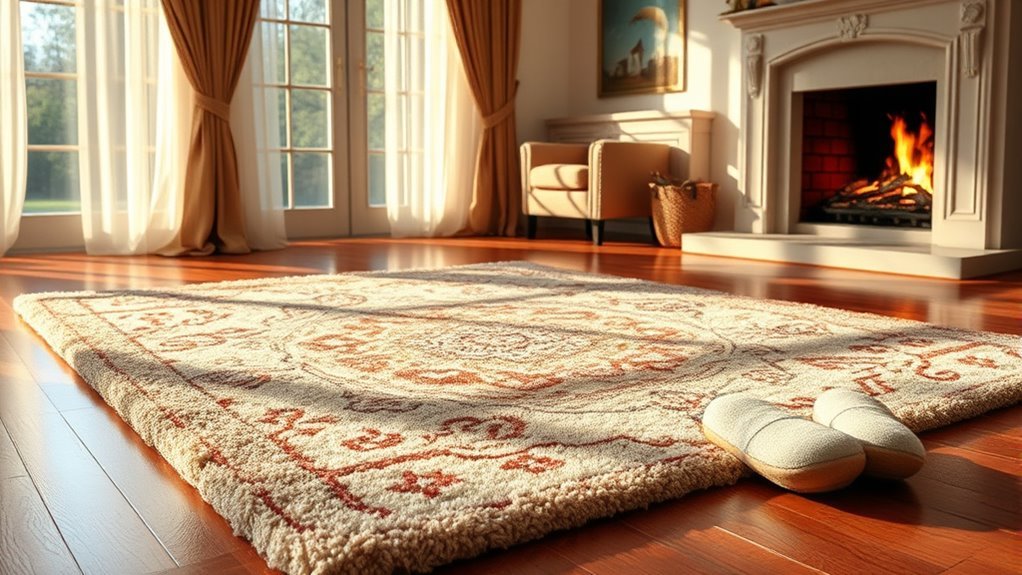
- Natural Materials: Wood, stone, and organic textiles enrich your decor, while layered textures, like soft wool rugs and linen throws, add warmth and depth.
Embracing these elements not only elevates your living room’s aesthetic but also fosters a deep connection to the world outside.
Frequently Asked Questions
What Is Biophilic in Interior Design?
Biophilic interior design connects you with nature by integrating natural elements like indoor plants, light, and water features. Embrace organic materials and harmonious color palettes to create serene, inviting spaces that inspire liberation and well-being.
What Is the 3 4 5 Rule in Interior Design?
The 3-4-5 rule helps you achieve design balance by guiding furniture arrangement. Emphasizing minimalist aesthetics, color psychology, and lighting techniques, it enhances spatial harmony while allowing texture variety to flourish within your living space.
What Does Biophilic Design Look Like?
Biophilic design embraces natural materials, indoor plants, and light integration, creating serene spaces. You’ll find textured variety, soothing color palettes, and water elements enhancing spatial arrangement, liberating your living room into a vibrant, nature-connected sanctuary.
What Are the Five Senses of Biophilic Design?
You’ll experience biophilic design through nature sounds, tactile materials, vibrant colors, fresh scents, natural light, and organic shapes. Embrace visual textures that invite freedom, creating a space that nurtures your senses and spirit.
Conclusion
Incorporating biophilic design into your living room can transform your space into a serene sanctuary. Remember, “home is where the heart is,” and by embracing natural elements, you’ll create a calming atmosphere that nurtures well-being. From lush plants to abundant light, each component harmonizes to invite nature inside. So, take a step towards a more vibrant living space, and let the beauty of the outdoors inspire your design choices. Your ideal retreat awaits!