Why Does My Dehumidifier Smell Musty?
By Editorial Team · Reviewed for accuracy · Last updated July 7, 2026
Quick Answer
A dehumidifier smells musty when moisture, dust, pet dander, or standing water lets mold, mildew, or bacteria grow in the bucket, filter, drain path, coils, or fan area. Unplug the unit, empty and wash the bucket, clean the filter if your manual allows it, clear the drain hose, and let every removable part dry fully before restarting it.
Safety First
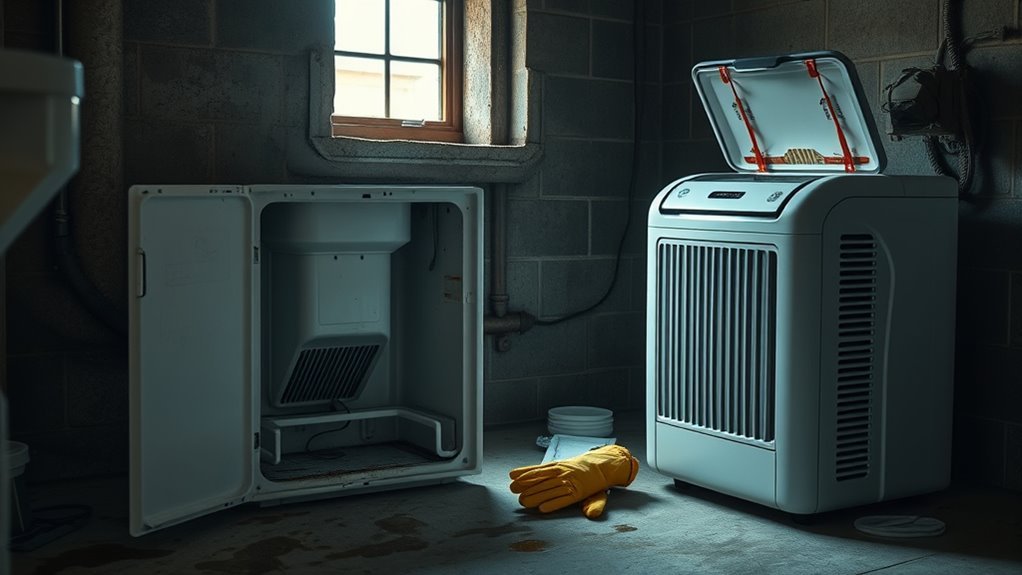
Always turn the dehumidifier off and unplug it before cleaning. Do not mix bleach with vinegar, ammonia, or other cleaners. If you see heavy mold, smell burning plastic, find damaged wiring, or need to open sealed electrical areas, stop and call a qualified appliance or HVAC technician.
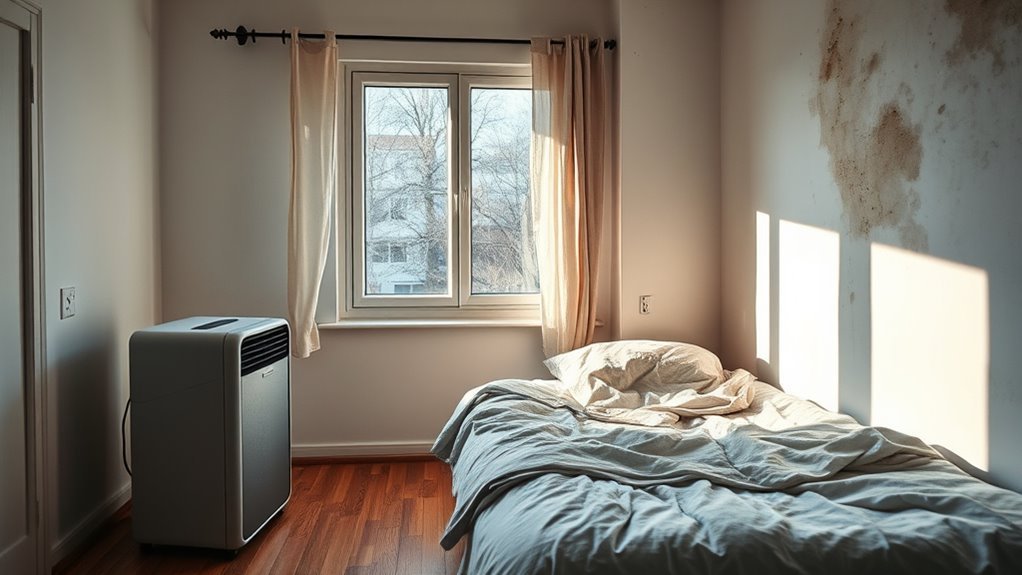
Your dehumidifier smells musty because the machine collects damp air and condensed water. If dust, pet hair, pollen, or lint sits in that damp path, odor-causing growth can start in the bucket, filter, drain hose, coils, or fan area. The smell often gets stronger when airflow is weak, the bucket sits full, the drain hose slopes poorly, or the room itself has a leak or humidity problem.
The fix is usually simple: clean the parts that touch air and water, restore drainage, and keep indoor humidity controlled. The EPA says mold control starts with moisture control, and ENERGY STAR recommends keeping indoor relative humidity around 30% to 50% when possible. Use a hygrometer if your dehumidifier does not show the actual room humidity.
Quick Diagnosis: Match the Smell to the Likely Cause
| What you notice | Likely cause | First fix |
|---|---|---|
| Musty smell only when the fan starts | Dusty filter, dirty intake screen, or damp fan area | Clean the filter and screen, then let them dry fully. |
| Sour or stale water smell | Standing water in the bucket or drain hose | Empty, wash, rinse, and dry the bucket; flush the hose. |
| Odor returns a day or two after cleaning | Hidden residue, blocked drain path, or a damp room source | Check the drain, coils, wall leaks, condensation, and humidity level. |
| Smell plus frost, weak water removal, or overheating | Restricted airflow, dirty coils, low-temperature operation, or service issue | Turn the unit off, let it defrost if needed, clean accessible parts, and schedule service if performance stays poor. |
Which Parts Should You Inspect First?
Start with the parts you can remove without opening sealed electrical areas. Check the air filter, intake screen, water bucket, drain hose, and outlet grille first. These parts collect the most dust and water, so they create the fastest path to musty odor. If those parts are clean and the smell remains, look for dirty coils, blocked drainage, or a damp room problem.
Recommended Products

【Compatibility】 Our 9 x 11 x 1 MERV 13 Replacement Dehumidifier Filter Media is Compatible with Santa Fe Compact70, Ultra70, Element, Compact2, UA 65H dehumidifier models.
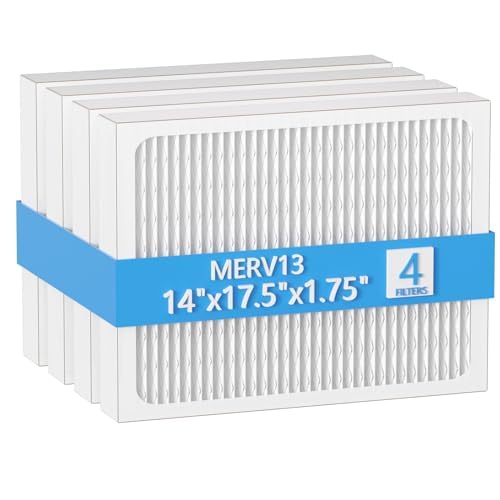
【Compatibility】 Our 14 x 17.5 x1.75 MERV 13 Replacement Dehumidifier Filter Media is Compatible with Honeywell DR90 & DR120 dehumidifier models.

BUY WITH CONFIDENCE Genuine AprilAire MERV 8 Replacement Filter for your AprilAire Whole Home Dehumidifier Models E080 or E100 or Dehumidifying Ventilator 8192A (and all variations of these models)
Filter and Screen Check
Inspect the air filter and back screen before you clean deeper parts. Dust buildup can restrict airflow, trap odor particles, and leave damp residue inside the cabinet. Remove the filter, shake off loose dust outside, and vacuum it gently with a brush attachment. Wash it only if your owner’s manual says the filter is washable. Let it dry completely before reinstalling it.
- Remove the filter and check for gray dust, lint, pet hair, or fuzzy growth.
- Vacuum the filter and intake screen gently.
- Rinse washable filters with lukewarm water and mild soap only if the manual allows it.
- Reinstall the filter only after it feels fully dry.
Bucket, Basin, and Drain
The water bucket and drain path are common odor sources because they hold condensate. Empty the bucket daily during heavy use, then wash it with warm water and mild dish soap. For mineral film or stubborn smell, use diluted white vinegar if the manufacturer allows it, then rinse well. Check the drain hose for sludge, kinks, poor slope, or a loose connection that lets water sit inside the machine.
- Remove the bucket and pour out stale water.
- Scrub corners, seams, and the float area with a soft cloth or brush.
- Rinse the bucket and dry it before reinstalling it.
- Detach and flush the drain hose if the unit uses continuous drainage.
Coils and Fan Area
Dirty coils and fan blades can hold damp dust, but they are also easier to damage. Brush or vacuum only the accessible dust your manual permits you to reach. Do not bend coil fins, spray water into electrical parts, or open sealed panels unless the manual explains how to do it safely. If the odor remains after bucket, filter, and drain cleaning, a technician can clean internal parts without risking the unit.
How to Clean a Musty Dehumidifier Step by Step
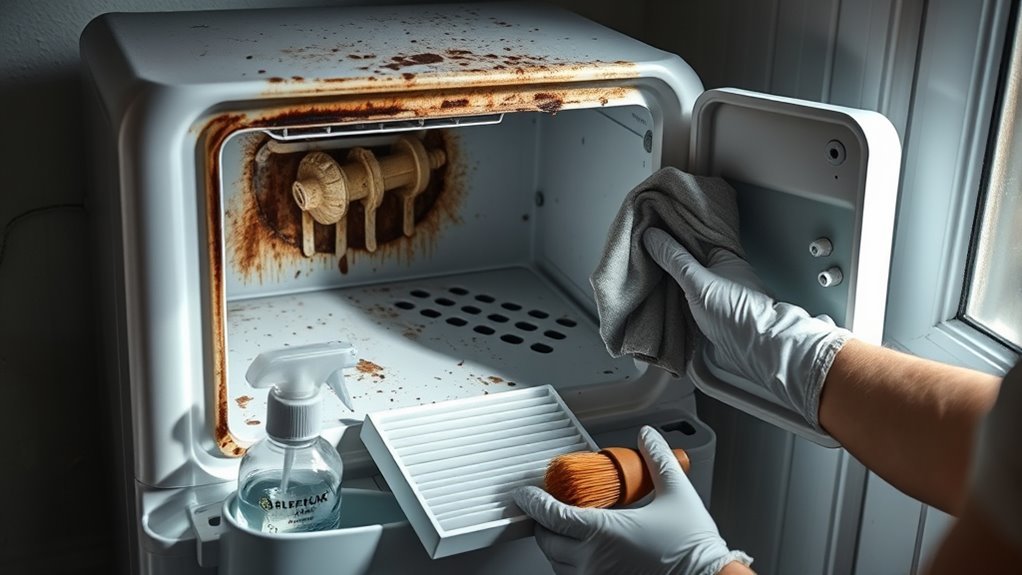
Use this cleaning order when the smell is clearly coming from the dehumidifier, not from the room. The goal is to remove damp debris, not just cover the odor with fragrance. Air fresheners, dryer sheets, and scented cleaners may make the room smell better for a few hours, but they do not remove the moisture and residue feeding the odor.
- Turn off and unplug the unit. Give the compressor and fan time to stop before removing parts.
- Empty the bucket. Pour out water, wash the bucket with warm soapy water, rinse, and dry it.
- Clean the filter. Vacuum or rinse it only according to the manufacturer’s instructions.
- Clear the drain path. Check the hose, drain port, float, and bucket seating area for buildup or blockage.
- Wipe accessible surfaces. Use a damp cloth on the grille, vents, and non-electrical surfaces.
- Dry before reassembly. Let the bucket, filter, and hose dry fully before restarting the unit.
Recommended Products
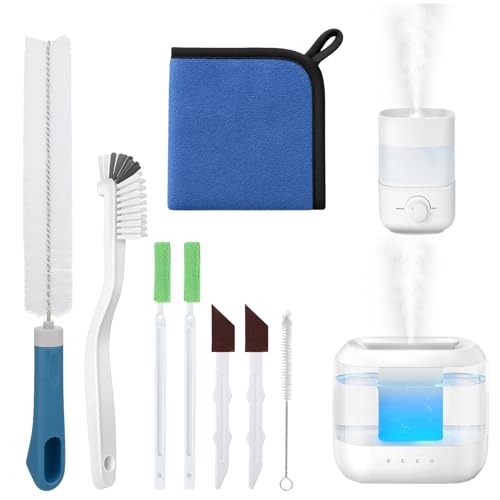
Humidifier Cleaning Solution:Still looking for a cleaning tool that can thoroughly clean your humidifier? Come and try our humidifier cleaning brush set!The nylon brush cleans the stains on the base, the sandpaper brush powerfully removes the severe scale at the bottom, and the long brush can easily reach the air outlet and the interior of the water storage tank, thoroughly cleaning every corner of the humidifier in all aspects, making your humidifier look brand new and more reassuring to use.
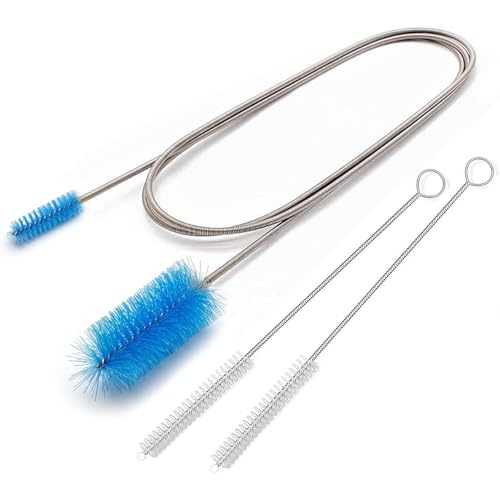
🚫UNCLOG NARROW TUBES INSTANTLY: Tired of water pooling in your fridge or grime clogging your aquarium filters? This 67-inch (170cm) extra-long flexible drain brush is the ultimate problem-solver. It easily snakes through deep, narrow, and curved tubing to effortlessly remove gunky buildup, dirt, and residue.
How Dust and Neglect Make Odors Worse
Dust does more than make the unit look dirty. It gives moisture a place to cling and gives mold or bacteria organic material to grow on. A clogged filter also slows airflow, so wet internal parts dry more slowly after the compressor cycles off. That combination can make a small odor spread through the whole room.
Place the dehumidifier away from woodworking dust, lint-heavy laundry areas, and crowded walls when possible. ENERGY STAR notes that portable units need free air circulation and should be kept away from dust and dirt sources that can clog coils and grilles. Keep doors and windows closed while the unit runs so it can dry the room efficiently instead of pulling in more humid air.
How to Stop Musty Smells From Coming Back
Preventing odor takes two routines: keep the machine clean and keep the room dry. Clean the filter on the schedule in your manual, empty the bucket before water sits for long periods, and check continuous-drain hoses for slime or kinks. Then look beyond the appliance. A clean dehumidifier can still smell musty if the basement, closet, crawl space, or laundry area stays damp.
Set the Right Humidity
For most homes, aim for 30% to 50% relative humidity. The EPA says indoor humidity should stay below 60% when possible, ideally between 30% and 50%. CDC guidance is stricter for mold prevention and recommends keeping humidity no higher than 50% all day long. If your room keeps reading above that range, the dehumidifier may be undersized, poorly placed, or fighting a leak.
Improve Placement and Airflow
Give the dehumidifier enough clearance for intake and exhaust air. Do not push a rear-intake unit flat against furniture or a wall. Close exterior windows and doors while it runs, and use kitchen or bathroom exhaust fans at the moisture source. If the air feels stale, ventilate briefly when outdoor air is drier, then close the space again so the unit can lower humidity efficiently.
Fix Moisture Sources
If musty smells keep returning, fix the moisture source, not just the dehumidifier. Inspect pipes, walls, windows, crawl spaces, foundation edges, gutters, and downspouts. Repair leaks quickly, route downspouts away from the foundation, and improve ventilation in bathrooms, kitchens, and laundry rooms. In small closets or storage bins, desiccant bags can help with localized dampness, but they are not a substitute for repairing leaks or drying a whole room.
When to Repair or Replace a Smelly Dehumidifier
Cleaning should solve a basic bucket, filter, or drain odor. If the smell returns within days, the unit may have hidden buildup, poor drainage, frost, damaged seals, or a failing fan. Repair or replacement becomes more likely when odor appears with weak water removal, repeated frost, unusual noise, overheating, leaking, or electrical smell.
- If odor returns within days, inspect the bucket seating area, drain port, hose, coils, and fan path.
- If the bucket or hose keeps trapping water, correct the slope, connection, or blockage.
- If the unit removes little water in a humid room, clean airflow parts and check the room temperature.
- If mold is visible inside sealed areas, or if electrical parts smell hot, stop using the unit and call a professional.
Recommended Products

Multi-Purpose Hose, 6ft Cut-to-Fit:This 6-foot hose is designed for various applications, including dehumidifier drainage and gardening tasks. It can be easily cut to the desired length for flexible use. Please confirm the required length before purchase.

Excellent Compatibility: The dehumidifier drain hose features an internally threaded end, and the 3/4 Inch FHT connection, brass Interface is compatible with the majority of dehumidifier brands.
Why Home Remedies Don’t Fix the Root Problem
Home remedies can help clean removable parts, but they do not fix the reason the smell formed. Vinegar may reduce mineral film and some odors. Mild detergent and water can remove grime from hard surfaces. Baking soda or activated charcoal can absorb light room odors. None of those fixes will solve a blocked drain hose, a wet crawl space, a leaking wall, or a filter that keeps staying damp.
Be careful with bleach. EPA guidance does not recommend routine biocide use for mold cleanup, and dead mold can still trigger reactions for some people if it is not physically removed. If you use any disinfectant, follow the label, ventilate the area, and never mix cleaning chemicals.
How to Prevent Musty Odors in the Future
Keep a simple maintenance schedule. During heavy use, check the bucket and filter often. After each cleaning, let removable parts dry completely. Before storing the dehumidifier, clean and dry the bucket, filter, hose, and exterior so the next use does not start with old damp residue.
- Empty and rinse the bucket before water turns stale.
- Clean or replace the filter according to the owner’s manual.
- Keep the drain hose short, sloped, and unobstructed.
- Place the unit where air can circulate freely around it.
- Use a hygrometer and keep room humidity near 30% to 50%.
- Fix leaks, condensation, and drainage problems that keep the room damp.
Frequently Asked Questions
Can a Dehumidifier Cause a Musty Smell?
Yes. A dehumidifier can cause a musty smell if dust, stagnant water, mold, or mildew builds up in the bucket, filter, drain hose, coils, or fan area. Clean the removable parts first, then check drainage and room humidity if the odor returns.
Why Does My Dehumidifier Smell After Cleaning?
The smell may remain if the filter was reinstalled damp, the drain hose still holds dirty water, residue remains behind the bucket, or the room has a separate moisture problem. Dry all removable parts, flush the hose, and check the room with a hygrometer.
Can a Dehumidifier Spread Mold Smell?
Yes, a dirty unit can blow musty odor through the room as air passes over contaminated dust or damp parts. If you see or smell mold, clean the unit and fix the moisture source. Do not keep running a unit that appears heavily contaminated inside sealed areas.
Can I Use Vinegar or Bleach to Clean a Dehumidifier?
You can use mild dish soap for routine bucket cleaning. Diluted white vinegar may help with mineral film if the manual allows it. Use bleach only when the manufacturer permits it and the label directions are followed. Never mix bleach with vinegar, ammonia, or other cleaners.
What Humidity Level Helps Prevent Musty Smells?
Aim for 30% to 50% relative humidity in most homes. If the room stays above 50% to 60%, musty odors and mold risk increase. Use the dehumidifier’s humidistat or a separate hygrometer to check the real room humidity.
Is a Musty Dehumidifier Bad for Allergies or Asthma?
It can be a concern because mold and damp indoor environments can irritate some people, especially those with asthma, mold allergies, or chronic lung disease. Clean the unit, remove visible mold, control moisture, and ask a clinician if symptoms worsen indoors.
When Should I Replace a Smelly Dehumidifier?
Replace the unit if the odor persists after deep cleaning, visible mold remains inside sealed parts, the fan or compressor struggles, the unit leaks repeatedly, or repair would cost more than a reliable replacement. Stop using it immediately if you notice burning smells or electrical damage.
Sources
Conclusion
A musty dehumidifier usually means moisture and dust have built up somewhere in the air or water path. Start with the bucket, filter, drain hose, and intake screen. Then check humidity, airflow, and damp areas around the room. If the smell keeps returning after cleaning, stop masking it and look for hidden moisture, blocked drainage, or internal contamination that needs professional service.