Dehumidifiers are generally safe for home use when the unit is not recalled, is correctly sized, has clear airflow, and is maintained according to its owner’s manual. They can help control dampness, mold-friendly conditions, and dust mites, but they do not remove existing mold or treat a medical condition. Safe use also requires careful attention to electrical connections, drainage, and indoor humidity.
Quick Answer
Yes, dehumidifiers are usually safe at home. Check the model for recalls, plug it directly into a properly grounded outlet, keep the air openings clear, secure the drainage system, and follow the cleaning schedule in the manual. Aim for roughly 30% to 50% relative humidity and stop the unit if it overheats, leaks, smokes, or smells burnt.
Key Takeaways
- Keep indoor relative humidity near 30% to 50% unless your climate, health needs, or manufacturer guidance calls for a different setting.
- Check the brand and model number against the CPSC dehumidifier recall information.
- Use a direct, grounded wall outlet and avoid extension cords, power strips, adapters, and damaged electrical connections.
- A dehumidifier controls moisture but does not fix plumbing leaks, remove contaminated materials, or replace medical care.
- Clean the filter, bucket, coils, and drain system as directed in the owner’s manual rather than following one schedule for every model.
Are Dehumidifiers Safe for Home Use?
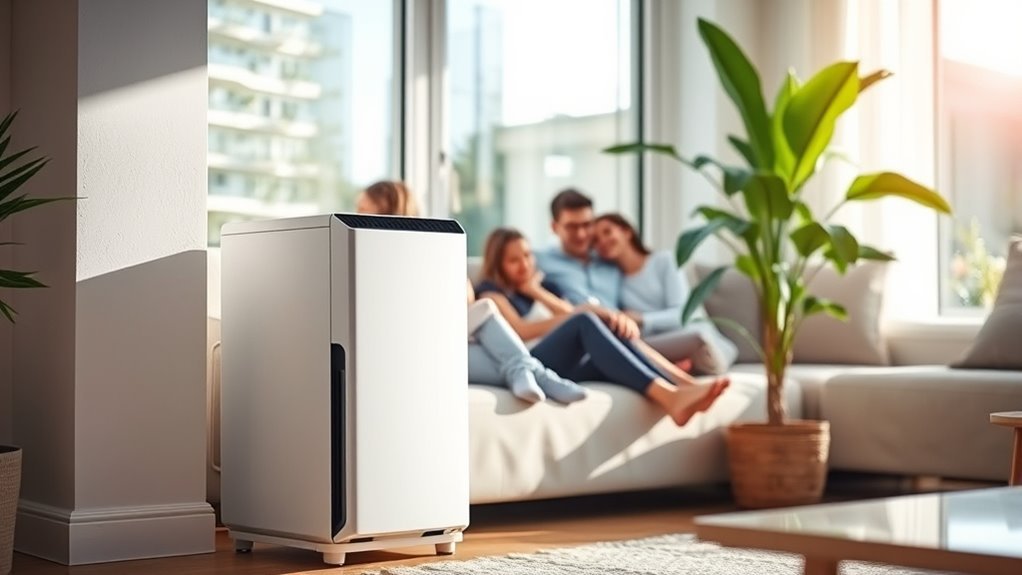
Yes, a dehumidifier is generally safe when it is in good condition and used as the manufacturer directs. The main risks are electrical shock, overheating, fire, water leakage, blocked airflow, poor drainage, and excessive drying.
The U.S. Environmental Protection Agency generally recommends keeping home humidity between 30% and 50%. This range can reduce conditions that support mold, mildew, and dust mites without making the room unnecessarily dry.
A dehumidifier is a moisture-control appliance, not a set-and-forget cure for mold, allergies, or breathing problems.
Helpful safety features may include a humidistat, automatic shutoff when the bucket is full, restart protection after a power interruption, and auto defrost for cooler rooms. These features support normal operation, but they do not replace recall checks, clear airflow, electrical safety, and regular inspection.
Check Dehumidifier Recalls and Electrical Safety
Before using an older, secondhand, inherited, or stored dehumidifier, find the model number and date code on its product label. Compare that information with the CPSC recall listings. Several large recalls have involved units that could overheat, smoke, or catch fire.
Warning: Stop using a recalled dehumidifier. Also turn the unit off if you notice smoke, a burning smell, melting plastic, sparks, unusual crackling, a hot plug, repeated breaker trips, a damaged cord, or water reaching an electrical connection. Unplug it only when you can do so safely. If a fire starts, leave the area and contact emergency services.
Plug the dehumidifier directly into a properly installed, grounded wall outlet that matches the voltage and circuit requirements on the product label. Do not remove the grounding prong. Do not place the plug, cord, outlet, or drain hose where collected water can reach electrical parts.
GE Appliances advises against using an extension cord, surge protector, power strip, or multi-outlet adapter with its dehumidifiers. Follow the instructions for your exact model, since electrical requirements can differ.
Recommended Products
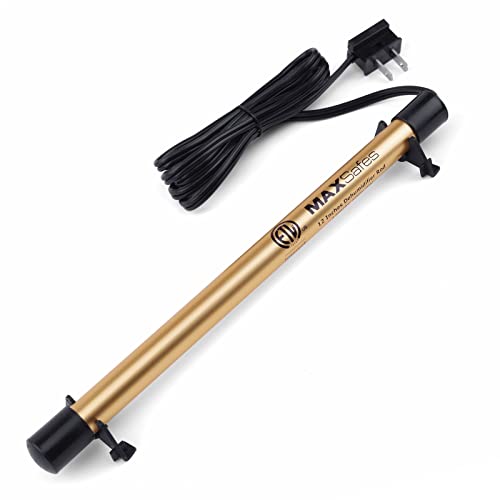
Electric Dehumidifier Rod: Maintenance-free heating rod that provides humidity control in gun safes, cabinets and small enclosures by increasing the temperature in your gun safe to a slightly higher level than the ambient temperature to help to drive out excess humidity

What's Inside: one pouch containing 450 grams of color indicating silica gel beads in plastic display container. It effectively protects up to 60 cubic feet of space from corrosion and moisture, making it ideal for gun safes, ammo storage, stamp collections, family photos, books and documents storage, ammunition storage, and other enclosed environments prone to moisture buildup.

EFFICIENT DEHUMIDIFICATION PROTECTION: The Briidea gun safe dehumidifiers uses advanced warm air circulation technology to remove moisture from the safe. This is especially effective for firearms and valuables that are highly sensitive to humidity, preventing dampness, rust, or corrosion, and ensuring they maintain optimal performance and longevity over time
How Dehumidifiers Help Allergies and Breathing
A dehumidifier may help when excess moisture is encouraging mold or dust mites. Lowering humidity makes the room less suitable for these common indoor allergens. It may also reduce condensation and musty odors.
However, a dehumidifier does not filter all airborne allergens, remove mold embedded in building materials, or guarantee relief from sneezing, wheezing, coughing, or eye irritation. The CDC notes that damp and moldy environments can cause respiratory and allergy symptoms in some people, especially those with asthma, mold allergies, weakened immune systems, or chronic lung disease.
Pro Tip: Use the dehumidifier as part of a moisture-control plan. Repair leaks, improve bathroom and kitchen ventilation, dry wet materials promptly, clean appropriate moldy surfaces, and remove materials that cannot be safely restored.
If dampness or visible mold keeps returning, look for the source. Possible causes include plumbing leaks, roof damage, foundation seepage, poor drainage, an oversized air conditioner, unvented cooking or bathing moisture, or outdoor air entering the space.
Recommended Products

Semiconductor dehumidifiers use thermoelectric cooling to remove moisture from the air. They create a drier, more comfortable environment by reducing humidity and improving air quality.
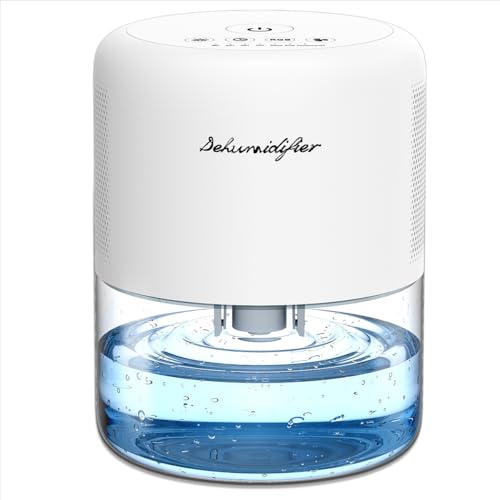
[Gentle Control, Low Energy] Unlike high-power dehumidifiers that focus on rapid moisture reduction, this unit features a gradual dehumidification approach. With its relatively gentle humidity adjustment rate, it helps reduce potential discomfort caused by significant humidity changes in a short period, making it ideal for those who prioritize stable indoor humidity. Compared with some high-power devices, it consumes less energy and produces less noise from frequent start-stops, making it a practical solution for home humidity management.

Quiet & High-Efficiency Dehumidifier: Adopting next-generation semiconductor cooling technology, efficient moisture removal while maintaining ultra-low noise operation. Stable humidity levels are maintained, making your home environment more comfortable and pleasantly dry.
When a Dehumidifier Makes Air Too Dry
Running a dehumidifier longer than necessary can make a room uncomfortable. Some people notice a dry throat, irritated nose, dry skin, eye discomfort, or increased static electricity when humidity becomes too low.
Use a separate hygrometer to check the room instead of relying only on how the air feels. If the reading falls below about 30%, reduce the runtime, raise the humidistat setting, or turn the unit off. In cold weather, you may need a lower indoor setting to prevent condensation on windows and exterior walls, so watch both the humidity reading and the building surfaces.
| Sign | Possible Meaning | Action |
|---|---|---|
| Dry or scratchy throat | The air may be drier than is comfortable for you. | Check the hygrometer and reduce runtime. |
| Dry, tight, or itchy skin | Low humidity may be adding to skin discomfort. | Raise the humidity setting and monitor the room. |
| Nasal or eye irritation | Dry air may be irritating sensitive tissues. | Pause the unit and reassess the humidity. |
| Reading below 30% | The room may be drier than the usual recommended range. | Turn the dehumidifier off unless specific guidance requires a lower level. |
Note: A dehumidifier is not a medical treatment. People with asthma, COPD, severe allergies, chronic skin conditions, or unexplained breathing symptoms should follow advice from a qualified healthcare professional.
Portable vs. Whole-House Dehumidifiers
Portable and whole-house dehumidifiers can both be used safely. The better choice depends on how much space needs moisture control, whether the home has compatible ductwork, the available drainage, installation quality, and the owner’s maintenance needs.
| Feature | Portable Unit | Whole-House System |
|---|---|---|
| Best use | One room, basement, laundry area, or another targeted space. | Several rooms or a large portion of a ducted home. |
| Installation | Usually placed by the homeowner according to the manual. | Normally requires professional sizing, duct, electrical, and drain work. |
| Drainage | Bucket, gravity hose, or pump, depending on the model. | Usually connected to a permanent drain by the installer. |
| Maintenance | Frequent owner checks of the bucket, filter, hose, coils, and cord. | Filter and drain care plus periodic HVAC-system inspection. |
| Cost | Lower initial cost for a limited area, but several units may use more energy and require more upkeep. | Higher purchase and installation cost, with possible convenience benefits for whole-home control. |
Neither type is automatically safer or cheaper. A poorly installed whole-house system can leak or perform badly, while a recalled or damaged portable unit can present a fire risk. Correct sizing, installation, drainage, cleaning, and electrical protection matter more than the category alone.
When buying a new unit, compare its tested capacity with the room size and dampness level. An ENERGY STAR-certified dehumidifier can use less energy than a comparable standard model, but certification does not replace safe installation or maintenance.
Recommended Products

Upgrade High Efficient Dehumidification: Dehumidifier utilize semi conductor condensation technology, ensuring quiet operation while effectively extracting moisture from the air. This advanced feature helps keep humidity levels below 45%

3 Smart Modes for Every Space — Whether you need everyday moisture control, faster clothes drying, or continuous protection in damp areas, this dehumidifier has you covered. DEHU mode maintains your ideal living room humidity. DRY mode speeds up drying delicate clothes indoors. CONT mode runs nonstop for basements, crawl spaces, and any area that never seems to dry out. All adjusted with a single tap on the LED touchscreen.
How to Use a Dehumidifier Safely at Home
- Check the recall status. Find the model number and date code before using an unfamiliar or older unit.
- Read the owner’s manual. Confirm the required outlet, room-temperature range, clearance, drainage options, and filter schedule.
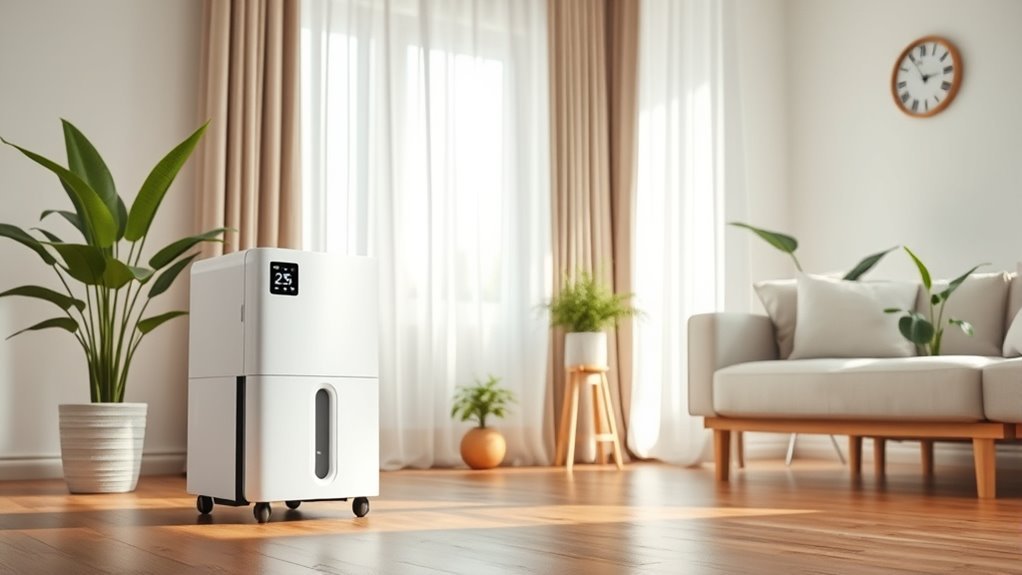
- Place it on a stable, level surface. The surface must support the appliance and a full water bucket.
- Keep the air path clear. Follow the exact clearance in the manual. Some top-discharge models can sit closer to a wall, while other designs need open space on several sides.
- Use the correct outlet. Plug the unit directly into a grounded outlet. Keep the cord uncoiled, undamaged, and away from standing water.
- Set a reasonable humidity target. Start near 45% to 50% and confirm the result with a hygrometer. Adjust for condensation, climate, and personal comfort.
- Manage the water safely. Empty the bucket before it overflows. For continuous drainage, use the approved hose or pump setup and check regularly for kinks, loose fittings, clogs, and leaks.
- Clean it according to the manual. Unplug the unit before cleaning. Inspect the filter more often in dusty spaces and clean or replace it only as the manufacturer directs.
- Watch for frost. Compressor models may ice up in a cool room. Use a model rated for the room temperature, allow defrost cycles to finish, and do not scrape the coils with a sharp object.
- Recheck the room. If humidity remains high, the unit may be undersized or the home may have a leak, drainage problem, ventilation issue, or another moisture source.
Close doors and windows while treating a room unless ventilation is needed for another safety reason. Keep the unit away from sawdust, heavy lint, curtains, bedding, and clutter that can block the inlet or outlet. Keep children and pets away from the cord, drain hose, bucket, and controls.
Safe Maintenance and Drainage Checklist
| Check | What to Do |
|---|---|
| Before operation | Look for cord damage, blocked vents, water around the outlet, loose hose connections, and an incorrectly seated bucket. |
| Filter | Inspect it regularly and clean or replace it on the schedule stated in the manual. Dusty rooms may require more frequent checks. |
| Bucket | Empty and clean it before slime, odor, or mineral buildup develops. Reinstall it fully so the shutoff switch works. |
| Drain hose | Keep it sloped correctly for gravity drainage, prevent trip hazards, and check the outlet for blockage. |
| Coils and grilles | Remove accessible dust gently as instructed. Arrange qualified service if internal cleaning or repair is needed. |
| Humidity | Compare the unit’s reading with a separate hygrometer and adjust the setting if the room becomes too damp or too dry. |
| Manufacturer guidance | Follow model-specific instructions for clearance, electrical supply, storage, defrosting, cleaning, and service. |
When to Stop Using a Dehumidifier
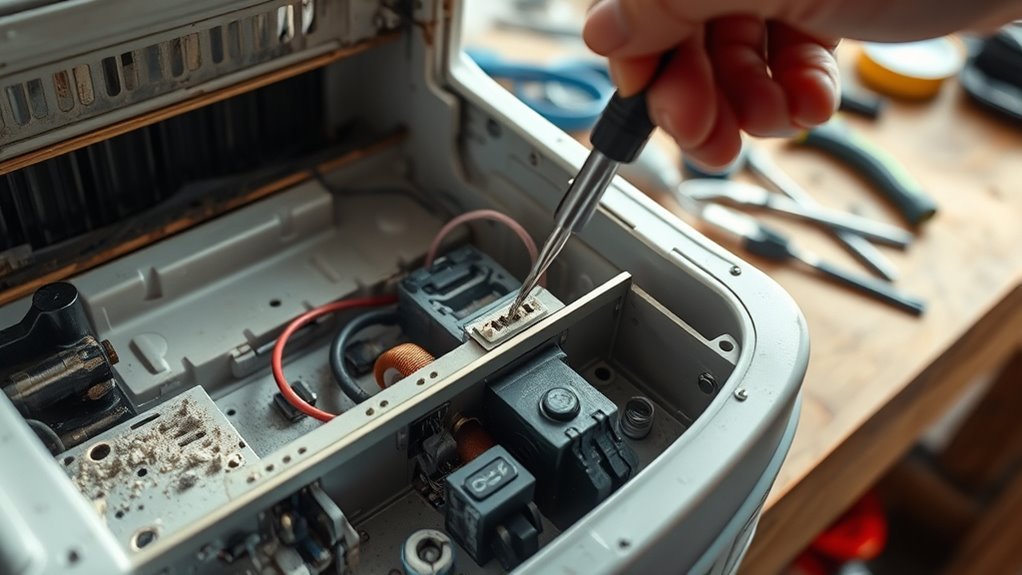
Turn the unit off and investigate if it begins leaking, stops collecting water despite high humidity, develops heavy frost, makes a new grinding or crackling sound, produces a burning odor, repeatedly trips the circuit, or becomes unusually hot. Do not open a sealed refrigeration system or attempt electrical repairs unless you are qualified to do so.
Professional service may be needed when the compressor will not start, a pump fails, the fan does not turn, internal wiring is damaged, refrigerant may be leaking, or a whole-house unit is not draining or controlling humidity correctly.
Do not keep running a malfunctioning appliance simply because the fan still moves air. A unit that has been recalled, flooded, dropped, modified, or stored with rodent or water damage should be inspected or replaced before use.
Frequently Asked Questions
What are the downsides of using a dehumidifier?
Possible downsides include electricity use, fan and compressor noise, regular cleaning, bucket emptying, drain-hose maintenance, extra heat in the room, and discomfort if humidity becomes too low. An undersized unit may also run for long periods without solving the underlying moisture problem.
Should you use a dehumidifier if you have COPD?
A dehumidifier may help if your home is excessively damp, but it is not automatically right for every person with COPD. Hot, humid conditions and very cold or dry conditions can both affect breathing. Monitor the room with a hygrometer and follow your clinician’s advice about the indoor environment that is most comfortable and appropriate for you. The NHS COPD guidance notes that hot weather and humidity can cause breathing problems.
Are dehumidifiers good for a dry scalp?
No. A dehumidifier is designed to remove moisture from the air, so unnecessary use may make a dry scalp or dry skin feel worse. Use it only when the room is too humid, and reduce the setting or runtime if the air becomes uncomfortable.
Can a dehumidifier cause health issues?
It can contribute to dry-throat, skin, nose, or eye discomfort if it lowers humidity too much. A dirty bucket or drain system can also develop odors or buildup. Keep humidity moderate, clean the unit as directed, and seek medical advice for persistent or serious symptoms.
Is it safe to run a dehumidifier overnight?
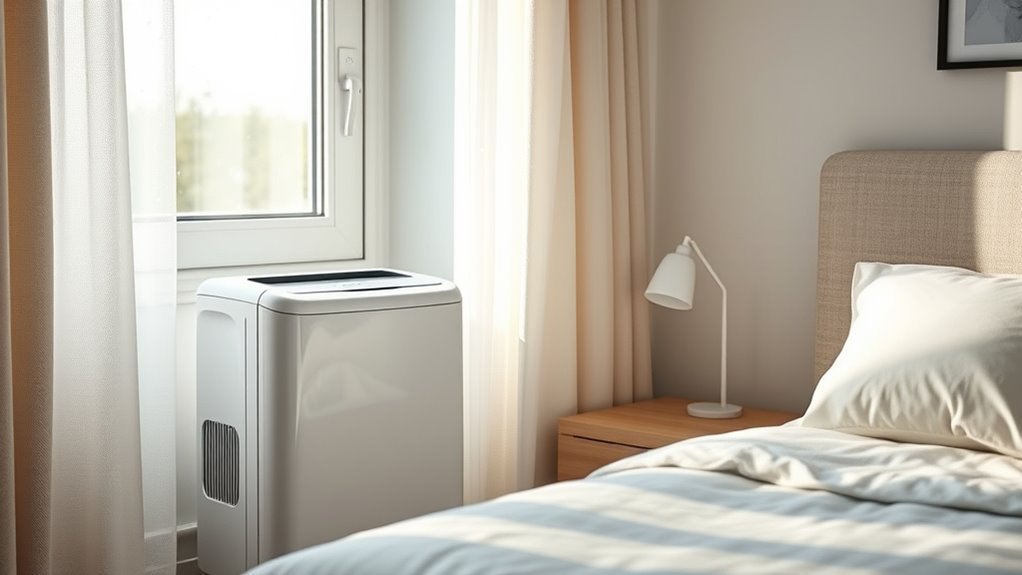
Many dehumidifiers are designed for extended operation, but only run yours overnight when the manufacturer permits it, the unit is not recalled or damaged, airflow is clear, the outlet is suitable, and the bucket shutoff or continuous drain works correctly. Do not leave a unit running when it shows unusual heat, noise, odor, leakage, or electrical problems.
How often should a dehumidifier filter be cleaned?
Follow the schedule in the owner’s manual. Inspect the filter more often when the unit runs daily or operates near lint, dust, pets, or workshop equipment. Clean washable filters as directed, and replace only filters that the manufacturer identifies as replaceable.
Will a dehumidifier remove existing mold?
No. It can reduce the moisture that helps mold grow, but existing mold and water-damaged materials still require appropriate cleaning, removal, and repair of the moisture source. Large, recurring, hidden, or sewage-related contamination may require professional assessment.
Conclusion
Dehumidifiers are generally safe when they are not recalled, are connected to the correct outlet, have unobstructed airflow, and receive regular maintenance. Keep indoor humidity near 30% to 50%, verify the level with a hygrometer, and adjust the setting before the room becomes too dry.
Use the appliance to support moisture control, not to hide a leak or avoid mold cleanup. Check the cord, filter, bucket, drain hose, and product label regularly. Stop using the unit if it overheats, leaks, smells burnt, smokes, or repeatedly trips the circuit.
Sources
- U.S. Environmental Protection Agency: Biological Pollutants and Indoor Air Quality — recommended indoor humidity and biological-pollutant control.
- Centers for Disease Control and Prevention: Mold and Health — mold growth, respiratory effects, and moisture control.
- U.S. Consumer Product Safety Commission: Dehumidifier Recalls and Warnings — recalled models and fire-hazard guidance.
- ENERGY STAR: Dehumidifiers — placement, drainage, efficiency, and buying guidance.
- GE Appliances: Extension Cord and Surge Protector Guidance — direct grounded-outlet recommendations.
- NHS: Living With COPD — weather and humidity considerations for people with COPD.