Disclosure: As an Amazon Associate I earn from qualifying purchases. If you click a link on this page and make a purchase, we may receive a small commission at no extra cost to you.
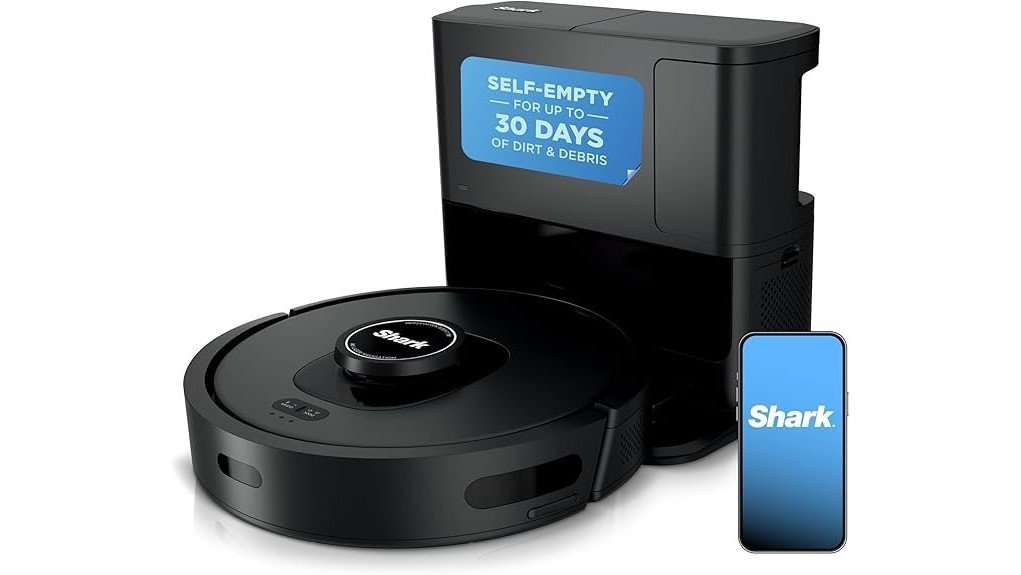
The Shark AV2501S AI Ultra Robot Vacuum is a dependable, low-maintenance floor cleaner built for pet owners who want methodical 360° LiDAR room mapping and a 30-day bagless self-emptying base without paying flagship prices or buying replacement dust bags. While its 4.1-inch height requires checking under low couches and its app stores only one floor map at a time, its anti-hair-wrap brushroll and grid-based suction make daily pet hair and crumb cleanup virtually effortless.
Managing daily dust, crumbs, and shedding pet fur across multiple rooms can quickly turn floor care into a relentless chore. Basic bounce-and-turn robot vacuums often struggle with tangled rollers, weak pickup on area rugs, and erratic navigation that misses corners behind furniture.
In this in-depth review, we examine the cleaning performance, navigation accuracy, obstacle limits, maintenance requirements, and long-term value of the Shark AV2501S so you can decide whether it fits your home layout and cleaning routine.
Quick Verdict
Rating: 8.8 / 10
Best For: Single-story households and pet owners seeking accurate LiDAR room mapping, tangle-free pet hair pickup, and bagless self-emptying convenience.
Skip If: You need multi-floor map storage for a multi-story home, have furniture with under 4.25 inches of clearance, or want built-in wet mopping.
Top Pros: Fast 360° LiDAR mapping, zero recurring bag costs, effective anti-hair-wrap brushroll, and true HEPA filtration in the dock.
Top Cons: Saves only one floor map in the app, does not detect flat cords or pet waste under 3.5 inches, and creates a loud 15-second noise when self-emptying.
Bottom Line: The Shark AV2501S delivers strong pet hair pickup and methodical multi-pass grid cleaning through its LiDAR turret and self-cleaning brushroll. Provided you don’t need multi-story map memory, its 30-day bagless dock makes it one of the most cost-effective hands-off vacuums available.
| Specification | Detail |
|---|---|
| Brand | Shark |
| Model | AV2501S (AI Ultra with 30-Day Bagless Base) |
| Navigation Type | 360° LiDAR / UltraClean & Matrix Clean Grid |
| Obstacle Detection | Walls, furniture, and objects taller than ~3.5–4 inches (no front AI camera for flat cords) |
| Base Capacity | Up to 30 days (Bagless Self-Empty Holding Dock) |
| Brushroll System | Self-Cleaning Anti-Hair-Wrap Finned Brushroll + 1 Side Brush |
| Filtration | Washable Foam/Felt Pre-Motor Filters + True HEPA Base Filter (captures 99.97% of particles down to 0.3 microns) |
| Battery Runtime | Up to 120 minutes (in standard/Eco mode on bare floors) with Recharge & Resume |
| Robot Dimensions | 13.7 x 13.7 x 4.1 inches (Dock measures approx. 13.3 x 9.8 x 12.8 inches) |
| Surface Compatibility | Hardwood, Tile, Laminate, Vinyl, and Low- to Medium-Pile Carpets |
| Saved Maps Supported | 1 interactive floor plan at a time |
| App & Wi-Fi Support | SharkClean App (iOS & Android); requires 2.4 GHz Wi-Fi network |
| Voice Compatibility | Amazon Alexa & Google Assistant |
| Warranty | 1-Year Limited Manufacturer Warranty |
What Is the Shark AV2501S AI Ultra?
The Shark AV2501S is an automated robot vacuum engineered for systematic cleaning across mixed flooring types. Measuring 13.7 inches in diameter and 4.1 inches tall, it features a top-mounted 360° LiDAR turret that uses invisible lasers to scan your rooms and generate an interactive floor map in the SharkClean app.
Originally introduced as part of Shark’s AI Robot self-emptying lineup, the AV2501S bridges the gap between entry-level vacuums and costly flagship stations. Unlike camera-based or bump-and-go models, it follows straight, methodical rows and offers a multi-pass grid cleaning mode to tackle high-traffic zones without missing open floor space.
When its cleaning cycle ends or the battery runs low, the robot automatically returns to its self-emptying dock, which extracts dust and pet hair into a transparent, bagless holding bin. Combined with a finned brushroll that actively clears wrapped hair, it is purpose-built for pet owners who want reliable daily debris pickup without ongoing replacement bag expenses.
Who Should Buy It?
Best For
- Pet owners dealing with daily shedding on hardwood, tile, and low- to medium-pile rugs
- Single-story homes or apartments needing accurate LiDAR room mapping and virtual no-go zones
- Budget-conscious buyers wanting self-emptying convenience without recurring proprietary bag costs
Skip If
- You have a multi-story house and need the app to store separate maps and no-go zones for each floor
- Your sofas, cabinets, or bed frames have under 4.25 inches of vertical clearance
- You want a 2-in-1 hybrid robot vacuum and wet mop, or front AI camera avoidance for tiny floor clutter
Key Features & Performance Breakdown
Understanding how the Shark AV2501S’s hardware and software work in practice clarifies where it excels and what preparation your floors require before each run.
360° LiDAR & Multi-Pass Grid Navigation
The top-mounted laser turret spins continuously to measure distances to walls, doorways, and furniture legs. After an initial Explore Run, the SharkClean app renders a customizable home map. When you trigger targeted room or spot cleaning with UltraClean / Matrix Clean enabled, the robot sweeps in a tight crisscross grid—passing over dirty areas multiple times from perpendicular angles to lift stubborn grit from carpet fibers and tile grout.
Keep in mind that because the LiDAR sensor sits on top of the 4.1-inch body, its laser beam scans above floor level. While it reliably avoids walls, chairs, and objects taller than roughly 3.5 to 4 inches, it cannot spot flat items like phone charging cords, thin socks, or pet accidents. Doing a quick floor check or setting app no-go zones around cable clusters prevents mid-cycle tangles.
Pet Hair & Self-Cleaning Brushroll
Long human hair and thick pet undercoats are the primary causes of roller jams in traditional bristle brushrolls. Shark solves this by replacing stiff bristles with flexible silicone fins and integrated comb teeth inside the brush housing. As the roller spins, these fins maintain close contact with floors while the internal combs guide hair straight into the suction path instead of letting it wind tightly around the axle ends.
Bagless Self-Empty Base & HEPA Filtration
Each time the AV2501S docks, a high-velocity cyclonic motor inside the base pulls debris out of the robot’s onboard bin into an upright, bagless canister that holds up to 30 days of dirt. Because the bin is transparent, you can see at a glance when it reaches the maximum fill line, then detach the canister and press a single bottom-release button over a trash can.
Air drawn through the dock passes through washable foam and felt pre-motor filters followed by a sealed post-motor HEPA filter that captures 99.97% of dust, pollen, and pet dander down to 0.3 microns. This keeps fine particulates trapped during the loud evacuation cycle rather than exhausting dusty air back into your room.
App Customization & Voice Commands
Inside the SharkClean app (compatible with iOS and Android over a 2.4 GHz Wi-Fi connection), you can split or merge rooms, label high-traffic zones, schedule whole-home runs, and draw rectangular no-go zones around pet bowls or fragile plant stands. Linking your Shark account with Amazon Alexa or Google Assistant also lets you start or pause cleaning hands-free with simple voice prompts.
Before You Buy: Measure the gap beneath your lowest sofas, dressers, and bed skirts. Because the top LiDAR turret brings the robot’s total height to 4.1 inches, your furniture needs at least 4.25 inches of clearance so the turret does not scrape or wedge underneath.
Pro Tip: Before starting your very first Explore Run, open all interior room doors, pick up loose floor cables, and pull dining chairs slightly back. Giving the LiDAR laser an unobstructed line of sight on day one generates a cleaner floor plan and makes drawing room boundaries much easier.
What to Expect in Everyday Use
Evaluating how the Shark AV2501S handles different floor textures, lighting conditions, and room layouts highlights its everyday strengths and practical boundaries.
Daily Hardwood & Tile Maintenance
On bare surfaces like sealed hardwood, ceramic tile, vinyl plank, and laminate, the robot runs smoothly and gathers fine dust bunnies, spilled dry cereal, coffee grounds, and tracked cat litter. Its single spinning side brush sweeps along baseboards and cabinet toe-kicks, pulling edge debris into the main suction channel with minimal scattering.
Carpet & Rug Pet Hair Cleanup
Moving from hard flooring onto low- and medium-pile area rugs is seamless thanks to its spring-loaded drive wheels. In Normal and Max suction modes, the vacuum lifts matted dog and cat fur from rug fibers while keeping the finned brushroll remarkably free of hair wraps. On ultra-plush shag rugs or lightweight bathroom mats with long fringe, however, the robot can slow down or catch on loose tassels—so marking fringed edges as no-go zones is recommended.
Nighttime & Low-Light Navigation
Because LiDAR relies on active infrared laser pulses rather than optical ceiling cameras, the AV2501S navigates pitch-black bedrooms and windowless hallways just as accurately at midnight as it does at noon. You never need to leave lights on for scheduled overnight or early-morning runs.
Multi-Room & Multi-Floor Considerations
With up to 120 minutes of runtime in Eco/Standard mode on hard floors, the AV2501S comfortably cleans most single-story layouts on one charge. If the battery dips low mid-job, its Recharge and Resume feature sends the robot back to the dock to top up power before finishing the remaining rooms.
If you live in a two-story home, note a key software limitation: the SharkClean app only saves one floor map at a time. You can carry the robot to a second floor and press the physical Clean button for a full, methodical LiDAR pass without overwriting your primary map, but you cannot save a permanent upstairs map with custom room names or virtual no-go zones.
What’s in the Box & Warranty
Everything needed to start mapping and cleaning right away comes included in the box, with no disposable starter bags to worry about:
- Shark AI Ultra Robot Vacuum (AV2501S): Pre-installed with the self-cleaning anti-hair-wrap brushroll, internal dustbin, and rechargeable lithium-ion battery.
- 30-Day Bagless Self-Empty Base: Includes the removable clear debris canister, washable foam and felt pre-motor filter kit, and post-motor true HEPA filter.
- 2 Snap-On Side Brushes: The robot uses one side brush at a time, giving you a spare replacement brush right in the box.
- Warranty Coverage: Backed by Shark’s 1-year limited manufacturer warranty covering defects in materials and workmanship under normal household use.
Setup & Maintenance Tips for Best Performance
Following a simple routine keeps suction strong and prevents mapping glitches over years of daily operation:
- Base Placement & Wi-Fi Setup: Place the self-empty dock against a wall on a hard, level floor with at least 3 feet of open space in front and 1.5 feet on both sides. Connect your phone to a 2.4 GHz Wi-Fi band during initial pairing, as the robot does not support 5 GHz-only networks.
- Sensor Care: Wipe the top LiDAR turret window, front bumper, and bottom cliff sensors once a month with a dry microfiber cloth to clear away static dust.
- Robot vs. Base Filter Care: Every 2 to 4 weeks, remove the small filter inside the robot’s onboard dustbin and tap it clean over a trash bin. Once a month, pull the foam and felt pre-motor filters from the self-empty base, rinse them with cold water only, and let them air-dry completely for 24 hours before reinstalling. Clean the base’s post-motor HEPA filter every 2 months and replace it every 6 to 12 months.
- Base Evacuation: Empty the clear dock bin as soon as debris reaches the Max Fill line so airflow from the robot’s dust port stays unobstructed.
Allergen & Home Safety Notes
For households managing seasonal allergies, dust mites, or pet dander, the self-empty dock’s sealed post-motor HEPA filter captures 99.97% of airborne allergens down to 0.3 microns while extracting dirt from the robot. However, because the holding canister is bagless, dumping dry dust straight into a tall kitchen trash can may release a brief puff of fine dust. If you have severe allergies, lower the canister deep inside an outdoor trash bag before pressing the trapdoor release button, and wipe the rubber seal with a damp cloth.
Downward-facing cliff sensors along the front bumper stop the vacuum from tumbling down staircases or sunken living room steps. For households with pets, always use the SharkClean app to place no-go zones around water bowls—splashed water drawn into the suction motor can damage internal electronics—and never run the vacuum unattended if an unhousebroken pet might leave waste on the floor.
Pros and Cons
Pros
- 360° LiDAR turret builds fast, accurate floor maps and navigates reliably in total darkness
- Bagless 30-day self-empty base eliminates ongoing replacement bag expenses
- Finned self-cleaning brushroll prevents long hair and pet fur tangles
- True HEPA filtration in the dock traps 99.97% of fine dust and pet dander during emptying
- Multi-pass grid cleaning mode lifts stubborn debris from high-traffic rugs and hard floors
Cons
- SharkClean app only stores one saved floor map at a time (limiting for multi-story homes)
- Does not detect low-lying obstacles under 3.5 inches such as flat cords, socks, or pet waste
- Self-empty dock evacuation creates a loud jet-like suction sound for roughly 15 seconds
- 4.1-inch height profile cannot fit beneath very low-slung sofas or cabinets
Is It Worth the Price?
The Shark AV2501S occupies a practical sweet spot in the mid-range robot vacuum category. Because it is a proven generation model rather than a brand-new flagship loaded with motorized mop pads and heated drying docks, it delivers core LiDAR precision and automated dustbin emptying at a much more accessible cost.
Furthermore, the bagless self-empty dock saves you $30 to $60 per year compared to competing docks that require proprietary disposable dirt bags every few weeks. As long as you live in a single-story home (or only need smart mapping on your main living level) and want vacuum-only simplicity, the AV2501S offers standout long-term value for the money.
How It Compares to Previous Models & Top Alternatives
Before buying, it helps to see how the Shark AV2501S stacks up against earlier and sibling Shark models as well as competing vacuums from Roborock and iRobot.
Comparison with Previous & Sibling Shark Models
- vs. Shark IQ Robot Self-Empty (AV1010AE — Previous Generation): The older Shark IQ used an upward-facing optical camera sensor instead of 360° LiDAR. As a result, the IQ struggled to map in dim rooms, took many runs to learn a floor plan, and did not support virtual no-go zones in the app. The Shark AV2501S is a massive upgrade in mapping speed, dark-room navigation, and boundary control.
- vs. Shark AI Ultra AV2501AE / Newer Shark Matrix (AV2310AE — Sibling Models): The robot vacuum unit on the AV2501S and AV2501AE is nearly identical, but the AV2501AE pairs with a taller 60-day capacity bagless dock instead of the AV2501S’s 30-day dock. Newer Shark Matrix (AV2310AE) variants refine the multi-pass grid software slightly, so choose between them based on whichever model offers the better deal on Amazon.
Comparison with Competing Brands
- Roborock Q5+ / Q5 Max+: Roborock’s Q5 series also uses fast 360° LiDAR navigation, but its mobile app is significantly more advanced—supporting up to 4 saved multi-floor maps and longer 180- to 240-minute battery life. However, Roborock’s self-empty dock uses disposable 2.5L dust bags, meaning ongoing replacement costs. Choose Roborock if you have a two- or three-story house; choose the Shark AV2501S if you want a bagless dock on a single floor.
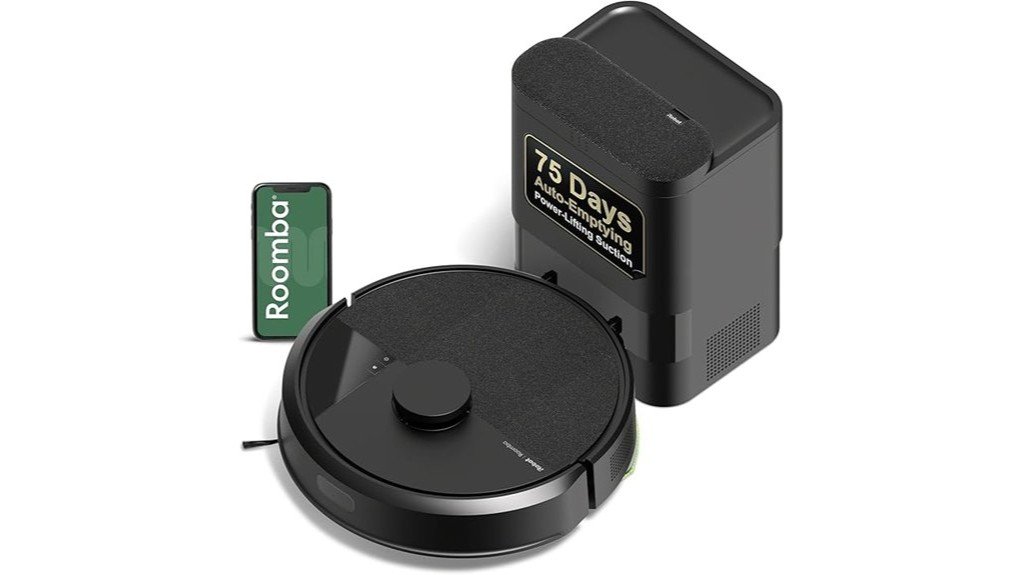
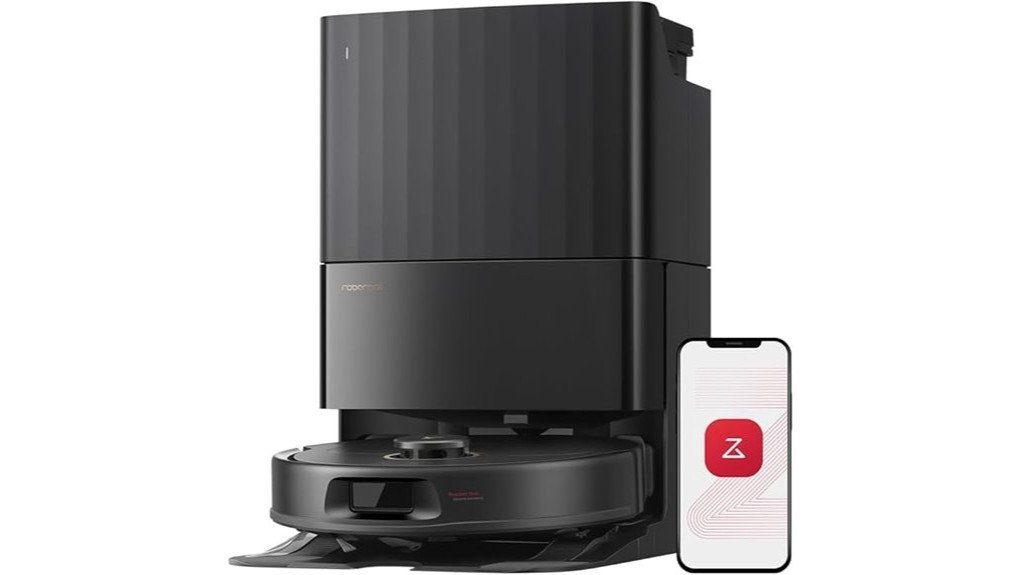
- iRobot Roomba i3+ EVO / i5+: Rather than a top LiDAR turret, these Roomba models use floor-tracking sensors and sit slightly lower (~3.6 inches tall), helping them slip under lower couches. Their Clean Base also uses sealed disposable AllergenLock bags, which keep dust 100% enclosed when you toss them out. However, mapping is slower than LiDAR and they cannot match Shark’s precise virtual no-go box drawing on the i3+. Choose Roomba if you have severe dust allergies and prefer sealed bags or need a sub-3.7-inch profile.
- Eufy L60 Hybrid SES: If you like LiDAR mapping and hair-detangling technology (via an automatic hair-cutting blade in the dock) and want an optional clip-on mop pad, the Eufy L60 Hybrid SES is a nimble modern alternative—though like Roborock and Roomba, its self-empty station requires disposable bags.
| Model | Navigation | Self-Empty Dock | Saved Maps | Robot Height | Best For |
|---|---|---|---|---|---|
| Shark AV2501S AI Ultra | 360° LiDAR | Bagless (30-Day) + HEPA | 1 Map | 4.1 in. | Pet hair & zero bag costs on 1 floor |
| Shark AV2501AE AI Ultra | 360° LiDAR | Bagless (60-Day) + HEPA | 1 Map | 4.1 in. | Larger single-level homes with heavy shedding |
| Roborock Q5+ / Q5 Max+ | 360° LiDAR | Bagged (up to 7 weeks) | Up to 4 Maps | 3.8 in. | Multi-story homes & advanced app control |
| iRobot Roomba i5+ | Floor-Tracking Gyro | Bagged (up to 60 days) | 1–2 Maps | 3.6 in. | Low furniture clearance & sealed bag disposal |
Frequently Asked Questions
How noisy is the Shark AV2501S during operation?
During standard vacuuming, the robot operates at a moderate volume (~65 dB) similar to a quiet dishwasher or box fan, allowing you to hold a conversation or watch television comfortably. When it docks and the self-emptying base evacuates debris, the dock motor produces a loud, full-sized upright vacuum noise (~75–80 dB) for roughly 15 seconds.
Does it work effectively on high-pile carpets and thick area rugs?
The suction motor and self-cleaning brushroll handle low- and medium-pile carpets thoroughly. While the robot’s drive wheels climb standard area rug transitions easily, very deep high-pile shag rugs or lightweight mats with long tassels can slow the robot or catch on the roller, so marking shag rugs as no-go zones is recommended.
Can I set no-go zones for specific household areas?
Yes. Once the LiDAR sensor completes its initial Explore Run in the SharkClean app, you can draw custom rectangular no-go zones around power strips, delicate furniture, or pet feeding bowls without needing physical magnetic boundary strips.
How does the self-emptying base transfer debris without bags?
The base features a high-power suction motor that seals directly against the robot’s rear dust port when docked. Debris is pulled into a transparent, bagless holding canister protected by foam, felt, and true HEPA filters. When full, you lift the canister off the dock, hold it over a trash bin, and press the bottom release button to drop the dirt out.
How long does the battery last on a single charge?
The rechargeable lithium-ion battery provides up to 120 minutes of runtime in Eco/Standard mode on bare floors (runtime is shorter when running Max mode or Matrix Clean on carpets). If the battery runs low mid-job, the vacuum automatically returns to its dock to recharge and then resumes cleaning where it left off.
Can the Shark AV2501S save maps for multiple floor levels?
No, the SharkClean app only stores one saved floor map at a time. You can carry the robot to a second story and press the physical Clean button on top of the unit for an unmapped LiDAR clean (cliff sensors will prevent stair falls), but you cannot save a separate upstairs map with room labels or virtual no-go zones.
How do I clean and replace the robot and base filters?
Every few weeks, tap the small filter inside the robot’s internal dustbin clean over a trash can. Once a month, remove the foam and felt pre-motor filters from the self-empty base, rinse them with cold water only, and let them air-dry for a full 24 hours before reinserting. Clean the base’s post-motor HEPA filter every 2 months and replace it every 6 to 12 months.
What happens if the robot gets stuck or loses connection mid-clean?
If the vacuum snags on a cord or wedges beneath low furniture, it pauses immediately and sends an alert notification to your phone via the SharkClean app. Once you free the unit, tap Resume in the app or press the Clean button on the robot to continue its cycle.
Does the Shark AV2501S work with 5 GHz Wi-Fi routers?
The robot requires a 2.4 GHz Wi-Fi signal to connect to your home network. If you use a modern dual-band or mesh router that merges 2.4 GHz and 5 GHz under one network name, enable the 2.4 GHz band or temporarily pause 5 GHz in your router settings while pairing the vacuum in the SharkClean app.
What warranty comes with the Shark AV2501S?
Shark backs the AV2501S AI Ultra Robot Vacuum with a 1-year limited manufacturer warranty covering factory defects in materials and workmanship. Consumable wear parts such as side brushes, brushrolls, and HEPA filters are excluded from warranty coverage and should be replaced periodically.
The Bottom Line
The Shark AV2501S AI Ultra Robot Vacuum delivers a winning combination of accurate 360° LiDAR mapping, reliable pet hair control, and bagless self-emptying convenience. Its methodical grid navigation leaves carpets and hard floors noticeably cleaner than erratic bounce-and-go vacuums, while its finned brushroll saves you from cutting tangled hair off the roller every week.
Although two-story homeowners who need multi-map storage will be better served by a Roborock Q5+ and you still need to keep flat cables off the floor, the AV2501S remains a smart, low-recurring-cost workhorse for everyday floor care.
Ready to Buy?
Check the latest availability and product details on Amazon before you decide.