Affiliate Disclosure: This article contains Amazon affiliate links. If you make a purchase through one of these links, we may earn a commission at no extra cost to you.
For 2026, three cameras stand out for covering the full range of vlogging needs. The Canon PowerShot G7 X Mark III remains one of the most popular pure vlogging compacts thanks to its flip touchscreen, 4K video, and built-in microphone input. The GoPro HERO9 Black is a proven, waterproof pick for action and adventure creators who need rugged 5K capture on the move. The Panasonic LUMIX GH5 offers more advanced, hybrid photo-and-video performance in a weather-sealed mirrorless body for creators who want extra manual control. Together, these three span the factors that matter most for vlogging — video quality, portability, audio input, and connectivity — so you can match a camera to your content style rather than just chasing the newest release.
| Camera | Best For | Video Quality | External Mic Input | Price |
|---|---|---|---|---|
| Canon PowerShot G7 X Mark III | Best Overall | 4K UHD 30p / FHD 120p | Yes (3.5mm) | Check Price |
| GoPro HERO9 Black | Best for Action & Adventure | 5K30, HyperSmooth 3.0 | No (needs Media Mod) | Check Price |
| Panasonic LUMIX GH5 | Best for Advanced/Hybrid Creators | 4K up to 60p (10-bit at 24–30p) | Yes (3.5mm) | Check Price |
Canon PowerShot G7 X Mark III Digital Camera Bundle
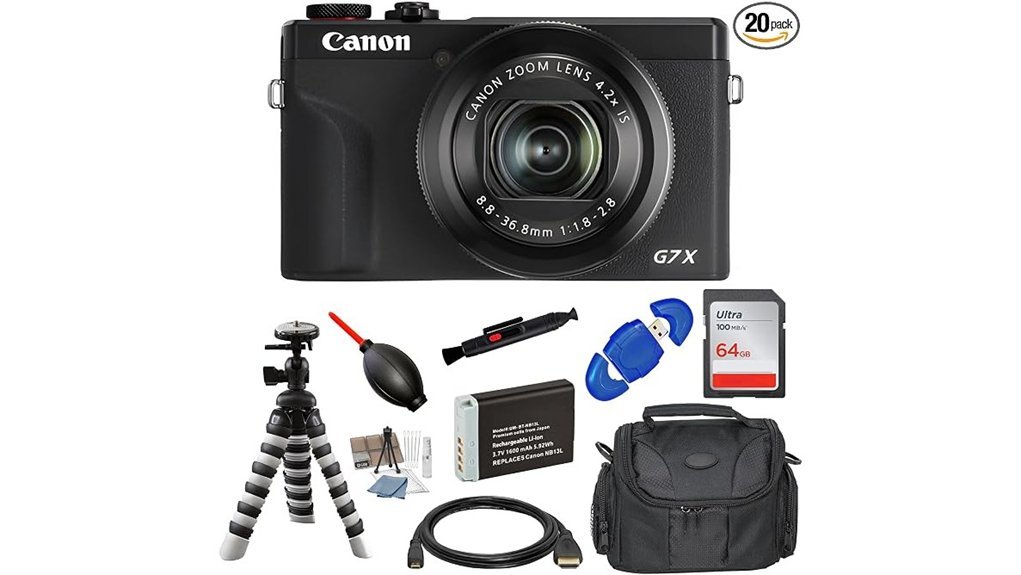
Ideal for aspiring vloggers, the Canon PowerShot G7 X Mark III Digital Camera Bundle offers impressive features tailored for high-quality content creation. Equipped with a 20.2MP 1-inch stacked CMOS sensor and DIGIC 8 processor, it captures stunning UHD 4K video at 30p and Full HD at 120p. The 3.0-inch touchscreen displays live view monitoring and tilts 180 degrees, making it ideal for vlogging. With quick focusing and continuous shooting up to 20 fps, its performance is exceptional. Additional features include clean HDMI output for enhanced recording and live streaming capabilities, ensuring creators can easily engage their audience. It also includes a 3.5mm external microphone input, a feature many compact vlogging cameras skip, so you’re not stuck with the built-in mic alone.
Best For: Aspiring vloggers and content creators looking for a compact camera with advanced video features, upgradeable audio, and easy usability.
Pros:
- High-quality video capture with UHD 4K at 30p and Full HD at 120p.
- User-friendly touchscreen with 180-degree tilting for easy framing during vlogs and selfies.
- Fast continuous shooting up to 20 fps and quick focusing, ideal for capturing action shots.
- Built-in 3.5mm mic input for noticeably better audio than the internal microphone alone.
Cons:
- Limited optical zoom at 4.2x may not suit all shooting scenarios.
- No viewfinder, which could be a drawback for some photographers.
- Battery life may be shorter during extended video recording sessions.
- High demand means it periodically sells out at major retailers — check current availability before you commit to it as a gift or trip purchase.
GoPro HERO9 Black Waterproof Action Camera
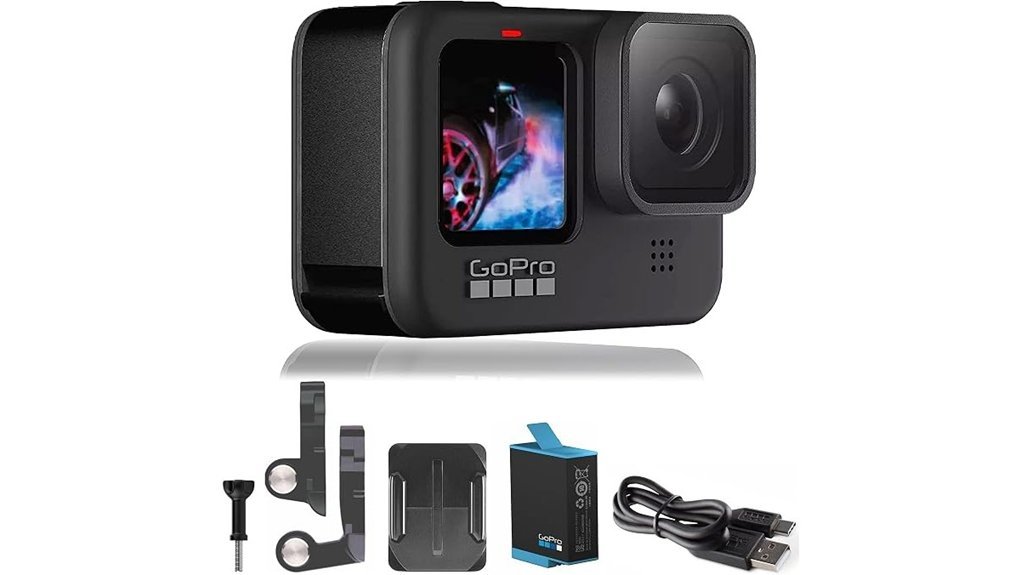
The GoPro HERO9 Black Waterproof Action Camera stands out as an ideal choice for adventure vloggers seeking high-definition content. With its ability to shoot stunning 5K video and a powerful 23.6MP sensor, it captures lifelike details and smooth motion. The advanced HyperSmooth 3.0 stabilization guarantees videos are seamless, even in dynamic environments. Photographers benefit from 20MP images and the SuperPhoto feature, which optimizes shots automatically. User-friendly controls are enhanced by a larger front display and touch-responsive rear screen. Additionally, the camera’s extended battery life and waterproof design make it perfect for extended outdoor shoots in various conditions.
Best For: Adventure vloggers and outdoor enthusiasts seeking high-quality video and photography capabilities in a durable, waterproof design.
Pros:
- Advanced video capabilities with stunning 5K resolution and superior stabilization.
- High-quality photography with a 20MP sensor and automatic image optimization.
- User-friendly design featuring a larger front display and responsive touch controls.
Cons:
- Higher price point compared to some other action cameras.
- Bulkier design than some competitors, which may affect portability.
- Battery life may vary significantly depending on usage and settings.
- No built-in 3.5mm mic port — you’ll need GoPro’s separate Media Mod accessory for external audio.
Panasonic LUMIX GH5 4K Mirrorless Camera (DC-GH5)
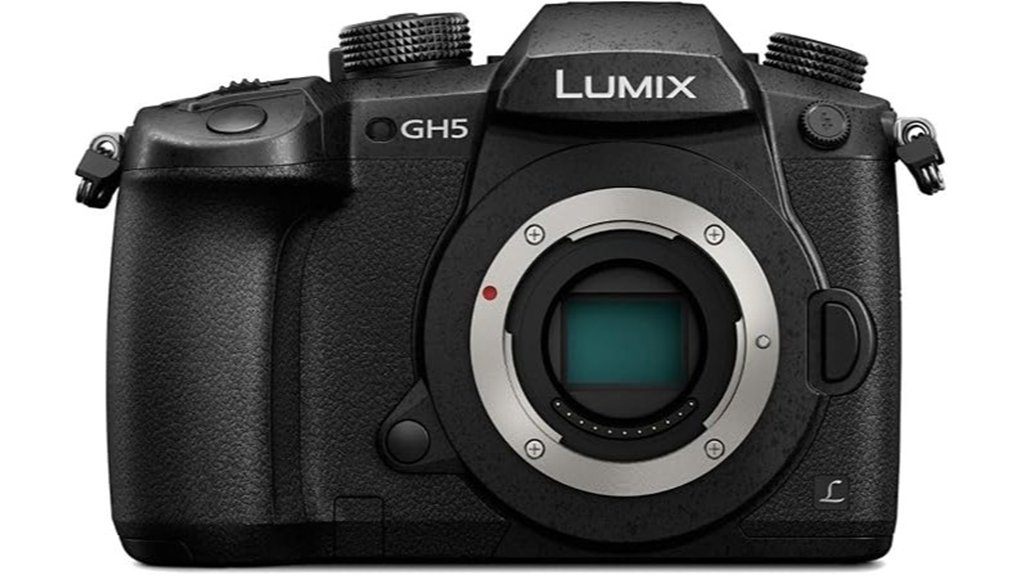
For aspiring creators and seasoned professionals, the Panasonic LUMIX GH5 stands out with its 20.3 Megapixel Micro Four Thirds sensor. This camera features a durable magnesium alloy body, enhanced with weather sealing for splash and dust resistance. Its 4K video capabilities include recording at 60p/50p (8-bit 4:2:0) for smooth high-frame-rate footage, plus internal 4:2:2 10-bit recording at 24p/25p/30p for maximum color and grading flexibility. The 5-axis dual image stabilization minimizes blur, making it ideal for dynamic shooting. Connectivity options include a 3.5mm mic input, headphone jack, USB 3.0, and twin SD card slots. It’s a heavier, bulkier body than the other two picks here, so it suits creators who want DSLR-style manual control more than pure grab-and-go portability.
Best For: Hybrid creators and advanced vloggers who want manual control, weather sealing, and pro-level audio monitoring, and don’t mind a larger body.
Pros:
- 4K video up to 60p, with 10-bit 4:2:2 color available at 24–30p for advanced editing.
- Robust magnesium alloy body with splash and dust resistance for outdoor use.
- Advanced 5-axis dual image stabilization for reduced blur in dynamic shooting.
- Built-in 3.5mm mic input and headphone jack for real-time audio monitoring.
Cons:
- The Micro Four Thirds sensor may be less effective in low-light conditions compared to larger sensors.
- Limited battery life, especially during extended video recording sessions.
- Larger and heavier than the other cameras on this list, which may not suit minimal-gear travel vlogging.
- This is the original GH5; Panasonic’s GH5 II, GH6, and GH7 offer newer sensors and autofocus if you want the latest generation.
Factors to Consider When Choosing Vlogging Cameras 2026: Smart Tech Picks for Everyday Use

When selecting a vlogging camera for 2026, several key factors must be considered. Video quality, portability, audio capture features, battery life, and connectivity options play vital roles in ensuring a seamless vlogging experience. Each of these elements can greatly impact the overall effectiveness and convenience of the chosen device.
Video Quality Considerations
What factors should one consider to achieve ideal video quality in vlogging cameras? First, selecting a camera that supports high-resolution video capture, such as 5K or UHD 4K, is essential for clarity, particularly when zooming in on subjects. Advanced stabilization features, like HyperSmooth or 5-axis dual image stabilization, help maintain smooth footage during movement. A higher megapixel sensor, ideally above 20MP, enhances image sharpness and quality, improving overall aesthetics. Additionally, frame rates should be considered; options like 60 fps provide smoother motion for fast-paced content. Finally, cameras offering multiple video output options, such as clean HDMI output, facilitate professional-grade video production and enhance live streaming capabilities, making them suitable for various vlogging applications.
Portability and Weight
Choosing the right vlogging camera often hinges on portability and weight, as these factors greatly impact a creator’s mobility and ease of use. A lightweight design, ideally under 1.5 kg, facilitates effortless transport during travel or outdoor activities. Compact dimensions, common in mirrorless and point-and-shoot cameras, allow for easy storage in bags or pockets. Cameras equipped with built-in stabilization systems enhance portability by reducing the need for additional gear, ensuring high-quality footage. Additionally, durable, weather-resistant bodies provide reliability across various environments while maintaining a manageable weight. Integrated features like touchscreens further minimize the need for extra accessories, streamlining the vlogging setup and making it simpler for creators to capture content on the go.
Audio Capture Features
Although visual quality often receives the most attention in vlogging, audio capture features play a essential role in creating engaging content. High-quality audio is fundamental, as clear sound greatly enhances viewer engagement and overall content quality. Vloggers should seek cameras that support external microphones, offering professional audio recording options adaptable to various environments — note that not every camera has a built-in mic port, so check this spec specifically if audio quality matters to you. Features like wind noise reduction and adjustable audio levels are imperative for optimizing sound quality, especially during outdoor shoots. Built-in audio monitoring, such as headphone jacks, allows for real-time feedback, ensuring sound quality meets expectations during recording. Additionally, cameras with advanced audio processing capabilities help minimize background noise, improving clarity in dynamic settings, thereby elevating the overall vlogging experience.
Battery Life Evaluation
Battery life stands as a critical factor when selecting vlogging cameras, directly influencing the ability to capture content without interruptions. Evaluating the milliamp-hour (mAh) rating is essential, as higher figures typically indicate longer usage times between charges. Some models offer extended battery life features, providing more shooting time per charge. This is particularly beneficial for uninterrupted recording sessions, since some cameras impose maximum continuous clip lengths or throttle recording once internal temperatures rise, which can interrupt a shoot at the worst moment. Additionally, support for external battery options or power banks can further enhance shooting durations during vlogs. It is also important to assess the camera’s power consumption, especially during high-performance tasks like 4K video recording, which may considerably reduce battery longevity compared to standard photography.
Connectivity Options Available
When evaluating vlogging cameras, connectivity options play a significant role in enhancing the overall user experience. Effective features like Bluetooth and Wi-Fi facilitate seamless file transfers and remote controls, boosting convenience for vloggers. Additionally, cameras equipped with HDMI outputs support high-quality live streaming and connections to external monitors, which are essential for professional setups. USB 3.0 connectivity further guarantees faster data transfer rates, reducing downtime when uploading content. Compatibility with 3.5mm audio ports allows for the use of external microphones, thereby improving sound quality—crucial for engaging vlogs. Integrated companion apps, such as the GoPro Quik app or Canon Camera Connect, enable automatic syncing of images and videos to mobile devices, streamlining the sharing process and enhancing productivity for content creators.
Before You Buy: Quick Checklist
- Do you need 4K, or is 1080p enough for where you’re posting?
- Will you shoot mostly outdoors/action, or mostly talking-head/indoor content?
- Do you need a built-in mic input, or are you fine with an external recorder?
- How much weight and bulk are you willing to carry every day?
- Is a flip screen enough for framing, or do you also want a viewfinder?
- What’s your realistic total budget once you add a mic, mount, or extra battery?
Frequently Asked Questions
What Is the Ideal Budget for a Vlogging Camera in 2026?
Vlogging camera budgets range widely, from affordable compact options to premium mirrorless or action-camera setups. Rather than chasing a specific price point, decide your budget based on how advanced your video needs are — 4K versus 1080p, built-in stabilization, and mic input all affect cost — and always check current pricing directly on the retailer’s page, since it can change.
How Important Is Video Stabilization for Vlogging?
Video stabilization is essential for vlogging, as it enhances the viewing experience by reducing shaky footage. Smooth visuals maintain audience engagement and professionalism, ultimately contributing to a vlogger’s overall success and reputation in the digital space.
Can Smartphones Replace Dedicated Vlogging Cameras?
Smartphones can replace dedicated vlogging cameras for many users due to their convenience and advanced features. However, enthusiasts often prefer dedicated cameras for superior image quality, lens versatility, and enhanced manual controls, which smartphones may lack.
Do I Need a DSLR for Vlogging?
Not usually. Most vlogging buying guides favor mirrorless, compact 1-inch-sensor, or action cameras over DSLRs for video work, since many DSLRs — especially older or entry-level models — use autofocus systems designed for photography rather than continuous video tracking, and some lack 4K or clean HDMI output for live streaming. If you already own a DSLR, it can still work fine for stationary, well-lit setups, but a camera built with video as a priority will generally serve vlogging needs better.
What Accessories Enhance Vlogging Camera Performance?
Like a painter’s brush adds depth to a canvas, accessories such as external microphones, gimbals, and lighting kits elevate vlogging camera performance, ensuring crystal-clear audio, stable footage, and vibrant visuals that captivate audiences effectively.
How Do I Choose a Camera Based on My Content Type?
To choose a camera based on content type, one should consider factors like resolution, stabilization, and lens options. Additionally, understanding the intended audience and environment enhances the decision-making process, ensuring ideal performance for specific vlogging needs.
Conclusion
To sum up, selecting the right vlogging camera is akin to choosing the perfect brush for a masterpiece; it greatly influences the final creation. Each of the highlighted models—Canon PowerShot G7 X Mark III, GoPro HERO9 Black, and Panasonic LUMIX GH5—offers unique features tailored to different vlogging styles: the Canon for all-around vlogging with strong audio options, the GoPro for rugged action and adventure footage, and the Panasonic for creators who want more advanced manual control. By understanding individual needs and preferences, aspiring creators can capture their journeys with clarity and creativity, paving the way for engaging content in the ever-evolving digital landscape.