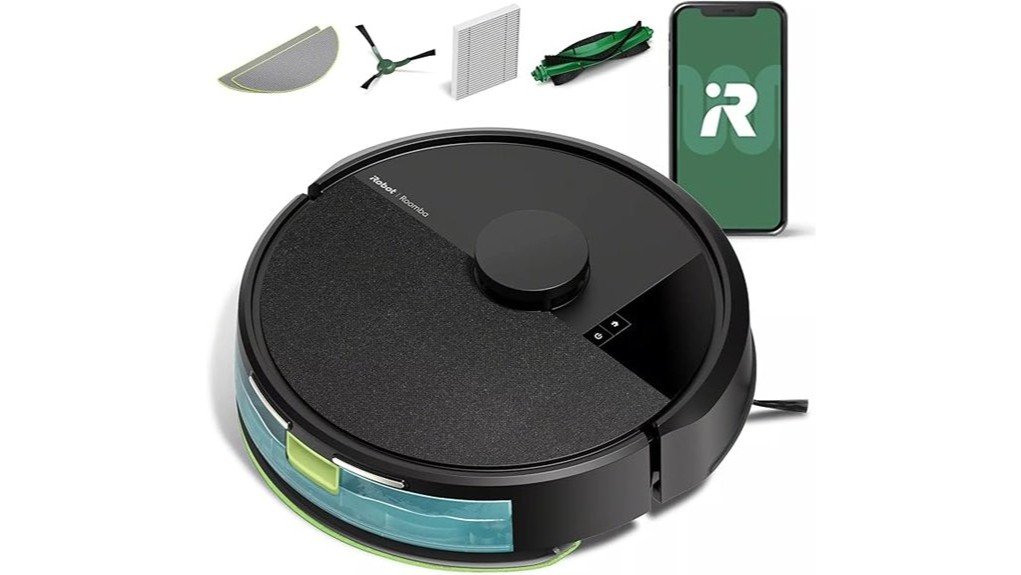
Robot vacuum mopping combines two cleaning steps in one cycle. It first uses suction and rotating brushes to collect dust and debris, then switches to a water-fed mop system for surface cleaning. The process depends on tanks, pads, sensors, and navigation software working together. The details matter, especially when floor type, water flow, and obstacle detection affect the result.
What Is Robot Vacuum Mopping?
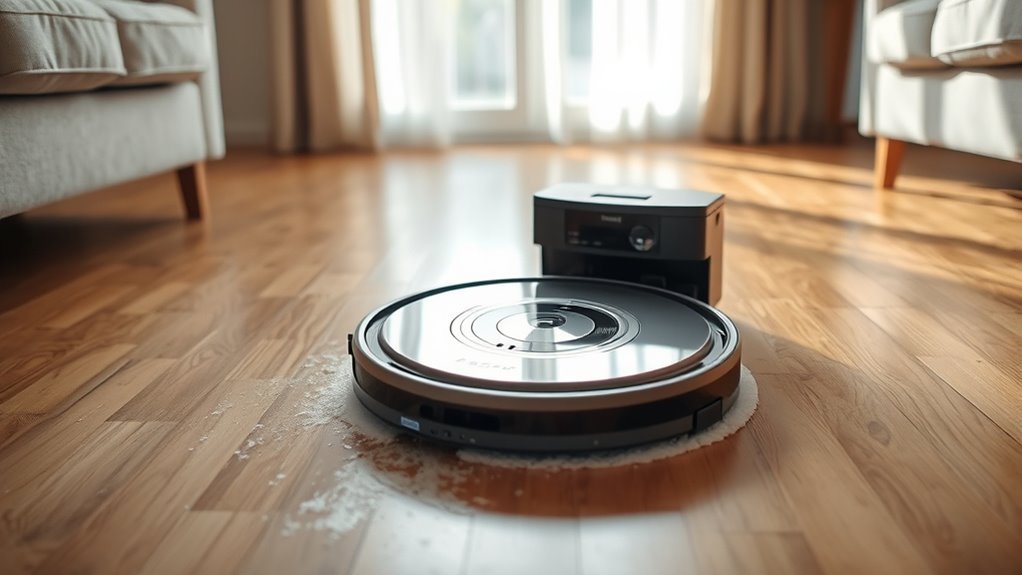
Robot vacuum mopping combines suction and wet cleaning in a single cycle, allowing a device to remove dust, debris, and light stains from floors such as hardwood and tile.
In practical terms, a robot vacuum and mop is a dual-function cleaner designed to reduce manual labor while maintaining routine floor care. Its cleaning performance depends on coordinated vacuuming and damp wiping, which can handle fine particles and surface marks in one pass.
A built-in water tank dispenses fluid for the mop pad, supporting immediate follow-up after suction. Microfiber or rotating pads improve contact with the floor and help produce a more even finish.
A navigation system, often based on LiDAR or cameras, directs coverage and obstacle avoidance, making operation systematic rather than random. This setup offers useful independence from repeated sweeping and mopping, though it remains best suited to light and moderate maintenance rather than severe soil or sticky residue.
How Robot Vacuum Mopping Works
Robot vacuum mopping typically begins with suction, removing loose debris before any water is applied to the floor.
A controlled water delivery system then wets microfiber pads to lift dirt and stains without over-saturating the surface.
Smart navigation paths, often guided by laser mapping, help the unit cover the area efficiently while avoiding obstacles and missed spots.
Vacuuming Before Mopping
Before mopping begins, the machine typically performs a vacuuming pass to remove larger debris, using strong suction and rotating brushes to lift dirt, dust, and pet hair into the dustbin. This preparatory cleaning step improves mopping performance by reducing particles that could smear across hard floors.
Advanced units tune suction to the surface, balancing energy use with pickup strength for efficient vacuuming. Carpeted areas are usually excluded during mopping, keeping moisture where it belongs.
- Vacuuming clears loose debris first.
- Brushes dislodge embedded particles.
- Mopping then reaches the remaining film.
- Surface-aware controls optimize cleaning.
Water Delivery System
Once loose debris has been cleared, the mopping stage depends on a controlled water delivery system that keeps the pad evenly moistened without flooding the floor. A water tank stores clean water or solution and feeds it to the mop through metered outlets.
On many units, sensors monitor moisture levels and help regulate output so hardwood, tile, and sealed surfaces receive only what they need. Users can adjust water flow to match light maintenance or heavier residue.
A dual reservoir system separates clean supply from collected wastewater, preserving hygiene and preventing recirculation of grime. This controlled dispensing supports steady contact between pad and floor, allowing the robot to wipe away remaining film with efficiency, restraint, and less manual effort for the user.
Smart Navigation Paths
Smart navigation paths rely on LiDAR, cameras, and other onboard sensors to map rooms and plan systematic routes that cover the floor efficiently. This smart navigation replaces guesswork with measured cleaning paths, giving the robot clear spatial awareness and consistent coverage.
Advanced sensors detect furniture, walls, and moving objects, then recalibrate in real time to avoid collisions and reduce wasted motion.
- Maps boundaries and room layout
- Follows parallel, zone-based cleaning paths
- Identifies corners and edges for close cleaning
- Adjusts instantly around obstacles
Corner detection sensors and edge-cleaning brushes help the machine work along baseboards and in tight spaces.
For users seeking autonomy, the result is practical liberation from manual steering and repetitive oversight.
The Parts Behind the Cleaning Cycle
At the core of a robot vacuum mopping system is a coordinated set of components that manage water delivery, surface contact, and cleaning order. A tank meters water or solution, while mop pads press against the floor to lift residue without stressing hardwood or laminate. The cleaning cycle usually follows vacuuming, so loose debris is removed before damp passes begin.
| Part | Function |
|---|---|
| Water tank | Stores liquid |
| Dispensing valve | Regulates flow |
| Mop pads | Scrub surfaces |
| Floor sensors | Adjust output |
| Monitoring module | Limits excess moisture |
Sensors to avoid over-wetting help the unit adapt to floor types, and real-time monitoring keeps usage efficient. This arrangement supports a practical, controlled process that reduces manual labor and preserves surface quality. It also lets users reclaim time while the machine handles routine maintenance with measured precision and minimal waste.
How Robot Vacuums Map and Avoid Obstacles
Beyond surface cleaning, robot vacuums rely on navigation hardware and software to move efficiently through a room. LiDAR and cameras scan surroundings, building digital maps that guide cleaning routes with precision.
Algorithms process this data to choose paths, avoid collisions, and adjust in real time as furniture shifts or doors open. Cliff sensors add a safety layer by detecting stairs and ledges, preventing drops without requiring constant human oversight.
Many systems also support app-based no-go zones, giving users direct control over restricted areas and helping the machine respect personal space.
- Sensor mapping supports room-by-room navigation.
- Route planning reduces wasted motion and overlap.
- Cliff detection blocks fall risks near edges.
- AI improves obstacle handling over time.
This combination of sensing, software, and user-defined boundaries creates a practical cleaning system that works with the home, not against it.
Why Robot Vacuum Mopping Helps on Everyday Dirt
Robot vacuum mopping improves daily dust removal by combining suction with a controlled moisture pass that lifts fine particles from hard floors.
It also handles light spill cleanup effectively, especially when microfiber pads dispense water in measured amounts to avoid over-wetting surfaces.
This dual-function process supports consistent cleaning across multiple floor types in a single cycle.
Daily Dust Removal
Everyday dust and light dirt are removed efficiently when suction and mopping work together in a single cleaning cycle. In robot vacuum mopping, daily dust removal becomes a scheduled process rather than a repeated chore, reducing cleaning tasks and preserving free time.
Microfiber mop pads lift fine particles while controlled water delivery supports contact cleaning without excess moisture.
- Suction collects loose debris before residue spreads.
- The mop pad captures remaining dust on contact.
- Real-time water control protects sensitive floors.
- Automatic mode switching streamlines one-pass operation.
Used regularly, these systems can cut manual cleaning time considerably, giving users a practical path to cleaner floors with less intervention.
The result is consistent surface maintenance across mixed floor types, with minimal effort and steady performance.
Light Spill Cleanup
Light spills are handled efficiently when microfiber mop pads lift fine dust and residue while controlled water delivery loosens surface marks without overwetting hard floors.
In this mopping function, the robot mop targets everyday messes such as tracked water, light beverage drips, and dusty footprints. A planned cleaning route guides the unit across the room with steady coverage, so minor spills are addressed before they spread or dry.
Sensors can recognize floor type and adjust water output and suction, preserving wood, tile, and laminate. This automation reduces the need for manual scrubbing and frees time for more useful work.
Regular use also limits residue buildup, helping maintain cleaner surfaces and better indoor air quality with minimal effort.
How to Set Up Robot Vacuum Mopping for Better Results
A proper setup can greatly improve robot vacuum mopping performance by preparing the floor and machine before each run. For robot mops, the process begins by clearing carpets and rugs from the target area, since fibers can trap moisture and reduce coverage.
The water tank should then be filled with the manufacturer-approved cleaning solution and water mixture, which supports stain removal without harming internal parts. The mopping pad must be attached securely, inspected for debris, and replaced when worn.
Fill the water tank with approved solution, and secure the mopping pad before each run.
- Remove obstacles and open the route for free navigation.
- Clear the area of furniture and people before scheduling.
- Check that the water tank is empty after each cycle.
- Replace the mopping pad after use to prevent residue buildup.
This routine reduces interruptions, preserves machine efficiency, and helps the device work with greater autonomy.
Precise preparation lets the system move cleanly, deliver consistent results, and support a more liberated cleaning workflow.
Frequently Asked Questions
What Are the Disadvantages of Using a Robot Mop?
Robot mops often miss stubborn stains, require frequent refills and maintenance, and may navigate poorly in clutter. Their robot mop efficiency depends on floor compatibility; without scrubbing power, results remain limited on embedded dirt.
Is the Mop Feature Worth It on Robot Vacuums?
Yes, the mop feature is often worth it for routine upkeep, especially with strong mop efficiency, multiple cleaning modes, and broad surface compatibility. It reduces labor, though deep stains still need manual intervention.
How Often Should I Mop Floors With a Robot?
Mopping frequency should match traffic and floor types: high-use areas every 1–2 days, low-use areas weekly. Practical maintenance tips include vacuuming first, scheduling automated cycles, and adjusting routines for stubborn soil or delicate surfaces.
How Does a Robot Vacuum Know When to Mop?
Robot sensors detect hard floors and soil levels, while cleaning algorithms choose mopping times like a compass choosing a route. Then water distribution wets the pad precisely, letting the machine cleanse without unnecessary restraint.
Conclusion
In the end, robot vacuum mopping acts like a steady two-step sweep of a small mechanical gardener: suction gathers the dust, then controlled moisture lifts the remaining film from the floor. Its tank, pads, sensors, and mapping systems work together like coordinated gears in a measured clock. When set up correctly, the machine turns routine floor care into a reliable, repeatable process, reducing everyday grime while keeping hard surfaces consistently cleaner with minimal effort.