A robot vacuum dock that smells bad usually points to trapped debris, moisture, or neglected wash components. Dust, pet hair, dirty water, and damp mop pads can create mold or bacterial growth inside the dock and bag system. The source is often more specific than it first appears. A quick check of the tank, filter, and base can narrow it down, but one area is usually overlooked.
Why Robot Vacuum Docks Smell Bad
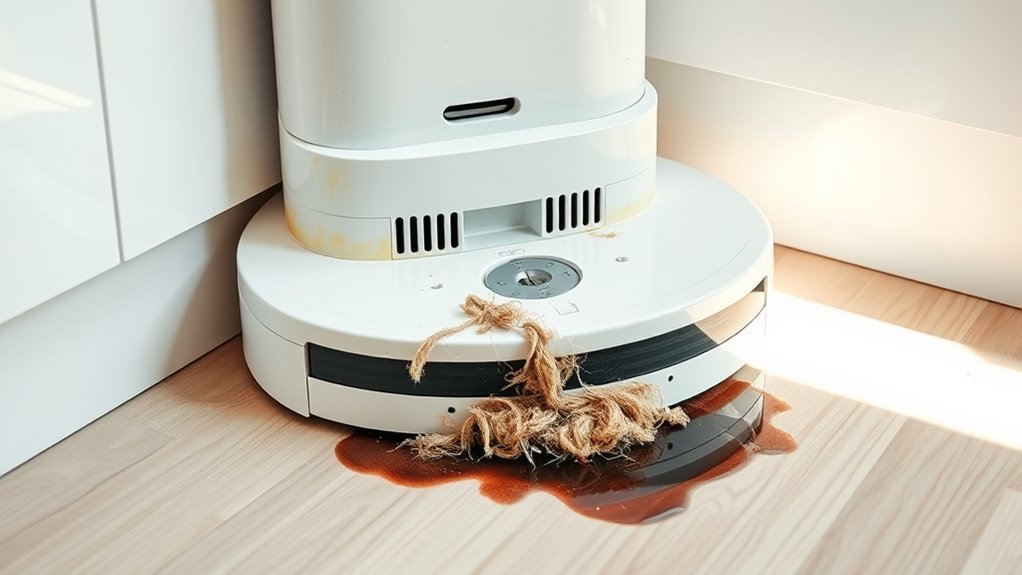
Robot vacuum docks often develop odors when dust, pet hair, and residual moisture collect in the docking area, creating conditions that support mold and bacterial growth.
When a robot vacuum smells bad, the docking station is usually acting as a reservoir for odor sources: trapped debris, stagnant moisture, and poorly aired compartments.
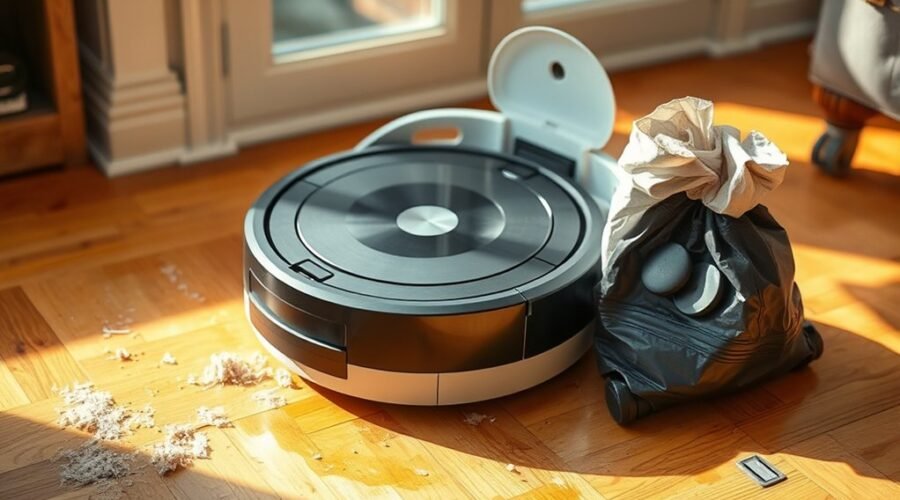
Stale air can intensify as auto-empty bags fill with decomposing lint, while a damp mop pad left in place can encourage mold and mildew.
Dirty water tanks may also contribute if liquid sits too long and is not cleared during regular maintenance.
These failures are mechanical and preventable, not inevitable.
The practical response is inspection, drying, and cleaning of every contact surface, followed by prompt removal of wet components.
Inspect, dry, and clean every contact surface, then remove wet components promptly.
Consistent regular maintenance reduces bacterial growth, limits odor sources, and helps prevent odors before they spread through the home.
Check the Dirty Water Tank First
The dirty water tank is often the first component to inspect when a robot vacuum develops odor, because it can retain bacteria, mold, and slimy residue if it is not emptied and cleaned regularly.
A neglected dirty water tank can generate odors quickly, turning normal operation into an unpleasant odor source.
The practical routine is direct: empty the tank daily, then clean it weekly with a brush to remove biofilm and trapped debris.
Rinse alone is rarely enough, since residues may cling to seams and valves. An antibacterial solution helps break down stubborn buildup and suppress bacterial growth.
After washing, let the tank air dry for at least an hour; trapped moisture supports mold and odor development.
Consistent maintenance restores control to the user and keeps the machine aligned with its intended performance, free from avoidable contamination and unnecessary dependence on compromised automation.
Clean the Dock, Bag, and Mop Pad
Odor that persists after servicing the dirty water tank often originates in the docking system, where dirt, dust, and trapped moisture accumulate around the base, bag chamber, and wash area.
To clean the dock, inspect the station for trapped debris and residue that can sustain unpleasant odors. Replace the auto-empty dust bag before it becomes stale; sealed dust and limited airflow can intensify smell.
Inspect the dock for trapped debris and residue; stale dust bags can intensify lingering odors.
Remove the mop pad after each cycle, wash it with antibacterial detergent, then air-dry it fully to suppress bacteria and mildew. Also rinse the clean-water tank and let it air-dry to stop moisture buildup.
- Wipe the dock base and wash tray.
- Empty the bag chamber and check seals.
- Scrub the mop pad and surrounding contacts.
- Clear hidden residues to maintain a hygienic environment.
Quick Fixes for Bad Odors
Fast odor control starts with removing the most common sources of contamination: empty and clean the dustbin after each use, then verify that the docking station remains dry and free of residue.
This vacuum routine reduces odors by limiting trapped debris and pet hair that feed bacterial growth. If a musty smell persists, inspect the docking station for moisture and wipe it with an antibacterial cleaner.
Damp mop pads should be washed or replaced immediately, because mildew forms quickly when fibers stay wet. Regular cleaning of contact points and nearby surfaces interrupts bacteria buildup and restores control over the environment.
For liberation from recurring odors, store the unit in a dry, well-ventilated area after use. The diagnostic sequence is simple: remove waste, eliminate dampness, treat contamination, and keep every surface clean.
Applied consistently, these quick fixes suppress odor sources without delay and keep the system ready for service.
Prevent Robot Vacuum Dock Smells
Regular dock maintenance prevents most smell issues before they develop. Empty the dustbin after each run, then inspect the docking station for trapped debris, pet dander, and water residue. A dry, clean dock reduces odor, limits mold growth, and protects indoor air.
Regular dock maintenance keeps odors at bay, reduces mold, and helps your robot vacuum stay clean and efficient.
If any water tank is used, it should dry completely before storage. Moisture accumulation inside seams or trays creates a hidden source of musty smell and bacterial activity.
- Wipe docking surfaces with antibacterial cleaners.
- Clean or replace the filter every 3–6 months.
- Store the unit in a clean, dry area.
- Check seals, vents, and water compartments for dampness.
A disciplined maintenance cycle helps prevent stale odor from organic buildup. When surfaces are sanitized, airflow remains open, and wet parts are fully dried, the robot vacuum operates with less contamination pressure.
That routine supports a cleaner home and more autonomy for the user.
Frequently Asked Questions
My Robot Vacuum Has a Bad Smell. How Can I Get Rid of It?
Start with common odor sources: empty and wash the bin, clear pet hair issues, and use odor removal methods. Follow vacuum maintenance tips, filter cleaning techniques, dock placement tips, robot vacuum hygiene, routine care suggestions, troubleshooting smells, cleaning solutions guide.
My Roomba Mop Smells Bad. How Can I Fix It?
Right off the bat, he should empty and wash the dirty-water tank, dry pads, and inspect residue. Roomba maintenance tips, mop cleaning solutions, odor elimination methods, vacuum troubleshooting steps, water tank care, filter replacement guide, robot vacuum hygiene, cleaning schedule suggestions, pet hair solutions, stubborn stains removal.
Why Does My Roborock Mop Stink?
Common odor causes include damp mop pads, neglected water tank hygiene, and organic buildup. Roborock maintenance tips, Mop pad care, Cleaning frequency recommendations, Bacteria prevention methods, Odor neutralizing solutions, Regular filter checks, Vacuum storage advice, Seasonal cleaning tips.
My Roborock Water Tank Smells Bad. How Can I Fix It?
Empty, scrub, and fully dry the water tank; use mild cleaning solutions, dry-run mopping, and essential oils usage sparingly. This troubleshooting guide emphasizes water tank maintenance, bacteria growth prevention, mold prevention methods, regular cleaning schedule, filter replacement tips, user reviews.
Conclusion
To sum up, a robot vacuum dock that smells bad is rarely practicing “aromatherapy”; it is usually harboring dust, dampness, and decomposing debris. The dirty water tank, dock interior, auto-empty bag, and mop pad should be inspected and cleaned with methodical regularity. Drying components thoroughly and emptying waste promptly are not glamorous interventions, but they are effective. When maintenance is neglected, the dock develops its own unpleasant personality, complete with mildew, bacteria, and a distinctly unhelpful odor.