
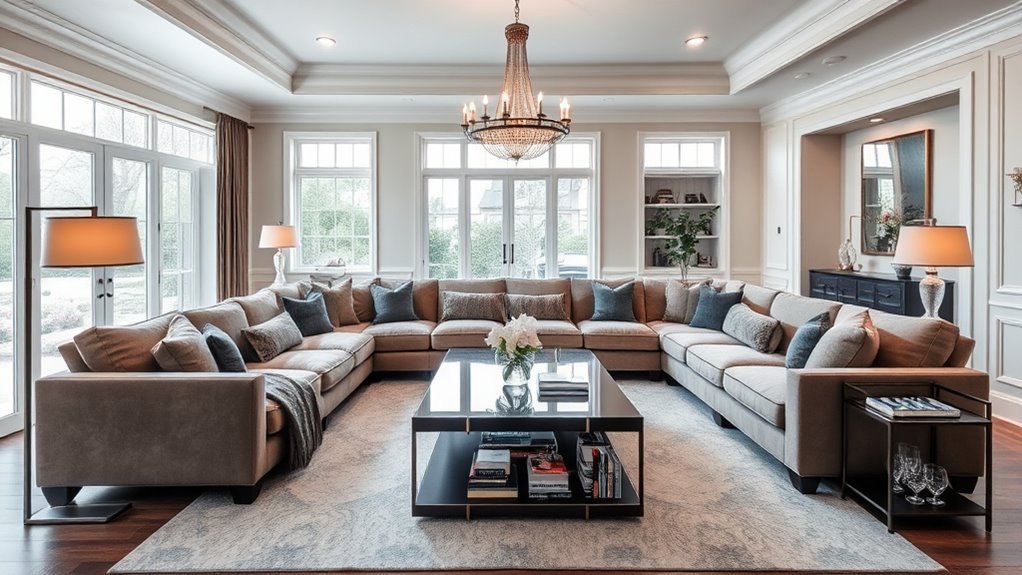
Designing a living room for entertaining is less about buying more furniture and more about making the room easy to move through, easy to sit in, and easy to talk across. Start with clear traffic paths, arrange seating so guests face one another, add enough tables for drinks, and use layered lighting to shift the mood from casual daytime visits to relaxed evening gatherings.
Quick Answer
To design a living room for entertaining guests, create a clear main walkway, float furniture when space allows, group seats into conversation zones, place tables within easy reach, layer ambient, task, and accent lighting, and use rugs, textures, and personal decor to make the room feel warm without blocking movement.
Key Takeaways
- Plan the room around traffic flow first, then choose furniture and decor.
- Aim for a clear 36-inch main path where possible, especially if guests use mobility aids.
- Arrange seating so people can talk comfortably without twisting or shouting across the room.
- Use coffee tables, side tables, trays, and ottomans so every seat has a practical surface nearby.
- Layer lighting and secure rugs or cords so the room feels cozy, polished, and safe.
At a Glance
| Time Required | 30–90 minutes to plan and tape the layout; one afternoon to rearrange; longer if buying new furniture. |
| Difficulty | Easy to moderate, depending on room size and whether heavy furniture must be moved. |
| Tools Needed | Measuring tape, painter’s tape, notepad or floor-plan app, rug pad, cord clips, dimmable bulbs, and a few trays or coasters. |
| Cost | $0 if you rearrange what you own; $25–$250 for small upgrades like bulbs, trays, pillow covers, rug pads, or extra poufs. |
Optimizing Your Space for Flow
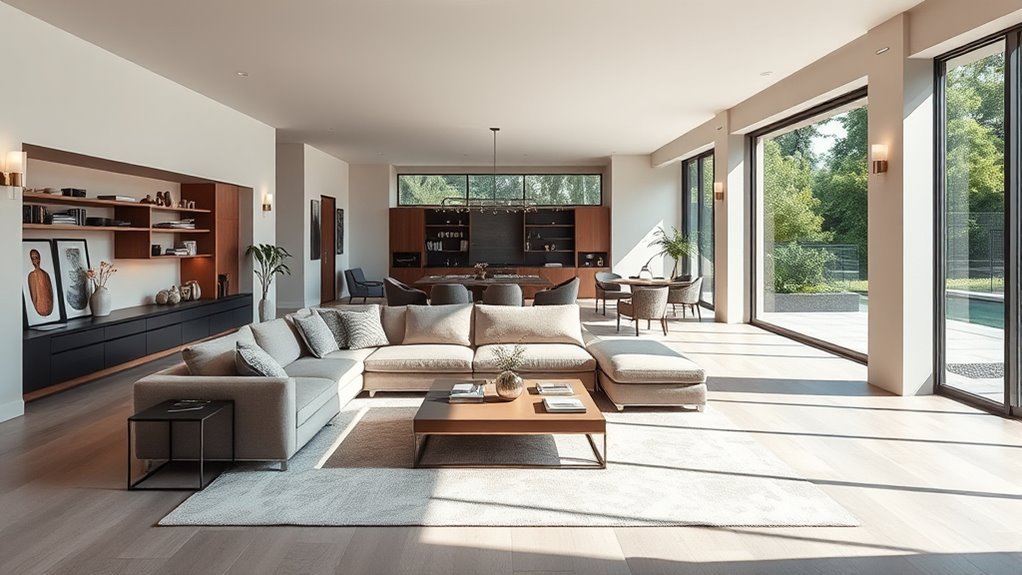
Flow is the first thing to solve because guests notice tight paths before they notice pillows, art, or accessories. Walk through the room from every entrance and imagine people carrying drinks, greeting each other, heading to the sofa, and moving toward the kitchen, bathroom, patio, or dining area.
For the main traffic route, aim for about 36 inches of clear space where possible. The 2010 ADA Standards for Accessible Design use 36 inches as the minimum clear width for accessible walking surfaces, which makes it a useful planning target for homes that need to welcome guests with mobility aids. In tight rooms, a short 30-inch secondary pass-through may work, but avoid making it the main route.
Measure Before You Move Furniture
Before rearranging anything, measure the room, the largest furniture pieces, door swings, windows, outlets, radiators, vents, and fireplace or TV placement. Then use painter’s tape to mark the sofa, chairs, tables, and rug on the floor. This quick step shows whether a “perfect” layout will actually leave enough room for people to pass through.
- Keep the main walkway open between entrances and the primary seating area.
- Avoid placing the back of a sofa directly in the path from the doorway unless there is generous space behind it.
- Leave room to pull out ottomans, open storage furniture, and walk around side tables.
- Do not block windows, vents, outlets, or floor lamps that need cord access.
Pro Tip: After taping the layout, walk through the room with a tray in your hands. If you have to turn sideways, step over a rug edge, or squeeze around a chair, guests will feel that pinch too.
Choosing the Right Furniture for Your Living Room Design
The right furniture for entertaining is comfortable, correctly scaled, and easy to use. A large couch can be a strong foundation, but it should not swallow the room or force every guest to sit in one long row. Pair the sofa with chairs, ottomans, benches, or poufs so people can join smaller conversations without dragging dining chairs into the living room.
| Furniture Type | Best Use for Entertaining |
|---|---|
| Large couch or sectional | Anchors the room and gives several guests a comfortable landing spot. |
| Accent chairs | Create face-to-face conversation without making the layout feel heavy. |
| Coffee table or ottoman | Holds drinks, snacks, games, books, or trays in the center of the seating zone. |
| Side tables | Give guests a place for glasses, phones, lamps, and small plates. |
| Multi-functional pieces | Storage ottomans, nesting tables, and benches add flexibility without clutter. |
Keep coffee tables close enough to reach but not so close that guests bump their knees. In many rooms, about 16–20 inches between the sofa and coffee table feels comfortable. Side tables should be within arm’s reach of the seats they serve, especially if you often host drinks, dessert, board games, or movie nights.
Recommended Products

Vintage Arm Chair: This vintage accent chairs elevate your living room, This armchair features nailhead trim, vintage wooden legs and a beautiful patterned design for a traditional and chic look, making it a perfect addition to any living room.
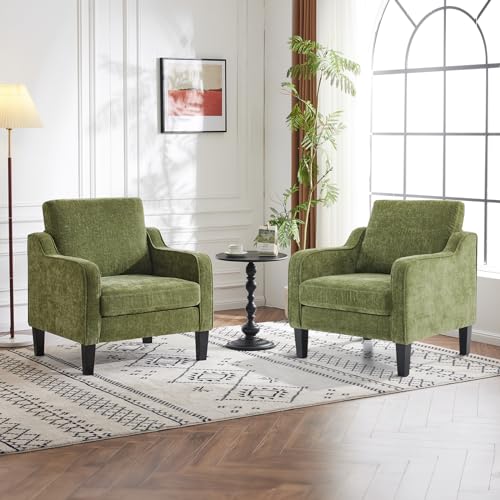
Premium Comfort & Support -- Individually wrapped pocket coils and high-density foam keep the seat supportive instead of saggy, so this comfy accent chair stays cozy for reading, napping, or watching TV in the living room.

Superior Construction: This accent chair is built of a solid wood & manufactured wood frame and corduroy fabric upholstered seat, giving you a reliable and soft sitting experience. The splayed legs not only provide extra stability but also inject a retro accent to your home. It’s capable of holding up to 300 lb
Choose Furniture by Scale, Not Just Style
A sofa that looks beautiful online can feel bulky once it is in a real room. Check the sofa depth, arm height, leg style, and visual weight. Raised legs, open chair frames, round tables, and glass or slim-profile pieces can help a small living room feel lighter. In a large room, use larger rugs, pairs of chairs, and wider tables so the furniture does not look stranded.
Note: Sectionals work well for casual lounging, sports nights, and family gatherings, but they are not always the best choice for conversation. If most guests sit facing the same direction, add one or two movable chairs across from the sectional.
Designing Cozy Conversation Zones With Strategic Layouts
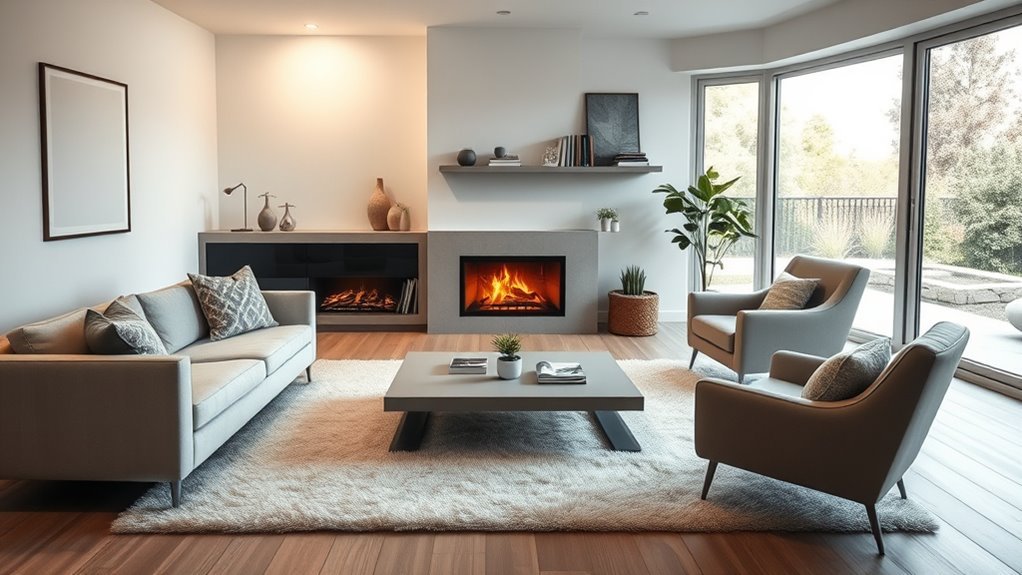
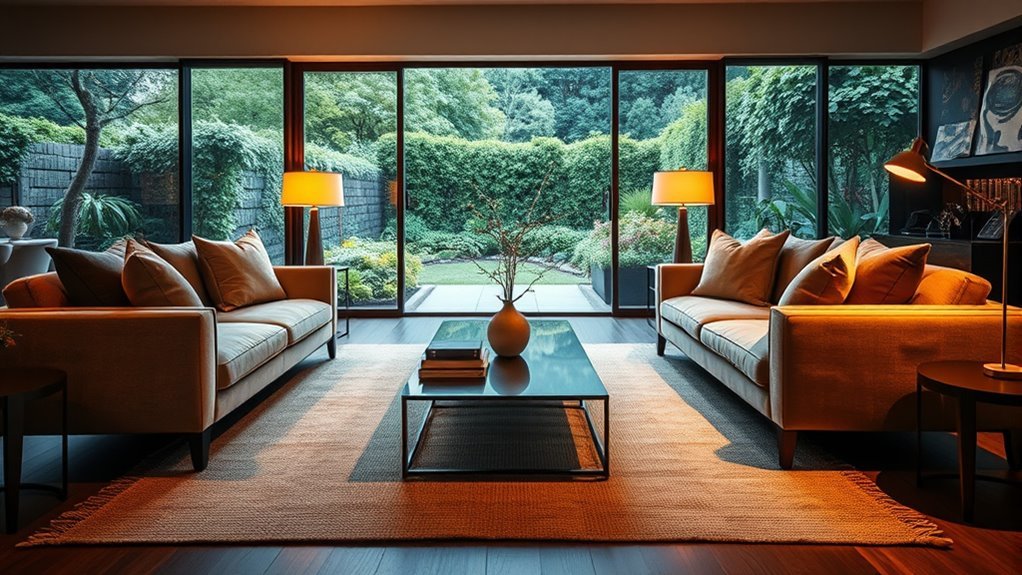
Conversation zones make a living room feel intentional. Instead of pushing every piece against the wall, bring seating inward when space allows. Angle chairs toward the sofa, place a table between them, and make sure people can see one another without craning their necks.
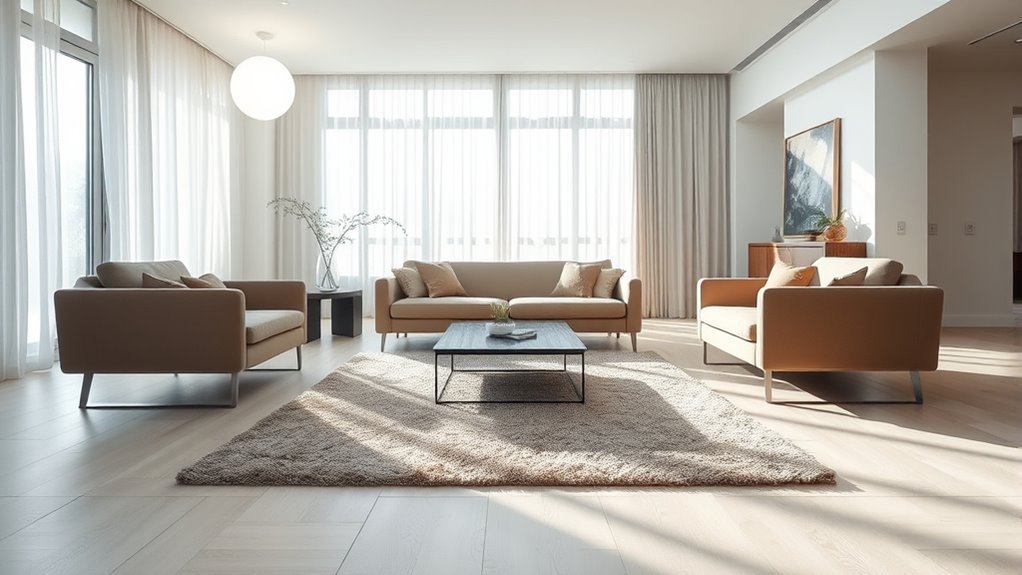
For a small living room, one strong seating group may be enough: a sofa, one or two chairs, a coffee table, and a side table. For a larger or open-plan room, create two zones, such as a main sofa-and-chair group plus a reading chair, game table, window bench, or pair of swivel chairs near the fireplace.
A guest-friendly living room is not measured by how many seats you can squeeze in. It is measured by how easily people can move, sit, talk, set down a drink, and feel included.
Recommended Products

【Easy-Care Machine Washable Rug】 Designed for active households, this low-maintenance boho rug combines style with practicality. Conveniently machine washable (cold gentle cycle recommended), and do not add bleach. Maintain its vibrant print between washes with routine vacuuming or spot cleaning. Minor shipping creases naturally relax within days when laid flat – no extra effort needed.

Soft & Durable: This 8x10 area rug low-pile combines soft faux wool fibers with a 0.25-inch height for comfort. Tight weaving reduces shedding and edge fraying, making it perfect for high-traffic areas like living rooms, bedrooms, and entryways

PET FRIENDLY & NON-SLIP BACKING-9x12 area rugs featuring simple of colors while promising a luxurious feel underfoot. The blend of a hexagon pattern and a stylish design. Non-slip TPR backing makes the covering for bringing your space together. Make the most of your time at home with our pet-friendly and easy-to-clean area rugs. Elevate the floors of your home with this show-stopping and detailed rug
Use Rugs to Anchor, Not Trap, the Seating
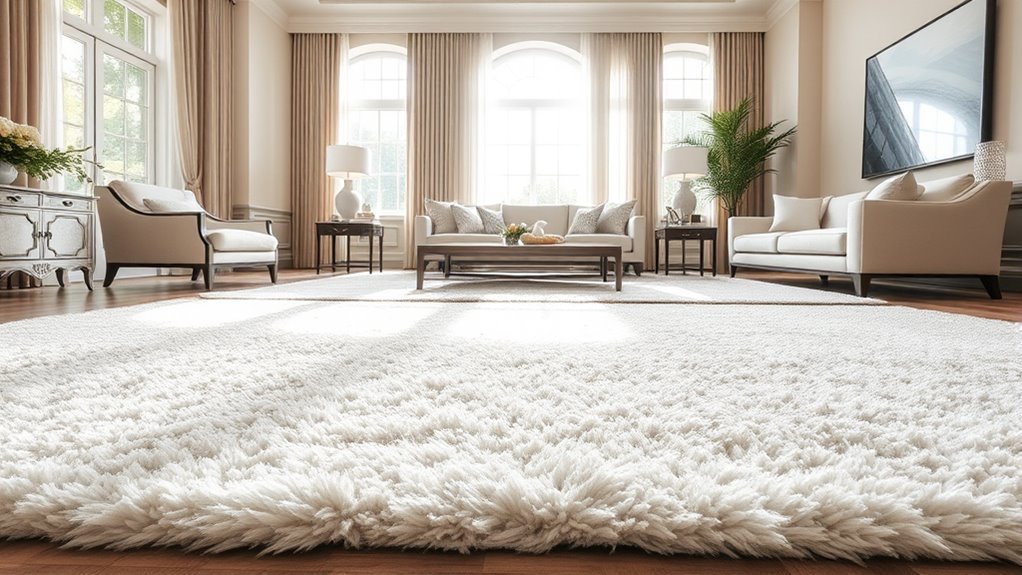
Area rugs help define conversation zones and add warmth, but they should be large enough to connect the furniture. A rug that floats alone in the middle of the room can make the space feel smaller and can become a trip point. When possible, choose a rug large enough for at least the front legs of the sofa and chairs to sit on it.
Warning: Secure rugs with a quality rug pad, keep corners flat, and route lamp cords away from walkways. The CDC recommends removing trip hazards and adding brighter lighting as part of making a home safer.
Try These Conversation Layouts
- Sofa plus two chairs: Best for balanced conversation and flexible hosting.
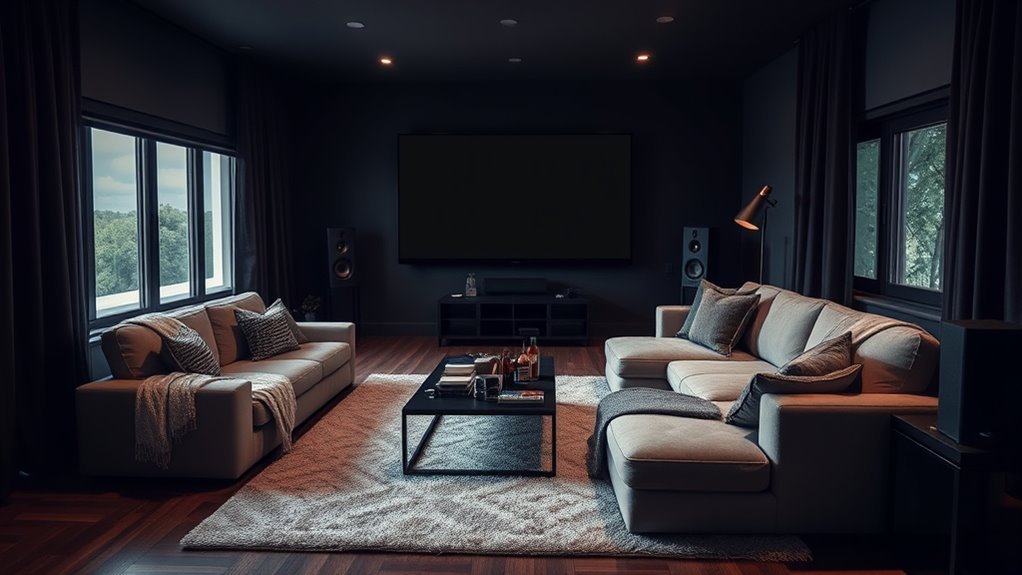
- Sectional plus one swivel chair: Best for TV rooms that also need a social seat.
- Four chairs around a round table or ottoman: Best for cocktail-style hosting, games, and long conversations.
- Back-to-back zones: Best for open-plan rooms where one area faces the TV and another faces a fireplace, view, or game table.
Brighten up Your Space With Lighting and Decor
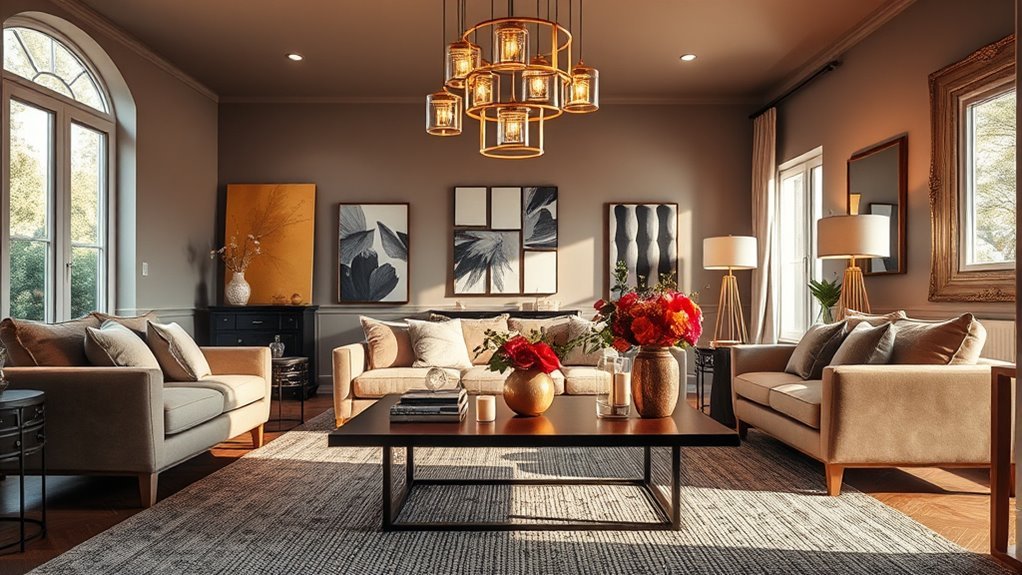
Lighting changes how guests feel in the room. A single overhead fixture can feel flat or harsh, especially at night. Instead, layer several light sources so you can brighten the room for arrival, soften it for conversation, and add focused light for reading, serving drinks, or playing games.
Recommended Products

Modern Fully Dimmable(0-100%) Floor Lamp & Convenient Rotary Switch: Compared with traditional Non-dimmable floor lamps for living room, our floor lamp is fully Stepless Dimmable, which suitable for all the room style and using situation ,find the perfect light for your needs. This standing lamp is very easy to turn on and off. Just simply twist it and then you can adjust the arc floor lamps brightness what you want. 4.1FT rotary switch, which is very convenient for you to adjust it.

2026 Upgrade: We always put users first and noticed customers expect greater durability and stability from their floor lamps. In February, we upgraded our materials to include high-quality LED bulbs and a full metal body, earning ETL certification. Our lamp is built to be more stable and durable, eliminating issues like sudden shut-offs and unsteady stands. Enjoy superior quality for a more convenient and comfortable life.
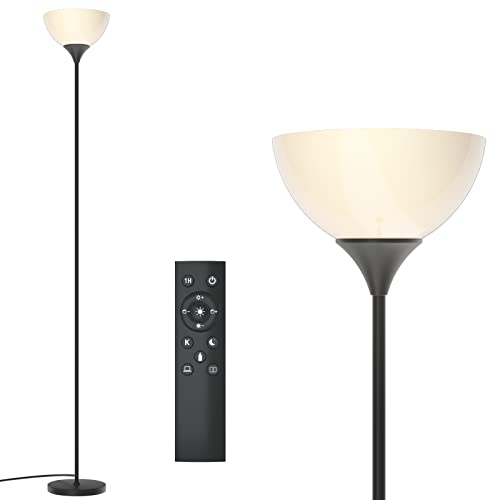
9W LED dimmable remote control bulb included; Floor lamp with 9W dimmer remote control led bulb that can be remotely controlled within 49 ft
Use Three Lighting Layers
- Ambient lighting: The general glow from ceiling fixtures, recessed lights, chandeliers, or shaded floor lamps.
- Task lighting: Focused light for reading corners, game tables, bar carts, or serving areas.
- Accent lighting: Softer light that highlights artwork, bookshelves, plants, fireplaces, or textured walls.
Dimmable bulbs are especially useful for entertaining because the room can shift from bright and practical to warm and relaxed. When replacing bulbs, consider efficient LEDs. The U.S. Department of Energy notes that residential ENERGY STAR LEDs use at least 75% less energy and last up to 25 times longer than incandescent lighting.
Place floor and table lamps so the shade reduces glare at seated eye level rather than shining directly into guests’ eyes. Wall sconces often work well around 60–72 inches from the floor, but the best height depends on the fixture, ceiling height, artwork, and whether people will be seated nearby.
Add Decor That Supports the Gathering
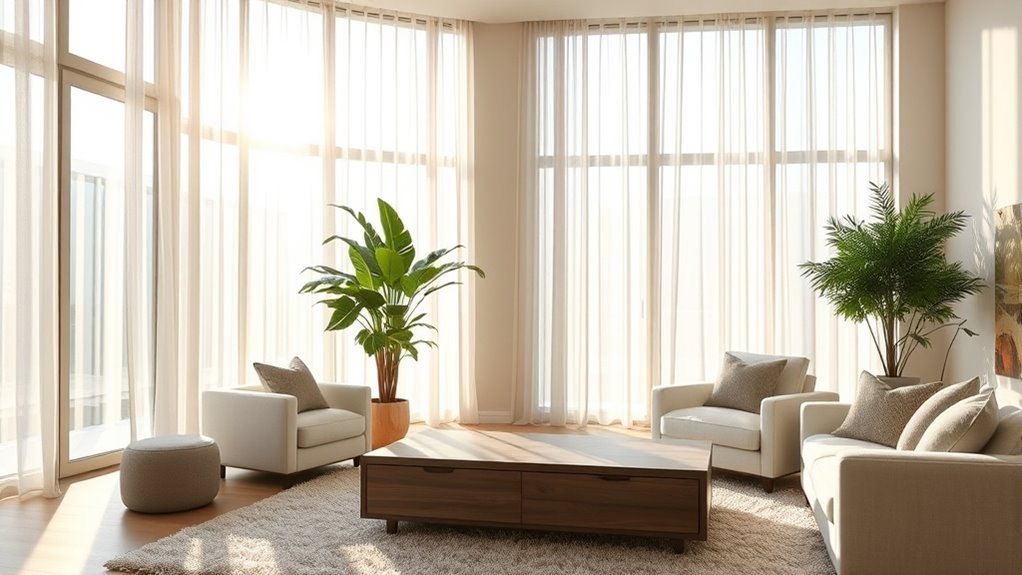
Decor should make the room feel personal without stealing usable space. Use a few meaningful objects, books, art, or framed photos to start conversation. Then add soft textures, such as pillows, throws, woven baskets, curtains, and upholstered ottomans, to make the room feel layered and relaxed.
For color, choose one dominant base color, one supporting color, and one or two accent colors. This is easier to live with than filling the room with every color you like. If the room already has bold art, a patterned rug, or colorful curtains, repeat those tones in smaller accents so the design feels intentional.
Adding Comfort and Personal Style to Your Living Room
A living room for entertaining should still feel like your home. Comfort comes from practical details: enough seats, reachable tables, soft lighting, clean walkways, durable textiles, and a few personal pieces that give guests something to notice and ask about.
| Element | Purpose |
|---|---|
| Multi-functional furniture | Adds storage, extra seating, and flexibility for different group sizes. |
| Cohesive color scheme | Keeps the room calm and pulled together, even when guests fill the space. |
| Layered textures | Adds warmth through pillows, throws, rugs, curtains, baskets, and upholstery. |
| Personal memorabilia | Gives the room character and creates natural conversation starters. |
| Intimate seating clusters | Helps guests talk in smaller groups without feeling cut off from the room. |
Choose Hosting-Friendly Fabrics and Finishes
If you entertain often, choose fabrics and finishes that can handle real use. Performance upholstery, washable pillow covers, indoor-outdoor rugs, trays, coasters, and lidded storage baskets make cleanup easier. Avoid overly delicate coffee-table styling if guests need a place for snacks, cards, or drinks.
Plan for Different Group Sizes
A room that works for two people should also adapt when six or eight guests arrive. Keep a few lightweight pieces nearby, such as nesting stools, poufs, folding trays, or a bench that can move from the wall to the seating area. The goal is flexibility without permanent crowding.
Pro Tip: Before guests arrive, remove one or two decorative objects from the coffee table and replace them with a tray, coasters, napkins, and a small bowl for snacks. Hospitality often comes from clear surfaces, not extra decor.
Common Layout Mistakes to Avoid
- Pushing every piece against the wall: This can make conversations feel distant. Float at least one chair, ottoman, or small table if the room allows.
- Buying furniture before measuring: Always check depth, width, and walkway clearance first.
- Using a rug that is too small: A tiny rug can make the seating group feel disconnected.
- Relying only on overhead light: Add lamps and dimmers so the room feels welcoming at night.
- Skipping side tables: If guests have nowhere to set a glass, the room will feel less comfortable.
- Blocking natural paths: Keep the route from entry to seating, kitchen, bathroom, and exit clear.
Quick Hosting Checklist
- Clear the main walkway and remove extra baskets, shoes, toys, or side tables from traffic paths.
- Secure rug corners and keep cords behind furniture or clipped along baseboards.
- Turn on at least two or three light sources before guests arrive.
- Place coasters, napkins, and a tray near the main seating zone.
- Add one flexible seat, such as a pouf or ottoman, for overflow seating.
- Leave some empty table space instead of filling every surface with decor.
- Set the thermostat, open curtains if the view is pleasant, and adjust the lighting before the doorbell rings.
Frequently Asked Questions
What is the 2/3 rule for living rooms?
The 2/3 rule is a loose proportion guideline, not a building code. It usually means a major piece, such as a sofa, rug, or media unit, should feel balanced against the wall, rug, or room it sits in. For entertaining, use it as a visual check: the seating group should feel generous enough to anchor the room but not so large that it blocks flow.
What is the 3-5-7 rule of decorating?
The 3-5-7 rule is best treated as a styling prompt based on odd numbers. You might use three main furniture types, five texture moments, and seven small accents, but the exact numbers are not mandatory. The real goal is variety, rhythm, and balance so the room feels collected instead of flat.
What is the 70 20 10 rule in decorating?
The 70 20 10 rule is a simple color guideline: use about 70% of a dominant color, 20% of a secondary color, and 10% of an accent color. In a living room for entertaining, this can keep the space calm while still giving you room for personality through pillows, art, flowers, or decorative objects.
How do you make a living room work as a guest room?
Use multifunctional furniture, such as a sleeper sofa, storage ottoman, nesting tables, and a side table that can double as a nightstand. Add blackout curtains, a dimmable lamp, spare bedding, a basket for towels, and a clear path to the bathroom so the room feels comfortable overnight without losing its everyday living-room function.
What is the best layout for a small living room used for entertaining?
For a small living room, use one main sofa, one or two lighter accent chairs, a compact coffee table or storage ottoman, and side tables with slim profiles. Keep the main walkway open, choose furniture with visible legs, and avoid oversized sectionals unless they truly improve seating without blocking movement.
How far should a coffee table be from the sofa?
A good range is about 16–20 inches between the sofa and coffee table. This usually gives guests enough legroom while keeping drinks, snacks, remotes, and trays within reach. If your table is round, oval, or used as an ottoman, adjust the spacing so people can move comfortably.
Conclusion
A living room designed for entertaining should feel open, comfortable, and easy to use. Start with flow, then build a seating plan that supports conversation. Add reachable tables, flexible extra seating, secure rugs, layered lighting, and personal details that make the room feel like yours. When every guest can move easily, find a seat, set down a drink, and join the conversation, the room is doing its job beautifully.
Sources
- ADA.gov: 2010 ADA Standards for Accessible Design — supports the 36-inch clear-width guidance used as an accessible main-walkway planning target.
- CDC: Preventing Falls and Hip Fractures — supports removing trip hazards and adding brighter lighting for safer home movement.
- U.S. Department of Energy: LED Lighting — supports the recommendation to use efficient LED lighting for layered living-room illumination.
- Schema.org: HowTo — supports the structured data used for the step-based how-to portion of this article.


[…] How to Design a Living Room for Entertaining Guests: Step-by-Step Guide […]