Heavy sofas, beds, and bookcases concentrate hundreds of pounds onto a few square inches of flooring, crushing soft yarn tufts and compacting the underlay beneath them. To prevent carpet dents from furniture, distribute each leg’s load with a wide, rigid coaster or caster cup, match the protector base to your carpet pile, and shift stationary pieces a few inches every few months. If indentations have already formed, start with dry vacuuming and gentle brushing before using fiber-safe moisture or steam.
Quick Answer
Place wide, rigid furniture coasters or caster cups under every leg to spread weight across a larger footprint, lift furniture instead of dragging it, and shift stationary pieces every 3 to 6 months. To fix existing dents, vacuum and fluff the pile first, then use melted ice or hovering steam only if your carpet fiber allows moisture or heat.
At a Glance
| Time Required | 5–10 minutes to place protectors; 2 minutes (steam) to 12 hours (ice and drying) for dent recovery |
| Difficulty | Easy |
| Tools Needed | Wide furniture coasters or caster cups, vacuum, spoon or soft carpet brush, ice cubes, clean white towel, garment steamer or hair dryer |
| Cost | Free for DIY dent removal using household items; low cost for reusable caster cups and coasters |
Why Protecting Your Carpet From Dents Is Essential
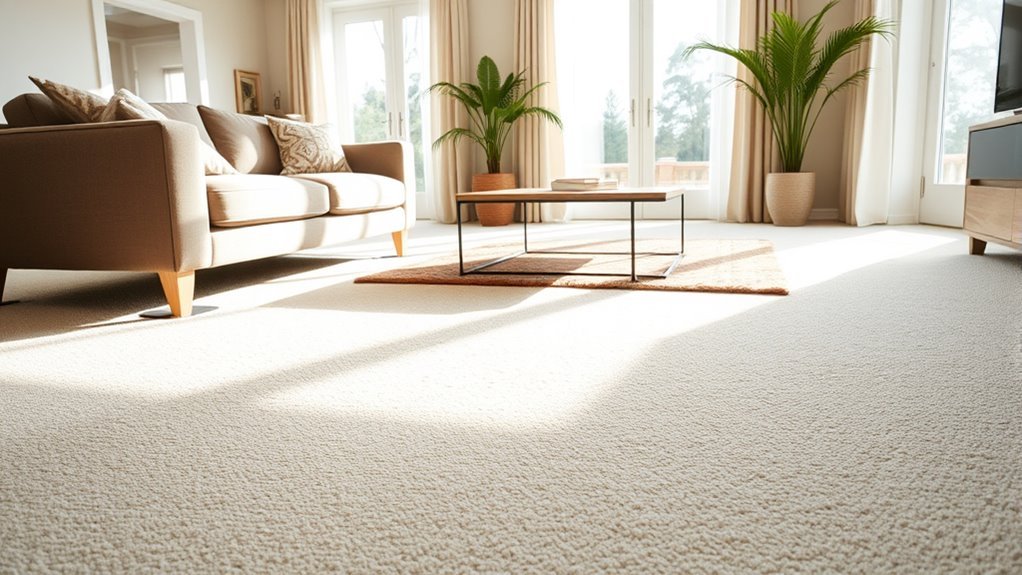
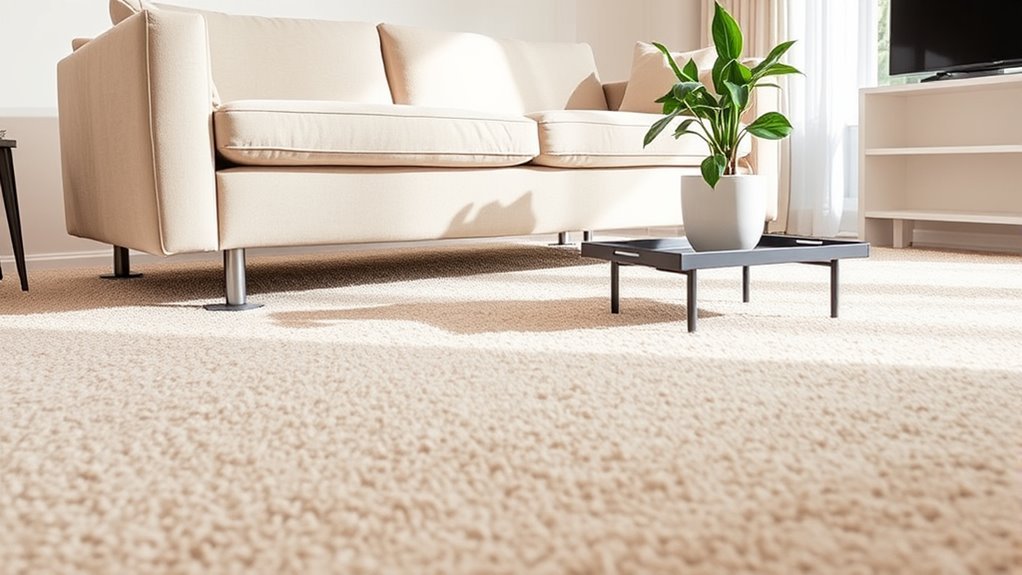
Protecting your carpet from furniture dents preserves both the visual texture of the surface pile and the structural bounce of the cushion underneath. When a heavy sofa, bed, or cabinet sits in one exact spot for months or years, sustained downward force flattens the yarn tufts and permanently compacts the carpet pad. Even a freshly cleaned room can look worn when deep crater marks remain visible after rearranging a layout.
Proactive weight distribution works alongside routine floor care to extend carpet life. The Carpet and Rug Institute recommends vacuuming at least once a week, treating spots immediately, placing walk-off mats at entrances, and scheduling professional deep extraction cleaning every 12 to 18 months to remove embedded grit that grinds down compressed fibers.
What Causes Carpet Dents?
Carpet dents—known in the flooring industry as pile crushing—happen when static weight exceeds the elastic recovery of the carpet yarn and underlay. The severity of an indentation depends on pounds per square inch (PSI) at the contact point, carpet fiber chemistry, pile height, padding density, and how long the load stays in place.
Six primary factors control how deeply furniture sinks into a floor:
- Concentrated leg geometry: A 1-inch round leg has a contact area of about 0.79 square inches, whereas a 3-inch coaster covers about 7.07 square inches—nearly nine times the surface area to share the exact same weight.
- Furniture weight and dynamic load: Sofas, beds, and dining chairs carry both their dead weight and the shifting weight of people sitting or lying on them.
- Fiber resilience: Nylon has the strongest fiber memory and springs back fastest, followed by triexta and polyester. Polypropylene (olefin) and high-lustre viscose flatten much more easily under sustained pressure.
- Carpet pile construction: Plush, Saxony, and high-pile frieze carpets show deeper impressions than dense, tightly twisted low-pile or loop-pile Berber carpets.
- Underlay density: Residential carpet cushion is rated by density in pounds per cubic foot (typically 6 to 8 lbs/ft³). Low-density foam padding under 6 lbs/ft³ bottoms out quickly under narrow legs, allowing the primary carpet backing to stretch.
- Embedded soil and duration: Fine grit trapped around furniture feet acts like sandpaper on bent fibers, while years of unmoved compression weaken the yarn’s heat-set twist.
Effective Methods to Prevent Carpet Dents From Furniture
To prevent carpet dents from furniture effectively, lower the pounds per square inch pressing into each tuft and give compressed fibers periodic recovery breaks. Combining wider load-bearing bases with routine pile grooming stops most indentations from setting into the backing. Very heavy pieces on plush pile may still leave faint marks, but they will lift much faster when moved.
- Install wide, rigid furniture coasters or caster cups. Choose a protector at least 1 to 2 inches wider in diameter than the furniture leg so the load spreads across dozens of surrounding tufts instead of crushing a single spot.
- Match spiked versus flat bottoms to your carpet type. Use spiked caster cups only on thick cut-pile carpets, where dull underside pins part the fibers and transfer weight directly to the backing; use smooth, flat-bottom coasters on loop-pile Berber, woven wool, and area rugs to prevent snagging.
- Treat area rugs as a secondary buffer, not sole protection. Heavy furniture feet will still punch through an area rug and rug pad into the wall-to-wall carpet below unless wide coasters sit beneath the legs.
- Shift stationary furniture 1 to 2 inches every 3 to 6 months. Moving a sofa or bed slightly off its previous footprint lets compressed tufts and padding rebound before the crimp memory degrades.
- Vacuum around furniture feet weekly. Slow passes remove abrasive grit and pull flattened border pile upright before it mats down.
- Lift furniture or use temporary moving sliders during layout changes. Dragging heavy frames stretches carpet backing, rips seams, and shears twisted yarn tips.
Pro Tip: Before buying caster cups, press your thumb into the carpet beside a heavy sofa leg. If the pile is deeper than 3/8 inch and has cut yarn tips, spiked cups will transfer weight through the pile to the backing; if the surface consists of uncut loops, choose flat-bottom cups so pins never catch a loop.
Recommended Products
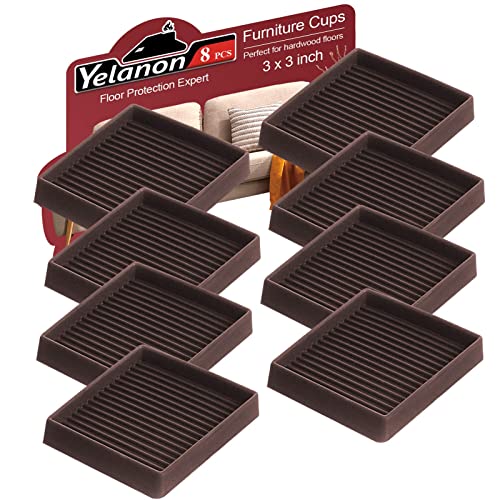
BEST PROTECTION&ANTI SKID -Yelanon Caster Cups will keep your furniture in the place! Protect your floors from scratches by sliding furniture feet and eliminate annoying noise. Provide the best protection for tile, laminate, hardwood, carpet, tile & any flooring!

【Any Furniture Can Be Moved Easily】Furniture moving pads with smooth glide surface is easy to clean and furniture can be moved with ease while not scratching or damaging the carpet/floor surface. Reduce the friction and noise.Everything becomes easy and happy.

✌MOVE FURNITURE EFFORTLESSLY - Our heavy furniture sliders for carpet surfaces move easily across the surfaces of carpets and rugs. These couch sliders for moving furniture make cleaning or rearranging your furniture a one-person job. Move bulky and heavy objects with convenience. Furniture carpet sliders perfects for both round and square furniture legs and provide lasting protection with bottom furniture movers sliders.
Choosing the Best Coasters and Pads for Carpets
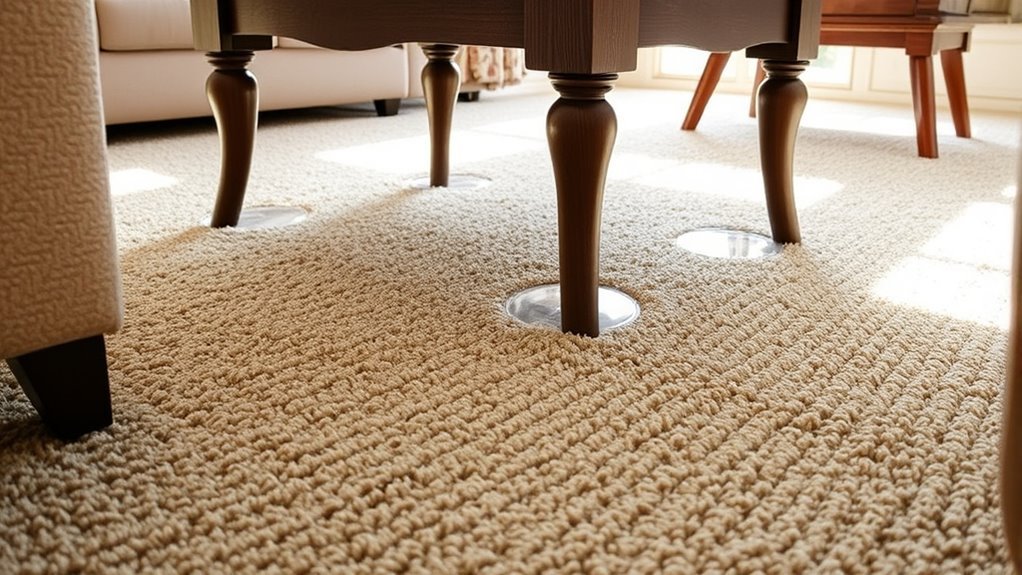
The best carpet protector is rigid enough to resist bending under load, wide enough to reduce point pressure, and completely colorfast against damp or treated fibers. Soft pads made for hardwood floors often sink right into carpet pile, whereas purpose-built carpet cups create a stiff bridge across the surface.
Recommended Products

SET OF 4 ROUND 1-13/16" REUSABLE FURNITURE CASTER CUPS: Designed to protect carpet and hard floors while keeping furniture legs and casters securely positioned

SET OF 4 ROUND 2-1/2" REUSABLE FURNITURE CASTER CUPS: Designed to protect hard floors while stabilizing office chairs, carts, tables, desks, storage units, and other furniture with casters or legs

SET OF 12 ROUND 1-3/8" REUSABLE FURNITURE CASTER CUPS: Designed to protect carpet and hard floors while keeping furniture legs and casters securely positioned
Material Types to Consider
- Polycarbonate or hard acrylic caster cups (flat or spiked): Clear, shatter-resistant plastic distributes heavy loads without visually cluttering the room. Spiked bottoms work on plush cut pile, while flat bottoms suit loop and low-pile carpets.
- Finished hardwood or bamboo cups: Provide a rigid, decorative base for heavy wooden sofa or bed legs, provided the underside is sealed with a clear, non-staining coat that will not bleed when humidity rises.
- High-density vulcanized rubber or silicone cups: Offer strong inner grip for metal or tapered legs, provided they are labeled non-marking and contain no dark carbon black that can rub off onto light fibers.
- Heavy-duty felt-bottom coasters: Standard peel-and-stick felt pads compress into plush carpet, so only use rigid plastic or metal glides backed with dense, compressed felt on low-pile carpet.
- High-density cork discs: Spread weight moderately under medium-weight accent tables, but thin or crumbly cork splits under heavy beds and sofas.
Size and Design Factors
Evaluate five structural details before placing protectors under heavy furniture:
- Footprint diameter: Step up from 1.5-inch to 2.5-inch or 3.5-inch cups for beds, sectionals, and solid-wood bookcases to slash downward pressure per square inch.
- Rim containment: Choose recessed cups at least 1/4 inch deep for wheeled casters or rounded bun feet so the furniture cannot slide over the lip when someone sits down.
- Flex resistance: Press the center of the coaster; if you can bend it by hand, a 250-pound sofa corner will bow the center and still create a concentrated dent.
- Pile-appropriate underside: Match spiked undersides strictly to cut-pile synthetic carpets and flat undersides to loop, woven, or natural-fiber rugs.
- Moisture and dye safety: According to the CRI Carpet and Rug Care Guide, wet carpet can trigger rust stains from metal feet or wood-finish transfer from stained legs, making non-reactive plastic barriers essential.
| Pressure Point | Better Protector Choice | Why It Works |
|---|---|---|
| Narrow metal or tapered wood leg | 2.5- to 3.5-inch rigid polycarbonate coaster (spiked for plush cut pile; flat for loop pile) | Expands the contact area up to ninefold and stops sharp edges from piercing the primary backing. |
| Small stationary wheel or caster | Deep-well recessed caster cup sized to cradle the wheel | Eliminates the razor-thin wheel contact line and locks the caster against rolling back and forth. |
| Broad wooden block or bun foot | Flat, non-staining square coaster slightly wider than the block | Prevents wood stain transfer while keeping a wide, even footprint without tilting. |
| Rolling office chair | Rigid polycarbonate chair mat matched to pile thickness (low pile under 3/8 in; high pile over 1/2 in) | Stops dual-wheel casters from grinding ruts into the traffic zone and delaminating carpet backing. |
Best Protection by Furniture Type
Every furniture category places a different combination of static dead weight and dynamic movement on your floor. Selecting protectors by furniture type prevents both deep static craters and friction damage:
- Sofas, sectionals, and armchairs: Place 3-inch rigid square or round cups under all legs, including center support legs and rear legs, which bear heavy backward thrust when people sit down.
- Beds and headboards: Fit oversized caster cups under every frame post and center support foot, since beds often remain stationary for years at a time.
- Dining chairs: Attach wide, low-friction nail-on or cap-style carpet glides to the bottom of chair legs rather than loose cups, which fall off whenever someone pulls a chair out from the table.
- Bookcases, dressers, and media consoles: Slip wide, flat load-distributing pads under corner feet before loading shelves, and anchor tall casegoods to wall studs so carpet compression at the front edge never causes forward tipping.
- Stationary wheeled bar carts or upholstered chairs: Lock the wheels inside recessed caster cups; for active rolling desk chairs, use a studded carpet chair mat rated for your combined carpet-and-pad depth.
- Tubular or hairpin metal legs: Cap bare metal ends with rigid plastic inserts and set them inside wide coasters to prevent rust rings and sharp rim cuts.
Recommended Products

SET OF 4 NAIL-ON 7/8" FURNITURE GLIDES: Provide a simple, effective solution for protecting carpets and area rugs to improve movement of furniture with straight wooden legs
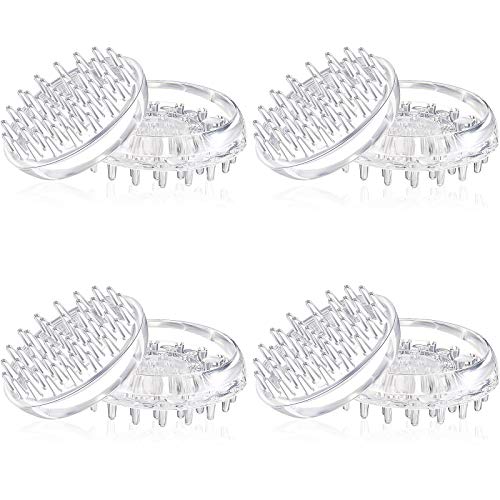
Suitable Size: Each Carpet Protector for Furniture Legs features a round design with an inner diameter of 4.7 cm / 1.85 inches and an outer diameter of 2.2 inches. It is suitable for table legs, chair legs, sofa legs, and other furniture legs with a diameter smaller than 1.85 inches. Please measure your furniture legs before purchasing to ensure a proper fit
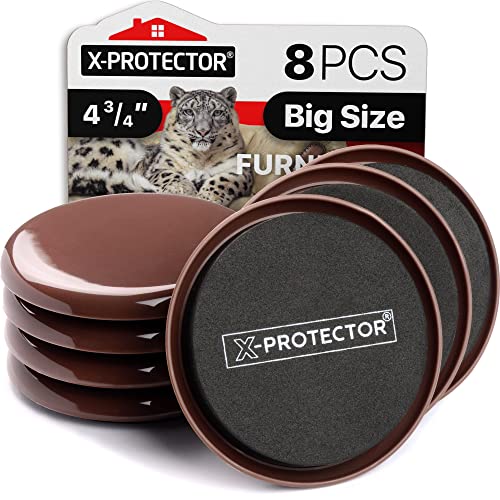
✌ IS YOUR FURNITURE TOO HEAVY TO MOVE IT EASILY? ARE YOU SCRATCHING THE FLOORS WHILE MOVING THE FURNITURE? FORGET ABOUT IT with PREMIUM FURNITURE MOVERS X-PROTECTOR®!
DIY Solutions for Preventing Carpet Indentations
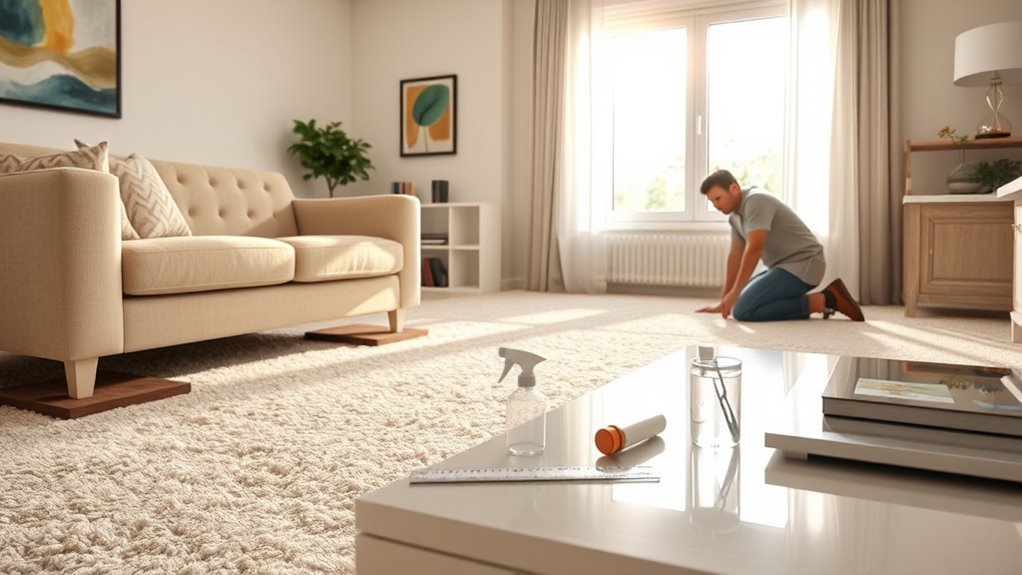
Purpose-built furniture coasters are the safest long-term option, but you can fashion temporary DIY load spreaders at home when setting up a room. Any homemade pad must be wider than the furniture foot, completely rigid under weight, smooth around the edges, dry, and 100% colorfast.
- Thick polycarbonate or HDPE plastic squares: Cut 3-inch squares from stiff, clear food-grade plastic or a retired HDPE cutting board, and sand the corners smooth so they cannot snag yarn loops.
- Leftover carpet remnants (placed pile-side down): A clean scrap of matching carpet cut slightly larger than the leg and placed face-down cushions the tufts below while hiding neatly under low-clearance skirts.
- Unfinished or clear-sealed hardwood blocks: Sand a 1/2-inch-thick hardwood square smooth to widen a narrow leg’s footprint, avoiding dark wood stains that could bleed into damp carpet.
- Materials to avoid completely: Skip corrugated cardboard, folded newspaper, yoga-mat foam, bottle caps with sharp rims, and dyed fabric scraps—these flatten immediately, slice fibers, or bleed ink and dye if humidity or spills reach them.
Note: Never place unsealed wood blocks, cardboard, newspaper, or dyed fabric beneath furniture legs. Even minor ambient moisture or a routine carpet cleaning can draw inks, tannins, and wood stains permanently into synthetic and wool fibers.
Easy Ways to Keep Your Carpets Looking Fresh
While coasters reduce downward PSI, routine maintenance keeps carpet fibers clean, resilient, and able to rebound when furniture moves. Gritty soil left at the base of a tuft acts as an abrasive wedge that locks bent fibers flat.
Regular Vacuuming Schedule
The Carpet and Rug Institute recommends vacuuming at least once a week in light-traffic rooms, twice weekly in medium-traffic spaces, and daily in high-traffic lanes. Removing dry soil accounts for 90% to 95% of routine soil extraction and mechanically lifts slightly compressed yarn.
Follow these four practices to maximize pile recovery:
- Adjust brush height to the pile construction: Per Shaw Industries carpet care guidelines, use a rotating brush or beater bar on cut-pile carpets to agitate and lift tufts, but switch to a suction-only setting (or disengage the brush roll) on loop-pile Berber and delicate wool to prevent fuzzing.
- Alternate your vacuuming direction: Pass north-south on one cleaning and east-west on the next to stand twisted fibers upright and reduce directional matting.
- Detail around furniture bases with a crevice tool: Dust buildup around stationary legs accelerates fiber fatigue right where dents form.
- Book restorative extraction cleaning every 12 to 18 months: Professional hot-water extraction flushes out sticky residues and uses heated moisture and grooming rakes to lift flattened zones.
Can Area Rugs Help Prevent Furniture Dents?
Area rugs absorb surface friction and foot-traffic wear, making them helpful under living room seating groups and dining tables. However, a rug alone will not stop heavy, narrow legs from transferring pressure straight through the rug weave and compressing the wall-to-wall carpet below.
Always pair an area rug with wide coasters under concentrated furniture feet. When layering a rug over wall-to-wall carpet, use a breathable pad specifically rated for carpet-on-carpet installation so the rug neither buckles nor transfers plasticizer chemicals onto the lower pile.
Rotate Furniture Placement
Shifting stationary furniture just 1 to 3 inches every 3 to 6 months transfers the load onto fresh tufts before the carpet cushion loses its elasticity. You do not need to redesign the entire room—sliding a sofa slightly forward or angling an armchair gives the previously compressed spot time to breathe.
- Enlist a helper to lift heavy pieces cleanly off the floor rather than dragging them across the pile.
- Slip smooth plastic moving sliders under the corners only during the move, then swap them out for rigid, stable caster cups once the piece is in position.
- Vacuum the newly exposed indentations in multiple directions immediately after moving the furniture.
- Wait 24 to 48 hours to see how much the pile rebounds naturally before applying moisture or steam.
Carpet-Type Cautions Before You Use Heat or Water
Before applying ice cubes, water mist, a blow dryer, or a garment steamer to an existing dent, identify your carpet fiber. Different synthetic and natural fibers have vastly different melting points and moisture tolerances, meaning a method that revives nylon can permanently melt olefin or felt wool.
| Carpet Fiber / Type | Heat & Moisture Limit | Safest Dent Removal Method |
|---|---|---|
| Nylon | High resilience; softens around 480°F–520°F | Vacuuming, ice cube method, warm blow dryer, or hovering steam (4–6 inches above pile). |
| Polyester (PET) & Triexta (PTT) | Hydrophobic; softens around 480°F | Vacuuming, ice cube method, or damp white towel with gentle indirect steam. |
| Olefin (Polypropylene) | Very heat-sensitive; softens at 250°F–320°F (below low iron settings) | Dry vacuuming, gentle finger fluffing, or cold ice cubes only—never use an iron or hot steam. |
| Wool | Felts under high heat plus friction; keep pH between 5.0 and 8.0 | Lightly mist with cool water and let recover over 12–24 hours, or apply brief hovering steam. |
| Silk, Viscose, Rayon, or Jute-Backed Rugs | Highly moisture- and heat-sensitive; water causes browning or shrinkage | Suction-only vacuuming and gentle dry brushing only; consult a specialist for deep marks. |
According to The WoolSafe Organisation care guide, lightly moistening an indentation on a wool carpet or rug allows natural wool crimp to lift the mark within 12 to 24 hours without aggressive brushing. For area rugs laid over hardwood or laminate floors, always slip a waterproof barrier or folded dry towel beneath the rug before applying any moisture so dampness never warps the wood below.
Warning: Never rest a hot clothes iron or steamer plate directly on carpet fibers. Polypropylene (olefin) softens at 250°F to 320°F—roughly the same temperature as an iron’s lowest synthetic setting—and can fuse into a shiny, irreversible plastic crust on contact.
Will Carpet Dents Go Away on Their Own?
Shallow furniture indentations caused by lightweight chairs or short-term placement often rebound on their own within 24 to 48 hours once the weight is removed and the pile is vacuumed. Deep craters left by heavy sofas, beds, or bookcases sitting in one place for years rarely vanish without targeted moisture or heat because both the yarn twist and underlying foam pad have set under compression.
You can test whether a dent will recover with a quick thumb check: press the flattened tufts inside the crater with your thumb. If the fibers feel slightly springy, dry vacuuming or a light moisture treatment will usually lift them; if they feel hard, stiff, and fused against the backing, the pad underneath is fully compressed and will require multi-step restoration.
How to Fix Carpet Dents Quickly?
To lift existing carpet dents safely, start with dry mechanical grooming and step up to controlled moisture or indirect heat only if the indentation stays flat. As highlighted in expert carpet care advice from Martha Stewart, gradual hydration and gentle upward lifting restore yarn volume without fraying the twist.
Vacuum and Fluff Method
For shallow marks or unknown carpet fibers, run your vacuum slowly over the dent from four directions to create upward airflow. Next, stroke the flattened yarn upward using your fingertips, the rounded edge of a spoon, or the edge of a coin. Because this method uses zero water or heat, it is completely safe for wool, Berber loops, and delicate rugs.
Ice Cube Method
The ice cube method works well on synthetic cut-pile carpets (nylon, polyester, triexta, and olefin) because slow melting lets compressed fibers absorb water gradually by capillary action rather than flooding the pad:
- If treating an area rug over hardwood or laminate, slide a thick dry towel or plastic barrier beneath the rug first.
- Set one or two standard ice cubes directly inside the furniture crater so they fill the footprint without overflowing.
- Allow the ice to melt slowly and soak into the tufts for 2 to 4 hours (or overnight for deep marks).
- Press a clean, dry white cotton towel firmly into the spot to blot up excess moisture—never rub back and forth.
- Once the area is damp rather than wet, gently tease the swollen fibers upright with the bowl edge of a spoon, a coin, or your fingers, and let the spot air-dry completely before placing furniture nearby.
Steam or Damp Towel Method
Controlled steam relaxes long-standing compression in nylon, polyester, and wool carpets within minutes, provided the heat never touches the yarn directly:
- Vacuum the indentation to remove loose dust and grit.
- Wring out a clean white cotton towel so it is damp (not dripping) and fold it into two layers over the dent.
- Hold a handheld garment steamer or steam iron 4 to 6 inches (10 to 15 cm) above the damp towel—or hover the iron directly above the pile without touching it—and apply short bursts of steam for 30 to 60 seconds.
- Remove the towel immediately and brush the warm, pliable tufts upward with your fingertips or a spoon edge, then let the carpet cool and dry completely.
Blow-Dryer Method
When you need a quick fix without an iron, the ServiceMaster Clean dent guide recommends pairing light water mist with a warm hair dryer. Lightly mist the crater with plain water from a spray bottle so only the surface tufts are damp, hold a blow dryer about 6 inches away on a low or warm setting, and rake your fingers or a spoon upward through the pile as it dries.
What Not to Do When Preventing or Fixing Carpet Dents
Avoiding six common mistakes prevents a simple cosmetic indentation from turning into permanent fiber fusion, backing delamination, or hidden mold growth:
- Do not drag heavy furniture across carpet: Dragging shears fiber tips, stretches primary backing into ripples, and splits glued seams.
- Do not pour liquid water directly into a dent: Dumping water bypasses the yarn tips and saturates the carpet cushion and subfloor, whereas melting ice or a light mist hydrates only the compressed tufts.
- Do not rake loop-pile Berber with a metal fork: Sharp tines catch and pull continuous yarn loops, causing runs that unweave a row of carpet.
- Do not scrub stains or dents with stiff bristles or dish soap: Per the CRI Spot Solver, aggressive scrubbing frays yarn twist (“blooming”), and strong household detergents leave sticky residues that attract rapid resoiling.
- Do not set wood or metal legs back onto damp pile: Wait until the carpet is bone-dry to prevent permanent rust marks or wood-stain bleeding.
- Do not leave wet carpet unventilated for more than a day: According to the U.S. EPA mold and moisture guide, wet porous materials like carpet and padding must be dried completely within 24 to 48 hours to prevent mold growth in crevices that are nearly impossible to clean fully.
Troubleshooting Common Carpet Dent Problems
Use this diagnostic reference to match your specific carpet indentation scenario with the safest first repair step:
| Problem | Best First Fix |
|---|---|
| Shallow dent from a dining chair or accent table | Vacuum in four directions to create upward suction, then fluff tufts with your fingertips or a spoon edge. |
| Deep crater from a sofa, bed, or bookcase on synthetic cut pile | Let 1–2 ice cubes melt in the dent over 2–4 hours, blot firmly with a white towel, lift with a spoon, and install 3-inch coasters. |
| Stubborn multi-year dent on nylon or wool that resisted ice | Cover with a damp white cotton towel, hover a steamer 4–6 inches above for 30–60 seconds, and brush tufts upward while warm. |
| Dent on loop-pile Berber carpet | Use suction-only vacuuming and gentle finger massaging after light misting; never use forks, spiked cups, or hot irons. |
| Dent combined with a rust ring or wood furniture stain | Blot and treat the stain first using a CRI-approved spot remover and cool water; never apply heat until the discoloration is gone. |
| Overwetted spot or musty odor after DIY treatment | Stop adding moisture, press dry white towels weighted with a plastic jug onto the spot, run a fan for 24–48 hours, and call a pro if odor persists. |
When to Call Professionals for Carpet Repair and Cleaning?
Call an IICRC-certified or WoolSafe-approved carpet professional when an indentation stays sunken after gentle moisture and grooming, when the underlying carpet pad has crumbled, or when you are dealing with moisture-sensitive luxury fibers. Professional technicians have truck-mounted hot-water extraction, controlled pile-lifting brushes, and sub-surface repair tools that home steamers cannot match.
Schedule professional service in four situations:
- Collapsed padding or permanently crushed backing: If a heavy bookcase sat in one spot for a decade, a carpet repair technician can peel back the corner, replace the crushed section of foam cushion, or splice in a seamless donor patch from a closet remnant.
- Silk, viscose, Tencel, antique, or hand-knotted wool rugs: Wet DIY treatments can trigger dye bleed, cellulosic browning, or foundation warpage on fine rugs.
- Ripples or buckling from dragged furniture: Stretched wall-to-wall carpet requires professional power-stretching and re-tacking along the perimeter tack strips.
- Lingering dampness, delamination, or musty odors: If excess water reached the pad and stayed damp past 48 hours, a restoration specialist must evaluate the cushion and subfloor for hidden mold.
Key Takeaways
- Stepping up from a 1-inch furniture leg to a 3-inch rigid coaster expands the contact area nearly ninefold, sharply reducing the PSI pressing into carpet tufts.
- Use spiked caster cups only on thick cut-pile carpet to transfer weight to the backing; always use smooth, flat-bottom coasters on loop-pile Berber and area rugs.
- Check fiber heat limits before fixing dents: polypropylene (olefin) softens at 250°F–320°F and must never be ironed, whereas nylon and wool tolerate gentle, indirect steam.
- Dry any moisture-treated carpet spot within 24 to 48 hours using clean white towels and airflow to prevent mold growth, rust rings, or wood-stain transfer.
Frequently Asked Questions
How do I keep furniture from making dents in carpet?
Place wide, rigid furniture coasters or caster cups under every leg to spread downward weight across a larger surface area. Shift heavy pieces 1 to 2 inches every 3 to 6 months, vacuum weekly around the legs, and keep narrow feet or wheels from resting directly on soft pile.
How do you spread the weight of furniture to avoid carpet indentations?
Use rigid protectors that are at least 1 to 2 inches wider than the furniture foot, such as 3-inch polycarbonate caster cups or sealed hardwood coasters. Choose spiked cups for plush cut-pile carpet to transfer weight to the backing, and flat-bottom cups for loop-pile Berber or area rugs.
What is the best way to get furniture indentations out of carpet?
Start by vacuuming the dent in several directions and lifting the fibers with your fingers or the edge of a spoon. For deeper marks on moisture-safe synthetic carpet, let an ice cube melt in the crater for 2 to 4 hours, blot excess water with a white towel, and gently fluff the swollen tufts upright.
How do I stop furniture from sinking into carpet?
Support each leg with a wide, non-flexing coaster or recessed caster cup that bridges across the carpet tufts without bending. When installing new wall-to-wall carpet, pairing it with a dense 6- to 8-pound residential carpet pad also prevents heavy legs from bottoming out.
Can ice cubes damage carpet?
Ice cubes are safe for most synthetic carpets like nylon, polyester, and olefin when used one or two cubes at a time and blotted dry afterward. However, moisture can damage silk, viscose, or jute-backed rugs and can seep through area rugs onto hardwood floors if you do not place a protective towel underneath.
Are furniture sliders good for preventing carpet dents?
Furniture sliders are designed for temporary moving rather than permanent dent prevention because their curved, foam-backed centers compress under long-term static loads. Use sliders to glide heavy furniture across a room without stretching the backing, then swap them for rigid coasters or caster cups.
Do carpet dents go away on their own?
Fresh, shallow dents from lightweight chairs often bounce back within 24 to 48 hours after the weight is removed and the area is vacuumed. Deep indentations from heavy furniture left in one spot for years rarely disappear on their own and usually need ice, indirect steam, or professional grooming.
Can an area rug stop heavy furniture from denting carpet?
An area rug protects surface fibers from friction and traffic wear, but heavy, narrow furniture legs will still press through the rug and indent the carpet below. Always place wide, flat coasters under concentrated furniture feet even when they sit on top of an area rug.
Conclusion
Stopping furniture indentations comes down to spreading point loads across wider, rigid coasters and giving carpet tufts periodic breaks from static pressure. Measure the heaviest narrow legs in your living room or bedroom today, slip pile-appropriate 2.5- to 3.5-inch caster cups beneath them, and treat any exposed marks with dry vacuuming or slow-melting ice before setting your furniture back in place.
Sources
- The Carpet and Rug Institute – Cleaning and Maintenance: Supports weekly vacuuming schedules, prompt spot care, and restorative professional cleaning every 12 to 18 months.
- The Carpet and Rug Institute – Carpet and Rug Care Guide (PDF): Supports protecting damp carpet from metal rust or wood furniture stains, avoiding overwetting, and maintaining pH 5.0–8.0 on wool.
- Shaw Industries – Carpet Care and Maintenance: Supports shifting furniture periodically, using beater-bar vacuums on cut pile and suction-only on loop pile, and holding steam irons several inches above indentations without touching fibers.
- The WoolSafe Organisation – The Safe Way to Care for Your Wool Carpets and Rugs: Supports using furniture cups under legs and lightly moistening wool indentations for 12- to 24-hour recovery.
- The Carpet and Rug Institute – Spot Solver: Supports blotting with white cloths without scrubbing and avoiding strong detergent concentrations that cause rapid resoiling.
- U.S. Environmental Protection Agency – A Brief Guide to Mold, Moisture and Your Home: Supports drying wet carpet and porous materials completely within 24 to 48 hours to prevent mold growth.
- Martha Stewart – 3 Easy Ways to Get Furniture Dents Out of Carpet: Provides expert-sourced guidance on ice cube recovery, moisture control, and avoiding direct heat on carpet fibers.
- ServiceMaster Clean – How to Fix Carpet Dents: Supports multi-directional vacuuming, ice cube hydration, and holding a low-heat hair dryer 6 inches from dampened pile while fluffing with fingers or a spoon.