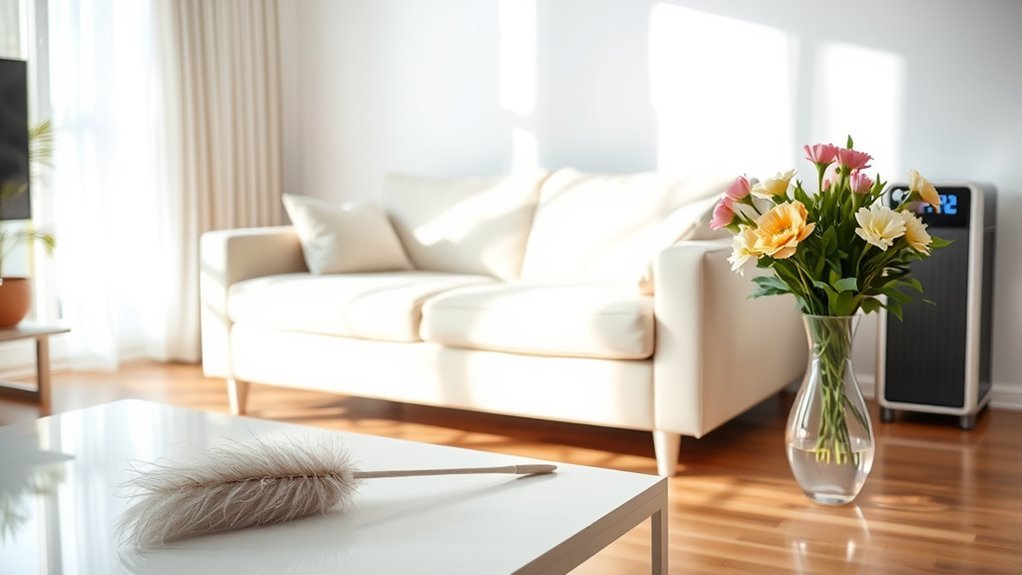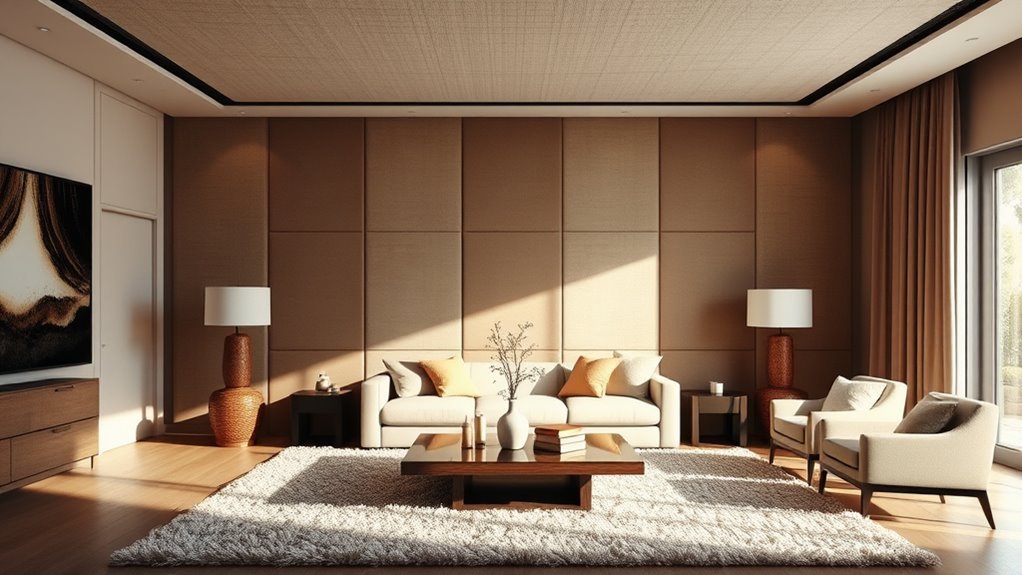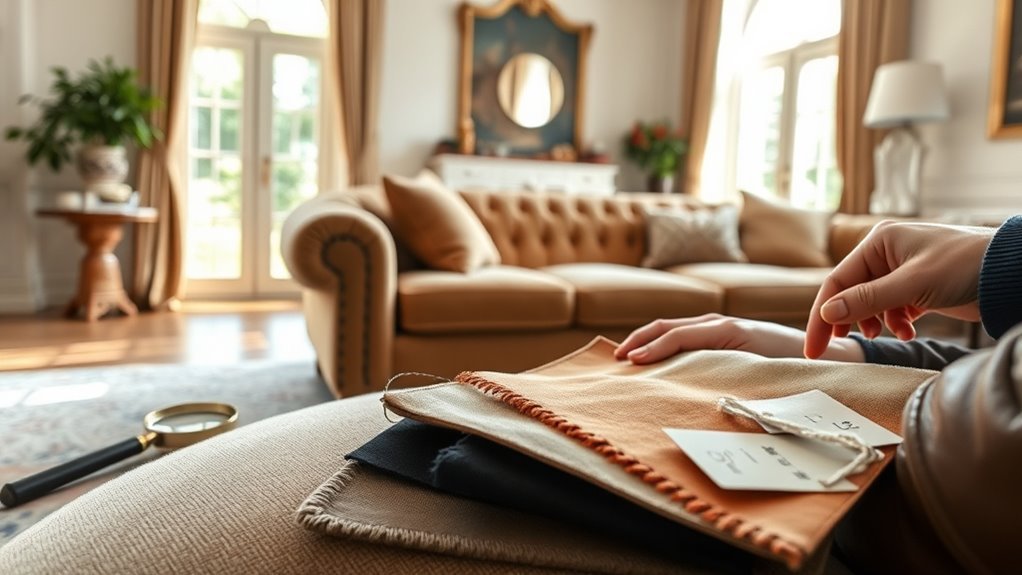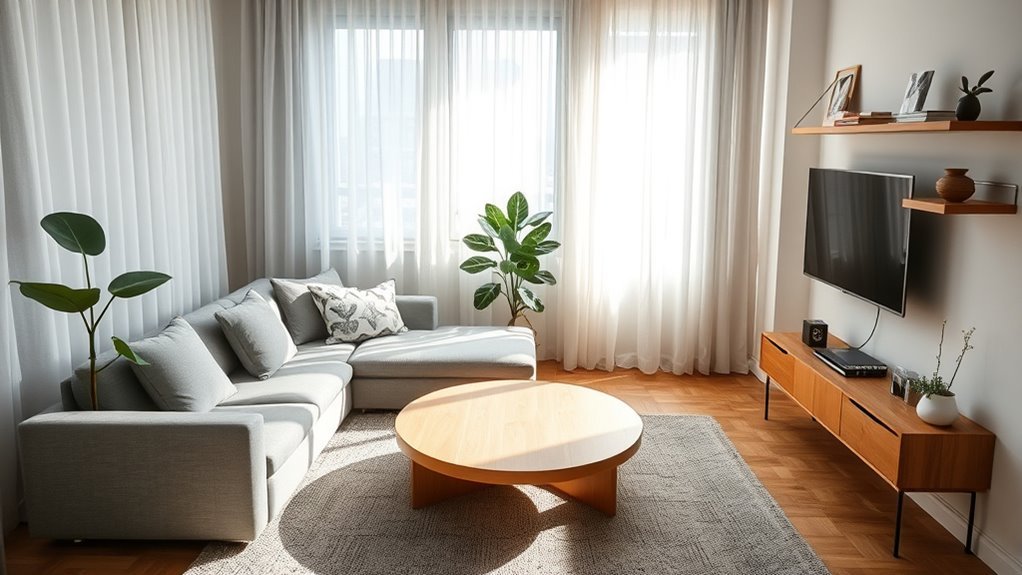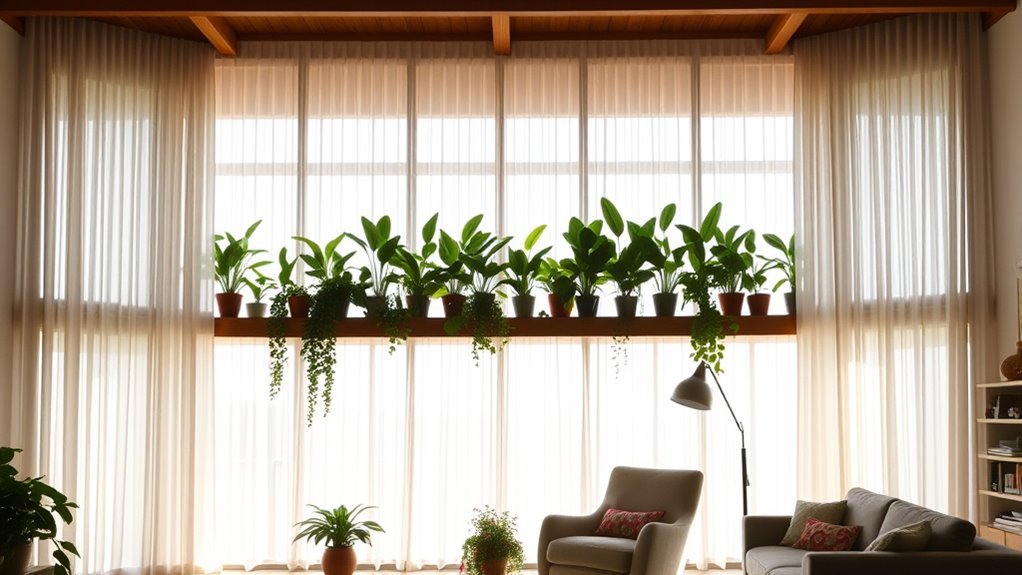
Creating privacy in a living room with large windows is about balancing three things: how much you want to block the view, how much daylight you want to keep, and whether you need the solution to be temporary or permanent. Window film, shades, blinds, curtains, shutters, and exterior screens can all work, but the best choice depends on your window size, glass type, room layout, budget, and whether you need privacy during the day, at night, or both.
Quick Answer
For large living room windows, use frosted or decorative window film for always-on privacy, solar shades or sheer curtains for daytime privacy, and layered curtains or cellular shades for nighttime privacy. Measure carefully, choose cordless coverings when children are present, and check window-film compatibility before applying film to insulated or low-e glass.
Key Takeaways
- Frosted and decorative films give steady privacy while still letting natural light through.
- One-way mirror film works best in daylight and can lose privacy at night when interior lights are on.
- Layering sheer curtains with heavier drapes or shades gives the most flexible day-to-night privacy.
- Cordless blinds and shades are the safest choice when young children are in the home.
- Before installing film, check your glass type and window warranty, especially on insulated glass units.
At a Glance
| Time Required | 30 minutes for measuring; 1–3 hours for DIY film or simple curtains; longer for custom shades, shutters, or smart glass |
| Difficulty | Easy for tension rods, curtains, and static-cling film; moderate for large adhesive film panels and mounted shades |
| Tools Needed | Metal tape measure, pencil, level, step stool, scissors or utility knife, spray bottle, squeegee, microfiber cloth, and mounting hardware if using shades or rods |
| Cost | Low for DIY film and sheers; medium for ready-made shades or drapes; high for custom shutters, motorized shades, or smart glass |
Why Privacy Is Crucial for Living Room Windows
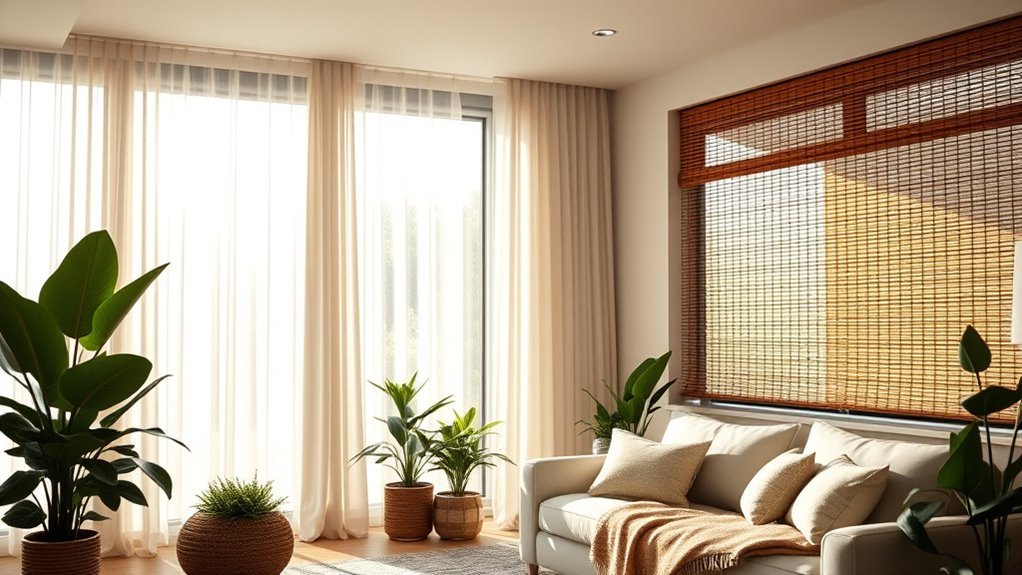
Large living room windows make a space feel bright and open, but they can also leave sofas, seating areas, TVs, and evening routines visible from sidewalks, streets, neighboring homes, or apartment buildings. Good window treatments help you control that visibility without turning the room into a dark box.
The right treatment can also improve comfort. The U.S. Department of Energy notes that window coverings can help reduce glare, provide privacy, improve comfort, and manage heat gain or heat loss, depending on the type of attachment, climate, season, and how it is used.
Instead of choosing a treatment only by appearance, decide first what kind of privacy you need: daytime privacy, nighttime privacy, partial privacy for the lower half of the window, or full privacy at all hours.
Measure Your Window Size and Shape
Accurate measurements are the foundation of a clean, private, and polished result. Large windows often have slight width or height differences, so measure more than once before ordering film, curtains, blinds, shades, or shutters.
Gather Necessary Tools
Use a metal measuring tape, pencil, notepad, level, and step stool. For wide windows, ask someone to hold the tape so it stays straight. Measure in inches or centimeters, but use one system consistently from start to finish.
Also note the window type: single pane, double-pane insulated glass, low-e glass, sliding door, bay window, arched top, transom, or window with a seat below it. These details affect whether film, inside-mount shades, outside-mount shades, curtains, or custom treatments will work best.
Measure Width and Height
Measure the width at the top, middle, and bottom of the window opening. Then measure the height at the left, center, and right. Record the smallest measurement for inside-mount blinds or shades, and record the full area you want covered for outside-mount curtains or shades.
| Measurement | Where to Measure | Use This For |
|---|---|---|
| Width | Top, middle, and bottom | Film, shades, blinds, shutters, and curtain coverage |
| Height | Left, center, and right | Panels, roller shades, cellular shades, and drapes |
| Depth | Inside the window frame | Inside-mount blinds, shades, and tension rods |
| Clearance | Above, beside, and below the frame | Outside-mount curtains, rods, tracks, and layered treatments |
Account for Window Seat
If your living room window has a window seat, measure the glass separately from the seat area. Full-length drapes may puddle awkwardly or block the seat, while film, cafe curtains, top-down bottom-up shades, or inside-mount cellular shades can add privacy without making the nook unusable.
For the cleanest look, decide whether the window seat should stay visible. If it is part of the room’s design, choose a treatment that covers the glass but leaves the seat open.
Types of Window Treatments for Privacy and Light Control
Different treatments solve different privacy problems. Some blur the view while keeping daylight. Others block the view completely but darken the room. Use the table below to match the treatment to your main goal.
| Treatment | Best For | Privacy Level | Light Control |
|---|---|---|---|
| Frosted or decorative window film | Always-on privacy, renters, bathrooms, street-facing glass | Medium to high | Keeps soft daylight |
| Solar shades | Glare control and daytime visibility outward | Daytime only | Filters light and glare |
| Sheer curtains | Soft style and light daytime screening | Low to medium | Keeps the room bright |
| Layered curtains | Flexible day and night privacy | High when closed | Adjustable from bright to dark |
| Cellular shades | Privacy, insulation, and clean lines | Medium to high | Light-filtering or blackout options |
| Plantation shutters or wood blinds | Permanent privacy with adjustable slats | Adjustable | Tilt slats for light control |
| Smart glass or switchable film | Modern homes and high-budget projects | High when switched opaque | Changes from clear to private |
| Exterior solar screens | Heat, glare, and daytime privacy from outside | Daytime only | Reduces sun before it hits the glass |
Note: Daytime privacy and nighttime privacy are not the same. Treatments that rely on outside light, such as one-way mirror film or some solar shades, may become easier to see through after dark when your living room lights are on.
Recommended Products

Top Privacy, Soft Light: Enjoy complete seclusion without sacrificing sunlight. Our film creates a frosted white wall effect, instantly blurring outdoor views for bathrooms and bedrooms. It bathes your room in a soft, natural glow, eliminating the need for gloomy curtains
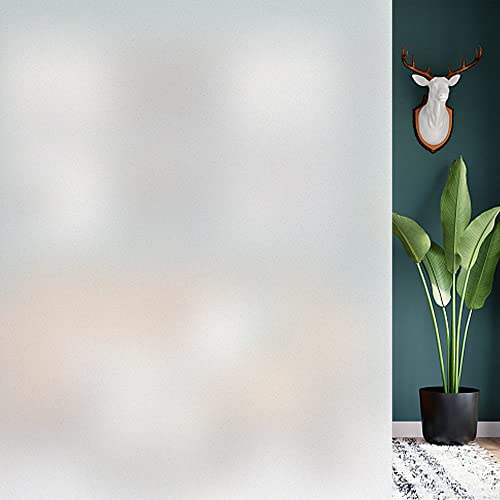
EXCELLENT PRIVACY PROTECTION: With Top Privacy Level, frosted glass window film provides 24-hour two-way privacy protection from prying eyes outside and allows soft natural light to enter. At a distance of 4 Inch from the glass, privacy of the window privacy film is ≥95%.
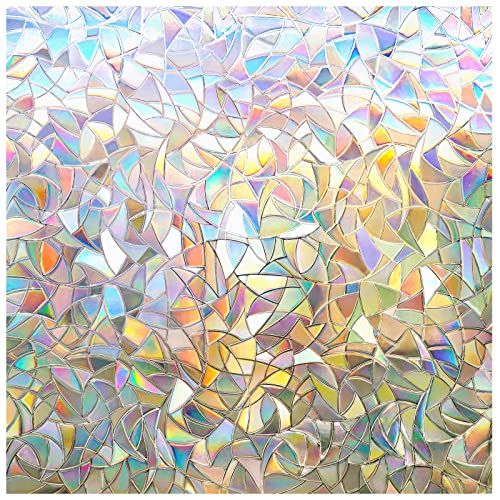
Striking Pattern, Stylish Decoration: With over 10 years of experience in window film innovation, rabbitgoo static film features unique irregular patterns that cast rainbow glows in sunlight, adding a stylish touch to your decor. A cost-effective alternative to bulky curtains, blending durability with everyday elegance
Choosing the Right Window Film
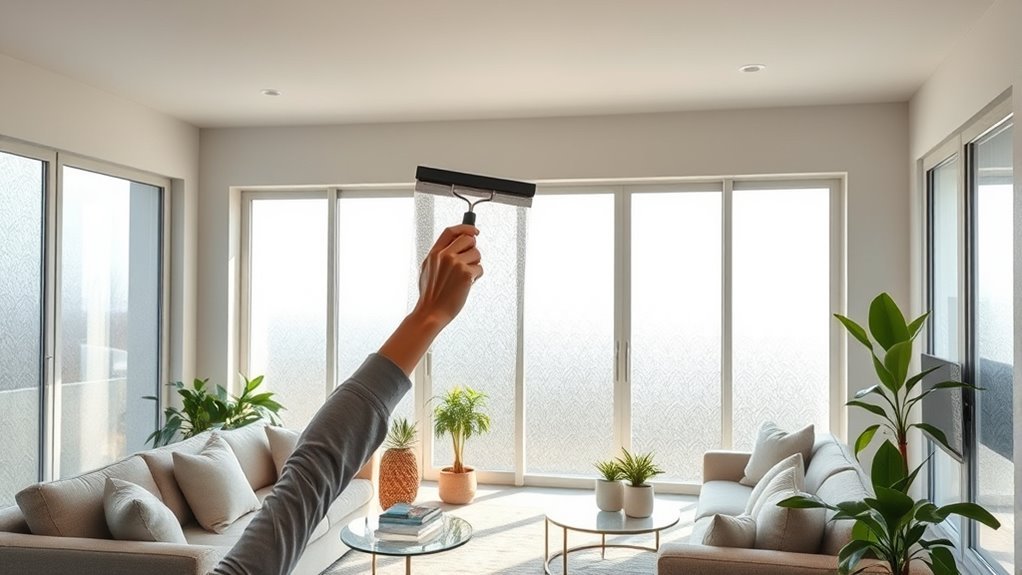
Window film is one of the simplest ways to add privacy to large living room windows without covering the entire wall with fabric. It is especially useful when you want to soften the view from outside while keeping daylight in the room.
Before buying film, look for the film type, privacy level, visible transmittance, and glass compatibility. For energy-related choices, the National Fenestration Rating Council provides ratings used to compare window performance, while the Department of Energy explains that window film labels may include solar heat gain coefficient and visible transmittance.
Recommended Products

EASY INSTALL AND REMOVE - Static and self-adhesive, not need glue to paste. Tear off easily and not leave any trace
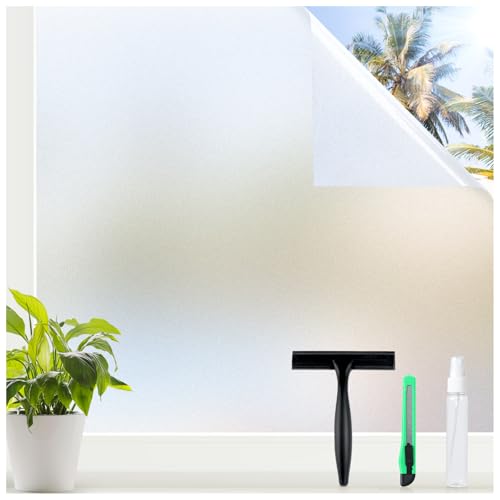
Total Privacy, Natural Light: Our frosted window film blocks prying eyes and barking dogs while letting soft, natural light brighten your space. Enjoy 24/7 privacy without sacrificing natural illumination

Privacy Without Sacrificing Brightness: Boasting an impressive 98% privacy level, the privacy window film enhances your home's seclusion by effectively obscuring the view from the outside. It's perfect for individuals who want to keep their indoor activities private without losing the benefits of natural light
Film Types Overview
- Frosted glass films: Blur the view from both sides while allowing diffused light into the room. These are strong choices for street-facing living rooms.
- Decorative patterned films: Add privacy with designs such as reeded, etched, linen, geometric, or stained-glass effects.
- Static-cling films: Good for renters or temporary updates because many can be repositioned and removed more easily than permanent adhesive films.
- One-way mirror films: Help with daytime privacy when the outside is brighter than the inside, but they are not reliable for nighttime privacy.
- Solar-control films: Help reduce glare and solar heat gain, especially on sunny exposures, but may also reduce beneficial winter sun.
- Switchable privacy film: Changes from clear to opaque with electricity. It is effective but usually costs more and may require professional installation.
Warning: Do not apply window film until you check the product label, your glass type, and your window warranty. Some films can cause heat buildup on insulated glass units or conflict with manufacturer warranty terms.
Application Techniques Explained
For large panes, clean preparation matters more than speed. Dust, lint, old adhesive, pet hair, and hard-water spots can show under film. Clean the glass thoroughly, spray the glass with the recommended application solution, place the film, and squeegee from the center outward or from top to bottom, depending on the manufacturer’s directions.
If you are installing film on a very wide window, work in sections or ask for help. Large sheets can crease, fold, or catch dust if handled alone.
Maintenance Tips Provided
After installation, let the film cure according to the product instructions before washing the glass. Use a soft microfiber cloth and a non-abrasive cleaner. Avoid scraping the film with blades, rough pads, or harsh chemicals. If an edge lifts, press it down early before dust collects under it.
Step-by-Step Guide to Applying Window Film
Follow these steps for a cleaner DIY installation:
- Measure the glass. Measure the exposed glass width and height, not just the frame.
- Cut slightly larger than needed. Leave a small overlap so you can trim the edges cleanly after placement.
- Clean the window. Remove dust, grease, paint specks, and old residue from the glass and frame edges.
- Wet the glass. Spray the glass with the solution recommended by the film manufacturer. Many DIY films use a mild soapy water solution, but always follow the product label.
- Apply the film. Peel the backing, place the film on the wet glass, and slide it gently into position.
- Squeegee bubbles out. Work from the center toward the edges or from the top down with steady pressure.
- Trim the edges. Use a sharp utility knife and straightedge to remove excess film along the sash.
- Let it cure. Avoid touching, washing, or lifting the edges until the film has fully set.
Pro Tip: A few tiny water pockets can be normal right after installation. If large bubbles remain, lift the nearest edge while the film is still wet, respray, and squeegee again before the film dries.
Creative Window Treatment Alternatives: Curtains and Blinds
If film feels too permanent or does not provide enough nighttime privacy, use fabric, shades, or blinds instead. These treatments are also easier to update when your decor changes.
- Sheer curtains: Soften the view during the day while keeping the room bright. Pair them with heavier drapes for evening privacy.
- Blackout or room-darkening drapes: Best when you want full privacy at night, TV glare reduction, or a cozier evening feel.
- Top-down bottom-up cellular shades: Let you cover the lower part of the window while leaving the top open for daylight.
- Roman shades: Add a tailored fabric look and can be lined for more privacy.
- Roller shades: Simple, modern, and available in light-filtering, solar, and blackout materials.
- Wood blinds or faux-wood blinds: Allow adjustable slat control, though small gaps may remain at night.
- Curtain tracks: Useful for wide window walls because panels glide more smoothly than on many standard rods.
Warning: If children live in or visit your home, choose cordless blinds and shades whenever possible. The U.S. Consumer Product Safety Commission says cordless window coverings are the safest option around young children.
DIY Tips for Applying Window Films
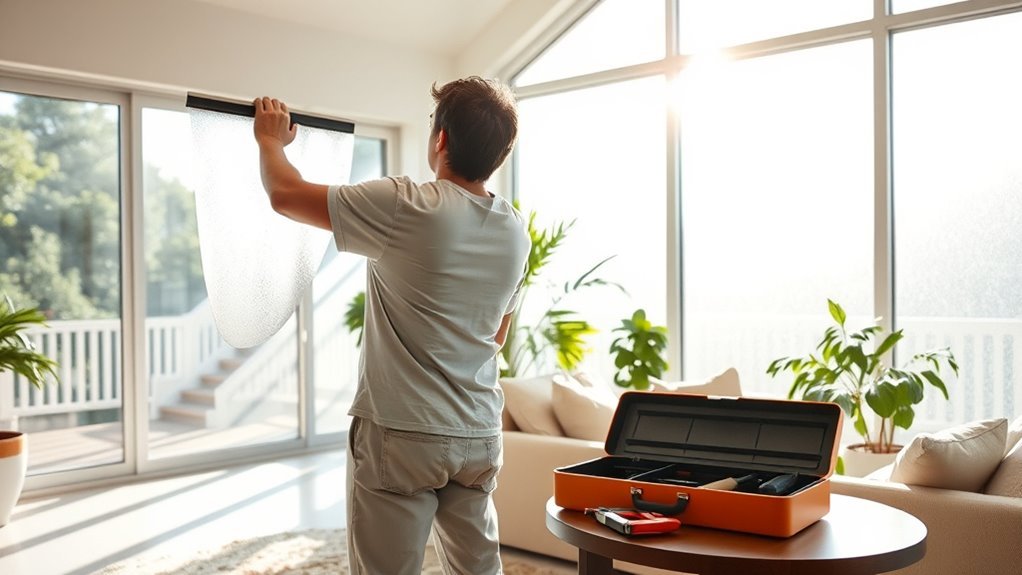
A smooth window-film project starts before the film touches the glass. Work when the window is not in direct hot sun, because heat can dry the application solution too quickly. Keep pets, fans, and open windows away from the work area while you apply the film to reduce dust.
Choose Your Film Type
Choose frosted film if privacy is your main goal, decorative film if you want a design feature, solar film if glare and heat are the main problems, and removable static-cling film if you are renting or testing the look. For living rooms, avoid choosing the darkest film automatically; it may make the room feel smaller and can reduce the open quality that makes large windows appealing.
Proper Application Techniques
Use more application solution than you think you need. A dry pane makes the film grab too quickly, which leads to wrinkles and trapped bubbles. Keep a sharp blade ready for trimming, but never cut directly into the window gasket. For oversized panes, consider hiring a professional installer, especially if the window is high, hard to reach, or made with specialty glass.
Budget-Friendly Window Treatment Solutions
Large windows can be expensive to cover, but you can still improve privacy without ordering fully custom treatments.
The most budget-friendly privacy plan is often layered: use affordable film or sheers for daytime screening, then add simple drapes or shades where you need full evening privacy.
- Use frosted film on the lower half only. This blocks the direct street-level view while keeping sky and tree views open above.
- Hang sheers on a tension rod. This is renter-friendly and works well for recessed windows.
- Choose ready-made curtain panels. Hang them high and wide so the window looks larger and panels do not block daylight when open.
- Layer inexpensive sheers with side drapes. Use the sheers during the day and close the drapes at night.
- Try cafe curtains. They cover the lower part of the glass while leaving the top open.
- Use plants strategically. Tall indoor plants can soften sightlines, but they should supplement window treatments rather than replace them.
Maintenance Tips for Your Window Treatments
Privacy treatments work best when they stay clean, smooth, and easy to operate. Add these tasks to your regular cleaning routine:
- Window film: Dust with a microfiber cloth and clean gently with a non-abrasive cleaner after the cure period.
- Sheer curtains and drapes: Vacuum with a brush attachment or launder according to the care label.
- Blinds: Dust slats regularly and check that tilt mechanisms work smoothly.
- Cellular shades: Vacuum lightly with a brush attachment and avoid crushing the cells.
- Roller shades: Wipe vinyl or solar materials gently and spot-clean fabric versions according to the manufacturer’s instructions.
- Hardware: Tighten loose brackets, rod screws, and track supports so large treatments stay safe and level.
Designing a Cohesive Look With Your Home Decor
Privacy should feel built into the room, not added as an afterthought. Match the treatment to the living room’s architecture and mood.
- Use the wall color as a guide. Choose curtains or shades close to the wall color for a calm look, or use contrast if the windows are meant to be a focal point.
- Repeat existing materials. Wood blinds can echo wood floors or furniture; linen-look shades can soften modern spaces.
- Layer textures carefully. Sheer curtains plus woven shades add warmth without making the window wall feel heavy.
- Keep hardware consistent. Match curtain rods, rings, tracks, or brackets to nearby metal finishes.
- Think about the view. If the view is pleasant above eye level, cover only the lower glass with film, cafe curtains, or top-down bottom-up shades.
Best Privacy Solutions by Situation
| Situation | Best Solution | Why It Works |
|---|---|---|
| Street-facing living room | Frosted lower-window film plus curtains | Blocks direct sightlines while preserving upper daylight |
| Close neighbors | Layered sheers and drapes | Gives soft daytime screening and full nighttime privacy |
| Bright glare on TV | Solar shades or lined curtains | Cuts glare while keeping a clean living room look |
| Rental home or apartment | Static-cling film, tension rods, or no-drill shades | Improves privacy without permanent changes |
| Large modern window wall | Ceiling-mounted track curtains or motorized shades | Handles wide spans more smoothly than small rods |
| Window seat | Top-down bottom-up shades or partial film | Adds privacy without hiding the seat |
Recommended Products

2026 Updated Backing Grids: Our window tint for home has been upgraded to the latest version! There are 1 inch grids on the backing for you to cut it easily. Now you can complete the installation more easily!

Enjoy Natural Light and Privacy: This privacy window film is the perfect alternative to heavy curtains or blinds during the summer months. It provides privacy by obscuring shapes and preventing curious onlookers from peeping inside. The decorative window film also softens harsh sunlight while still allowing natural light to filter in

Colorful Visual Effect: This decorative window film features a unique 3D laser design that creates a colorful, glittery rainbow effect when the sunlight shines through it. The timeless and exquisite mosaic pattern adds attractive design for an updated look to your window that mimics stained glass
Related Guides
Frequently Asked Questions
How do you get privacy with large living room windows?
Use a layered approach. Frosted or decorative film works well for constant privacy, sheer curtains or solar shades work well during the day, and lined drapes, cellular shades, shutters, or blackout shades provide stronger privacy at night.
What can I put on my windows so I can see out but nobody can see in?
Solar shades and one-way mirror film can help during the day, especially when it is brighter outside than inside. They are not reliable for nighttime privacy. For evening use, add curtains, blinds, cellular shades, or shutters that physically block the view.
How do you make a living room window more private without losing light?
Choose frosted film, reeded-glass-style film, sheer curtains, light-filtering cellular shades, or top-down bottom-up shades. These options blur the view while still allowing daylight to enter the room.
Is window film good for nighttime privacy?
Frosted and opaque decorative films can provide nighttime privacy because they blur the view from both sides. One-way mirror film usually does not provide dependable nighttime privacy when lights are on inside.
Are blinds or curtains better for privacy?
Curtains usually provide stronger full-window privacy when closed. Blinds provide more adjustable light control, but small gaps can remain between slats. For the most flexibility, combine blinds or shades with side curtains.
How do you create zones in a large living room while adding privacy?
Use the window treatments to support each zone. For example, place a reading chair behind soft sheers, use an area rug to define the seating area, and position tall plants or a console table near the window wall to soften sightlines without blocking circulation.
Conclusion
Creating privacy in a living room with large windows does not mean sacrificing daylight or style. Start with careful measurements, decide whether you need daytime privacy, nighttime privacy, or both, and choose a treatment that matches your glass type, budget, and decor. Frosted film, sheer curtains, layered drapes, cellular shades, shutters, and cordless blinds can all work beautifully when used in the right situation. With the right mix, your living room can stay bright, comfortable, and private.
Sources
- U.S. Department of Energy: Energy Efficient Window Coverings — backs up window covering benefits, film considerations, glare, privacy, heat gain, and cleaning/warranty cautions.
- U.S. Consumer Product Safety Commission: Window Covering Cords — backs up the recommendation to choose cordless window coverings around young children.
- National Fenestration Rating Council — backs up the use of window performance ratings such as visible transmittance and solar heat gain coefficient.
- Attachments Energy Rating Council — supports energy-rating context for window attachment products.
- Efficient Window Coverings Collaborative — supports additional consumer guidance on window coverings and attachments.