
Outside noise in a living room usually enters through the weakest parts of the room: small air gaps, thin windows, hollow doors, vents, and lightweight wall or floor assemblies. The best fix is not one magic product. Start with sealing leaks, then improve windows and doors, then add absorption and structural upgrades only where they make sense.
Quick Answer
To reduce outside noise in your living room, seal air gaps around windows and doors first, then add heavy curtains, cellular shades, or removable window inserts. For louder traffic or aircraft noise, upgrade to better-sealed windows, solid-core doors, added drywall, resilient channels, rugs, and soundproof underlayment.
Key Takeaways
- Seal gaps before buying expensive soundproofing products; air leaks are often sound leaks.
- Windows and doors are usually the biggest weak spots in a living room facing traffic, neighbors, or street noise.
- Curtains, rugs, and acoustic panels help absorb echo inside the room, but they do not replace sealed barriers.
- For serious noise, combine mass, airtight sealing, damping, and decoupling instead of relying on one material.
At a Glance
| Time Required | 1 afternoon for basic sealing; 1 weekend for curtains, rugs, and inserts; several days for wall or ceiling upgrades. |
| Difficulty | Easy for weatherstripping and curtains; moderate to advanced for window inserts, drywall, resilient channels, or electrical-box sealing. |
| Tools Needed | Tape measure, flashlight, caulk gun, utility knife, screwdriver, weatherstripping, acoustic sealant, door sweep, curtains, rugs, and optional sound meter app. |
| Cost | Low for sealing and soft furnishings; medium for custom inserts; high for replacement windows, added drywall, or contractor-built wall and ceiling assemblies. |
Common Noise Issues in Living Rooms and Why Soundproofing Matters

Living rooms often sit near the street, front entry, balcony, shared wall, or exterior windows, which makes them vulnerable to traffic, barking dogs, sirens, construction, aircraft, neighbors, and footstep vibration. Reducing that noise can make the room feel calmer, improve speech clarity, and make movie nights, reading, work, or rest easier.
It helps to understand the two main goals. Sound blocking stops noise from entering by using airtight, heavy, well-sealed barriers. Sound absorption reduces echo inside the room with soft or porous materials such as curtains, rugs, upholstered furniture, and acoustic panels. You usually need both, but blocking should come first when the problem is outside noise.
Health agencies treat noise as more than a minor annoyance. The World Health Organization describes environmental noise as a public health issue with negative effects on health and well-being, while the National Institute on Deafness and Other Communication Disorders explains that loud or long-lasting noise exposure can damage hearing. For a living room project, the practical takeaway is simple: make the room quieter, but do not expect any single product to create total silence.
Step 1: Identify and Measure the Main Sources of Noise
Before buying materials, spend 15–30 minutes finding where the noise is actually entering. Stand near each window, exterior door, outlet, vent, baseboard, fireplace, and shared wall while the noise is happening. A phone sound meter app can help you compare before-and-after changes, but treat it as a rough guide rather than a professional measurement tool.
- For air leaks: Look for daylight around doors and windows, feel for drafts, and listen for whistling or sharper sound near gaps.
- For window vibration: Lightly touch the glass or frame during traffic, bass, or aircraft noise. Rattling usually means the sash, frame, or glass needs a better seal.
- For impact noise: Notice whether the problem is footsteps, thuds, or vibration through the floor or ceiling rather than airborne traffic noise.
- For echo: Clap once in the room. A bright ringing sound means you need more absorption, even if you also need better blocking.
Note: Decibels are logarithmic, so small measured changes can still feel noticeable. The CDC/NIOSH explains that a sound 10 dB louder is ten times more intense.
Step 2: Seal Gaps Around Windows, Doors, and Penetrations
Air gaps are often the cheapest and most effective place to start. Sound travels through cracks, so even a small opening around a window sash, door frame, cable hole, or outlet can reduce the benefit of heavier materials nearby.
Use weatherstripping on movable joints, acoustic sealant on stationary gaps, and a door sweep at the bottom of exterior or hallway doors. Acoustic sealant stays more flexible than standard brittle caulk, which helps it handle small building movement without cracking open.
- Apply adhesive foam, silicone, or magnetic weatherstripping where window sashes and doors meet their frames.
- Use acoustic sealant around baseboards, trim gaps, window trim, and small cracks where air moves.
- Add a door sweep or automatic door bottom to close the gap under the door.
- Use outlet gaskets on exterior walls, but turn off power and follow electrical safety rules before removing plates.
Warning: Do not seal required ventilation, combustion-air openings, or emergency egress windows and doors. If a gap connects to wiring, gas lines, a fireplace, or HVAC equipment, use the correct rated material or call a qualified professional.
Step 3: Pick the Best Window Treatments for Soundproofing
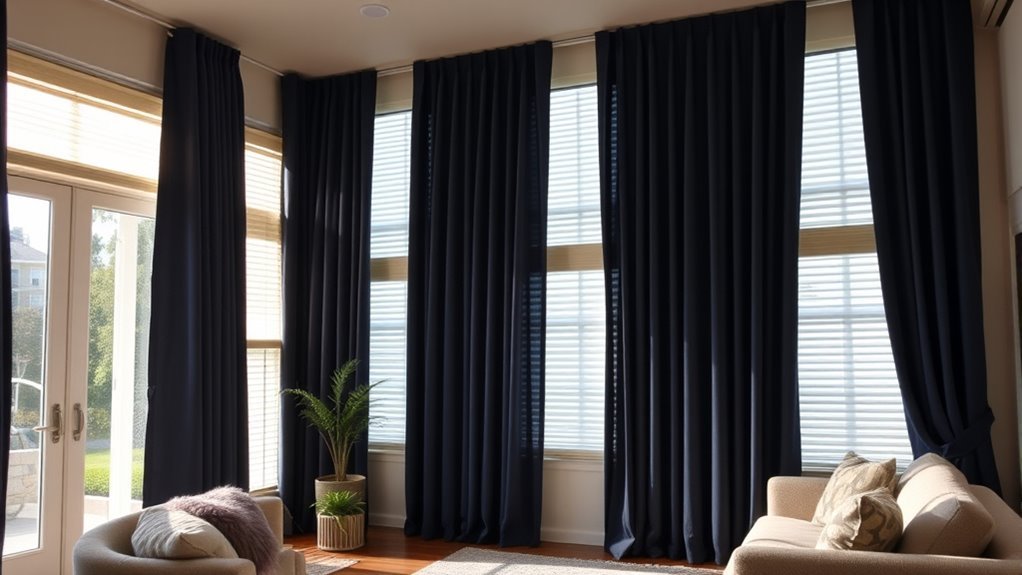
Windows are usually the biggest weak spot in a noisy living room. Thin glass, loose sashes, and unsealed frames let in airborne noise from traffic, people, dogs, sirens, and landscaping equipment. Start with sealing, then choose the window upgrade that fits your budget and rental situation.
Recommended Products

Upgraded Wedge Design: This window draft stopper features an upgraded wedge design, tapering from 5/32" to 11/32" (0.16"–0.35") to fit a wide variety of gap sizes. Ideal for use on various doors and windows

【STOP WINDOW HUM & LOW-FREQUENCY VIBRATION】Traffic, trucks, helicopters, subwoofers, construction, and strong wind can cause windows to vibrate, hum, and amplify low-frequency noise indoors. Window VibeStop helps reduce glass resonance and minimize the low-frequency vibration many people notice most at night.
Upgraded Wedge Design: This window draft stopper features an upgraded wedge design, tapering from 5/32" to 11/32" (0.16"–0.35") to fit a wide variety of gap sizes. Ideal for use on various doors and windows
Acoustic Curtains and Cellular Shades
Heavy, floor-length curtains and cellular shades can make the room feel quieter by absorbing reflections and reducing some sound leakage around the glass area. Choose dense fabric, full coverage past the window frame, and a tight overlap at the center. Curtains work best when they reach close to the wall and floor rather than hanging loosely several inches away from the opening.
Do not expect curtains alone to block heavy traffic or aircraft noise. They are a comfort layer, not a sealed window assembly. Pair them with weatherstripping, window inserts, or storm windows for better results.
Window Inserts, Storm Windows, and Secondary Glazing
Interior window inserts create a second barrier and an air gap between the existing window and the room. That air gap, plus a tight perimeter seal, can make a noticeable difference, especially for older single-pane or loose windows. The U.S. Department of Energy notes that storm windows can reduce drafts, increase comfort, reduce noise, and act as an air-sealing measure.
For the best acoustic performance, look for inserts or storm windows with tight compression seals, sturdy frames, and glass or acrylic panels sized to the exact opening. If you own the home and the noise is severe, ask a window professional about laminated acoustic glass, improved seals, or replacement windows rated for outdoor noise reduction.
Window Option Comparison
| Option | Best For | Limit |
|---|---|---|
| Weatherstripping and sealant | Drafty or rattling windows | Will not fix thin glass by itself |
| Heavy curtains | Echo, glare, and mild street noise | Limited blocking without sealed edges |
| Interior window inserts | Renters or older single-pane windows | Must be measured and sealed well |
| Laminated or acoustic glazing | Persistent road, rail, or aircraft noise | Higher cost and often professional installation |
Step 4: Strengthen Doors and Entry Points
A hollow-core door or a door with a visible bottom gap can let in a surprising amount of noise from hallways, streets, shared entries, and apartment corridors. Treat the door like a window: improve the seal first, then add mass if needed.
- Install perimeter weatherstripping around the top and sides of the door frame.
- Add a door sweep, draft stopper, or automatic door bottom to close the threshold gap.
- Use a solid-core door where allowed and practical; it usually blocks sound better than a hollow-core door.
- Seal around the door casing if sound leaks through the trim line.
Pro Tip: If the door still leaks sound after weatherstripping, turn off the room lights at night and look for light around the door. Wherever light passes through, sound can usually pass through too.
Recommended Products

Superior Weatherproofing: Enhance your home's insulation with the Vinyl Cinch U-Shape Slide-On Under Door Seal. This innovative design effectively blocks drafts and dust, maintaining a comfortable indoor temperature year-round. Made from high-quality vinyl, it ensures a tight seal under your door, reducing energy consumption and lowering heating and cooling costs.

XCLUDER RODENT PROOF OVERHEAD SECTIONAL DOOR SEAL KIT is designed for residential and commercial applications. Kit includes everything needed for installation: retainer, door seal, brush seal, mounting screws and instructions.

PREMIUM MATERIALS - The Door Draft Stopper are made of silicone material, which can bend and deform. Draft stopper for bottom of door is very flexible and will not damage your floor. Door strip is also very sturdy and has a longer service life. Size: 2” W x 39” L
Step 5: Enhance Walls and Ceilings With Soundproofing Materials
If sealing, windows, and doors do not solve the problem, the noise may be entering through lightweight walls, ceilings, soffits, or shared framing. This is where soundproofing becomes more construction-heavy. The goal is to add mass, improve airtightness, add damping, and reduce vibration transfer through decoupling.
Recommended Products

Extensive Usage: Facilitates convenient access to concealed communication channels in both indoor and outdoor environments The plastic panel finds extensive application in gaining entry to plumbing, electrical, computer Internet, and television networks, security systems, sprinkler system setups, HVAC or duct systems. Offers an aesthetically pleasing solution for concealing cables, unsightly apertures in ceilings or walls, water valves, and various types of renovation projects

Extensive Usage: Facilitates convenient access to concealed communication channels in both indoor and outdoor environments The plastic panel finds extensive application in gaining entry to plumbing, electrical, computer Internet, and television networks, security systems, sprinkler system setups, HVAC or duct systems. Offers an aesthetically pleasing solution for concealing cables, unsightly apertures in ceilings or walls, water valves, and various types of renovation projects

Complete Coverage Package: Includes 12 fiberboard panels that are 2'x4' each, for a total of 96 sq. ft
Choose Effective Soundproofing Materials
Mass-loaded vinyl, sound-rated drywall, mineral wool, and damping compounds can all help when used in a complete assembly. Adding one layer of material without sealing gaps will not perform well. Soundproofing ratings such as STC can help compare partitions, but ASTM E413 notes that single-number ratings are not ideal for transportation noise such as motor vehicles, aircraft, and trains. For exterior noise, low-frequency performance and the quality of the window, door, and façade assembly matter.
Install Resilient Channels Properly
Resilient channels can reduce sound transfer by decoupling drywall from framing, but only when installed correctly. They are easy to short-circuit with the wrong screw length or placement. For best results, follow the manufacturer’s layout, avoid fastening the drywall directly into studs through the channel, and seal the perimeter with acoustic sealant.
If you are adding a second drywall layer, a damping compound between layers can help reduce vibration. This is usually a better homeowner or contractor project than a renter project, because it changes the wall or ceiling assembly.
Apply Acoustic Panels Strategically
Acoustic panels are useful for reducing echo, improving TV sound, and making conversations clearer. They do not stop much outdoor noise from entering unless they are part of a heavier sound-blocking assembly. Place panels at first reflection points, on large bare walls, or behind seating areas where sound feels harsh.
Use panels after you address windows, doors, and air gaps. Otherwise, you may make the room less echoey while the same outside noise continues to enter.
Step 6: Choose Flooring Solutions to Reduce Impact Noise
Floors matter most when the problem is impact noise: footsteps, dropped objects, chair movement, or vibration from below. Thick rugs, dense rug pads, cork, rubber flooring, and acoustic underlayment can help reduce impact sound and soften echo in the room.
For renters, start with large area rugs and dense felt or rubber rug pads in high-traffic zones. For homeowners replacing flooring, ask about acoustic underlayment that is compatible with your flooring type. Seal gaps around flooring edges and thresholds so sound does not leak through perimeter cracks.
Easy Soundproofing Tips for Renters

Renters should focus on reversible upgrades that do not damage the unit. You can still make a meaningful improvement without opening walls or replacing windows.
- Use removable weatherstripping where the lease allows it.
- Add a removable door draft stopper or non-permanent door sweep.
- Hang heavy curtains on tension rods or landlord-approved hardware.
- Use removable interior window inserts if your window type allows a safe fit.
- Add thick rugs and dense rug pads, especially near windows, doors, and seating areas.
- Place filled bookcases, upholstered furniture, or textile wall hangings against noisy shared or exterior walls.
Note: Always check your lease before drilling, caulking, changing doors, or attaching anything permanent to windows, walls, or ceilings.
Troubleshooting: Why Outside Noise Is Still Getting In
If the room is still noisy after basic fixes, the sound may be flanking around the area you treated. Flanking means noise travels through a side path rather than directly through the window or wall you upgraded.
- If traffic rumble remains: Low-frequency noise is hard to block. You may need laminated glazing, a larger air gap, heavier wall assemblies, or professional help.
- If voices are clearer but the room still feels loud: Add rugs, curtains, upholstered furniture, and acoustic panels to reduce reflections.
- If one window still dominates: Re-check the sash lock, trim gaps, frame seal, and any rattling glass.
- If hallway noise enters: Focus on the door sweep, threshold, perimeter seals, and door mass.
- If noise enters through vents: Do not block required ventilation. Ask an HVAC professional about lined ductwork, baffles, or quieter grilles.
Essential Maintenance Tips for Soundproofing
Soundproofing works best when seals stay tight. Once or twice a year, inspect the living room and refresh the weak points before they become obvious again.
- Check weatherstripping for compression, peeling, or gaps.
- Inspect acoustic sealant around trim, window frames, and baseboards for cracks.
- Tighten loose window locks, latches, and door hardware.
- Clean curtains, rugs, and acoustic panels so they keep absorbing sound effectively.
- Recheck noise levels with the same phone app and the same room location if you want a rough before-and-after comparison.
Frequently Asked Questions
Can you block 100% of outside noise?
No normal living room upgrade can block 100% of outside noise. The realistic goal is a noticeable reduction. Seal gaps, improve windows and doors, add soft absorption, and use structural upgrades if the noise is severe.
Is there a device that cancels outside noise in a living room?
Noise-canceling headphones can help one person, and white noise machines can mask distracting sounds, but they do not soundproof the room. For the room itself, physical fixes such as sealing, inserts, doors, rugs, and wall assemblies work better.
What is the cheapest way to reduce outside noise?
The cheapest starting point is sealing air gaps with weatherstripping, acoustic sealant, and a door sweep. After that, add thick curtains, rugs, and dense rug pads to reduce echo and soften the room.
Do acoustic panels stop street noise?
Acoustic panels mainly absorb sound inside the living room. They can make the room less echoey, but they do not replace sealed windows, solid doors, or heavier wall assemblies for blocking street noise.
Are double-pane or triple-pane windows always better for noise?
Not always. Better seals, laminated glass, pane thickness, air-gap depth, and installation quality all affect noise reduction. A well-sealed window insert or acoustic glazing can outperform a poorly installed standard replacement window.
What blocks sound from outside the best?
The best sound blockers combine airtight sealing, mass, damping, and decoupling. In a living room, that usually means sealed windows and doors first, then window inserts or acoustic glazing, and finally heavier wall or ceiling assemblies if needed.
Conclusion
Reducing outside noise in your living room works best when you fix the weakest paths first. Seal gaps around windows and doors, improve the window assembly, add a better door seal, then use curtains, rugs, and acoustic panels to absorb sound inside the room. If noise is still intrusive, consider heavier wall, ceiling, or flooring upgrades. With the right sequence, your living room can feel noticeably calmer without wasting money on fixes that only treat part of the problem.
Sources
- World Health Organization: Environmental Noise Guidelines for the European Region — supports the health and well-being relevance of environmental noise.
- NIDCD: Noise-Induced Hearing Loss — supports decibel and hearing-risk context.
- CDC/NIOSH: About Occupational Hearing Loss — supports 85 dBA context and the logarithmic nature of decibels.
- U.S. Department of Energy: Storm Windows — supports storm windows, comfort, draft reduction, and noise reduction guidance.
- ASTM E413-22: Classification for Rating Sound Insulation — supports limitations of single-number sound ratings and their use in building acoustics.