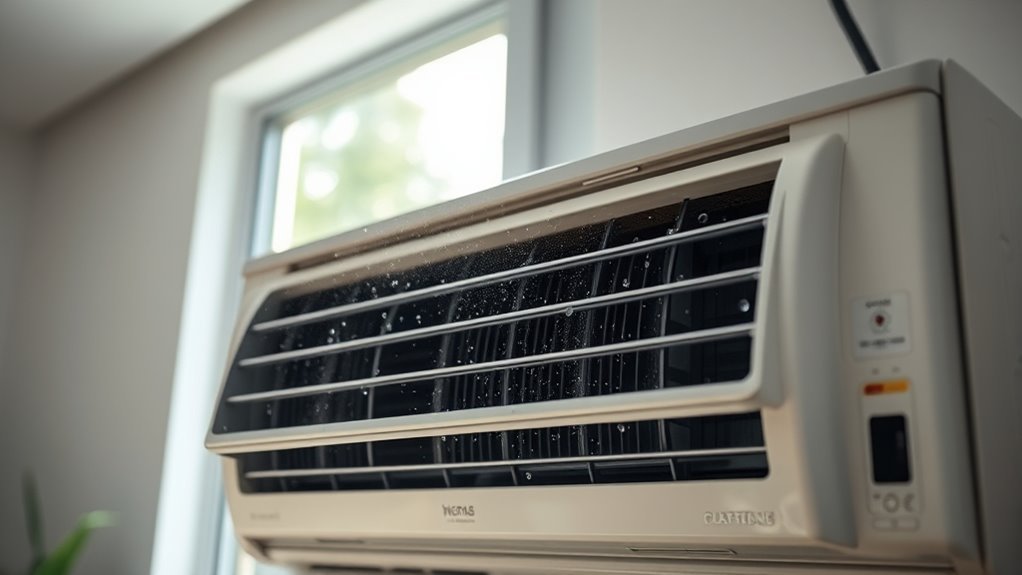
The best dehumidifier for an RV depends on whether you need active moisture removal while the RV is parked and occupied, or passive protection while it is stored. For most small-to-medium campers with shore power, a compact thermoelectric model with auto shut-off is the most practical choice. For unattended storage, a refillable or large-capacity moisture absorber can help in cabinets and enclosed areas, but it will not replace ventilation, leak repair, or a powered dehumidifier during severe humidity.
Affiliate disclosure: As an Amazon Associate, we may earn from qualifying purchases made through links in this article, at no extra cost to you. Product specifications and listing details can change, so confirm the current Amazon page and manual before ordering.
Quick verdict: The BREEZOME 60 OZ offers the best balance of tank size, quiet operation, and portability for many RV owners. Choose the Levoair 68oz or UBBO 95oz when continuous drainage matters. The Afloia Mini Cordless and Camco absorbers are better for wardrobes, cabinets, and parked-RV storage than for controlling humidity throughout an occupied camper.
Important: Operate powered units only while the RV is parked, upright, and connected to a suitable power source. Secure or remove any water-collecting unit before driving.
Quick Comparison of RV Dehumidifiers
| Product | Type | Best For | Drainage | Main Limitation | Amazon |
|---|---|---|---|---|---|
| Afloia Mini Cordless | Renewable desiccant | Cabinets and enclosed storage | No liquid tank | Not a whole-RV solution | Check Price |
| BeOkay DH-A2 | Thermoelectric | Small campers and sleeping areas | Removable tank | Modest extraction rate | Check Price |
| BREEZOME 60 OZ | Dual thermoelectric | Best all-around powered option | 1.8 L tank | Performance drops in cool air | Check Price |
| Camco 44282 Bucket | Passive absorber | Long-term parked-RV storage | Disposable bucket | Must remain level and stationary | Check Price |
| BEDRED 95oz | Thermoelectric | Large tank and fewer emptying trips | 95 oz tank | No verified extraction rate | Check Price |
| Camco 44280 | Refillable passive absorber | Small storage zones | Refillable container | Lavender fragrance | Check Price |
| Levoair 68oz | Dual thermoelectric | Best continuous-drain value | Tank or 5 ft hose | Needs a downhill drain route | Check Price |
| UBBO 95oz | Dual thermoelectric | Higher advertised extraction | Tank or drain hose | Peak rating uses ideal conditions | Check Price |
| NeedDuck 44oz | Thermoelectric | Lightweight, low-watt use | 44 oz tank | Best for light moisture loads | Check Price |
Afloia Mini Cordless Dehumidifier for Small Spaces
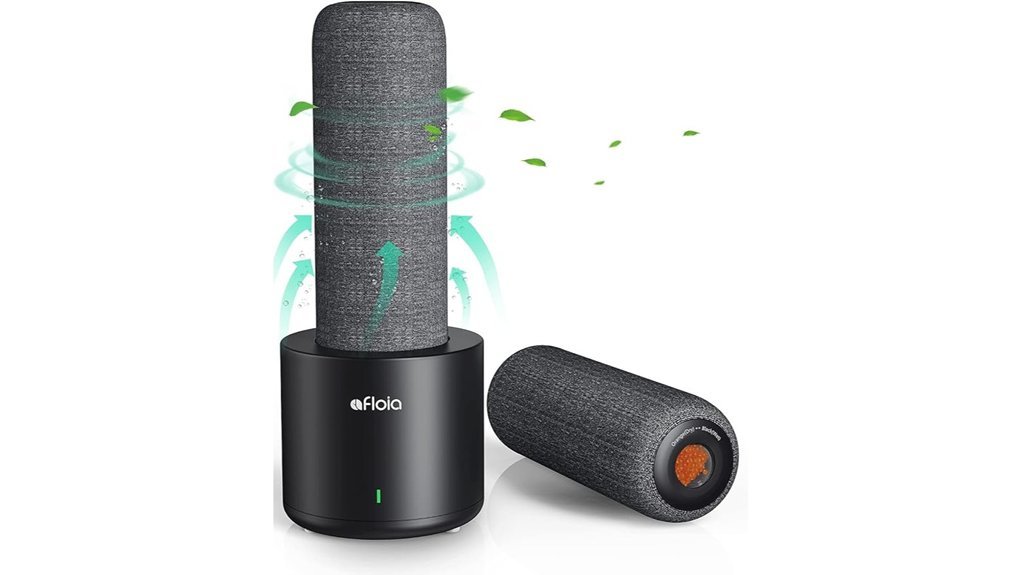
Best for RV cabinets and enclosed storage: The Afloia Mini Cordless is a renewable silica-gel unit designed for very small areas. Its rated 4-fluid-ounce figure is the amount it can hold before regeneration, not a daily extraction rate. That makes it useful in wardrobes, under-sink cabinets, electronics compartments, or other enclosed RV spaces, but it should not be presented as a replacement for a powered dehumidifier in the main living area.
The compact 360-degree design works without a cord while absorbing moisture. When the beads become saturated, place the unit on its heating base for roughly two hours to dry and renew them. This approach avoids a liquid tank, which reduces spill concerns in storage areas.
Why You’ll Like It:
- Cordless operation fits cabinets and places without a nearby outlet.
- Renewable silica gel reduces the need for disposable moisture-absorber refills.
- No open liquid tank to empty after each use.
Who Should Avoid It:
- Anyone trying to control humidity throughout an occupied RV.
- Owners with active leaks, heavy condensation, or persistently high humidity.
- Buyers who do not want to use a separate heating base for regeneration.
BeOkay DH-A2 Compact Dehumidifier
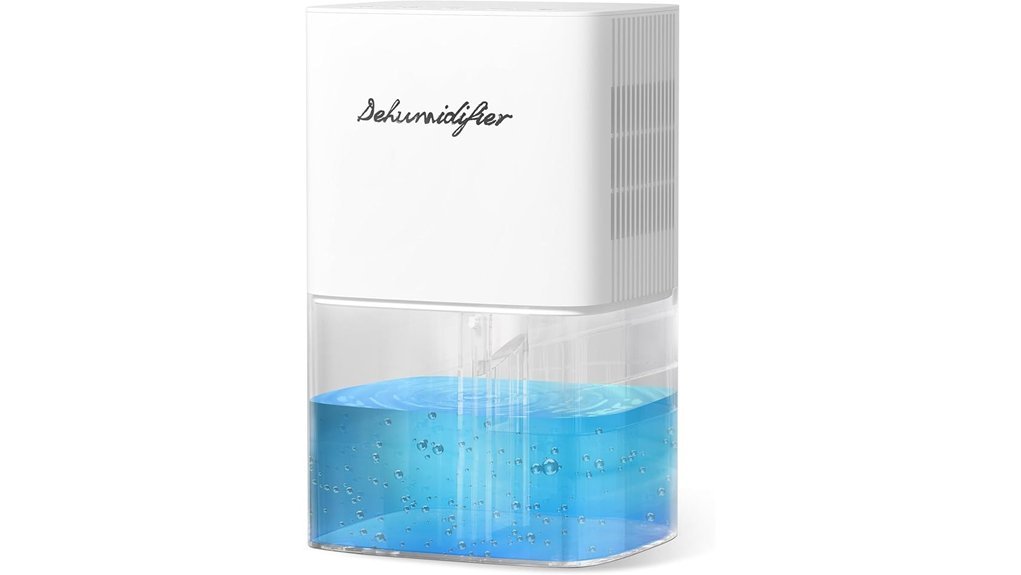
Best compact powered pick: The BeOkay DH-A2 is a 28-watt thermoelectric model with an advertised extraction rate of up to 0.3 liters per day under favorable conditions. Its small footprint, three operating modes, timer, auto shut-off, and adjustable night lights suit a compact camper, wet bath area, or sleeping zone while the RV is parked.
Current listing and manual copies do not consistently show the same tank volume, so buyers should verify the exact capacity on the Amazon page before ordering. More importantly, judge this model by its 0.3-liter-per-day extraction rating rather than the broad square-foot coverage number.
Why You’ll Like It:
- Low 28-watt draw is easier to plan around than a full-size compressor unit.
- Sleep mode and adjustable lighting make it bedroom-friendly.
- Auto shut-off helps prevent tank overflow when used on a level surface.
Who Should Avoid It:
- Owners dealing with severe condensation or water intrusion.
- Cold-weather campers, because thermoelectric performance falls as temperatures drop.
- Anyone who needs continuous hose drainage.
BREEZOME 60 OZ Dual-Semiconductor Dehumidifier
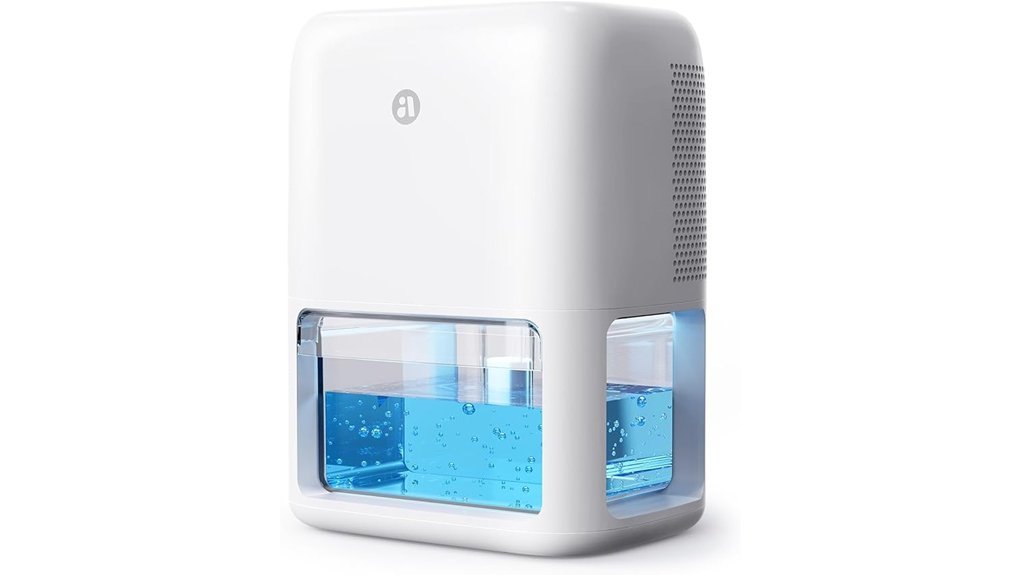
Best overall for many RV owners: The BREEZOME 60 OZ combines a 1.8-liter tank with dual-semiconductor moisture removal, a carrying handle, timer, sleep mode, auto shut-off, and optional lighting. The manufacturer advertises extraction of up to 700 mL per day, but that figure should be treated as an ideal-condition rating rather than a guaranteed result inside every RV.
Its larger tank can reduce emptying frequency compared with very small countertop models, while the listed 35 dB sleep mode is better suited to overnight use. It is a practical fit for small-to-medium RV interiors when used with shore power and adequate airflow around the unit.
Why You’ll Like It:
- Good balance of tank size, portability, and quiet operation.
- Timer and auto shut-off simplify routine use.
- Dual-semiconductor design provides more extraction potential than basic single-plate mini units.
Who Should Avoid It:
- Campers who need a hose for unattended continuous drainage.
- Owners expecting the advertised coverage figure to equal compressor-level performance.
- Cold-climate users who regularly camp below the effective range of thermoelectric units.
Camco 44282 Moisture Absorber Bucket for RV Storage
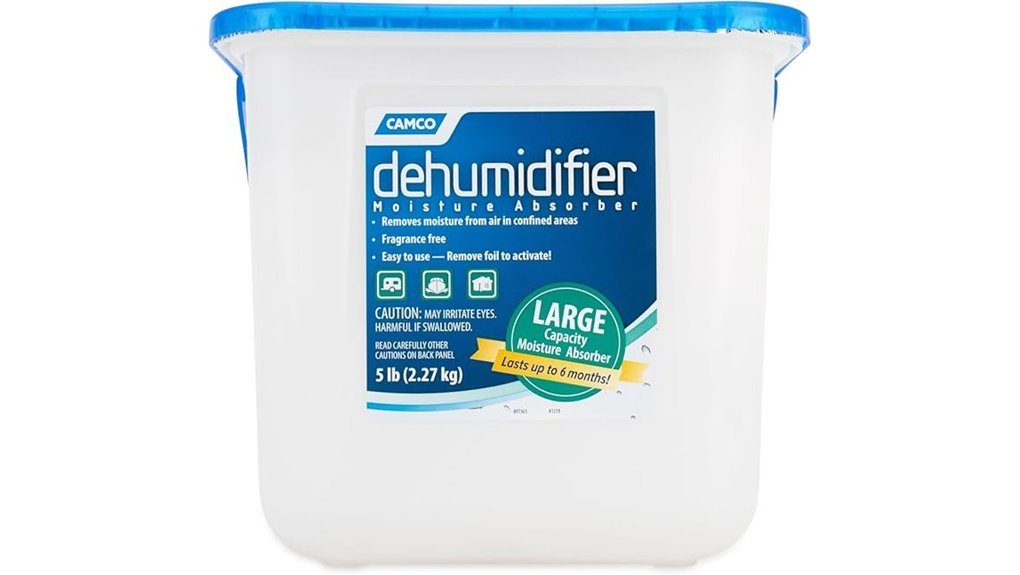
Best for long-term parked-RV storage: The Camco 44282 is a large, fragrance-free, 5-pound passive moisture-absorber bucket made for campers and other enclosed storage spaces. It requires no electricity and is more appropriate for an RV that will remain parked than for an occupied camper with an active humidity problem.
Place the bucket on a stable, level surface where it cannot tip, and remove or securely store it before moving the RV. Passive crystals collect liquid as they work, so this product should not be treated as spill-proof or used as a substitute for repairing roof, plumbing, window, or seal leaks.
Why You’ll Like It:
- No electricity, fan noise, or daily control settings.
- Large 5-pound format is better suited to seasonal storage than a small cup.
- Fragrance-free design avoids adding scent to a closed RV.
Who Should Avoid It:
- Travelers who want to use the absorber while the vehicle is moving.
- Owners who need measurable, active whole-RV humidity control.
- Anyone unable to place it where children, pets, and stored gear cannot disturb it.
BEDRED 95oz Thermoelectric Dehumidifier
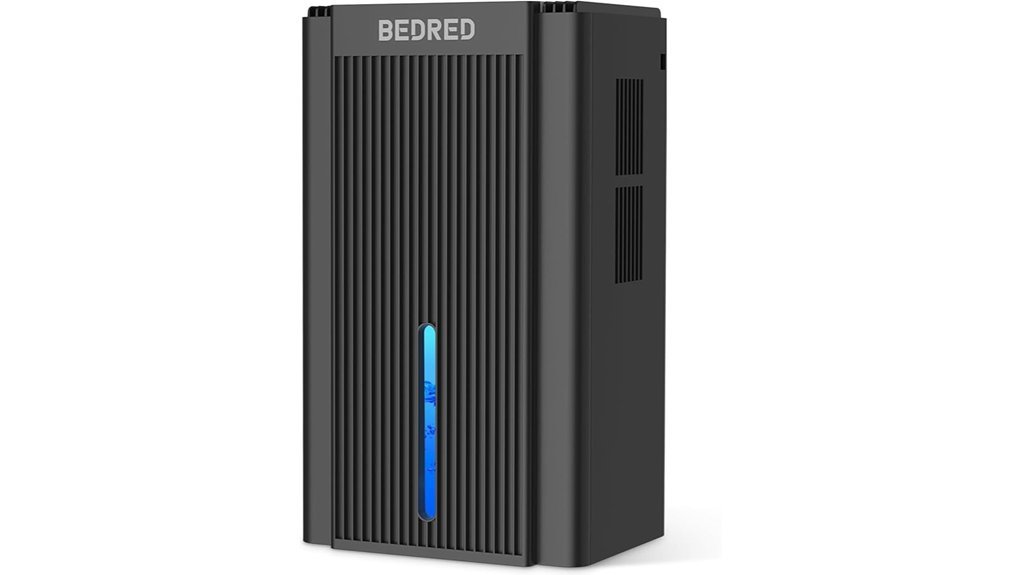
Best for a larger tank: This listing is for the BEDRED CT11, a thermoelectric dehumidifier with a 95-fluid-ounce tank, auto shut-off, sleep mode, and seven ambient-light options. Its large advertised coverage number should be viewed as marketing guidance, not proof that a compact semiconductor unit will perform like a compressor dehumidifier across 1,000 square feet.
For RV use, the main benefit is the larger tank, which can reduce how often you empty collected water. The listing does not provide a clearly verified daily extraction rate, so compare it cautiously with models that publish moisture-removal performance under stated temperature and humidity conditions.
Why You’ll Like It:
- Large tank supports longer intervals between manual emptying.
- Sleep mode and auto shut-off suit overnight use while parked.
- Compact thermoelectric design avoids compressor vibration.
Who Should Avoid It:
- Buyers who need a verified liters-per-day extraction rate.
- Owners who require an included drain hose.
- Anyone choosing solely because of the 1,000-square-foot marketing claim.
Camco Refillable Moisture Absorber (Model 44280)
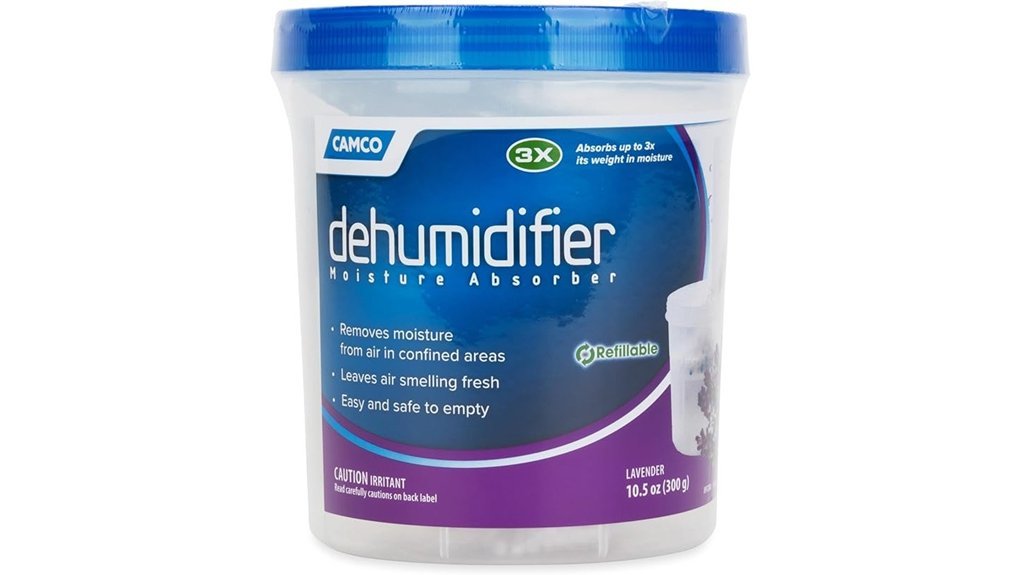
Best refillable passive option: Camco Model 44280 is a compact 10.5-ounce moisture-absorber container intended for confined areas such as RVs, boats, bathrooms, and closets. The lavender-scented crystals absorb moisture and collect liquid in the container, and the tub can be emptied and refilled with compatible media.
This model makes the most sense in a wardrobe, pantry, bathroom cabinet, or small stored-RV zone. Keep it upright and stationary, follow the label for handling and disposal, and remove or secure it before travel.
Why You’ll Like It:
- Refillable design can be more economical than replacing an entire container.
- Small footprint fits tighter RV storage areas.
- No outlet, battery, or fan is required.
Who Should Avoid It:
- Fragrance-sensitive buyers who do not want a lavender scent.
- Owners who need active moisture removal in the living area.
- Anyone who plans to leave the liquid-collecting container unsecured during travel.
Levoair 68oz Dehumidifier with Drain Hose
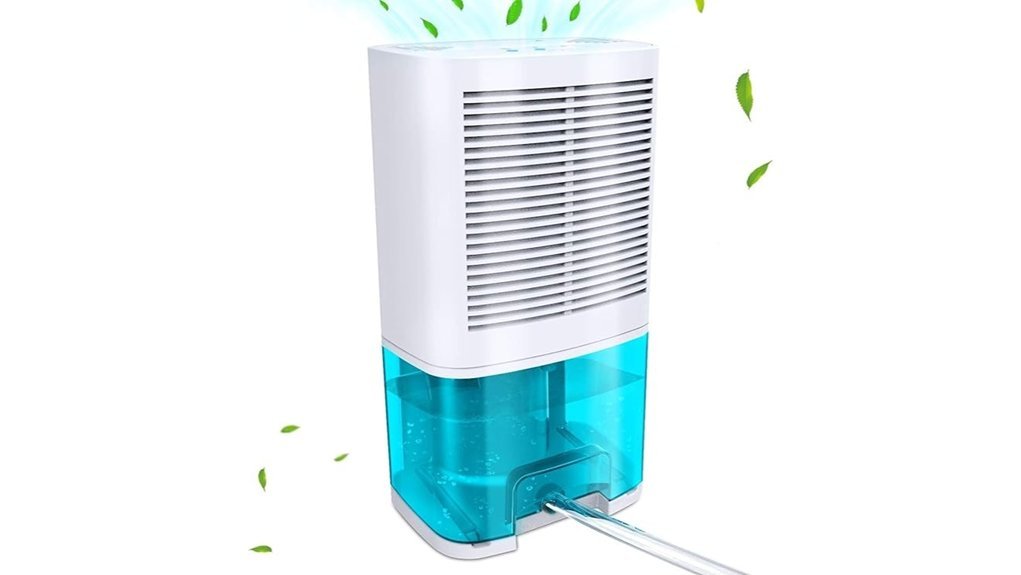
Best value with continuous drainage: The Levoair YXTX-607D combines a 68-ounce tank with an included 5-foot drain hose. Its published specifications list 48-watt operation, noise below 40 dB, and moisture removal up to 1 liter per day at 86°F and 80% relative humidity. Real RV performance will be lower in cooler or less humid conditions.
The hose is useful when the RV is parked near a sink, shower drain, or suitable container. Because drainage is gravity-fed, the hose must run downhill without kinks. The manufacturer guidance also notes that performance declines below about 59°F or when humidity is already low.
Why You’ll Like It:
- Choice of manual tank collection or continuous hose drainage.
- Published wattage and ideal-condition extraction rate make comparison easier.
- Simple one-button controls and a carry handle support RV use.
Who Should Avoid It:
- Campers without a safe downhill route for the drain hose.
- Cold-weather users expecting strong performance below 59°F.
- Owners who need compressor-level drying for severe moisture problems.
UBBO 95oz Dehumidifier with Drain Hose
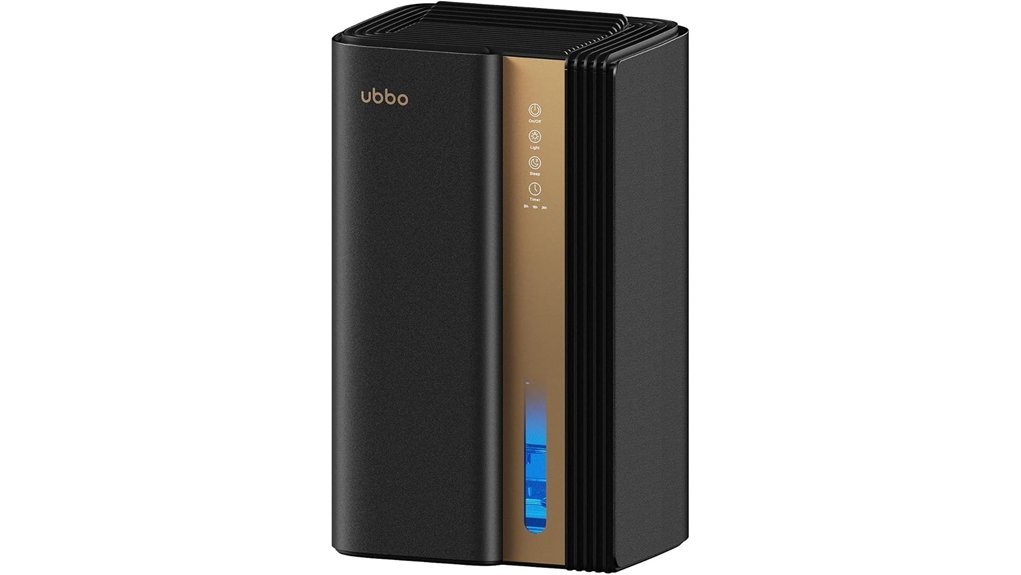
Best higher-output thermoelectric pick: The UBBO 95oz uses dual semiconductor condensers and is advertised to remove up to 1.2 liters per day at 86°F and 80% relative humidity. It also includes a drain hose, auto shut-off, overflow protection, timer settings, sleep mode, and a listed 35 dB quiet mode.
The extraction figure is an ideal-condition rating, so do not expect the same result in a cool RV or at moderate humidity. The broad 1,000-square-foot coverage claim is also less useful than the tested liters-per-day figure, tank size, and your RV’s actual moisture load.
Why You’ll Like It:
- Higher advertised extraction than many compact thermoelectric units.
- Drain hose supports longer parked use without frequent tank emptying.
- Quiet mode, timer, and auto shut-off improve convenience.
Who Should Avoid It:
- Buyers who assume ideal-condition output is guaranteed in all climates.
- Boondockers who have not confirmed the unit’s electrical demand against their battery and inverter capacity.
- Anyone who cannot keep the unit and drain line level and secure.
NeedDuck 44oz Compact Dehumidifier
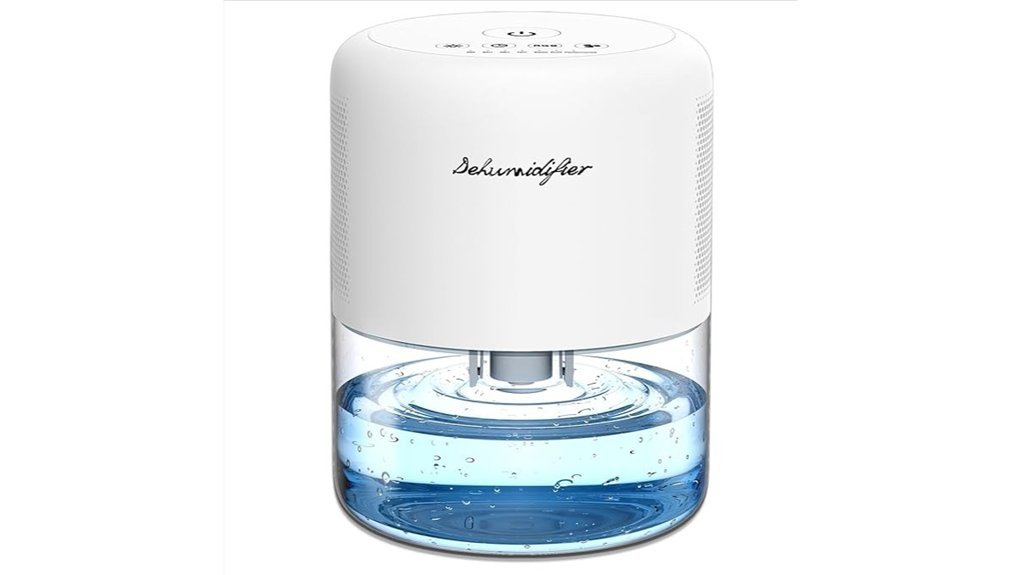
Best lightweight low-watt option: The NeedDuck B-2 is a 28-watt thermoelectric dehumidifier with a 44-ounce tank, three operating speeds, timer options, auto shut-off, auto defrost, and adjustable lighting. At about 2.56 pounds, it is easy to move between an RV sleeping area, bathroom, and storage zone while parked.
The listing advertises coverage up to 215 square feet, but the product does not publish a clearly verified daily extraction figure in the available specifications. It is therefore better suited to light or moderate condensation than to a serious moisture problem.
Why You’ll Like It:
- Low 28-watt rating helps with RV power planning.
- Lightweight body is easy to reposition and store.
- Auto shut-off and defrost features improve everyday convenience.
Who Should Avoid It:
- Owners who need continuous drainage.
- Campers with heavy window condensation, wet materials, or leaks.
- Buyers who require a published liters-per-day extraction rate.
Factors to Consider When Choosing a Dehumidifier for an RV
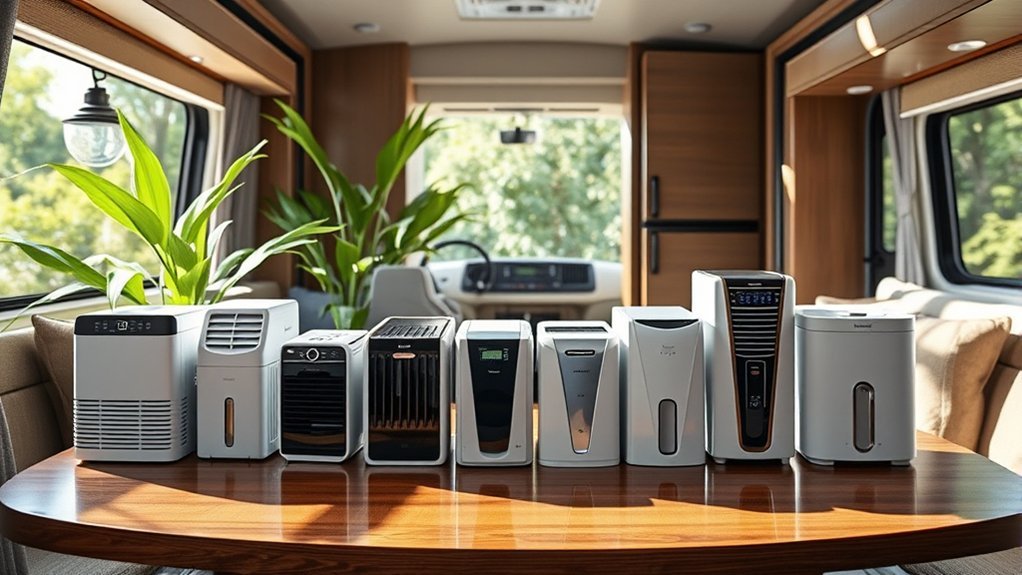
An RV has less floor space than a house, but it can produce a concentrated moisture load from breathing, cooking, showers, wet clothing, propane combustion, and temperature differences at windows and exterior walls. Choose a unit by extraction rate, operating temperature, power demand, drainage, and the severity of the moisture source—not by tank size or a broad square-foot claim alone.
Powered Dehumidifier or Passive Absorber
A powered thermoelectric dehumidifier is the better match for an occupied RV with regular condensation. Passive crystal or silica-gel products are most useful in cabinets, closets, and a parked RV during storage. Passive absorbers work slowly and cannot compensate for leaks, wet insulation, or heavy daily moisture production.
Dehumidification Capacity
Compare moisture removal in milliliters or liters per day, and check the temperature and humidity used for the rating. A unit advertised at 1 liter per day at 86°F and 80% RH will collect less water in cooler or drier conditions. Tank capacity only tells you how much water the unit can hold before emptying; it does not measure how quickly moisture is removed.
RV Power Consumption
Check wattage before connecting a dehumidifier to an RV outlet, inverter, portable power station, or battery system. Several compact models in this guide list power use around 28 to 48 watts, but startup behavior, adapters, and actual consumption can vary. Confirm the current manual, avoid overloading a circuit, and do not assume a low-watt appliance can run indefinitely from a house battery.
Drainage Options
A removable tank is simple for short stays, while a continuous drain hose is better for longer parked use. Gravity hoses must slope downward to a safe drain or container. Keep the unit upright and level, test the connection for leaks, and never route water where it can damage flooring, cabinets, wiring, or neighboring campsites.
Noise Level
For sleeping areas, look for a listed sleep mode near 35 to 40 dB. Remember that manufacturer sound figures may be measured under controlled conditions. Place the unit on a stable surface away from the bed, and keep the air inlet and outlet clear to reduce vibration and airflow noise.
Temperature and Cold-Weather Performance
Thermoelectric units are most effective in warm, humid air and may collect very little water in cool conditions. If you camp in cold weather, condensation may be caused by cold walls and windows even when a mini dehumidifier is operating. Insulation, ventilation, exhaust fans, and controlled heating may matter as much as the appliance.
Target RV Humidity
Use a separate hygrometer rather than guessing by how the air feels. A practical indoor target is generally 30% to 50% relative humidity, while keeping it below 60% helps reduce conditions that support mold. Avoid forcing humidity unnecessarily low, and respond quickly to visible condensation or wet materials.
RV Safety and Placement
- Operate powered models only when the RV is parked and the unit is upright on a stable surface.
- Remove or secure water tanks, crystal tubs, buckets, and hoses before driving.
- Keep air vents unobstructed and follow the clearance listed in the manual.
- Do not place an electrical appliance where it can be splashed or where its cord can contact water.
- Keep moisture-absorbing chemicals away from children, pets, food, and unsecured storage items.
- Fix leaks and dry wet materials promptly; a dehumidifier does not repair the moisture source.
Frequently Asked Questions
What Humidity Level Is Ideal for an RV?
Aim for roughly 30% to 50% relative humidity and try to keep the RV below 60%. Use a digital hygrometer, because condensation on windows and walls can signal that moisture is too high even when the cabin does not feel damp.
Can I Use a Household Dehumidifier in My RV?
Yes, while the RV is parked, provided the unit fits safely, remains upright, has adequate airflow, and does not exceed the available circuit, inverter, or battery capacity. A full-size compressor model may remove more moisture but can be heavier, louder, and more demanding electrically than a compact thermoelectric model.
Can I Run a Dehumidifier While Driving?
It is safer to switch it off before travel. A loose appliance, filled water tank, passive chemical bucket, or connected drain hose can tip, leak, or become a hazard when the RV moves. Empty the tank and secure the unit before departure.
Are Thermoelectric Dehumidifiers Strong Enough for an RV?
They can work well for light-to-moderate humidity in a small RV, especially in warm conditions. They are less suitable for active leaks, soaked materials, very cold weather, or severe condensation. In those cases, repair the moisture source and consider stronger drying and ventilation options.
How Do I Use a Continuous Drain Hose in an RV?
Connect the hose firmly, route it continuously downhill, and discharge into an approved drain or stable container. Test the setup while you are present, check for kinks or leaks, and disconnect and store the hose before moving the RV.
How Do I Maintain My RV Dehumidifier?
Empty and rinse the tank regularly, wipe the air inlet and outlet, keep the unit free of dust, and inspect the drain hose for buildup or kinks. Dry the tank before storage and follow the model-specific manual for cleaning, defrosting, filter care, and desiccant regeneration.
Final Recommendation
Best overall: Choose the BREEZOME 60 OZ when you want a balanced powered unit for an occupied small-to-medium RV.
Best with a drain hose: The Levoair 68oz offers clear published wattage and test-condition data, while the UBBO 95oz offers a higher advertised ideal-condition extraction rate.
Best for storage: Use the Afloia Mini Cordless in enclosed cabinets or a Camco absorber in a parked RV. Remove or secure every liquid-collecting product before travel.
No compact dehumidifier can solve a roof leak, plumbing leak, wet insulation, or poor ventilation by itself. Measure humidity, fix the moisture source, ventilate during cooking and showers, and choose the product that matches how and where your RV is actually used.