Can robot vacuums clean laminate floors without scratching them or leaving water damage? Yes, but the right settings make a difference. Laminate floors need gentle brushes, clean wheels, and careful moisture control. Understanding these features helps you remove dust, pet hair, and everyday dirt while protecting your floor’s finish.
Quick Answer
Yes. Robot vacuums can safely clean laminate floors by removing dust, crumbs, grit, and pet hair. Choose a model with gentle brushes and soft wheels. Vacuum-only cleaning is generally suitable, but mopping depends on your flooring manufacturer’s instructions. If damp mopping is allowed, use minimal water and avoid leaving wet seams.
Key Takeaways
- Water-resistant laminate is not necessarily waterproof. Always follow the flooring manufacturer’s cleaning instructions.
- Dirty wheels and brushes can drag grit across the surface, so regular robot maintenance matters.
- Strong suction helps collect debris, but suction ratings alone do not determine cleaning performance or floor safety.
- Smart mapping improves coverage, while edge-cleaning features help collect dust along walls and furniture.
- Robot vacuums handle routine cleaning well, but sticky stains and hard-to-reach corners may still require manual attention.
Can Robot Vacuums Clean Laminate Floors?
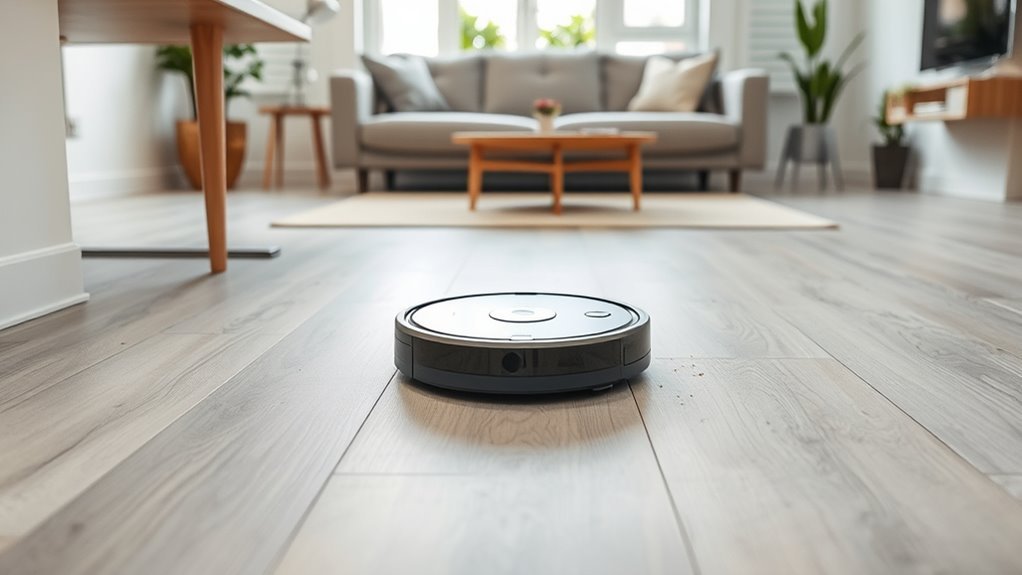
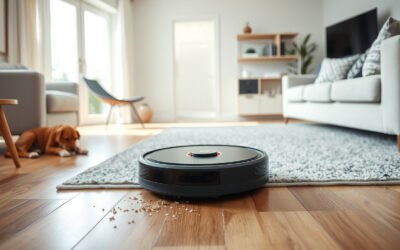
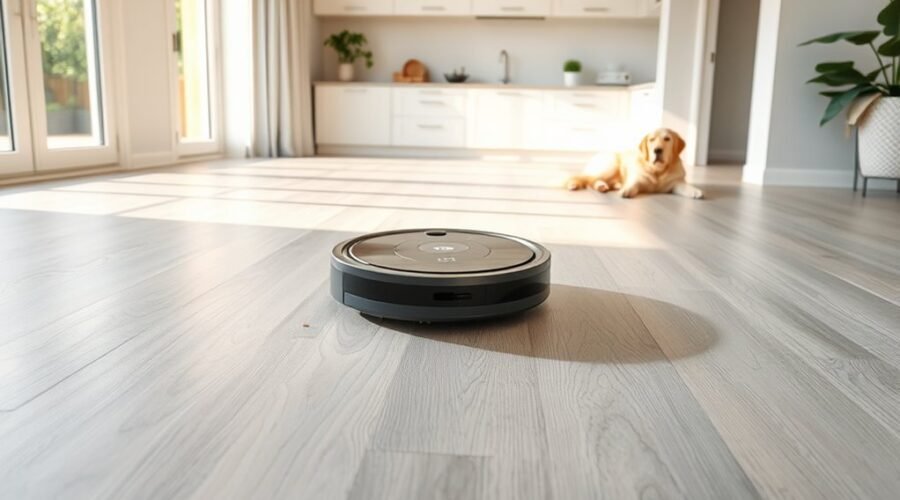
Robot vacuums work well on laminate because the smooth surface allows them to collect loose dirt without heavy scrubbing. They can remove dust, crumbs, pet hair, and grit during regular cleaning cycles. The most important factors are brush design, wheel condition, and keeping moisture away from vulnerable seams.
Unlike carpet, laminate does not usually need aggressive brush agitation. A robot can collect surface debris through suction and gentle sweeping.
Many modern models also use mapping technology to create organized cleaning paths. This helps them cover open rooms, move around furniture, and revisit areas that need attention.
Regular robot vacuuming removes loose grit before it gets dragged across laminate flooring, helping reduce surface wear.
Scheduled cleaning is particularly useful in busy homes with children or pets. Frequent debris removal prevents dirt from collecting along baseboards and between planks.
However, vacuuming and mopping are different tasks. A robot may be safe for dry cleaning even when its wet-mopping function is unsuitable for your specific laminate floor.
Why Laminate Floors Need Gentle Care
Laminate flooring has a protective wear layer over a decorative surface and a supporting core. The top layer handles everyday foot traffic, but abrasive grit can dull its appearance. Many laminate cores contain compressed wood fibers that may swell when moisture enters through plank joints.
Water damage can lead to raised edges, separation, or permanent warping. That is why laminate should not be treated exactly like ceramic tile.
Flooring manufacturers also have different moisture rules.
For example, Pergo’s laminate cleaning guidance recommends regular vacuuming and occasional cleaning with a slightly damp microfiber mop. It warns against using excessive water.
In contrast, Shaw Floors’ laminate care instructions advise against wet mopping and recommend products specifically made for laminate care.
This difference matters. A robot with a low-water mop setting is not automatically suitable for every laminate installation.
Before enabling a robot’s mop function, identify your flooring brand and follow its care instructions. If you cannot confirm that damp mopping is allowed, vacuum-only mode is the safer option.
What Makes a Robot Vacuum Safe for Laminate?
A laminate-safe robot vacuum should collect dirt without dragging abrasive particles across the floor. Look for soft wheels, gentle brushes, reliable navigation, and cleaning controls that match your flooring. Water-flow adjustment is also useful if the manufacturer permits damp mopping.
The most useful features include:
- Soft or rubberized wheels: Help the robot travel over hard floors without unnecessary scuffing. Keep the wheels free of sand and trapped grit.
- Non-abrasive brushes: Rubber rollers and soft-bristle designs collect debris while limiting harsh contact with the surface.
- Adjustable suction: Allows you to choose enough cleaning power for dust, crumbs, and pet hair without unnecessary noise or energy use.
- Smart navigation: Mapping helps the robot cover rooms efficiently and reduces repeated collisions with furniture.
- Edge-cleaning capability: Helps collect dust near baseboards, cabinet edges, and plank joints.
- Water-flow controls: Allow low-moisture cleaning on laminate floors where damp mopping is permitted.
For homes with rugs, carpet detection and automatic mop lifting can provide additional convenience.
However, automatic detection is not a substitute for checking floor compatibility. A robot cannot reliably determine whether your laminate’s warranty allows moisture-based cleaning.
Best Mop Settings for Laminate Floors
The best mop setting for compatible laminate flooring is the lowest water level that cleans without leaving visible wetness. The surface should remain lightly damp rather than soaked. If your floor manufacturer prohibits wet mopping, keep the robot in vacuum-only mode instead.
When damp mopping is permitted, use these settings as a starting point:
- Cleaning mode: Select hard-floor or gentle mopping.
- Water flow: Begin with the lowest available setting.
- Mop pad: Use a clean, soft, non-abrasive pad.
- Cleaning passes: Start with one pass instead of repeated scrubbing.
- Cleaning solution: Use only a product approved by both the flooring manufacturer and robot manufacturer.
- Cleaning schedule: Mop only as often as necessary for the floor’s condition and traffic level.
Before cleaning an entire room, test the setting on a small, less noticeable area. Check whether the pad leaves streaks, wet edges, or moisture around joints.
If water remains visible, stop the mopping cycle and dry the affected area with a microfiber cloth. Reduce the water setting before another attempt.
Do not assume that automatically washing the robot’s mop pad makes the floor safe. Dock washing and floor mopping are separate functions.
Warning: Never allow standing water to remain on laminate flooring. Water can enter joints and cause swelling or separation. Avoid steam cleaning and heavy wet mopping unless your flooring manufacturer expressly permits the method.
Features That Prevent Scratches and Warping
Scratch prevention depends mainly on how the robot contacts the floor. Moisture prevention depends on how its mop system delivers and removes water. Choosing equipment that controls both risks is more useful than focusing on suction power alone.
Soft wheels and non-abrasive brushes help reduce unwanted friction. However, even a gentle brush can cause problems if sand, hard debris, or sharp objects become trapped inside it.
For that reason, removable brushes and easily accessible wheels are practical features. They make regular inspection and cleaning easier.
Obstacle detection also matters. A robot that avoids cables, small toys, and larger debris is less likely to drag objects across the floor.
Meanwhile, controlled damp mopping can reduce moisture exposure on compatible flooring. Some advanced robots rinse their mop rollers during cleaning to limit dirty-water transfer.
These features improve convenience, but they cannot guarantee protection against every scratch or water-related problem.
The safest approach combines suitable hardware, correct cleaning settings, and routine maintenance.
How Robot Vacuums Handle Dust and Pet Hair
Robot vacuums can collect loose pet hair and fine dust effectively from laminate floors. Their side brushes guide debris toward the suction inlet, while the main brush gathers particles from the surface. Regular cleaning helps prevent hair and grit from collecting around furniture and floor joints.
Many advanced robots use anti-tangle brush systems to reduce hair wrapping around the roller. This is useful for homes with shedding pets or people with long hair.
Suction power also contributes to pickup performance. Some models offer particularly high advertised ratings, including the DEEBOT T50 PRO OMNI at 15,000 Pa and the X8 PRO OMNI at 18,000 Pa.
These figures describe manufacturer-rated maximum suction, not a guaranteed amount of dust or hair collected during normal use.
Anti-tangle brushes help maintain steady pet-hair pickup, while organized navigation improves cleaning coverage around furniture and along walls.
For homes with heavy shedding, an automatic emptying station may reduce how often you need to empty the onboard dustbin.
However, you still need to inspect brushes, wheels, and filters. Pet hair can collect around moving parts even on machines designed to reduce tangles.
For most laminate floors, consistent debris removal and good brush maintenance matter more than choosing the highest suction rating available.
When Robot Vacuums Aren’t Enough
Robot vacuums are designed mainly for maintenance cleaning. They may struggle with sticky spills, dried stains, tight corners, and dirt trapped around obstacles. Manual spot cleaning or a conventional vacuum is still useful when the robot cannot reach or remove certain messes.
| Limitation | Effect | Response |
|---|---|---|
| Deep stains | Sticky residue remains | Spot clean with an approved cleaner |
| Corners and edges | Debris collects beyond brush reach | Use a soft broom or vacuum attachment |
| High-traffic zones | Dirt returns quickly | Increase dry-cleaning frequency |
| Obstructed sensors | Missed areas and navigation errors | Clean sensors and clear obstacles |
| Aging results | Dullness or residue buildup | Inspect the finish and perform approved manual cleaning |
Round robot bodies may leave narrow strips of dirt along walls or cabinet corners. Edge-reaching brushes improve coverage, but some areas still need manual attention.
Robots also should not be used to vacuum standing water unless the manufacturer specifically rates the machine for wet pickup.
If a drink spills or a pet has an accident, blot the liquid promptly with an absorbent cloth. Then clean the remaining residue using a product suitable for your laminate.
For dried marks, use a lightly damp microfiber cloth if your flooring instructions allow it. Avoid aggressive scrubbing that could damage the wear layer.
In high-traffic rooms, combine scheduled robot cleaning with occasional manual inspection to catch stains, damaged seams, or trapped debris.
How to Keep Laminate Floors Protected
Protecting laminate flooring requires more than choosing the right robot vacuum. You also need a suitable cleaning routine, clean equipment, and prompt spill removal. A few simple checks before and after cleaning can reduce the risk of scratches, streaks, and moisture damage.
Follow this routine when setting up your robot:
- Inspect the floor. Look for loose planks, raised seams, standing water, and sharp objects. Remove anything that could be dragged across the surface.
- Check the robot. Remove grit from the wheels and brushes. Empty the dustbin or check the automatic-emptying station.
- Start with vacuum-only cleaning. Allow the robot to map the room and collect loose debris.
- Test mopping separately. If your laminate permits damp cleaning, use the minimum water setting on a small area first.
- Check the results. Look for leftover debris, streaks, wet seams, or scratches after the cleaning cycle.
- Set a practical schedule. Clean more frequently where pets, children, or outdoor dirt create rapid buildup.
This approach helps you identify problems before they affect an entire room.
Gentle Cleaning Settings
Gentle cleaning settings balance debris pickup with surface protection. A standard or low suction setting may be enough for light dust, while heavier debris may need stronger suction. Brush cleanliness and wheel condition remain important regardless of the selected power level.
| Setting | Effect | Benefit |
|---|---|---|
| Low or standard suction | Collects ordinary surface dust | Provides quieter routine cleaning |
| Damp mop, when approved | Applies minimal moisture | Helps remove light marks without soaking |
| Soft brushes | Provide gentle debris collection | Reduce abrasive contact |
For routine care, many homes can benefit from scheduled vacuuming several times a week. Busy homes with pets may need more frequent runs.
Actual cleaning frequency depends on foot traffic, outdoor dirt, pet shedding, and how quickly the floor collects debris.
Regular vacuuming is generally preferable to allowing sand and grit to accumulate between infrequent deep cleanings.
Preventing Water Damage
Water control is especially important when using a robot vacuum and mop on laminate floors. Even moisture-resistant products have cleaning limits. The safest method is to follow the flooring manufacturer’s instructions and prevent water from collecting around joints or damaged areas.
If damp mopping is permitted, keep the pad clean and the water output low. Inspect the robot for leaks, blocked water outlets, or uneven moisture delivery.
Pay particular attention to the area around the docking station. A leaking tank or wet mop pad left on the floor may expose the same spot to moisture for an extended period.
Also avoid excessive cleaning-solution concentrations. Unsuitable products can leave streaks or dull the floor’s finish.
Vinegar, soap mixtures, and other homemade cleaners should not be treated as universally safe for laminate. Use cleaning products that your flooring manufacturer approves.
For added protection, place entry mats where outdoor grit is tracked inside. Keeping dirt away from laminate reduces the amount of cleaning required.
Pro Tip: After testing a new mopping setting, inspect the laminate seams under good lighting. If you see water collecting along the joints, stop mopping, dry the area, and reduce or disable water delivery.
Best Robot Vacuum and Mop Picks for Laminate
The best robot vacuum for laminate floors depends on your cleaning needs and the flooring’s moisture restrictions. Among the original models considered here, the DEEBOT X8 PRO OMNI, T50 PRO OMNI, and N30 PRO OMNI offer different combinations of suction, mopping, navigation, and pet-hair management.
These are manufacturer-supported examples rather than independently tested overall rankings. None should be used for wet cleaning unless your laminate flooring allows it.
Top Laminate Picks
The DEEBOT X8 PRO OMNI emphasizes advanced roller mopping and strong suction. The T50 PRO OMNI combines high suction with a slim body and rotating mop pads. The N30 PRO OMNI offers anti-tangle features and adjustable water levels for households that want routine vacuuming and compatible damp mopping.
| Model | Advertised Max Suction | Main Features |
|---|---|---|
| DEEBOT X8 PRO OMNI | 18,000 Pa | OZMO ROLLER self-washing mop, ZeroTangle 2.0, TruEdge 2.0 |
| DEEBOT T50 PRO OMNI | 15,000 Pa | Dual rotating mop pads, slim design, ZeroTangle 2.0, smart navigation |
| DEEBOT N30 PRO OMNI | 10,000 Pa | ZeroTangle 2.0, edge mopping, low/medium/high water adjustment |
DEEBOT X8 PRO OMNI: Its OZMO ROLLER system continuously refreshes the mop surface during cleaning. This may help remove stubborn marks and limit dirty-water transfer on floors approved for damp cleaning.
DEEBOT T50 PRO OMNI: Its low-profile body helps it reach beneath suitable furniture. Its anti-tangle brush system and mapping features support regular cleaning in homes with pet hair.
DEEBOT N30 PRO OMNI: Its water-control options provide flexibility when damp mopping is allowed. The anti-tangle brush design also makes it relevant for homes with shedding pets.
For laminate, the highest suction rating is not necessarily the best purchase criterion. Consider whether you need better edge coverage, pet-hair management, obstacle avoidance, or easier maintenance.
If your flooring prohibits damp mopping, you may not need to pay extra for advanced mop-washing features.
Safe Mopping Features
Safe mopping features help regulate moisture, but they cannot make an unsuitable flooring surface waterproof. When choosing a robot vacuum and mop for laminate, prioritize adjustable water delivery, clean mop pads, and the ability to disable mopping in specific rooms.
The DEEBOT X8 PRO OMNI uses a roller system that washes and refreshes its mop during operation. The T50 PRO OMNI uses rotating mop pads, while the N30 PRO OMNI allows low, medium, and high water adjustment.
These systems offer different cleaning approaches. However, a stronger scrubbing system may not be necessary for laminate that only needs gentle maintenance.
For homes with rugs, automatic mop lifting helps prevent wet pads from crossing carpeted areas. Mapping and room controls can also help separate vacuum-only areas from surfaces approved for damp cleaning.
Remember that mop washing at the docking station does not mean the machine uses the same water temperature while cleaning the floor.
Ultimately, choose a robot based on your floor’s cleaning restrictions first, followed by the amount of dust, pet hair, and staining you need it to handle.
Frequently Asked Questions
What Is the Best Way to Deep Clean a Laminate Floor?
The best method is to remove loose dirt with a soft-brush vacuum, then clean remaining marks using a product approved by your flooring manufacturer. Use a lightly damp microfiber cloth only if permitted. Avoid excess water, abrasive pads, and unsuitable homemade cleaners. Dry any remaining moisture promptly.
What Are the Downsides of Using a Robotic Vacuum Cleaner?
Robot vacuums may miss corners, struggle with stubborn stains, or get stuck around obstacles. They also require brush cleaning, filter maintenance, and occasional replacement parts. Battery life and navigation performance vary by model. On laminate floors, inappropriate mopping settings can create an additional risk of moisture damage.
What Is the Best Robot Vacuum Cleaner for Laminate Floors?
The DEEBOT X8 PRO OMNI is a strong option among the models discussed because it combines high suction, anti-tangle brushes, mapping, and an advanced roller mop. However, no single model is best for every laminate floor. Choose according to your flooring manufacturer’s restrictions, cleaning needs, and preferred maintenance features.
Is There a Roomba for Laminate Floors?
Yes. Roomba robot vacuums are generally designed to vacuum many hard-floor surfaces, including suitable laminate flooring. However, iRobot cautions against using mopping functions on certain laminate and vinyl planks because of water-damage risks. Confirm your flooring’s cleaning instructions before enabling wet cleaning on a compatible Roomba Combo model.
Conclusion
Robot vacuums can clean laminate floors effectively when they use gentle brushes, clean wheels, reliable navigation, and suitable cleaning settings. They are especially helpful for collecting everyday dust and pet hair. The original estimate that nearly 80% of household dust is fine particulate still requires independent verification. For the best results, use regular vacuuming for maintenance and follow your flooring manufacturer’s instructions before enabling damp mopping. Periodic manual cleaning remains useful for stubborn stains, corners, and heavier buildup.
Sources
- Pergo: How to Clean Laminate Flooring: Supports gentle vacuuming, limited-moisture cleaning, and laminate maintenance recommendations.
- Shaw Floors: Laminate Care: Supports warnings about abrasive cleaning, unsuitable products, and wet mopping.
- iRobot: Roomba Combo Cleaning and Floor Compatibility: Supports guidance on hard-floor vacuuming and caution about mopping certain laminate surfaces.
- ECOVACS: DEEBOT X8 PRO OMNI: Supports the 18,000 Pa specification and OZMO ROLLER, ZeroTangle, and edge-cleaning features.
- ECOVACS: DEEBOT T50 PRO OMNI: Supports the 15,000 Pa rating, rotating mop system, slim design, and navigation features.
- ECOVACS: DEEBOT N30 PRO OMNI: Supports the 10,000 Pa rating, adjustable mop water levels, and cleaning features.