Can robot vacuums clean pollen from floors? Yes, they can remove settled pollen from hard floors and some carpets, helping you manage indoor allergens. However, cleaning results depend on suction, filtration, floor type, and how well the robot reaches each area. Knowing these limits helps you build a cleaning routine that works during pollen season.
Quick Answer
Robot vacuums can remove pollen from floors, especially on hard surfaces and low-pile carpets. Models with strong debris pickup, effective filtration, and reliable navigation work best. However, they cannot remove all pollen or clean every surface. Combine regular robot vacuuming with damp mopping, manual vacuuming, and steps that prevent outdoor pollen from entering your home.
Can Robot Vacuums Clean Pollen From Floors?
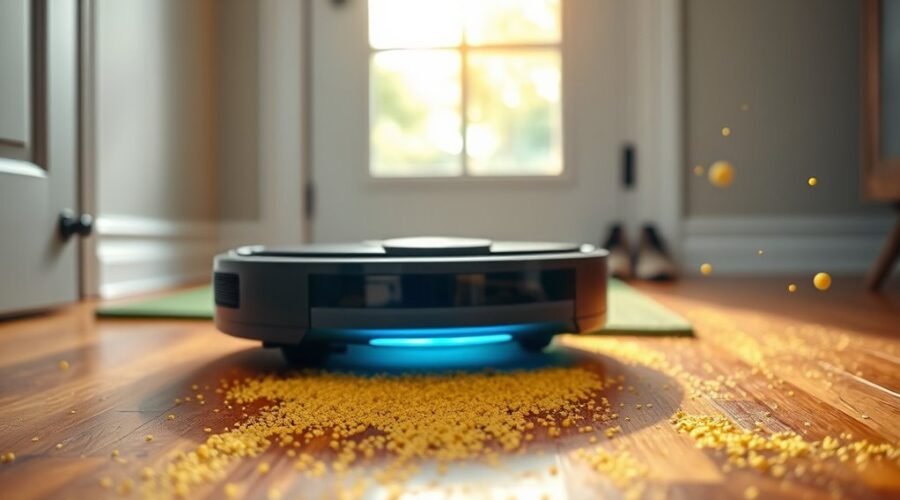
Yes, robot vacuums can pick up pollen that settles on floors. Their rotating brushes loosen particles while suction pulls them into the dustbin. Models with effective filters also help prevent captured particles from escaping through the exhaust.
Pollen enters homes through open doors, windows, clothing, shoes, and pets. Once inside, it can settle on flooring, furniture, curtains, and other surfaces.
How well a robot removes pollen depends on the surface:
- Hard floors: Robot vacuums generally work well on tile, laminate, vinyl, and sealed hardwood. Pollen usually remains on the surface, making it easier to collect.
- Low-pile carpets: Brushes and suction can remove surface pollen, but some particles remain trapped among carpet fibers.
- Thick carpets and rugs: Pollen can settle deeper into the pile. Robot vacuums may struggle to reach it, so occasional deep cleaning is necessary.
Regular cleaning helps prevent surface pollen from building up. The European Centre for Allergy Research Foundation’s robot-vacuum criteria recognize the value of allergen removal and effective dust containment.
Still, removing settled pollen is different from cleaning airborne pollen. A robot vacuum primarily cleans surfaces it can physically reach.
For households with seasonal allergies, this makes robot vacuuming a useful part of pollen control rather than a complete solution.
Why Strong Suction and HEPA Filters Help With Pollen
Strong suction helps a robot vacuum lift pollen and dust from floors. HEPA filtration helps keep the collected particles inside the machine. Both matter, but they solve different parts of the cleaning problem.
How Suction Power Affects Pollen Removal
Suction pressure is often measured in pascals (Pa). Higher suction can help remove particles from carpets, where pollen may settle between fibers.
However, a high Pa rating does not guarantee better pollen removal. Airflow, brush design, floor contact, and navigation also affect how much debris a robot collects.
The IEC/ASTM 62885-7 robot-vacuum testing standard includes methods for measuring debris removal from hard floors and carpets.
Rather than choosing a vacuum only because it advertises high suction, look for independent cleaning results on flooring similar to yours.
How HEPA Filters Capture Pollen
HEPA stands for high-efficiency particulate air. These filters trap fine particles in the air passing through them.
According to the US Environmental Protection Agency’s HEPA filtration explanation, a HEPA filter can theoretically capture at least 99.97% of particles measuring 0.3 microns.
This measurement represents a particularly difficult particle size to capture. Proper HEPA filters can also trap larger particles, including pollen.
A HEPA filter’s 99.97% efficiency rating describes particle capture by the filter, not the percentage of pollen removed from an entire home.
For allergy control, the complete vacuum design matters. A poorly sealed machine may allow dusty air to escape around its filter.
Also, a filter described as “high efficiency” is not automatically a certified HEPA filter. Check the manufacturer’s filtration specifications when choosing a robot vacuum for allergies.
Other Features That Improve Pollen Pickup
- Effective brushes: Help loosen settled particles from carpets and textured floors.
- Systematic navigation: Reduces missed areas and unnecessary repeated passes.
- Carpet boost: Increases suction on compatible carpets when the model supports this feature.
- Sealed dust collection: Helps keep collected particles contained.
- Self-emptying dock: Can reduce how often you need to handle a dusty onboard bin.
Choose a model that combines good floor cleaning with reliable particle containment. Neither feature alone guarantees complete pollen removal.
Where Robot Vacuums Miss Pollen in Your Home
Robot vacuums cannot reach every area where pollen collects. Corners, baseboards, upholstery, and raised surfaces often need separate cleaning. Even advanced navigation cannot overcome every physical limitation.
Three areas deserve particular attention:
- Corners and edges: Many robot vacuums have round bodies that cannot fully enter tight corners. Side brushes help sweep debris toward the intake, but some pollen and dust may remain against walls and baseboards.
- High surfaces: Shelves, curtains, windowsills, and light fixtures are outside the robot’s reach. Pollen on these surfaces can become airborne again when disturbed.
- Furniture and restricted spaces: Upholstered chairs, sofas, and beds can collect pollen. Low furniture clearance, cables, and crowded spaces may prevent the robot from cleaning underneath.
The EPA’s guidance on indoor dust and particulate matter recommends regular vacuuming, damp dusting, and additional care for people with asthma or allergies.
How to Clean the Areas a Robot Vacuum Misses
Use a traditional vacuum with effective filtration to clean carpet edges, upholstery, and hard-to-reach spaces. A crevice attachment helps remove dust from corners and along baseboards.
For shelves, windowsills, and other hard surfaces, use a slightly damp microfiber cloth. This helps collect pollen without spreading as much dust into the air.
Wash suitable curtains and other fabrics according to their care instructions. These materials can hold pollen that a floor-cleaning robot cannot reach.
Robot vacuums also do not replace air purifiers. A suitable room air cleaner can help reduce airborne particles, while vacuuming targets pollen that has already settled. The American College of Allergy, Asthma & Immunology’s air filtration guidance explains how filtration can support indoor allergen control.
How to Maintain Your Robot Vacuum for Pollen Control
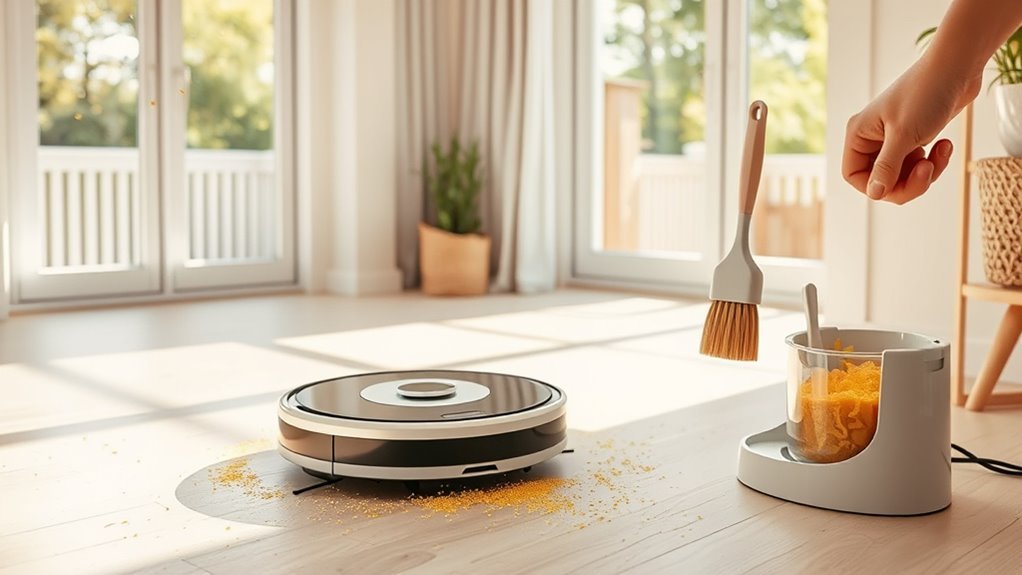
Regular maintenance keeps a robot vacuum effective at collecting pollen. Full dustbins, blocked brushes, and clogged filters can reduce cleaning performance. During heavy pollen periods, inspect these parts more often.
1. Empty the Dustbin Before It Becomes Full
Check the dustbin after cleaning, particularly when pollen counts are high or floors collect heavy dust.
If your vacuum has a manual dustbin, empty it carefully into a trash container. When possible, do this outdoors to reduce indoor exposure.
A compatible self-emptying station can reduce direct contact with collected debris. However, its collection bag or container still needs occasional maintenance.
2. Clean or Replace the Filter Correctly
Inspect the filter for accumulated dust and follow the manufacturer’s cleaning instructions.
Some filters are washable, while others require dry cleaning or replacement. Never wash a filter unless the manufacturer specifically allows it.
Replace damaged, heavily clogged, or worn filters according to the model’s maintenance guidance. Proper filtration helps limit the release of collected particles.
3. Remove Debris From Brushes and Wheels
Check the main brush, side brush, and wheels for trapped hair, fibers, and dust.
Remove buildup with the cleaning tool recommended for your vacuum. Keeping these parts clear supports good floor contact and consistent movement.
4. Keep Sensors and Charging Contacts Clean
Dust-covered sensors can affect navigation, while dirty charging contacts may interfere with docking.
Clean these components using the method specified in the user manual. Avoid applying liquid to electrical contacts unless the manufacturer permits it.
5. Use Mopping When the Floor Allows It
Some robot vacuums also mop hard floors. Damp mopping can help remove fine particles left after vacuuming.
Use the correct water setting and cleaning attachment for your floor type. Avoid excessive moisture on wood flooring or other surfaces that could suffer water damage.
A useful maintenance habit is to check the bin, brushes, filter, and sensors whenever cleaning performance starts to decline. This often reveals simple problems before they interrupt regular pollen removal.
Daily Robot Vacuum Habits to Reduce Pollen Exposure
Running a robot vacuum regularly can help control settled pollen before it builds up. Daily cleaning may be useful during heavy pollen seasons, especially in busy households with pets or frequent outdoor traffic.
However, cleaning frequency should match the amount of pollen entering your home and the surfaces that need attention.
Build a Practical Pollen-Control Routine
- Schedule regular cleaning: Run the robot daily during heavy pollen periods if needed. Schedule it when allergy-sensitive occupants are away from the room, since vacuuming can temporarily stir up dust.
- Prioritize busy areas: Focus on entryways, living rooms, hallways, and places where people or pets often enter from outdoors.
- Keep the cleaning path clear: Pick up cords, small objects, and loose items that could block the robot. Use room maps or targeted cleaning settings when available.
- Control pollen at entrances: Remove outdoor shoes near the door and change clothes after significant outdoor pollen exposure.
- Limit outdoor pollen entry: Keep windows closed when pollen levels are high, while following appropriate indoor ventilation needs.
The Asthma and Allergy Foundation of America’s indoor-allergen advice emphasizes reducing exposure sources alongside regular cleaning.
Combine Robot Cleaning With Manual Cleaning
Automated floor cleaning works best as one part of a broader routine. You still need to handle pollen on fabric, raised surfaces, and areas your robot cannot reach.
A simple household schedule can include:
- Daily or as needed: Run the robot in areas that collect the most dust and pollen.
- Weekly: Vacuum carpets and furniture more thoroughly, wipe dusty surfaces, and wash household linens as appropriate.
- During heavy pollen periods: Increase attention to entryways, windowsills, and items brought inside from outdoors.
You can also use local pollen forecasts to decide when more frequent cleaning is worthwhile. The goal is to reduce pollen buildup without creating unnecessary work.
Note: Robot vacuuming may help reduce exposure to indoor allergens, but it does not replace medical treatment for allergies or asthma. If symptoms remain troublesome, speak with a qualified healthcare professional about appropriate treatment and allergen-control measures.
Frequently Asked Questions
Can Robot Vacuums Help With Allergies?
Yes, robot vacuums can help reduce settled allergens such as pollen, dust, and pet dander. Models with effective filtration and regular cleaning schedules may reduce exposure. However, symptom relief varies, and vacuuming alone cannot eliminate allergy triggers.
What Is the Best Way to Remove Pollen From My House?
The best approach combines regular HEPA-filtered vacuuming, damp dusting, and mopping suitable hard floors. Remove pollen from clothing and shoes after outdoor activities, and limit open windows during high pollen periods. Clean carpets and upholstery regularly because they can hold settled allergens.
What Are the Downsides of Using a Robotic Vacuum Cleaner?
Robot vacuums may miss corners, struggle with thick carpets, and require frequent filter and brush maintenance. Other drawbacks include operating noise, limited battery life, navigation problems, purchase cost, and differences in reliability between models. They also cannot clean shelves or upholstery without manual help.
Does Zyrtec Help Against Dust Mites?
Yes, Zyrtec (cetirizine) can relieve symptoms caused by dust mite allergies, such as sneezing and a runny nose. However, it does not kill dust mites or remove allergens from your home. The NHS information on cetirizine explains its use and possible side effects.
Do Robot Vacuums Remove Pollen From the Air?
Robot vacuums mainly remove pollen that has settled on floors. Their filters help capture particles passing through the vacuum, but they are not designed to clean room air like dedicated air purifiers. For airborne pollen, suitable air filtration and reducing outdoor pollen entry are more direct approaches.
Is a Self-Emptying Robot Vacuum Better for Pollen Allergies?
A self-emptying robot vacuum can be helpful because it reduces how often you handle the onboard dustbin. Models with well-sealed collection systems and dust bags may further limit exposure during disposal. However, the dock still needs maintenance, and its filtration and sealing matter.
Conclusion
Robot vacuums can remove settled pollen from hard floors and low-pile carpets, especially when they combine effective suction, good navigation, and reliable filtration. However, even models with HEPA filters cannot clean every surface or eliminate all indoor allergens.
For better pollen control, run your robot regularly, maintain its filters and brushes, and clean the areas it cannot reach. Pair these habits with simple steps that reduce pollen entering your home.
Sources
- US Environmental Protection Agency: What Is a HEPA Filter?: HEPA particle capture efficiency and filtration principles.
- International Electrotechnical Commission: IEC/ASTM 62885-7: Standardized performance testing for household robot vacuums.
- European Centre for Allergy Research Foundation: Robot Vacuum Cleaners: Allergy-friendly robot vacuum criteria and allergen containment.
- US Environmental Protection Agency: Sources of Indoor Particulate Matter: Indoor pollen, dust, cleaning practices, and exposure reduction.
- Asthma and Allergy Foundation of America: Control Indoor Allergens: Indoor allergen management and exposure prevention.
- American College of Allergy, Asthma & Immunology: Air Filters: Air filtration and allergy management.
- NHS: About Cetirizine: Antihistamine uses, allergy symptom relief, and medication precautions.