Last updated: July 7, 2026 · Reviewed against EPA, CDC, American Lung Association, ENERGY STAR, and peer-reviewed dust-mite research.
If your home feels dusty, a dehumidifier can help in one specific way: it lowers indoor moisture so dust mites, mold, and mildew have a harder time thriving. It does not pull settled dust from shelves or trap fine airborne dust like a true HEPA air purifier. For the best result, use humidity control for dampness, HEPA filtration for airborne particles, and regular cleaning for dust already sitting on surfaces.
Quick Answer
Yes, a dehumidifier can help with dust indirectly by keeping humidity low enough to discourage dust mites and mold. Aim for about 30% to 50% indoor relative humidity, or around 45% to 50% in a damp room. For actual airborne dust, use a true HEPA air purifier and clean surfaces regularly.
Key Takeaways
- A dehumidifier does not remove dust directly; it reduces the moisture that helps dust mites and mold grow.
- The best indoor humidity range for dust-mite and mold control is usually about 30% to 50% relative humidity.
- Dust-mite allergens settle quickly into bedding, carpets, curtains, and upholstery, so washing and vacuuming still matter.
- If dust floating in the air is your main problem, a true HEPA air purifier is the better tool.
- For the strongest results, combine humidity control, HEPA filtration, weekly bedding care, damp dusting, and vacuuming with a HEPA vacuum.
At a Glance
| Time Required | 10–20 minutes to set up; hours to days to stabilize humidity; weeks to months for dust-mite allergen levels to improve, depending on the room and cleaning routine. |
| Difficulty | Easy, as long as you measure humidity and clean the unit regularly. |
| Tools Needed | Dehumidifier, hygrometer, clean filter, drain hose or empty tank, HEPA vacuum or air purifier for dust removal. |
| Cost | A hygrometer is usually inexpensive; dehumidifier cost depends on room size, pint capacity, pump features, and energy efficiency. |
Which Tool Should You Use First?
| Problem You Notice | Best First Step | Why |
|---|---|---|
| Musty smell, condensation, damp basement, or humidity above 50% | Dehumidifier | It removes excess moisture and makes the room less friendly to mold and dust mites. |
| Dust floating in sunlight, pollen, pet dander, smoke, or fine particles | True HEPA air purifier | It filters airborne particles that a normal dehumidifier does not capture effectively. |
| Dust on shelves, blinds, floors, bedding, or furniture | Damp dusting, washing, and HEPA vacuuming | Settled dust has to be physically removed from surfaces and fabrics. |
Does a Dehumidifier Help With Dust?
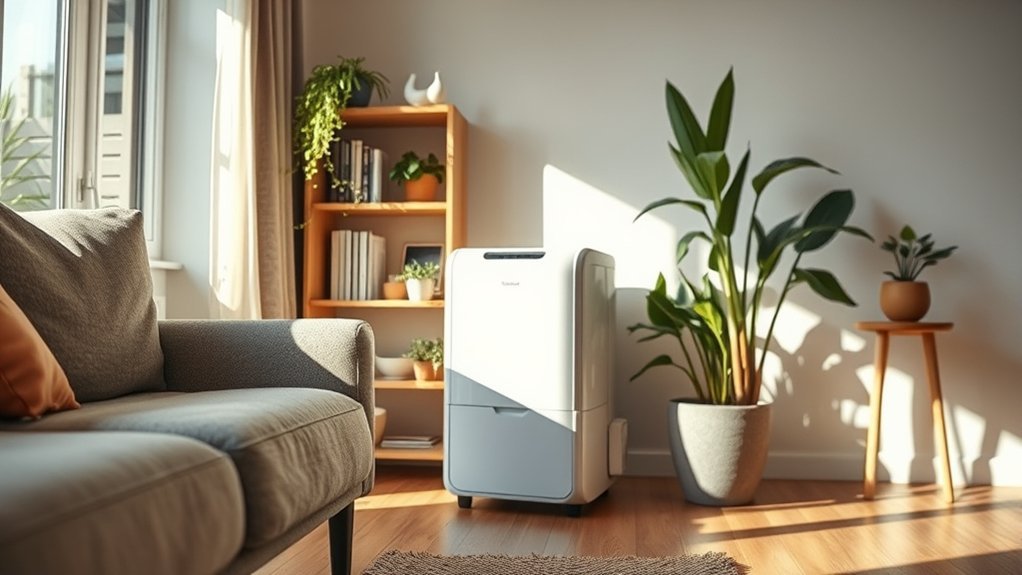
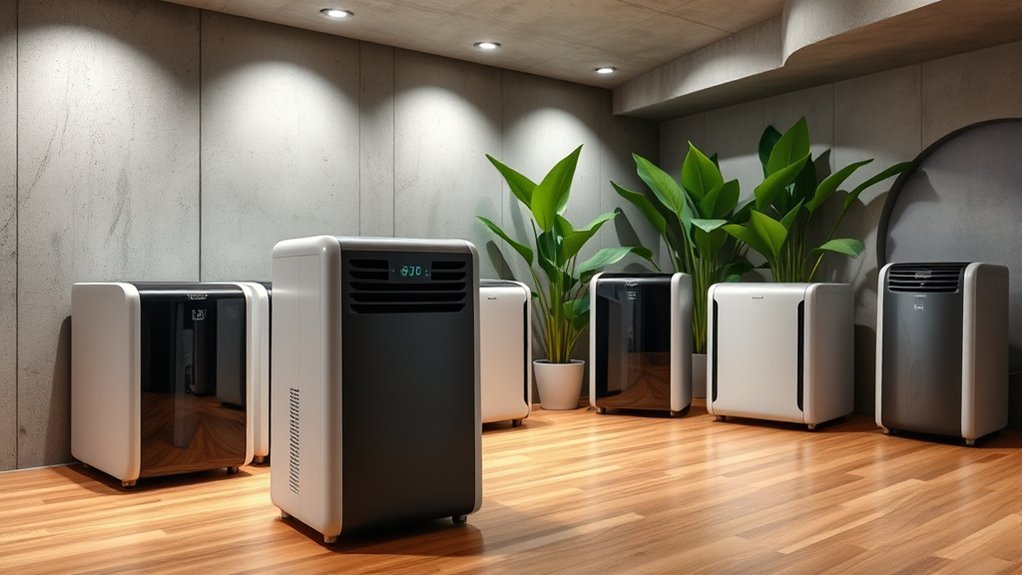
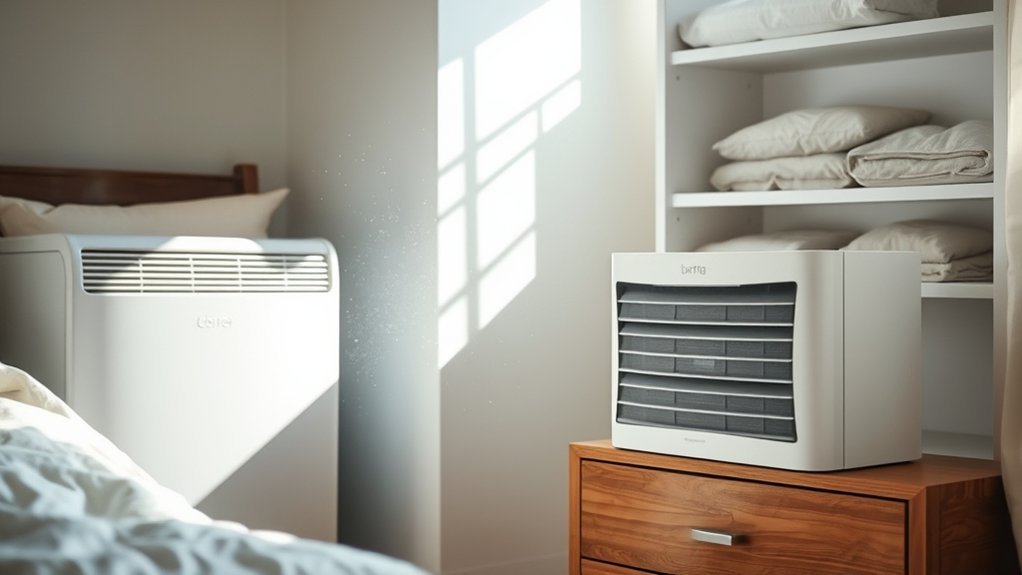
Yes, but indirectly. A dehumidifier lowers indoor humidity, which makes your home less inviting to dust mites, mold, and mildew. That can reduce some of the allergens that collect in dust, especially in bedrooms, basements, carpets, curtains, and upholstered furniture.
What it will not do is pull visible dust off shelves, floors, blinds, or furniture. A dehumidifier dries the air; it is not a dust collector. For actual airborne particles, a true HEPA filter is the better tool because it is designed to trap fine particles in moving air.
Note: Think of a dehumidifier as prevention support, not dust removal. It helps change the conditions that dust mites and mold like, while cleaning and filtration remove the particles already present.
How Humidity Increases Dust Mites
Dust mites are microscopic pests that feed on skin flakes and live deep in bedding, mattresses, carpets, curtains, and upholstered furniture. They do not bite, but their waste and body fragments can trigger allergy and asthma symptoms in sensitive people.
Humidity matters because dust mites absorb moisture from the air. The American Lung Association recommends keeping your home below 50% humidity to help reduce dust mites, especially in humid areas where air conditioning and dehumidifiers can draw moisture out of the air.
That does not mean a dehumidifier instantly removes dust-mite allergens. Research is mixed. One 17-month study found that homes maintaining relative humidity below about 51% had large reductions in live mites and Der 1 allergen. However, studies of single portable dehumidifiers in humid temperate homes found little or no added reduction when the unit could not keep the whole home below the needed humidity level. The practical takeaway is simple: use humidity control as one part of a larger dust-control plan, not as the only fix.
Lower humidity can make your home less friendly to dust mites, but dust still has to be removed with washing, vacuuming, damp dusting, and filtration.
Best Humidity Level for Dust Control
The best indoor humidity level for dust-mite and mold control is usually between 30% and 50% relative humidity. The EPA recommends keeping indoor humidity below 60% and ideally between 30% and 50% where possible. For a dusty or allergy-prone room, a practical target is often around 45% to 50%.
Use a hygrometer instead of guessing. Indoor humidity can change between morning and evening, after showers, while cooking, during rain, or when the HVAC system cycles on and off. If your room stays above 55% to 60%, dust mites and mold have better conditions to grow. If it drops much below 30%, the air may feel too dry and can irritate your skin, throat, nose, or eyes.
| Below 30% | Often too dry; may irritate airways and skin. |
| 30%–50% | Best general target for comfort, mold control, and dust-mite control. |
| Above 50%–60% | More favorable for dust mites, mold, mildew, musty odors, and condensation. |
How a Dehumidifier Improves Air Quality
A dehumidifier improves indoor air quality by controlling moisture. Lower moisture can reduce musty odors, slow mold growth, limit mildew, and make rooms feel less heavy. This is especially useful in basements, bathrooms, laundry areas, crawlspace-adjacent rooms, and bedrooms that stay damp.
Moisture control is also important for mold prevention. The EPA says the key to mold control is moisture control, and the CDC recommends keeping home humidity no higher than 50% all day to help prevent mold growth.
Still, a dehumidifier should not be used to hide a water problem. If you have a roof leak, plumbing leak, damp drywall, wet carpet, or visible mold, fix the moisture source first. A dehumidifier can help dry the air, but it cannot safely remove mold growing on building materials.
Warning: If you see visible mold, smell a persistent musty odor, or have damp materials after a leak or flood, do not rely on a dehumidifier alone. Fix the water source, dry wet materials quickly, and follow safe cleanup guidance.
When an Air Purifier Is the Better Choice
If your main concern is dust floating in the air, an air purifier is usually the better choice. A dehumidifier changes humidity. An air purifier moves air through a filter and captures particles such as dust, pollen, pet dander, some mold spores, and dust-mite debris.
Choose a unit with a true HEPA filter, not vague “HEPA-like” marketing. The EPA explains that HEPA filters can theoretically remove at least 99.97% of airborne particles at 0.3 microns, which is the most difficult particle size range for the filter to capture.
- Use a dehumidifier when the room is damp, musty, or above 50% humidity.
- Use an air purifier when dust, pollen, smoke, pet dander, or airborne particles are the main issue.
- Use both if the room is humid and dusty.
- Keep cleaning, because neither device removes settled dust from surfaces.
Warning: Avoid air cleaners that intentionally produce ozone. The EPA warns that ozone generators sold as air cleaners can mislead consumers and may introduce an indoor lung irritant.
Recommended Products

𝗪𝗛𝗬 𝗖𝗛𝗢𝗢𝗦𝗘 𝗔𝗛𝗔𝗠 𝗩𝗘𝗥𝗜𝗙𝗜𝗗𝗘 𝗔𝗜𝗥 𝗣𝗨𝗥𝗜𝗙𝗜𝗘𝗥𝗦: AHAM (Association of Home Appliance Manufacturers) is an ANSI-accredited organization that sets strict standards for appliance performance. Air purifiers with the AHAM VERIFIDE seal have been independently tested for air cleaning performance, safety, and energy efficiency. When you choose an AHAM certified air purifier, you're choosing a product trusted for reliable and effective indoor air quality improvement

Effortless Operation: Simplified control panel with intuitive design makes it easy to operate. No complicated setup—just one tap, and you're on your way to cleaner air, saving time and letting you relax with ease

WHY CHOOSE AHAM VERIFIDE AIR PURIFIERS: AHAM (Association of Home Appliance Manufacturers) is an ANSI-accredited organization that sets strict standards for appliance performance. Air purifiers with the AHAM VERIFIDE seal have been independently tested for air cleaning performance and energy efficiency. When you choose an AHAM certified air purifier, you're choosing a product trusted for reliable and effective indoor air quality improvement
Can a Dehumidifier Make Dust Worse?
A dehumidifier usually does not make dust worse when it is sized, placed, and cleaned correctly. Problems start when you over-dry the room, run a dirty filter, or blow air across dusty surfaces. Very dry air can also irritate your skin and nose, which may make dust symptoms feel worse even if the dust level has not changed.
Keep the target humidity in the 30% to 50% range and clean the washable filter on schedule. Most dehumidifier filters are pre-filters that protect the machine from lint and larger dust. They are not the same as a true HEPA filter, so do not use them as your only dust-removal plan.
Dehumidifier vs. Air Purifier vs. Cleaning
| Method | Best For | What It Does Not Do |
|---|---|---|
| Dehumidifier | High humidity, musty rooms, mold prevention, dust-mite control support. | Does not trap fine dust like a true HEPA purifier or clean surfaces. |
| Air purifier | Airborne dust, pollen, pet dander, smoke particles, and fine particles. | Does not lower humidity or remove dust stuck to surfaces. |
| Cleaning | Settled dust on floors, shelves, bedding, blinds, and furniture. | Does not control humidity unless moisture sources are fixed. |
Recommended Products

𝐖𝐇𝐘 𝐂𝐇𝐎𝐎𝐒𝐄 𝐀𝐇𝐀𝐌 𝐕𝐄𝐑𝐈𝐅𝐈𝐃𝐄 𝐀𝐈𝐑 𝐏𝐔𝐑𝐈𝐅𝐈𝐄𝐑𝐒: AHAM (Association of Home Appliance Manufacturers) is an ANSI-accredited organization that sets strict standards for appliance performance. Air purifiers with the AHAM VERIFIDE seal have been independently tested for air cleaning performance and energy efficiency. When you choose an AHAM certified air purifier, you're choosing a product trusted for reliable and effective indoor air quality improvement

𝐇𝐢𝐠𝐡𝐞𝐫 𝐀𝐢𝐫 𝐈𝐧𝐭𝐚𝐤𝐞 & 𝐋𝐚𝐫𝐠𝐞𝐫 𝐂𝐨𝐯𝐞𝐫𝐚𝐠𝐞 𝐟𝐨𝐫 𝐏𝐞𝐭 𝐋𝐨𝐯𝐞𝐫𝐬: This air purifier for home pets is designed with a larger front air inlet and wider dual-side air inlet, which can pull air from multiple sides and trap airborne pet hairs and odors more easily. Engineered to tackle the wildfire smoke, floating ash, and heavy smog, this high-performance air purifier creates a safe haven indoors, keeping your indoor air fresh during severe air quality alerts
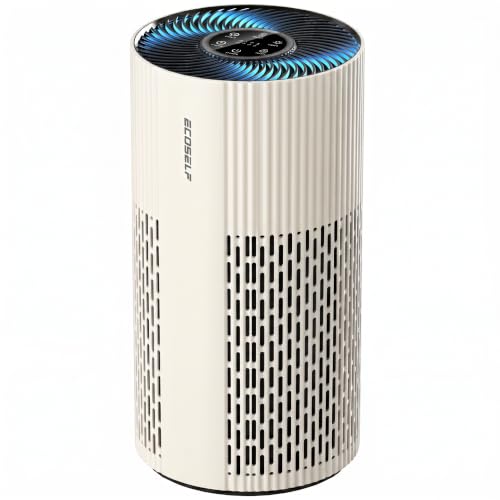
𝐅𝐀𝐒𝐓 𝐖𝐇𝐎𝐋𝐄-𝐑𝐎𝐎𝐌 𝐏𝐔𝐑𝐈𝐅𝐈𝐂𝐀𝐓𝐈𝐎𝐍: Engineered with 360° air intake and a streamlined outlet, this home air purifier delivers faster, more efficient purification, refreshing spaces up to 1500 ft² per hour. Ideal for bedrooms, living rooms, offices, dorms, and pet areas.
Other Benefits of Lower Humidity
Lowering indoor humidity can make your home more comfortable and easier to maintain. It can also reduce musty odors, discourage mildew, and help protect materials that can be damaged by long-term dampness.
Less Mold Growth
Mold needs moisture. When you keep humidity in a controlled range and fix leaks quickly, you make it harder for mold and mildew to grow. This can help protect drywall, wood, fabrics, and stored belongings in damp spaces.
Fewer Dust Mites
Dust mites are harder to control in humid homes. Keeping humidity below 50% can make bedding, carpets, curtains, and upholstered furniture less hospitable. For the best results, combine humidity control with allergen-proof covers and weekly washing of bedding if the fabric care label allows it.
Better Air Quality
Drier air within the right range can reduce musty smells and limit some moisture-related irritants. But source control still matters. Air cleaning and filtration can reduce airborne pollutants, but they cannot replace fixing leaks, removing moldy materials when needed, improving ventilation, and cleaning dust reservoirs.
How to Use a Dehumidifier Correctly
To get real results, use the dehumidifier as a controlled tool, not a set-it-and-forget-it appliance. The goal is not to make the room bone dry. The goal is to keep humidity stable, usually around 45% to 50% in a damp or dust-mite-prone space.
- Measure the room first. Put a hygrometer in the room for a day or two so you know the real humidity pattern.
- Fix moisture sources. Repair leaks, improve bathroom and kitchen ventilation, and make sure the dryer vents outdoors.
- Choose the right capacity. ENERGY STAR explains that dehumidifier capacity is measured in pints per 24 hours and depends on the space size and dampness level.
- Place it correctly. Put the unit on a level surface with open airflow around it. Keep it away from curtains, walls, and furniture that block intake or exhaust vents.
- Set the target humidity. Start around 50%, then adjust slightly if the room still feels damp or smells musty.
- Use continuous drainage when possible. A drain hose or pump helps the unit run consistently without a full tank stopping it.
- Clean it regularly. Wash or replace filters as directed, empty and clean the tank, and keep the coils and intake area clear.
Pro Tip: Put one hygrometer near the dehumidifier and another across the room. If the readings are very different, you may need better airflow, a different placement, or more than one unit for separate rooms.
Recommended Products

Upgrade High Efficient Dehumidification: Dehumidifier utilize semi conductor condensation technology, ensuring quiet operation while effectively extracting moisture from the air. This advanced feature helps keep humidity levels below 45%

Quiet & High-Efficiency Dehumidifier: Adopting next-generation semiconductor cooling technology, efficient moisture removal while maintaining ultra-low noise operation. Stable humidity levels are maintained, making your home environment more comfortable and pleasantly dry.

Quiet & High-Efficiency Dehumidifier: Featuring next-generation semiconductor cooling technology, this quiet dehumidifier delivers efficient moisture removal while running at ultra-low noise (≤40dB). Stable humidity levels are maintained, making your home environment more comfortable and pleasantly dry.
Dust Control Checklist for Better Results
A dehumidifier works best when you also reduce dust reservoirs. Focus on the places where dust mites and dust collect most.
- Wash sheets, pillowcases, and blankets weekly.
- Use allergen-proof mattress and pillow covers if dust mites trigger symptoms.
- Vacuum carpets and rugs with a HEPA-filter vacuum.
- Damp dust hard surfaces instead of dry dusting, which can stir particles into the air.
- Reduce clutter, heavy fabric curtains, and hard-to-wash textiles in bedrooms.
- Replace or clean HVAC filters on schedule.
- Run a true HEPA air purifier in the room where you sleep if airborne dust bothers you.
Common Dehumidifier Mistakes to Avoid
Small mistakes can make a dehumidifier less effective or even create new indoor air problems.
- Buying a unit that is too small: It may run constantly without reaching your humidity target.
- Ignoring the hygrometer: Without a humidity reading, you are guessing.
- Blocking airflow: Furniture, curtains, and walls can reduce performance.
- Letting the tank get dirty: A dirty tank can develop odors or microbial buildup.
- Drying the room too much: Very dry air can irritate your skin, nose, throat, and eyes.
- Using it instead of fixing leaks: A dehumidifier cannot solve roof, plumbing, foundation, or flood moisture problems by itself.
Frequently Asked Questions
Do air purifiers dry indoor air?
No. Air purifiers filter particles from the air, but they do not meaningfully lower humidity. If a room feels damp, use a dehumidifier or improve ventilation. If a room is dusty, use a true HEPA air purifier and clean surfaces.
Should you use a dehumidifier if you have COPD?
A dehumidifier may help if your home is damp, musty, or above 50% humidity, because dampness and mold can irritate the lungs. Do not over-dry the air, and ask your healthcare professional for personal guidance if COPD, asthma, allergies, or chronic lung symptoms are part of the concern.
What are the downsides of using a dehumidifier?
The main downsides are electricity use, noise, tank emptying, filter cleaning, and the risk of making the air too dry. A poorly maintained unit can also smell musty. Choose the right capacity, clean it often, and track humidity with a hygrometer.
Do dehumidifiers pull dust out of the air?
No. Dehumidifiers remove moisture, not dust. They may reduce conditions that support dust mites and mold, but settled dust still needs to be removed by cleaning, vacuuming, washing fabrics, and filtering airborne particles.
What humidity level helps reduce dust mites?
Aim for 30% to 50% relative humidity. A practical target for many homes is around 45% to 50%. Dust mites and mold are more likely to thrive when indoor humidity stays high, especially above about 50% to 60%.
How long does a dehumidifier take to help with dust mites?
Humidity can improve within hours or days, depending on the room and unit size. Dust-mite allergen reduction is slower and varies by home. Expect better results when you also wash bedding, use allergen covers, vacuum with HEPA filtration, and remove dust reservoirs.
Can a dehumidifier replace an air purifier for dust?
No. A standard dehumidifier controls moisture, while an air purifier filters particles. Use a dehumidifier for dampness, musty smells, and dust-mite support. Use a true HEPA air purifier for airborne dust, pollen, smoke, and pet dander.
Can low humidity make dust symptoms feel worse?
Yes, overly dry air can irritate your nose, throat, eyes, and skin. That irritation can make dust exposure feel worse. Avoid pushing indoor humidity below about 30%, and use a hygrometer so you are not guessing.
Conclusion
So, does a dehumidifier help with dust? Yes, but indirectly. It helps by keeping relative humidity in a range where dust mites, mold, and mildew are less likely to thrive. It does not remove dust from the air or surfaces by itself.
For a damp room, set up a properly sized dehumidifier, keep humidity around 30% to 50%, and monitor the room with a hygrometer. For actual dust removal, add regular cleaning, weekly bedding care, HEPA vacuuming, and a true HEPA air purifier. Used together, these steps give you cleaner air, fewer moisture-related allergens, and a more comfortable home.
Sources
- U.S. EPA — A Brief Guide to Mold, Moisture and Your Home — supports indoor humidity range and moisture-control guidance.
- American Lung Association — Dust Mites — supports dust-mite humidity guidance and dust-mite exposure reduction steps.
- U.S. EPA — What is a HEPA filter? — supports true HEPA filtration performance information.
- ENERGY STAR — Dehumidifiers — supports dehumidifier capacity and sizing considerations.
- CDC — Mold — supports humidity and mold-prevention guidance.
- PubMed — Reducing relative humidity is a practical way to control dust mites and their allergens — supports the note that sustained low humidity can reduce mite and allergen levels.
- Europe PMC — Randomized trial of dehumidification in house dust mite control — supports the evidence-limit note on portable dehumidifier results.
- U.S. EPA — Ozone Generators that are Sold as Air Cleaners — supports the warning about ozone-generating air cleaners.