Cleaning a robot vacuum dock safely starts with a simple routine and the right supplies. A microfiber cloth, mild soap, and a soft brush can handle most buildup, but only after the dock is unplugged. Dustbins, bags, trays, contacts, and sensors each need different care, and missed debris can reduce performance. The process is straightforward, yet a few overlooked steps often cause the most problems.
Gather Your Cleaning Supplies
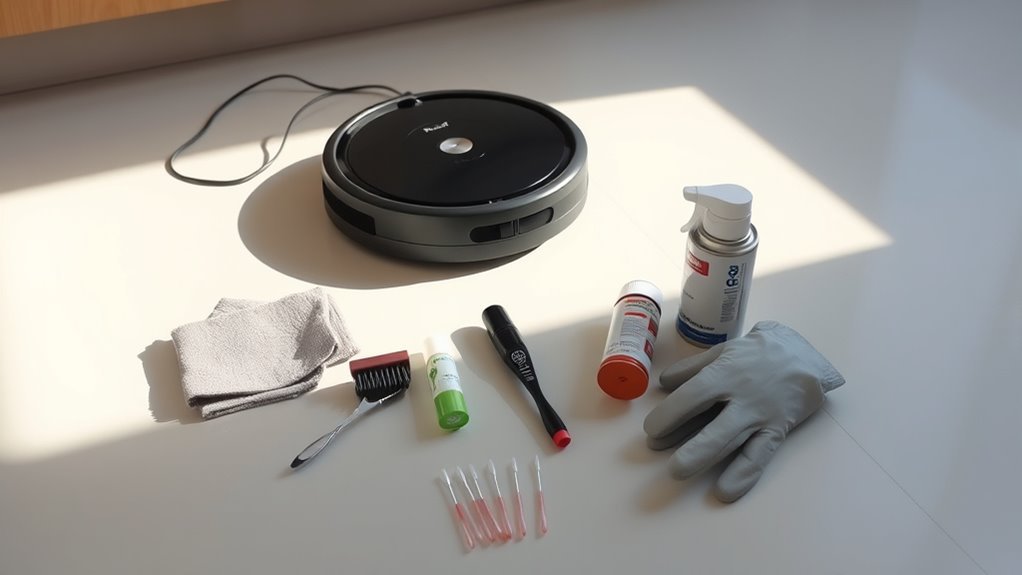
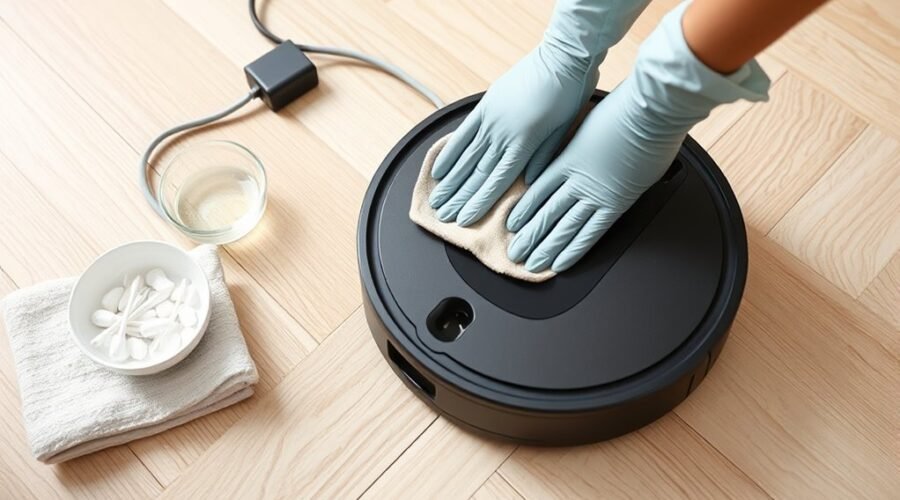
Begin by gathering a microfiber cloth to clean the robot vacuum dock without scratching its surfaces. A careful setup also includes mild dish soap, clean water, a soft brush, and a vacuum cleaner for dust in tight places.
It helps to prepare a dry cloth to remove moisture after washing. If removable components need attention, make sure the soap solution is ready before one remove the filter and other parts.
A small container should be kept nearby for screws or loose pieces, preventing loss and saving time. Each item supports orderly work and reduces dependence on guesswork.
The goal is simple: assemble tools before touching the dock so the process stays calm, efficient, and free from avoidable damage.
With supplies in place, the next steps can proceed with precision, protecting both the dock and the user’s sense of control.
Unplug The Dock And Prepare It
The dock should be unplugged from the power source before any cleaning begins to reduce the risk of shock or damage.
The surrounding area should then be cleared so the dock has stable, unobstructed access during maintenance. This preparation helps create a safe workspace and supports more effective cleaning.
Unplug Before Cleaning
Unplug the dock from the power source before any cleaning starts to eliminate electrical hazards and prevent the robot vacuum from activating during maintenance. This simple act restores control to the user and removes hidden risk.
Once disconnected, the Robot Vacuum dock can be handled safely, with attention focused on the charging contacts and other exposed parts. A clean, dry workspace should be prepared so the unit can rest there without contamination.
Gather a soft cloth and mild soap to lift dust and residue without harming surfaces. Avoid rushing or using excess moisture.
After cleaning, inspect the dock carefully and dry before reinstalling it. Confirm that no dampness remains anywhere on the base, then reconnect power only when the dock is fully dry and ready.
Clear Surrounding Area
With the dock disconnected from power, the area around it should be cleared to create a safe, accessible workspace. At least a three-foot radius should be opened so hands, tools, and movement remain unrestricted.
Any debris, cords, or small objects should be removed to prevent tripping and to preserve the dock’s performance. Good dock placement tips favor open, ventilated spaces that simplify access and support cleaner operation.
Before wiping surfaces, a soft cloth, mild soap, and other supplies should be prepared nearby, reducing unnecessary movement. Adequate airflow should be maintained so cleaning agents dry properly and the area stays safe.
These steps support vacuum maintenance benefits and align with practical cleaning frequency recommendations, helping users maintain control over upkeep and avoid avoidable hassle.
Empty The Dustbin, Bag, And Tanks
Start by emptying the dustbin regularly so debris does not build up, block airflow, or reduce suction performance.
Empty the dustbin regularly to prevent buildup, maintain airflow, and keep suction performance strong.
This dustbin maintenance keeps the dock and vacuum operating with fewer interruptions and preserves strong cleaning results.
The vacuum bag should also be checked often; when full, bag replacement is necessary to prevent reduced efficiency and avoid malfunctions that can limit independent cleaning.
For tank cleaning, the dirty water tank should be dumped after use, and the clean water tank should be washed with dish soap, then rinsed thoroughly before reinserting.
Each tank port should be inspected for obstructions or trapped debris so water can flow freely during cleaning cycles.
A consistent schedule for the dustbin, bag, and tanks helps prolong the robot vacuum’s lifespan while supporting dependable performance.
Regular emptying removes clutter from the system and gives the machine greater freedom to clean effectively.
Clean The Charging Contacts And Sensors
The charging contacts should be inspected regularly for debris or obstructions, then wiped gently with a clean, dry cloth to preserve reliable charging and avoid liquid cleaners that could damage the electronics.
The sensor surfaces should also be checked for dust buildup and cleaned carefully with a soft cloth to prevent scratches or other damage.
During both tasks, the robot should remain powered off, and the water inlet area should stay clear of debris to support proper performance.
Charging Contact Care
Regular inspection of the charging contacts and sensors helps keep a robot vacuum charging efficiently and performing reliably. A dry, clean cloth should be used to wipe the contacts gently, preserving charging efficiency without exposing parts to liquids or cleaning solutions.
Sensor maintenance benefits from the same discipline: inspect for debris, then remove obstructions with care so the dock can communicate and power the unit properly. If contact corrosion or buildup appears, a soft brush or cloth may clear it without scratching the surface.
The water inlet area should also remain free of debris, since blockage can interfere with charging performance. Consistent care protects the dock, extends service life, and gives the machine the freedom to return, charge, and resume work with less interruption.
Sensor Cleaning Tips
A monthly visual check of the charging contacts and sensors helps keep the dock working efficiently and the robot vacuum maneuvering properly.
Sensor maintenance should include inspecting each contact point and lens for dust, hair, or residue that could interrupt charging or navigation. A clean, dry cloth is the safest tool for wiping these areas; cleaning solutions are unnecessary and may damage delicate parts. The cleaning frequency should remain at least once a month, though more often in dusty rooms.
Any buildup around the water inlet and nearby surfaces should also be removed to prevent blockages. Keeping sensor areas clear reduces performance impact, preserves accurate movement, and supports dependable operation.
Careful attention here protects the system and extends its useful life.
Wash The Removable Tray
Lift the removable tray out of the dock to expose any trapped debris and make cleaning easier. It should be washed under the sink with warm water, then treated with a small amount of dish soap if residue remains. Rinse thoroughly so no cleaner lingers on the surface. These tray maintenance tips support clean operation and reduce buildup.
| Action | Purpose | Caution |
|---|---|---|
| Lift out tray | Quick access | Handle gently |
| Wash with warm water | Remove grime | Avoid harsh scrubbing |
| Dry fully | Prevent moisture issues | Reinsert only when dry |
Cleaning frequency recommendations should match use, but regular washing is essential for performance and for preventing clogs in the docking system. Common cleaning mistakes include skipping soap on stubborn residue, rinsing too lightly, and returning the tray while damp. A dry, clean tray helps the dock function freely and reliably, supporting a more independent routine.
Clear Blockages From The Dock
Blockages in the dock should be checked whenever emptying performance drops or a flashing red light appears, with special attention to the evacuation path where debris commonly collects.
The Dock Dustbin filter should be removed and cleaned, since trapped dust can restrict airflow and weaken suction. A soft brush or compressed air can clear dust from sensors and charging contacts without causing damage.
Remove and clean the Dock Dustbin filter to prevent trapped dust from restricting airflow and weakening suction.
The dock should also sit on a flat, unobstructed surface, because uneven placement can interfere with emptying and invite new clogs. For thorough work, the user manual should be consulted before disassembling any component.
These dock maintenance tips support reliable operation and help keep the unit free from avoidable buildup. Practical blockage prevention strategies include checking the evacuation route after heavy use and clearing visible debris before it hardens.
Cleaning frequency recommendations should follow the home’s dust load and pet activity, since more debris demands more attention.
Set A Regular Maintenance Routine
Establishing a weekly cleaning schedule helps keep the robot vacuum dock free of dust and debris before buildup affects performance. A practical weekly schedule should include emptying the Dustbin, checking the Auto-Empty Dock for clogs, and wiping accessible surfaces.
These maintenance tips prevent hidden blockages from reducing suction and allow the system to work with less strain. Once a month, the charging contacts and sensors should be inspected and cleaned so power transfer remains reliable and navigation stays accurate.
After each use, the Clean and Dirty water tanks should be rinsed with warm water and mild soap to limit residue and odor. Filters should be cleaned or replaced exactly as the user manual recommends, since worn filters can lower cleaning efficiency and damage internal parts.
Consistent care creates a dependable performance boost and gives the device space to function freely, without avoidable interruptions.
Frequently Asked Questions
How to Clean the Roomba Dock?
Unplug the Roomba dock, then wipe dust from contacts, sensors, and exterior. Empty tanks, replace full bags, and clear blockages. These dock maintenance tips address common dock issues; follow cleaning frequency recommendations weekly for reliability.
What Are the Best Ways to Clean My Dock?
Most docks fail from neglect: about 70% of common dock issues stem from residue buildup. Effective dock maintenance tips include weekly tank cleaning, contact wiping, tray rinsing, and checking cleaning frequency recommendations for debris.
How to Clean the Roborock Dock?
He should unplug the Roborock dock, remove the dustbin, wipe surfaces with a damp cloth, clear charging contacts, and clean the filter. Follow dock maintenance tips, check cleaning frequency, and address common issues promptly.
Can I Use Vinegar in My Robot Vacuum?
Yes, vinegar may be used sparingly on removable parts and exterior surfaces. Vinegar benefits include stain removal and deodorizing. Safety precautions matter: avoid sensors, internals, and electronics. Cleaning alternatives, like mild soap, remain gentler.
Conclusion
To sum up, a safe and effective robot vacuum dock cleaning routine depends on simple, consistent care. With 1 weekly check, most dust buildup and clogging can be prevented before they affect performance. Unplugging the unit, wiping contacts, washing removable parts, and clearing blockages all help preserve reliable charging and suction. When the dock is kept dry, clean, and inspected regularly, the vacuum operates more efficiently and lasts longer with fewer interruptions.