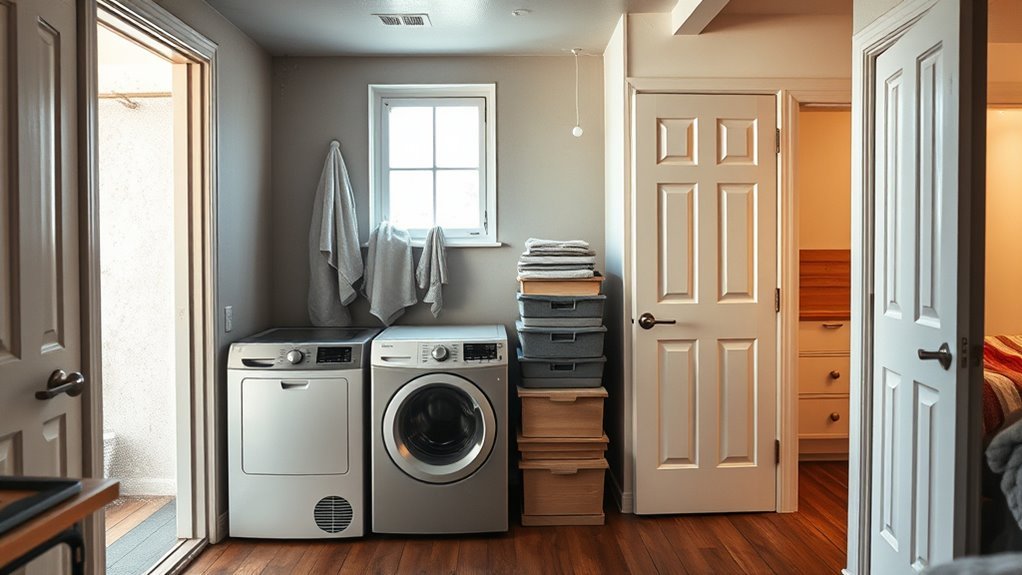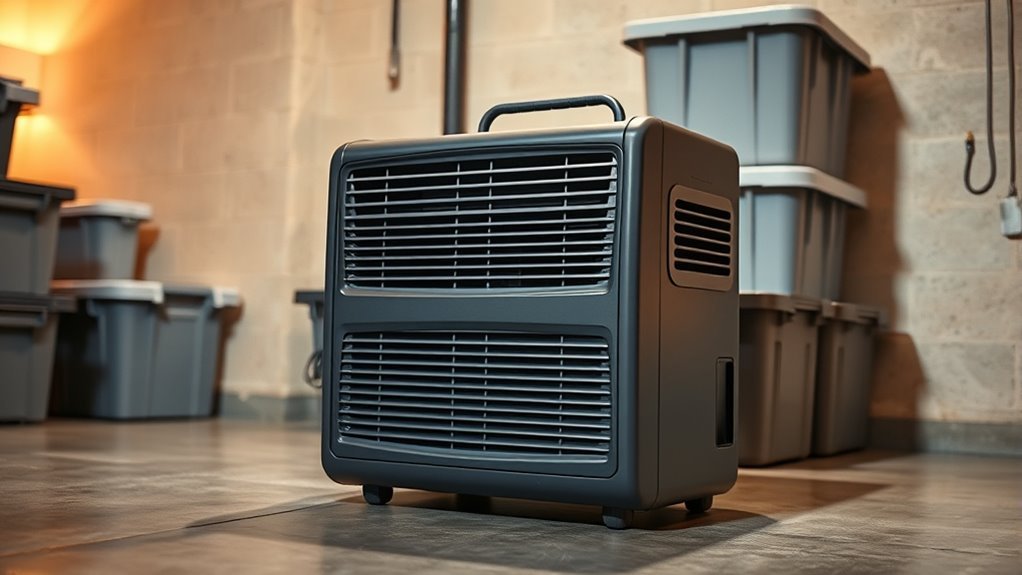
Refrigerant dehumidifiers are compressor-based dehumidifiers that remove moisture by cooling humid air until water condenses. They are a strong choice for warm, damp rooms such as basements, laundry rooms, living areas, workshops, and restoration spaces where you need steady humidity control without cooling the room like an air conditioner.
Quick Answer
A refrigerant dehumidifier uses a compressor, refrigerant, cold evaporator coil, warm condenser coil, fan, and drain system to pull water vapor from the air. It works best in warm, humid spaces. In cooler rooms, a desiccant dehumidifier or low-temperature-rated model may perform better.
Key Takeaways
- Refrigerant dehumidifiers are also called compressor or mechanical dehumidifiers.
- They remove moisture by cooling humid air below its dew point, collecting the condensed water, then reheating the drier air before release.
- They usually perform best in warm, humid rooms; below about 65°F (18°C), frost can reduce performance unless the unit is rated for low-temperature use.
- Aim for about 30% to 50% relative humidity indoors, and keep sustained humidity below 60% where possible.
- Choose capacity, drainage, energy efficiency, and operating temperature based on the room, not just the floor area.
What Are Refrigerant Dehumidifiers?
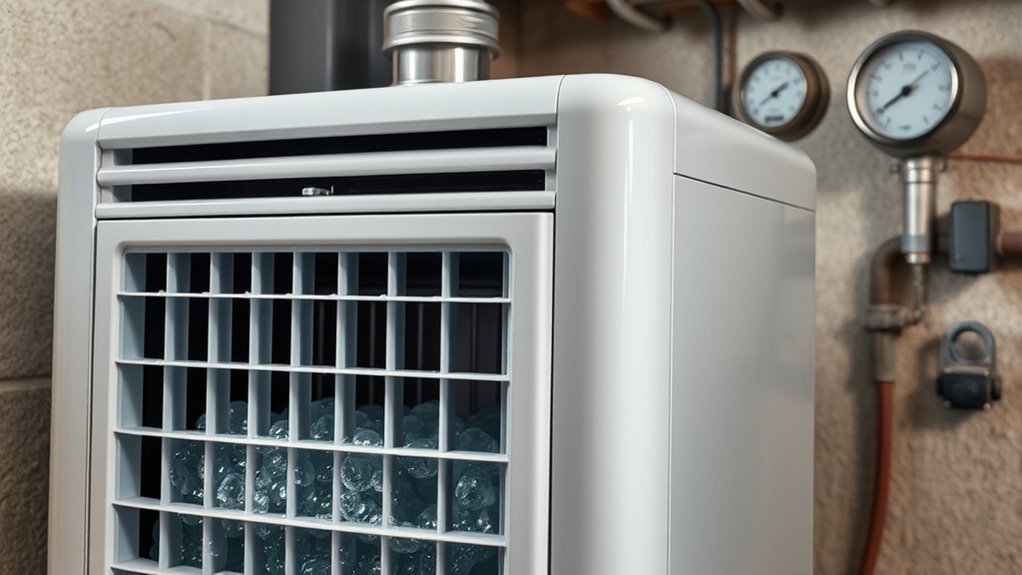
Refrigerant dehumidifiers, also called compressor dehumidifiers or mechanical dehumidifiers, use a refrigeration cycle to remove moisture from indoor air. A fan pulls humid air into the unit, a cold coil causes water vapor to condense, and the collected water drains into a bucket or hose connection.
These units are common in homes, basements, rental properties, laundry rooms, offices, workshops, and water-damage drying jobs. They are popular because they can remove a useful amount of moisture while using familiar refrigeration parts: a compressor, evaporator coil, condenser coil, refrigerant loop, fan, humidistat, and drainage system.
For most homes, the goal is not to make the air bone-dry. A practical indoor target is usually around 30% to 50% relative humidity. The U.S. Environmental Protection Agency recommends keeping indoor humidity below 60% where possible, ideally between 30% and 50%, to help control mold and moisture problems. ENERGY STAR gives the same general optimum range for buildings.
Recommended Products

Semiconductor dehumidifiers use thermoelectric cooling to remove moisture from the air. They create a drier, more comfortable environment by reducing humidity and improving air quality.
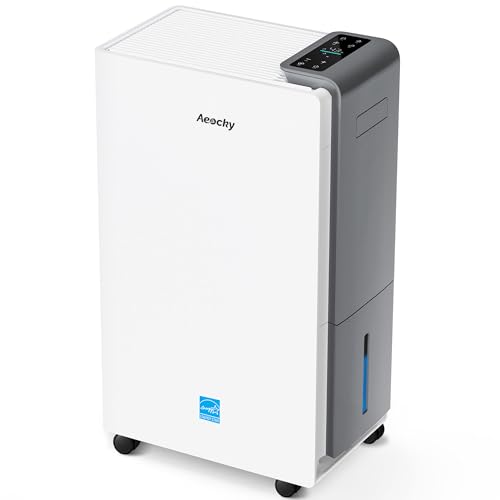
【ENERGY STAR 25 ≠ ENERGY STAR Most Efficient 2025】Don't fall for competitors' word games. With only 2.6% of ENERGY STAR models earning "Most Efficient 2025" title, these options are exceptionally rare on the market. RHEA-001 is one of the few to truly hold this top-tier certification. Many brands use misleading phrases like "Energy Star Efficient 25" or "Energy Star 25" to imply a standard they haven't met. Choosing them is a risk.With AEOCKY, you get verified performance and the peace of mind of authentic, top-tier efficiency.
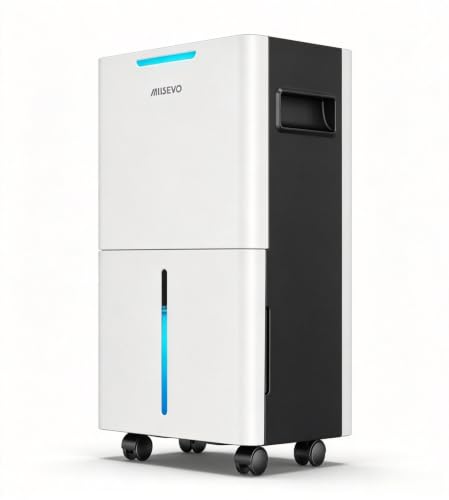
High Efficient Dehumidifier — Equipped with a high-performance compressor, Whether it’s your basement, bedroom, bathroom, living room, bathroom, crawlspace, or even an RV, this dehumidifier effectively keeps your environment dry, comfortable, and healthy.
How a Refrigerant Dehumidifier Works
You can think of a refrigerant dehumidifier as a small refrigeration system built for moisture removal instead of room cooling. It does not simply chill the room. It cools the air long enough to remove water, then sends the drier air across a warm coil before returning it to the space.
- Humid air enters the unit. A fan pulls room air through the intake and across the evaporator coil.
- The evaporator coil cools the air. When the coil is cold enough, water vapor in the air condenses into liquid droplets.
- Water drains away. Condensate runs into a removable bucket, drain hose, floor drain, sump, or condensate pump setup, depending on the model.
- The condenser coil reheats the air. The air passes over the warm condenser coil before it leaves the unit.
- The humidistat controls runtime. Once the room reaches the target relative humidity, the unit cycles on and off to maintain that setting.
Refrigeration Cycle Basics
The compressor moves refrigerant through a closed loop. As the refrigerant circulates, it allows one coil to become cold enough to condense moisture and another coil to release heat back into the outgoing air. This is why the air coming out of a dehumidifier often feels slightly warmer than the surrounding room air.
This process is most effective when the room is warm enough for moisture to condense without the evaporator coil icing over. ENERGY STAR advises that if a space often falls below 65°F (18°C), you should consider a product specified for lower-temperature operation. Frost can form on condensing coils below that range and reduce moisture removal.
Cooling Coil Condensation
The evaporator coil is the main moisture-removal point. Warm, damp air touches the cold metal surface, and the water vapor turns into liquid water. This is the same basic reason a cold drink sweats on a humid day.
The more humid the room air is, the more water the unit may remove during early operation. As the room approaches the target humidity, the unit should collect less water because there is less excess moisture left in the air.
Warm Dry Air Release
After moisture condenses, the drier air passes over the condenser coil and returns to the room. The output air may be slightly warmer, which is normal. ENERGY STAR notes that dehumidifiers can slightly warm the space around them while removing moisture.
| Step | What Happens |
|---|---|
| Cooling | Humid air crosses the cold evaporator coil and water condenses. |
| Drainage | Condensed water flows into a bucket or drain line. |
| Reheat | The condenser coil warms the drier air before it returns to the room. |
| Control | The humidistat cycles the unit to hold the target humidity. |
Key Parts of a Refrigerant Dehumidifier
A refrigerant dehumidifier is simple from the outside, but several parts must work together for efficient moisture removal.
| Component | Role |
|---|---|
| Compressor | Circulates and pressurizes refrigerant so the coils can transfer heat. |
| Evaporator coil | Cools incoming humid air so moisture condenses. |
| Condenser coil | Releases heat and reheats the drier air before discharge. |
| Fan | Moves room air across the coils and back into the room. |
| Humidistat | Lets you set a target relative humidity and helps prevent unnecessary runtime. |
| Bucket or drain | Collects or removes condensed water. |
Compressor and Refrigerant Loop
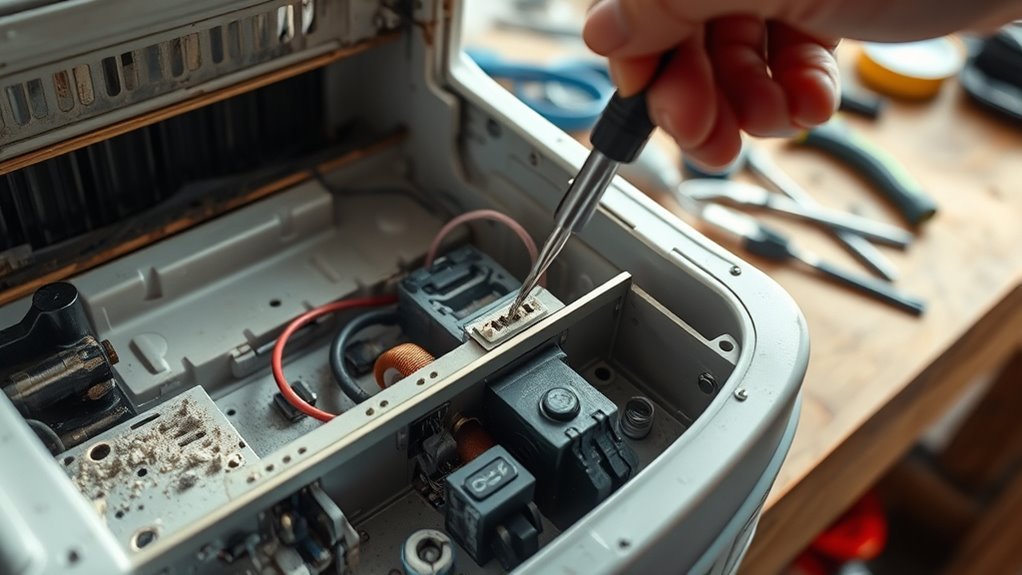
The compressor and refrigerant loop make the coil temperatures possible. The compressor helps maintain the pressure difference that allows one coil to become cold and the other to become warm. If the compressor fails, the unit may still run its fan, but it will not remove moisture properly.
Evaporator Coil Function
The evaporator coil is where moisture leaves the air. Good airflow across this coil matters. A clogged filter, blocked intake, dirty coil, or iced coil can reduce water removal and make the unit run longer than necessary.
Fan and Condenser Assembly
The fan keeps air moving through the unit. The condenser assembly releases heat from the refrigerant and warms the drier air before it exits. Variable fan speeds can help balance noise, comfort, and drying speed, but even a basic unit needs clear airflow around the intake and discharge.
When Refrigerant Dehumidifiers Work Best
Refrigerant dehumidifiers work best in warm, humid spaces where there is enough moisture in the air and enough heat for steady condensation. They are especially useful in damp basements, laundry rooms, bathrooms with poor ventilation, finished lower levels, workshops, and warm storage rooms.
They also help after clean-water leaks once the water source has been stopped and standing water has been removed. In drying jobs, dehumidifiers work best alongside air movement, heat when appropriate, and prompt material drying.
Warning: A dehumidifier does not fix the source of moisture. Repair leaks, improve drainage, and remove standing water first. If water came from sewage, floodwater, or another contaminated source, or if mold covers a large area, use a qualified remediation professional instead of relying on a portable dehumidifier alone.
If a room often drops below about 65°F (18°C), check the model’s operating-temperature rating. In cooler spaces, a standard compressor unit may frost up, cycle into defrost, or remove very little water. A low-temperature-rated refrigerant model or a desiccant dehumidifier may be the better fit.
How Desiccant Dehumidifiers Work
Desiccant dehumidifiers remove water vapor with a moisture-attracting material instead of a cold refrigeration coil. Many use a rotating desiccant wheel. As air passes through the wheel, the desiccant adsorbs moisture. A heated regeneration airflow then dries the desiccant so it can keep working.
This design makes desiccant units useful in cooler spaces where compressor models lose efficiency. They often add more warmth to the outgoing air and can cost more to run in warm rooms, but they are helpful in unheated garages, boats, sheds, cold storage spaces, and cool utility rooms when the model is rated for that use.
Refrigerant vs. Desiccant Dehumidifiers
Both types remove moisture, but they do it in different ways. The right choice depends on temperature, humidity level, energy cost, noise expectations, and the space you need to dry.
| Feature | Refrigerant / Compressor | Desiccant |
|---|---|---|
| How it removes moisture | Cools air on an evaporator coil so water condenses. | Uses a moisture-adsorbing material that is regenerated with warm air. |
| Best temperature range | Warm, humid rooms; check the rating if below about 65°F (18°C). | Cooler rooms and unheated spaces, if the model is rated for them. |
| Energy use | Often efficient in warm conditions; compare ENERGY STAR and Integrated Energy Factor. | May use more heat energy, but can outperform compressor units in cold spaces. |
| Water handling | Usually bucket, hose, pump, or drain. | Varies by design; some collect water, while larger systems may exhaust humid regeneration air. |
| Best fit | Basements, homes, laundry rooms, warm workshops, and damp living areas. | Cold garages, boats, unheated storage, and low-temperature drying. |
Recommended Products

COLD-RATED TO 34°F — WORKS WHERE COMPRESSORS QUIT: Rotary desiccant technology pulls moisture at temperatures that shut conventional compressor dehumidifiers down. Unheated crawl spaces, garages, basements, and cabins stay dry through fall and winter, not just summer.
![wisedry 2 x 500 Gram [2.2 lbs] Rechargeable Silica Gel Car Dehumidifier, Microwave Fast Reactivated Desiccant Packets Large for Gun Safe Closet Basement Garage Storage Moisture Absorber Bag Reusable](https://m.media-amazon.com/images/I/51pHUtcOd3L._SL500_.jpg)
✅ [ CLEAR WINDOWS ] - Wisedry silica gel car dehumidifier bag reduces condensation on car windows which can be a problem on cold winter mornings. Thanks to its high moisture absorption, each 500g silica gel adsorbs 150g(max 180g) of moisture! Also suitable for preventing moisture in other larger spaces like cupboards, storage room, tool shop, garage, RV, boat, basement etc.
✅ [ NO MORE FOGGY WINDOWS ] - Wisedry car dehumidifier bag reduces the misting on car windows which can be a problem in cold winter mornings. Thanks to its high moisture absorption, each 500g silica gel adsorbs 150g(max 180g) of moisture! Also suitable for preventing moisture in other larger spaces like cupboard, gun safes, storage room, tool shop, garage, RV, boat, basement etc.
Which Dehumidifier Fits Your Space?
Start with the room conditions, not just the square footage. A small warm bedroom, a wet basement, and a cold garage need different dehumidifier choices.
Recommended Products

𝐏𝐨𝐰𝐞𝐫𝐟𝐮𝐥 𝟕𝟓-𝐏𝐢𝐧𝐭 𝐃𝐞𝐡𝐮𝐦𝐢𝐝𝐢𝐟𝐢𝐞𝐫 – 𝐅𝐚𝐬𝐭 𝐌𝐨𝐢𝐬𝐭𝐮𝐫𝐞 𝐑𝐞𝐦𝐨𝐯𝐚𝐥: Removes up to 75-pint(95℉, RH 95%) of moisture per day with high-efficiency performance. Ideal for basements, bedrooms, bathrooms, garages, large rooms, and whole-home use, helping keep your space dry, fresh, and comfortable.

110-Pint Superior Performance:The DREO Dehumidifier delivers superior moisture removal, ranging from 50 to 110 pints per day(86℉, RH 90%), perfect for 4500ft² large spaces like basements, bedrooms, living rooms, bathrooms, and laundry rooms. Its rapid dehumidification reduces humidity levels by up to 45% per hour, ensuring a faster, drier environment.

Room Size & Humidity Guidance:Performance varies with temperature, humidity, airflow, and moisture sources. Use continuous drainage in enclosed spaces for 40–50% RH; open areas reach 50–55% RH. For lower targets, choose a higher-capacity model. Readings may vary by location with air circulation—not a defect.
1. Check the Room Temperature
Choose a refrigerant dehumidifier for warm, humid spaces. If the room often sits below 65°F (18°C), look for a low-temperature-rated compressor model or consider a desiccant unit.
2. Set a Realistic Humidity Target
For most homes, set the humidistat around 45% to 50% RH and adjust based on comfort, condensation, and season. In colder climates during heating season, a lower target may help prevent window condensation. Avoid running the room far below the needed range, because over-drying wastes energy and can make the air uncomfortable.
3. Choose the Right Capacity
Dehumidifier capacity is usually measured in pints of water removed per 24 hours. The right capacity depends on room size and how damp the space is. A slightly larger unit can be better than an undersized unit because it can reach the target humidity faster and cycle off instead of running constantly.
4. Plan the Drainage
Portable models usually use a removable bucket. For long runtimes, choose a model with a hose connection, built-in pump, or drain setup. Make sure the hose slopes correctly and does not create a tripping hazard.
Note: Dehumidifier condensate is not drinking water. It may contain dust, metals, microbes, or residue from the bucket and coils. Dispose of it safely unless your equipment is specifically designed and certified for another use.
5. Compare Energy Efficiency
Look for ENERGY STAR certification and compare the Integrated Energy Factor, measured in liters of water removed per kilowatt-hour. A higher Integrated Energy Factor means the dehumidifier removes more water for the energy it uses. ENERGY STAR-certified dehumidifiers use more efficient refrigeration coils, compressors, and fans and are rated to use less energy than conventional models.
How to Use a Refrigerant Dehumidifier Efficiently
- Close doors and windows while the unit runs so it is not trying to dry outdoor air.
- Keep airflow clear. Do not block the intake or discharge with walls, curtains, boxes, or furniture.
- Keep it away from heavy dust. Dust can clog filters, coils, and grills.
- Use a grounded outlet and follow the manufacturer’s electrical instructions.
- Keep drain hoses away from cords and outlets. Water and electrical connections should never share the same path.
- Clean the filter regularly so the fan can move air across the coils efficiently.
- Check the bucket and hose for slime, kinks, blockage, or poor slope.
- Use a separate hygrometer if your humidistat does not display the actual room RH.
Pro Tip: If the unit runs nonstop but RH stays high, the problem is often not the dehumidifier. Check for open windows, foundation moisture, wet materials, blocked airflow, clogged filters, an undersized unit, or an active leak.
Frequently Asked Questions
Are desiccant and refrigerant dehumidifiers the same?
No. A refrigerant dehumidifier uses a compressor and cold coil to condense water from the air. A desiccant dehumidifier uses a moisture-attracting material, often in a rotating wheel or cartridge system. Refrigerant models are usually best in warm, humid rooms, while desiccant models are often better for cooler spaces.
Are there dehumidifiers without refrigerant?
Yes. Desiccant dehumidifiers remove moisture without a refrigerant compressor cycle. They use a hygroscopic material to capture water vapor from the air. Some small moisture absorbers are passive and disposable, while larger desiccant dehumidifiers actively regenerate the desiccant with heat.
Which is better, R32 or R-410A in a dehumidifier?
For climate impact, R32 has a lower 100-year global warming potential than R-410A: the EPA lists HFC-32 at 675 and R-410A at 2,088. That does not mean you can swap refrigerants in an existing unit. The dehumidifier must be designed, labeled, charged, and serviced for the refrigerant it uses.
Are AC units also dehumidifiers?
Yes, air conditioners remove some moisture as part of cooling, because water condenses on the cold evaporator coil. However, an AC is controlled mainly by temperature, while a dehumidifier is controlled by humidity. A dedicated dehumidifier is usually better when the room is damp but not too hot.
What humidity should I set my dehumidifier to?
A good starting point is 45% to 50% RH. For mold and moisture control, keep indoor humidity below 60% where possible and ideally between 30% and 50%. In cold weather, you may need a lower setting to reduce window condensation.
Why is my refrigerant dehumidifier icing up?
Ice can form when the room is too cold, airflow is blocked, the filter is dirty, or the refrigeration system has a fault. Turn the unit off and let it defrost. Then clean the filter, clear airflow, and check the manual’s operating-temperature range. If icing returns, the unit may need service.
Conclusion
Refrigerant dehumidifiers are also called compressor dehumidifiers because they use a compressor-driven refrigeration cycle. They pull humid air over a cold coil, condense the moisture, drain the water away, and return drier, slightly warmed air to the room.
Choose one for warm, damp spaces where you want efficient moisture removal and steady humidity control. Choose a desiccant model or a low-temperature-rated unit for cooler rooms. For the best results, fix moisture sources first, set a realistic RH target, keep airflow clear, and match the dehumidifier’s capacity and operating range to the space.
Sources
- ENERGY STAR — Dehumidifiers — backs operating-temperature cautions, 30% to 50% RH guidance, humidistats, placement, capacity, drainage, ENERGY STAR efficiency, and Integrated Energy Factor.
- U.S. EPA — A Brief Guide to Mold, Moisture and Your Home — backs mold/moisture control, 24–48 hour drying guidance, humidity recommendations, and cleanup cautions.
- U.S. EPA — Mold Course Chapter 2 — backs humidity, condensation, hidden moisture, HVAC moisture, and flood/moisture cautions.
- U.S. EPA — Technology Transitions GWP Reference Table — backs GWP values for HFC-32/R32 and R-410A.
- U.S. EPA — Technology Transitions Program — backs current HFC sector-restriction context under the AIM Act.