Set your dehumidifier between 30% and 50% relative humidity for most homes. A good starting point is about 45%, then adjust by room, season, and comfort: lower it toward 40% for damp basements or condensation, and raise it toward 50% if the air feels too dry. Use a separate hygrometer to confirm the room’s actual humidity instead of relying only on guesswork.
Quick Answer
For most homes, set a dehumidifier to 45% relative humidity. Keep the room within the broader 30% to 50% range for comfort and mold prevention. Use 40% to 45% in damp basements, 45% to 50% in living areas, and 30% to 40% in colder climates during winter if condensation appears.
Key Takeaways
- The safest everyday target is usually 30% to 50% RH, with 45% as a practical starting setting.
- Basements, crawl spaces, and rooms with condensation usually need a lower target than bedrooms or living rooms.
- A dehumidifier helps control airborne moisture, but it does not fix leaks, flooding, hidden damp materials, or active mold by itself.
- Use a hygrometer, clean the filter, keep airflow clear, and recheck humidity after weather changes, showers, cooking, or storms.
At a Glance
| Time Required | 10 minutes to set; 24 hours to confirm the room has stabilized |
| Difficulty | Easy |
| Tools Needed | Dehumidifier, hygrometer, clean filter, nearby grounded outlet, optional drain hose |
| Cost | Usually $10–$50 for a separate humidity meter if you do not already have one |
What Humidity Should You Set a Dehumidifier To?
You should usually set your dehumidifier between 30% and 50% relative humidity, with 45% as a balanced starting point for most homes. The U.S. Environmental Protection Agency recommends keeping indoor humidity below 60% and ideally between 30% and 50% when possible. The CDC gives an even stricter mold-prevention target: no higher than 50% all day long.
That does not mean every room should sit at the same number. A dry bedroom may feel better near 45% to 50%, while a damp basement may need 40% to 45%. If you see condensation, musty odors, or a hygrometer reading above 50%, lower the setting and look for the moisture source.
Note: A dehumidifier setting is a target, not a guaranteed room reading. Check the actual humidity with a hygrometer placed away from vents, windows, and the dehumidifier’s warm air outlet.
Best Dehumidifier Humidity Range for Most Homes
For most homes, the best dehumidifier humidity range is 30% to 50% RH. Start at 45%, wait several hours, then check the room with a hygrometer. If the room still smells musty or stays above 50%, lower the setting by 5 percentage points. If your skin, eyes, throat, or sinuses feel dry, raise the setting closer to 50%.
ENERGY STAR says the optimum RH level for a building is generally considered to be 30% to 50%, and that anything above this range may promote mold growth. In colder climates during heating season, ENERGY STAR recommends 30% to 40% RH to help prevent window condensation.
Keep indoor humidity below 60% whenever possible, but use 30% to 50% as the healthier everyday target for most rooms.
How to Set Your Dehumidifier Correctly
Use this simple process the first time you set up the unit or whenever the weather changes.
- Measure the room first. Place a hygrometer in the room for at least 15 minutes so you know the starting RH.
- Set the dehumidifier to 45%. Use 40% if the room is a damp basement, crawl space, or condensation-prone area.
- Close exterior doors and windows. ENERGY STAR recommends closing the space while the unit runs so outside moisture does not keep entering.
- Keep airflow open. Leave interior doors open if you want the unit to affect nearby rooms, and keep furniture, dust, and stored boxes away from the air intake and outlet.
- Recheck after 12 to 24 hours. If the hygrometer still reads above 50%, lower the target or investigate leaks, drainage, ventilation, or unit size.
Pro Tip: If your dehumidifier has a built-in humidistat but the room still feels damp, compare it with a separate hygrometer. Built-in readings can vary because they measure air close to the machine, not always the whole room.
Recommended Products

Face Icon Comfort Indicator: Humidity temperature gauge features face icons to indicate DRY/COMFORT/WET air conditions, quickly informs you how to adjust your humidifier or dehumidifier to achieve optimal comfort.

1-【Widely Application】The digital LCD monitor can be used in home, office, garage, schools, hotels, laboratories, kindergartens, aquaculture, instrument workshop, warehouse, reptile tank terrarium, aquarium, hermit crab habitat, and other places where temperature/humidity measurement is required.

Maintain the Right Room Temperature and Humidity Levels: This wireless indoor thermometer/hygrometer combination is perfect to pair with humidifiers or dehumidifiers
How Room Type Affects Dehumidifier Settings
Different rooms hold moisture differently. Basements and crawl spaces often need lower settings because they are cooler, closer to soil moisture, and more prone to condensation. Bedrooms and living rooms can usually stay slightly higher as long as they remain below 50%.
| Room Type | Suggested Setting | Why |
| Living rooms | 45% to 50% | Comfortable for everyday use while staying within the recommended range. |
| Bedrooms | 45% to 50% | Helps avoid dampness without making the air feel too dry. |
| Basements | 40% to 45% | Cool surfaces and foundation moisture make basements more prone to condensation and musty odors. |
| Crawl spaces | Below 50%; often 40% to 45% | EPA notes that high-RH crawl spaces are common sites of hidden mold growth, especially with bare earth floors. |
| Garages and workshops | 45% to 50% | Helps reduce damp storage conditions, rust risk, and musty odors if the room is suitable for the unit. |
Living Areas and Bedrooms
In living areas and bedrooms, set the dehumidifier around 45% to 50%. This range usually feels comfortable while staying below the CDC’s 50% mold-prevention target. If the room feels dry, raise the setting slightly but keep the hygrometer reading at or below 50% if mold prevention is the priority.
- Use a hygrometer to confirm the actual room reading.
- Keep air moving with normal HVAC circulation or a fan when needed.
- Lower the setting if you notice condensation, musty smells, or damp bedding.
- Raise the setting closer to 50% if the room feels uncomfortably dry.
Basements and Crawl Spaces
Basements usually do best around 40% to 45%. Crawl spaces should stay below 50%, and many damp crawl spaces need a target near 40% to 45% if the dehumidifier can reach it safely and efficiently. The EPA Mold Course notes that high-RH crawl spaces are common sites of hidden mold growth, especially when bare earth or ground water adds moisture.
If your basement or crawl space stays damp after the dehumidifier runs, do not just lower the setting forever. Check gutters, downspouts, grading, foundation cracks, plumbing leaks, sump pump performance, and air circulation.
Garages and Workspaces
Garages and workshops usually perform best around 45% to 50%, as long as the room temperature and appliance manual allow the dehumidifier to operate there. This range helps protect tools, stored materials, and wood projects from damp conditions without over-drying the space.
- Place the unit where air can circulate freely.
- Keep sawdust and workshop dust away from the intake and coils.
- Recheck humidity after rain, snowmelt, vehicle parking, or laundry drying.
- If the garage is very cold, check the manual before running a compressor-style dehumidifier.
Warning: Do not run drain hoses near electrical cords, outlets, or power strips. ENERGY STAR recommends following all manufacturer electrical warnings, using a properly grounded outlet, and keeping drainage away from electrical circuits or devices.
When to Change Dehumidifier Settings by Season
Seasonal humidity changes matter. Outdoor moisture, heating, cooling, and condensation risks all affect the best setting.
Summer Humidity Targets
During summer, set your dehumidifier around 45% to 50% in most living spaces. Use 40% to 45% in basements, laundry rooms, or areas with musty odors. If the room keeps climbing above 50%, check whether windows or exterior doors are open, whether the unit is too small, or whether a hidden moisture source is feeding the problem.
Winter Dry-Air Adjustments
In colder climates during heating season, ENERGY STAR recommends 30% to 40% RH to help prevent window condensation. That does not mean every home must run at 30%. If you do not have condensation and the air feels dry, raise the target closer to 40% or 45% while keeping an eye on windows, walls, and cold corners.
Seasonal Hygrometer Checks
Check your hygrometer when the season changes and after any event that adds moisture: storms, cooking, showers, indoor laundry drying, flooding, or plumbing leaks. Small changes are usually enough. Adjust the setpoint in 5-point steps, then give the room time to stabilize before changing it again.
Signs Your Dehumidifier Setting Is Too High or Low
Your dehumidifier setting may be too high if the room still has musty odors, condensation, damp walls, clammy air, or a hygrometer reading above 50%. Lower the target, improve airflow, and look for leaks or water intrusion.
Your setting may be too low if the room feels overly dry, you notice static shocks, or your throat, skin, or eyes feel irritated. Raise the target toward 45% to 50% and recheck the hygrometer.
If the tank fills constantly but the room humidity does not drop, the problem is not just the setting. The room may have ongoing moisture, poor drainage, open windows, blocked airflow, a dirty filter, or an undersized dehumidifier.
How to Check and Maintain Humidity Levels
Use a hygrometer to check indoor humidity directly. Place it away from vents, windows, exterior doors, and the dehumidifier’s outlet. Check the reading at the same time each day for a few days so you can see whether the room is stable.
- Clean the filter regularly. A clogged filter reduces airflow and drying performance.
- Keep the intake and outlet clear. Do not bury the unit behind furniture, boxes, curtains, or stored items.
- Close exterior doors and windows while running the unit. This keeps outside moisture from constantly entering the room.
- Use exhaust fans. Run bathroom and kitchen fans that vent outdoors when showering or cooking.
- Fix moisture sources. Repair leaks, improve drainage, extend downspouts, and keep gutters clear.
Recommended Products

Wellness Indicator: This humidity meter with humidity level icon indicates air conditions - DRY/COMFORT/WET, allowing this humidity sensor to ensure you’re always aware of changes to your home/household with just a quick glance

2-in-1 Thermometer & Hygrometer Meter: Equipped with a high-precision sensor, this temperature and humidity meter provides accurate readings, making it ideal for monitoring indoor environments like homes, offices, or greenhouses
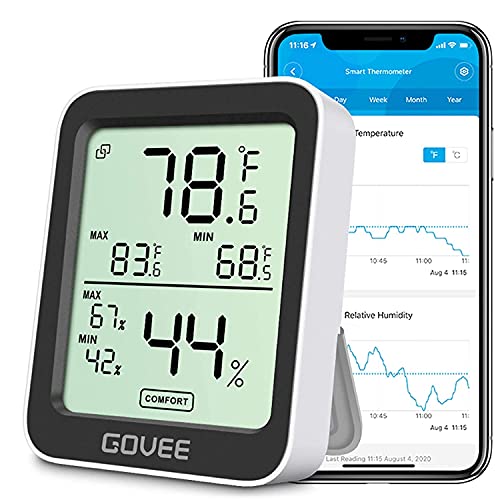
Smart Features: The Govee Wireless Thermometer Hygrometer supports all basic functions as well as smart functions such as remote monitoring and temp humidity graphs. Our humidity meters are reliable and easy to use for homes, greenhouses and more.(Only supports 164ft Bluetooth connection)
Troubleshooting Common Dehumidifier Setting Problems
Recommended Products

2-in-1 Thermometer Hygrometer Meter: Built-in probe for unparalleled precision. It serves as both a digital electronic thermometer and a hygrometer, meticulously engineered for indoor environmental monitoring.

Face Icon Comfort Indicator: Humidity temperature gauge features face icons to indicate DRY/COMFORT/WET air conditions, quickly informs you how to adjust your humidifier or dehumidifier to achieve optimal comfort

Easy to Use: Download the Govee Home app, search for and select H5075, and pair the room thermometer hygrometer successfully in one minute. With a 196ft/60m Bluetooth range, you'll be notified of any temperature humidity changes immediately.
The Room Stays Above 50%
First, confirm the reading with a separate hygrometer. Then clean the filter, close exterior windows and doors, empty or connect the drain, and move the unit where air can circulate. If humidity still stays high, inspect for leaks, wet building materials, foundation water, or an undersized unit.
The Dehumidifier Runs All the Time
A dehumidifier may run constantly when the target is too low, the room is very damp, the unit is undersized, or outside air is entering. Raise the target from 40% to 45% and see whether the room stays comfortable. If it still runs nonstop and the RH remains high, look for a moisture source.
The Room Feels Too Dry
Raise the setting by 5 percentage points and recheck the room. For living areas and bedrooms, 45% to 50% is often more comfortable than 35% to 40%, as long as condensation and musty odors do not return.
Condensation Keeps Coming Back
Condensation means warm, moist air is hitting a cold surface. Lower the humidity setting, increase air movement, insulate cold surfaces when appropriate, and look for ventilation problems. EPA notes that condensation can be a sign of high humidity and should be addressed quickly.
Frequently Asked Questions
What is a good setting on a dehumidifier?
A good dehumidifier setting is 45% relative humidity for most homes. Use the broader 30% to 50% range as your safe zone. Choose 40% to 45% for damp basements and 45% to 50% for bedrooms and living spaces.
Is 40% humidity too low for a basement?
No. 40% RH is usually a good basement target if the space feels comfortable and the dehumidifier is not running nonstop. Basements are cooler and more prone to condensation, so they often need a lower setting than upstairs rooms.
Should a dehumidifier be set to 50 or 55?
Choose 50% if mold prevention is the priority. CDC recommends keeping home humidity no higher than 50% all day long. A 55% setting may feel comfortable in some spaces, but it leaves less margin for humid weather, cold surfaces, and hidden damp spots.
Can mold grow at 40% humidity?
Mold is less likely to grow from room humidity alone at 40% RH, but it can still grow where materials are wet from leaks, condensation, flooding, or hidden moisture. Keep the room dry, but also fix water sources quickly.
Should I run a dehumidifier continuously?
Run it continuously only when the room is very damp or recovering from a moisture spike. For everyday use, set a target RH so the humidistat can cycle the unit on and off automatically. If it never shuts off, check the room with a hygrometer and look for moisture sources.
Where should I place a dehumidifier?
Place it where air can circulate freely. ENERGY STAR says many top-discharge models can sit near a wall, but other designs need space around the unit. Keep it away from dust, dirt, furniture, and tripping hazards from drain hoses.
Conclusion
Set your dehumidifier to about 45% RH for most rooms, then adjust within the 30% to 50% range. Use a lower setting for basements, crawl spaces, condensation, and humid weather. Use a slightly higher setting if the air feels too dry. Most importantly, verify the number with a hygrometer and fix moisture sources instead of relying on the dehumidifier alone.
Sources
- U.S. EPA — A Brief Guide to Mold, Moisture and Your Home — supports the below-60% and ideal 30% to 50% indoor humidity guidance, moisture prevention tips, and hygrometer use.
- CDC — Mold — supports keeping home humidity no higher than 50% all day, airflow recommendations, leak repair, and 24–48 hour dry-out guidance after flooding.
- ENERGY STAR — Dehumidifiers — supports dehumidifier placement, closing doors and windows, humidistat use, 30% to 50% RH guidance, and 30% to 40% winter guidance in colder climates.
- U.S. EPA Mold Course Chapter 2 — supports the relationship between humidity, condensation, crawl spaces, hidden moisture, and mold prevention.