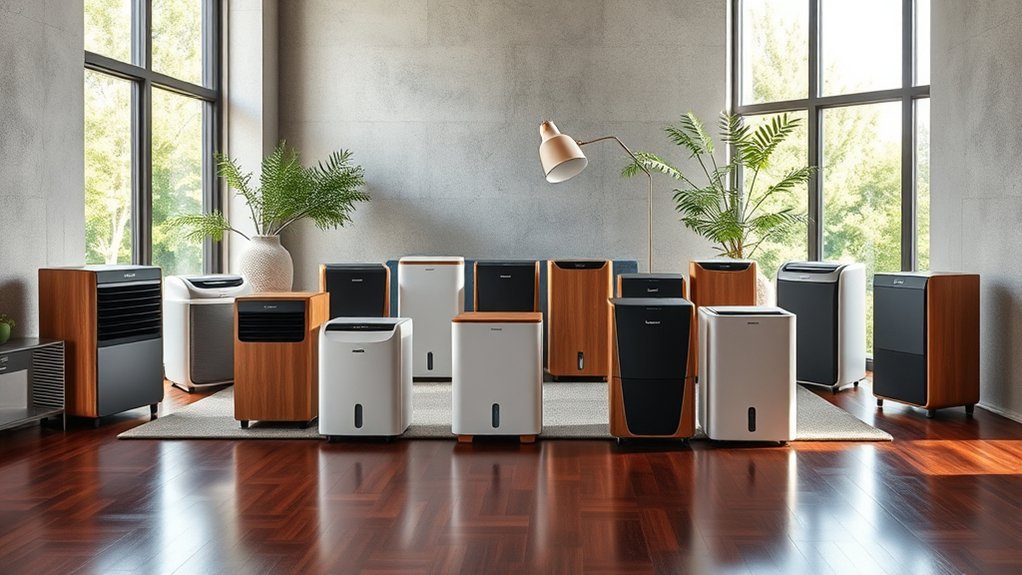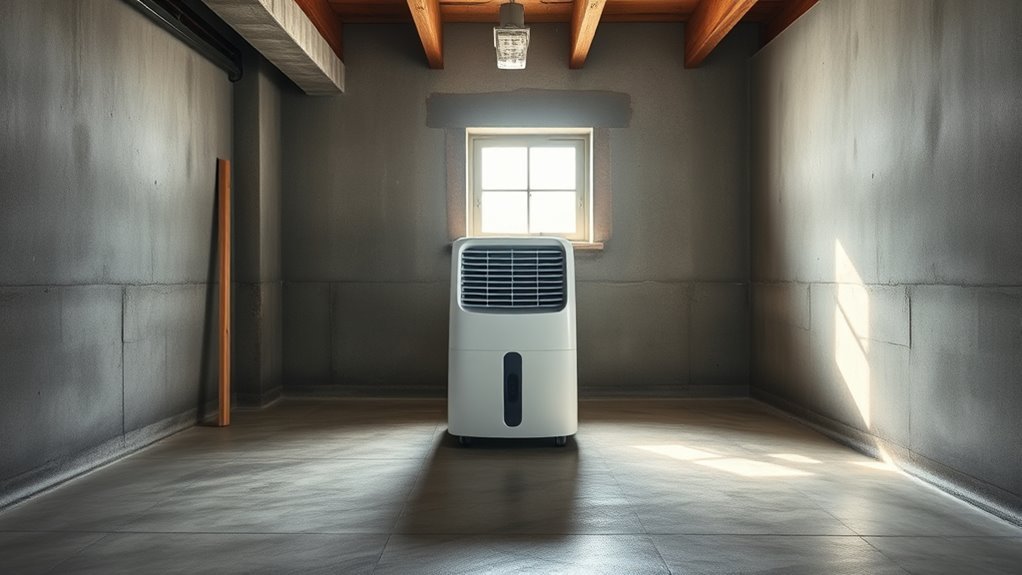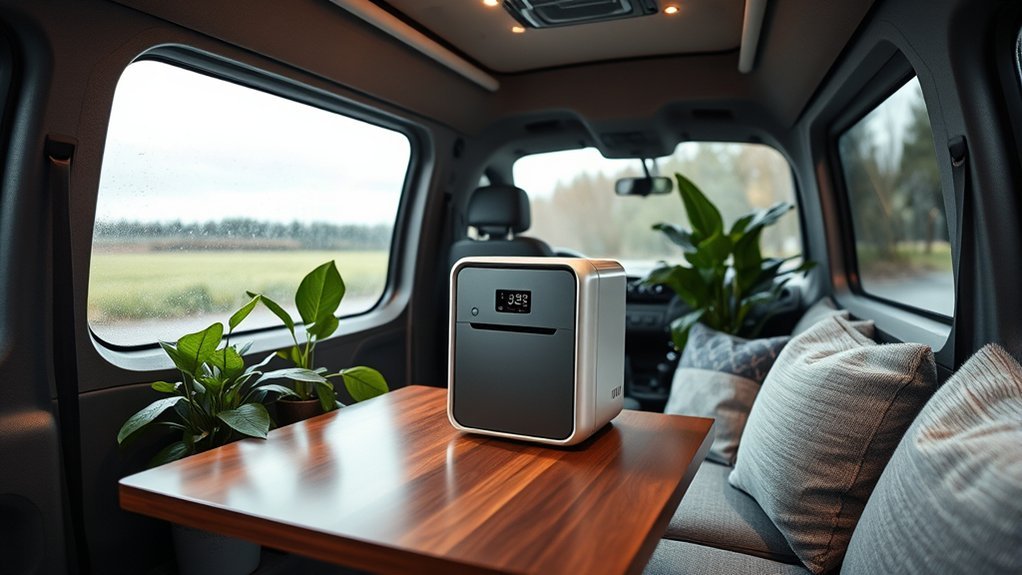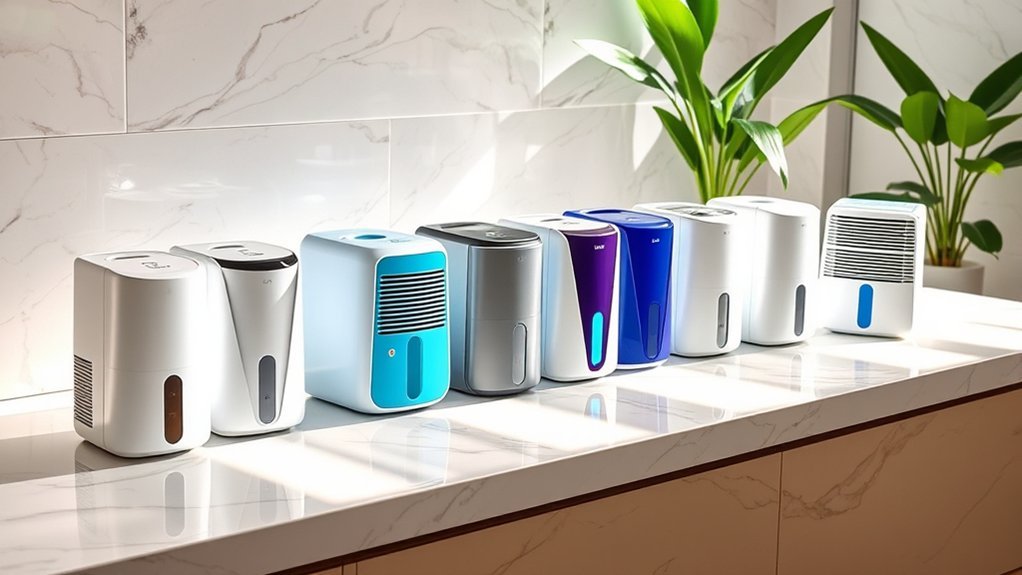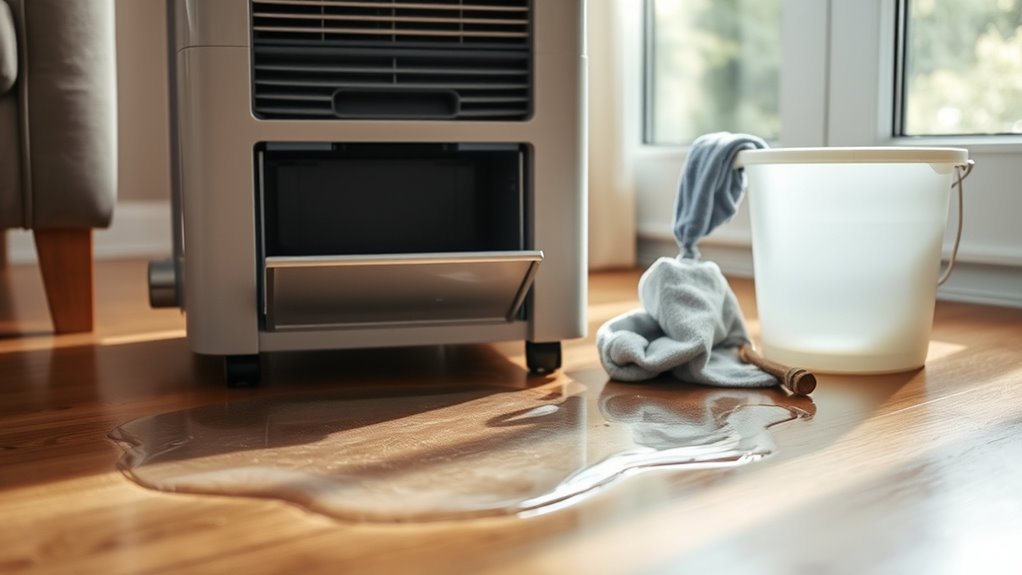
Learning how to dispose of a dehumidifier takes more care than throwing away an ordinary household item. Most full-size portable units contain pressurized refrigerant, compressor oil, circuit boards, and copper coils that are regulated under U.S. environmental law. Before loading the unit into your car, unplug it, empty and dry the water bucket, check the rating plate for the refrigerant code, and confirm that your local drop-off site accepts refrigerant-containing appliances.
Quick Answer
Never put a compressor-based dehumidifier in regular household trash. Under federal Clean Air Act rules, its sealed refrigerant must be recovered before final disposal. Unplug and drain the unit, keep the coils intact, and use a municipal transfer station ($0–$40), utility turn-in rebate program ($25–$50 payout), appliance recycler, or retailer haul-away service.
Last checked: October 18, 2026. Dates and figures were verified against official sources.
At a Glance
| Time Required | 15–20 minutes to drain, clean, and inspect the unit; drop-off or pickup time varies. |
| Difficulty | Easy home preparation; refrigerant recovery must be left to a certified facility or technician. |
| Tools Needed | Microfiber cloth, mild dish soap, and a smartphone to photograph the model and refrigerant label. |
| Cost | $0–$40 at municipal drop-offs; $25–$50 payout via utility rebates; $50–$199.99 for retail or junk haul-away. |
Why You Shouldn’t Throw Out a Dehumidifier
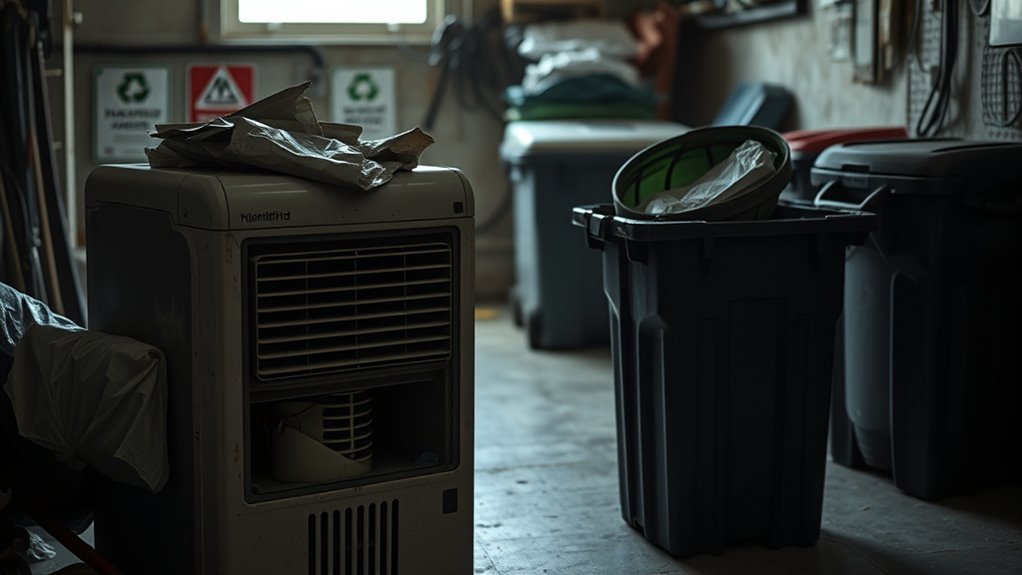
You cannot toss a standard dehumidifier into a curbside trash bin because it operates like a compact refrigerator and retains pressurized refrigerant inside its sealed coils. Under Section 608 of the Clean Air Act, the U.S. Environmental Protection Agency’s appliance-disposal guidance classifies household dehumidifiers as refrigerated “small appliances”—units factory-charged and hermetically sealed with 5 pounds or less of refrigerant. Crushing an unrecovered unit in a garbage truck vents greenhouse or ozone-depleting gases into the atmosphere.
Fortunately, homeowners do not need to hire an HVAC technician to drain the gas before getting rid of the machine. Federal 40 CFR § 82.155 safe-disposal rules place legal responsibility on the final processor—such as a municipal transfer station, scrap recycler, or landfill operator—to recover remaining refrigerant or verify prior evacuation. Your job is simply to keep the sealed tubing intact and hand the unit over to an authorized facility.
One important exception applies to mini thermo-electric (Peltier) and rotary desiccant dehumidifiers. Compact closet or bathroom units typically weigh 2 to 7 pounds and use solid-state Peltier cooling plates or silica desiccant wheels rather than a compressor and refrigerant. While non-compressor units do not fall under EPA refrigerant rules, their circuit boards, fans, and power adapters should still go to a municipal electronic-waste (e-waste) drop-off rather than household trash.
Warning: Never puncture refrigerant tubing, cut into the compressor, deliberately vent refrigerant, or dismantle the sealed cooling circuit. Venting refrigerants violates federal law, can spray pressurized compressor oil, and creates a fire hazard if the unit uses flammable R-290 propane.
What Hazardous Parts Are Inside a Dehumidifier?
A compressor-based dehumidifier contains both regulated environmental hazards and valuable recyclable commodities. The primary hazard is the hermetically sealed refrigeration loop, which holds 4 to 16 ounces of chemical refrigerant blended with synthetic or mineral compressor oil. Older machines may also contain mercury tilt switches or polychlorinated biphenyl (PCB) capacitors, alongside recoverable copper, steel, and aluminum.
Refrigerants and Freon
Dehumidifiers pump refrigerant through an evaporator coil to chill incoming air and condense moisture into the collection bucket. Depending on when your unit was built, its sealed loop will contain one of four primary refrigerant classes, each with different environmental and safety risks during disposal:
- CFCs and HCFCs (R-12 and R-22): Common in dehumidifiers built before 2010. R-22 (often called by the brand name Freon) damages the stratospheric ozone layer and carries a high global warming potential (GWP) of 1,810. The U.S. banned R-22 in new equipment by 2020, as detailed in the EPA’s ozone-depleting-substance guidance.
- HFCs (R-410A and R-134a): Used in most dehumidifiers sold between 2010 and 2024. R-410A has zero ozone-depletion potential (ODP), but its 100-year GWP is 2,088—meaning 1 pound trapped in the atmosphere warms the planet as much as 2,088 pounds of carbon dioxide.
- Lower-GWP HFCs (R-32): Increasingly used in newer units made from 2024 onward to meet American Innovation and Manufacturing (AIM) Act phasedowns. R-32 has zero ODP and a GWP of 675, and carries an ASHRAE Class A2L (mildly flammable) rating.
- Hydrocarbons (R-290): Found in many modern portable dehumidifiers. R-290 is refrigerant-grade propane with zero ODP and an ultra-low GWP of about 3, but it is classified as ASHRAE Class A3 (highly flammable).
You never need to guess which chemical is inside your machine. Inspect the manufacturer rating plate on the back or side panel, which lists the exact refrigerant code (such as R-410A or R-290) and the factory charge weight in ounces or grams.
Note: If your rating label lists R-290, the cooling loop contains flammable propane gas. Keep the appliance away from open flames, pilot lights, and sparks during transport, never pinch or cut the copper lines, and inform the receiving recycler that the unit holds R-290.
Circuit Boards and Wiring
Every digital dehumidifier relies on printed circuit boards, humidistat sensors, relays, power cords, and fan motors. Routing the unit through a certified appliance recycler keeps lead solder and flame-retardant plastics out of landfills while recovering gold, silver, and copper from the electronics.
According to the EPA, older refrigerated appliances can also house mercury float switches and PCB-containing capacitors regulated under 40 CFR Parts 273, 279, and 761. Certified recyclers extract these components intact before feeding the metal frame into an industrial shredder.
| Internal Component | Materials Inside | Why It Matters at Disposal |
|---|---|---|
| Sealed refrigerant charge | R-22, R-410A, R-32, or R-290 (4–16 oz) | Must be captured with recovery equipment under Clean Air Act Section 608 rather than vented. |
| Compressor and lubricant | Steel shell, copper windings, mineral or POE oil | Used oil can be contaminated with refrigerant and must be drained before metal shredding. |
| Circuit boards and switches | Solder, copper traces, capacitors, older mercury switches | Requires e-waste processing to recover precious metals and isolate hazardous capacitors or mercury. |
| Evaporator and condenser coils | High-grade copper tubing and aluminum fins | High scrap metal recovery value once refrigerant is legally evacuated. |
| Housing, bucket, and fan | ABS/polypropylene plastics and sheet steel | Separated during dismantling to reduce landfill volume. |
Metals and Compressor Parts
A typical 30-to-70-pint dehumidifier weighs 35 to 60 pounds, and most of that weight sits inside the rotary compressor, copper tubing, and aluminum heat-exchanger fins. Never saw off the copper coils or unbolt the compressor at home to sell as scrap metal.
Cutting a charged line releases refrigerant and atomized oil under pressure. Worse, reputable scrap yards will reject an appliance with freshly cut refrigerant lines unless it is accompanied by a formal recovery statement.
How to Prepare a Dehumidifier for Disposal
Preparing a dehumidifier for drop-off or pickup takes about 15 minutes and requires no tools. Your goal is to remove all standing water, secure loose cords and hoses so nothing catches during lifting, and keep the unit upright so compressor oil stays inside the sump.
Empty and Clean Tank
Unplug the dehumidifier and let it sit for at least 30 minutes so any frost or condensation on the internal evaporator coil finishes dripping into the bucket. Slide out the collection tank, pour the water down a drain, and unscrew any continuous drain hose attached to the back port.
- Disconnect power: Unplug the power cord from the wall outlet and wrap it neatly around the cord hooks or secure it with a twist tie.
- Drain all water: Empty the removable collection bucket and tilt the unit slightly over a sink or floor drain only if your manual specifies an internal sump plug.
- Clean and dry the bucket: Wipe the tank with warm water and mild dish soap, then let it air-dry so stagnant water does not spill inside your vehicle.
- Rinse and replace the air filter: Slide out the washable mesh filter, brush off dust, and put it back inside the cabinet if the unit is being donated or turned in for a utility rebate.
- Keep the unit upright: Transport the dehumidifier standing upright whenever possible to prevent compressor oil from seeping into the cooling coils.
Pro Tip: Snap a clear smartphone photo of the rating sticker on the back of the unit before loading it into your trunk. If a municipal attendant, utility event staffer, or CPSC recall form asks for the exact model number, serial number, or refrigerant code, you will have it without unloading a 50-pound appliance.
Unplug and Check Label
While the unit is unplugged, read the exterior specification sticker to note the brand, model number, pint capacity, and refrigerant code. Never pry open the plastic cabinet if the label is worn off; a recycler can process an unlabeled unit as a standard refrigerant appliance.
Before driving to a drop-off center, call ahead and ask: “Do you accept household dehumidifiers that still contain refrigerant?” Asking specifically about refrigerant-bearing appliances prevents wasted trips to general electronics drop-offs that only accept computers, TVs, and non-refrigerated gadgets.
If a scrap metal yard tells you the refrigerant must be evacuated prior to drop-off, ask what paperwork they require. Under federal EPA safe-disposal requirements, a final disposer accepting a pre-drained appliance must collect a signed verification statement showing the **name and address of the person who recovered the refrigerant and the exact date of recovery**, and retain that record for 3 years. A simple “Freon Removed” sticker alone does not satisfy federal law.
How to Dispose of a Dehumidifier: Step-by-Step Checklist
Follow these six steps in order to check whether your old dehumidifier qualifies for a recall refund or utility payout before paying a disposal fee.
| Step | Action to Take | How to Tell You Are Ready |
|---|---|---|
| 1. Check CPSC recalls | Look up your brand and model number on the CPSC dehumidifier recall list before donating, selling, or discarding. | You know whether the manufacturer owes you a refund check and requires a cut cord photo. |
| 2. Identify unit type | Check the rating plate for a refrigerant code (R-22, R-410A, R-32, R-290) vs. a refrigerant-free Peltier/desiccant design. | You have a clear photo of the rating label and know if R-290 propane precautions apply. |
| 3. Unplug and drain | Disconnect power, wait 30 minutes for coil meltwater to drip, empty the bucket, and remove any drain hose. | The tank is dry, the cord is secured, and no water sloshes when the cabinet is tilted. |
| 4. Check utility rebates | If the unit still runs, check your electric utility for a $25–$50 turn-in event or fridge-pickup add-on bounty. | You have either booked a rebate turn-in or ruled out utility incentives. |
| 5. Confirm local drop-off | Call your county transfer station, RAD partner, appliance recycler, or haul-away service to confirm hours and fees. | The facility confirms it accepts intact refrigerant-containing dehumidifiers. |
| 6. Transport upright | Load the intact appliance upright in your vehicle or place it out for scheduled bulky-item pickup. | The sealed tubing and compressor arrive undamaged at the processor. |
Where to Recycle a Dehumidifier
Your best disposal channel depends on whether your dehumidifier still runs and whether you are buying a replacement appliance. Across the United States, five main channels handle refrigerant-containing dehumidifiers legally, ranging from utility programs that pay you $25 to $50 to municipal transfer stations that charge a small Freon recovery fee.
- Electric utility turn-in rebates ($25–$50 payout): Many utilities participating in the EPA’s Responsible Appliance Disposal (RAD) network pay customers to retire old, working dehumidifiers. For example, in 2026, Mass Save sponsors in Massachusetts offer a $30 rebate at local turn-in events (limit 2 per electric account per year), Rockland Electric in New Jersey pays $50 at seasonal drop-off events for working units made in 2019 or earlier, and Jersey Central Power & Light (JCP&L) pays $25 to $50 when a dehumidifier is recycled alongside a refrigerator or through eligible programs. Enter your ZIP code in the ENERGY STAR Rebate Finder to check utility bounties in your area.
- Municipal transfer stations and bulky-item pickup ($0–$40 fee): Most city or county solid-waste departments accept dehumidifiers at their transfer station’s “white goods” or refrigerated-appliance area, or through scheduled curbside bulky-item collection. Many towns offer free seasonal appliance drop-off days, while others require a $10 to $40 refrigerant-recovery sticker. You can also search by ZIP code in the Earth911 Recycling Search database (select “Dehumidifiers”) to locate nearby county drop-offs.
- Scrap metal and certified appliance recyclers (Free to $25 fee): Full-service appliance recyclers equipped with EPA-certified recovery machines accept intact dehumidifiers directly. Independent scrap metal yards vary: some accept intact units for a small recovery fee, while others only accept pre-evacuated units accompanied by a signed 40 CFR § 82.155 recovery statement.
- Retailer haul-away and pickup services ($50–$199.99): Major appliance retailers can haul away an old unit during a qualifying home delivery or through a standalone pickup appointment, though in-store drop-off policies are strict.
Best Buy: As of 2026, Best Buy’s U.S. electronics and appliance recycling page explicitly lists dehumidifiers under products not accepted at in-store drop-off bins. However, if you cannot transport a heavy unit yourself, the Best Buy Standalone Haul-Away service costs $199.99 to pick up and recycle up to two large appliances or TVs plus an unlimited number of select smaller electronics right from your home, with no new purchase required.
The Home Depot: The Home Depot’s current recycling guidance classifies dehumidifiers as major appliances rather than in-store e-waste. While you cannot drop a dehumidifier into a store’s battery or lightbulb bin, customers booking home delivery on a qualifying major appliance can add old-appliance haul-away (typically $50 per unit, subject to ZIP code eligibility). Because most portable dehumidifiers ship via standard parcel carrier rather than freight truck, confirm haul-away availability at checkout.
For complete federal rules on how municipal haulers, retailers, and RAD partners process refrigerated units, consult the EPA appliance disposal guidance.
Which Disposal Option Is Best?
Compare the five primary disposal paths below by cost, working-condition requirements, and transport effort before scheduling a drop-off or pickup.
| Disposal Option | Typical 2026 Cost / Payout | Best When | What to Confirm First |
|---|---|---|---|
| Utility turn-in rebate | Pays you $25–$50 | Your dehumidifier still runs and your electric utility hosts turn-in events or fridge-pickup add-ons. | Whether the unit must be operational and whether a fridge pickup is required at the same time. |
| Municipal program | Free to $40 fee | Your unit is broken and your city or county offers a transfer station or bulky-item curbside day. | Proof of residency rules, prepaid Freon sticker fees, and appointment dates. |
| Certified appliance recycler | Free to $25 fee | You can drive the unit to a local metal or appliance facility equipped for refrigerant recovery. | Confirm they recover refrigerant on-site so you do not need prior HVAC paperwork. |
| Retailer haul-away | $50 (with delivery) to $199.99 (standalone) | You are ordering a major appliance delivery or bundling 2 large appliances plus e-waste via Best Buy. | ZIP code availability and whether the unit must be disconnected and drained beforehand. |
| Full-service junk removal | $75–$150+ minimum | The unit is in a basement, you cannot lift 50 pounds up stairs, or you are clearing multiple items. | Ask whether they charge an extra refrigerant surcharge and where they transfer the appliance. |
Can Junk Removal Services Take Dehumidifiers?
Yes, national and local junk-removal companies—such as 1-800-GOT-JUNK?, College Hunks Hauling Junk, and LoadUp—accept intact dehumidifiers and carry them straight out of your basement. Expect to pay a single-item minimum between $75 and $150, plus an occasional $10 to $25 environmental fee to cover certified refrigerant evacuation at their partner transfer station.
Hiring a pickup crew makes the most sense when you lack a vehicle, cannot safely carry a 50-pound appliance up basement stairs, or are already paying for a multi-item garage cleanout. Because junk haulers price mostly by truck volume, tossing a dehumidifier onto an existing load often costs far less than booking a standalone trip.
Before booking, ask the dispatcher: “Do you accept dehumidifiers with the sealed refrigerant system intact, and which certified facility processes them?” A reputable hauler will confirm that refrigerated units are separated from landfill debris for EPA Section 608 recovery.
What to Do With a Broken Dehumidifier
When a dehumidifier stops pulling moisture from the air, check for simple airflow or switch problems before condemning the machine. A clogged intake filter, iced-over evaporator coil, kinked drain hose, or stuck bucket float switch takes minutes to fix at home, whereas a burned-out compressor or leaked refrigerant charge usually costs more to repair than buying a new ENERGY STAR unit.
If the sealed cooling system or compressor has failed, leave the cabinet closed and take the unit to a municipal appliance drop-off or certified recycler. Even a dehumidifier that no longer cools the coils can hold most of its factory refrigerant pressure inside the tubing.
Recommended Products



Check for a Recall Before Repair, Donation, or Reuse
Before paying for a repair, handing a unit to a neighbor, or paying a disposal fee, check your brand and model number against the U.S. Consumer Product Safety Commission’s dehumidifier recall information. Millions of portable dehumidifiers have been recalled across the United States because internal components can overheat, smoke, and ignite the plastic housing:
- Gree Electric Appliances Recalls (1.56 million units recalled in August 2023, plus 2.5 million earlier units): Covers dozens of 20-to-70-pint models manufactured between January 2011 and February 2014 under brands including GE, Kenmore, SoleusAir, Frigidaire, Danby, Fedders, Premiere, Norpole, and Seabreeze. The August 2023 recall alone followed reports of at least 23 fires and 688 overheating incidents.
- New Widetech Recall (2 million units recalled in August 2021): Covers 25-to-74-pint dehumidifiers sold between February 2009 and August 2017 under brands including Honeywell, Whirlpool, Haier, Friedrich, Pelonis, Sunbeam, Comfort-Aire, and Arctic King, linked to 107 overheating or fire incidents.
- GD Midea Recall (3.4 million units recalled in 2016): Covers 25-to-75-pint units sold between 2003 and 2013 under brands such as Kenmore, Frigidaire, GE, SoleusAir, and Sunbeam.
If your unit is recalled, follow the manufacturer’s claim instructions immediately. Most recall remedies require you to unplug the unit, cut the power cord, and mail or upload a photo of the serial sticker and severed cord to receive a refund check—after which you still dispose of the disabled cabinet through your local refrigerant-appliance recycling program.
If a dehumidifier is broken, treat the refrigerant system as charged unless an appropriate recovery process has already been completed.
- Inspect the air filter, float switch, and coils to rule out a minor blockage.
- Verify the brand, model number, and date code against active CPSC fire-hazard recalls.
- Photograph the rating plate showing the model and refrigerant code.
- Confirm that your local municipal site or recycler takes intact refrigerated appliances.
- Keep the copper tubing and compressor sealed during transport.
Can You Donate or Reuse an Old Dehumidifier?
You can donate or sell a working, recall-free dehumidifier through thrift stores such as Habitat for Humanity ReStore, Goodwill, or local Buy Nothing groups, provided the unit is clean and in safe operating condition. However, the EPA notes that older appliances draw significantly more electricity than modern ENERGY STAR models, which is why many electric utilities offer $25 to $50 bounties to permanently retire older units rather than keep them running on the grid.
Never donate or resell a dehumidifier that is subject to an active CPSC recall, trips circuit breakers, smells like burning plastic, leaks oily residue around the coils, or has heavy mold buildup inside the blower wheel. If the machine fails any safety check, take it straight to a refrigerant-aware recycler.
Common Dehumidifier Disposal Mistakes
Avoiding these eight common mistakes keeps you compliant with federal and local waste rules while saving wasted trips:
- Putting a compressor unit in a regular dumpster: Municipal haulers can reject the load or fine property owners for mixing refrigerated appliances into standard solid waste.
- Puncturing copper lines to drain the gas yourself: Deliberately venting CFC, HCFC, or HFC refrigerants is illegal under Section 608 of the Clean Air Act and sprays pressurized oil.
- Sawing out the compressor or coils for scrap: Scrap yards routinely reject freshly cut refrigerant components without a signed 40 CFR § 82.155 recovery statement.
- Ignoring an R-290 warning label: R-290 is flammable propane; rough handling near sparks or open flames can ignite a leaked charge.
- Driving to an e-waste event without calling first: Many municipal electronics events accept laptops and TVs but turn away appliances containing refrigerant.
- Transporting the unit on its side with water inside: Residual water in the pan can soak the control board, and tipping a unit lets compressor oil flood the tubing.
- Donating or tossing a unit without checking CPSC recalls: You could pass a serious fire hazard to another family—or throw away a unit eligible for a manufacturer refund check.
- Driving to Best Buy expecting free in-store drop-off: Best Buy’s in-store recycling program excludes dehumidifiers; they only take them through scheduled home haul-away services.
Key Takeaways
- Keep the compressor, coils, and tubing completely sealed—under 40 CFR § 82.155, the final disposal facility is responsible for refrigerant recovery.
- Check whether you have a 30–60 lb compressor unit (requires refrigerant recycling) or a 2–7 lb Peltier/desiccant mini unit (standard e-waste).
- Look for an R-290 label on newer units, which indicates flammable propane refrigerant that must be kept away from sparks and flames.
- Verify your model against CPSC recalls (such as the Gree 1.56-million-unit and New Widetech 2-million-unit recalls) before donating or discarding, as you may qualify for a refund.
- Check electric utility turn-in programs first for a $25–$50 rebate, and remember that Best Buy does not accept dehumidifiers for in-store drop-off.
Frequently Asked Questions
How do I get rid of my dehumidifier?
Unplug the unit, empty and dry the water bucket, photograph the refrigerant and model label, and take the intact appliance to a municipal transfer station or certified appliance recycler. If the unit still works, check whether your electric utility offers a $25 to $50 turn-in rebate before paying a disposal fee.
Can a dehumidifier go in a dumpster?
No, you should not put a compressor-based dehumidifier in a regular dumpster or curbside trash bin. Under Section 608 of the Clean Air Act, its refrigerant charge must be recovered before final disposal, and most municipalities require separate drop-off or bulky-item appliance collection.
Do I need an HVAC technician to remove the refrigerant before recycling a dehumidifier?
No, homeowners should leave the sealed refrigeration loop untouched and deliver the intact unit to a municipal program or appliance recycler. Under EPA rules (40 CFR § 82.155), the final processor is responsible for recovering the refrigerant from small appliances containing 5 pounds or less of charge.
Does R-410A damage the ozone layer?
No, R-410A is a hydrofluorocarbon (HFC) refrigerant with zero ozone-depletion potential. However, it has a high global warming potential of 2,088, so federal law still prohibits intentionally venting R-410A during disposal.
What if my dehumidifier uses R-290?
R-290 is refrigerant-grade propane and is classified as an ASHRAE Class A3 flammable gas. Keep the dehumidifier away from sparks, open flames, and heat sources, never puncture the tubing, and alert the receiving recycler that the unit contains R-290.
Can Best Buy or Home Depot recycle a dehumidifier?
Neither retailer accepts dehumidifiers for free in-store drop-off. Best Buy lists dehumidifiers as unaccepted in stores but offers a $199.99 Standalone Haul-Away home pickup service, while The Home Depot offers old-appliance haul-away (typically around $50) in eligible ZIP codes when delivering a qualifying major appliance.
Can I take a dehumidifier to a scrap-metal recycler?
Yes, if the scrap yard has certified recovery equipment on-site to evacuate the refrigerant. If the yard does not recover refrigerant itself, federal law requires you to provide a signed statement showing the name, address, and date of prior refrigerant recovery.
Can I donate an old dehumidifier instead of recycling it?
Yes, if the dehumidifier works safely and is not on the CPSC recall list. Never donate or resell a recalled model (such as affected Gree, New Widetech, or Midea units) or a machine with electrical issues, overheating, mold, or refrigerant leaks.
Conclusion
Disposing of a compressor-based dehumidifier responsibly protects the atmosphere from high-GWP refrigerants while recovering valuable copper, steel, and aluminum. Start by checking your model number against the CPSC recall database to see if the manufacturer owes you a refund, and check the ENERGY STAR Rebate Finder if the unit still works to claim a $25 to $50 utility turn-in bounty.
Otherwise, unplug and drain the unit, photograph the rating plate, keep the cooling coils sealed, and call your municipal transfer station or local appliance recycler to confirm drop-off hours and any small refrigerant recovery fee before loading up your car.
Sources
- U.S. EPA — Appliance Disposal: Consumer disposal options, small-appliance classification for dehumidifiers, hazardous components, and Responsible Appliance Disposal (RAD) guidance.
- U.S. EPA — Stationary Refrigeration Safe Disposal Requirements: Refrigerant recovery rules and signed verification statement requirements during final disposal.
- 40 CFR § 82.155 — Safe Disposal of Appliances: Federal regulation assigning refrigerant recovery and 3-year recordkeeping duties to final processors of small appliances.
- U.S. EPA — Phaseout of Class II Ozone-Depleting Substances: Ozone-depletion phaseout timelines for HCFCs such as R-22 and transition to HFC alternatives.
- U.S. Consumer Product Safety Commission — Dehumidifier Recalls: Recalled dehumidifier brands, model numbers, fire-hazard alerts, and refund claim instructions.
- ENERGY STAR — Rebate Finder: ZIP-code directory of electric utility dehumidifier recycling rebates and turn-in incentives.
- Earth911 — Recycling Center Search: Local directory for municipal and private dehumidifier recycling drop-off locations.
- Best Buy — Electronics and Appliances Recycling: In-store recycling exclusions for dehumidifiers.
- Best Buy — Haul Away and Recycle Service: Pricing ($199.99) and item limits for standalone home appliance haul-away.
- The Home Depot — Recycling at Home Guide: Major-appliance classification and replacement haul-away guidance for dehumidifiers.