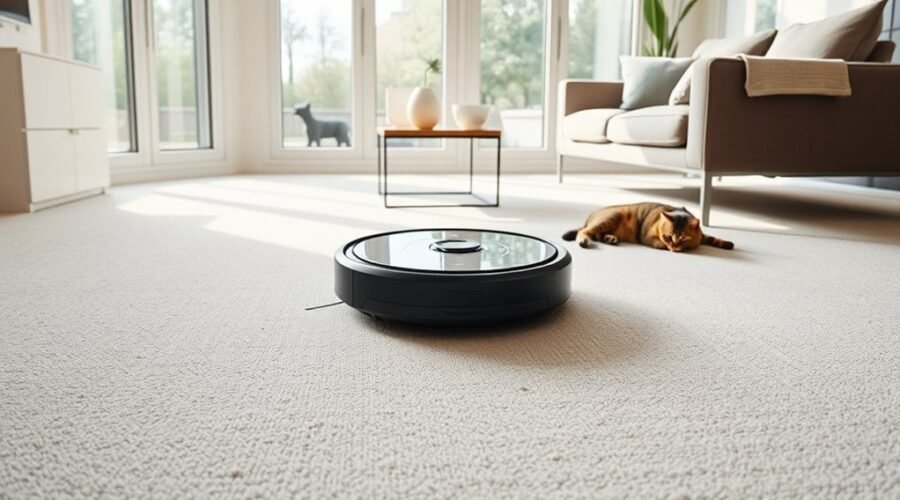
Robot vacuums can clean low pile carpet, but results depend on the machine and the mess. Strong suction, usually around 1,500 to 2,000 Pa, helps lift dry soil, while rotating brushes improve pickup from the fibers. They can handle routine debris well, yet embedded dirt and larger bits may still need attention. The question is less whether they work and more how far their limits reach.
Can Robot Vacuums Clean Low Pile Carpet?
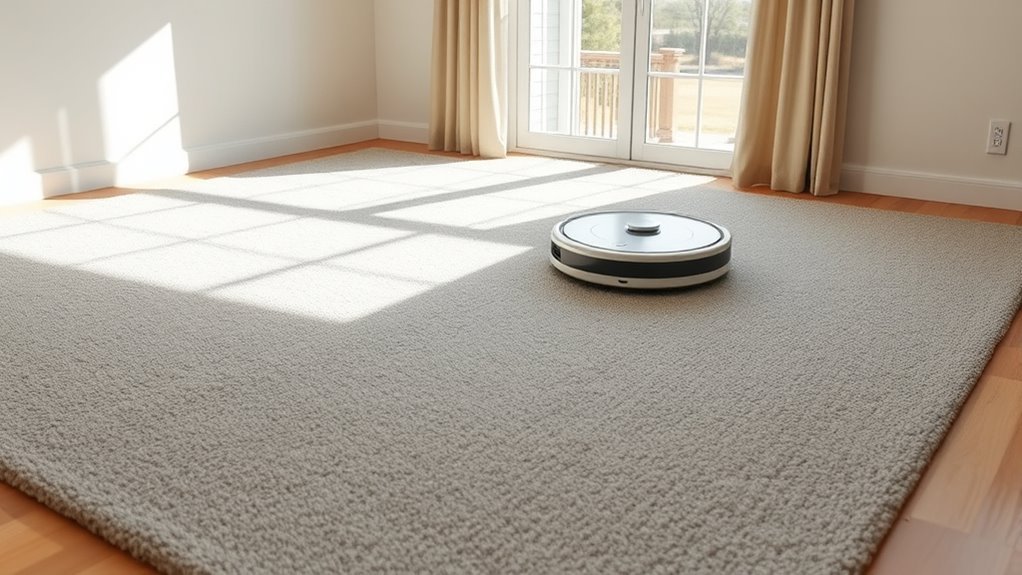
Yes—robot vacuums are generally highly effective on low pile carpet because the shorter fibers are easier to navigate and clean.
Robot vacuums can remove dirt and debris from low pile carpets with strong suction power, and many models reach 2,000 Pa or more. Rotating brushes, especially dual brush systems, help lift embedded dirt from the surface so particles do not stay trapped in the fibers.
Strong suction and rotating brushes help robot vacuums lift dirt from low pile carpet with ease.
Advanced navigation also supports better cleaning performance by helping the machine move around obstacles and cover the full carpeted area with less wasted effort.
With regular vacuuming, these machines can remove 90-95% of dry soil by weight, which helps reduce allergens and improve indoor air quality.
For many households, this means less manual labor and a cleaner living space with less effort.
On low pile carpets, robot vacuums can provide practical, reliable cleaning that supports everyday freedom from dust and buildup.
What Low Pile Carpet Needs From a Vacuum
Low pile carpet, typically under 0.5 inches high, responds well to robot vacuums because its shorter fibers are easier to reach and clear of dust, crumbs, and pet hair.
For consistent effective cleaning, low pile carpets need steady suction power, ideally around 1,500 to 2,000 Pa, so fine dust and debris are lifted instead of pushed around.
Rotating brushes also matter, since they agitate flat fibers and pull out embedded dirt and hair that suction alone may miss.
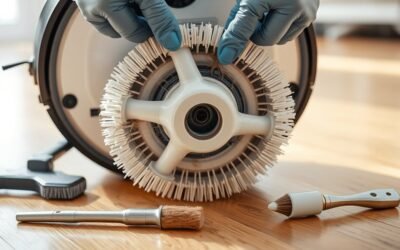
To preserve carpet performance, regular maintenance is essential; emptying the dustbin and cleaning the brushes prevents clogging and keeps output strong.
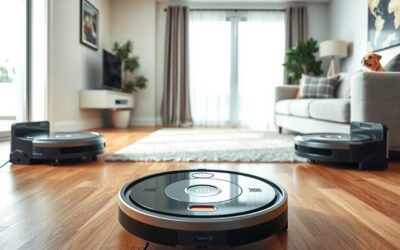
Advanced navigation and obstacle detection help robot vacuums move freely around furniture, avoid entanglements, and complete coverage without getting stuck.
When these elements work together, low pile carpets receive reliable cleaning with less effort from the user and more freedom from manual vacuuming.
Best Features for Low Pile Carpet
Strong suction is one of the most important features for low pile carpet, with about 2,000 Pa or more helping remove embedded dust and debris.
Carpet mode can improve cleaning by adjusting power and brush action to suit shorter fibers.
Rotating brushes or dual-brush systems also help lift dirt from low pile carpet without creating unnecessary tangles.
Strong Suction Matters
For low pile carpet, suction power is one of the most important features to look for, with many models needing at least 2,000 Pa to lift dirt and debris from the fibers effectively.
Strong suction helps robot vacuums improve cleaning efficiency on low pile carpets, especially when paired with auto carpet detection that boosts power automatically.
Rotating brushes can support dirt removal by loosening particles trapped near the surface, while slim bodies improve access under furniture.
- Choose cleaning settings that prioritize carpet lift and sustained power.
- Maintain filters and brushes to preserve peak performance.
- Match suction strength to carpet density for consistent results.
Regular maintenance matters, because clogged parts reduce output and limit freedom from manual cleanup.
Carpet Mode And Brushes
Carpet mode is one of the most useful features for low pile carpet because it boosts suction when the vacuum moves onto carpeted areas, helping lift dirt that sits deeper in the fibers.
For low-pile carpets, this extra suction power improves cleaning efficiency and helps remove embedded dirt without slowing the machine. Many robot vacuums also use rotating brushes to agitate the surface and pull debris upward while reducing tangles.
With advanced navigation, the vacuum can manage a smooth shift between floor types and keep performance steady. A model offering at least 2,000 Pa is usually better for ideal performance on these surfaces.
Regular maintenance of brushes and filters remains essential, since it prevents clogging, preserves suction, and keeps the system ready for independent, reliable cleaning.
How Suction Power Affects Pickup
Suction power plays a major role in how well a robot vacuum picks up dirt from low pile carpet, which is typically under 0.5 inches tall. On low pile carpets, robot vacuums with at least 2,000 Pa usually manage basic debris pickup, but 3,000 Pa to 5,000 Pa delivers better cleaning power for embedded dirt and allergens. Stronger units, such as the Dreame X50 Ultra, can lift fine particles more reliably than weaker models.
- Higher suction improves pickup without overworking the machine.
- Advanced brush designs and anti-tangle features support steady cleaning.
- Regular passes with adequate suction can remove 90-95% of dry soil by weight, supporting clean indoor air quality.
For households seeking the best cleaning with less effort, suction power remains a practical measure of performance. It helps robot vacuums stay effective on low pile carpets while keeping maintenance manageable and results consistent.
Why Rotating Brushes Help
Rotating brushrolls help by agitating low pile carpet fibers, which loosens dirt and debris trapped near the surface.
As the brushes turn, they lift embedded particles so suction can remove them more effectively.
This action improves pickup on flat carpeted surfaces, especially for fine debris and pet hair.
Brushroll Lifts Debris
With low pile carpet, brushrolls help lift debris by agitating the fibers and loosening dirt that sits below the surface. A brushroll lifts debris from low pile carpets more effectively than suction alone, because rotating brushes reach into the pile and dislodge particles that settle deep within.
Many models use dual brush systems for stronger cleaning power, helping remove pet hair and fine dust without much manual effort. Rubberized materials on the brushroll reduce tangling, which supports steady performance in homes with shedding animals.
Regular use can also improve indoor air quality by reducing allergens and dust mites trapped in carpet.
- More consistent debris pickup
- Less brush maintenance
- Greater freedom from hidden buildup
Agitate Carpet Fibers
Carpet fibers are agitated most effectively when a robot vacuum’s brushes keep moving across the surface, loosening dirt and debris that sit below the top layer. For robot vacuums, rotating brushes agitate carpet fibers, lift embedded dirt, and support better suction performance on low pile carpets. This matters because dirt accumulation hides in short fibers, where clean carpets depend on repeated contact and steady motion.
| Feature | Effect | Benefit |
|---|---|---|
| Rotating brushes | Loosen debris | Deeper pickup |
| Dual-brush systems | Cover more area | Fewer misses |
| Low pile carpets | Easier access | Better cleaning |
| Strong suction | Removes soil | Higher efficiency |
| Regular agitation | Reduces wear | Better carpet maintenance |
Advanced brush designs help prevent tangling and improve coverage, making carpet maintenance easier and more effective.
Best Robot Vacuums for Low Pile Carpet
Several robot vacuums stand out as strong choices for low pile carpet because their suction and brush systems are built to handle flat surfaces effectively. For low pile carpets under 0.5 inches, the best robot vacuums deliver steady cleaning performance with suction power in the 2,000 to 5,000 Pa range, supporting reliable debris removal without stressing fibers.
Models such as the Dreame X50 Ultra and MOVA P50 Pro Ultra are often highlighted for strong suction capabilities and efficient brush designs that keep dust, crumbs, and pet hair moving into the bin.
- automatic carpet detection helps the machine adapt as floor types change
- adjustable suction supports balanced operation across rooms
- robot vacuums with low pile carpet settings improve consistency
These features give users more freedom from manual cleanup while maintaining a practical, thorough result.
Where Robot Vacuums Miss the Mark
Even strong robot vacuums for low pile carpet have limits, especially when debris is packed deeper into the fibers. On low-pile carpets, robot vacuums can leave embedded dirt behind, even after several passes, so a truly liberated floor may still need occasional deep cleaning.
Darker rugs can also trigger optical sensors, causing cleaning disruptions or false cliff alerts. Models with less advanced navigation systems may struggle near furniture edges and corners, creating missed areas that break up an otherwise tidy result.
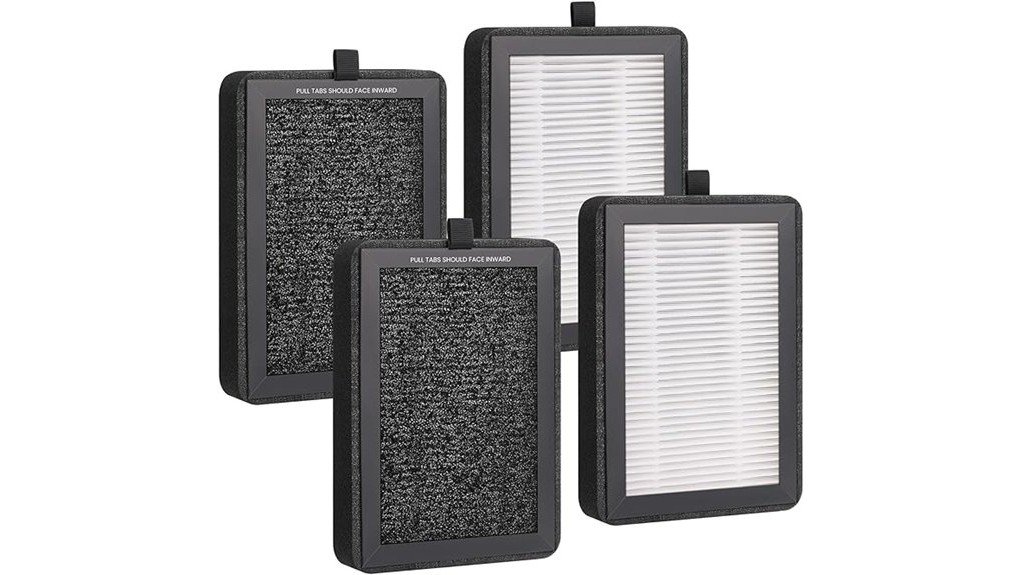
Suction efficiency can also drop when brushes or filters clog, which is why regular maintenance matters. Cleaning the brushes and replacing filters helps preserve performance and reduces the chance of overlooked debris.
In practice, these machines handle routine surface cleaning well, but they are not perfect at extracting allergens or tackling every hidden particle. Their value is clear, yet their limits should shape expectations.
How to Prep Low Pile Carpet for Cleaning
Before a robot vacuum begins work on low pile carpet, the area should be manually vacuumed to remove larger debris and dust that could interfere with performance.
To prep low pile carpet well, homeowners should thoroughly vacuum edges, corners, and high-traffic zones first. This helps robot vacuums clean carpets more effectively and allows the machine to detect and clean fibers evenly. Small objects, cords, and loose toys should be cleared so the unit can navigate freely without interruption.
- Fold or secure long tassels and fringes to protect brushes.
- Test one small section to confirm safe, accurate pickup.
- Set regular cleaning sessions for ideal cleanliness.
A brief setup routine reduces frustration and supports maintenance on low pile surfaces. With a clear path and careful testing, the robot can work with greater independence, giving the carpet a cleaner finish while minimizing avoidable snags or missed spots.
Simple Maintenance Tips
Once low pile carpet is prepared and the robot vacuum is running, simple upkeep helps keep performance steady over time.
For robot vacuums, maintenance should begin with emptying the dustbin after each cycle. This supports suction performance and reduces clog risk.
Weekly attention to the brushes and filters improves debris pickup and limits tangling, which matters in homes with pets. The app can be used to set cleaning schedules, so low pile carpet receives regular care without constant manual effort.
Weekly brush and filter care improves pickup, reduces tangling, and keeps low pile carpet cleaning consistent with scheduled runs.
Suction settings should also be adjusted to match carpet thickness, since lighter low pile surfaces often need less power than denser rugs.
Every few months, routine maintenance checks should confirm that worn parts are replaced as the manufacturer recommends.
These small steps preserve efficiency, extend equipment life, and keep the system working with less interruption and more freedom.
Frequently Asked Questions
What Is the Best Vacuum Cleaner for Low Pile Carpet?
The best vacuum cleaner for low pile carpet combines strong suction power, battery life, smart technology, and low noise levels. Brand recommendations should follow customer reviews, price comparison, user experiences, best features, and maintenance tips.
What Are the Downsides of Using a Robotic Vacuum Cleaner?
A small mechanized shepherd may falter: robot performance can drift, suction power weakens, navigation issues appear, and battery life shortens. Maintenance challenges, noise levels, durability concerns, app functionality, user experiences, and price comparison all matter.
Can a Robot Vacuum Work on Thick Carpet?
Yes, a robot vacuum can work on thick carpet if robot performance, carpet thickness, and suction power are sufficient. Navigation technology, brush design, dirt detection, battery life, maintenance tips, user reviews, and price comparison all matter.
Do Robot Vacuums Clean Carpets Well?
Robot vacuums clean carpets well when suction power matches carpet types; cleaning modes, navigation technology, battery life, and maintenance tips matter. Noise levels, brand comparisons, user reviews, and price range help identify the best fit.
Conclusion
To summarize, robot vacuums can clean low pile carpet well when they have strong suction, rotating brushes, and reliable navigation. They usually remove most dry soil, making routine upkeep much easier, but they are not a complete replacement for manual vacuuming. Regular bin emptying and brush checks help maintain performance. For stubborn debris and deep-set dirt, occasional touch-up cleaning is still needed, like a helper that keeps the floor presentable rather than spotless.