Decorative cushions collect body oils, pet dander, dust, and food spills faster than most upholstery, yet tossing the whole pillow into a washing machine can ruin delicate fabrics or clump the inner fill. Learning how to wash throw pillows safely starts with one essential rule: always separate a removable cover from its insert and clean each piece according to its own care tag. Below, you will find exact water temperatures, detergent ratios, and drying methods for every cover fabric and pillow filling.
Quick Answer
Unzip removable covers and check the care tags on both pieces. Machine-wash washable cotton, linen, or synthetic covers on a gentle cycle in cold or warm water (up to 85°F–105°F) about once a month. Wash polyester or down-alternative inserts every 3–6 months, spot-clean foam, velvet, silk, or non-removable pillows, and dry every layer completely before reassembling.
At a Glance
| Time Required | 15–30 minutes of active prep or spot cleaning; 45–60 minutes for machine washing; 2–24 hours for complete drying depending on fill density and airflow |
| Difficulty | Easy for washable cotton, polyester, or microfiber covers; moderate for down, feather, wool, foam, or sewn-shut pillows |
| Tools Needed | Vacuum with upholstery brush, mild liquid detergent or clear dish soap, white microfiber cloths, mesh laundry bag, clean bath towels, drying rack, and wool dryer balls |
| Cost | Under $5 at home using household laundry supplies; professional upholstery or dry cleaning varies by fabric and location |
How Often Should You Clean Throw Pillow Inserts and Covers?
Wash frequently handled removable throw pillow covers about once a month, and clean washable inserts every 3 to 6 months. Pillows exposed to food spills, pet dander, body oils, or seasonal pollen need immediate spot treatment or an earlier wash. Purely decorative cushions on guest beds or accent chairs only require monthly vacuuming and occasional surface refreshing.
Your manufacturer’s care tag always overrides a calendar schedule. Under the FTC Care Labeling Rule, textile manufacturers must list at least one safe cleaning method that will not damage the item. If a label states “spot clean only” or “dry clean only,” never put it in the washing machine just because several months have passed. The American Cleaning Institute advises checking care symbols first, pretreating stains, and matching water temperature and agitation settings to the specific fiber.
Note: Regular cleaning removes surface dust, pet dander, and skin cells from pillows, but it is not a medical substitute for allergy or asthma care. If dust mites or indoor allergens trigger symptoms, choose machine-washable covers and consult a qualified clinician.
Can You Wash Throw Pillows in the Washing Machine?
Yes, you can wash throw pillows in the washing machine when both the construction and the care tags explicitly permit water laundering. Always evaluate the outer cover and the inner insert separately. A machine-washable cotton or polyester cover often surrounds a foam, feather, or wool insert that will clump, shrink, or tear in a washer.
60-Second Washability Check
- Separate the pieces. Unzip or unbutton the cover and inspect the sewn-in tags on both the cover and the insert.
- Decode laundry symbols and upholstery codes. On standard laundry tags, a wash tub icon with one dot means cold water (up to 85°F / 30°C), two dots mean warm water (up to 105°F / 40°C), and three dots mean hot water (up to 120°F / 50°C). One bar beneath the tub calls for permanent press, while two bars require a gentle or delicate cycle. If your pillow has a furniture upholstery cleaning code (W, S, WS, or X), use water-based cleaners only on W or WS fabrics, solvent-only dry-cleaning fluids on S fabrics, and vacuuming only (no liquid of any kind) on X fabrics.
- Identify the filling. Keep solid foam, shredded memory foam, latex, kapok, or unlabeled inserts out of the washing machine unless the insert tag specifically states it is machine washable.
- Inspect trims and surface details. Sequins, glass beads, thick crewel embroidery, leather piping, suede, silk velvet, and glued trims can loosen or bleed in a washer and require spot cleaning or professional care.
- Default to low-moisture care when tags are missing. If the care label has been cut off, vacuum the pillow, test a drop of diluted detergent on an inside seam, and spot clean rather than risking a machine cycle.
Fiber structure dictates how much moisture, heat, and friction a cover can handle. Tightly woven cotton and synthetic microfiber tolerate gentle machine agitation, whereas silk, wool, rayon velvet, and linen can shrink, water-spot, or crush if washed improperly.
Fabric-Specific Cleaning Methods
| Fabric Type | Best Cleaning Method | Practical Cleaning Schedule |
|---|---|---|
| Cotton or cotton canvas | Turn inside out, zip closed, and machine wash on a gentle cycle in cold or warm water (up to 105°F / 40°C) with mild detergent; air dry or tumble dry low. | Every 4 weeks for sofa pillows handled daily, or immediately after spills. |
| Polyester, microfiber, or chenille | Machine wash on a delicate cycle or hand wash in cool to warm water per the care tag; avoid high dryer heat, which can mat soft fibers. | Every 4–6 weeks for heavily used covers, with spot cleaning between washes. |
| Linen | Hand wash or machine wash on a cold delicate cycle if labeled washable; dry flat away from direct heat to prevent shrinkage and creasing. | Vacuum every 2–4 weeks; wash only when visibly soiled or every 2–3 months. |
| Velvet (cotton, rayon, silk, or synthetic) | Vacuum in the direction of the nap. Synthetic polyester velvet often tolerates gentle cold washing, while silk or rayon velvet requires solvent or professional cleaning. | Vacuum monthly; blot spills immediately and deep clean as the care tag directs. |
| Silk or wool | Hand wash in cold water below 85°F (30°C) with a pH-neutral, enzyme-free detergent only when the tag permits; otherwise dry clean. | Spot treat promptly and deep clean 1–2 times a year as needed. |
| Faux fur or bouclé | Place in a mesh bag and wash on cold delicate if allowed; air dry flat and brush gently with a wide-tooth comb once completely dry. | Shake out dust weekly; wash seasonally or when visibly soiled. |
| Leather, suede, beaded, sequined, or embroidered covers | Never machine wash unless explicitly labeled safe. Dust gently, wipe leather with a barely damp cloth and leather conditioner, or use a specialist cleaner. | Dust monthly and spot treat immediately according to material instructions. |
What Detergent Should You Use for Throw Pillow Covers?
Choose a mild, dye-free liquid laundry detergent for everyday cotton, linen, polyester, and microfiber covers. Liquid formulas dissolve completely in cold water without leaving chalky streaks on dark upholstery fabrics. For washable wool or silk covers, use a pH-neutral detergent formulated without proteases or other enzymes, which break down natural protein fibers.
Skip fabric softeners and dryer sheets on performance fabrics, microfiber, and faux fur because waxy coatings mat the pile and reduce stain resistance. Never apply chlorine bleach to wool, silk, spandex, leather, or dyed textiles. Only use oxygen (non-chlorine) bleach when the care tag displays a plain triangle or a triangle with two diagonal lines.
Warning: Never machine wash a pillow or cover marked “dry clean only,” “spot clean only,” or upholstery code “S” or “X.” Keep solid foam, memory foam, leather, suede, silk velvet, heavy beadwork, and split-seam pillows out of the washing machine to prevent irreversible shrinkage, dye bleeding, or mechanical damage.
How Do You Wash Removable Throw Pillow Covers?
Washing removable throw pillow covers separately protects zippers, prevents dye transfer onto the insert, and allows the fabric to rinse clean without trapping soap inside dense stuffing. Follow these eight steps to clean washable covers safely.
- Remove the insert carefully. Open the zipper or buttons completely and compress the insert slightly as you slide it out so you do not rip the corner stitching.
- Read the care tag and sort by color. Group covers by water-temperature symbol and color family. Wash dark, bright red, or indigo-dyed covers separately from light neutrals.
- Vacuum seams and corners. Turn the cover inside out and vacuum along the zipper teeth and welt cording to remove trapped crumbs, lint, and pet hair before wetting the fabric.
- Pretreat visible stains. Blot fresh spills with a clean white cloth. Dab a drop of mild liquid detergent or fabric-safe stain remover onto an inside seam Allowance first to verify colorfastness, then work it gently into the stain and let it sit for 5–10 minutes.
- Close fasteners and bag delicate covers. Zip or button the cover shut while it is inside out, then place covers with tassels, fringe, knits, or embroidery inside a zippered mesh laundry bag.
- Wash on a gentle cycle with minimal detergent. Select the delicate or gentle cycle using cold water (up to 85°F / 30°C) or the label-specified temperature. Use 1 to 2 tablespoons of mild liquid detergent for a small load of covers so excess suds do not stiffen the weave.
- Check stains before drying. Inspect the wet fabric in good light right after the spin cycle. If any mark remains, retreat and rewash before exposing the cover to heat.
- Air dry flat or tumble dry low. Lay linen, wool-blend, embroidered, or cotton covers flat on a drying rack and smooth the seams by hand. Putting a cotton or linen cover back onto a dry insert while the cover is just barely damp (about 90% dry) helps the corners dry crisp and wrinkle-free, provided the room has strong airflow and the inner pillow stays completely dry.
The American Cleaning Institute’s stain removal guide emphasizes treating spots promptly, flushing from the back of washable fabric with cool water, and never putting a stained textile into a heated dryer before the mark is gone.
How to Wash Throw Pillows Without Removable Covers
When you need to know how to wash throw pillows with sewn-shut covers, the safest approach is to use the minimum amount of moisture needed. Because the outer fabric and inner fill are permanently attached, soaking a non-removable pillow can leave water rings on the shell or trap dampness deep inside the core.
- Vacuum both sides thoroughly. Run a soft upholstery brush attachment across the front, back, piping, and gussets to lift dust and pet hair so surface dirt does not turn into mud when dampened.
- Perform a hidden spot test. Mix 1/4 teaspoon of mild, clear dish soap or wool-safe liquid detergent with 1 cup (240 mL) of cool or lukewarm water. Dab a small drop onto a corner seam, blot with a white paper towel, and let it dry for 15 minutes to check for dye bleeding or water rings.
- Spot clean stains from the outside inward. Dip a clean white microfiber cloth into the soapy foam (not soaking wet) and blot from the outer edge of the spot toward the center. Avoid scrubbing, which roughens velvet, linen, and woven jacquards.
- Submerge and hand wash only if the care tag allows. If the label confirms the entire pillow is water-washable, fill a clean basin or tub with lukewarm water and 1 to 2 teaspoons of mild liquid detergent per gallon. Press the pillow gently down into the water for 5–10 minutes to flush out dirt without twisting the seams.
- Rinse until the water runs clear. Drain the basin, refill with clean cool water, and press the pillow repeatedly until no soap bubbles emerge. Leftover detergent attracts dirt and leaves stiff yellow rings as it dries.
- Press out moisture with bath towels. Lay the pillow flat between two thick, white bath towels, roll or fold them over, and press down firmly with your palms. Never wring or twist the pillow, which tears stitching and clumps the filling.
- Dry completely with continuous airflow. Place the pillow flat on a mesh drying rack near a fan or dehumidifier, flipping and fluffing it every 1–2 hours. If the care tag permits machine drying, tumble dry on low or no heat with clean wool dryer balls.
Pro Tip: When machine-washing whole washable pillows or inserts, always wash two pillows of similar size and weight together to keep the washer drum balanced during the spin cycle. Front-loading washers or top-loaders without a center agitator post are much gentler on seams and fill.
How Do You Wash Throw Pillow Inserts by Fill Type?
Throw pillow inserts require cleaning methods matched to their internal fiber structure. While synthetic polyfill bounces back from a gentle wash cycle, natural down, wool, and solid foam react very differently to water, detergent enzymes, and heat.
Recommended Products
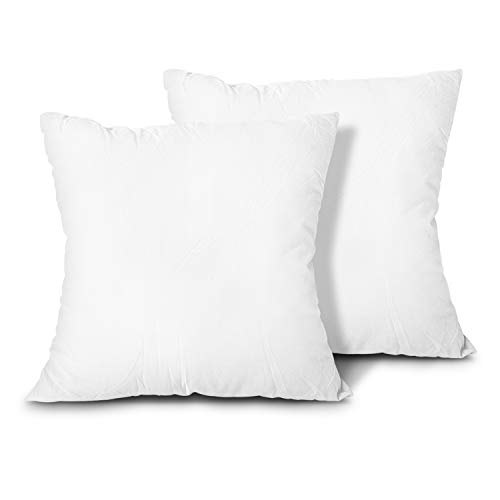
-Filling with upgraded Filler : 100% Polyester Fiber, great spring back ability, medium support.The cover is made of polyester.

-Filling with upgraded microfiber polyester filler,great spring back ability,medium support.The cover is made of polyester.

Size and Packaging: Compressed for convenient transportation.
How to Clean Natural-Fill Inserts
- Down and feather inserts: Inspect the fabric ticking for pinholes or weak seams before washing. If the label allows machine washing, use a gentle cycle with cool or warm water (never hot) and 1 tablespoon of low-sudsing, enzyme-free delicate or down detergent. Run an extra rinse and spin cycle to remove trapped water. Tumble dry on low heat with 2–3 clean wool dryer balls or tennis balls for 2 to 3 hours, stopping every 30 minutes to break apart damp feather clusters by hand.
- Wool inserts: Heat and friction cause wool scales to lock together and felt permanently. Unless the label specifically permits a cold wool cycle, spot clean wool inserts or hand-soak gently in cold water below 85°F (30°C) with a wool-safe wash, press in towels, and dry flat away from direct sunlight.
- Cotton batting inserts: Cotton fill absorbs heavy amounts of water, shrinks under high heat, and compacts easily. Spot clean minor marks, or wash only as the tag directs and dry thoroughly in a warm, well-ventilated room with a fan.
How to Clean Polyester and Down-Alternative Inserts
Polyester fiberfill and synthetic down-alternative inserts are the easiest pillow cores to launder at home. When the care tag allows machine washing, wash two inserts at a time on a gentle cycle with warm or cool water and 1 to 2 tablespoons of mild liquid detergent. Run a second rinse cycle so no soap film coats the fibers, then tumble dry on low heat with dryer balls to restore loft.
Can You Wash Foam, Latex, or Memory Foam Inserts?
Never put solid memory foam, shredded polyurethane foam, or natural latex pillow inserts in a washing machine unless the manufacturer’s tag explicitly instructs you to do so. Water saturates cellular foam like a heavy sponge, increasing its weight enough to tear inside a spinning washer drum while trapping moisture deep in the core.
For instance, Tempur-Pedic states that its TEMPUR-Material core must never be washed with liquids, even though the zippered outer cover can be removed, machine-washed in cold water, and air-dried. This distinction applies across nearly all memory-foam and latex cushions.
To clean a foam or latex insert safely, vacuum both sides with a soft brush attachment, spot-blot surface marks using a cloth barely dampened with mild soapy water, rinse by blotting with a damp clean cloth, and air dry flat for 12 to 24 hours away from direct sun or radiator heat (which degrades latex and polyurethane).
How to Clean Outdoor Throw Pillow Inserts
Outdoor throw pillows made from solution-dyed acrylic or spun polyester resist water and UV fading, but their inserts can still trap rain and mildew. Brush off loose dirt, pollen, and leaves first, then unzip removable covers and wash them according to the label. For sewn-shut outdoor pillows or surface mildew, scrub gently with a soft bristle brush using 1/4 cup of mild liquid soap per gallon of lukewarm water. If the manufacturer’s care guide specifically allows bleach for stubborn mildew (as many solution-dyed acrylic fabrics do), use the label-approved dilution, rinse thoroughly with a garden hose so no soap residue compromises water repellency, and stand the pillows vertically on their side edges so water drains out and dries within 24 hours.
How Do You Remove Stains From Throw Pillows?
Successful stain removal depends on matching the treatment to the chemical family of the spill—protein, tannin, oil, or biological—before heat sets the mark permanently. Always use clean white cloths and blot gently without twisting the fabric pile.
| Stain Type | Step-by-Step Treatment |
|---|---|
| Food, coffee, wine, or juice | Lift solids with a dull knife or spoon edge and blot liquid immediately. Flush removable washable covers from the reverse side with cool water, pretreat with liquid detergent or an enzyme stain remover for 10 minutes, and launder per the care tag. |
| Oil, butter, lotion, or makeup | Blot excess grease and sprinkle cornstarch or baking soda over the spot for 15–20 minutes to draw out oil, then vacuum it off. Pretreat washable fabrics with a grease-cutting liquid dish soap or prewash remover and wash at the warmest setting the care label allows. |
| Pet urine or vomit | Blot with white towels until no moisture transfers. Apply a fabric-safe enzymatic pet cleaner (avoid enzyme sprays on wool or silk), let it dwell for 10–15 minutes after testing a hidden seam, then blot clean or launder according to the tag. |
| Blood or protein stains | Always use cold water first—warm or hot water cooks protein into textile fibers permanently. Dab or soak washable covers in cold water with mild detergent, rinse thoroughly, and air dry until you confirm the mark is gone. |
| Musty odor or suspected mold | Check whether the smell comes from trapped dampness or active mold growth. Washable covers and lightly damp inserts can be rewashed and dried completely. If black, green, or gray mold spots penetrate a porous insert, discard and replace the insert. |
When pillows are soaked by leaks, flooding, or prolonged dampness, the CDC disaster cleanup safety guidelines and EPA mold cleanup guidance advise drying wet materials within 24 to 48 hours and discarding porous items such as foam cushions and pillows when mold grows inside them.
Recommended Products

What You'll Get: One 22oz spray bottle of Shout's Prewash Active Enzyme Stain Remover Spray. Bottle, excluding trigger & label, made of 25% Post Consumer Recycled plastic!
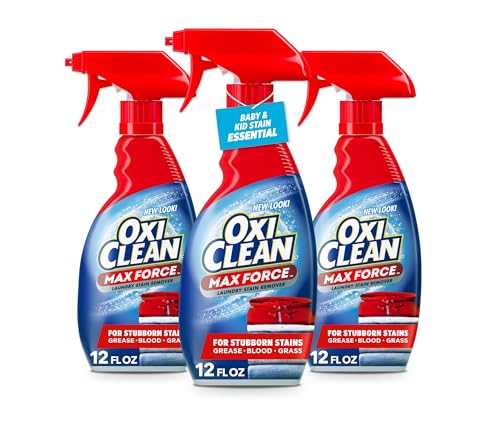
12 FL OZ OXICLEAN MAX FORCE STAIN REMOVER SPRAY; this newborn and baby essential helps parents power out tough set-in laundry stains the first time; spray now and wash up to 7 days later

Maximum Strength Formula – Eliminates the toughest stains, even 7-day dried-in messes like wine, coffee, blood, and food
Can You Put Throw Pillows in the Dryer?
You can put throw pillows or inserts in the dryer only when their care tags display the tumble-dry symbol (a square with a circle inside). Polyester and down-alternative inserts usually tolerate low heat, whereas foam, latex, leather, suede, wool, and delicate embellished covers must be air-dried flat.
- Extract excess water before drying. Press wet pillows between clean, dry bath towels so the dryer does not have to evaporate heavy pools of water.
- Match the dryer heat to the dot symbol. One dot inside the dryer circle indicates low heat, two dots indicate medium heat, and a solid black circle or crossed-out dryer icon means air dry only (no heat).
- Add wool dryer balls and pause every 30 minutes. Tumble washable polyester or down inserts with 2–3 clean wool dryer balls. Open the door every 30 minutes to shake the pillow by hand and break up dense clumps so warm air reaches the center.
- Air dry delicate covers and non-tumble pillows flat. Place heat-sensitive covers or hand-washed pillows on a breathable mesh rack in a room with a running fan or dehumidifier, flipping them every few hours.
- Perform the center-core pinch test. Squeeze the thickest center section of the insert firmly after it cools for 10 minutes. If the core feels cool, clammy, or heavier than normal, moisture is still trapped inside—run another low-heat or air-dry cycle before putting the cover back on.
To kill dust mites in washable bed linens, the Mayo Clinic advises weekly washing in hot water at least 130°F (54.4°C), or tumbling dry items in a dryer above 130°F for 15 minutes before washing when hot water is not an option.
Keep in mind that 130°F is clinical bedding guidance, not a safe default for decorative throw pillows. Only apply high heat to cotton or synthetic covers whose care labels explicitly permit hot water or high-heat drying.
How Do You Keep Throw Pillows Fresh Between Washes?
Routine dry maintenance prevents dust, skin oils, and pet hair from working through the outer weave into the pillow core, extending the time between deep washes.
- Vacuum weekly with a HEPA upholstery brush. Vacuum both sides and along zipper seams during weekly room cleaning to remove dust, pet dander, and crumbs.
- Fluff and rotate cushions weekly. Give feather and polyfill pillows a gentle karate chop or corner-to-corner shake and flip them so sunlight and leaning pressure wear evenly.
- Blot spills within the first 5 minutes. Catching liquid on the outer cover stops it from soaking into the harder-to-clean insert underneath.
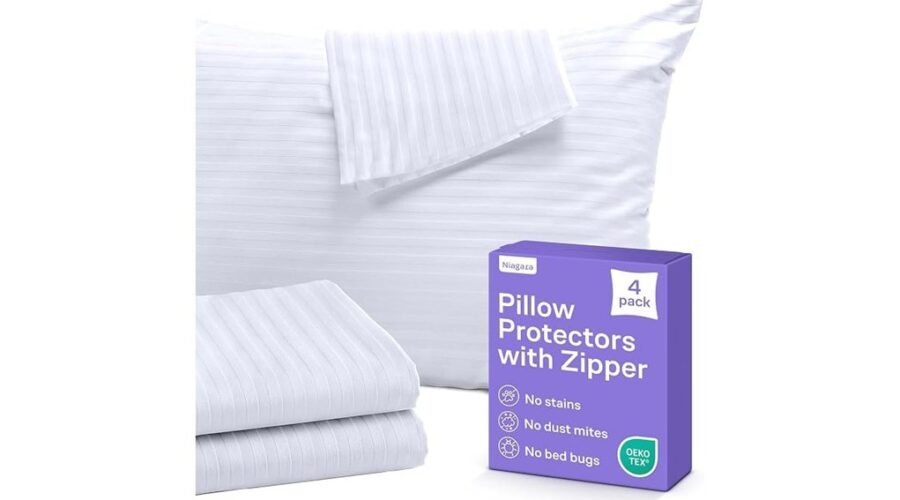
- Use zippered inner protectors under delicate covers. Adding a washable cotton pillow protector between the insert and a dry-clean-only silk, velvet, or beaded cover shields the insert from oils and spills.
- Keep indoor humidity below 50 percent. The American Lung Association recommends maintaining indoor relative humidity under 50% with air conditioning or a dehumidifier to prevent dust mites and mildew in upholstery.
- Store seasonal pillows in breathable cotton bags. Never seal throw pillows inside airtight plastic bins or vacuum bags in damp basements or hot attics, which trap residual moisture and flatten natural loft.
The safest rule is simple: treat the cover and insert separately, wash only what the care instructions allow, use the gentlest effective method, and never put the pillow back into use while any part is still damp.
Troubleshooting Common Throw Pillow Cleaning Problems
Even careful laundering can occasionally leave an insert clumped, a cover slightly tight, or an odor lingering in thick fill. Use these targeted fixes to restore your pillows without causing further damage.
The Insert Is Lumpy After Washing
Lumping almost always means the filling is still slightly damp or tangled from the spin cycle. Pull the clumps apart through the ticking with your fingers, then place washable polyester or down inserts back in the dryer on low or air-fluff heat with 3 wool dryer balls for 20-minute intervals until the center is bone-dry and lofty.
The Pillow Still Smells Musty
A sour or musty odor right after washing signals that moisture remained trapped in the center for more than 24 hours. If the care tag allows machine washing, rewash the insert with 1/2 cup of white vinegar in the rinse cycle (no bleach) and dry completely with dryer balls. If visible mold spots appear or the smell persists after full drying, replace the insert.
The Cover Shrank
Cotton, linen, and rayon-blend covers can shrink 3% to 5% if exposed to warm water or dryer heat. Soak a washable shrunken cover in cool water with 1 tablespoon of gentle hair conditioner for 15 minutes, rinse lightly, lay it flat on a towel, and gently stretch the seams back to their original dimensions as it air-dries. If it remains too tight, swap in a slightly smaller insert rather than forcing the zipper.
The Colors Bled
Keep the wet cover out of the dryer immediately, as heat locks fugitive dye into neighboring fibers. Rewash washable covers in cold water with a color-absorbing laundry sheet and mild detergent, then air dry flat. For dry-clean-only covers that bled during spot cleaning, blot with a dry white towel and take the cover to a professional dry cleaner promptly.
Key Takeaways
- Always separate zippered covers from their inserts—a machine-washable cotton cover frequently holds a non-washable foam, feather, or wool core.
- Check for both garment care symbols (1 dot = cold up to 85°F; 2 dots = warm up to 105°F) and furniture upholstery codes (W = water-safe, S = solvent only, WS = either, X = vacuum only).
- When tags are missing or a pillow is sewn shut, vacuum first and spot-blot with 1/4 teaspoon of mild dish soap per cup of lukewarm water after testing an inside seam.
- Never reassemble or store a pillow until the center core passes the pinch test; damp fill trapped inside a cover can develop mold within 24 to 48 hours.
Frequently Asked Questions
Can you wash throw pillows in the washing machine?
Yes, you can machine wash throw pillows when their care labels permit water laundering. Always unzip removable covers and check the cover and insert tags separately. Keep items marked spot clean only, dry clean only, or upholstery code S or X out of the washer, along with solid foam, latex, leather, and heavily beaded covers.
Are throw pillow inserts washable?
Many polyester fiberfill and down-alternative inserts are machine washable on a gentle cycle every 3 to 6 months. Down and feather inserts can often be washed in cool water with enzyme-free detergent if their tags allow it, while memory foam, shredded foam, latex, and wool inserts generally require spot cleaning or surface care.
How do you wash throw pillows that do not have a removable cover?
Start by vacuuming both sides and testing a hidden seam with 1/4 teaspoon of mild dish soap mixed in 1 cup of lukewarm water. Blot stains from the outside inward with a damp white cloth. Submerge the whole pillow for hand or machine washing only if the care label explicitly states both the shell and fill are washable, then press in towels and dry completely.
Can you put throw pillows in the dryer?
Only put a throw pillow cover or insert in the dryer when its care tag shows the tumble-dry symbol. Use low heat or air-fluff with clean wool dryer balls for washable polyester and down inserts, pausing every 30 minutes to break up clumps. Air dry foam, latex, wool, linen, velvet, faux fur, and embellished covers flat on a rack.
How often should you wash decorative pillow covers?
Wash frequently handled sofa or bed throw pillow covers about once a month, or immediately after food spills, pet accidents, or illness. Covers on lightly used accent chairs only need routine vacuuming every few weeks and deep cleaning 1 to 2 times per year according to the care tag.
Can you wash velvet throw pillows?
Synthetic polyester velvet covers often tolerate a cold, gentle machine wash inside a mesh bag followed by flat air drying, whereas silk, rayon, or viscose velvet covers require solvent spot cleaning or professional dry cleaning. Never scrub wet velvet or put it in a hot dryer, which permanently crushes the pile.
What is the safest way to freshen throw pillows between washes?
Vacuum both sides weekly using a soft upholstery brush attachment, fluff and rotate the cushions to distribute wear, and air them in a dry, well-ventilated room away from direct harsh sunlight. Avoid masking a persistent musty odor with fabric sprays, as a sour smell usually means the inner fill is damp or needs washing.
What do the cleaning codes W, S, WS, and X mean on throw pillows?
Upholstery cleaning codes tell you which solvents are safe for spot cleaning a pillow cover. Code W allows water-based cleaners like mild dish soap and water, Code S requires water-free dry-cleaning solvents only, Code WS allows either water-based or solvent cleaners, and Code X means you should only vacuum or lightly brush the fabric without any liquid.
Conclusion
Cleaning throw pillows without ruining their shape or texture comes down to following a clear sequence: separate the cover from the insert, read both care tags, match your detergent and water temperature to each fiber, and never use machine agitation on foam, leather, or solvent-only fabrics. Before you start a wash load today, unzip one pillow cover, check the care symbols on both pieces, and run a quick 60-second seam test if you plan to spot clean.
Sources
- Federal Trade Commission — Clothes Captioning: Complying with the Care Labeling Rule: Supports manufacturer care-label requirements and symbol standards.
- American Cleaning Institute — Laundry Basics: Supports care-label-first laundering, stain pretreatment, correct detergent use, and matching washer and dryer settings to the textile.
- American Cleaning Institute — Stain Removal Guide: Supports early stain treatment, cool-water flushing for protein stains, pretreating washable fabrics, and checking stains before dryer use.
- Tempur-Pedic — Can I Wash My Pillow?: Provides a manufacturer example showing that a washable removable cover does not make the foam pillow core itself washable.
- CDC — Guidelines for Cleaning Safely After a Disaster: Supports drying wet porous materials within 24 to 48 hours and discarding pillows or foam items that cannot be adequately cleaned and dried.
- U.S. Environmental Protection Agency — Mold Cleanup in Your Home: Supports discarding porous fabrics and cushions when mold grows inside them.
- Mayo Clinic — Dust Mite Allergy: Diagnosis & Treatment: Supports the 130°F (54.4°C) bedding wash guidance and the 15-minute high-heat dryer alternative for dust-mite control.
- American Lung Association — Dust Mites: Supports keeping indoor relative humidity below 50 percent as part of dust-mite control.