Area rugs last longer when you control the two things that wear them down fastest: repeated foot traffic in the same lanes and movement against the floor. Rotating your rug spreads wear more evenly, while the right rug pad cushions the fibers, improves grip, protects the floor underneath, and helps the rug lie flat. The best routine depends on traffic, sunlight, furniture weight, rug material, and the type of flooring below.
Quick Answer
Rotate an area rug every six months in normal rooms and every three to six months in high-traffic, sunny, or furniture-heavy spots. Use a rug pad trimmed 1–2 inches smaller than the rug, matched to your floor. Vacuum regularly, blot spills fast, and replace pads when they lose grip, flatten, smell, or crumble.
Key Takeaways
- Rotate most area rugs twice a year; rotate more often where foot traffic, sunlight, or heavy furniture creates uneven wear.
- Choose a rug pad by floor type and rug style, not just by size. Felt, natural rubber, and felt-rubber pads all solve different problems.
- Trim the pad slightly smaller than the rug so the edges stay flat and the pad does not show.
- Never put a damp rug or damp pad back on the floor. Moisture control is essential for preventing odor, staining, and mold risk.
- Replace a rug pad when it stops gripping, bunches, turns sticky, crumbles, smells musty, or no longer cushions the rug.
At a Glance
| Time Required | 10–20 minutes for a simple rotation; 30–45 minutes if you vacuum both sides, clean the floor, and trim or adjust the pad. |
| Difficulty | Easy for small rugs; moderate for large, heavy, antique, or furniture-anchored rugs. |
| Tools Needed | Vacuum, measuring tape, rug pad, heavy-duty scissors for trimming, mild soap, clean towels, furniture sliders, and furniture cups. |
| Cost | $0 for rotation; rug pads vary by size, material, and thickness. |
Why Rug Maintenance Matters: Rotation and Padding
Area rugs wear unevenly because people tend to walk the same paths through a room, furniture presses into the same spots, and sunlight usually hits one side harder than the other. Rotating the rug changes which sections take the most traffic and light exposure, helping the surface age more evenly.
A good rug pad adds another layer of protection. It helps hold the rug in place, reduces friction between the rug and floor, adds cushioning underfoot, and can make vacuuming easier because the rug stays flatter. Rug pads are also useful for floor protection because some rug backings can be rough enough to scuff hardwood, laminate, tile, or other surfaces.
The goal is not to create a complicated routine. The goal is to prevent small problems—sliding, curling, uneven fading, crushed fibers, dirt buildup, and damp padding—from turning into permanent damage.
Warning: Never reinstall a damp rug or damp rug pad. The U.S. Environmental Protection Agency recommends drying wet or damp materials quickly to help prevent mold growth. If a rug or pad smells musty, shows visible mold, or was exposed to sewage or floodwater, stop using it and call a professional cleaner or restoration specialist.
How Often to Rotate Your Area Rug
For most rooms, rotate your area rug every six months. That schedule works well for bedrooms, formal living rooms, and low-traffic spaces where sunlight and foot traffic are moderate. In busier rooms, use a shorter schedule so the same corners and walking lanes do not take all the abuse.
| Room or Rug Situation | Rotation Schedule | Why It Helps |
|---|---|---|
| Normal-use bedrooms, sitting rooms, and low-traffic spaces | Every 6 months | Balances light wear and mild fading. |
| Entryways, hallways, family rooms, dining areas, and pet zones | Every 3–6 months | Prevents traffic lanes from becoming permanently crushed or dull. |
| Rugs under sofas, beds, dining tables, desks, or heavy chairs | Every 3–4 months when practical | Reduces permanent furniture dents and uneven compression. |
| Sunny rooms or rugs near large windows | Every 3–6 months | Helps distribute fading instead of leaving one side noticeably lighter. |
| Antique, silk, viscose, fragile, or hand-knotted rugs | Inspect every 3–6 months; rotate carefully | Prevents damage while avoiding rough handling or aggressive cleaning. |
Most rectangular rugs should be turned 180 degrees. Round, oval, or highly directional rugs may need a smaller shift, such as a quarter turn, depending on the pattern and furniture layout. If the rug is reversible and the care label allows it, flipping it occasionally can also help distribute wear.
How to Properly Rotate Your Area Rug
Rotating a rug is simple, but doing it carefully prevents stretched edges, trapped grit, and bunched padding.
- Clear the area first. Remove small furniture, décor, baskets, floor lamps, and anything with sharp feet. For heavy furniture, use furniture sliders or ask for help.
- Vacuum the top of the rug. Use the correct vacuum setting for the rug’s pile. For delicate rugs, fringe, antique pieces, or looped construction, use suction only and avoid aggressive beater bars.
- Lift and check the rug pad. Look for crumbs, dust, damp spots, odors, lumps, sticky residue, or areas where the pad has flattened.
- Clean the floor underneath. Vacuum or sweep grit from the floor so it does not scratch the floor finish or abrade the rug backing.
- Roll instead of dragging. Large rugs are easier to move when rolled loosely. Dragging can stretch edges, pull corners, and shift the pad.
- Rotate the rug 180 degrees. Line it up with the room, furniture, and rug pad before putting everything back.
- Reset the pad. Make sure the pad is flat, centered, and slightly smaller than the rug on all sides.
- Return furniture gently. Use furniture cups under heavy legs to reduce indentations. Avoid setting heavy furniture on a damp or freshly spot-cleaned rug.
Pro Tip: Take a quick phone photo before moving furniture. It makes it easier to return the rug to the right alignment after rotation.
Why Quality Rug Pads Are Essential for Rug Longevity
A rug pad works like a protective layer between the rug and the floor. It helps reduce sliding, softens impact from footsteps, limits friction on the rug backing, and can protect the floor from scratches or color transfer. A pad also helps the rug stay flat, which reduces curling corners and tripping hazards.
The best pad is not always the thickest one. A pad should match the rug, the flooring, and the way the room is used. A thin flatweave runner in a hallway needs grip and a low profile. A large wool rug in a living room may need dense cushioning. A rug on carpet may need a pad designed to stop rug-on-carpet shifting.
For the safest fit, choose pads labeled for your specific floor type. Some low-quality rubber, PVC, adhesive, or colorful pads can stick to finishes, leave residue, or discolor certain flooring. When in doubt, check the flooring manufacturer’s care instructions before using a pad.
Recommended Products
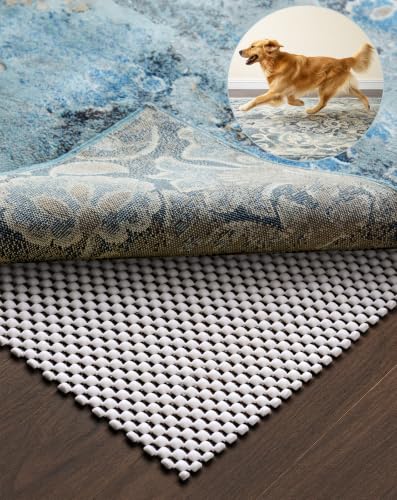
Non-slip Protection: Our pad's signature grip keeps rugs securely in place, preventing bunching and sliding during daily use. It also protects your floors from wear and tear, including damage from high heels, children at play, and more.

THE ORIGINAL EXTRA STRONG GRIPPER: our trusted Gorilla Grip nonadhesive rug pads offer a unique, dual sided grip that firmly holds onto both the rug pad and your hard floor to help prevent rug movement
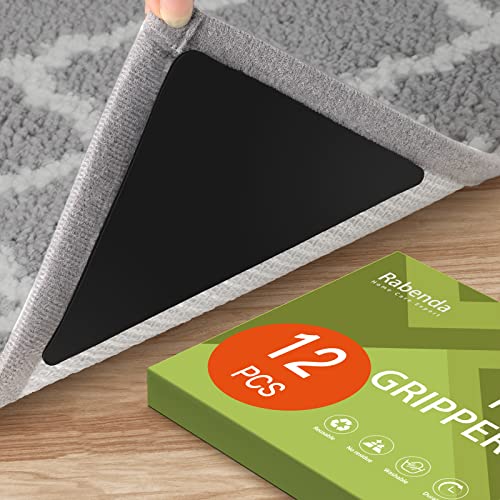
Advantaged Triangle Design: The Triangle Design grippers for area rugs and hardwood floors will maximum increase the contact surface. The strong adhesion will help stick firmly and keep your area rugs in place. Moreover, the rug stickers for wood floors will prevent the rug corners and edges curling and always keep your rugs steady and safe
How to Choose the Right Rug Pad
Choosing a rug pad comes down to four questions: What floor is underneath? What type of rug do you have? How much grip do you need? How much thickness can the room safely handle?
Recommended Products

Upgraded Cushioning and Grip: Unlike other pure felt pads, our pad has a durable natural rubber backing to increase gripping and durability. 1/4" thick felt forming a dense, cushioned surface, aims to make your rugs cozier and provide extra comfort underfoot, even the thinnest rugs can feel soft and comfortable. Dense fibers surface securely holds rugs in place without bunching, while offering noise reduction and insulation

Upgraded Cushioning and Grip: Unlike other pure felt pads, our pad has a durable natural rubber backing to increase gripping and durability. 1/8" thick felt forming a dense, cushioned surface, aims to make your rugs cozier and provide extra comfort underfoot, even the thinnest rugs can feel soft and comfortable. Dense fibers surface securely holds rugs in place without bunching, while offering noise reduction and insulation

NON-SLIP GRIP FOR SAFETY: Durable latex rubber backing prevents slipping, sliding, bunching, and wrinkles on hardwood, tile, carpet, or any floor—superior hold compared to basic foam pads for everyday use.
Types of Rug Pads
- Natural rubber pads: Best for grip on many hard floors. They are useful for runners, flatweaves, and rugs that tend to slide.
- Felt pads: Best for cushioning and sound softening, especially under larger rugs that are already held in place by furniture.
- Felt-rubber combination pads: A strong all-purpose option because felt adds cushion while rubber adds grip.
- Thin non-slip pads: Useful where door clearance is tight, but they may offer less cushioning and may need replacement sooner.
- Rug-on-carpet pads: Designed to reduce rippling and creeping when an area rug sits on top of wall-to-wall carpet.
Choose by Floor Type
- Hardwood floors: Look for floor-safe natural rubber, felt, or felt-rubber pads. Avoid solvent-based adhesives and cheap pads that may bond to the finish.
- Tile and stone: Felt-rubber pads usually offer a good mix of cushion and grip. Make sure the pad does not trap grit against polished stone.
- Laminate floors: Use a pad labeled safe for laminate and keep moisture away from seams.
- Vinyl and luxury vinyl plank: Check pad labels carefully. Some rubber or PVC pads can react with vinyl finishes over time.
- Carpeted floors: Use a rug-on-carpet pad rather than a standard hard-floor pad.
- Heated floors: Use a pad labeled compatible with radiant heat and avoid materials that may melt, stick, or trap too much heat.
Choose by Rug Type
- Flatweave and low-pile rugs: Use a thin, dense, grippy pad so the rug stays flat and does not become a tripping hazard.
- Medium-pile wool rugs: A dense felt-rubber pad usually gives enough cushion without making the rug feel unstable.
- High-pile or shag rugs: Avoid very thick pads that raise the edges too much. Choose a supportive pad that does not make the rug feel wobbly.
- Hand-knotted, antique, silk, or viscose rugs: Choose a breathable, high-quality pad and avoid adhesive tapes. For valuable rugs, ask a professional rug cleaner or dealer before using any pad or DIY cleaning method.
- Jute, sisal, grass, or other natural-fiber rugs: Avoid excess moisture and choose a pad that helps the rug stay flat without trapping dampness.
- Washable rugs: Follow the rug maker’s pad instructions. Some washable rug systems require a specific pad to prevent bunching or curling.
Thickness and Density
Pad thickness should improve comfort without creating a raised edge. For low-profile rugs, a thinner dense pad is usually safer than a thick cushion. For large rugs in living rooms or bedrooms, a denser felt or felt-rubber pad can add comfort and help absorb foot traffic. If a door swings over the rug, test the rug and pad together before trimming or removing packaging.
As a general rule, trim the rug pad 1–2 inches smaller than the rug on every side. For thick or high-pile rugs, you may need slightly more clearance so the rug edge slopes naturally to the floor.
Material Considerations
Material matters because the wrong pad can damage the floor or make the rug unsafe. Natural rubber is often chosen for grip, felt for cushion, and felt-rubber blends for a balance of both. Avoid pads that feel sticky, smell strongly of chemicals, transfer color, or are not labeled for your floor type.
For a more eco-conscious choice, look for natural rubber, recycled felt, low-VOC materials, or pads with clear floor-compatibility information.
Note: A rug pad should support the rug without showing. If you can see the pad at the edges, trim it smaller. If the rug edge curls or feels raised after trimming, the pad may be too thick for that rug.
How to Keep Your Rug Pad in Top Shape
Rug pad care is simple, but it is often skipped because the pad is hidden. Every few months, lift the rug and inspect the pad before you rotate the rug.
- Vacuum the rug pad gently. Felt and solid pads collect dust, grit, and hair. Vacuuming helps keep abrasive particles away from the rug backing and floor.
- Clean the floor underneath. Grit trapped under a pad can scratch floor finishes over time.
- Spot clean only when the label allows it. Use mild soap and a lightly damp cloth. Do not soak felt pads unless the manufacturer says they are washable.
- Dry completely. Air-dry the pad and rug fully before putting them back in place.
- Check for residue. If the pad feels sticky or leaves marks on the floor, remove it and replace it with a floor-safe option.
- Watch for loss of grip. If the rug slides, ripples, or bunches even after cleaning and repositioning, the pad is no longer doing its job.
When to Rotate or Replace Your Area Rug Pad?
Rotate the rug and pad together when the pad is still in good condition. Replace the pad when it no longer protects the rug, the floor, or the people walking on it.
Recommended Products

Unique Design: Do you still worry about the traditional glue rug tape harm your floor ? This gripper uses VACUUM TECH design which grips hard smooth floors firmly and easily, this design can protect your floor perfectly as no glue used on floor. But it does not work for rug on carpeted floor. It does not work for rubber backed rug ,jute rug or fluff backing rug.

Non-slip Protection: Our pad's signature grip keeps rugs securely in place, preventing bunching and sliding during daily use. It also protects your floors from wear and tear, including damage from high heels, children at play, and more.
Non-slip Protection: Our pad's signature grip keeps rugs securely in place, preventing bunching and sliding during daily use. It also protects your floors from wear and tear, including damage from high heels, children at play, and more.
Signs to Replace Pad
- Loss of grip: The rug slides, wrinkles, bunches, or shifts out of place.
- Flattening: The pad feels compressed and no longer cushions the rug.
- Crumbles or powder: Pieces break off when you lift the rug.
- Sticky residue: The pad leaves marks, tackiness, or a grid pattern on the floor.
- Odor: Musty smells can mean trapped moisture, spills, or mildew risk.
- Visible damage: Frayed edges, tears, lumps, curled sections, or thin spots reduce support.
- Floor discoloration: Any staining or finish change under the pad means the pad should be removed immediately.
Frequency of Rotation
Use the rug’s condition as your guide. If one side looks duller, flatter, lighter, or more worn, rotate sooner. If the rug sits under heavy furniture, shift the rug slightly when possible and use furniture cups to spread the pressure. In high-traffic rooms, inspect the rug and pad every three months even if you only rotate every six months.
More Ways to Care for Your Area Rug
Rotation and padding do the heavy lifting, but everyday habits make the difference between a rug that looks good for a few years and one that stays beautiful for much longer.
- Vacuum regularly. Weekly vacuuming works for many rooms, but high-traffic rugs, homes with pets, and entryway rugs may need more frequent vacuuming. Use suction-only settings for delicate rugs and fringe.
- Blot spills immediately. Press with a clean white towel. Do not scrub, because scrubbing can push the stain deeper and fuzz the fibers.
- Test cleaners first. Before using soap, stain remover, or rug shampoo, test a hidden area for dye transfer or texture change.
- Keep rugs dry. After spot cleaning, lift the rug if needed so air reaches both sides. Do not place furniture back until the rug is fully dry.
- Protect against sun fading. Rotate rugs in sunny rooms and use curtains, shades, or UV-filtering window film where fading is severe.
- Reduce furniture dents. Use furniture cups and move heavy pieces slightly when you rotate the rug.
- Match care to the fiber. Wool, cotton, synthetics, jute, sisal, silk, viscose, and washable rugs all respond differently to water and cleaners. Always check the care label.
- Schedule deeper cleaning when needed. Many rugs benefit from professional cleaning every 12–18 months, but busy homes, pets, spills, odors, or delicate materials may require a different schedule.
The best rug-care routine is preventive: rotate before wear is obvious, clean spills before they set, and replace the pad before it stops gripping.
Common Mistakes to Avoid When Rotating and Padding Rugs
- Leaving the rug in the same position for years: This creates traffic lanes, fading patterns, and furniture dents that are hard to reverse.
- Using no rug pad: Unpadded rugs can slide, wrinkle, wear faster, and scratch the floor underneath.
- Using a pad that is the same size as the rug: The pad may show at the edges and keep the rug from lying flat.
- Choosing a pad that is too thick: Extra height can create a tripping edge, especially on flatweaves and rugs near doorways.
- Ignoring floor compatibility: Some pads can stain, stick to, or discolor hardwood, vinyl, laminate, or heated floors.
- Dragging a heavy rug: Dragging can stretch the rug, damage edges, or shift the pad into lumps.
- Putting a rug back while damp: Moisture trapped between rug, pad, and floor can cause odor, staining, and mold risk.
- Scrubbing stains aggressively: Scrubbing can distort fibers and spread the stain. Blot instead.
- Forgetting to clean under the pad: Grit under the pad can act like sandpaper on both the floor and rug backing.
When to Seek Professional Help for Your Area Rug?
Some rug problems are safer and cheaper to handle professionally before they become permanent. Call a professional rug cleaner or restoration specialist if you notice any of the following:
- Stubborn stains or dye bleeding: If color transfers to a white cloth during spot testing, do not keep cleaning with water.
- Musty odor, visible mold, or water damage: Mold can be difficult to remove from porous materials, and contaminated water requires special handling.
- Pet urine that reached the pad: Odor can settle into the rug backing, pad, and floor if it is not treated correctly.
- Frayed edges, holes, or loose binding: Repairing these early prevents further unraveling.
- Antique, hand-knotted, Persian, Oriental, silk, or viscose rugs: These materials can be damaged by hot water, harsh cleaners, or aggressive scrubbing.
- Large rugs under heavy furniture: A professional can move, clean, and reset the rug without stretching or damaging it.
Frequently Asked Questions
How do you bring an area rug back to life?
Start by vacuuming both sides if the rug construction allows it, then rotate the rug so worn areas are no longer in the main traffic path. Replace a flattened or slipping pad, spot clean stains carefully, lift furniture dents with gentle brushing, and schedule professional cleaning if the rug still looks dull, smells musty, or has set-in stains.
How often should I rotate my rug?
Rotate most area rugs every six months. Rotate every three to six months in high-traffic rooms, sunny spaces, pet areas, and places where heavy furniture creates dents. If one side looks flatter, lighter, or dirtier, rotate sooner.
How do you make a rug last longer?
Use a quality rug pad, rotate the rug on a schedule, vacuum regularly, blot spills quickly, keep the rug and pad dry, protect it from harsh sunlight, and use furniture cups under heavy legs. For delicate or valuable rugs, avoid DIY wet cleaning and use a professional rug cleaner.
Does a rug pad extend the life of a rug?
Yes. A good rug pad helps reduce slipping, friction, and impact from foot traffic. It also helps the rug lie flatter and protects the floor underneath. The pad must be the right material, thickness, and size for the rug and floor.
Should a rug pad be the same size as the rug?
No. A rug pad should usually be 1–2 inches smaller than the rug on each side so it stays hidden and lets the rug edges rest naturally on the floor. Thick or high-pile rugs may need a little more clearance at the edges.
What thickness of rug pad is best?
Low-pile and flatweave rugs usually need a thinner, denser pad so the edges do not become a tripping hazard. Larger rugs in living rooms or bedrooms can often handle a thicker felt or felt-rubber pad for cushioning. Always check door clearance before choosing a thick pad.
Can a rug pad damage hardwood or vinyl floors?
Yes, the wrong pad can leave residue, discolor flooring, or react with some finishes. Use a pad labeled safe for your floor type, avoid sticky adhesives unless the floor manufacturer approves them, and check under the pad regularly for marks or tackiness.
How often should I replace a rug pad?
Replace a rug pad when it no longer grips, cushions, or lies flat. Also replace it if it crumbles, smells musty, feels sticky, leaves residue, or shows visible damage. High-traffic areas and inexpensive thin pads usually need replacement sooner than dense felt-rubber pads.
Conclusion
Extending the life of an area rug is mostly about consistency. Rotate it before wear becomes obvious, use a rug pad that fits both the rug and floor, clean under the pad, and dry spills completely before they cause odor or damage. With a simple rotation schedule and the right padding, your rug will stay flatter, safer, cleaner, and better looking for years.
Sources
- U.S. Environmental Protection Agency: A Brief Guide to Mold, Moisture and Your Home — moisture control, drying wet materials, and mold cleanup guidance.
- The Spruce: Why You Need a Rug Pad for Your Area Rug — rug pad benefits, sizing, grip, floor protection, and pad care.
- Real Simple: Do You Really Need a Rug Pad? — rug pad materials, care, rotation, grip loss, and replacement signs.
- Better Homes & Gardens: How to Clean an Area Rug — area rug rotation, vacuuming, deep cleaning, spot cleaning, and drying guidance.
- Architectural Digest: How to Clean a Rug — material-specific rug cleaning and when to use professional rug care.
- Better Homes & Gardens: Best Rug Pads — rug pad sizing, floor compatibility, thickness, and material considerations.