Affiliate disclosure: This article contains Amazon affiliate links. If you buy through these links, we may earn a commission at no extra cost to you.
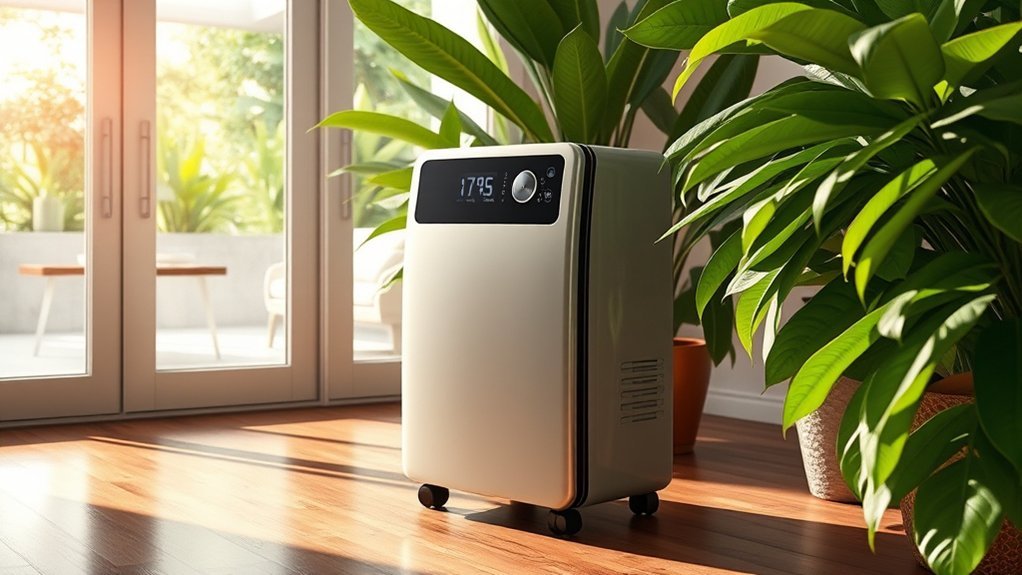
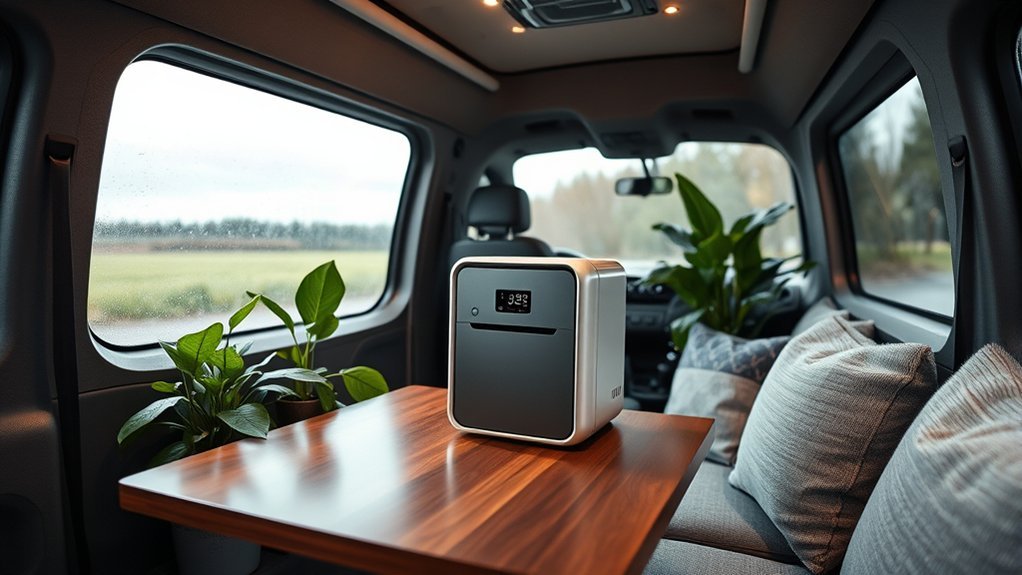
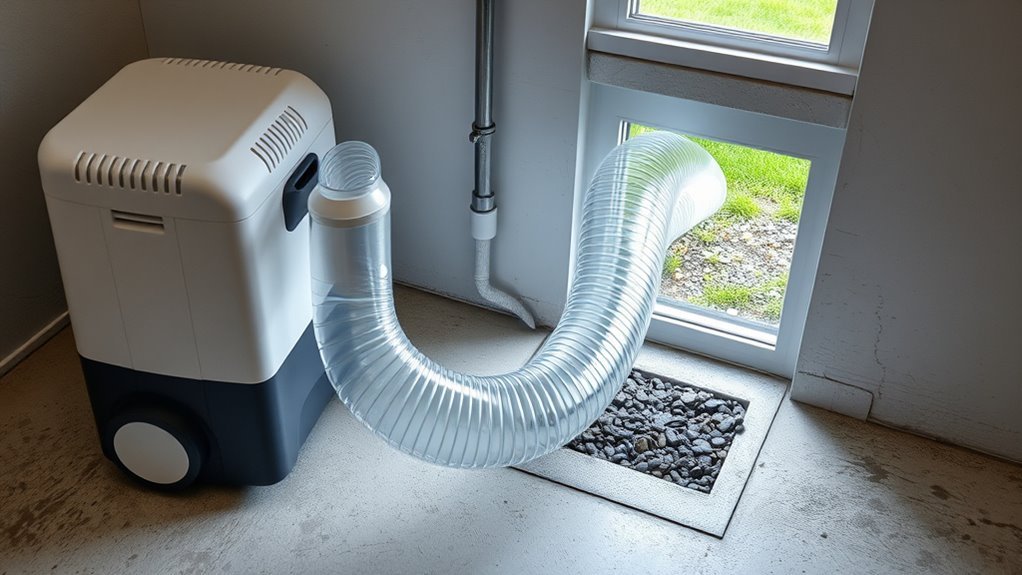
If you need the best dehumidifier options for 2026, start by matching the product type to your actual moisture problem. A cordless silica-gel absorber like the Eva-Dry Wireless Mini works best in enclosed spaces such as closets, cars, cabinets, safes, boats, and gym bags. A compact 44 oz plug-in dehumidifier suits small rooms where you want simple auto shutoff and easy portability. For larger damp areas, AEOCKY’s 4500 sq. ft. smart compressor model gives you stronger moisture removal and continuous drainage. AEOCKY’s 2500 sq. ft. Max 50 Pint compressor model is a more compact compressor-style option when you still want active humidity control and a drain hose. Use the quick picks, comparison table, and buying guide below to choose the right dehumidifier without overspending or buying more capacity than you need.
Quick Verdict:
Choose Eva-Dry for small enclosed spaces, the NeedDuck 44 oz model for small rooms, AEOCKY 4500 sq. ft. for large damp areas, and the AEOCKY 2500 sq. ft. Max 50 Pint model when you want a smaller compressor dehumidifier with continuous-drain capability.
Quick Picks: Best Dehumidifier Options
- Best cordless moisture absorber: Eva-Dry Wireless Mini Dehumidifier for closets, cars, safes, cabinets, boats, and gym bags.
- Best compact plug-in pick: NeedDuck B-2 Dehumidifier with 44 oz Tank for small rooms up to 215 square feet.
- Best large-space pick: AEOCKY 4500 Sq.Ft Smart Dehumidifier for basements, large rooms, and damp living areas.
- Best compact compressor pick: AEOCKY 2500 Sq.Ft Max 50 Pint Compressor Dehumidifier for bedrooms, bathrooms, laundry areas, basements, and other residential spaces that need stronger active moisture removal.
How We Compared These Picks
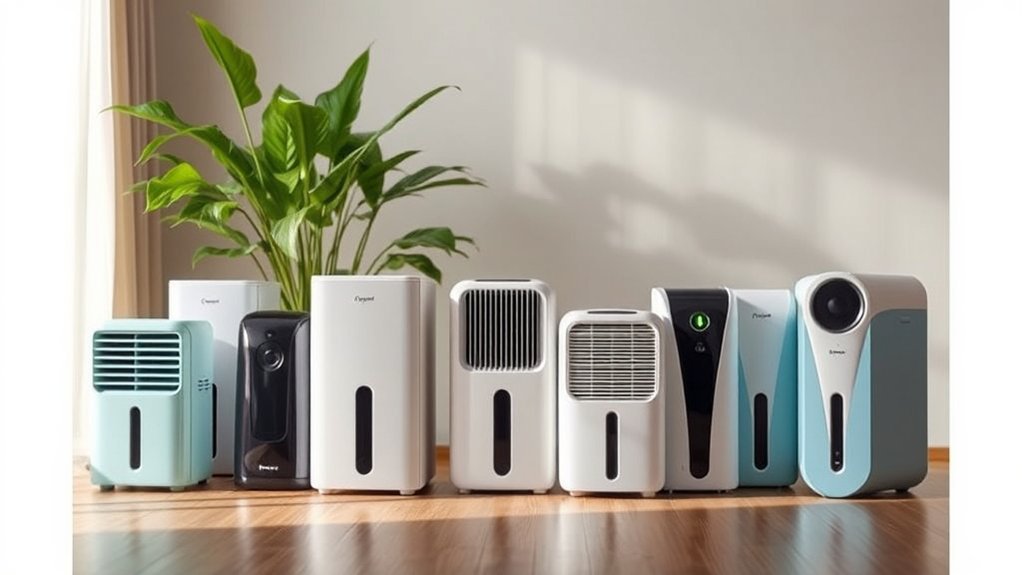
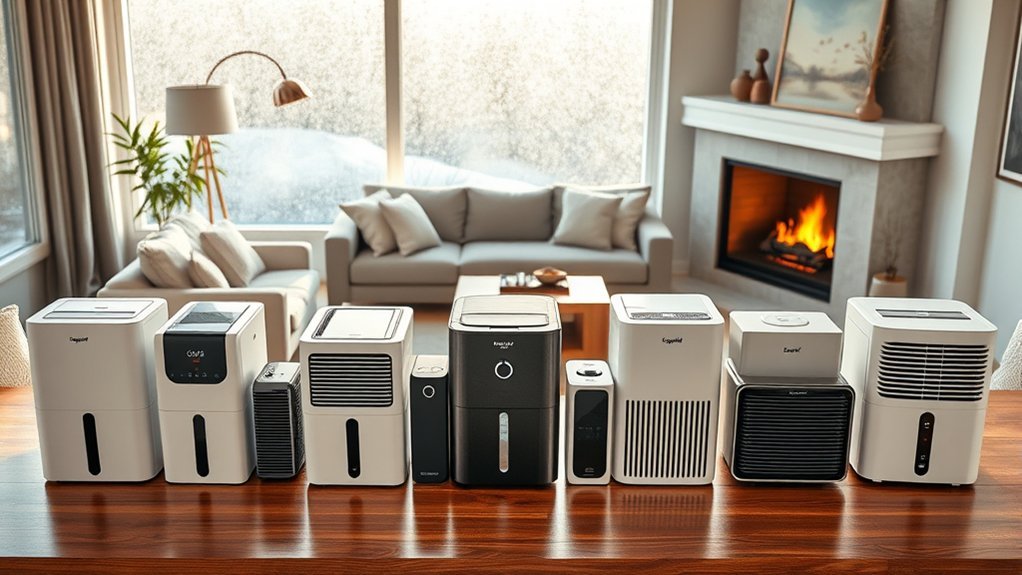
We compared product type, listed coverage, moisture-removal capacity, tank or drainage setup, portability, controls, and the main limitations buyers should know before choosing. A passive silica-gel absorber is not directly comparable with a compressor dehumidifier rated in pints per day, so the picks are separated by use case rather than treated as equal-capacity machines.
Best Dehumidifier Comparison Table
| Product | Best For | Coverage / Capacity | Key Feature | CTA |
|---|---|---|---|---|
| Eva-Dry Wireless Mini Dehumidifier, White (E-333) | Closets, cars, safes, boats, bathrooms, and cabinets | Up to 333 cubic feet; light moisture absorption | Cordless rechargeable silica-gel design | Check Price on Amazon |
| NeedDuck B-2 Dehumidifier with 44 oz Tank | Small bedrooms, bathrooms, closets, and offices | Up to 215 sq. ft.; 44 oz tank | Auto shutoff, auto defrost, timers, and smart modes | Check Price on Amazon |
| AEOCKY 4500 Sq.Ft Smart Dehumidifier with Drain Hose | Basements, large rooms, damp living areas, and high-humidity spaces | Up to 4,500 sq. ft.; rated up to 80 pints per day | Smart humidity sensing and drain hose convenience | Check Price on Amazon |
| AEOCKY 2500 Sq.Ft Max 50 Pint Compressor Dehumidifier with Drain Hose | Bedrooms, bathrooms, laundry areas, basements, RV spaces, and other residential rooms | 2,500 sq. ft. listed floor area; up to 50 pints/day; 0.5-gallon tank | Compressor performance with adjustable humidity and continuous drainage | Check Price on Amazon |
Capacity Note: Coverage and pints-per-day figures are manufacturer/listing ratings, and real moisture removal changes with temperature, relative humidity, airflow, room layout, and drainage setup. Use these numbers as sizing guides, not guaranteed real-world output.
Before You Buy
- Measure the actual room or enclosed space before choosing a coverage size.
- Choose a cordless absorber for small enclosed spaces, not full-room humidity problems.
- Pick a tank model for simple setup or a drain hose model for less emptying.
- For bedrooms, check the listed noise level, sleep mode, and light settings.
- For damp basements, choose a higher-capacity compressor-style unit instead of a mini absorber.
Eva-Dry Wireless Mini Dehumidifier, White (E-333)
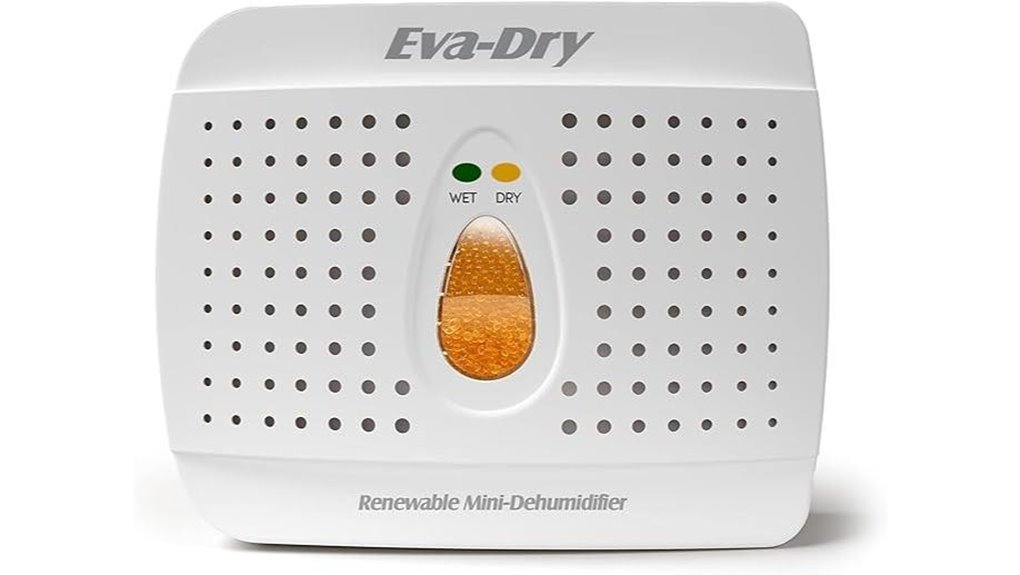
If you need a compact, cordless moisture absorber for tight spaces, the Eva-Dry Wireless Mini Dehumidifier (E-333) is a smart pick. You can slip it into closets, cabinets, cars, bathrooms, gun safes, boats, or gym bags. It uses rechargeable silica-gel beads, needs no water tank, and avoids the noise of a plug-in compressor. The beads change color when the unit needs recharging, so you do not have to guess when it is ready for renewal.
This model works best when you want simple moisture control in an enclosed space. It is not the right choice for a wet basement, laundry room, or open living space because it is built for light moisture absorption, not full-room dehumidification measured in pints per day.
Why You’ll Like It: It solves light moisture problems in small enclosed spaces without needing an outlet, a water tank, or daily emptying.
Best For: People who need a compact, cordless moisture absorber for small enclosed spaces like closets, cars, bathrooms, safes, boats, or gym bags.
Who Should Avoid This: Skip it if you need measurable room-level dehumidification, fast water removal, or humidity control for a basement or open living area.
Pros:
- Cordless and portable, so it’s easy to place in tight spaces.
- Rechargeable silica-gel design can be reused many times.
- No tank, fan, compressor noise, or daily maintenance.
Cons:
- Not suitable for large rooms, wet basements, or whole-room humidity control.
- Needs periodic recharging once the beads change color.
- Removes far less moisture than plug-in compressor dehumidifiers.
Bottom Line: Choose the Eva-Dry E-333 if your main problem is mild moisture in a small enclosed area. Skip it if you need a plug-in unit that actively removes pints of water from room air.
NeedDuck B-2 Dehumidifier with 44 oz Tank
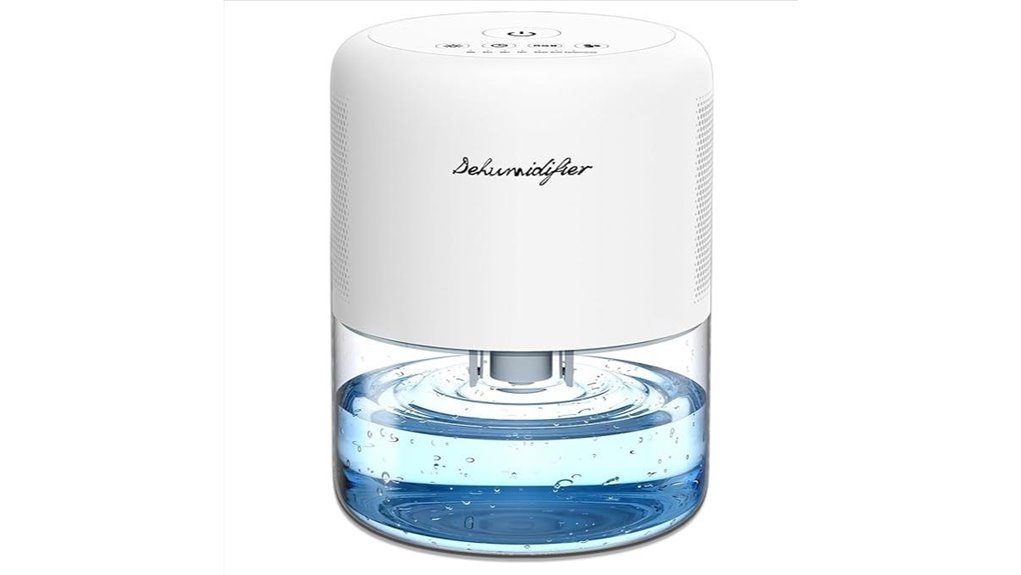
NeedDuck’s B-2 is designed for small spaces up to 215 square feet. It measures 5.91 x 5.91 x 8.46 inches and weighs 2.56 pounds, so it is easy to move between compact rooms. Its 44-ounce tank, listed 28-watt power draw, auto shutoff, and auto-defrost functions support low-hassle daily use. The listing also includes four timer settings and three operating modes, plus optional color lighting. This is a gentle, small-room dehumidifier rather than a high-capacity basement machine.
This is a better fit for a small bedroom, bathroom, closet, office, or dorm-style space than for a large basement. The 44 oz tank gives you more room than mini moisture absorbers, but it may still need frequent emptying when the air is very damp.
Why You’ll Like It: It gives small rooms active moisture control, automatic shutoff, and simple settings without the footprint of a large compressor dehumidifier.
Best For: People looking for a compact dehumidifier for small rooms up to 215 square feet, especially if they want easy portability, timers, and automatic shutoff.
Who Should Avoid This: Skip it for spaces much larger than 215 square feet, persistent basement dampness, or situations where you need compressor-level moisture removal.
Pros:
- Compact and lightweight design makes it easy to move and fit in tight spaces.
- Auto shutoff, auto defrost, and timer options add convenience and safety.
- Timer options, three modes, and simple controls suit bedrooms, offices, and bathrooms.
Cons:
- Best suited only for smaller spaces, not larger rooms or whole-home use.
- 44 oz tank may require frequent emptying in humid conditions.
- Gentle small-room performance is not intended for severe dampness or high-capacity water removal.
Bottom Line: Pick this 44 oz home dehumidifier if you want a compact plug-in option with safety shutoff and simple controls. Skip it if your room is much larger than 215 square feet or has serious moisture problems.
AEOCKY 4500 Sq.Ft Smart Dehumidifier with Drain Hose
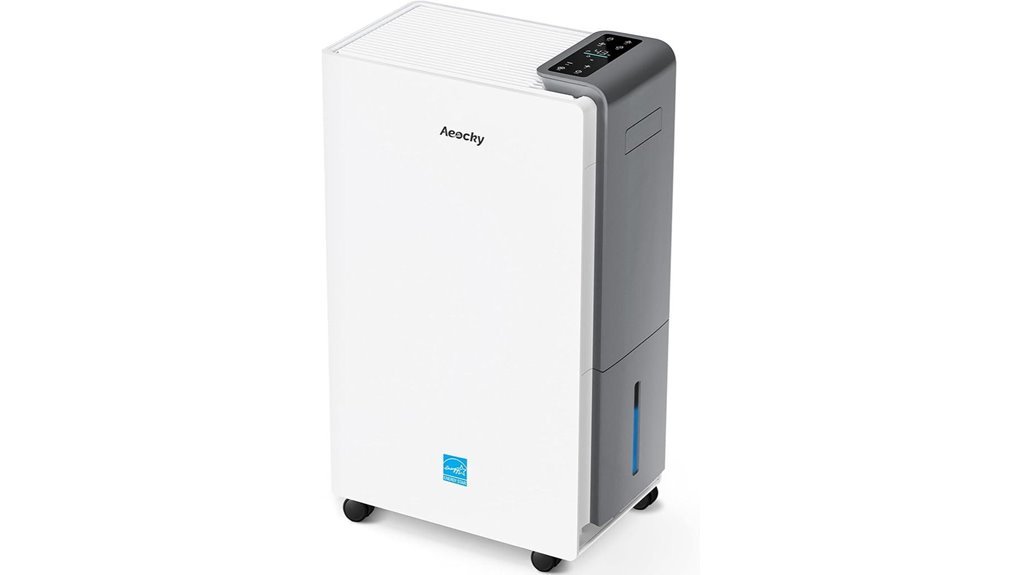
The AEOCKY 4500 Sq.Ft Smart Dehumidifier suits you if you need stronger moisture control than a compact tabletop unit can provide. It is listed for large spaces up to 4,500 square feet, and the product listing rates it up to 80 pints per day in high-humidity conditions. Smart sensing helps track humidity, while the drain hose setup can reduce how often you empty the tank by hand. This makes it a stronger fit for basements, damp living areas, larger bedrooms, and homes where humidity returns quickly after rain or hot weather.
Keep in mind that real-world moisture removal depends on room temperature, humidity level, airflow, drainage setup, and how sealed the space is. If your room is small or only mildly damp, this model may be more capacity than you need.
Why You’ll Like It: It is built for tougher humidity problems where a cordless absorber or compact tabletop unit would not remove moisture fast enough.
Best For: Homeowners, renters, and facility managers who need higher-capacity dehumidification for large spaces, especially basements and damp living areas.
Who Should Avoid This: Skip it for a closet, cabinet, car, or lightly damp small room where a much smaller unit would be easier to place and maintain.
Pros:
- Large-space coverage makes it a better match for basements and open rooms.
- Rated up to 80 pints per day in high-humidity conditions.
- Drain hose support can reduce tank-emptying chores during continuous use.
Cons:
- Its large-capacity design may be more than needed for smaller rooms.
- Best performance depends on correct placement, drainage, and maintenance.
- Compressor models take more space than mini or compact dehumidifiers.
Bottom Line: Choose the AEOCKY 4500 Sq.Ft Smart Dehumidifier if you need serious moisture removal for a large area. It is overkill for a closet or tiny bathroom, but it is the most capable option in this list for bigger damp spaces.
AEOCKY 2500 Sq.Ft Max 50 Pint Compressor Dehumidifier
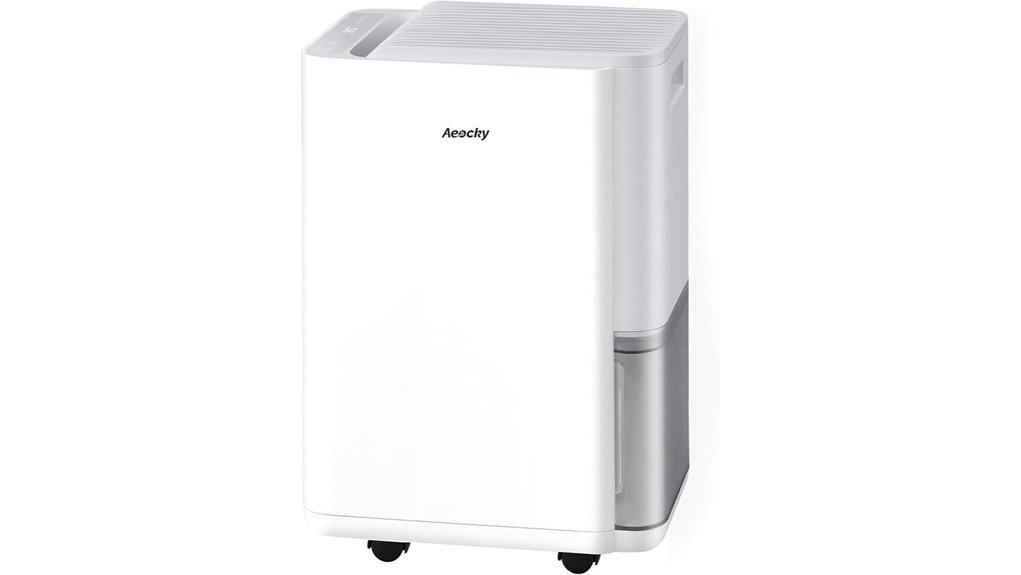
AEOCKY’s Max 50 Pint compressor dehumidifier suits you best if you want strong active moisture removal in a smaller compressor-style package. Amazon’s structured specifications list a 2,500-square-foot floor area, up to 50 pints per day, a 0.5-gallon tank, adjustable humidity control, and an included drain hose. Its 8.03 x 11.1 x 15.75-inch body is more compact than the larger 4,500-square-foot model, making it easier to place in bedrooms, bathrooms, laundry areas, basements, RV spaces, and other residential rooms.
The same listing also uses a higher coverage figure in some marketing copy, so this article uses the structured 2,500-square-foot floor-area figure as the more conservative sizing reference. Real-world output still depends on room temperature, starting humidity, airflow, and how well the space is sealed.
Why You’ll Like It: It gives you compressor-style moisture removal, drain hose support, and adjustable humidity control for rooms where tiny dehumidifiers feel too weak.
Best For: People who want a compact compressor dehumidifier with adjustable humidity control and easier drainage for residential spaces where a tabletop unit feels too weak.
Who Should Avoid This: Skip it for tiny enclosed spaces, or choose the larger 4,500-square-foot AEOCKY if your main priority is higher listed capacity for a very large damp area.
Pros:
- Stronger moisture removal than cordless absorbers and most compact tabletop units.
- Adjustable humidity control helps you target a more comfortable room level.
- Drain hose support makes it easier to run for longer periods.
Cons:
- Coverage wording on the listing is not perfectly consistent, so conservative sizing is the safer approach.
- Compressor dehumidifiers can be bulkier and louder than smaller low-power models.
- The feature set may be more than needed for users with only minor closet or cabinet moisture.
Bottom Line: Choose this AEOCKY Max 50 Pint model if you want compressor performance, adjustable settings, and drain hose support in a more compact package. Use 2,500 square feet as the conservative listed floor-area reference and skip it for tiny enclosed spaces where a cordless absorber is easier.
Which Dehumidifier Should You Choose?
Choose by space first, then by moisture level, drainage, noise, and capacity. If your problem area is a closet, cabinet, car, safe, or gym bag, the Eva-Dry Wireless Mini is the easiest fit because it needs no cord and no tank emptying. If you need a compact plug-in unit for a small room, the 44 oz model gives you active moisture control and auto shutoff.
For larger rooms or basements, look at the AEOCKY models. The 4500 sq. ft. smart dehumidifier is the best match for heavier humidity and the highest listed coverage in this roundup. The 2500 sq. ft. Max 50 Pint model is the better choice when you still want compressor performance and continuous drainage in a smaller body.
Pro Tip:
Do not choose only by the biggest coverage number. A small closet needs a very different moisture-control solution than a damp basement. The best choice is the one that fits your room size, drainage setup, noise needs, and how often you want to empty the tank.
Factors to Consider When Choosing a Dehumidifier
When you choose a dehumidifier, check its moisture removal capacity and make sure it matches your room size and humidity level. You’ll also want to compare power use, noise level, tank size, drainage options, and how much maintenance you want to handle. The right balance of these factors helps you get reliable performance without wasted energy or constant emptying.
Dehumidifier Type
Start with the product type. A rechargeable silica-gel absorber is quiet, cordless, and simple, but it only suits small enclosed spaces. A compact electric unit works better for small rooms because it actively collects water in a tank. A compressor dehumidifier is the stronger choice for basements, laundry areas, and larger damp rooms because it can remove much more moisture per day. Matching the technology to the problem helps you avoid buying too little or too much machine.
Moisture Removal Capacity
Moisture removal capacity is one of the most important specs to check because it tells you how much water a dehumidifier can pull from the air over time. If you deal with light moisture, a cordless absorber may be enough. For damp rooms, choose a plug-in model with a tank. For tougher conditions, look for a compressor model rated in pints per day. You’ll also want to think about temperature and relative humidity, since those affect real-world performance. Match the capacity to your moisture level so the unit works efficiently without wasting energy.
Coverage Area Needs
Coverage area matters just as much as moisture-removal power, because a dehumidifier only works well if it’s sized for the space you need to dry. Check the manufacturer’s floor-area rating before you buy, and match it to your room size. A compact unit may suit a closet or small bathroom, while a larger compressor model can handle bigger rooms and basements. Do not oversize or undersize the dehumidifier, since both can limit results. In bigger spaces, a high-capacity model often gives you better coverage and can help keep moisture under control with less waiting.
Power and Efficiency
Power and efficiency should be high on your list because a dehumidifier can affect both comfort and your electric bill. Compare wattage, compressor type, auto modes, and drainage needs. An ENERGY STAR label or efficiency-focused design can help you find models that use less energy for the moisture they remove. Match the unit to your area, whether you need a cordless absorber for a small enclosed space or a compressor model for a larger damp room. Features like auto shutoff and energy-saving modes also matter because they stop waste when the tank fills or humidity reaches your target.
Noise Level Considerations
How quiet do you need your dehumidifier to be? If you’ll use it in a bedroom, office, or shared room, noise should matter as much as performance. Cordless absorbers are silent because they have no fan or compressor. Compact electric models can be quieter than large compressor models, but compressor units usually remove more moisture. Look for sleep modes, smoother fan settings, and clear decibel claims if sound matters to you. Choosing the right sound level helps you keep humidity under control without disturbing sleep, focus, or relaxation.
Drainage and Tank Size
Drainage and tank size matter because they determine how often you’ll need to empty the unit and how much hassle it adds to daily use. If you want less upkeep, choose a model with a larger tank or a drain hose. For even easier operation, look for continuous drainage, which lets you run the dehumidifier through a hose when your setup allows it. Match the drainage capacity to your room’s humidity and size so the unit can keep up efficiently. Auto shutoff also matters because it stops the dehumidifier before overflow starts.
Portability and Size
Portability and size can make a dehumidifier much easier to use day to day, especially if you plan to move it between rooms or place it in tight spots. Check the unit’s dimensions first; compact models fit closets, cars, cabinets, and small bathrooms more easily. You’ll also want a lightweight design if you plan to move the unit often. Handles or casters can help with larger compressor models. If you don’t always have an outlet nearby, choose a cordless model for enclosed spaces. Finally, match the coverage area to your space so portability does not come at the cost of weak performance.
Smart Control Features
After size and portability, smart control features can make a dehumidifier easier to live with every day. Humidity sensors can track moisture in real time, so the unit adjusts itself without constant tweaking. Look for Auto or Sleep modes if you want quieter, more tailored operation during different humidity levels. A built-in timer lets you run the dehumidifier only when you need it, which can save energy and fit your schedule. If you plan to use it often, continuous drainage is a major plus because you won’t have to empty the tank as often.
Common Dehumidifier Buying Mistakes
The biggest mistake is buying by coverage number alone. A small, mildly damp bedroom does not need the same dehumidifier as a wet basement, and a closet does not need a full compressor model. Match the product to the actual space, moisture level, and how often you want to empty the tank.
- Buying too small: A mini absorber may help in a closet, but it will not solve heavy room humidity.
- Buying too large: A high-capacity unit can cost more and take up more space than you need for a small bathroom or office.
- Ignoring drainage: If you hate emptying tanks, choose a model with continuous drainage support.
- Ignoring noise: For bedrooms and offices, check the listed decibel level and sleep mode features.
- Skipping maintenance: Filters, tanks, and air inlets need regular cleaning to keep performance steady.
Safety Note:
Always follow the manufacturer’s instructions for placement, drainage, cleaning, electrical safety, and overnight use. Keep cords away from walkways, avoid blocking air inlets, and empty or drain the unit as directed to reduce spill risk.
Frequently Asked Questions
How Often Should a Dehumidifier Be Cleaned?
Follow the cleaning schedule in the product manual and inspect the tank, filter or air inlets, and drain setup regularly. Heavy use, dusty rooms, or persistent humidity can require more frequent cleaning. Keeping airflow paths clear and the tank clean helps maintain steady performance and reduce odors.
Can Dehumidifiers Run Continuously Overnight?
Yes, you can run many dehumidifiers overnight if you follow the product manual, check the tank or drain hose, and keep the air inlets clear. Use auto shutoff or continuous drainage when available to reduce spill risk.
Do Dehumidifiers Affect Indoor Air Quality?
Yes, lowering excess humidity can support better indoor comfort and may help reduce conditions that encourage mold and dust mites. A dehumidifier does not replace ventilation, leak repair, or cleaning, so treat it as one part of moisture control.
What Is the Average Lifespan of a Dehumidifier?
There is no single lifespan that applies to every dehumidifier. Service life depends on the product design, runtime, room conditions, cleaning, drainage, and electrical conditions. Follow the manufacturer’s maintenance instructions and keep airflow paths clear to reduce avoidable wear.
Are Dehumidifiers Safe for Bedrooms?
A dehumidifier can be used in a bedroom when the manufacturer allows that use and you follow the placement, electrical, tank, and drainage instructions. Keep cords secure and air inlets clear. For sleep, look for quiet operation, auto shutoff, and dimmable or optional lighting.
Final Recommendation
For the easiest small enclosed-space solution, choose the Eva-Dry Wireless Mini. For a small plug-in room dehumidifier, choose the NeedDuck B-2 44 oz model. For the highest listed coverage in this roundup, choose the AEOCKY 4500 sq. ft. smart model. For a more compact compressor option, choose the AEOCKY 2500 sq. ft. Max 50 Pint model.
Conclusion
The best dehumidifier depends on where you need moisture control most. Choose the Eva-Dry Wireless Mini for small enclosed spaces, the NeedDuck B-2 44 oz dehumidifier for compact rooms, the AEOCKY 4500 Sq.Ft model for large damp areas, or the AEOCKY 2500 Sq.Ft Max 50 Pint compressor model when you want strong active moisture removal in a smaller compressor package. Match the dehumidifier to your room size, tank or drainage preference, noise needs, and humidity level, and you’ll have a much easier time keeping damp air under control.