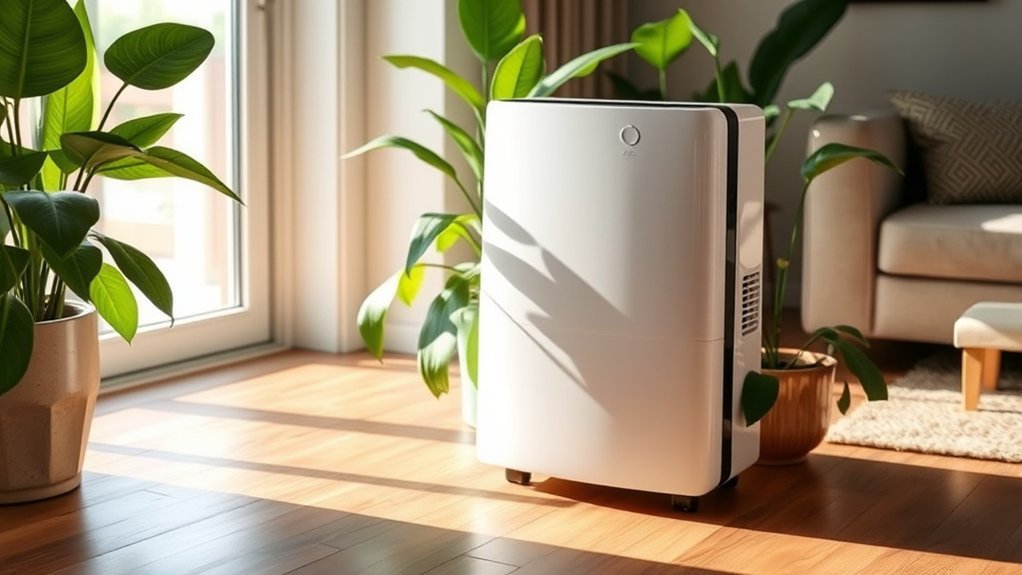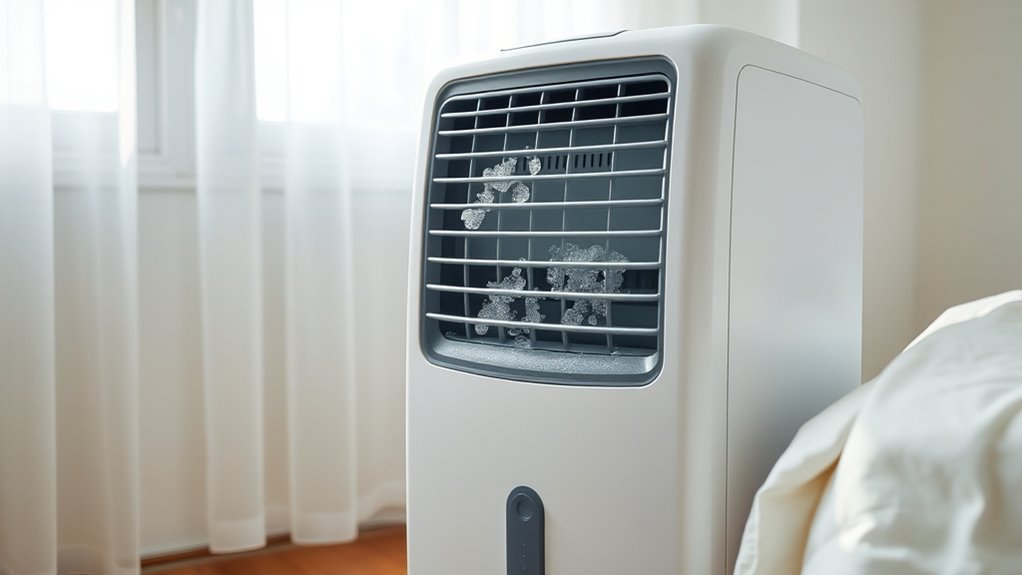
Run a dehumidifier in summer when a hygrometer shows indoor humidity staying above 50% for several hours, or when the room feels sticky, smells musty, dries towels slowly, or shows condensation. Do not run it just because the season is hot. The goal is steady indoor humidity control, usually around 45% to 50%, so the room feels lighter without drying your home too far.
If indoor humidity is already below 40%, skip the dehumidifier unless you are drying a specific damp area after a leak or water event. A dehumidifier helps most in basements, bathrooms, laundry rooms, storage areas, and cool ground-floor rooms where summer moisture lingers after the air conditioner has already cooled the space.
Quick Answer
Yes, run a dehumidifier in summer if indoor relative humidity stays above 50% or you see signs of excess moisture. Set the humidistat around 45% to 50%, keep windows closed, give the unit clear airflow, and use a hygrometer to confirm the room is actually humid before running it all day.
Key Takeaways
- Use a dehumidifier when indoor humidity stays above 50%, especially in basements, bathrooms, laundry rooms, and other damp areas.
- Aim for about 30% to 50% relative humidity, with 45% to 50% as a practical summer target for many homes.
- Close windows and doors while the unit runs so it does not keep pulling in humid outdoor air.
- Choose size by room area and moisture level, not just by old 30-pint, 50-pint, or 70-pint labels.
- Fix moisture sources such as leaks, poor bathroom ventilation, clogged gutters, and indoor clothes drying. A dehumidifier helps, but it does not solve the source of water.
At a Glance
| Time Required | 5 to 10 minutes for setup, plus regular tank emptying or hose checks |
| Difficulty | Easy for portable units, moderate for continuous drain setup |
| Tools Needed | Hygrometer, grounded outlet, optional drain hose, clean filter, and manufacturer manual |
| Cost | Varies by hygrometer, dehumidifier capacity, drainage type, and efficiency rating |
Summer Dehumidifier Decision Table
Use the table below as a fast starting point. Humidity readings matter more than the calendar, because a cooled room can still be damp while another room in the same home may already be comfortable.
| Room Condition | What to Do | Why |
|---|---|---|
| Below 40% RH | Do not run it for normal comfort | The air may already be dry enough for many living spaces. |
| 40% to 50% RH | Monitor and use only if damp signs appear | This is usually the comfort range for summer humidity control. |
| Above 50% RH for hours | Run the dehumidifier at 45% to 50% | This helps reduce sticky air, musty odors, and mold-friendly moisture. |
| Above 60% RH or visible condensation | Run the unit and find the moisture source | High humidity and condensation point to a moisture problem that needs correction. |
Recommended Products

【Compact Size, Big Efficiency】 The upgraded 2025 Waykar dehumidifier features cutting-edge rotary compressor technology. It’s more compact but still powerful, capable of removing up to 34 pints of moisture per day (at 95℉, 90% RH), ideal for spaces up to 2,000 sq. ft. such as living rooms, basements, bedrooms, and offices. The adjustable humidity range from 30% to 80% helps you easily maintain the ideal indoor humidity

Semiconductor dehumidifiers use thermoelectric cooling to remove moisture from the air. They create a drier, more comfortable environment by reducing humidity and improving air quality.

1600 Sq.Ft High Capacity Dehumidifier- The GoGuess basement dehumidifier is equipped with a quiet yet powerful compressor that efficiently extracts up to 21 pints of moisture per day (tested at 95°F and 90% RH). Perfect for use in basements, offices, bathrooms, bedrooms, kitchens, storage areas, living rooms, laundry spaces, garages, crawl spaces, and RVs. It helps maintain a healthy humidity level between 30% and 70%, promoting a more comfortable and healthier indoor environment
What Humidity Level Feels Comfortable in Summer?
In summer, the most comfortable indoor humidity range is usually around 30% to 50% relative humidity. The EPA recommends keeping indoor humidity below 60% and ideally between 30% and 50% to help prevent mold, while the CDC advises keeping home humidity no higher than 50% all day when preventing mold growth.
That does not mean every room must sit at exactly 50%. A practical summer target is often 45% to 50%. It is dry enough to reduce sticky air, musty smells, and condensation risk, but not so dry that the room feels harsh on your skin, throat, or wood furniture. Use a hygrometer instead of guessing because comfort can feel different depending on temperature, airflow, and how much sun the room gets.
A good summer target is not “as dry as possible.” It is steady control near 45% to 50% relative humidity.
Signs You Need a Dehumidifier Now
You probably need a dehumidifier if the room feels damp even when the air conditioner is running. Common signs include condensation on windows, sweating pipes, musty odors, damp carpet edges, slow-drying towels, soft cardboard boxes, peeling paint, or visible mold on grout, walls, ceilings, or furniture.
Check the room with a hygrometer. If the reading is above 50% for much of the day, use a dehumidifier. If the reading is above 60%, act faster because moisture problems become more likely, especially in basements, bathrooms, laundry rooms, crawl-space-adjacent rooms, and poorly ventilated areas.
Condensation and Musty Odors
When condensation appears on cool glass, pipes, tile, or walls, the room has enough moisture for water to collect on colder surfaces. That does not always mean the humidity is exactly above one number, but it does mean you should check the room and reduce the moisture source.
- Check glass, pipes, tile, and exterior walls after cooling cycles.
- Smell closed rooms for stale, damp, or earthy odors.
- Measure relative humidity with a hygrometer.
- Run bathroom and kitchen exhaust fans that vent outdoors.
- Use a dehumidifier when damp odors return quickly after ventilation.
If condensation keeps returning, look for more than indoor air moisture. Leaks, uninsulated pipes, poor airflow, and cold surfaces can all contribute.
Visible Mold and Peeling
Visible mold spots on ceilings, walls, grout, window frames, or stored items mean moisture is already feeding growth. A dehumidifier can help slow the conditions that allow mold to spread, but it is not a mold cleanup plan by itself. You still need to remove visible mold safely and fix the moisture source.
Peeling paint or wallpaper is another warning sign. Paint applied over a damp or moldy surface can fail quickly, and hidden moisture can spread behind the finish. Dry the area, fix leaks or condensation sources, and keep the room’s humidity under control before repainting.
Warning: If mold covers more than a small area, returns after cleaning, follows flooding or sewage, or may be inside your HVAC system, consider professional help. People with asthma, allergies, immune suppression, or chronic lung disease should be extra cautious around mold exposure.
Why Summer Humidity Feels So Sticky
Summer humidity feels sticky because humid air slows sweat evaporation. Your body cools itself partly by letting sweat evaporate from your skin. When the air is already loaded with moisture, that process slows down, and you feel warmer even if the thermostat has not changed.
- High humidity makes sweat evaporate more slowly.
- Damp air can make fabric, bedding, and carpet feel clammy.
- Cool surfaces are more likely to collect condensation.
- Your air conditioner may feel less effective if it is fighting both heat and moisture.
- Lower humidity can make the room feel more comfortable without dropping the thermostat as much.
A dehumidifier removes water vapor from the air. It may slightly warm the air near the unit while it runs, but the room can still feel more comfortable because your body can release heat more easily.
How Long Should You Run a Dehumidifier in Summer?
You can run a dehumidifier for long stretches in summer if the room stays above 50% humidity, but you should not run it blindly. Use the humidistat or a separate hygrometer. Once the room reaches your target, the unit should cycle off or run less often.
All-day operation makes the most sense in basements, damp ground-floor rooms, laundry areas, and bathrooms that stay humid for hours. It is less useful in a room that only has a short humidity spike after a shower, cooking, or a rainy afternoon.
- Below 40%: usually stop running it unless you have a special moisture problem.
- 40% to 50%: comfortable range for many homes.
- 50% to 60%: run the dehumidifier and watch for condensation or odors.
- Above 60%: run the unit, check for leaks or poor ventilation, and correct the moisture source.
How to Use a Dehumidifier Efficiently in Summer
Use a dehumidifier efficiently by setting a realistic target, closing off outdoor humidity, and keeping the machine clean. The ENERGY STAR dehumidifier guide recommends choosing capacity by both space size and dampness level, keeping doors and windows closed while the unit runs, and allowing free airflow around the unit.
- Set the humidistat around 45% to 50% for summer comfort.
- Keep windows and exterior doors closed while the unit runs.
- Place the unit where air can circulate freely.
- Empty the bucket before it shuts the unit off, or use a safe drain hose setup.
- Clean the filter on the schedule in the manual.
- Keep coils, grilles, and the bucket clean so airflow does not drop.
- Use an ENERGY STAR certified model when possible because certified units use less energy than comparable conventional units.
Room-by-Room Starting Points
Start with the dampest room first, then adjust based on the hygrometer reading after a few hours. This keeps you from running a dehumidifier in rooms that do not need it.
- Basement: set 45% to 50% and consider continuous drainage if the bucket fills often.
- Bathroom: use the exhaust fan first, then run the dehumidifier if humidity stays high after showers.
- Laundry room: run it during drying or after indoor clothes drying, then check the reading.
- Bedroom: use a quieter setting and avoid pushing humidity below 40% for normal comfort.
- Storage room: keep airflow open around boxes, fabrics, books, and seasonal items.
Pro Tip: Put a hygrometer across the room from the dehumidifier, not directly beside the outlet. This gives you a better reading of the room’s actual humidity instead of the driest air near the machine.
Should You Use a Dehumidifier With the AC Running?
An air conditioner cools the air and removes some moisture as a side effect. A dehumidifier is built mainly to remove moisture. In a hot, humid room, you may need both. The AC handles temperature, while the dehumidifier handles lingering dampness that makes the room feel sticky.
If the room is hot and humid, start with the AC. If the room is cool enough but still damp, musty, or above 50% relative humidity, use the dehumidifier. If both run together, avoid setting the dehumidifier too low because it adds some heat back into the room while removing moisture.
When Not to Run a Dehumidifier
Do not run a dehumidifier just because it is summer. Run it because the room is actually humid. If indoor humidity is already below 40%, extra dehumidification may make the air feel too dry and may bother your skin, throat, or sinuses.
- Do not run it with windows open during humid weather.
- Do not use it to cover up an active leak.
- Do not aim for very low humidity in normal living spaces.
- Do not use a damaged cord, ungrounded outlet, or unsafe drain hose setup.
- Do not ignore a full bucket, clogged filter, or dirty coils.
How a Summer Dehumidifier Improves Air Quality
A summer dehumidifier improves air quality indirectly by reducing the moisture that helps mold, mildew, dust mites, and musty odors thrive. It does not filter particles the way an air purifier does, but it can make the indoor environment less friendly to moisture-related allergens.
Mold and Allergens
Mold needs moisture. The EPA says moisture control is the key to mold control, and the CDC recommends keeping humidity no higher than 50% all day to help prevent mold growth. A dehumidifier supports that goal in damp rooms, especially when paired with ventilation and leak repair.
- Lower humidity helps limit mold-friendly conditions.
- Drier rooms are less likely to smell musty.
- Moisture control can reduce dust mite-friendly conditions.
- Cleaner, drier surfaces are easier to maintain.
- Consistent humidity control protects stored items in basements and closets.
Healthier Indoor Air
Humidity control can help make indoor air feel cleaner and easier to breathe, especially if dampness triggers irritation for you. Still, a dehumidifier is not a medical device and should not replace professional care for asthma, COPD, allergies, or other breathing conditions. If symptoms worsen, talk with a qualified health professional and check for mold, dust, smoke, pests, and other indoor air triggers.
How Summer Humidity Can Damage Your Home
Summer humidity can damage your home when moisture stays trapped long enough to affect materials. Wood can swell or warp, paint can peel, wallpaper can loosen, fabrics can smell musty, and stored boxes can soften. Moisture can also support mold growth if damp areas are not dried and corrected.
- Mold growth can increase in damp rooms.
- Wood flooring, trim, and doors can swell or warp.
- Paint and finishes may blister or peel.
- Stored fabrics, books, and cardboard can absorb odors.
- Dust mites and other moisture-loving pests may become harder to control.
Do not rely only on the dehumidifier. Also repair leaks, improve drainage, vent dryers outdoors, use bathroom and kitchen exhaust fans, and keep gutters and downspouts moving water away from the foundation.
What Size Dehumidifier Do You Need?
You need to size a dehumidifier by room area and moisture load. Capacity is measured in pints of water removed per 24 hours, but newer labels and older labels may not compare directly because capacity testing and options have changed. Use the current product label, the manufacturer’s room-size guidance, and the actual humidity reading in your space.
Recommended Products

High Capacity Coverage - This 30-pints dehumidifier effectively collects water from damp spaces up to 2,000 Sq.Ft with doors and windows closed. It extracts up to 30 pints of water vapor per day under high-humidity test conditions (95°F, 90% RH), making it perfect for damp spaces. Engineered to establish a clear operating boundary in localized areas, this dehumidifier for basement handles sticky summers and musty rooms, keeping your fabrics and floors dry while maintaining comfortable air

POWERFUL 2,500 SQ. FT. COVERAGE - Stop letting sticky, heavy air dictate your comfort. The BANABIE dehumidifier utilizes a high-efficiency rotary compressor to deliver heavy-duty moisture removal, extracting 32 pints daily (at 95°F, 90%RH). Engineered with a smart integrated airflow system, this unit effectively covers up to 2,500 Sq. Ft., ensuring that your basement, crawl space, or large open floor plans stay bone-dry
Room Size Matters
For small to medium rooms under 2,000 square feet, ENERGY STAR guidance lists lower capacity ranges for slightly damp spaces and higher capacity ranges for wet spaces. For rooms over 2,000 square feet, you usually need a larger unit, especially when the room smells damp, has visible damp spots, or has seepage.
- Slightly to moderately damp, under 2,000 sq. ft.: often about 20 to 30 pints per day.
- Very damp, under 2,000 sq. ft.: often about 25 to 40 pints per day.
- Wet, under 2,000 sq. ft.: often about 30 to 50 pints per day.
- Large rooms over 2,000 sq. ft.: usually 30+ pints for damp rooms and 50+ pints for wet rooms.
Match Capacity to Moisture
A room with light summer stickiness does not need the same machine as a wet basement. If you empty several buckets a day, see damp spots, or still measure above 50% after long operation, your unit may be undersized or the room may have an unresolved water source. In cold basements or spaces below 65°F, check the manual for low-temperature operation because frost can reduce performance on some compressor models.
Where to Place a Dehumidifier in Your Home
Place the dehumidifier in the room where moisture is worst, not just where it is most convenient. Basements, bathrooms, laundry rooms, and rooms beside crawl spaces often need the most help. Keep the intake and exhaust clear so air can move through the unit.
Place your dehumidifier near moisture-prone areas, with clear airflow and closed windows for best results.
- Basements: capture persistent humidity near the source.
- Bathrooms: reduce shower moisture after using an exhaust fan.
- Laundry rooms: control dampness from washing, drying, and hanging clothes.
- Open plans: use a larger unit or multiple units for balanced coverage.
- Storage areas: protect boxes, fabrics, books, and seasonal items.
Note: Keep drain hoses away from cords, walkways, and electrical devices. Use a grounded outlet and follow the manufacturer’s warnings for drainage and placement.
When You Should Choose a Whole-Home Dehumidifier
You should consider a whole-home dehumidifier when several rooms stay humid, not just one basement corner or bathroom. ENERGY STAR says a whole-home unit may make sense in humid climates when a home has central air conditioning and humidity readings stay above 55% throughout the house.
Whole-home systems connect with the HVAC system and need proper sizing, drainage, and installation. They cost more than portable units, but they can provide steadier whole-house control when the problem is widespread. Before installing one, fix obvious moisture sources, seal air leaks where appropriate, improve drainage, and have an HVAC professional size the system for your home.
Recommended Products

125 Pint Crawl Space Dehumidifier – Designed for crawl spaces, basements, and large areas up to 6,500 sq. ft., this unit removes up to 125 pints of moisture per day (95°F, 90% RH). A 176 CFM airflow and brushless motor help dry spaces faster with 10%–90% RH adjustable humidity

158 Pint Crawl Space Dehumidifier – Designed for crawl spaces, basements, and large areas up to 6,500 sq. ft., this unit removes up to 158 pints of moisture per day (95°F, 90% RH). A 206 CFM airflow and brushless motor help dry spaces faster with 10%–90% RH adjustable humidity
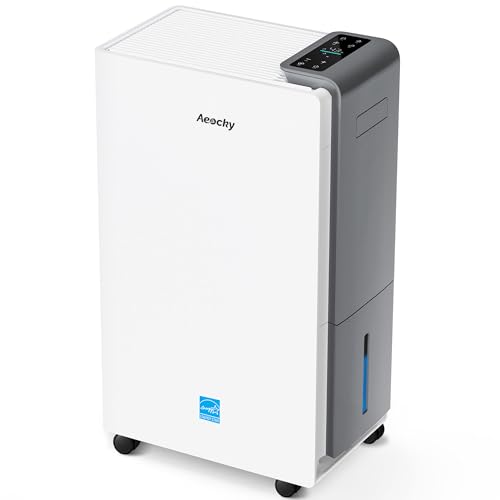
【ENERGY STAR 25 ≠ ENERGY STAR Most Efficient 2025】Don't fall for competitors' word games. With only 2.6% of ENERGY STAR models earning "Most Efficient 2025" title, these options are exceptionally rare on the market. RHEA-001 is one of the few to truly hold this top-tier certification. Many brands use misleading phrases like "Energy Star Efficient 25" or "Energy Star 25" to imply a standard they haven't met. Choosing them is a risk.With AEOCKY, you get verified performance and the peace of mind of authentic, top-tier efficiency.
Maintenance Checklist for Summer Use
A dehumidifier works best when air and water can move freely through it. Add these checks to your summer routine:
- Clean or replace the filter according to the manual.
- Empty and rinse the bucket before odors develop.
- Check the drain hose for kinks, clogs, and trip hazards.
- Keep grilles and coils free of dust.
- Make sure the unit sits level so water drains correctly.
- Confirm the hygrometer reading once a week during humid weather.
Frequently Asked Questions
What should a dehumidifier be set to in summer?
Set a dehumidifier around 45% to 50% in summer for most damp rooms. If the room still smells musty or shows condensation, check for leaks, poor ventilation, or an undersized unit instead of pushing the setting far lower.
What months should you use a dehumidifier?
Use a dehumidifier during the humid months in your climate, often late spring through summer. In many homes, that means June through August, but the real trigger is the hygrometer. Run it anytime indoor humidity stays above 50% or the room develops condensation, musty odors, or damp surfaces.
Should you use a dehumidifier if you have COPD?
A dehumidifier may help if your home is damp, moldy, or consistently above 50% humidity, but it is not a COPD treatment. People with chronic lung disease can be more sensitive to mold and poor indoor air, so keep humidity controlled, avoid over-drying the air, and ask your clinician for personal guidance if symptoms change.
Is it worth using a dehumidifier in summer?
Yes, it is worth using a dehumidifier in summer if the room is actually humid. It can make sticky air feel more comfortable, reduce musty odors, limit mold-friendly conditions, and protect moisture-sensitive materials. If humidity is already below 40% to 45%, you may not need it.
Do air purifiers dry indoor air?
No. Air purifiers filter particles and, in some models, certain gases or odors. They do not remove water vapor from the air. The EPA air cleaner guide also notes that air cleaners do not solve mold and moisture problems. Use a dehumidifier for humidity control.
Can you sleep with a dehumidifier running?
Yes, you can sleep with a dehumidifier running if it is in good condition, placed safely, and set to a reasonable humidity target. Use a grounded outlet, keep airflow clear, avoid unsafe extension cords, and choose a quiet mode if the unit is in or near a bedroom.
Can a dehumidifier make a room warmer?
Yes, the air directly around a dehumidifier can feel warmer while it runs. The room may still feel more comfortable if the humidity drops, but in a hot room you may need air conditioning for temperature control.
Should windows be open or closed when using a dehumidifier?
Keep windows and exterior doors closed when the dehumidifier is running. Open windows can bring humid outdoor air back inside, which makes the unit run longer and wastes energy. Ventilate briefly when outdoor air is dry, then close the room again if humidity rises.
Conclusion
In summer, run a dehumidifier when indoor humidity stays above 50% or when your home shows moisture signs such as condensation, musty odors, sticky air, slow-drying fabrics, or mold-prone damp spots. Set the unit around 45% to 50%, keep windows closed, size it for the room and dampness level, and maintain it regularly. Most important, fix the moisture source. Good humidity control helps protect your comfort, stored belongings, indoor air, and home materials.
Sources
- U.S. EPA: A Brief Guide to Mold, Moisture and Your Home — supports indoor humidity targets, mold prevention, condensation guidance, and moisture-source control.
- CDC: Mold — supports keeping home humidity no higher than 50%, mold health cautions, and prevention steps.
- ENERGY STAR: Dehumidifiers — supports dehumidifier efficiency, sizing by dampness level, placement, humidistat use, and whole-home guidance.
- U.S. EPA: Guide to Air Cleaners in the Home — supports the distinction between air filtration and moisture control.