Does a dehumidifier clean air? Not in the way an air purifier does. A standard dehumidifier removes water vapor and lowers humidity, but it does not filter fine dust, pollen, pet dander, smoke particles or VOC gases out of the room.
Lower humidity can still help indirectly. Drier air makes a room less friendly to mold and dust mites, and it can reduce a damp, musty smell. For airborne particles, a properly sized HEPA air purifier is the better tool.
Quick Answer
- A standard dehumidifier controls moisture, not airborne pollutants.
- The EPA recommends keeping indoor relative humidity below 60% if possible, ideally between 30% and 50%.
- Use a HEPA air purifier for dust, pollen, pet dander, smoke particles and airborne mold spores.
- For gases and odors, start with source control and ventilation, then consider a filter with a substantial amount of activated carbon.
- If one room has both dampness and airborne pollutants, running both appliances is reasonable.
Which Device Solves Which Air Problem?
| Problem | Best first step | Why |
|---|---|---|
| High humidity or condensation | Dehumidifier | Removes excess water vapor |
| Dust, pollen, pet dander, airborne mold spores | HEPA air purifier | Filters airborne particles |
| Smoke particles | Air purifier with a suitable smoke CADR | Higher clean-air delivery improves particle removal |
| Chemical odors or VOCs | Source control and ventilation, plus gas filtration if needed | A dehumidifier does not remove VOC gases |
| Dampness plus airborne particles | Both appliances | One controls moisture, the other filters pollutants |
What Does a Dehumidifier Do?
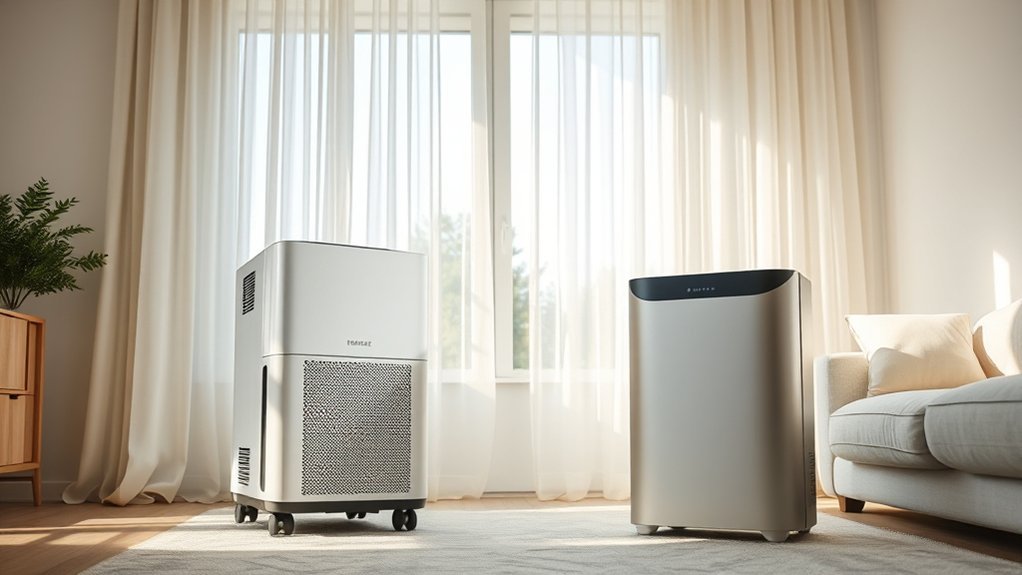
A dehumidifier pulls excess moisture from indoor air. Most portable compressor models draw humid air over cold coils, condense the water vapor, collect it in a bucket or drain, and return drier air to the room.
This helps in basements, laundry rooms, crawl spaces and rooms with window condensation. The goal is moisture control, not purification.
A small hygrometer tells you whether a room is actually too humid before you run a dehumidifier continuously. The EPA also advises drying wet surfaces and reducing the moisture source promptly when you see condensation on windows, walls or pipes.
Does a Dehumidifier Clean Air? What It Can and Can’t Remove
Many dehumidifiers have a washable intake filter. It catches lint, hair and larger debris to protect the coils, not to deliver high-efficiency room-air filtration.
A standard unit is not designed or rated to reliably remove:
- Fine dust and PM2.5
- Pollen
- Pet dander
- Smoke particles
- Mold spores already floating in the air
- Bacteria or viruses
- VOCs from paint, cleaners, adhesives, furniture or building materials
Some combination appliances add a separate HEPA or carbon filter. Check the specifications for that filter on its own, and do not assume HEPA-level or gas filtration just because a unit also dehumidifies.
| What it does | What that means | Limit |
|---|---|---|
| Lowers humidity | Less condensation and dampness | Does not remove fine particles |
| Dries damp conditions | Makes mold growth less likely | Does not remove existing mold |
| Basic pre-filter on many models | Catches lint and larger debris | Not a substitute for HEPA filtration |
| Collects water | Helps manage damp rooms | Does not remove VOCs or most odors at the source |
To see how moisture removal affects comfort, read our guide on whether a dehumidifier dries the air.
What a HEPA Filter Does Differently
Many indoor air problems are particle problems, and particles need a particle filter. According to the EPA, a HEPA filter can theoretically remove at least 99.97% of airborne particles at the 0.3-micron test size, including dust, pollen and mold.
An air purifier (also called a portable air cleaner) uses a fan to push room air through its filters. The EPA Guide to Air Cleaners in the Home explains that no air cleaner removes every pollutant, and that particle filters and gas filters do different jobs. Activated carbon works better when the filter holds a substantial amount of it, and CADR ratings apply to particles, not gases.
If you are still deciding between the two appliances, see air purifier vs dehumidifier for a room-by-room comparison.
How Lower Humidity Can Reduce Mold and Dust-Mite Conditions
Lower humidity does not remove allergens already in the air. It changes the environment so moisture-dependent triggers such as mold and dust mites have a harder time.
The CDC notes that mold grows where moisture is available, including around leaks and damp materials. Keeping a basement drier can reduce condensation and make new growth less likely.
Safety note: A dehumidifier does not remove existing mold or fix the water source. If dampness comes from a plumbing leak, foundation seepage, a roof problem or flooding, repair that first. Clean or remove contaminated material following EPA or CDC guidance, or call a mold remediation professional for large areas.
Why Dehumidifiers Don’t Remove VOCs
VOCs (volatile organic compounds) are gases, not water vapor. The EPA lists paints, cleaning products, adhesives and furnishings among common indoor VOC sources.
For VOC problems, reduce or remove the source if you can and ventilate with outdoor air. If you add filtration, choose an air cleaner with enough activated carbon or another sorbent designed for the gas in question.
If odor is your main complaint, find the cause before buying another appliance. A dehumidifier can reduce a damp, musty smell, but smoke, cooking fumes and fragrances need source control, ventilation or gas filtration.
How to Size Each Device
Dehumidifier
Match capacity to the size of the space and how damp it is. ENERGY STAR notes that larger, wetter rooms need higher-capacity dehumidifiers.
If a new unit shows a lower pint rating than your old one, compare test standards first. Portable dehumidifiers are now tested at 65°F instead of 80°F to better reflect basement conditions, so newer models usually report lower capacity even when they perform similarly.
Air purifier
Use the Clean Air Delivery Rate (CADR) and your room size. AHAM recommends a smoke CADR of at least two-thirds of the room’s floor area in square feet. For example, a 120 sq ft room needs a smoke CADR of at least 80.
For heavy wildfire smoke, AHAM suggests a CADR roughly equal to the room’s square footage. Ceilings taller than 8 feet call for a unit rated for a larger room.
When Both Devices Make Sense
Run both when the same room has excess humidity and an airborne-particle problem. A damp basement, for example, may need a dehumidifier for humidity and a HEPA purifier for dust, pet dander or mold spores.
Run the dehumidifier as needed to hold your target humidity. An air purifier can run for long periods, and the EPA notes that higher fan speeds and longer run times generally filter more air. Our guide on whether an air purifier dehumidifies explains why a purifier cannot replace a dehumidifier.
Avoid ozone generators in occupied spaces. The EPA warns that ozone can harm health and is not a safe shortcut for cleaning indoor air.
Recommended Products

WHY CHOOSE AHAM VERIFIDE AIR PURIFIERS: AHAM (Association of Home Appliance Manufacturers) is an ANSI-accredited organization that sets strict standards for appliance performance. Air purifiers with the AHAM VERIFIDE seal have been independently tested for air cleaning performance and energy efficiency. When you choose an AHAM certified air purifier, you're choosing a product trusted for reliable and effective indoor air quality improvement

𝗪𝗛𝗬 𝗖𝗛𝗢𝗢𝗦𝗘 𝗔𝗛𝗔𝗠 𝗩𝗘𝗥𝗜𝗙𝗜𝗗𝗘 𝗔𝗜𝗥 𝗣𝗨𝗥𝗜𝗙𝗜𝗘𝗥𝗦: AHAM (Association of Home Appliance Manufacturers) is an ANSI-accredited organization that sets strict standards for appliance performance. Air purifiers with the AHAM VERIFIDE seal have been independently tested for air cleaning performance, safety, and energy efficiency. When you choose an AHAM certified air purifier, you're choosing a product trusted for reliable and effective indoor air quality improvement
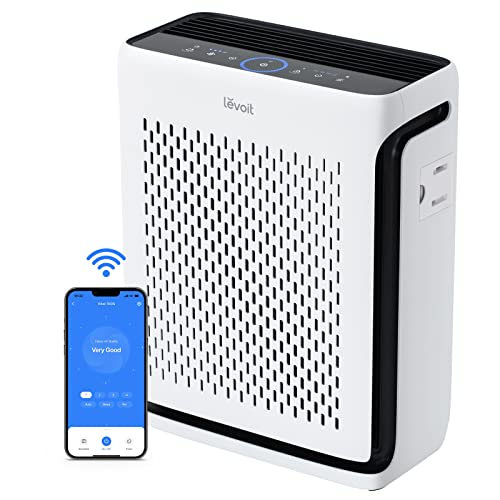
𝐖𝐇𝐘 𝐂𝐇𝐎𝐎𝐒𝐄 𝐀𝐇𝐀𝐌 𝐕𝐄𝐑𝐈𝐅𝐈𝐃𝐄 𝐀𝐈𝐑 𝐏𝐔𝐑𝐈𝐅𝐈𝐄𝐑𝐒: AHAM (Association of Home Appliance Manufacturers) is an ANSI-accredited organization that sets strict standards for appliance performance. Air purifiers with the AHAM VERIFIDE seal have been independently tested for air cleaning performance and energy efficiency. When you choose an AHAM certified air purifier, you're choosing a product trusted for reliable and effective indoor air quality improvement
Keep the Dehumidifier Filter Clean
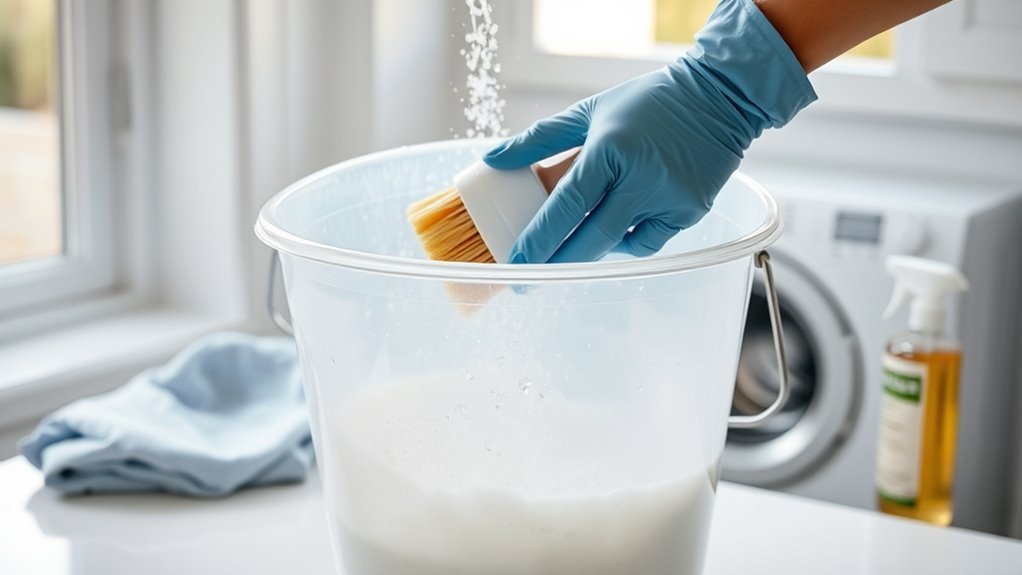
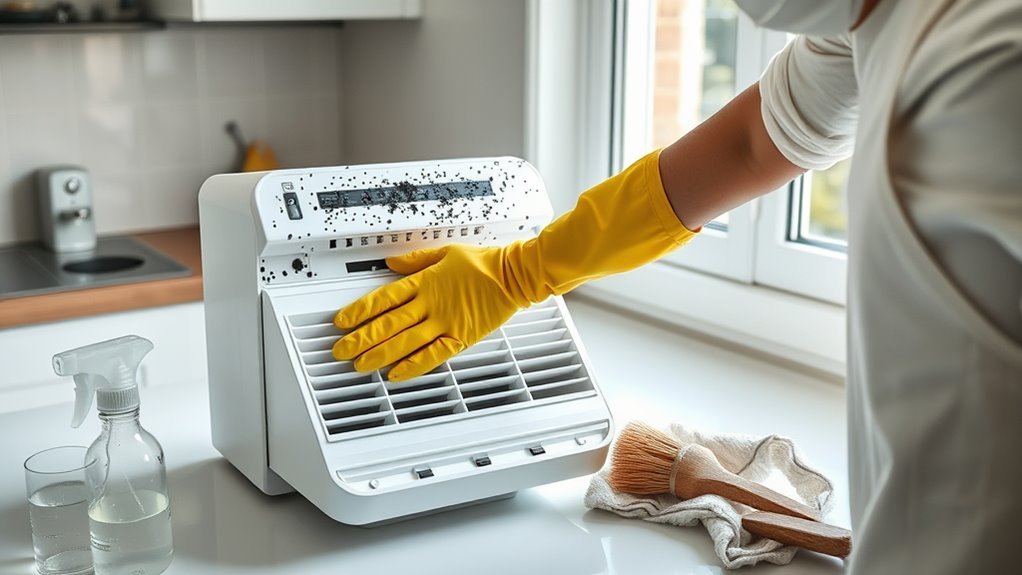
A clogged intake filter reduces airflow, which can cut moisture removal and make the unit work harder. Most manuals tell you to check and rinse a washable filter regularly, then dry it fully before reinstalling.
Always unplug the unit first, and follow your manufacturer’s manual for the cleaning interval. Step-by-step instructions are in our guide on how to clean a dehumidifier, and you can handle the evaporator coils with the steps in how to clean dehumidifier coils.
Common Mistakes
- Expecting a standard dehumidifier to remove smoke, pollen or VOCs.
- Running it without a hygrometer, which can over-dry the room.
- Ignoring a leak or ventilation problem and treating only the humidity.
- Blocking the intake or outlet with furniture or curtains.
- Buying an air purifier by price instead of CADR and room size.
30-Second Decision Guide
- Musty room plus high humidity: Reduce the moisture source and use a dehumidifier when needed.
- Dust, pollen, pet dander or smoke particles: Use a properly sized HEPA air purifier.
- Chemical odor or VOCs: Remove the source, ventilate, and consider substantial activated carbon.
- Visible mold: Fix the moisture source and address the contaminated material. Neither appliance is the complete solution.
- High humidity plus airborne particles: Use both.
Frequently Asked Questions
Does a dehumidifier remove dust from the air?
A standard dehumidifier is not designed to remove fine airborne dust. Its intake filter may catch some lint or larger debris, but a HEPA air purifier is a better choice when airborne dust is the main problem. Lower humidity can still help indirectly by making conditions less favorable for dust mites.
Does a dehumidifier get rid of odors?
It can reduce a musty smell when excess moisture is contributing to the odor, but it does not work like an odor filter. Smoke, cooking odors, fragrances and VOCs usually need source control, ventilation, or an air cleaner with substantial activated carbon or another gas filter.
Do air purifiers dry indoor air?
No. A standard air purifier moves air through filters but does not remove meaningful amounts of water vapor. If a room feels dry, check its relative humidity and consider heating, outdoor weather, ventilation and air leakage rather than the purifier.
What are the downsides of using a dehumidifier?
A dehumidifier uses electricity, makes some noise, gives off heat, and needs bucket emptying or drainage. Its filter also needs regular cleaning. Avoid over-drying by measuring relative humidity and using the humidistat if your model has one.
Can a dehumidifier remove mold spores from the air?
Not reliably. It can reduce the moisture that supports mold growth, but it is not designed to capture airborne spores. HEPA filtration can capture airborne particles, while the moisture source and any existing mold still need to be addressed separately.
Can I run a dehumidifier and air purifier in the same room?
Yes. They do different jobs and can operate together. Place each according to its manufacturer’s instructions, with intakes and outlets unobstructed. The dehumidifier controls moisture while the purifier handles particles or certain gases, depending on its filters.
Related Guides
- Air Purifier vs Dehumidifier: Which Does Your Room Need?
- Does a Dehumidifier Dry the Air?
- Does an Air Purifier Dehumidify?
- How to Clean a Dehumidifier
Sources
- U.S. EPA: A Brief Guide to Mold, Moisture and Your Home
- U.S. EPA: What Is a HEPA Filter?
- U.S. EPA: Guide to Air Cleaners in the Home
- U.S. EPA: Volatile Organic Compounds’ Impact on Indoor Air Quality
- CDC: Mold
- ENERGY STAR: Dehumidifier Testing and Capacity
- AHAM Verifide: Air Filtration Standards