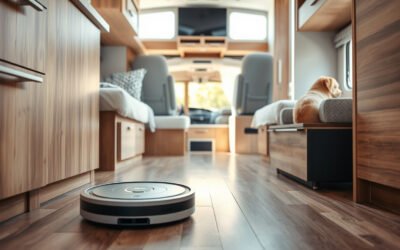
A robot vacuum schedule works best when it matches the home it serves. Smaller households may only need two or three runs a week, while larger spaces often need daily cleaning, especially in busy areas. Pets, allergies, floor type, and clutter can all raise the frequency. The right plan is rarely fixed, though, and the details behind that timing make a noticeable difference.
Start With a Robot Vacuum Schedule
A robot vacuum schedule should be set around household needs rather than a fixed rule. A practical robot vacuum schedule begins by matching cleaning frequency to daily life.
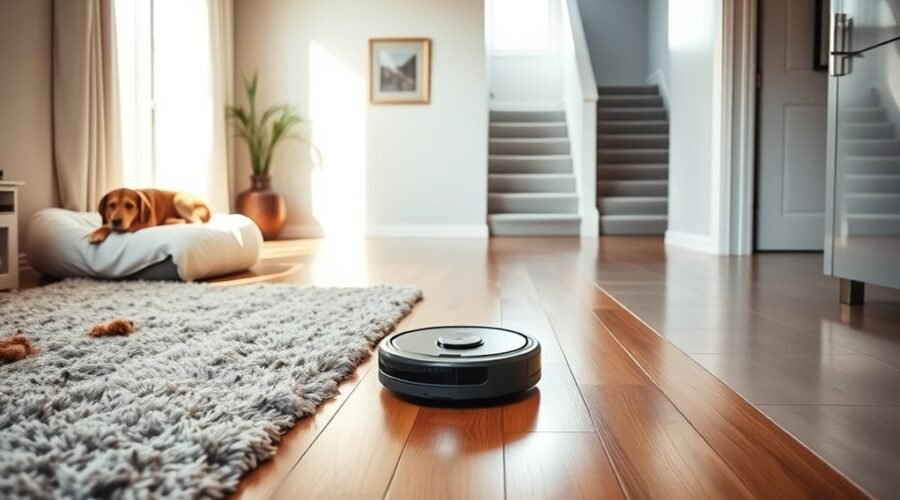
Homes with pets often benefit from daily runs, or even twice a day, to remove hair and dander before it spreads. In homes with allergens, daily cleaning helps reduce airborne particles and support better indoor air quality.
Homes with pets or allergens may need daily vacuuming to keep hair, dander, and particles under control.
High-traffic areas such as kitchens and living rooms usually need 3-4 passes a week to maintain cleanliness. For smaller household sizes, 2-3 sessions weekly may be enough.
Layout also matters: cluttered rooms and multi-story designs can require more frequent sessions for consistent coverage. The goal is not constant labor, but a rhythm that keeps floors clear and movement easier.
A well-set schedule gives the robot room to work efficiently, while reducing the burden on the home’s occupants.
Adjust Cleaning by Household Size
Household size should guide how often a robot vacuum runs. In a smaller home, a robot vacuum usually works well with 2-3 runs a week, centered on high-traffic areas to maintain cleanliness without overdoing the cleaning routine.
In larger households, daily vacuuming often becomes the practical choice because more feet, more movement, and more debris quickly change the home environment. Kitchens, living rooms, and entryways may need frequent vacuuming 3-4 times a week to keep buildup from taking over.
Scheduled cleaning helps busy professionals keep control, letting the robot vacuum run while they are away. For larger homes, quick spot-cleaning also supports the schedule by handling spills and messes before they spread.
This approach gives household size a clear role in planning, allowing cleaning to stay consistent, efficient, and aligned with real life. Pet owners may need even tighter scheduling to maintain cleanliness.
Run It More for Pets and Allergies
Homes with pets or allergy concerns usually need a tighter vacuuming schedule. In homes with pets, a robot vacuum daily or every other day helps control pet hair and dander before it spreads. Allergy sufferers often need frequent cleaning, since dust mites and pet dander can build quickly and reduce allergens more effectively when addressed every day. For multiple pets, running the unit twice a day supports ideal cleanliness and steadier indoor air quality. A consistent vacuuming schedule also limits visible debris in high-traffic areas and other spots where buildup tends to gather.
| Schedule | Best use |
|---|---|
| Daily | Most homes with pets |
| Twice daily | Multiple pets or strong allergies |
| Every other day | Mild shedding, lower sensitivity |
This approach gives households more control, less irritation, and a cleaner space without extra effort.
Match Vacuuming to Floor Type
Floor type should guide how often a robot vacuum runs, since different surfaces collect dirt and dust at different rates. The right vacuuming frequency reduces wasted effort and keeps cleaning tasks aligned with real need.
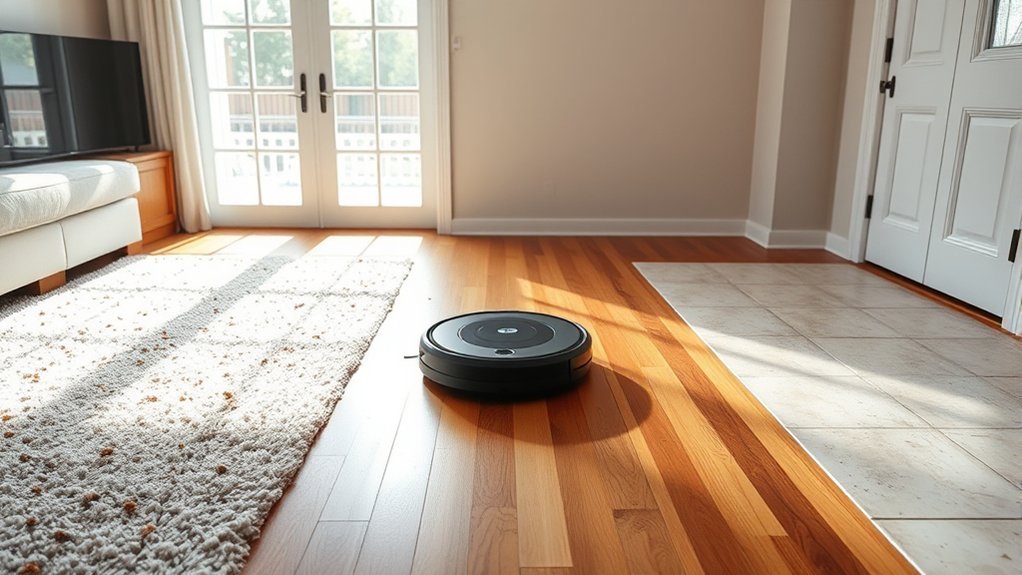
On hardwood floors, 2-3 runs a week usually control dust, especially in high-traffic areas. Carpeted floors demand more: low-pile carpet often needs 2-4 sessions weekly, while medium to high-pile carpet may require 3-5. Tile and laminate flooring typically need only weekly vacuuming, though dirt or pets justify more. Rugs and mats also deserve attention.
- Shake out rugs weekly, then vacuum them for a deeper clean.
- Increase frequency during pollen season or muddy weather.
- Let visible debris or pet hair set the schedule, not habit alone.
Keep the Robot Vacuum Working Well
Once the cleaning schedule matches the floor type, the robot vacuum also needs regular upkeep to keep performing well. A steady cleaning frequency can only deliver results when the machine is ready to move freely and hold suction power.
The empty dustbin should be checked every 2-3 days, or daily in homes with pets, to maintain ideal airflow and avoid clogs. Filters should be cleaned or replaced monthly, especially where allergies or pets are part of home needs.
Check the dustbin every 2–3 days, and clean or replace filters monthly for steady airflow.
Brushes deserve weekly cleaning, or twice a week for pet-heavy spaces, because hair buildup can slow coverage in high-traffic areas. Charging contacts should be wiped weekly so the robot vacuum charges consistently and avoids navigation errors.
Wheels and sensors should be inspected monthly to remove debris that may block movement. These small habits protect performance, reduce effort, and help the machine support cleaner living with less interruption.
Frequently Asked Questions
Is It Okay to Run My Robot Vacuum Every Day?
Yes, daily cleaning is usually fine. Proper robot maintenance, floor types, pet hair, battery life, scheduling options, noise levels, cleaning efficiency, dirt detection, and smart features help keep it effective, especially with gentle settings.
What Are the Downsides of Using a Robotic Vacuum Cleaner?
A robotic vacuum cleaner may struggle with robot vacuum efficiency on varied floor types, pet hair, and battery life, while noise levels, smart features, navigation technology, cleaning modes, cost comparison, and maintenance tips can add inconvenience.
How Long Do Robotic Vacuums Usually Last?
Usually 3–5 years, by coincidence matching battery lifespan. Robot vacuum lifespan rises with maintenance tips, navigation technology, and brand comparisons. User reviews note better cleaning efficiency across floor types, noise levels, and pet hair management.
Should You Leave Your Robot Vacuum Plugged in All the Time?
Yes, leaving a robot vacuum plugged in is generally safe; sensible charging habits support robot vacuum maintenance, battery lifespan, and user convenience, while slightly increasing power consumption. Occasional discharge, cleaning schedules, floor types, pet hair, scheduling features, and noise levels matter.
Conclusion
A practical robot vacuum schedule depends on the home’s demands, not a fixed rule. Smaller households often manage well with 2–3 runs per week, while larger or busier homes may need daily cleaning. Homes with pets or allergies usually benefit from even more frequent cycles. One useful stat to note is that households with multiple pets may need twice-daily runs to stay ahead of shedding and dander. Regular maintenance helps the robot clean consistently.