Last updated: July 7, 2026 · Reviewed for source accuracy against EPA, CDC, and ENERGY STAR guidance.
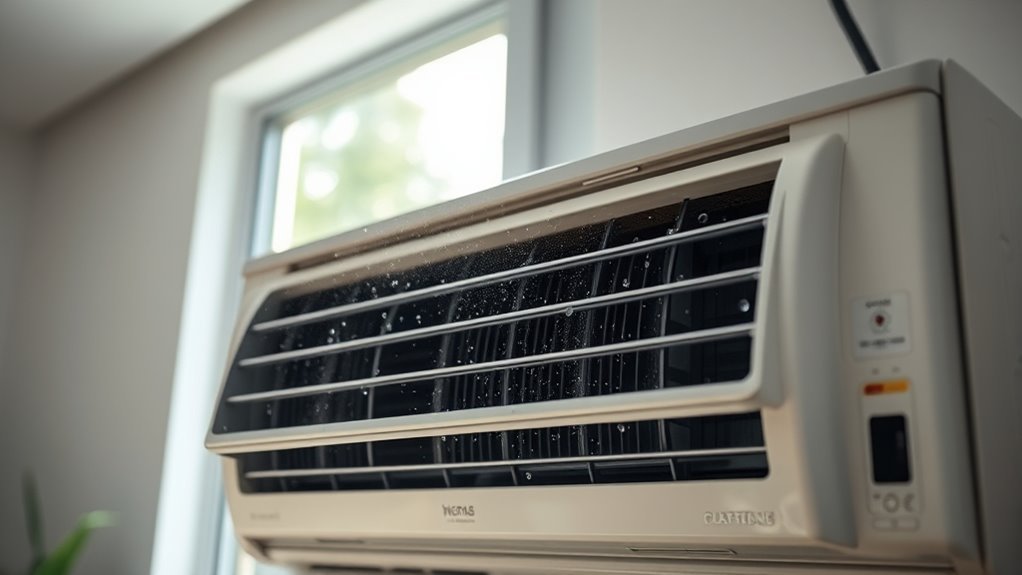
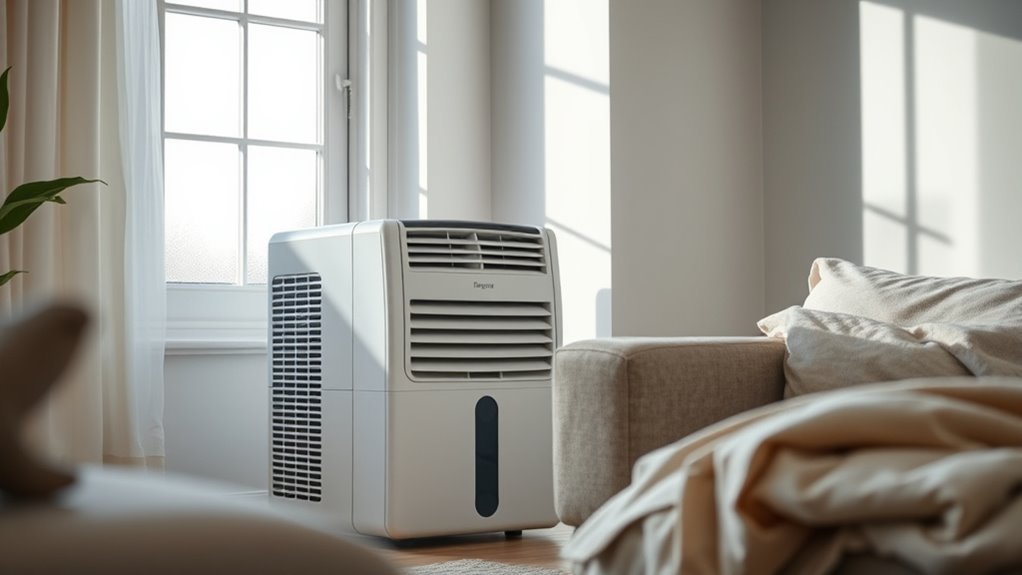
After a flood or water leak, you need to stop the water, remove standing water, dry wet materials, and run a dehumidifier long enough for both the air and the building materials to dry. A 24- to 48-hour run is only the starting point. The safer goal is stable humidity, dry walls and floors, and no hidden moisture left behind.
Quick Answer
Run a dehumidifier continuously for at least 24 to 48 hours after a flood or water leak. Keep it running longer until indoor humidity stays around 30% to 50%, never remains above 60%, and moisture meter readings in walls, floors, baseboards, and cabinets stop falling.
Key Takeaways
- Start drying within 24 to 48 hours to reduce the chance of mold growth.
- Use a hygrometer and aim for 30% to 50% relative humidity, with 60% as the upper limit.
- Do not rely on surface dryness. Check walls, floors, baseboards, carpet, and cabinets with a moisture meter.
- Keep exterior doors and windows closed while dehumidifying if outdoor air is warm or humid, but open interior doors, drawers, and cabinets to expose hidden wet surfaces.
- Call a water damage professional if water was contaminated, mold covers more than a small area, your HVAC was affected, or moisture readings stay high.
At a Glance
| Time Required | 24 to 48 hours minimum; several days to weeks for major flooding or wet wall cavities |
| Difficulty | Moderate for clean water leaks; high for floodwater, sewage, mold, or structural damage |
| Tools Needed | Dehumidifier, hygrometer, moisture meter, wet/dry vac, fans, gloves, goggles, N95 respirator, towels, drain hose if available |
| Cost | Low if you already own equipment; higher if you need a rental, commercial unit, or professional drying service |
Drying Decision Guide
| Situation | Likely dehumidifier runtime | Do this before stopping |
|---|---|---|
| Small clean-water spill on hard flooring | 24 to 48 hours may be enough | Confirm humidity stays below 50% to 60% and no moisture is trapped under trim or cabinets. |
| Wet carpet, carpet pad, drywall, baseboards, or subfloor | Several days or longer | Remove saturated padding or open trapped areas, then use a moisture meter until readings stop dropping. |
| Basement flood or water that reached wall cavities | Several days to weeks | Use larger drying equipment and verify hidden materials before sealing, painting, or replacing flooring. |
| Sewage, stormwater, chemicals, mold, HVAC, or electrical exposure | Do not rely on DIY runtime alone | Leave the area if unsafe and call a qualified water damage professional. |
Warning: Do not enter standing water if outlets, cords, appliances, or the electrical panel may be wet. If floodwater may contain sewage, chemicals, or storm debris, or if the floor or ceiling looks unsafe, leave the area and call a qualified professional.
How Long to Run a Dehumidifier After a Water Leak
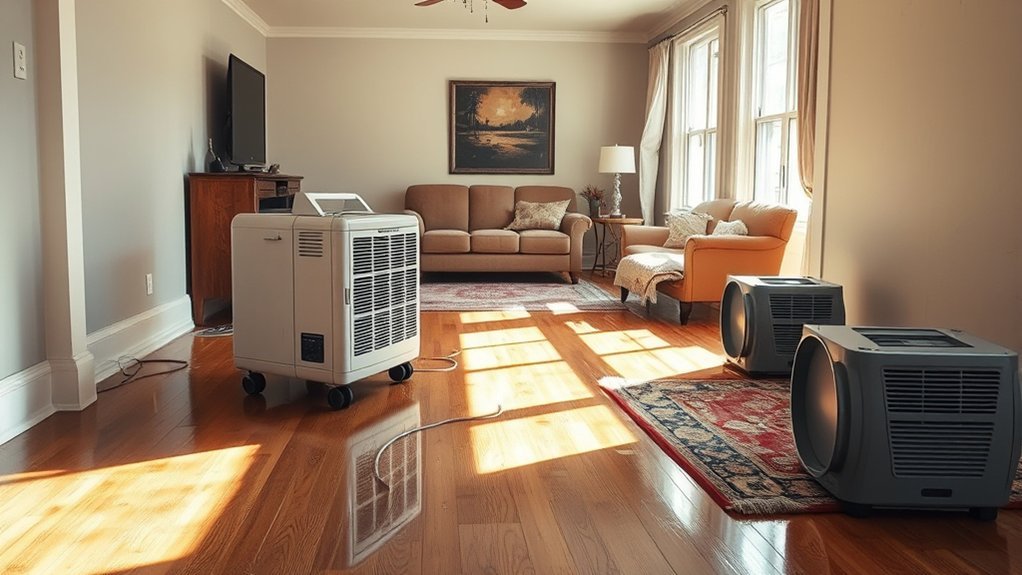
After a water leak, run the dehumidifier continuously for at least 24 to 48 hours. That window matters because the EPA says wet or damp materials should be dried within 24 to 48 hours to reduce the chance of mold growth. For a small clean-water leak, 48 hours may be enough. For soaked carpet, wet drywall, damp subflooring, or a basement flood, drying can take several days or longer.
Do not stop the dehumidifier just because the room feels dry. Use time as the starting point, then keep it running until these checks look good:
- Indoor relative humidity stays between 30% and 50%, or at least stays below 60%, without rebounding after the unit cycles off.
- Moisture meter readings in walls, baseboards, floors, and cabinets are stable and close to unaffected areas.
- Wet carpet padding, insulation, swollen drywall, or other saturated porous materials have been removed or fully exposed.
- There is no new condensation, musty odor, swelling, staining, or damp carpet pad.
- The source of the leak has been fixed, so the room is not being re-wetted.
For large floods, the EPA notes that drying can take several days to weeks. In that case, a home dehumidifier may help, but a commercial unit and professional drying plan may be safer and faster.
Stop the Leak and Make the Room Safe
Before you set up a dehumidifier, stop the water source and make sure the room is safe to enter. Turn off the main water supply for a plumbing leak. If water came from outside flooding, wait until floodwater has receded and the structure is safe. If there is any chance electricity touched the water, stay out until power is shut off safely.
| Action | Purpose |
|---|---|
| Shut off the water source | Stops new water from entering the space |
| Avoid wet electrical equipment | Reduces shock and fire risk |
| Wear gloves, goggles, boots, and an N95 respirator | Limits contact with mold, dust, and contaminants |
| Take photos and notes | Supports insurance claims and drying records |
If you use a fuel-powered generator because power is out, operate it outside and at least 20 feet away from the building. Never use a generator in a garage, basement, shed, or enclosed space. If you have asthma, COPD, immune suppression, severe allergies, or you are pregnant, do not handle moldy flood cleanup yourself. The CDC recommends protective equipment and extra caution around mold cleanup.
Remove Standing Water and Sort Wet Materials
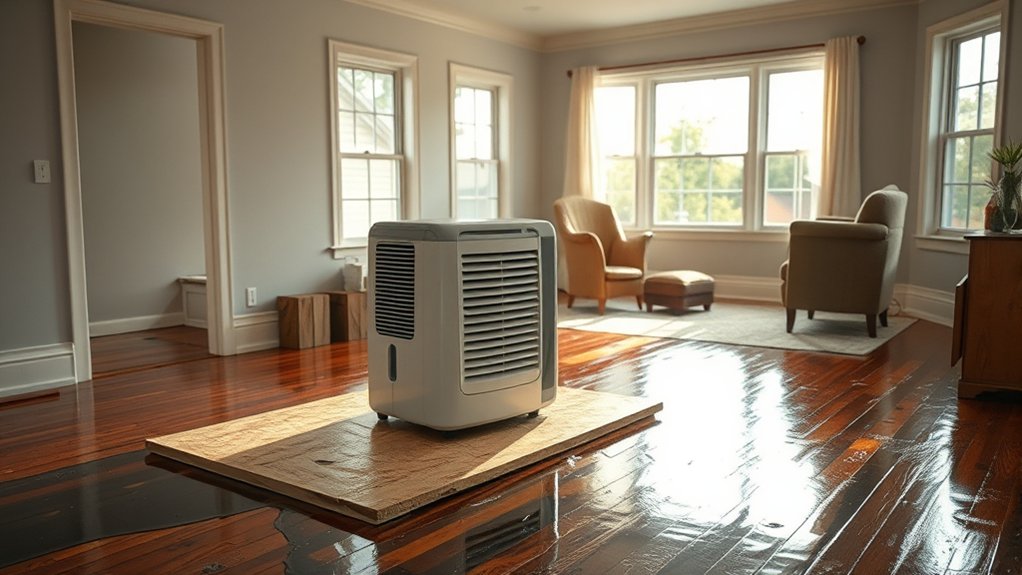
Remove standing water with a pump, wet/dry vacuum, mop, or towels before running a dehumidifier. A dehumidifier removes water vapor from the air; it is not a substitute for extracting liquid water from floors, carpet, or wall cavities. Do not place the unit in standing water or route drain hoses near cords, outlets, or extension leads.
Next, clear the room so air can reach wet surfaces. Move furniture, rugs, boxes, and fabric items to a dry area. Materials that soak up water and cannot be cleaned and dried quickly may need to be thrown away, especially if water was from flooding, sewage, or a contaminated source. Porous items like carpet pad, insulation, ceiling tiles, and swollen drywall often trap moisture where a dehumidifier cannot reach.
Note: Keep a simple drying log. Record the date, room humidity, moisture meter readings, tank-emptying times, and any odor or staining. This helps you see whether drying is improving or stalled.
Recommended Products

Premium Stainless Steel 8-Gallon Tank
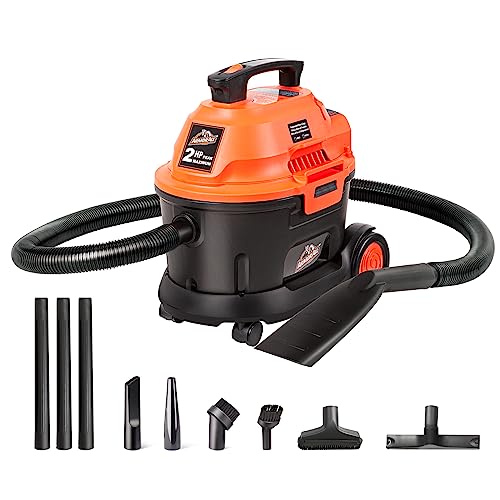
STRONG SUCTION: 2 Peak HP to quickly clean-up wet and dry messes

MADE FOR: On-the-go wet and dry pick-up
Place the Dehumidifier for Faster Drying
Place the dehumidifier in the center of the affected area when possible, or near the wettest zone if one side of the room took most of the water. Keep it away from walls, furniture, curtains, boxes, and dusty tools so air can move through the intake and exhaust. If your unit does not have a top-mounted air discharge, give it extra clearance on all sides.
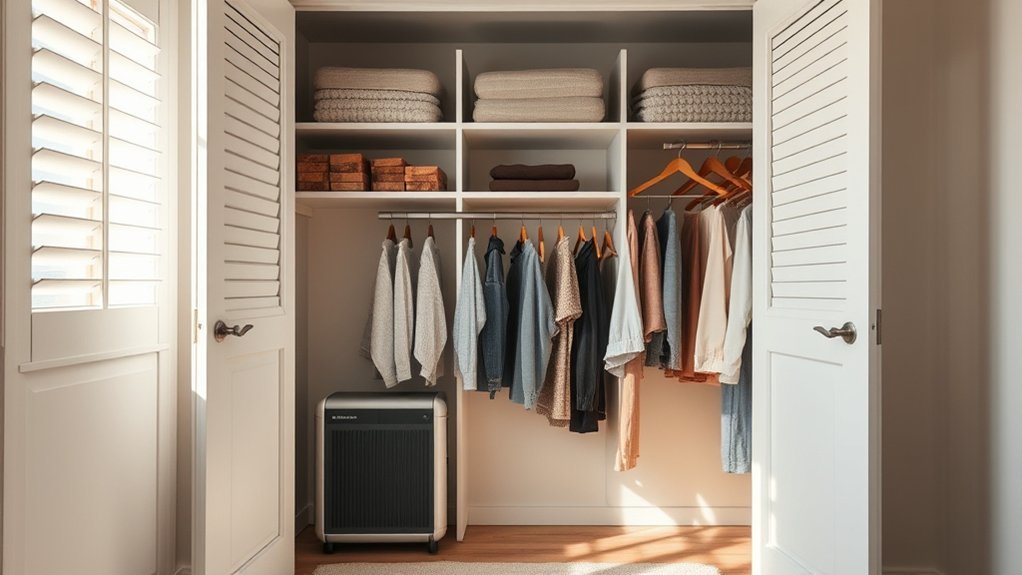
For a controlled drying setup, keep exterior doors and windows closed while the dehumidifier runs, especially if outdoor air is warm or humid. Open interior doors, closet doors, drawers, and cabinet doors so hidden surfaces can dry. If outdoor air is cooler and drier, brief ventilation can help, but do not let humid outside air undo the dehumidifier’s work.
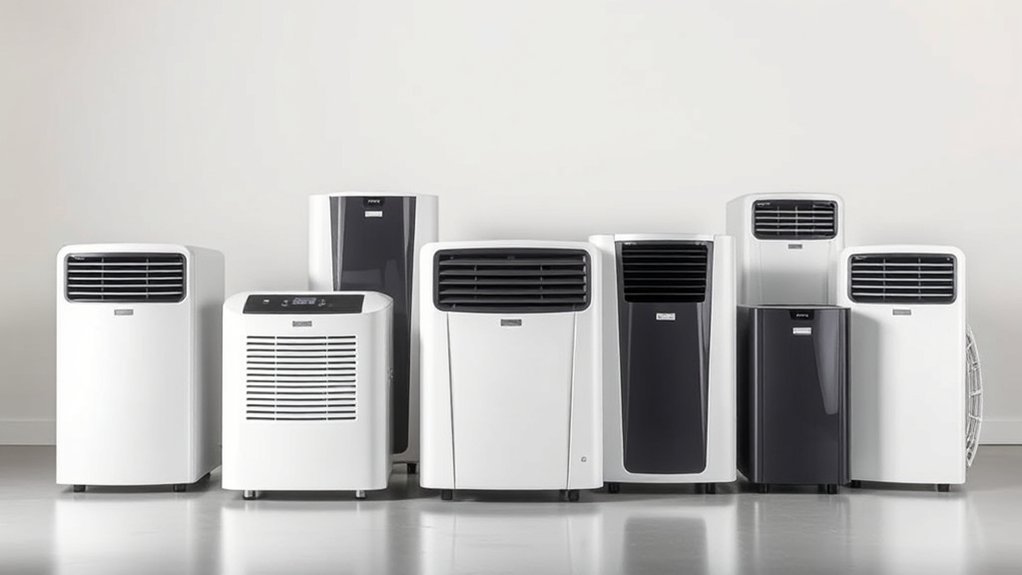
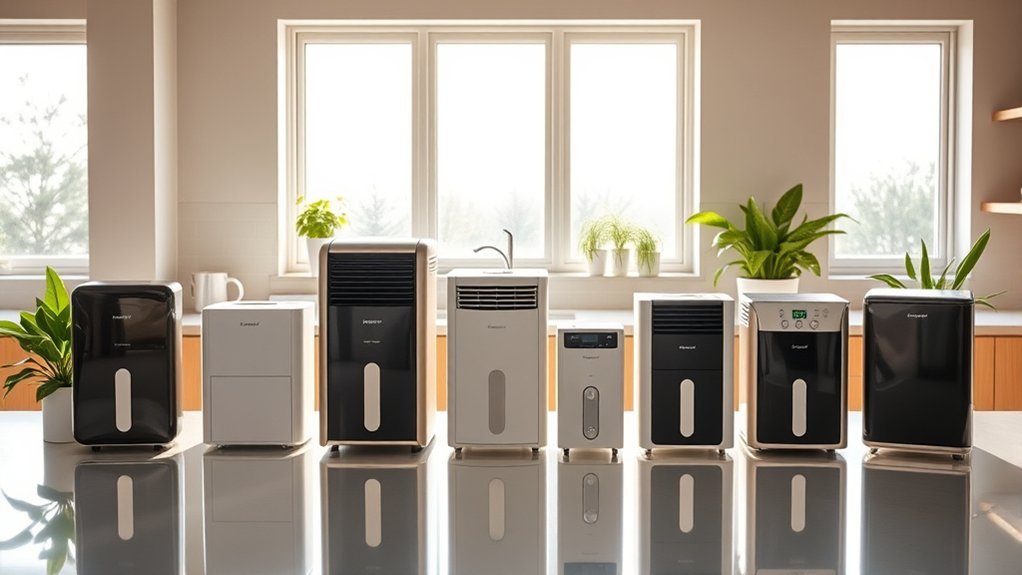
If the room is large or very wet, use more than one unit or rent a commercial dehumidifier. ENERGY STAR explains that dehumidifier capacity is measured in pints per 24 hours and should match both room size and dampness level. A unit that is too small may run constantly without drying the space fast enough.
Pro Tip: Use a drain hose to a safe floor drain or condensate pump when possible. Continuous drainage keeps the unit running instead of shutting off when the tank fills.
Recommended Products

High-Efficiency Commercial Dehumidifier for 8,000 Sq. Ft. - Waykar powerful commercial dehumidifier with pump removes up to 155 pints of moisture per day (95°F, 90% RH) and efficiently covers up to 8,000 sq. ft. The adjustable 10-90% RH range offers more precise control than typical models (20-80% RH). It features a high-efficiency rotary compressor for greater reliability, quieter operation, and longer lifespan compared to conventional compressors used in other units

【Waykar Dehumidifier For Spaces Up To 7,000 Sq. Ft.】Our dehumidifier are able to remove up to 150 pints (under 95°F, 90%RH condition) of moisture per day, which cover areas up to 7,000 Sq. Ft. and adjust humidity from 30% to 80%. It is a dehumidifier ideal for home, basement, wine cellars, garages, supermarkets, concourses, and other indoor/outdoor places,cellars, crawlspace, large spaces, etc.

[Commercial Grade Dehumidifier] This Airzentti crawl space dehumidifier with large capacity removes moisture from basement, attic, large room and small rooms efficiently up to 155 pints per day under nearly saturated condition (70 PPD in AHAM), with 220 CFM airflow, it is ideal for space up to 7,500 square feet.
Set the Right Humidity Level
Set the dehumidifier to keep indoor humidity around 30% to 50%. During recovery, never let the affected room stay above 60% relative humidity. Use the built-in humidistat if your unit has one, but also place a separate hygrometer in the affected room because built-in readings can vary by location.
- Check humidity every few hours on the first day, then at least daily until the room stays stable.
- Lower the setpoint if humidity stays above 50% to 60%.
- Raise the setpoint slightly if the air becomes uncomfortably dry after materials have already dried.
- Empty the reservoir before it fills, or use a safe drain hose for continuous operation.
If the room is below about 65°F, a compressor dehumidifier may frost on the coils and remove less water. In cold rooms, use a low-temperature model, a desiccant dehumidifier, or professional drying equipment.
Use Fans and Open Airflow
Use fans to move air across wet surfaces, but do it carefully. Air movement speeds evaporation, and the dehumidifier then pulls that water vapor from the air. Place fans so air reaches corners, baseboards, under cabinets, and wet flooring without blowing directly across visible mold.
Warning: If you can already see mold, gently clean or remove the moldy material before using strong fans. Blowing air across visible mold can spread spores and dust through the room.
| Fan placement | Effect on airflow | Result |
|---|---|---|
| Across wet flooring | Moves air over damp surfaces | Faster evaporation |
| Toward open interior doors or cabinets | Reaches hidden spaces | Better drying coverage |
| Away from visible mold | Limits airborne spread | Safer cleanup |
Watch the hygrometer while fans run. If humidity rises sharply, the fans are pulling moisture out of materials, which is expected early on. Keep the dehumidifier running so it can capture that moisture.
Check Moisture in Walls, Floors, and Carpets
To verify that drying is actually progressing, check walls, floors, carpets, cabinets, and trim with a moisture meter. Surfaces can feel dry while drywall, subflooring, carpet pad, or baseboards still hold water. Take readings in the wet area and compare them with a dry, unaffected area of the same material.
- Measure wood, trim, cabinets, and subfloors in several spots.
- Check drywall near the floor, around corners, and behind baseboards if accessible.
- Do not refinish or seal wet materials until readings are stable and acceptable. EPA flood guidance says materials should read 15% or less before refinishing.
- If your meter uses a relative scale instead of a true percentage, compare the wet area with a dry area of the same material and track whether readings keep falling.
- If carpet pad is soaked, remove it. A dehumidifier cannot reliably dry saturated padding from above.
- Watch for stains, swelling, crumbling drywall, musty odor, soft flooring, or recurring condensation.
Infrared cameras can help locate suspicious cold or wet zones, but they do not replace a moisture meter. If readings stay high behind walls or under flooring, call a water damage professional before closing the area back up.
Recommended Products

WATER LEAK DETECTOR detects relative moisture content from leaks and flooding

WOOD MOISTURE METER: Prevent water and moisture build-up with our humidity reader. It can quickly determine what level of remediation is needed to keep your family safe. High levels of dampness that go untreated can cause hazardous living conditions.
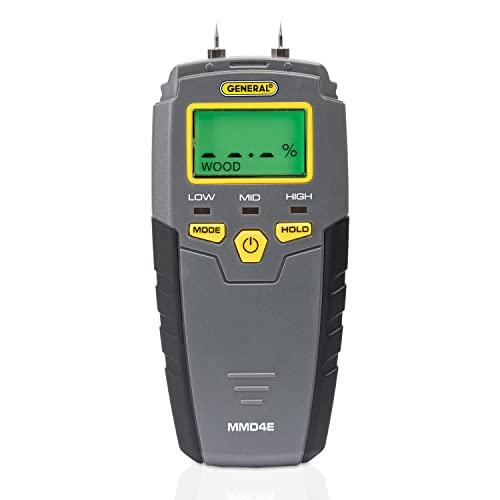
HUMIDITY SENSOR: Our handy meter tool can quickly determine what level of remediation is needed to keep your family safe from black mold. High levels of dampness that go untreated are the leading cause of harmful fungus growth in the home.
Empty the Tank and Clean the Unit
Empty the tank as soon as it fills, because a full reservoir stops moisture extraction and slows the drying process. If the tank fills several times per day, that is a sign the unit is still pulling significant water from the room. Keep it running and continue tracking humidity.
Clean the filter according to the manufacturer’s directions. A clogged filter restricts airflow, lowers water removal, and can make the unit run longer. Wipe the tank, check for residue or mildew, and make sure the drain hose is not kinked or leaking. Keep the unit on a level surface and away from dust sources that can clog coils and grills.
When the space is dry, unplug the dehumidifier, clean it, dry the tank, coil area, and filter, and store it in a dry place. A clean unit will be ready the next time you need emergency moisture control.
Stop Mold Before It Starts With a Drying Decision Checklist
Mold control starts with moisture control. The CDC recommends drying out a home fully and quickly within 24 to 48 hours after a flood. Your goal is not just dry air. You also need dry materials, open airflow, and no trapped moisture under flooring, inside wall cavities, or behind cabinets.
Confirm the Liquid Water Is Gone
Before you judge the dehumidifier runtime, check the places where water hides. Look under cabinet toe kicks, behind baseboards, under loose flooring edges, around floor drains, and at the carpet pad. A room can show normal humidity while liquid water still sits in a low spot.
- Extract visible water from hard floors, carpet, and low spots.
- Move wet items out of the room so air can reach walls and floors.
- Remove saturated carpet pad, wet insulation, and other materials that cannot dry quickly in place.
Confirm the Materials Can Actually Dry
Dry affected materials as soon as possible. Hard, nonporous surfaces can often be cleaned and dried. Porous materials may need removal when they absorbed floodwater, stay wet, smell musty, or show mold.
| Material | Best action | Why it matters |
|---|---|---|
| Carpet pad | Remove if saturated | It traps water under carpet |
| Drywall | Meter, open, or cut out if swollen or moldy | Moisture hides inside wall cavities |
| Wood trim and subfloor | Expose and meter | Wood can stay damp after the surface dries |
| Fabric and upholstery | Launder, dry, or discard | Porous fibers can hold contaminants |
| Concrete | Dehumidify and test before covering | Moisture can rise after flooring is replaced |
Confirm Humidity Does Not Rebound
To stop mold before it starts, monitor humidity levels with a hygrometer in the affected room. Check readings every few hours during the first day, then daily until the space stays stable. Move the dehumidifier or add equipment where readings stay high.
- Log room humidity, tank water, and moisture meter readings.
- Check corners, closets, cabinets, and wall bases.
- Let the dehumidifier cycle off briefly, then check whether humidity climbs again.
- Keep drying until readings stay stable after the dehumidifier cycles off.
If humidity rebounds after you turn off the unit, moisture is still coming from wet materials. Turn the dehumidifier back on and keep checking hidden areas.
Call a Water Damage Pro If Moisture Lingers
If moisture lingers after cleanup, you may have hidden water damage behind walls, under flooring, inside insulation, or in cabinets. A water damage professional can use commercial dehumidifiers, air movers, moisture meters, and drying chambers to remove trapped water faster than a home unit.
Persistent Moisture Signs
Persistent moisture signs include visible water stains, musty odors, swelling, peeling paint, soft flooring, condensation, or moisture meter readings that do not fall. Do not paint, caulk, install flooring, or close wall cavities until the materials are dry inside.
- Measure the same spots daily until readings stabilize.
- Document odors, stains, and surface changes with photos.
- Call a professional if readings stay high, water reached wall cavities, or mold appears.
Hidden Water Damage
Hidden moisture often lurks behind baseboards, under laminate, below tile, inside insulation, and behind cabinets. Surface dryness does not prove the assembly is dry. If a moisture meter shows elevated readings, or if a wall smells musty after 48 to 72 hours of drying, open the area or get a professional inspection.
Call for help sooner if the water came from sewage, river flooding, storm surge, or a backed-up drain. Also call if your HVAC system, ducts, electrical panel, ceiling, or insulation got wet.
Professional Drying Help
Professional drying help is worth it when the job is bigger than one clean-water spill. A qualified restoration contractor can isolate wet rooms, remove unsalvageable materials, set up commercial equipment, and track drying curves until each affected zone reaches safe moisture levels.
- Use a professional for large water damage, sewage, or contaminated floodwater.
- Use a professional if mold covers more than about 10 square feet.
- Use a professional if someone in the home has asthma, immune suppression, chronic lung disease, or strong mold sensitivity.
Frequently Asked Questions
What should the dehumidifier setting be after a flood?
Set it around 30% to 50% relative humidity. During flood recovery, keep the affected room below 60% at all times. Use a separate hygrometer to confirm the reading because the unit’s built-in sensor may not represent the wettest part of the room.
How do you dehumidify a room after flooding?
Remove standing water first, clear wet items, open interior doors and cabinets, place the dehumidifier where airflow is not blocked, and use fans after visible mold has been cleaned or removed. Keep monitoring humidity and material moisture until both remain stable.
When should you not run a dehumidifier?
Do not run a dehumidifier in standing water, near wet outlets or cords, in an unsafe structure, or when sewage or contaminated floodwater requires professional cleanup. If visible mold is present, clean or remove it gently before using strong fans or air movement.
How many hours per day should a dehumidifier run after a flood?
Run it 24 hours per day during active drying, as long as it is safe to do so and the tank can drain or be emptied before it fills. Stop only when humidity stays stable and moisture meter readings show the affected materials are dry.
Should windows be open or closed when using a dehumidifier after a flood?
Close exterior windows and doors if outdoor air is humid or warm, because outside moisture slows drying. Open interior doors, closets, drawers, and cabinets so air can reach hidden wet areas. If outdoor air is dry and safe, short ventilation periods can help.
How do you know when the room is dry enough?
The room is dry enough when humidity stays around 30% to 50%, moisture meter readings are stable and close to dry areas, there is no musty smell, and no condensation, swelling, staining, or soft flooring returns after the dehumidifier cycles off.
Conclusion
After a flood or water leak, run your dehumidifier continuously for at least 24 to 48 hours, then keep drying until humidity and moisture readings prove the room is stable. Start by stopping the leak, removing standing water, clearing wet materials, and making the room safe. Place the unit where airflow is open, use fans carefully, and monitor walls, floors, carpet, and cabinets with a moisture meter. If moisture lingers, mold appears, water was contaminated, or hidden cavities are wet, call a water damage professional before you rebuild or refinish.
Sources
- EPA: A Brief Guide to Mold, Moisture and Your Home – backs up the 24- to 48-hour drying window and 30% to 50% ideal humidity range.
- EPA: Flood Cleanup to Protect Indoor Air and Your Health – supports flood safety, drying sequence, moisture meter use, and professional cleanup triggers.
- CDC: Mold – supports mold prevention, fast drying after flooding, and health effects from damp or moldy environments.
- CDC: Mold Clean Up Guidelines and Recommendations – supports PPE and guidance on who should avoid mold cleanup.
- ENERGY STAR: Dehumidifiers – supports dehumidifier capacity, placement, drainage, operating temperature, and humidity guidance.