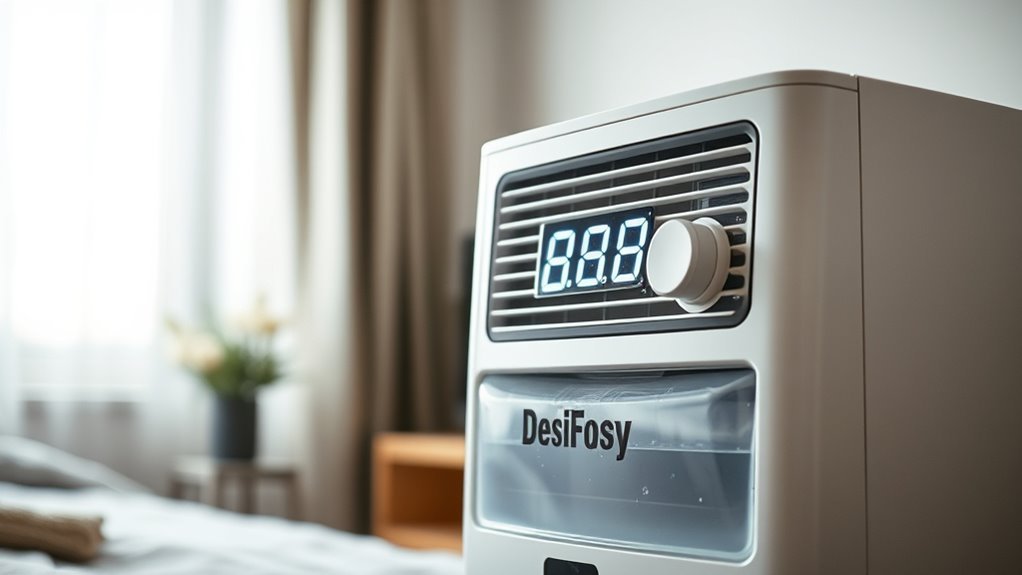
Dehumidifier water is not safe to drink by default. It may look clear because it starts as condensed moisture, but a home dehumidifier is not a drinking-water system. The water can touch coils, plastic parts, dust, drain surfaces, hoses, and a collection tank where microbes or residues may build up. Treat it as non-potable utility water unless a contaminant-specific treatment system and water test confirm it meets drinking-water standards.
Last updated: July 7, 2026 · Reviewed against EPA, CDC, and manufacturer dehumidifier-cleaning guidance.
Quick Answer
No, you should not drink dehumidifier water from the tank. A cloth filter can remove visible debris, and boiling can kill many germs, but neither step removes heavy metals, salts, cleaning residues, fuel, pesticides, smoke residues, or many other chemicals. Use dehumidifier water for low-risk non-food tasks only, or treat it as emergency last-resort water only after proper disinfection, sanitary storage, and testing.
Key Takeaways
- Dehumidifier water is condensate, but it is not collected in a drinking-water system.
- A coffee filter or cloth can remove visible debris, not dissolved contaminants or the full microbial risk.
- Boiling kills many germs, but it does not remove most chemicals, salts, pesticides, fuel residues, or metals.
- The safest uses are non-food uses, such as watering ornamental plants, flushing toilets, or cleaning outdoor hard surfaces.
- Do not use it for drinking, cooking, baby formula, pets, edible plants, CPAP machines, humidifiers, or wound cleaning.
Safety Snapshot
| Can you drink it? | No for routine use. Treat it as non-potable unless tested after proper treatment. |
| Filtering helps with | Visible sediment, dust, and floating debris only. |
| Boiling helps with | Many disease-causing germs, not dissolved chemicals, salts, or heavy metals. |
| Best routine uses | Flushing toilets, rinsing muddy tools, and watering non-edible ornamental plants. |
Can You Drink Dehumidifier Water?
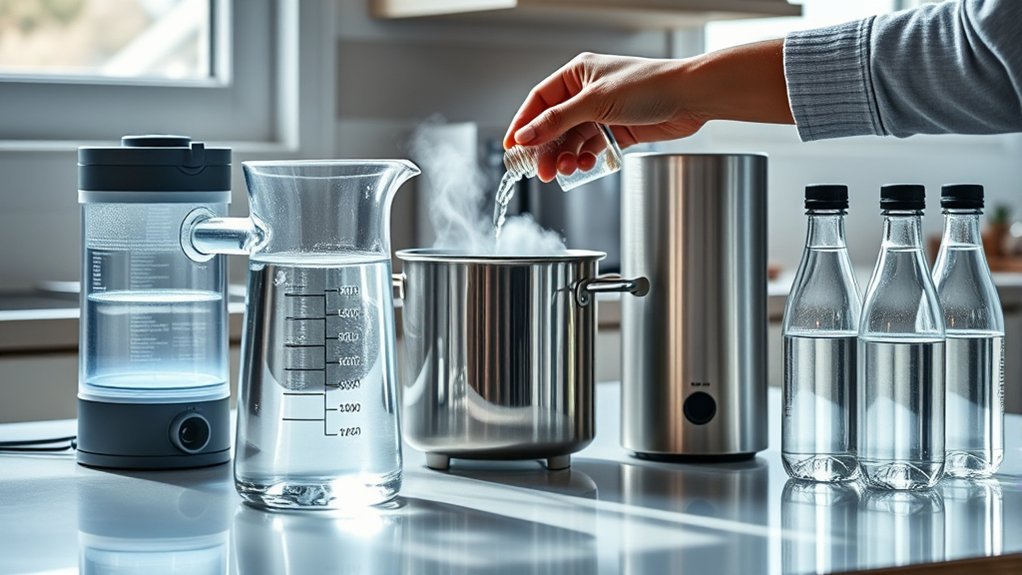
In normal home use, you should not drink dehumidifier water. It may look clean because it forms from condensed moisture, but it is not produced, collected, stored, or tested like potable water. Once the water touches the coils, drain path, bucket, hose, and surrounding air, it can pick up contaminants.
The safest rule is simple: use bottled water, tap water known to be safe, or properly treated emergency water for drinking. Treat dehumidifier water as utility water unless a validated treatment system and water test confirm it meets drinking-water standards. If the water may contain fuel, pesticides, smoke residues, harsh cleaners, sewage, floodwater, or other toxic chemicals, do not try to make it drinkable by boiling or disinfecting it.
Warning: Do not use dehumidifier water for drinking, cooking, brushing teeth, baby formula, pet bowls, CPAP machines, humidifiers, wound cleaning, or washing food-contact surfaces.
What Is Dehumidifier Water?
Dehumidifier water is condensate. The unit pulls humid indoor air across cold coils. Moisture in that air condenses into liquid water, drips into a tray or bucket, and may then drain through a hose.
At the moment water vapor condenses, the water is usually low in dissolved minerals compared with tap water. That is why people sometimes compare it to distilled water. The problem is that a household dehumidifier is not a sterile distiller. It has air filters, coils, plastic parts, dust, standing water, and a tank that must be cleaned regularly.
Note: “Clear” does not mean “safe.” Many microbes, dissolved metals, and chemical residues are invisible, odorless, and tasteless.
Why Dehumidifier Water Can Contain Germs and Contaminants
You can’t treat dehumidifier water as sterile because the collection system is exposed to air, dust, and standing moisture. Manufacturers also recommend routine cleaning because the tank and filter can collect residue. GE Appliances, for example, advises turning off and unplugging the unit, emptying the reservoir, washing the tank, and checking or cleaning the air filter as part of dehumidifier maintenance.
Stagnant Tank Bacteria
Standing water in a warm collection tank can become a breeding area for bacteria and biofilm. The longer water sits, the more time microbes have to multiply, especially if the bucket is slimy, dusty, or rarely washed.
| Risk Factor | Why It Matters |
|---|---|
| Standing water | Gives bacteria, algae, and biofilm time to grow |
| Dirty tank | Can re-contaminate each new batch of condensate |
| Dusty filter or coils | Can add particles, spores, and debris to the water path |
| Drinking it untreated | May cause stomach illness or expose you to contaminants |
Mold and Dust Growth
Mold spores and dust can enter the dehumidifier through indoor air. Dampness also supports mold growth in homes, which is why the U.S. Environmental Protection Agency recommends keeping indoor relative humidity below 60%, ideally between 30% and 50% when possible.
If the tank smells musty, looks cloudy, has slime, or contains visible sediment, discard the water. Do not try to “save” a questionable batch for drinking.
Metals and Chemical Residues
Dehumidifier water can also pick up residues from metal coils, plastic parts, cleaning products, household dust, smoke, paint fumes, pesticides, or volatile chemicals in indoor air. These risks vary by home and by appliance condition, which is why appearance alone is not enough to judge safety.
This is the main limit of boiling. Public-health guidance from the EPA explains that boiling or disinfecting water can kill many disease-causing microorganisms, but it will not destroy heavy metals, salts, or most other chemicals.
How to Collect Dehumidifier Water Safely
If you want to reuse dehumidifier water for non-drinking purposes, collect it carefully. The goal is not to make it potable. The goal is to reduce avoidable contamination before using it for safer tasks.
- Unplug the unit before cleaning. Follow your manufacturer’s instructions.
- Empty the tank often. Do not let water sit for days.
- Wash the bucket. Use dish soap and water, rinse well, and let it dry.
- Clean the filter. A dusty filter can reduce performance and add debris to the system.
- Collect water promptly. Use it soon after collection for non-potable tasks.
- Use a clean, covered container. This limits dust and recontamination.
- Inspect before use. Discard water that is cloudy, smelly, slimy, colored, or visibly dirty.
Pro Tip: If your main goal is water conservation, skip the drinking-water risk and use fresh dehumidifier water the same day for low-risk, non-food jobs.
Recommended Products

【 Portable Camping Water Jug 】 This collapsible water container is lightweight, foldable, and easy to store — perfect as a camping water container. Ideal for travel, outdoor activities, and emergency storage.
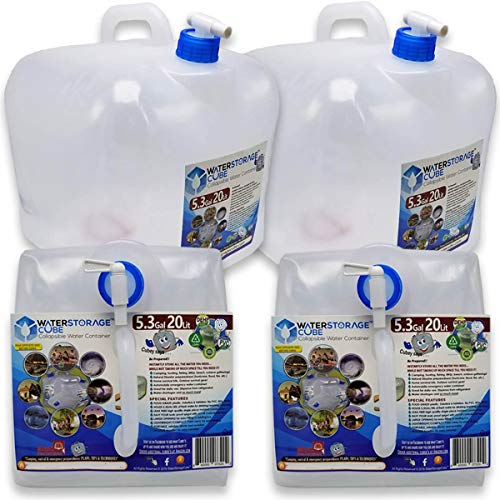
FOOD-GRADE ODORLESS GREAT TASTE: PE plastic made with highest quality USA raw material. Environmentally friendly non-toxic, No BPA PVC or DEHP, No plastic PVC odor and water taste will not be affected, Transparent.
PREMIUM WINE GLASS STORAGE -Wine glass storage box with dividers holds up to 12 wine glasses, Dimensions are 17''L x 13'' W x 10''H, with 12 padded compartments that each measure 4¼'' x 4¼''
Can Filtering and Boiling Make Dehumidifier Water Drinkable?
Filtering and boiling can make dehumidifier water less risky in some ways, but they do not reliably make it drinkable. The problem is that different contaminants require different treatments.
Recommended Products

Accurate and Reliable TDS Meter: Equipped with a premium quality titanium alloy probe and an intelligent chip, our TDS meter, Electric Conductivity Meter, digital water tester ensures stable performance and exceptional accuracy for reliable water quality testing. Ideal for testing drinking water, filter water, bottle purified water, RO filters, aquariums, and hydroponics.

17 IMPORTANT PARAMETERS: The Varify Premium Drinking Water Test Kit offers an unrivaled, complete analysis of your drinking water by testing for 17 essential parameters. This includes crucial tests for chlorine, fluoride, lead, iron, bacteria, and more, ensuring that you're fully informed about the quality of your water. With this extensive range of testing capabilities, you can detect contaminants and imbalances that could affect your health, providing a holistic view of your water's safety.

【Comprehensive Analysis of Water Quality】AAwipes Premium Drinking Water Test Kit offers a thorough analysis by testing 16 essential parameters, including chlorine, fluoride, lead, and iron. This extensive range of tests ensures you are fully informed about your water's quality, allowing you to detect any imbalances.
Filtering Limitations
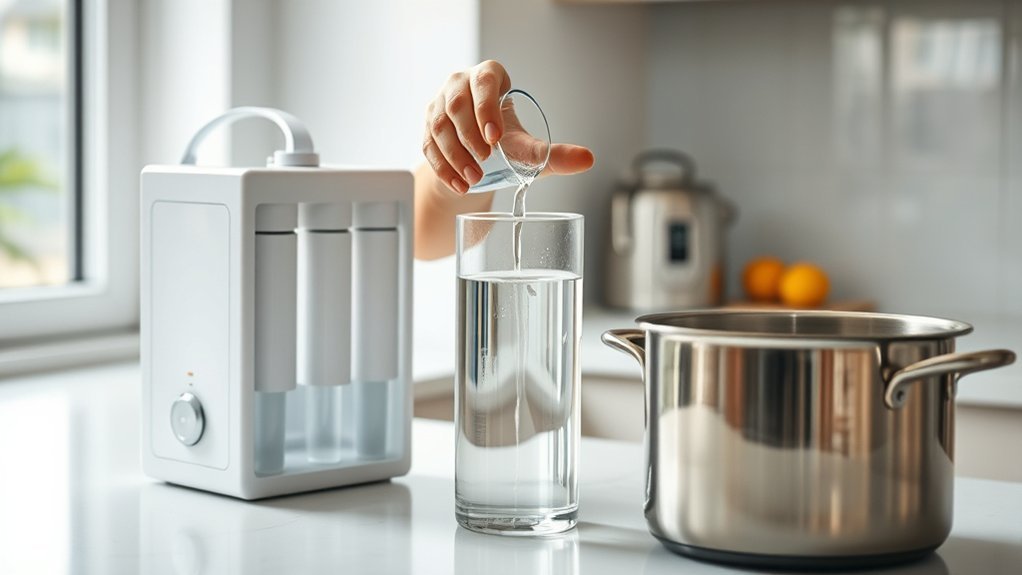
A coffee filter, paper towel, or clean cloth can remove visible particles. It may improve clarity, but it will not reliably remove bacteria, viruses, mold spores, dissolved metals, or chemical residues. It is a pre-filter, not a drinking-water treatment system.
If water is cloudy, the CDC recommends filtering it through a clean cloth, paper towel, or coffee filter before boiling in an emergency. That step helps remove sediment before heat treatment. It does not make the water safe by itself.
Boiling for Safety
Boiling is useful when the main concern is germs. CDC guidance says to bring clear water to a rolling boil for 1 minute, or 3 minutes at elevations above 6,500 feet. EPA emergency guidance also uses a 1-minute rolling boil, with 3 minutes at elevations above 5,000 feet.
Boiling does not remove most chemicals, salts, or heavy metals. If dehumidifier water may contain cleaning products, fuel, pesticides, smoke residues, or other toxic chemicals, do not try to make it drinkable by boiling it.
What Would Make It Potable?
To treat dehumidifier water as drinking water, you would need a treatment process designed for the actual contaminants present, followed by water testing. That may include sediment filtration, disinfection, activated carbon for some chemical compounds, reverse osmosis or distillation for certain dissolved substances, and a final sanitary storage step. Without testing, you cannot confirm that the water is potable.
Filtering can make dehumidifier water look cleaner. Boiling can kill many germs. Neither step proves the water is safe to drink.
What Risks Can Remain After Treatment?
Even after basic treatment, dehumidifier water can still carry risks if the source air, appliance, tank, or storage container was contaminated. These risks can include:
- Dissolved metals from parts or plumbing-style fittings
- Chemical residues from cleaning sprays, smoke, pesticides, paint, or indoor air pollutants
- Mold spores or microbial debris from a dirty tank, coil area, or drain line
- Recontamination after boiling if stored in an unclean container
- Unknown water quality because the water has not been tested against drinking-water standards
Discard any batch that smells musty, looks cloudy, has visible particles, has algae or slime, came from a recently cleaned unit with chemical residue, or sat in the tank for more than a short period.
Better Uses for Dehumidifier Water
The best uses for dehumidifier water are jobs that do not involve drinking, eating, breathing mist, or touching broken skin. Use fresh, clear water from a clean unit, and still treat it as non-potable.
Use this simple test before reusing a batch: if the task involves your mouth, lungs, food, pets, broken skin, medical equipment, or edible plants, choose safe tap water, bottled water, or manufacturer-recommended distilled water instead.
| Usually Better Uses | Avoid These Uses |
|---|---|
| Watering non-edible ornamental plants | Watering herbs, vegetables, fruit plants, or sprouts |
| Flushing toilets | Drinking, cooking, coffee, tea, ice, or baby formula |
| Mopping garage, basement, or outdoor hard surfaces | Kitchen counters, dishes, cutting boards, or food prep areas |
| Pre-rinsing muddy tools or non-food containers | Pet care, bathing, wound cleaning, humidifiers, or CPAP equipment |
| Steam irons, only if your iron manual allows low-mineral water | Laundry that touches skin, especially baby clothes, towels, or bedding |
If you use it on plants, stick with ornamental plants and avoid any plant you plan to eat. If the water smells off, the plant soil grows mold, or leaves show stress, stop using it.
What If You Need Water in an Emergency?
In an emergency, use safer sources first: sealed bottled water, stored emergency water, or water from a safe household source recommended by local authorities. Follow CDC and EPA emergency water guidance for boiling or disinfecting water when regular water service is interrupted.
Dehumidifier water should be a last resort, not a planned drinking-water source. Do not use it if your home has been exposed to floodwater, smoke, fuel, pesticides, sewage, chemical spills, mold growth, or recent harsh cleaning chemicals. If you suspect toxic chemicals, public-health guidance is clear: boiling or disinfecting will not make that water safe.
If you have no safer option, filter cloudy water through a clean cloth, paper towel, or coffee filter, bring the clear water to a rolling boil for the recommended time, cool it naturally, and store it in a sanitized container with a tight cover. This reduces some microbial risk, but it still does not prove the water is chemically safe.
Recommended Products

Space-Saving Up To 100-Gallon Emergency Water Storage: Transform your existing bathtub into a clean, safe water storage system that holds up to 100 gallons of fresh drinking water—minimizing the need for expensive bottled water purchases or bulky barrels that consume valuable storage space in your home, garage, or apartment while providing enough emergency water supply for your entire family during hurricanes, storms, or water main breaks.

【 Portable Camping Water Jug 】 This collapsible water container is lightweight, foldable, and easy to store — perfect as a camping water container. Ideal for travel, outdoor activities, and emergency storage.
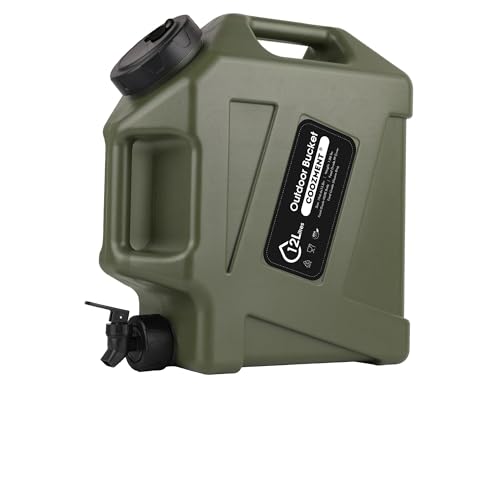
【High quality and Reusable】:Water jug is made of food-grade PE material. The lid of the jug is made of food-grade PP, and there is food-grade silicone seal protection. BPA PVC-free, the taste of water and drinks will not be affected at all.
Frequently Asked Questions
How do you safely drink water from a dehumidifier?
For routine use, you don’t. Dehumidifier water is non-potable by default. In a true emergency, you can reduce some risks by filtering visible debris, boiling the water, cooling it, and storing it in a sanitized container, but that still does not remove many chemicals or metals. Drinking-water safety requires contaminant-specific treatment and testing.
Can I purify the water from my dehumidifier?
You can improve it, but “purify” depends on what is in the water. A cloth or coffee filter removes visible debris. Boiling kills many germs. Activated carbon may reduce some tastes, odors, or organic compounds, but it is not a complete solution. For drinking, you need a treatment system matched to the contaminants and a water test to verify safety.
Should you use a dehumidifier if you have COPD?
A dehumidifier may help if your home is damp, musty, or mold-prone, but it is not automatically right for every person with COPD. Use a hygrometer, aim for a comfortable humidity range, keep the unit clean, and ask your clinician if humidity changes affect your symptoms. Dampness and mold can irritate the lungs, but overly dry air can bother some people too.
Can I drink dehumidifier water if I boil it?
Boiling alone is not enough. It can kill many bacteria, viruses, and parasites, but it does not remove heavy metals, salts, fuel, pesticides, cleaning residues, or many other chemicals. If you boil dehumidifier water, treat it as emergency-only water unless further treatment and testing confirm it is safe.
Is dehumidifier water the same as distilled water?
No. It may be low in minerals like distilled water, but a home dehumidifier is not a sterile distillation system. The water can contact coils, dust, plastic, a tank, a hose, and standing biofilm before you pour it out.
Can I give dehumidifier water to pets?
No. Pets should get clean drinking water from a safe source. Dehumidifier water can contain microbes or residues that are not worth the risk.
Can I use dehumidifier water in a humidifier?
No, it is not a good choice. Humidifiers can turn reservoir water into mist, so any microbes, residues, or contaminants in the water may become an indoor-air problem. Use the water type your humidifier manual recommends, usually distilled or demineralized water.
Can I water vegetable plants with dehumidifier water?
Avoid it for vegetables, herbs, fruit plants, and sprouts. Dehumidifier water may be low in minerals, but it can still contain dust, microbes, metals, or household chemical residues. Keep it for non-edible ornamental plants only.
Conclusion
You can reduce some risks by keeping your dehumidifier clean, emptying the tank often, collecting water in a clean container, filtering visible debris, and boiling it when emergency disinfection is needed. But you still cannot confirm it is safe to drink without proper treatment and testing, because chemicals, metals, and other dissolved contaminants may remain.
For everyday use, the safest answer is to treat dehumidifier water as non-potable utility water. Use it for low-risk tasks, such as flushing toilets, rinsing muddy tools, or watering non-edible ornamental plants, and keep verified drinking water for anything that goes into your body, your pet, your food, or your breathing equipment.
Sources
- U.S. Environmental Protection Agency — Emergency Disinfection of Drinking Water — supports boiling limits and chemical-contaminant warnings.
- CDC — How to Make Water Safe in an Emergency — supports emergency filtering, boiling times, storage, and toxic-chemical cautions.
- GE Appliances — Dehumidifier Cleaning and Maintenance — supports emptying, washing, and maintaining the water reservoir and filter.
- U.S. Environmental Protection Agency — Mold Course, Humidity — supports indoor humidity guidance and mold-prevention context.
- American Lung Association — Mold and Lung Health — supports respiratory cautions about dampness and mold exposure.
- Mayo Clinic — Humidifiers and Dehumidifiers — supports cleaning moisture trays to help prevent bacteria and mold.