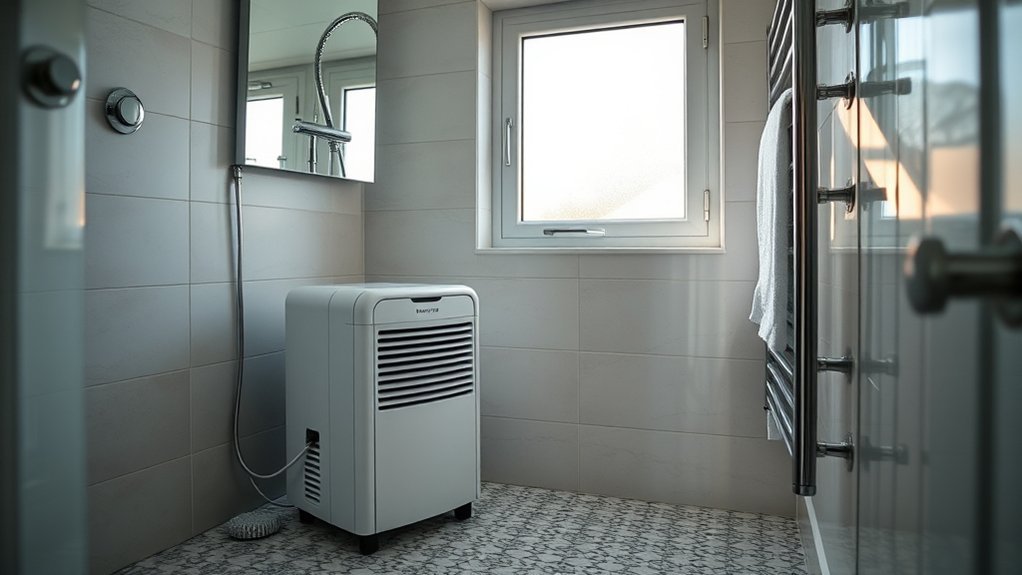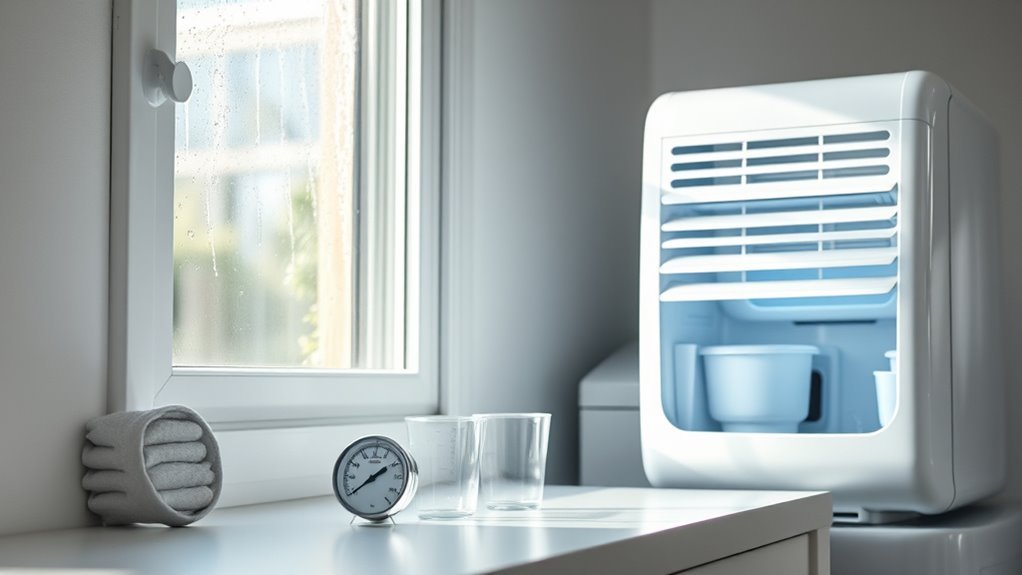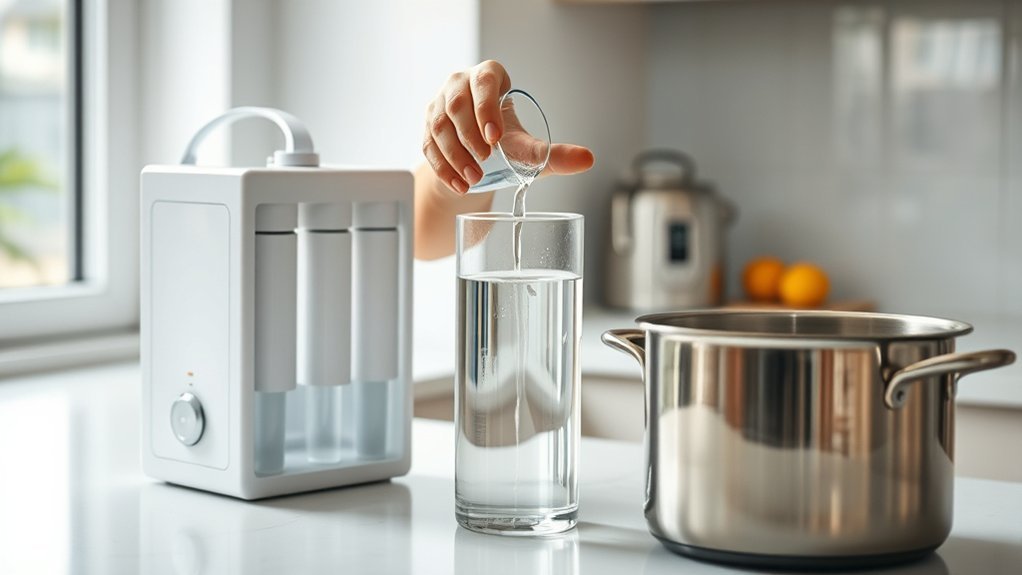
You cannot reliably make dehumidifier water safe to drink at home. Filtering removes visible debris and boiling kills many germs, but neither step removes metals, salts, or most chemical residues, and you cannot see or taste those. Treat the water as non-potable and use it for non-drinking jobs only.
This guide explains what each treatment can and cannot do, how to collect the water more cleanly, and what to do in an emergency.
Quick Answer
- Filtering with a cloth or coffee filter removes visible particles only.
- Boiling kills most disease-causing microorganisms but not heavy metals, salts, or most chemicals.
- Testing and a treatment matched to the contaminants are what it would take to call the water potable.
- Best everyday use: flushing toilets, rinsing tools, or watering non-edible plants.
Can You Drink Dehumidifier Water?
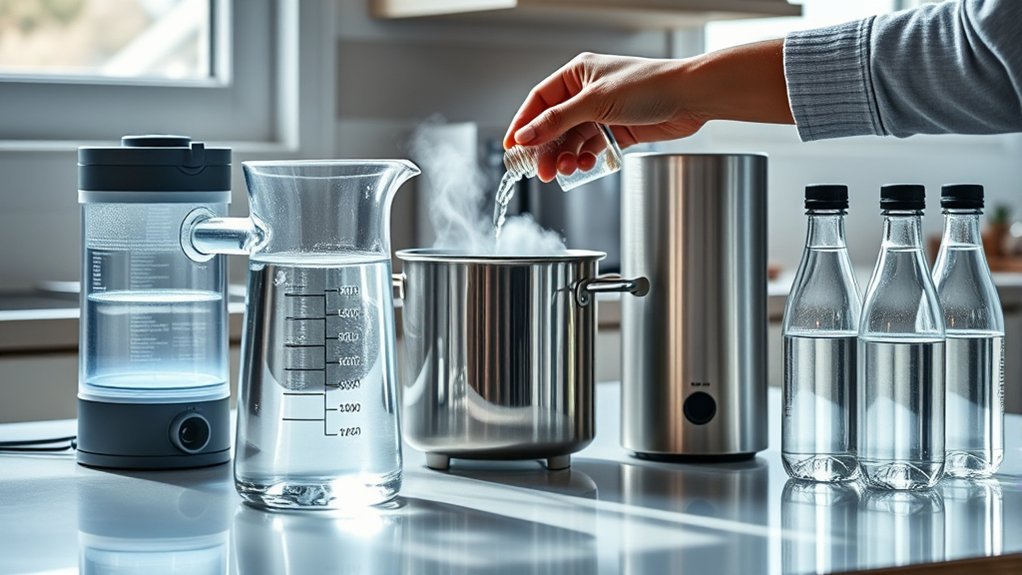
In normal home use, no. The water forms as clean-looking condensate, but a dehumidifier is not a drinking-water system. The water touches coils, plastic parts, a drain path, a tank, and room air full of dust before you ever see it.
Use bottled water or tap water known to be safe for drinking. If the water may have picked up fuel, pesticides, smoke residue, harsh cleaners, sewage, or floodwater, do not try to boil or disinfect it for drinking.
Do not use dehumidifier water for drinking, cooking, brushing teeth, baby formula, pet bowls, CPAP machines, humidifiers, or wound cleaning.
What Is Dehumidifier Water?
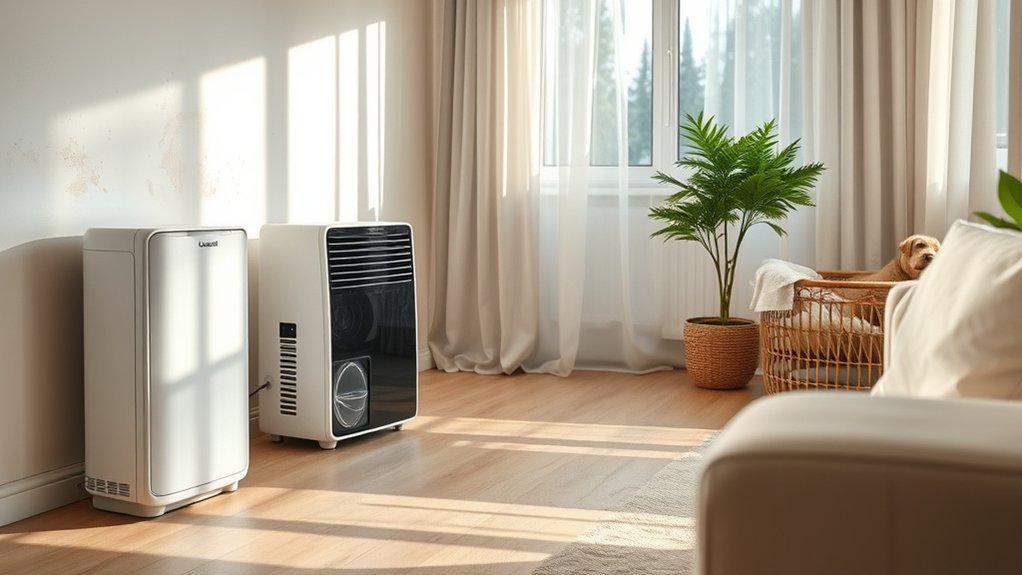
Dehumidifier water is condensate. The unit pulls humid indoor air across cold coils, moisture condenses into liquid, and it drips into a bucket or drains through a hose. At the moment of condensing it is usually low in dissolved minerals, which is why people compare it to distilled water. But a household unit is not a sterile still, and clear water is not the same as safe water.
For the source of the moisture itself, see where dehumidifier water comes from.
Why Dehumidifier Water Can Contain Germs and Contaminants
Stagnant Tank Bacteria
Water sitting in a warm bucket can support bacteria and biofilm. The longer it sits, and the dirtier the bucket, the greater the chance of microbial growth. Manufacturers recommend regular bucket and filter cleaning for this reason, so check your manual for the cleaning steps for your model.
| Risk factor | Why it matters |
|---|---|
| Standing water | Gives bacteria, algae, and biofilm time to grow |
| Dirty tank | Can recontaminate each new batch |
| Dusty filter or coils | Can add particles and spores to the water path |
Mold and Dust
Mold spores and dust enter the unit with room air. Damp homes are where mold grows, which is why the EPA advises keeping indoor relative humidity below 60 percent, ideally between 30 and 50 percent (EPA mold and moisture guide). If the tank smells musty, looks cloudy, or has slime, discard the water. For the short version of this question, see is dehumidifier water safe to drink.
Metals and Chemical Residues
Condensate can also pick up residue from coils and plastic parts, plus cleaning sprays, smoke, paint fumes, or pesticides in the air. This varies by home and appliance, which is why appearance tells you nothing. The EPA states that boiling or disinfection will not destroy heavy metals, salts, and most other chemicals (EPA emergency disinfection guidance).
How to Collect Dehumidifier Water More Cleanly
The goal here is to cut avoidable contamination for non-drinking reuse, not to make it potable.
- Unplug the unit before cleaning.
- Empty the tank often. Do not let water sit for days.
- Wash the bucket with dish soap and water, rinse, and let it dry.
- Clean the air filter. A dusty filter adds debris.
- Use a clean, covered container and use the water soon.
- Inspect first. Discard anything cloudy, smelly, slimy, or colored.
Can You Make Dehumidifier Water Safe to Drink by Filtering and Boiling?
Filtering and boiling make the water less risky in some ways, but they do not make it reliably drinkable. Different contaminants need different treatments.
Filtering Limits
A coffee filter, paper towel, or clean cloth removes visible particles. It will not reliably remove bacteria, viruses, mold spores, dissolved metals, or chemicals. The CDC suggests filtering cloudy emergency water through a clean cloth, paper towel, or coffee filter before boiling (CDC emergency water guidance). That is a pre-step, not a full treatment.
Boiling
Boiling helps with germs. The CDC says to bring clear water to a rolling boil for 1 minute, or 3 minutes above 6,500 feet elevation. The EPA gives at least 1 minute, with 3 minutes above 5,000 feet. Since the two agencies differ on the elevation cutoff, boiling for 3 minutes at either elevation is the cautious choice. Let the water cool, then store it in a clean, sanitized, tightly covered container.
Boiling does not help with chemicals. The CDC says you cannot make water containing fuel, toxic chemicals, or radioactive materials safe by boiling.
What Would Make It Potable?
A treatment process matched to the actual contaminants, then water testing. Depending on the contaminant, that could involve sediment filtration, disinfection, activated carbon, reverse osmosis, or distillation, followed by sanitary storage. Without a test, you cannot confirm the result.
| Step | Helps with | Does not fix |
|---|---|---|
| Cloth or coffee filter | Visible sediment and debris | Germs, metals, chemicals |
| Boiling | Most disease-causing microorganisms | Heavy metals, salts, most chemicals |
| Cleaning the unit | Slime, mold, and dust buildup | Chemicals already in the water |
Better Uses for Dehumidifier Water
Use fresh water from a clean unit for jobs that do not involve your mouth, lungs, food, pets, or broken skin.
| Usually fine | Avoid |
|---|---|
| Watering non-edible ornamental plants | Herbs, vegetables, fruit plants, or sprouts |
| Flushing toilets | Drinking, cooking, coffee, tea, ice, or baby formula |
| Mopping garage or outdoor hard surfaces | Kitchen counters, dishes, or food prep areas |
| Rinsing muddy tools | Pet care, bathing, humidifiers, or CPAP equipment |
Steam irons are a gray area. Use only what your iron’s manual allows. More ideas are in our guides on what to do with dehumidifier water and watering plants with it.
What If You Need Water in an Emergency?
Use safer sources first: sealed bottled water, stored emergency water, or water your local authorities say is safe. Dehumidifier water is a last resort, not a planned supply.
Do not use it if your home has been exposed to floodwater, smoke, fuel, pesticides, sewage, chemical spills, visible mold, or recent heavy chemical cleaning. If there is no other option, filter cloudy water through a clean cloth, boil it for the recommended time, cool it, and store it in a sanitized covered container. This lowers microbial risk but does not prove the water is chemically safe.
Recommended Products

【 Portable Camping Water Jug 】 This collapsible water container is lightweight, foldable, and easy to store — perfect as a camping water container. Ideal for travel, outdoor activities, and emergency storage.

Non-Toxic Materials: Crafted from high-quality PET PA PE plastics that are free from harmful chemicals like BPA, PVC, and DEHP. Ensures no harmful chemicals leach into stored beverages, making it a safe choice for you and your family

【 Portable Camping Water Jug 】 This collapsible water container is lightweight, foldable, and easy to store — perfect as a camping water container. Ideal for travel, outdoor activities, and emergency storage.
Frequently Asked Questions
How do you safely drink water from a dehumidifier?
For routine use, you don’t. Dehumidifier water is non-potable by default. In a true emergency you can reduce some risk by filtering debris, boiling, cooling, and storing the water in a sanitized container, but that still leaves metals and many chemicals. Safe drinking water needs treatment matched to the contaminants and testing.
Can I purify the water from my dehumidifier?
You can improve it, but purifying depends on what is in it. A filter removes debris and boiling kills many germs. Activated carbon may reduce some tastes, odors, or organic compounds but is not a complete fix. For drinking, you need treatment matched to the contaminants and a water test to confirm results.
Can I drink dehumidifier water if I boil it?
Boiling alone is not enough. It kills most bacteria, viruses, and protozoa, but the EPA notes it will not destroy heavy metals, salts, and most other chemicals. Treat boiled dehumidifier water as emergency-only unless further treatment and testing show it is safe.
Is dehumidifier water the same as distilled water?
No. It may be low in minerals like distilled water, but a home dehumidifier is not a sterile distillation system. The water can contact coils, dust, plastic, a tank, a hose, and biofilm before you pour it out. Our guide on dehumidifier vs distilled water covers the comparison.
Can I use dehumidifier water in a humidifier?
No, it is a poor choice. Humidifiers turn reservoir water into mist, so any microbes or residues can end up in the indoor air you breathe. Use the water type your humidifier manual recommends, which is often distilled or demineralized water.
Related Guides
- Is dehumidifier water safe to drink?
- Where does dehumidifier water come from?
- What to do with water from a dehumidifier
- Do you put water in a dehumidifier?
- Are dehumidifiers safe to use at home?
Sources
- U.S. EPA: Emergency Disinfection of Drinking Water
- CDC: How to Make Water Safe in an Emergency
- U.S. EPA: A Brief Guide to Mold, Moisture and Your Home