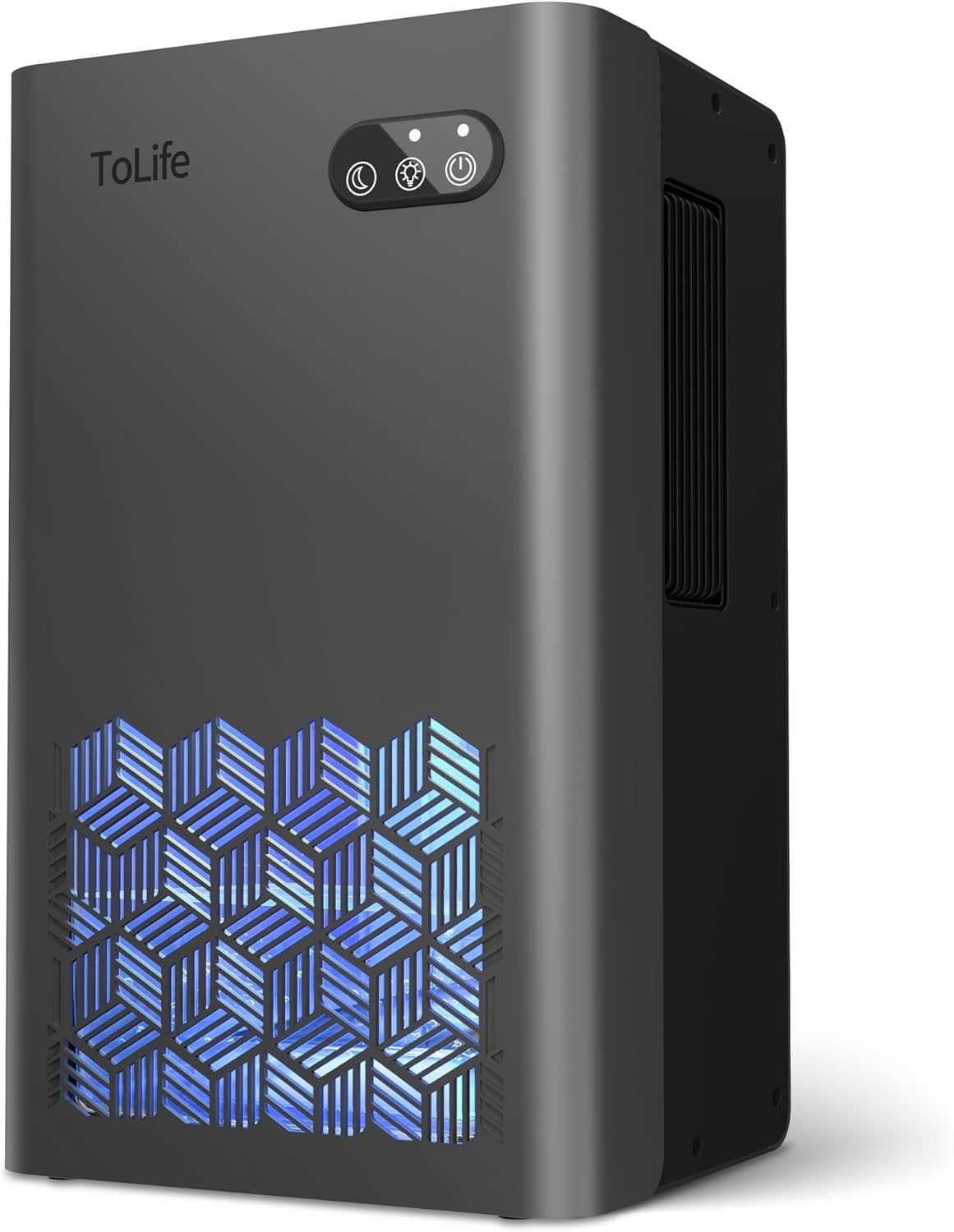
Quick verdict: A quality dehumidifier for a New Zealand home should be marked for 50 Hz and either 230 V or a voltage range that includes 230 V, supplied with an appropriate New Zealand plug, and backed by a seller that can handle support locally. Choose by moisture-removal capacity in litres per day, operating temperature, drainage, noise, and rated power rather than relying only on a large room-size claim.
Important: This guide does not recommend unverified overseas-market appliances. A plug adaptor does not change voltage or prove that an imported unit meets New Zealand electrical requirements.
Key takeaways
- Use a compressor model mainly for heated or mild rooms and consider desiccant technology for colder spaces.
- Compare extraction capacity only when the test conditions are clear.
- Plan tank emptying or continuous drainage before choosing a model.
- Check the exact model number, electrical label, operating range, noise mode, and local support.
Choosing the best-quality dehumidifier in NZ is less about finding the biggest advertised number and more about matching the machine to your room, climate, drainage setup, and electrical supply. New Zealand homes can face condensation, damp bedrooms, musty storage areas, and slow indoor laundry drying, but the right solution may be a compressor dehumidifier, a desiccant model, improved ventilation, or a combination of moisture-control steps.
This updated buyer’s guide explains how to compare dehumidifiers safely and confidently. It focuses on New Zealand compatibility, realistic capacity, energy use, noise, maintenance, and after-sales support so you can avoid unsuitable imports and choose a model that fits your home.
Quick Comparison of Dehumidifier Types
| Type | Best suited to | Main advantage | Main limitation |
|---|---|---|---|
| Compressor | Heated living spaces, bedrooms, laundries, and larger rooms | Usually strong moisture removal in mild or warm conditions | Performance can drop in colder rooms; compressor and fan noise may be noticeable |
| Desiccant | Cool bedrooms, garages, storage rooms, and winter use | Can remain effective at lower temperatures and may add useful warmth | Can use more electricity and may warm a small room noticeably |
| Thermoelectric | Small cupboards, wardrobes, or lightly damp enclosed spaces | Compact and generally quiet | Not a substitute for a full-size dehumidifier in a damp room or whole home |
| Whole-home or ducted | Persistent moisture across multiple rooms | Centralised control with less daily tank handling | Higher purchase and installation cost; professional assessment may be needed |
Fast type selector:
- Warm or heated room: Start with a compressor model.
- Cold bedroom, garage, or winter space: Compare desiccant models.
- Small cupboard or wardrobe: A thermoelectric unit may help only with light moisture.
- Several rooms stay damp: Investigate moisture sources, ventilation, or a professionally assessed fixed system.
Check New Zealand Electrical Compatibility First
Before comparing capacity or smart features, check the rating label. WorkSafe states that domestic electrical products sold for New Zealand use must be rated and marked for the standard 230 V, 50 Hz supply and use an appropriate plug. Consumer Protection also warns that electronics bought from overseas websites may have the wrong voltage or may not meet New Zealand electrical standards.
Safety note: Do not assume a travel plug adaptor makes a 110-115 V dehumidifier suitable for a New Zealand socket. Check for a marked voltage range that includes 230 V, a 50 Hz rating, an appropriate New Zealand plug, clear English instructions, and traceable safety information for the exact model.
See WorkSafe electrical safety requirements and Consumer Protection guidance for appliances.
Local support matters too. Confirm who handles faults, returns, replacement parts, refrigerant servicing, and warranty claims. An imported appliance can become poor value if the seller cannot provide practical support in New Zealand. When you buy from a business selling in New Zealand, Consumer Protection explains that remedies for faulty appliances may include repair, replacement, or refund under applicable consumer guarantees. See Consumer Protection guidance on faulty appliances.
Factors to Consider When Choosing a Quality Dehumidifier in NZ
Use the following criteria to compare models on equal terms. Give more weight to the rating label, technical data sheet, operating-temperature range, and warranty than to broad marketing phrases such as “covers the whole home.”
Moisture-Removal Capacity
Compare moisture extraction in litres per day and check the test conditions used for that figure. Some overseas listings promote a maximum result measured in very warm, humid air, while a standardised or real-world result can be much lower. Two models with similar headline capacities may therefore perform differently in a cool New Zealand bedroom.
Match the capacity to the severity of the problem, not just the floor area. Persistent window condensation, wet walls, mould-prone corners, or laundry drying indoors usually demands more capacity than occasional mild humidity.
Room Size, Layout, and Airflow
Room-size claims are only a starting point. Closed doors, narrow hallways, furniture placement, ceiling height, insulation, outdoor air leaks, and the number of moisture sources all affect performance. A portable unit normally works best in the room where it is placed; it should not be expected to dry several closed rooms equally.
For multiple rooms, consider moving the unit between spaces, opening internal doors when practical, or investigating a fixed ventilation or whole-home solution.
Operating Temperature
Check the manufacturer’s minimum operating temperature. Compressor models may cycle into defrost mode or remove less moisture in cold spaces. A desiccant model can be more suitable for an unheated room, garage, or winter use, although its energy consumption and heat output may be higher.
Drainage Options
A removable tank is simple but may need frequent emptying during damp weather. Continuous gravity drainage is useful when the unit can sit above a suitable drain. A built-in pump is helpful when water must travel upward, but the pump height, hose routing, and maintenance requirements should be confirmed before purchase.
- Tank drainage: Best for flexible placement and occasional use.
- Gravity hose: Best for long running periods beside a low drain.
- Pump drainage: Best when the drain is higher or farther away, provided the model is designed for that route.
Energy Use and Running Cost
Do not rely on an unsupported daily cost estimate. Use the unit’s rated wattage and your electricity plan:
Estimated running cost = (watts ÷ 1,000) × operating hours × electricity rate per kWh.
The compressor will not necessarily draw its full rated power every minute, so this formula is a useful upper-level comparison rather than a guaranteed bill. For example only, a 300 W unit used for 8 hours at $0.30 per kWh gives an upper comparison of 0.3 × 8 × $0.30 = $0.72. Use your own tariff and compare models with the same assumptions. A correctly sized unit may also reach the target humidity faster than an undersized one.
Noise Level
Check the stated sound level and whether it applies to low or high fan speed. Bedrooms and home offices benefit from a sleep mode, dimmable display, low fan setting, and stable compressor operation. Published dB(A) figures are most useful when the fan mode and test distance are stated, so treat unusually low claims cautiously.
Controls and Smart Features
A reliable humidistat, clear display, timer, auto restart, auto defrost, full-tank shut-off, and washable filter are usually more important than decorative lighting. Wi-Fi control can be convenient, but confirm that the exact model supports the app and that core functions still work without an internet connection.
Design and Portability
Check the full dimensions, weight, handle position, caster quality, tank access, cord storage, and clearance needed around the air inlet and outlet. A compact unit is not automatically easy to move once its tank is full. For stairs, a secure top handle and manageable weight matter more than wheels.
Maintenance and Filters
Choose a model with an accessible, washable filter and a tank that is easy to remove and clean. Follow the manual’s cleaning interval because dust can reduce airflow and efficiency. Inspect the drain hose for kinks or biofilm, keep the intake clear, and dry the tank before long-term storage.
A dehumidifier is not normally a replacement for a dedicated air purifier. A basic mesh filter mainly protects the appliance; do not assume it provides HEPA-level particle removal unless the manufacturer specifically documents that function.
Warranty and Local Support
Read the written warranty rather than relying on a short listing claim. Confirm the warranty term for the complete unit and compressor, who pays freight, where repairs are completed, whether proof of purchase is required, and whether the brand has reachable support in New Zealand. Keep the receipt and record the exact model and serial number so a fault can be traced to the appliance you purchased.
Before You Buy Checklist
- The rating label shows 50 Hz and either 230 V or a voltage range that includes 230 V.
- The appliance has a compliant New Zealand plug and suitable safety markings.
- Capacity is stated in litres per day with clear test conditions.
- The operating-temperature range suits the room.
- The tank, gravity drain, or pump arrangement fits the intended location.
- Noise information identifies the fan mode used for the measurement.
- Rated wattage and expected running hours fit your electricity budget.
- The filter and tank can be accessed and cleaned easily.
- The exact model number matches the listing, manual, rating label, and written warranty.
- A clear local support and consumer-remedy path is available.
- The seller’s returns policy covers bulky electrical appliances.
Common Buying Mistakes to Avoid
- Buying by floor area alone: Moisture load, room temperature, airflow, and door position can matter as much as square metres.
- Comparing unmatched capacity figures: A maximum extraction claim measured in hot, humid conditions is not directly comparable with a figure measured under cooler standard conditions.
- Assuming one portable unit dries closed rooms: Air must reach the machine for moisture to be removed.
- Ignoring drainage height: Gravity drainage needs a continuous downward fall; uphill drainage requires a model with a suitable pump.
- Using an overseas plug adaptor as a safety solution: An adaptor does not change voltage or frequency and does not establish New Zealand compliance.
- Treating the dehumidifier as the only fix: Leaks, unvented bathrooms, subfloor moisture, and indoor laundry may need separate action.
Placement and Use Tips
Place the unit on a level surface with the clearances stated in its manual. Keep curtains, furniture, and laundry away from the air inlet and outlet. Close exterior windows while the unit is actively dehumidifying, but continue to manage moisture at the source through extraction fans, heating, and regular ventilation.
EECA recommends reducing moisture at the source and improving airflow, including opening doors and windows for about 10 to 15 minutes each morning when practical, using extractor fans vented outside, and heating rooms effectively. A dehumidifier can support those steps, but it should not be used to hide an unresolved leak, failed bathroom extraction, rising damp, or water ingress. See EECA’s guidance on reducing dampness.
Frequently Asked Questions
Can I Use a US Dehumidifier in New Zealand?
Do not use a US-market unit unless its rating label shows 50 Hz and either 230 V or a voltage range that includes 230 V, and it meets New Zealand plug and safety requirements. Many US appliances are designed for 110-120 V, 60 Hz. A simple plug adaptor does not correct that mismatch.
Is a Compressor or Desiccant Dehumidifier Better?
A compressor model is often a strong choice for heated rooms and larger moisture loads. A desiccant model may work better in colder spaces and can add some warmth, but it may use more electricity. The room temperature and intended use should decide the type.
What Humidity Setting Should I Use?
Start with the manufacturer’s instructions and monitor the room with the built-in humidistat or a separate hygrometer. BRANZ describes 40% to 60% relative humidity as a recommended comfort range, so a setting near the middle of that range can be a practical starting point when the appliance allows it. Adjust for room temperature, condensation, musty odours, and energy use. See BRANZ guidance on internal moisture.
What Size Dehumidifier Do I Need?
Choose by moisture severity, room temperature, and litres-per-day capacity rather than floor area alone. A lightly damp bedroom needs less extraction than a room with daily indoor laundry or persistent condensation. Compare the test conditions, then allow reasonable capacity for the actual moisture load without buying solely from an oversized coverage claim.
How Much Does a Dehumidifier Cost to Run?
Running cost depends on wattage, duty cycle, hours of use, and your electricity rate. Multiply kilowatts by operating hours and the price per kWh for an estimate. Avoid fixed daily-cost claims that do not state these assumptions.
How Often Should I Empty the Water Tank?
Empty it whenever the full-tank indicator activates or sooner if the manual recommends it. During very damp weather, a tank may fill quickly. Continuous drainage can reduce handling if it is installed with the correct fall and a secure hose connection.
Can a Dehumidifier Improve Indoor Air Quality?
It can reduce excess moisture that contributes to condensation and damp conditions. However, it does not remove the source of moisture, replace ventilation, repair leaks, or provide the same particle filtration as a dedicated air purifier.
Can I Use a Dehumidifier to Dry Laundry Indoors?
Yes, when the manufacturer allows it. Use a laundry mode if provided, keep wet clothes clear of the appliance, allow air to circulate around the rack, and use safe drainage. Never cover the unit or place it where water can drip onto electrical parts.
How Do I Maintain My Dehumidifier?
Clean the filter and tank according to the manual, keep the air passages clear, inspect the drain hose, and unplug the unit before maintenance. If performance drops, check room temperature, filter condition, drainage, door and window position, and whether the unit is correctly sized before assuming it has failed.
Final Recommendation
Best buying approach for New Zealand: Buy a model marked for 50 Hz and either 230 V or a suitable voltage range that includes 230 V from a reputable supplier, then choose the dehumidifier type and capacity around room temperature, moisture load, drainage route, and acceptable noise.
Prioritise verified local compatibility and support over a large overseas coverage claim, decorative features, or an unusually high moisture-removal number measured under unclear conditions.