Last updated: August 2026
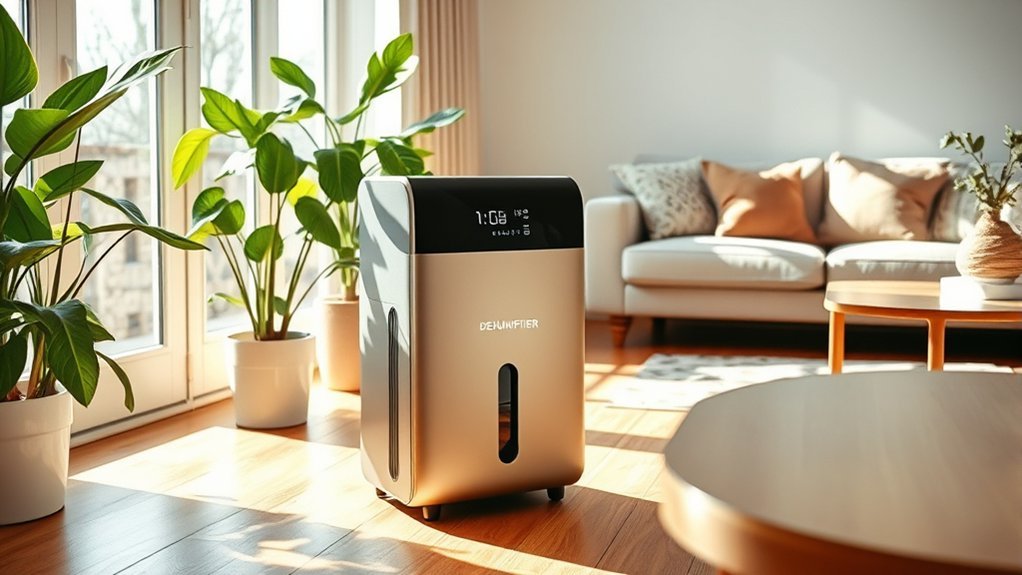
Choosing the best dehumidifier for a large room requires more than comparing advertised floor coverage. You should also consider the unit’s moisture-removal capacity, rating conditions, drainage setup, tank size, operating-temperature range, noise, portability, warranty, and humidity controls.
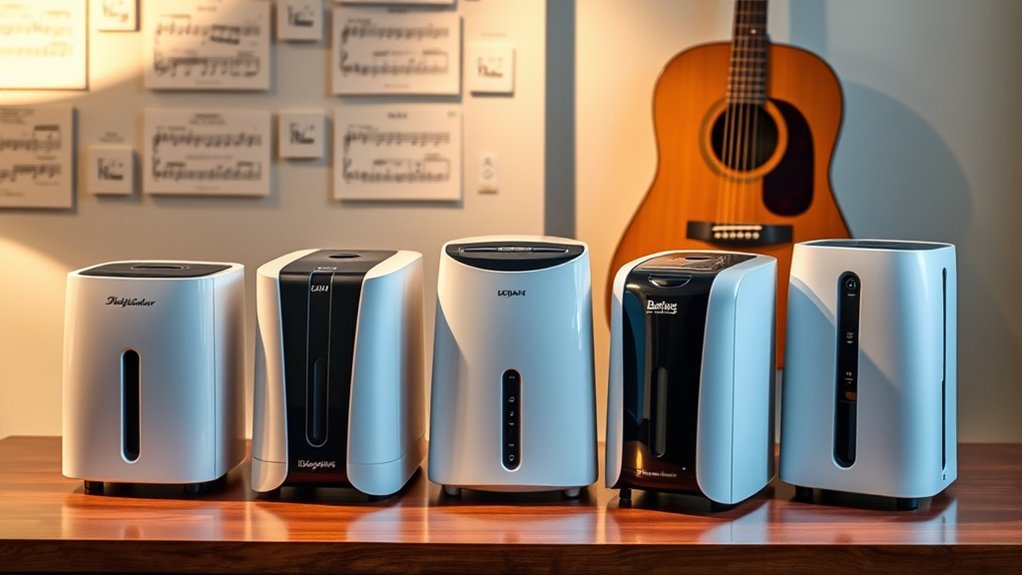
The four compressor dehumidifiers below are marketed for large rooms, basements, garages, laundry areas, and open-plan living spaces. The Ludatido has the highest claimed extraction capacity in this group. The BANABIE stands out for its low advertised noise, while the PLUSCENT and SEMKAP offer similar 32-pint maximum ratings with practical drainage and humidity-control features.
Remember that coverage and daily pint figures are seller or manufacturer claims measured under specific conditions. The BANABIE, PLUSCENT, and SEMKAP listings state that their 32-pint maximums are measured at 95°F and 90% relative humidity. A cooler or less humid room will normally produce substantially less collected water.
How These Dehumidifiers Were Compared
These products were evaluated using their current listing information rather than claimed hands-on testing. The main comparison points were:
- Advertised moisture-removal capacity and rating conditions
- Advertised room coverage and suitable use cases
- Tank collection and continuous gravity drainage
- Noise claims and bedroom or office suitability
- Humidity controls, timer, defrost, and restart functions
- Portability, maintenance, warranty, and model-verification concerns
Quick Verdict
- Highest Claimed Capacity: Ludatido 80-Pint Dehumidifier
- Best for Low Advertised Noise: BANABIE 2,500 Sq. Ft. 32-Pint Dehumidifier
- Best Balanced Pick: PLUSCENT 32-Pint Dehumidifier
- Best Straightforward Alternative: SEMKAP 32-Pint Dehumidifier
Quick Comparison
| Product | Advertised Coverage | Listed Capacity | Rating Basis | Claimed Noise | Drainage | Best For | Details |
|---|---|---|---|---|---|---|---|
| Ludatido 80 Pint | Up to 5,000 sq. ft. | Up to 80 pints/day | Maximum listing claim; confirm the exact model and rating method | As low as 35 dB | Tank or continuous gravity drain | Buyers prioritizing the highest claimed output | Check Current Amazon Availability |
| BANABIE 32 Pint | Up to 2,500 sq. ft. | Up to 32 pints/day | Listing states 95°F and 90% RH | As low as 32 dB | 2.5-liter tank or included gravity-drain hose | Bedrooms, offices, and shared living areas | Check Current Amazon Availability |
| PLUSCENT 32 Pint | Up to 2,500 sq. ft. | Up to 32 pints/day | Listing states 95°F and 90% RH | Approximately 39 to 42 dB | 2-liter tank or included gravity-drain hose | Everyday basement and large-room use | Check Current Amazon Availability |
| SEMKAP 32 Pint | Up to 2,500 sq. ft. | Up to 32 pints/day | Listing states 95°F and 90% RH | As low as 35 dB on the lowest fan setting | 2.5-liter tank or included gravity-drain hose | Simple humidity control and portability | Check Current Amazon Availability |
Important: Coverage, extraction, tank, certification, and noise figures above are manufacturer or seller claims. Marketplace pages can also contain conflicting variant information. Confirm the exact model, selected size, included accessories, warranty, and current offer before purchase.
Ludatido 80-Pint Dehumidifier for Large Spaces
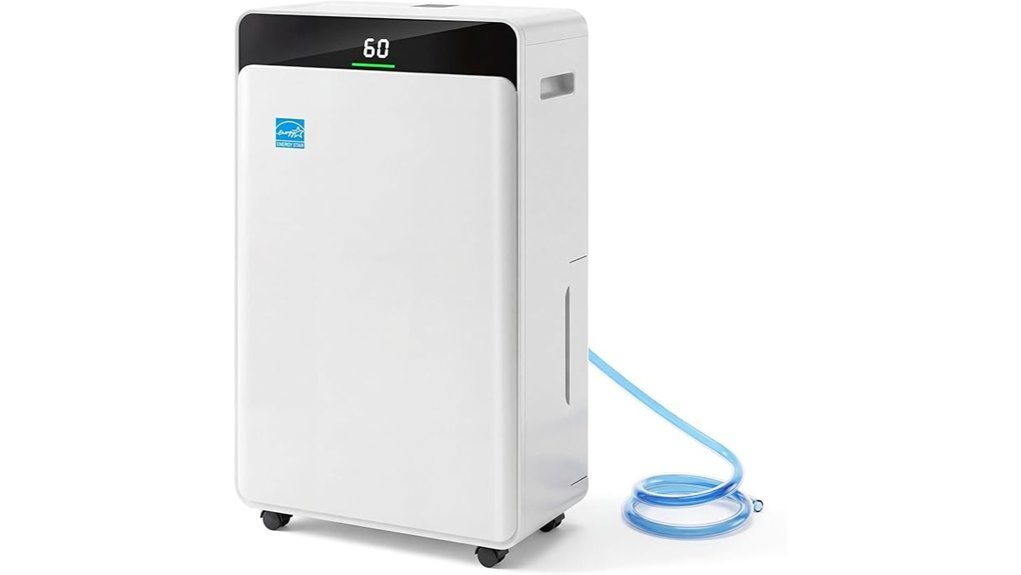
The Ludatido has the highest advertised moisture-removal figure in this comparison. Its current listing claims removal of up to 80 pints per day and coverage of up to 5,000 square feet. This makes it the most relevant option here for buyers considering a large basement, garage, open-plan living area, or another space with a substantial moisture load.
The listing describes automatic humidity control, automatic defrost, automatic shutoff, child lock, washable filter, continuous drainage, and several operating modes. It also advertises a minimum operating noise of 35 dB, although that should be treated as a best-case claim rather than a guaranteed sound level.
Tank information on the current product page is not completely consistent across its marketing and structured specification fields. Buyers who intend to rely on manual tank collection should verify the exact tank capacity shown for the selected model before ordering.
The advertised 80-pint output is also a maximum listing figure. The page does not make the rating basis as clear as the three 32-pint listings in this comparison. Actual extraction will depend on temperature, relative humidity, airflow, room layout, and the moisture source.
Why You’ll Like It
- It has the highest claimed moisture-removal capacity in this article.
- Continuous gravity drainage can reduce repeated tank emptying.
- Automatic defrost may help manage frost formation in cooler conditions.
- The child lock, timer, sleep-related settings, filter, and automatic controls improve convenience.
Who Should Buy This
Consider this model when the highest claimed capacity is your main priority and you are prepared to confirm the exact model number, tank specification, warranty, drainage accessories, and certification before purchase.
Who Should Avoid This
A smaller 32-pint model may be easier to justify for a moderately humid bedroom, office, or living room. This is also not the strongest choice for buyers who want completely consistent published specifications or clearly matched third-party certification records.
Pros:
- Advertised to remove up to 80 pints of moisture per day.
- Claimed coverage of up to 5,000 square feet.
- Supports continuous gravity drainage.
- Includes automatic controls, defrost, child lock, timer, and washable filter features.
Cons:
- Maximum extraction conditions are not clearly explained on the current listing.
- Tank-capacity information is inconsistent across the product page.
- The lowest advertised noise figure may apply only under favorable operating conditions.
- The exact model’s ENERGY STAR status must be independently verified.
BANABIE 2500 Sq. Ft. Dehumidifier with Smart Humidity Control
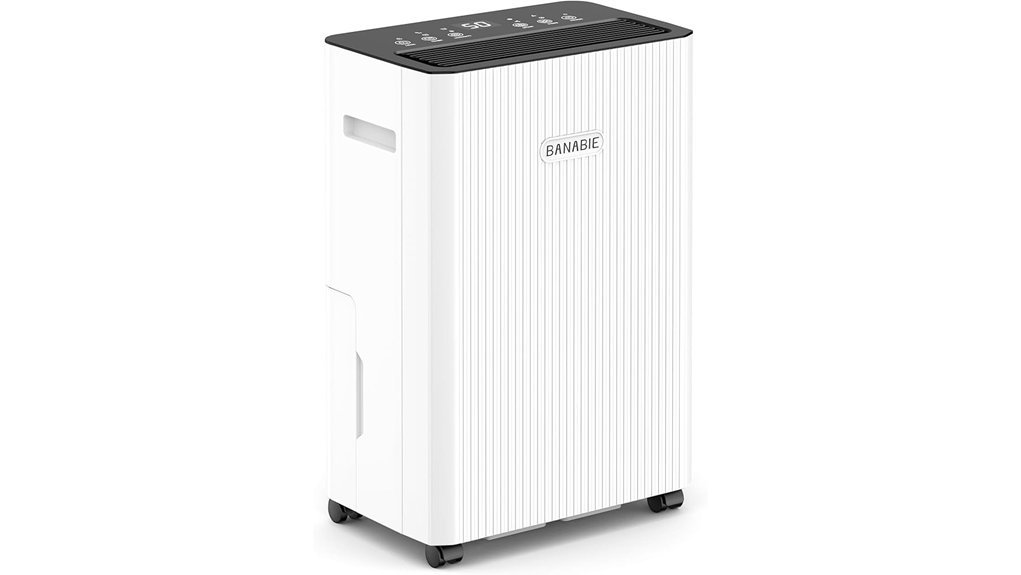
The BANABIE compressor dehumidifier is advertised for rooms of up to 2,500 square feet and for moisture removal of up to 32 pints per day at 95°F and 90% relative humidity. It is a practical candidate for a large bedroom, office, living room, finished basement, or other space where you want automatic humidity control without choosing the largest unit available.
Its controls include automatic, continuous, and customizable operating options. The listing states that the unit can maintain a selected humidity target and operate at noise levels as low as 32 dB. Treat that number as a minimum listing claim because compressor cycles, fan settings, vibration, room surfaces, and placement can affect the sound you hear.
A 2.5-liter water tank supports manual collection, while the included 3.28-foot hose is intended for continuous gravity drainage. The hose must run downward to an appropriate drain; the listing should not be interpreted as saying that the unit can pump water uphill.
Some structured fields on marketplace pages may differ from the main product title or feature bullets. Confirm that the selected offer still displays the expected 32-pint, 2,500-square-foot version before ordering.
Why You’ll Like It
- The claimed 32 dB minimum makes it appealing for noise-sensitive rooms.
- Automatic and customizable humidity modes reduce repeated adjustments.
- It offers both tank collection and continuous gravity drainage.
- Automatic restart, defrost, child lock, wheels, and a timer add convenience.
Who Should Buy This
This model is best suited to buyers who want a portable compressor dehumidifier for a large bedroom, home office, living area, or moderately damp basement and place a high priority on low advertised noise.
Who Should Avoid This
Choose a higher-capacity model for water intrusion, severe dampness, wet materials, or a moisture load that exceeds the ability of a 32-pint maximum-rated appliance. The 2.5-liter tank may also require frequent emptying when continuous drainage is unavailable.
Pros:
- Advertised coverage of up to 2,500 square feet.
- Rated to remove up to 32 pints per day at 95°F and 90% RH.
- Claimed operation as low as 32 dB.
- Includes multiple humidity modes, a timer, drain hose, child lock, defrost, and restart memory.
Cons:
- The water tank can fill quickly in very humid conditions.
- The minimum noise claim may not represent every fan or compressor cycle.
- Maximum extraction is based on warm, highly humid conditions.
- Buyers should check for variant or structured-data inconsistencies on the current listing.
PLUSCENT 32-Pint Dehumidifier for Large Rooms
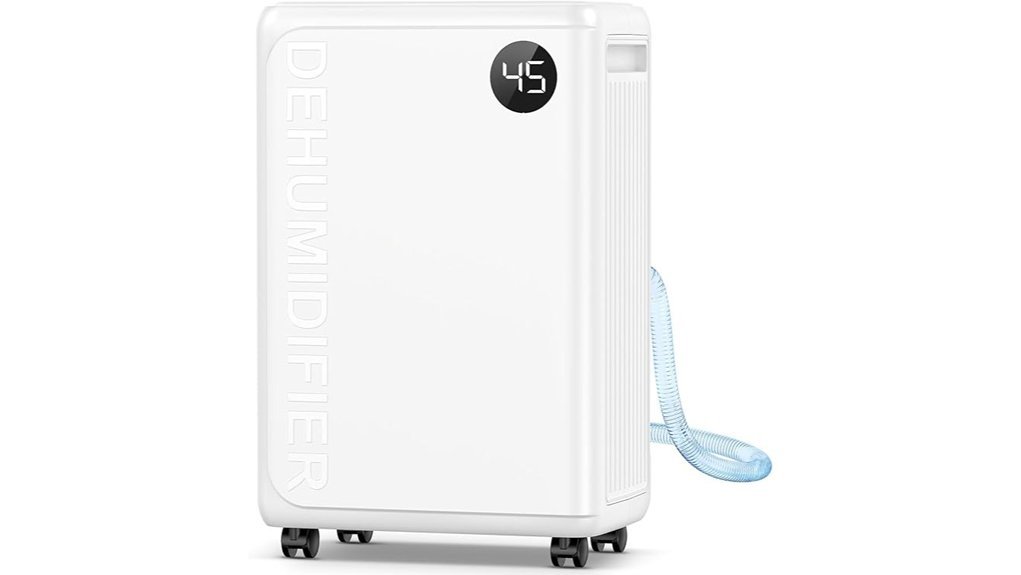
The PLUSCENT 32-Pint Dehumidifier combines a mid-range maximum moisture-removal claim with useful controls and a portable design. It is advertised for spaces of up to 2,500 square feet and for extraction of up to 32 pints per day at 95°F and 90% relative humidity.
Its three operating modes cover adjustable dehumidification, continuous operation, and clothes-drying support. The current listing also describes a selectable 30%–80% humidity range, automatic defrost, a 24-hour timer, child lock, washable filter, automatic shutoff, and automatic restart.
The removable tank holds approximately 2 liters, so manual emptying may be frequent in a wet room. The included 39.4-inch drain hose can make more sense for long-term basement operation, provided the unit is installed above a suitable drain and the hose slopes downward without kinks.
The listed sound range is approximately 39–42 dB. That is still a manufacturer claim, but a range is more informative than a single best-case number. Whether it feels quiet enough for sleeping will depend on placement, fan speed, flooring, room acoustics, and personal sensitivity.
Why You’ll Like It
- It balances capacity, controls, portability, and drainage options.
- The adjustable humidistat supports more precise humidity targets.
- Automatic defrost and restart are useful for basement operation.
- The washable filter reduces the need for disposable filter replacements.
Who Should Buy This
The PLUSCENT is a good all-around option for someone who wants a 32-pint maximum-rated compressor model with wheels, a timer, several operating modes, continuous drainage, and clearly described automatic features.
Who Should Avoid This
Look elsewhere if you need substantially more than a 32-pint maximum rating, a large manual collection tank, a built-in condensate pump, or verified Wi-Fi connectivity. Buyers without a suitable gravity drain should expect to empty the 2-liter tank regularly.
Pros:
- Advertised for areas up to 2,500 square feet.
- Rated for up to 32 pints per day at 95°F and 90% RH.
- Includes dehumidifying, continuous, and drying modes.
- Includes a timer, child lock, washable filter, wheels, defrost, restart, and drain hose.
Cons:
- The 2-liter tank may fill quickly in damp conditions.
- The listed 39–42 dB range may remain noticeable in a very quiet bedroom.
- The advertised floor area should not replace moisture-severity assessment.
- The 32-pint figure is a maximum under warm, highly humid conditions.
SEMKAP 32-Pint Dehumidifier for Home and Basement
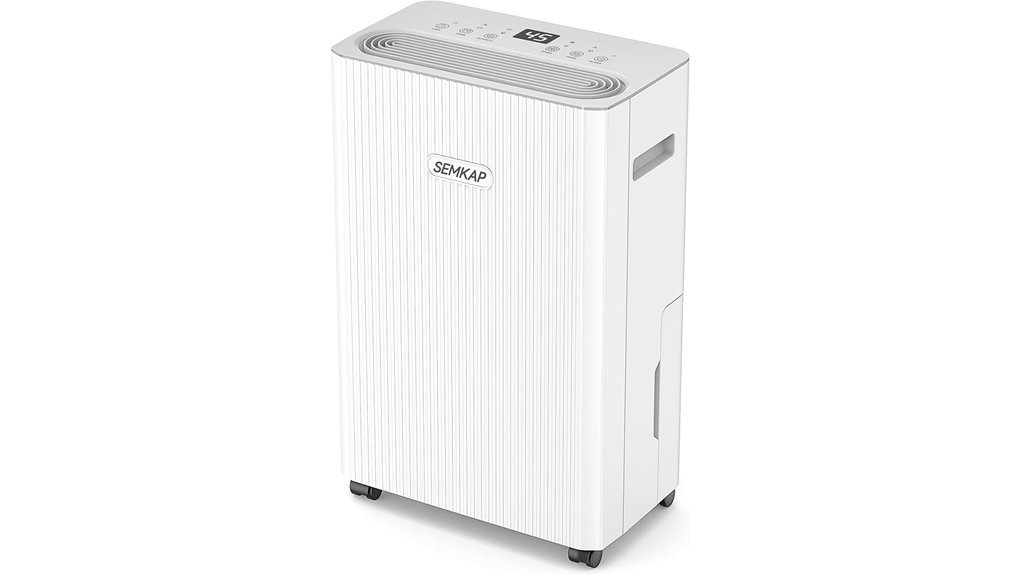
The SEMKAP 32-Pint Dehumidifier is another compressor model marketed for areas up to 2,500 square feet. Its listing claims removal of up to 32 pints per day at 95°F and 90% relative humidity, placing it in the same general capacity group as the BANABIE and PLUSCENT models.
The product listing describes automatic, continuous, and customized operating modes, a 24-hour timer, automatic defrost, automatic restart, child lock, continuous drainage, a 2.5-liter tank, automatic shutoff, portable wheels, and a carrying handle.
Its claimed minimum noise level is 35 dB on the lowest fan setting. That makes it worth considering for a shared living area or office, but it should not be treated as a guarantee that every compressor cycle or fan setting will remain at 35 dB.
This model is most convincing as a conventional portable dehumidifier rather than a connected smart-home appliance. Buyers should confirm the exact warranty, seller support, included drain hose, dimensions, and selected variant before ordering.
Why You’ll Like It
- It offers the main controls needed for routine household humidity management.
- The 2.5-liter tank is larger than the PLUSCENT tank listed here.
- Continuous gravity drainage can reduce manual maintenance.
- Automatic defrost, restart, wheels, and a handle improve everyday usability.
Who Should Buy This
Consider the SEMKAP when you want a conventional 32-pint maximum-rated compressor dehumidifier with automatic humidity control, a timer, wheels, a child lock, and two drainage options.
Who Should Avoid This
A model with more clearly documented certification, a longer established support history, or a built-in pump may be preferable if those factors are your main priorities. A higher-capacity unit will also be more appropriate for severe dampness or large wet areas.
Pros:
- Advertised for spaces up to 2,500 square feet.
- Rated for up to 32 pints per day at 95°F and 90% RH.
- Includes automatic humidity control, defrost, restart, and a 24-hour timer.
- Supports tank collection and continuous gravity drainage.
Cons:
- The 2.5-liter tank may still require frequent emptying.
- The claimed 35 dB minimum applies to the lowest fan setting.
- Warranty and long-term service details should be confirmed.
- The maximum extraction figure may not reflect a cool basement.
Factors to Consider When Choosing Dehumidifiers for Large Rooms
A large floor-area claim does not guarantee that a dehumidifier will control moisture effectively in every room. Use the following factors to compare models based on your actual conditions.
Moisture-Removal Capacity
Daily extraction capacity is expressed in pints per day. It is generally more useful than floor coverage alone, but the number is meaningful only when you understand the conditions used to produce it.
A 32-pint maximum-rated model may be suitable for a moderately damp large room. A higher-capacity model provides more headroom for a warm, very large, or persistently humid space. Do not assume that either unit will collect its maximum listed amount every day.
Seller Ratings Versus Standardized Ratings
Marketplace listings may publish a maximum extraction figure measured in warm, highly humid air. The BANABIE, PLUSCENT, and SEMKAP listings use 95°F and 90% RH for their 32-pint claims. Those conditions contain much more moisture than a cool basement at moderate humidity.
When possible, compare ratings produced under the same test method. Look for the exact rating label, model number, DOE-based capacity, or verified ENERGY STAR record instead of assuming that every “pints per day” number was measured in the same way.
Coverage Versus Real Room Conditions
Advertised square-foot coverage is a general marketing guide rather than a universal sizing standard. A warm, open-plan room with mild humidity may be easier to manage than a smaller cold basement with seepage, poor airflow, wet materials, or frequent laundry drying.
Consider the source of the moisture. A dehumidifier can help control airborne humidity, but it cannot repair a plumbing leak, foundation seepage, roof damage, damaged gutters, or inadequate bathroom ventilation.
Noise Level Considerations
Manufacturers may publish minimum decibel figures measured under favorable conditions. Compressor operation, fan speed, vibration, floor type, wall reflections, and distance from the listener can all affect perceived noise.
For a bedroom or office, place the unit on a firm, level surface and avoid positioning it directly beside the bed or desk. Leave the required clearance around the intake and outlet.
Drainage Options Available
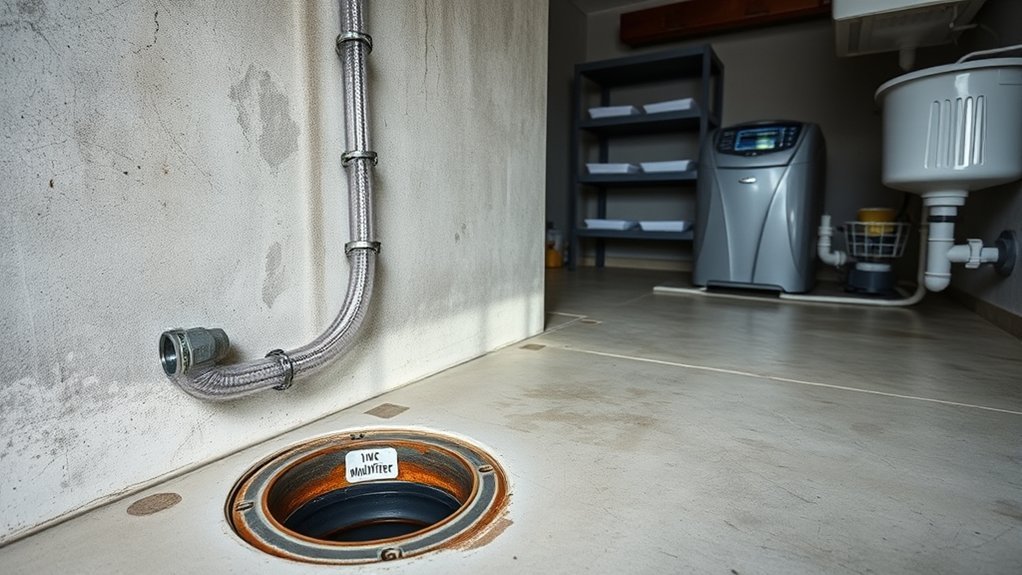
Portable dehumidifiers usually collect water in a removable tank or discharge it through a drain hose. Manual collection allows flexible placement but requires regular emptying. Continuous gravity drainage is more convenient for long operating periods, but the hose must slope downward toward a suitable drain without kinks or upward loops.
Confirm whether the hose is included and measure its length. None of the models in this article should be assumed to pump water upward unless the exact product documentation specifically identifies a built-in pump.
Tank Size and Maintenance
A larger tank reduces how often you need to empty collected water, but it also becomes heavier when full. Small 2- to 2.5-liter tanks can fill quickly in a damp basement even when the appliance has a much higher daily extraction rating.
Clean the washable filter at the interval stated in the manual. Dust buildup can restrict airflow and reduce performance. Also inspect the tank, float mechanism, drain connection, hose, intake grille, and outlet regularly.
Energy Efficiency and Certification
ENERGY STAR certification can help identify models that meet the program’s applicable efficiency requirements. Verify the exact brand and model number in the official ENERGY STAR Product Finder rather than relying only on a marketplace title, badge, brand name, or promotional image.
Efficiency matters most when a unit runs for many hours each day. An adjustable humidistat can reduce unnecessary compressor operation by cycling the appliance after the selected humidity target is reached.
Controls and Automatic Features
Useful controls include an adjustable humidistat, automatic shutoff, automatic restart, automatic defrost, timer, child lock, fan-speed selection, and continuous mode.
These features are different from Wi-Fi or app connectivity. Do not assume that a model connects to the internet or a smart-home platform merely because its listing uses the words “smart humidity control.”
Operating Temperature and Defrost
Compressor dehumidifiers can lose efficiency in cold rooms because frost may form on the coils. Automatic defrost helps the unit manage this condition, but it does not make every model suitable for every low temperature.
Check the manual’s operating-temperature range when the appliance will be used in an unheated basement, garage, crawl space, or seasonal property.
Warranty and Manufacturer Support
Confirm the written warranty length, what parts and labor are covered, who pays return shipping, and how support is contacted. Marketplace return eligibility is not the same as a manufacturer warranty.
Save the receipt, product-page screenshot, model number, serial number, and warranty document. These records may be useful if the listing changes or the unit later requires service.
Portability and Placement
Wheels and recessed handles are useful for moving a dehumidifier across one floor. They do not necessarily make a full unit easy to carry upstairs. Check the appliance weight and empty the tank before moving it.
After transportation, follow the manufacturer’s instructions about keeping the compressor appliance upright before operation. Place it on a stable, level surface and maintain the required airflow clearance.
Before You Buy Checklist
- Measure the room or connected open area.
- Use a hygrometer to check the current relative humidity.
- Identify whether the moisture problem is mildly damp, very damp, or wet.
- Find and correct leaks, seepage, and ventilation problems.
- Check the pint rating and the conditions used for that rating.
- Confirm the exact model number and selected product variant.
- Check the operating-temperature range.
- Decide whether you will use the tank or continuous drainage.
- Measure the drain route and confirm that gravity drainage will work.
- Check whether the drain hose is included and long enough.
- Do not assume the unit has a pump unless the documentation says so.
- Check the tank capacity, dimensions, weight, and power requirements.
- Confirm automatic defrost and restart behavior.
- Read the written warranty and support terms.
- Verify any ENERGY STAR claim using the exact model number.
Frequently Asked Questions
What Is the Ideal Humidity Level for a Large Room?
A practical indoor target is generally between 30% and 50% relative humidity. Keeping humidity below 60% can help reduce conditions favorable to mold growth. The most comfortable setting will depend on the season, climate, room temperature, building materials, and household needs.
How Many Pints Should a Large-Room Dehumidifier Remove?
There is no single correct capacity for every large room. A 32-pint model may be adequate for a moderately damp living area or basement, while a higher-capacity model provides more headroom for a very large, warm, or persistently humid space.
Base your decision on measured humidity, dampness severity, temperature, and water collected rather than floor area alone.
What Does a 32-Pint Rating at 95°F and 90% RH Mean?
It means the seller measured or states the maximum extraction figure under very warm and highly humid conditions. Because warm air can contain more moisture, the unit will usually collect less water in a cooler basement or a room with lower relative humidity.
Compare competing products only when their capacity figures use the same test conditions.
Is a 32-Pint Model Enough for 2,500 Square Feet?
It may be enough for a moderately damp, open space, but the square-foot claim does not guarantee performance. A very damp or wet area over 2,000 square feet may need more than a 32-pint capacity, especially when there is seepage, wet laundry, low temperature, poor circulation, or several closed rooms.
How Often Should I Empty the Water Tank?
Empty it whenever the full-tank indicator or automatic shutoff activates. In very humid conditions, a small tank may fill more than once per day. Continuous gravity drainage is usually more convenient when the unit will operate for long periods near a suitable drain.
Can I Run a Dehumidifier Continuously?
Many compressor dehumidifiers include a continuous mode, but you should still follow the manufacturer’s placement, drainage, cleaning, electrical, and operating-temperature instructions.
Automatic humidity control is often more practical for routine use because it allows the compressor to cycle after the selected setting is reached.
Are Dehumidifiers Noisy During Operation?
Compressor dehumidifiers produce fan noise, compressor sound, and occasional vibration. Models with lower advertised minimums may be more suitable for bedrooms and offices, but room acoustics and placement can make a noticeable difference.
Published noise numbers should be treated as comparison guidance rather than a guarantee.
Does Smart Humidity Control Mean the Dehumidifier Has Wi-Fi?
Not necessarily. In many listings, “smart humidity control” simply means that an electronic humidistat monitors humidity and cycles the compressor or changes operating behavior automatically.
Do not assume the product has Wi-Fi, an app, voice control, or smart-home integration unless those features are specifically documented.
Can Dehumidifiers Reduce Allergens?
A dehumidifier does not filter airborne particles in the same way as an air purifier. However, controlling excessive humidity can make the environment less favorable for mold and dust mites.
Visible mold, water damage, and active leaks still require direct correction rather than humidity control alone.
Do Large-Room Dehumidifiers Need a Drain Hose?
No, but a hose can make operation much easier. Without one, you must empty the collection tank whenever it becomes full.
Gravity drainage requires a suitable drain below the outlet and a continuously downward-sloping hose. A standard hose connection does not mean the unit can pump water upward.
Does a 2,500 or 5,000 Sq. Ft. Claim Guarantee Performance?
No. Coverage claims do not account for every room’s temperature, layout, airflow, ceiling height, closed doors, wet materials, or moisture source.
Compare the daily pint rating, test conditions, drainage setup, and real moisture severity before relying on the stated floor area.
Will a Dehumidifier Fix a Wet Basement?
It can reduce airborne moisture, but it cannot repair structural water intrusion. Fix plumbing leaks, foundation seepage, damaged gutters, grading problems, roof damage, or poor ventilation first.
Seek qualified help when water is entering the building, electrical systems are exposed to moisture, or mold growth is extensive.
How Do I Check ENERGY STAR Certification?
Find the complete brand and model number on the current product listing and appliance rating label. Then search for that exact model in the official ENERGY STAR Product Finder.
A similar model name, the same brand, or an ENERGY STAR graphic in a marketplace image is not enough to confirm certification of the exact appliance.
Final Recommendation
Choose the Ludatido 80-Pint model when the highest claimed moisture-removal capacity is your main priority. Confirm the exact model, tank capacity, rating method, warranty, offer status, and ENERGY STAR record before ordering.
Choose the BANABIE 32-Pint model for a large bedroom, office, or living area where low advertised noise and flexible humidity modes matter most. Confirm that the selected variant shows the expected 32-pint and 2,500-square-foot specifications.
Choose the PLUSCENT 32-Pint model when you want the most balanced combination of documented operating modes, adjustable humidity settings, automatic defrost, restart, portability, and continuous drainage.
Choose the SEMKAP 32-Pint model when you prefer a straightforward alternative with a 2.5-liter tank, timer, child lock, automatic controls, portable design, and two drainage methods.
Conclusion
The best dehumidifier for a large room is the one whose capacity, test conditions, drainage setup, operating range, and warranty match the actual moisture problem. The Ludatido offers the highest claimed extraction figure in this group, while the BANABIE, PLUSCENT, and SEMKAP provide more compact 32-pint maximum-rated alternatives.
Before ordering, measure the space, check its relative humidity, identify and repair leaks, compare rating conditions, plan the drainage route, and confirm the exact model and current specifications. This approach is more reliable than choosing a dehumidifier based only on the largest advertised square-foot number.