Affiliate disclosure: As an Amazon Associate, we may earn from qualifying purchases. This does not change the price you pay or affect our recommendations.
If you want the best 5L dehumidifiers and compact humidity-control options for 2026, this guide helps you compare four different solutions for different spaces. Spider Farmer is best for grow tents and indoor gardening where precise humidity control matters. LUKO is the strongest choice for larger rooms and basements because it focuses on active moisture removal. Quiet Ultra is better for people who actually need a 5-liter humidifier for dry bedrooms, nurseries, or home comfort. Silent Dry is a simple pick for small enclosed spaces like safes, closets, cabinets, camera cases, and bags. Before choosing, compare the room size, moisture problem, tank or absorption style, noise level, drainage needs, and how much daily maintenance you want.
Quick Verdict
Best for large damp rooms: LUKO 30 Pint Dehumidifier because it offers stronger active moisture removal and continuous drainage support.
Best for grow tents: Spider Farmer because it gives controlled humidity settings for indoor growing spaces.
Best for dry bedrooms: Quiet Ultra because it is a 5L humidifier, not a standard dehumidifier, and is better for adding moisture to dry air.
Best for small enclosed storage: Silent Dry because it uses rechargeable moisture-absorbing blocks without cords, batteries, or a water tank.
| Product | Best For | Main Function | Key Buying Note | Amazon |
|---|---|---|---|---|
| Spider Farmer 5L Humidifier and Dehumidifier | Grow tents and indoor gardens | Humidity control | Best when paired with the right setup and airflow. | Check Price on Amazon |
| LUKO 30 Pint Dehumidifier | Large rooms and basements | Active dehumidifying | Use continuous drainage if the room is very damp. | Check Price on Amazon |
| Quiet Ultra 5L Humidifier | Dry bedrooms and home use | Humidifying | Choose this for dry air, not for removing moisture. | Check Price on Amazon |
| Silent Dry Rechargeable Blocks | Small enclosed storage spaces | Passive moisture absorption | Not designed for full rooms or heavy dampness. | Check Price on Amazon |
Spider Farmer 5L Humidifier and Dehumidifier
Best for Grow Tents
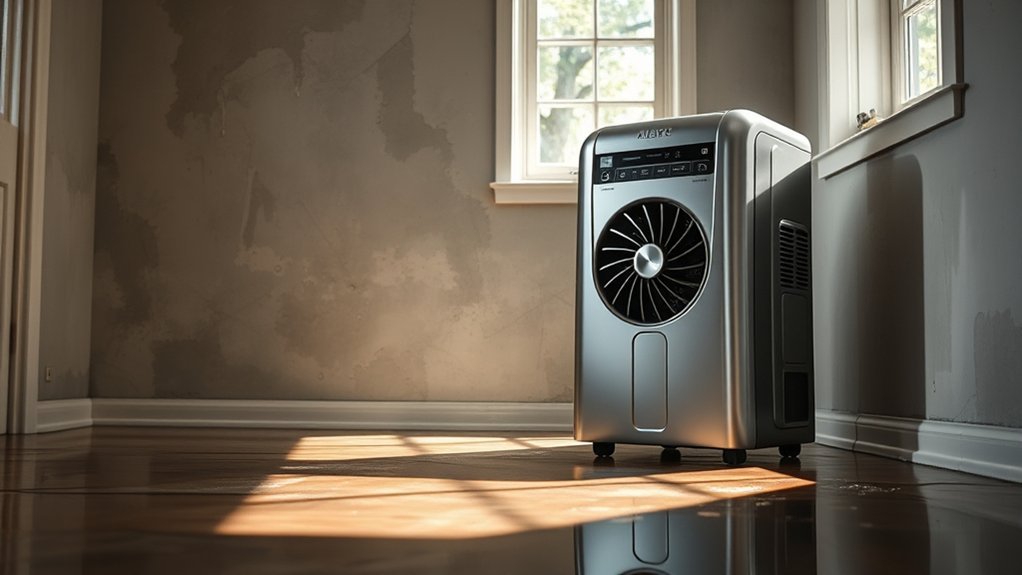
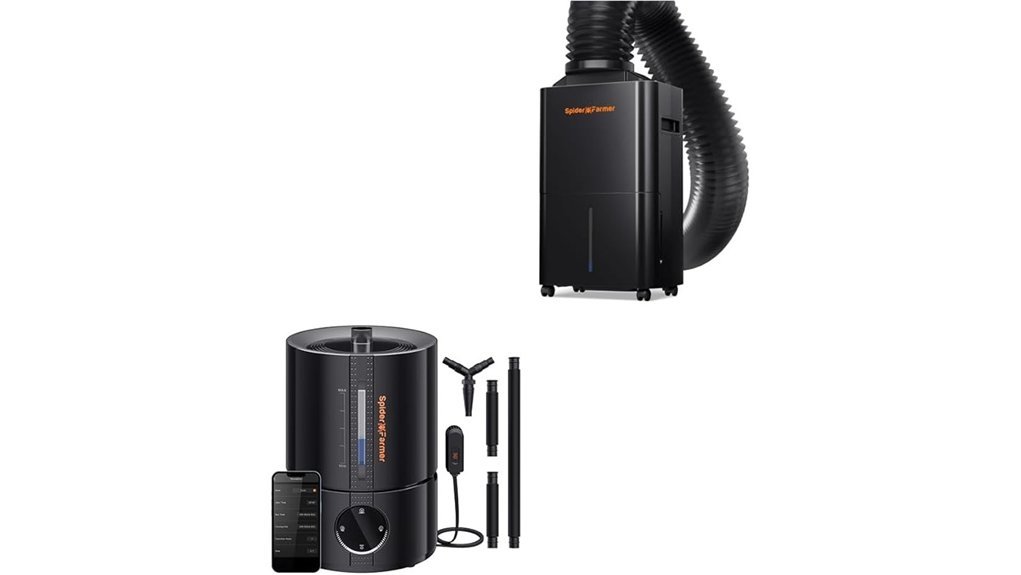
The Spider Farmer 5L Humidifier and Dehumidifier is a strong pick if you need precise humidity control in a grow tent, greenhouse, or small indoor grow room. Instead of being a basic room dehumidifier only, it is designed for controlled growing environments where plants may need humidity added or reduced depending on the season, airflow, and growth stage. You can set four mist levels and dial humidity from 35% to 95% in 5% steps. Its upgraded sensor reads conditions and turns on or off automatically, which can help reduce constant manual adjustments.
You’ll also appreciate the quiet ≤35dB operation if your grow setup is near a living area. App control support through a GGS Controller or AC5/AC10 Power Strip can make it more useful for growers who want automation. The Y-shaped outlet and extendable hoses fit many setups, while the dehumidifier can sit outside your tent to help limit heat inside the growing area. For the best results, make sure the unit matches your tent size, ventilation setup, and target humidity range.
Why You’ll Like It
This model is useful when you want more control than a basic plug-in moisture remover can offer. It suits growers who monitor humidity closely and want flexible settings for different plant needs.
Best For: Growers and indoor gardeners who want precise, quiet humidity control with automation support for tents, greenhouses, or small grow rooms.
Who Should Avoid This: Skip it if you only need a simple dehumidifier for a damp basement, bathroom, or full-size living room.
Pros:
- Combines humidification and dehumidification functions for flexible humidity management.
- Adjustable humidity settings from 35% to 95% in 5% increments.
- Quiet operation plus remote control support through compatible Spider Farmer accessories.
Cons:
- Best suited for grow tents and smaller to mid-sized controlled spaces, not large damp rooms.
- Dehumidifier performance depends on placement, ventilation, and environmental conditions.
- App/controller features may require compatible Spider Farmer accessories to fully use.
LUKO 30 Pint Dehumidifier for Large Rooms and Basements
Best for Large Rooms
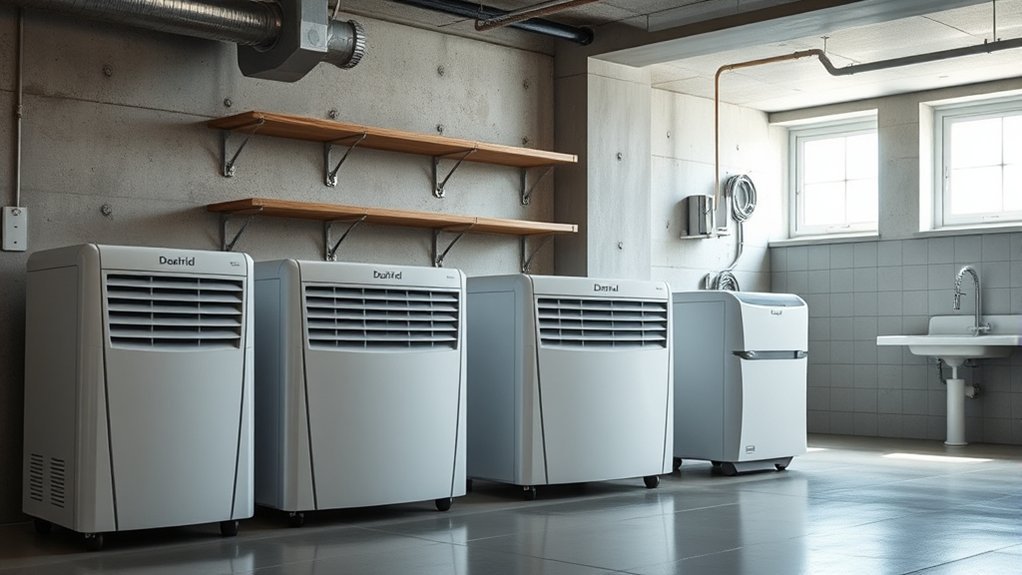
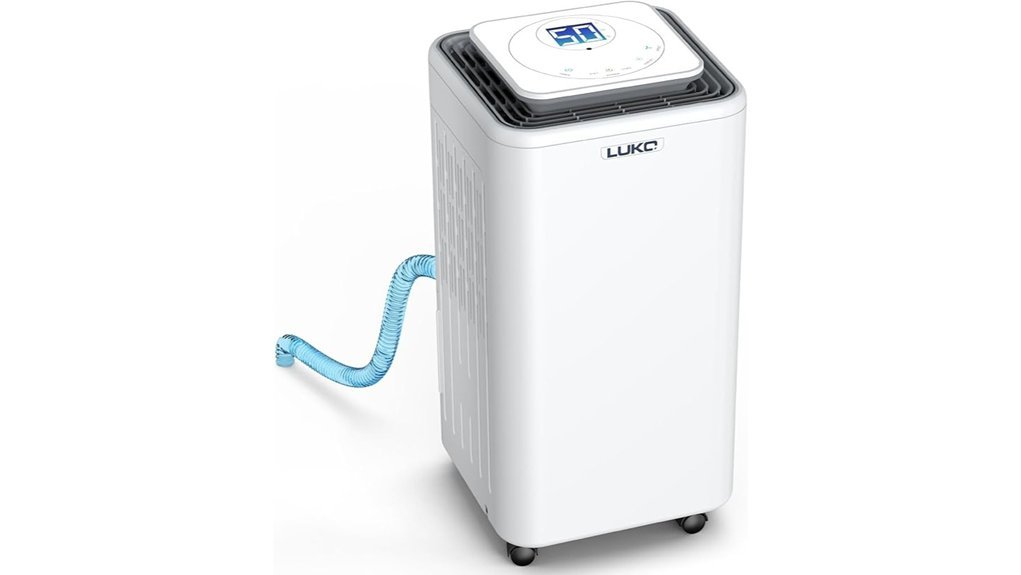
If your main problem is damp air in a room, basement, laundry area, or storage space, the LUKO 30 Pint Dehumidifier is the most traditional dehumidifier in this roundup. It is built for strong coverage, with listed coverage up to 2,000 sq ft and 30 pints of daily moisture removal under suitable conditions. You can set humidity anywhere from 30% to 80% and use the LED display to check real-time humidity levels.
Its 68oz tank is useful for normal use, while the included 3.3ft hose gives you a continuous drainage option. That matters because a damp basement can fill a small tank quickly. When the tank fills, the unit shuts off automatically and shows a red light. You’ll also get 360° wheels, handles, a washable filter, laundry mode, two fan speeds, a 24-hour timer, and a quiet 45dB sleep mode. If you want one unit for active moisture removal, this is the easiest product here to understand.
Why You’ll Like It
This is the best match for readers who searched for a dehumidifier because they have damp air, musty smells, condensation, or moisture buildup in a larger space.
Best For: Homeowners needing an efficient, portable dehumidifier for large rooms, basements, laundry areas, or spaces up to 2,000 sq ft.
Who Should Avoid This: Avoid it if you only need moisture control for a tiny cabinet, safe, camera case, or bag.
Pros:
- Removes up to 30 pints of moisture per day under suitable conditions and covers larger areas effectively.
- Offers convenient drainage options, including a 68oz tank and continuous drain hose.
- Includes useful features like quiet sleep mode, laundry dry mode, timer, and easy mobility.
Cons:
- The 68oz tank may require frequent emptying if continuous drainage is not used.
- Real-world moisture removal can vary based on temperature, humidity, room size, and airflow.
- Lacks advanced smart-home connectivity or app-based controls.
Quiet Ultra 5L Humidifier with Timer and Remote
Best for Dry Air
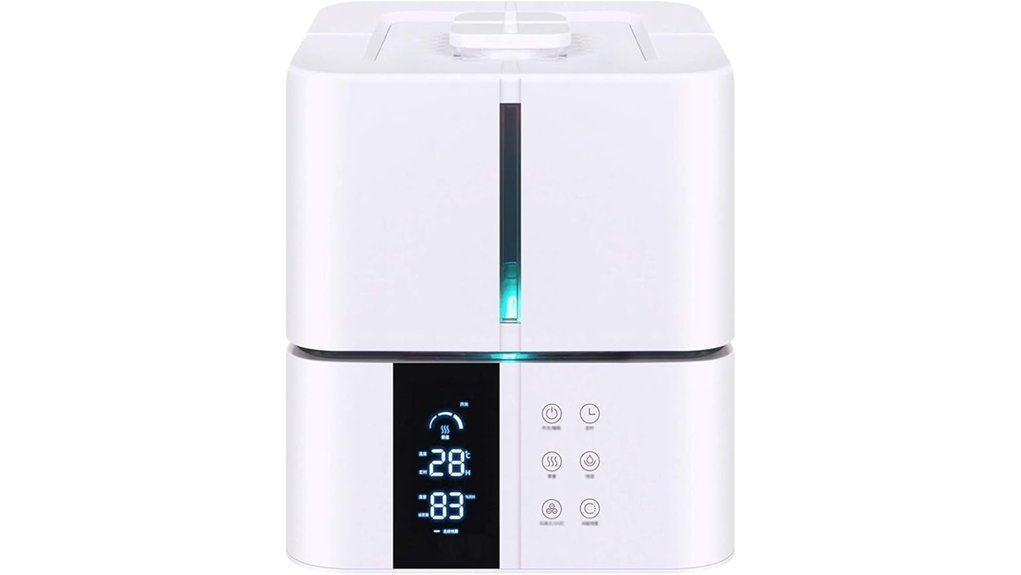
The Quiet Ultra 5L Humidifier is different from a dehumidifier because it is designed to add moisture to dry indoor air, not remove moisture from damp air. That makes it a better fit for dry bedrooms, winter air, air-conditioned rooms, and family spaces where low humidity causes discomfort. With a 1-8 hour timer and remote, this Quiet Ultra 5L humidifier suits busy bedrooms and home use. You can set it, adjust it from across the room, and let it help keep moisture steady without constant attention.
Its 5-liter tank supports long runs, while the top-fill design makes refills easier. The unit shuts off automatically when it reaches your target humidity, helping protect the device and reduce over-humidifying. It runs very quietly, so it is better suited for sleep spaces than loud machines. You can also add essential oils if the product instructions allow it, but use caution in sensitive spaces, especially around babies, pets, allergies, or asthma concerns.
Important Buying Note
Choose this product if your room feels too dry. Do not choose it if you need to remove moisture, dry a basement, reduce condensation, or control musty odors.
Best For: Families, bedrooms, dry rooms, and anyone who wants a quiet, easy-to-use 5L humidifier for home comfort.
Who Should Avoid This: Avoid it if your room is already damp or if you are trying to lower humidity.
Pros:
- 1-8 hour timer and remote control make it convenient to adjust from across the room.
- 5-liter top-fill tank supports long operation and easy refilling.
- Very quiet operation with auto shut-off for added safety and peace of mind.
Cons:
- It is a humidifier, not a true dehumidifier for damp rooms.
- 5L size may still require periodic refilling during heavy or continuous use.
- Essential oil use may not be ideal for everyone, especially in sensitive baby spaces.
Silent Dry Rechargeable Gun Safe Dehumidifier Blocks
Best for Small Storage
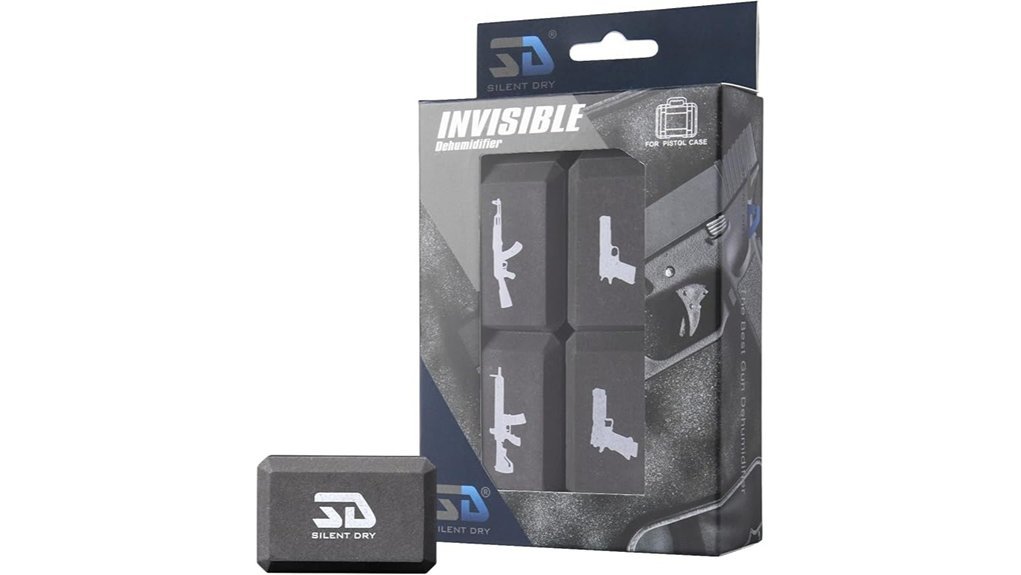
Silent Dry’s rechargeable dehumidifier blocks are not a powered room dehumidifier. They are better for small enclosed spaces where you want low-maintenance moisture control without cables, batteries, tanks, or noise. You get four blocks that work well in compact storage areas such as safes, closets, cabinets, camera cases, gym bags, and travel bags. They absorb moisture, help manage humidity, and can last for weeks before renewal depending on the environment.
This style is best when you want simple protection for small belongings, not when you need to dry the air in a bedroom, basement, or laundry room. When performance drops, the blocks can be renewed by heating them according to the product instructions. The original guidance says to heat them in a microwave for five minutes or use an oven, and to give them an initial heat before first use because shipment can leave them slightly damp. Always follow the manufacturer’s current heating and safety instructions before recharging.
Why You’ll Like It
This is a practical choice if you want silent moisture absorption in a sealed or semi-sealed space and do not want a powered device running nearby.
Best For: Gun owners, travelers, photographers, and anyone needing low-maintenance moisture control for small enclosed spaces like safes, cabinets, camera cases, closets, or gym bags.
Who Should Avoid This: Avoid it if you need to reduce humidity in a room, basement, bathroom, or other open living space.
Pros:
- Works in compact spaces up to 5L and comes with four reusable blocks.
- Absorbs moisture and helps manage humidity in small enclosed areas.
- Rechargeable design means no cables, batteries, or disposable desiccant bags.
Cons:
- Needs to be renewed regularly, with timing depending on humidity and use conditions.
- Requires microwave or oven heating for reactivation, which adds maintenance.
- Best suited only for small spaces, so it will not work well for larger storage areas or rooms.
Factors to Consider When Choosing a 5L Dehumidifier
When you choose a 5L dehumidifier or compact humidity-control product, start with the real problem in your space. A damp basement needs active moisture removal capacity. A dry bedroom needs a humidifier. A small safe, cabinet, or case may only need passive absorption blocks. You should also check the noise level, tank size, drainage options, controls, timer settings, and maintenance routine. The right choice depends less on the word “5L” and more on whether the product actually removes moisture, adds moisture, or absorbs moisture in a small enclosed area.
Before You Buy Checklist
- Room problem: Are you removing moisture, adding moisture, or protecting stored items?
- Space size: Is it a basement, bedroom, grow tent, cabinet, or small case?
- Drainage: Do you need a tank, drain hose, or no water tank at all?
- Noise: Will the product run near a bed, desk, nursery, or living room?
- Maintenance: Are you willing to empty a tank, refill a humidifier, clean a filter, or recharge blocks?
Moisture Removal Capacity
Moisture removal capacity is one of the most important specs to check because it tells you how much humidity a dehumidifier can pull from the air in 24 hours, usually measured in pints per day. When you shop, compare that number with your moisture problem. Higher ratings work better in damp basements, laundry rooms, and larger rooms. Don’t ignore the test conditions, either. A unit rated under warm, very humid conditions may perform differently in cooler or drier air.
If you want steadier operation, look for continuous drainage, since it lets you run the unit without stopping to empty the tank. That keeps moisture removal more consistent and helps the dehumidifier stay effective throughout the day. Passive blocks, on the other hand, should not be judged like a room dehumidifier because they are designed for small enclosed spaces.
Coverage Area Needs
How much space do you actually need a humidity-control product to handle? You should match its coverage area to your room size and use case. If you are targeting a bedroom, basement, or grow tent, check that the model can manage that layout efficiently. A powered room unit makes more sense for large damp spaces, while desiccant-style blocks are better for small enclosed storage.
You also want moisture removal that fits the area. Some active units may pull around 30 pints per day under high humidity, which helps in larger, damp spaces. Adjustable humidity settings can also help you fine-tune performance for your environment. Finally, choose a unit with wheels or an ergonomic handle if you plan to move it between rooms.
Noise Level
Noise level matters a lot if you plan to use a dehumidifier or humidifier in a bedroom, office, nursery, grow room, or shared living space. You’ll want a model that won’t interrupt sleep, focus, or conversation. Ultra-quiet units may run at 35dB or below, which is ideal if you’re sensitive to sound. Standard models usually sit around 45dB, and that can still be manageable in many rooms, but you may notice it more during quiet moments.
Many newer dehumidifiers include silent modes, sleep modes, or lower fan settings so you can reduce disturbance at night or while you work. Passive moisture blocks are silent because they have no motor. Check the decibel rating before you buy, then match it to where you’ll place the product and how often you’ll run it.
Drainage And Tank Size
A dehumidifier’s tank size plays a big role in how convenient it is to use, since a larger reservoir means you won’t have to empty it as often. If you’re placing the unit in a larger or very damp space, look for continuous drainage so excess water can leave automatically without you stepping in. That setup can save you repeated trips to the sink.
Overflow protection also matters because it shuts the unit off when the tank is full, helping prevent spills or damage. For humidifiers, the tank works the opposite way because you refill it to add moisture to the air. For rechargeable blocks, there is no tank at all, but you do need to recharge or renew them when their moisture absorption slows down.
Control And Timer Options
Once you’ve sorted out drainage and tank capacity, the next thing to weigh is how easily you can control the product day to day. Look for a 24-hour timer if you want to automate run times and reduce wasted energy. A remote control lets you tweak settings without crossing the room, which is handy in bedrooms or living spaces. An intelligent humidity display helps you see the current moisture level at a glance, so you can make faster adjustments.
Multiple modes, like laundry drying or sleep mode, give you more flexibility for different rooms and routines. Finally, check for auto shut-off. On a dehumidifier, it helps stop operation when the tank is full or when your target humidity is reached. On a humidifier, it helps avoid dry running and can reduce the risk of adding too much moisture.
Maintenance And Cleaning
Maintenance can decide whether you actually enjoy using the product. Active dehumidifiers may need tank emptying, filter cleaning, and drain hose checks. Humidifiers need refilling and regular cleaning to reduce buildup inside the tank. Rechargeable blocks need periodic heating or renewal according to the manufacturer’s directions. Before buying, ask yourself which task you are most likely to keep doing consistently.
Pro Tips for Better Humidity Control
- Use a separate hygrometer if humidity accuracy matters in a grow tent, nursery, basement, or storage area.
- Keep doors and windows closed when using a dehumidifier so it does not fight outdoor humidity.
- Use continuous drainage in very damp rooms to avoid constant tank emptying.
- Do not over-humidify bedrooms, because too much moisture can create condensation or encourage musty smells.
- Place passive blocks in enclosed spaces, not open rooms, because they work best where airflow is limited.
Safety and Use Notes
Important: Always follow the product manual for placement, cleaning, drainage, refilling, recharging, and electrical safety. Keep powered units on stable surfaces, do not block airflow, and do not run cords where they can be tripped over. If using a humidifier around babies, pets, allergies, or breathing sensitivities, be cautious with essential oils and keep humidity in a comfortable range instead of making the room overly damp.
Frequently Asked Questions
How Often Should I Clean a 5L Dehumidifier Filter?
You should clean your 5L dehumidifier filter every 2-4 weeks, and more often if you use it daily or notice dust buildup. Check the manual, and rinse or vacuum it gently when needed. If the model is a humidifier instead of a dehumidifier, clean the tank regularly to reduce mineral buildup and stale water odors.
Can a 5L Dehumidifier Run Continuously Overnight?
Yes, you can usually run it overnight if you set the humidity level correctly and keep airflow clear. You should empty the tank first or use continuous drainage if available. Also check for auto-shutoff, sleep mode, and the noise rating before using it in a bedroom.
What Room Size Is Ideal for a 5L Dehumidifier?
You’ll usually get the best results by matching the product to the space rather than only looking at the 5L number. Small 5L units may suit smaller rooms, grow tents, or storage needs, while stronger dehumidifiers with higher pint-per-day ratings work better in larger damp areas. For small enclosed storage, passive blocks may be enough.
Do 5L Dehumidifiers Work in Cold Basements?
Yes, but you may get less moisture removal in cold basements because dehumidifier performance often drops in cooler air. Choose a model suited for low-temperature operation if your basement stays cold, keep doors closed, allow good airflow around the unit, and use continuous drainage if the space is very damp.
How Much Electricity Does a 5L Dehumidifier Use?
Electricity use depends on the product type, compressor or fan design, wattage, humidity level, and run time. A powered room dehumidifier will use more electricity than passive moisture blocks. You can save energy by using a humidistat, timer, sleep mode, and only running the unit when humidity is above your target range.
Is a Humidifier the Same as a Dehumidifier?
No. A humidifier adds moisture to dry air, while a dehumidifier removes moisture from damp air. This matters because choosing the wrong product can make your room less comfortable. If your space smells musty or has condensation, choose a dehumidifier. If your air feels dry, choose a humidifier.
Are Rechargeable Dehumidifier Blocks Good for Rooms?
Rechargeable dehumidifier blocks are better for small enclosed spaces such as safes, cabinets, closets, cases, and bags. They are not the best choice for full rooms, basements, bathrooms, or laundry areas because they do not move air or remove moisture as quickly as powered dehumidifiers.
Final Recommendation
If you want the most practical dehumidifier for a damp room, choose the LUKO 30 Pint Dehumidifier. If you need humidity control for an indoor grow setup, the Spider Farmer 5L Humidifier and Dehumidifier is the better fit. If your room is dry instead of damp, the Quiet Ultra 5L Humidifier makes more sense. If you only need moisture protection inside a small safe, cabinet, camera case, or bag, Silent Dry Rechargeable Blocks are the simplest low-maintenance option.
Conclusion
So, does a 5L dehumidifier or compact humidity-control product really make a difference? Yes, but only if you match it to the right problem. The Spider Farmer is better for controlled grow spaces, LUKO is better for active moisture removal in larger damp rooms, Quiet Ultra is better for adding moisture to dry air, and Silent Dry is better for small enclosed storage. When you focus on capacity, function, noise, drainage, and maintenance, you’ll make a smarter buy and keep humidity in check without choosing the wrong type of product.