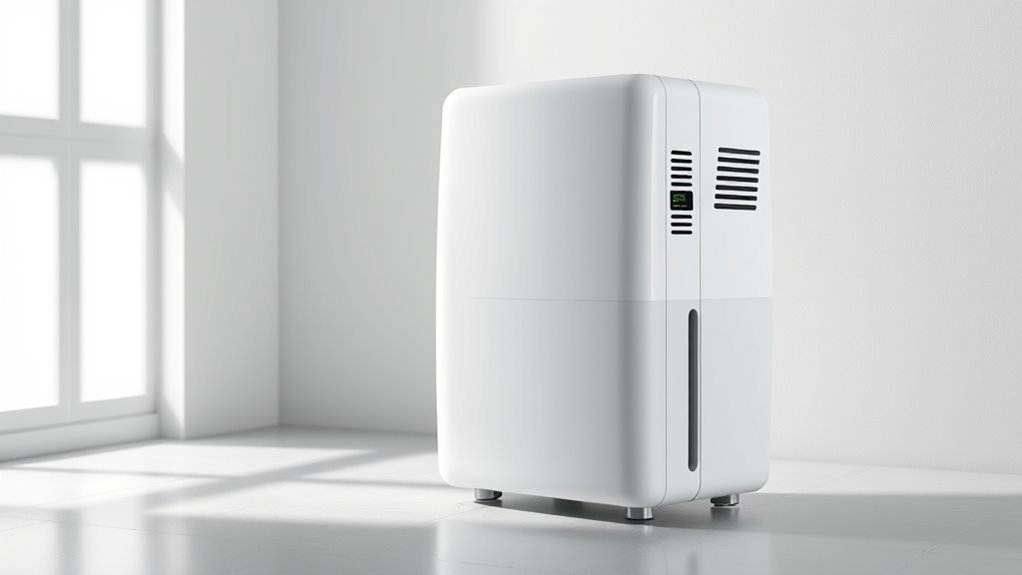
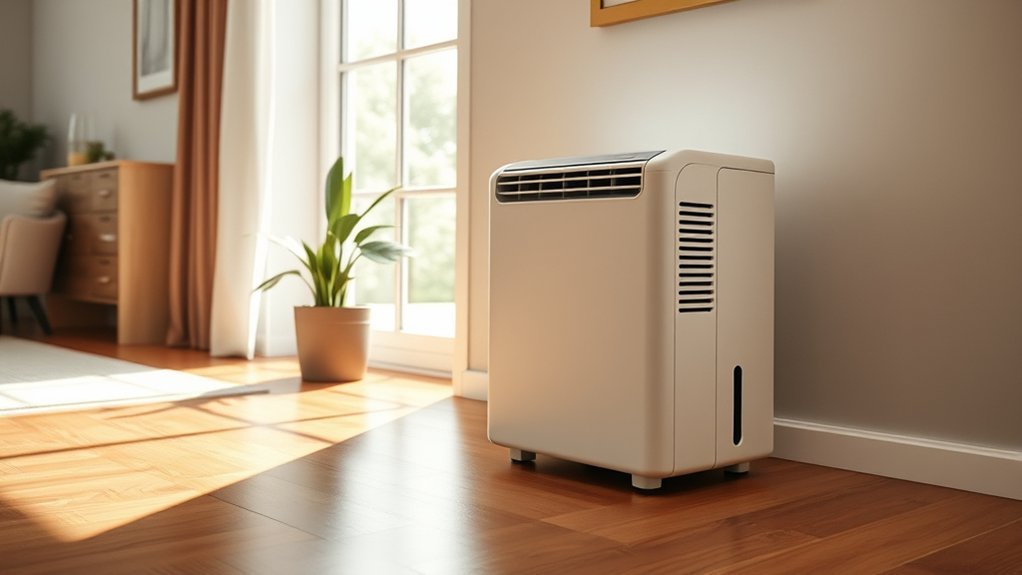
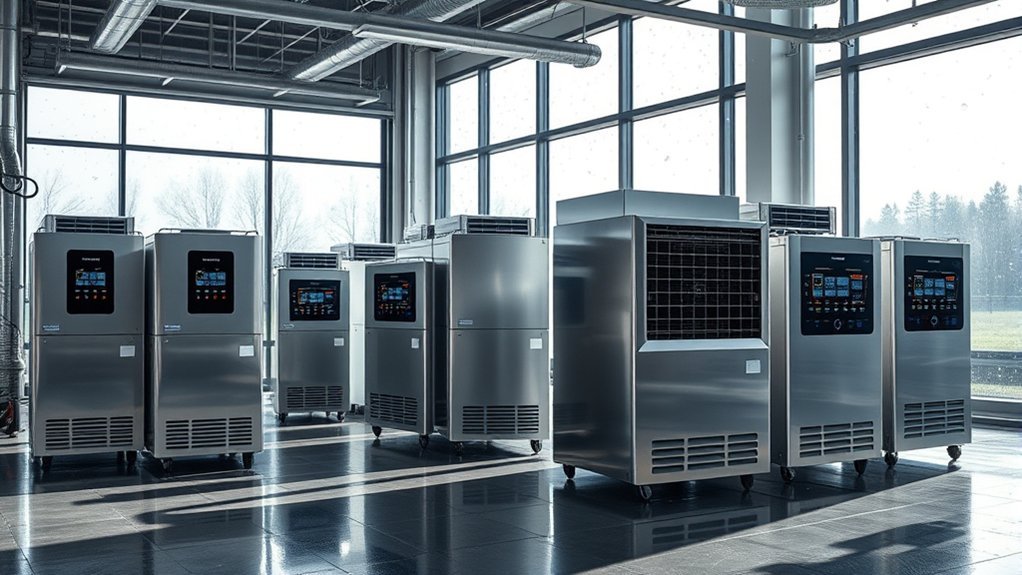
If you’re shopping for the best basement dehumidifiers with HEPA filters in 2026, focus on moisture removal, room size, filter type, drainage needs, noise level, and everyday convenience. The SOICARE 108 OZ is a compact choice for smaller damp areas, the Wantech 1000ml and Sefaul 1000ml combine dehumidifying with true HEPA-style air filtration, the AMARITE 198 PPD is built for larger basements and crawl spaces, and the Tenergy Sorbi is a quiet pick for small rooms. This guide compares each option so you can choose a model that fits your basement, bathroom, closet, RV, or storage area without overbuying.
Quick Verdict
Best for large damp areas: AMARITE 198 PPD Dehumidifier because it offers the highest moisture-removal capacity in this list.
Best compact air-purifying pick: Tenergy Sorbi because it is quiet, lightweight, and designed for smaller spaces.
Best smart-control option: Sefaul 1000ml because it adds WIFI control for easier daily adjustments.
Before you buy: Match the dehumidifier to your room size and humidity level. Small Peltier-style units are useful for closets, bathrooms, RVs, and small rooms, while larger compressor-style units are better for serious basement moisture.
Quick Comparison Table
| Product | Best For | Key Benefit | CTA |
|---|---|---|---|
| SOICARE 108 OZ Home Dehumidifier | Small damp spaces | Large tank, timer, auto-off, HEPA air filter | Check Price on Amazon |
| Wantech 1000ml Dehumidifier | RV, closet, bathroom, small rooms | Moisture control plus true HEPA filtration | Check Product Details on Amazon |
| AMARITE 198 PPD Dehumidifier | Large basements and crawl spaces | High-capacity moisture extraction and rugged shell | View Latest Deal on Amazon |
| Tenergy Sorbi Dehumidifier | Quiet small-space use | Peltier operation, true HEPA filtration, low noise | Check Current Amazon Availability |
| Sefaul 1000ml WIFI Dehumidifier | App-controlled humidity management | WIFI control, true HEPA filter, auto shut-off | See Today’s Price on Amazon |
Home Dehumidifier with HEPA Filter and Timer
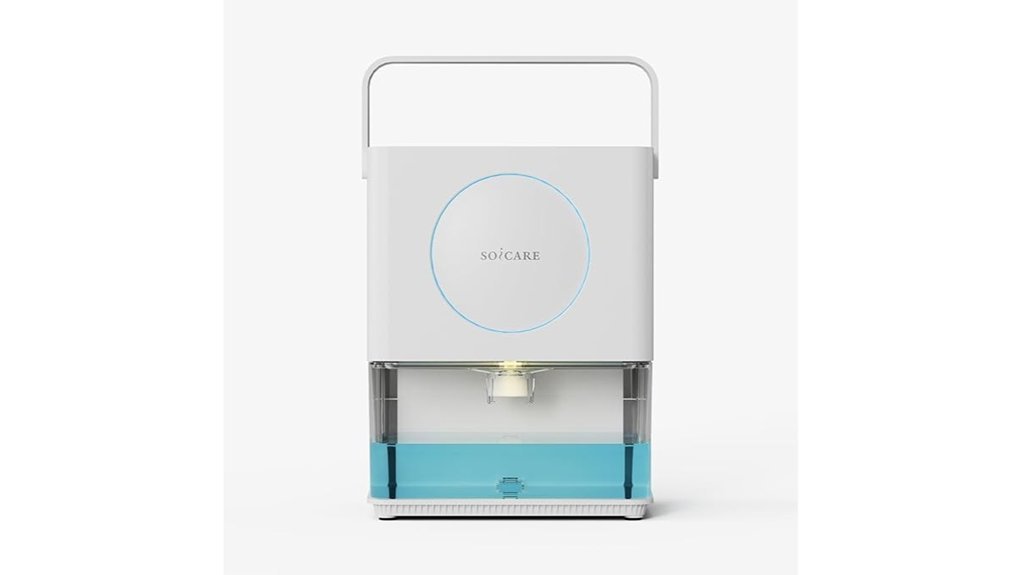
If you’re looking for a compact dehumidifier with added air filtration, the SOICARE 108 OZ Home Dehumidifier is a practical option for smaller damp spaces. It includes a HEPA air filter to help capture airborne particles, a 108 oz water tank for longer operation between emptying, and timer and auto-off functions for easier everyday use. Its defrost feature can also help maintain performance in cooler conditions.
This model is best suited for bedrooms, bathrooms, closets, RVs, and other smaller areas where you want moisture control without a large floor-standing unit. It is not the strongest choice for a large, very wet basement, but it can be useful for targeted humidity control in enclosed spaces.
Best For: Individuals seeking an efficient and compact dehumidifier for small spaces like bedrooms, bathrooms, closets, and RVs.
Why You’ll Like It: The SOICARE model gives you a simple balance of water-tank capacity, air filtering, timer control, and automatic shut-off. It is a good fit if you want a small unit that is easy to place and simple to run.
Who Should Avoid This: Skip this model if your basement is large, unfinished, or has serious moisture problems. A higher-capacity basement dehumidifier will likely be a better match.
Pros:
- HEPA Air Filter: Helps capture airborne particles and improve everyday air freshness.
- Large Water Tank: 108 oz capacity allows longer operation without frequent emptying.
- Convenient Features: Timer and auto-off functions add ease of use and help prevent overflow.
Cons:
- Limited Coverage: Designed for smaller areas and may not be suitable for large rooms or open basements.
- Dehumidification Rate: At 0.5 liters per day, it may work slowly in high-humidity environments.
- Weight: While portable, the 2.95 kg weight may feel less convenient for some users to move frequently.
Buyer Tip: Choose this type of compact unit for light moisture control, not for active water intrusion, flooding, or a basement with persistent mold issues.
1000ml Dehumidifier with True HEPA Filter
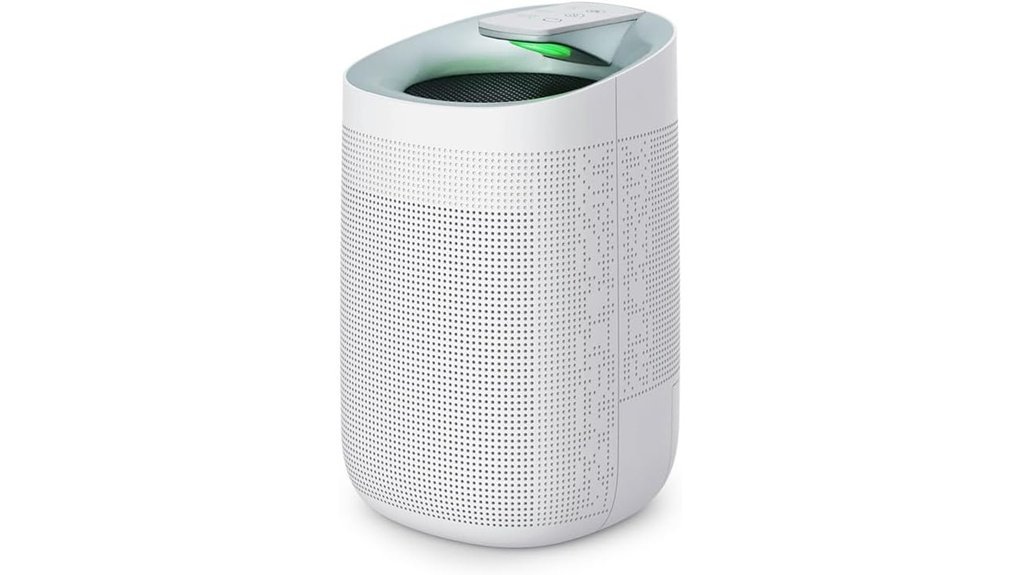
The Wantech 1000ml Dehumidifier with True HEPA Filter is designed for people who want moisture control and cleaner-feeling air in small to medium indoor areas. It is described as covering up to 800 square feet and removing up to 750 ml of moisture daily, helping maintain a more comfortable humidity range in spaces such as RVs, closets, bathrooms, laundry areas, and small basement rooms.
The built-in True HEPA filter is positioned as a helpful feature for dust, pollen, and airborne particle reduction, while the auto shut-off feature helps prevent overflow when the water tank fills. Its compact, energy-conscious design makes it easier to run in everyday living spaces than a bulky industrial unit.
Best For: Individuals seeking an effective solution for moisture control and air purification in small spaces like RVs, closets, bathrooms, or compact basement rooms.
Why You’ll Like It: This model combines two common basement concerns: damp air and airborne particles. It is a strong option if you do not want to buy a separate small air purifier and compact dehumidifier for the same room.
Who Should Avoid This: Avoid it if you need continuous drainage, large-capacity moisture removal, or whole-basement drying power.
Pros:
- Effective moisture removal: Removes up to 750ml of moisture daily, helping maintain healthier humidity levels in smaller spaces.
- True HEPA filter: Captures fine airborne particulates for cleaner indoor air.
- Safety features: Auto shut-off helps prevent overflow during unattended operation.
Cons:
- Water tank capacity: Limited to 1 liter, requiring more frequent emptying in humid environments.
- Filter maintenance: Requires compatible branded filters for optimal performance.
- Coverage limitation: Best suited for smaller or moderately sized spaces, not heavy-duty basement drying.
Buyer Tip: If your main concern is allergy-like irritation from dust or musty air, a HEPA-style filter can be useful, but moisture control still depends on the unit’s daily extraction capacity.
198 PPD Dehumidifier for Basement and Crawl Space
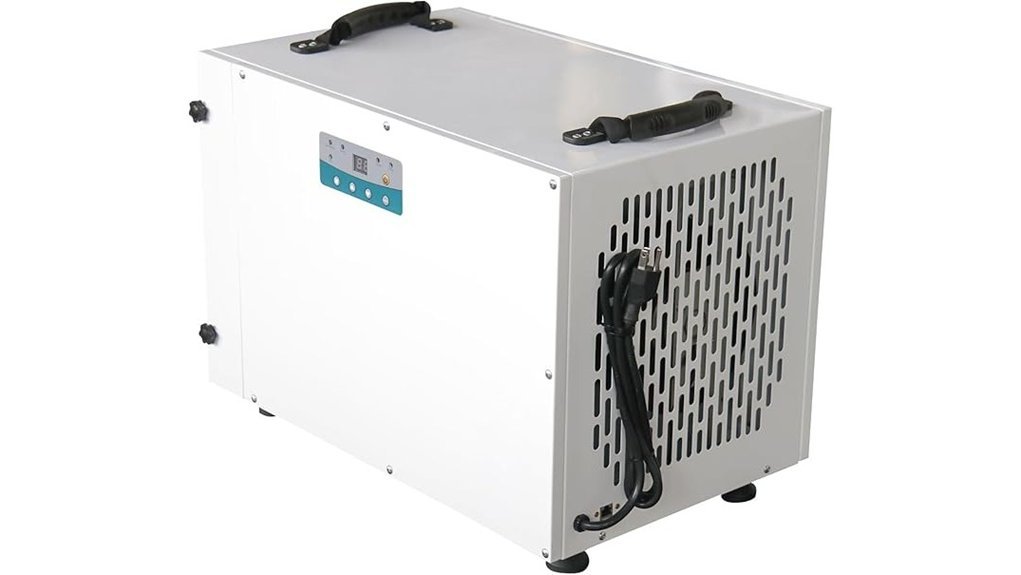
For large basements or crawl spaces, the AMARITE 198 PPD Dehumidifier stands out as the most powerful option in this list. With a capacity of 198 PPD at saturation and 90 PPD under standard conditions, it is built for more demanding humidity control than compact countertop-style units. That makes it a better match for large, damp, unfinished, or problem-prone spaces.
Its rugged metal shell is designed for durability, while airflow reaches up to 238 CFM to help move damp air through the unit efficiently. You also get adjustable humidity control, allowing you to set your desired range between 30% and 80% RH. The included HEPA filter helps capture fine dust and airborne particles, giving this model a helpful air-quality advantage in dusty basements and crawl spaces.
Best For: Those seeking a high-capacity dehumidifier for large basements and crawl spaces needing serious moisture control.
Why You’ll Like It: This is the pick for homeowners who need real basement drying power. It is especially useful if smaller units fill too quickly, run constantly, or fail to bring humidity down in a large area.
Who Should Avoid This: Avoid it if you only need a small bathroom, closet, or bedroom dehumidifier. It may be more capacity, size, and setup than you need.
Pros:
- High moisture extraction capacity of 198 PPD, ideal for expansive areas.
- Durable construction with a rugged metal shell for demanding damp environments.
- Adjustable humidity control and HEPA filter support moisture management and cleaner air.
Cons:
- The initial setup requires a 2-hour resting period before use.
- It may be overkill for smaller spaces or light residential moisture issues.
- Installation options may require additional space for overhead hanging.
Buyer Tip: For a true basement or crawl-space moisture problem, capacity matters more than compact size. Choose this type of unit when you need stronger drying performance and better airflow.
Tenergy Sorbi Dehumidifier with Air Purifying Function
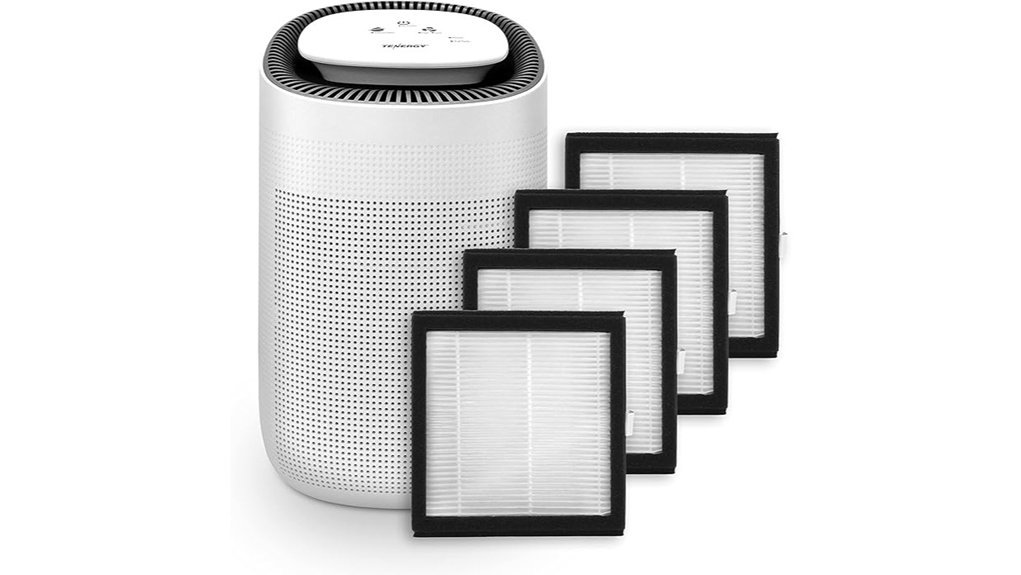
Looking for a compact solution to fight dampness in a smaller room? The Tenergy Sorbi Dehumidifier uses Peltier technology and true HEPA filtration to reduce excess moisture while helping filter the air. With a dehumidification capacity of up to 750ml per day, it is best for small spaces up to 200 square feet, such as offices, bathrooms, closets, laundry nooks, and small basement rooms.
At about 7 lbs, it is easy to move from room to room. The LED indicator and auto shut-off improve day-to-day usability, while the 35-42 dB operating range makes it a quieter option for spaces where noise matters. It is not intended to replace a high-capacity basement unit, but it is appealing if you want a small, quiet, air-purifying dehumidifier.
Best For: Individuals seeking a compact and quiet solution to control humidity and improve air quality in small spaces.
Why You’ll Like It: The Tenergy Sorbi is easy to place, easy to move, and less disruptive than many larger units. It is a good pick for targeted comfort rather than heavy-duty drying.
Who Should Avoid This: Avoid it for large, wet basements, crawl spaces, or rooms where you need fast moisture removal.
Pros:
- Effective dehumidification of up to 750ml per day for small rooms.
- Ultra-quiet operation at 35-42 dB, helping reduce disruption in living spaces.
- User-friendly features such as LED indicators and auto shut-off for added convenience.
Cons:
- Limited coverage of up to 200 square feet, which may not be sufficient for larger areas.
- 1-liter tank may require frequent emptying in very humid conditions.
- Peltier technology may not be as efficient as compressor-based models for larger spaces.
Buyer Tip: Quiet compact dehumidifiers are best for comfort and light humidity control. For standing water, seepage, or very damp basement air, step up to a larger unit.
1000ml Air Dehumidifier with WIFI Control
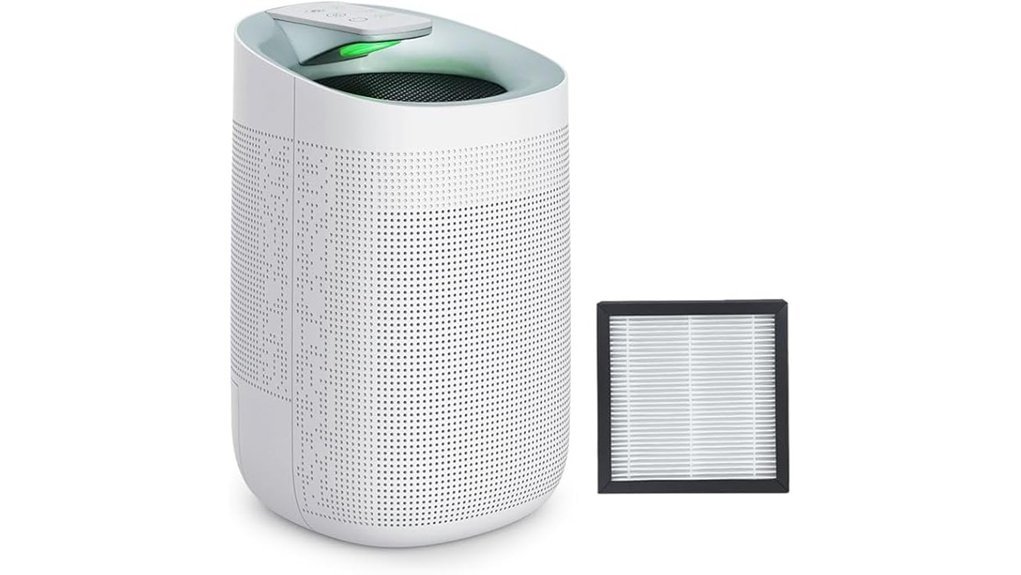
Struggling with humidity and want app-based control? The Sefaul 1000ml Air Dehumidifier is designed for users who want a compact dehumidifier with smart WIFI control. It is described as covering up to 800 sq. ft. and removing up to 750 ml of moisture daily, making it useful for medium-sized indoor areas where humidity is annoying but not severe.
Its true HEPA filter helps capture airborne particles, while the remote-control feature lets you adjust settings without standing next to the unit. Safety features like auto shut-off help protect against overflow, and the eco-friendly design is aimed at reducing everyday power use.
Best For: Those seeking humidity control, air filtration, and remote operation in small to medium indoor spaces.
Why You’ll Like It: The Sefaul model is convenient if you like smart-home control and want to manage humidity from your phone. It is especially useful when the unit sits in a basement room, storage space, or area you do not check often.
Who Should Avoid This: Skip it if you need a high-capacity basement workhorse or do not want to rely on app-based features.
Pros:
- 2-in-1 functionality: Combines dehumidification and air purification for improved air quality.
- Smart WIFI control: Allows convenient remote operation and adjustments via a mobile app.
- True HEPA filter: Captures airborne particles for cleaner indoor air.
Cons:
- Water tank capacity: Limited to 1 liter, requiring frequent emptying for larger or very humid spaces.
- Temperature rating: May not operate efficiently in extreme temperatures above 122°F.
- Weight: At 3.08 kg, it may be less portable for some users.
Buyer Tip: WIFI control is convenient, but it should not be the only reason you buy. Make sure the tank size, coverage, and daily moisture removal match your actual room conditions.
Before You Buy Checklist
- Measure your space: Small units are better for closets, bathrooms, RVs, and small rooms. Larger basements need higher-capacity units.
- Check moisture severity: Light dampness is different from active seepage, musty odors, or visible condensation.
- Think about drainage: Small tanks need manual emptying. Larger areas may benefit from continuous drainage if available.
- Plan for filter care: HEPA filters need cleaning or replacement to maintain airflow and filtration.
- Compare noise levels: Quiet operation matters if the unit is near a bedroom, office, or living area.
- Do not ignore water problems: A dehumidifier can reduce air moisture, but it does not fix leaks, foundation problems, or poor drainage.
Factors to Consider When Choosing a Basement Dehumidifier with HEPA Filter
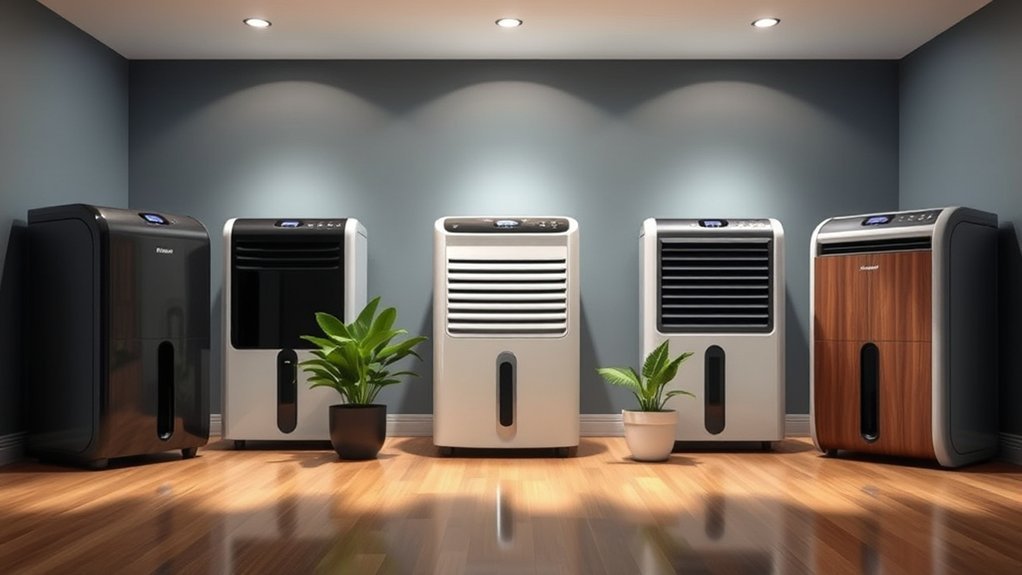
When choosing a basement dehumidifier with a HEPA filter, you need to consider several key factors. Think about the size and coverage area, dehumidification capacity, filter efficiency, noise levels, safety features, drainage, and energy use. The best option is not always the biggest or most expensive one. It is the model that matches your room size, humidity level, and daily maintenance comfort.
Size and Coverage Area
Choosing the right size and coverage area for your basement dehumidifier is essential for peak performance. Units can range from compact models for small spaces to powerful basement and crawl-space units for larger damp areas. Match the dehumidifier to your actual room size for effective moisture control. Larger dehumidifiers often come with bigger water tanks or stronger drainage options, allowing longer operation without frequent emptying.
If your basement is particularly damp, look for models with a higher moisture removal rate. Also, check the airflow design; units with higher CFM ratings better circulate air in larger areas. Finally, consider the unit’s dimensions. Compact designs fit well in tight spaces, while larger models need more clearance and a stable installation area.
Dehumidification Capacity
After determining the right size and coverage area for your basement dehumidifier, it’s time to focus on dehumidification capacity. This capacity is often measured in pints per day or milliliters per day and tells you how much moisture the unit can remove in a 24-hour period. For true basements and crawl spaces, higher-capacity units are usually more effective, especially in damp conditions.
Performance can vary based on temperature, humidity level, airflow, and how sealed the room is. Cooler spaces may reduce moisture removal, while very humid spaces may fill small tanks quickly. Choosing the right capacity helps prevent musty smells, moisture damage, and conditions that encourage mold growth.
HEPA Filter Efficiency
A high-quality HEPA filter can make a noticeable difference in your basement’s air quality. These filters are designed to capture fine airborne particles such as dust, pollen, mold spores, and pet dander. This is especially helpful if your basement feels dusty, stale, or musty.
When choosing a dehumidifier, look for models that clearly describe the filter type. True HEPA filters generally provide stronger particle capture than basic mesh filters. Remember, regular maintenance is key. A clogged filter can reduce airflow, weaken performance, and make the unit work harder.
Noise Level Considerations
When improving your basement’s air quality with a dehumidifier, noise level is a key factor to evaluate. Noise levels can range from quiet Peltier-style models to louder compressor-based units. For spaces near bedrooms, offices, or living rooms, look for quieter operation in the 35-42 dB range when available.
Units with Peltier technology typically produce less noise than compressor-based models, but they are usually better for smaller spaces. Larger compressor units may be louder, but they often remove moisture faster. Always check the manufacturer’s specifications for noise levels, especially if sound sensitivity matters in your home.
Energy Consumption Ratings
Choosing a dehumidifier with efficient energy consumption ratings can affect your utility bills and environmental footprint. Look for models with lower wattage ratings when comparing similar capacity units. An Energy Star certification, when available, is a helpful sign that the unit meets efficiency guidelines.
Also consider the dehumidification capacity. A larger unit may use more power while running, but it may remove moisture faster and cycle off sooner in the right space. Regular maintenance, including replacing HEPA filters and keeping air intake and exhaust areas clear, can also improve efficiency and extend the unit’s lifespan.
Safety Features Included
Efficient energy consumption ratings are just one aspect to evaluate; safety features are equally important when selecting a basement dehumidifier with a HEPA filter. Look for models with an auto shut-off feature that activates when the water tank is full, helping prevent overflow and water damage.
Safety certifications, when provided by the manufacturer, can offer extra peace of mind. A delay mechanism can help protect the compressor from damage after power restoration. A built-in humidity control system also helps maintain ideal levels instead of running nonstop. For damp basements, robust construction is useful because the unit may face moisture, dust, and occasional bumps.
Portability and Design
Portability and design play essential roles in selecting the right basement dehumidifier with a HEPA filter. When you choose a model, consider its weight and dimensions. A lightweight option around 3 kg is easier to move between rooms, while a larger unit may need handles, wheels, or a fixed installation spot.
A compact design helps maximize floor space, especially in tight areas. Look for helpful features such as handles, water level indicators, auto shut-off, removable tanks, and accessible filter placement. Rugged construction is also important for basements because moisture, dust, and storage clutter can make the environment harder on appliances.
Maintenance and Filter Replacement
When selecting a basement dehumidifier with a HEPA filter, maintenance and filter replacement can greatly affect performance. You may need to check and replace the HEPA filter every 6 to 12 months, depending on usage and air quality. Very dusty or musty spaces may require more frequent attention.
Regularly cleaning the water tank is also important to prevent odors, mineral buildup, mold, and bacteria growth. Look for models with filter change indicators if you want an easier maintenance routine. Always use compatible filters recommended for your unit, and keep the intake and exhaust areas clear for better airflow.
Drainage Options
Drainage is one of the most important buying factors for basement use. Small 1-liter tanks can work well for light moisture, but they may need frequent emptying in damp areas. Larger basement dehumidifiers may include hose drainage or pump options, depending on the model.
If you plan to run a dehumidifier daily, think about where the water will go. Manual emptying is fine for occasional use, but continuous drainage can be more convenient for large basements, crawl spaces, and storage areas you do not check often.
Safety Note for Basement Humidity
Important: A dehumidifier helps reduce airborne moisture, but it does not repair leaks, foundation cracks, plumbing problems, or poor exterior drainage. If you see standing water, spreading mold, electrical hazards, or repeated flooding, address the source of the moisture first.
For best results, keep basement humidity in a comfortable range, improve ventilation where possible, clean the tank regularly, and replace filters on schedule.
Frequently Asked Questions
How Often Should I Replace the HEPA Filter in My Dehumidifier?
You should replace the HEPA filter in your dehumidifier every 6 to 12 months, depending on usage and air quality. Regularly check for clogs, dust buildup, odor, or damage to help maintain airflow and filtration performance.
Can I Use a Dehumidifier Without a HEPA Filter?
Yes, you can use a dehumidifier without a HEPA filter if your only goal is moisture removal. However, a HEPA filter can help capture fine airborne particles, which is useful in dusty, musty, or allergy-prone spaces.
What Is the Average Lifespan of a Basement Dehumidifier?
The average lifespan of a basement dehumidifier is about 5 to 10 years. Proper maintenance, filter replacement, tank cleaning, and keeping the unit away from blocked airflow can help extend its useful life.
Are Dehumidifiers Noisy When Operating?
Some dehumidifiers are noisy, especially larger compressor-based models. However, many compact units are designed to run quietly. If noise matters, compare the listed decibel rating and look for lower-noise models for bedrooms, offices, or living spaces.
Do Dehumidifiers Consume a Lot of Electricity?
Dehumidifier electricity use depends on size, capacity, humidity level, and runtime. Smaller models usually use less power, while larger basement units use more energy but remove moisture faster. Choosing the right size can help avoid wasted electricity.
Is a HEPA Dehumidifier Good for Mold?
A HEPA dehumidifier may help reduce airborne particles and moisture, both of which can support a healthier basement environment. However, it does not remove existing mold from surfaces or fix the water source. Clean visible mold safely and address the moisture problem directly.
What Size Dehumidifier Do I Need for a Basement?
The right size depends on square footage, humidity level, temperature, and whether the basement has water seepage or poor ventilation. Small units are better for closets and bathrooms, while larger basements usually need higher-capacity models with stronger airflow and drainage options.
Final Recommendation
For a serious basement or crawl-space humidity problem, the AMARITE 198 PPD Dehumidifier is the strongest match because it offers the highest moisture-removal capacity in this roundup. For smaller rooms, closets, bathrooms, and RVs, the Tenergy Sorbi, Wantech 1000ml, Sefaul 1000ml, and SOICARE 108 OZ are more compact options with useful air-filtering features.
Choose based on your space size first, then compare filter type, tank capacity, noise level, smart controls, and maintenance needs.
Conclusion
In your quest for the perfect basement dehumidifier with a HEPA filter, remember that each feature matters. Room size, moisture-removal capacity, tank size, filter maintenance, noise level, and safety features all affect how well the unit performs in real life. A compact model can work well for light humidity in small spaces, while a large basement or crawl space usually needs a stronger high-capacity unit.
With the right choice, you can transform a damp, musty area into a drier, fresher, more comfortable space. Compare your needs carefully, check the product details before buying, and choose the dehumidifier that best fits your home, basement, and daily maintenance routine.