Affiliate disclosure: This article contains Amazon affiliate links. If you buy through these links, we may earn a commission at no extra cost to you.
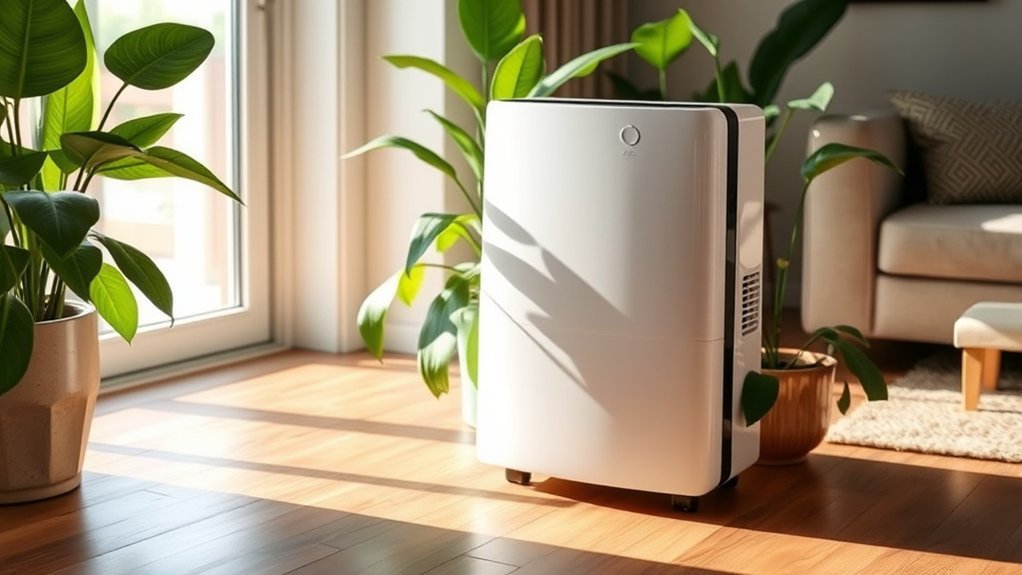
Looking for the best dehumidifiers in Germany for 2026? Start with the moisture problem rather than the biggest room-coverage claim. The product in this guide is a compact dehumidifier designed mainly for light everyday humidity, bedroom comfort, bathroom condensation, closets, and similar smaller-space uses. It is easier to place than a full-size compressor machine, but it should not be treated as a substitute for a high-capacity dehumidifier in a persistently damp cellar, large laundry room, or water-damaged space.
Electrical compatibility is especially important when comparing products from U.S. Amazon listings. Before using any imported appliance in Germany, confirm the exact unit or supplied power adapter supports the required mains input, including voltage and frequency, and verify the plug arrangement, applicable conformity requirements, warranty, returns, and manufacturer support. A simple plug adapter changes the connector shape; it does not make a voltage-incompatible appliance safe to use.
Quick Answer: Best Dehumidifier Choice for Germany
For light daily humidity, compare the BEDRED CT11. BEDRED CT11 has the clearest voltage information on its Amazon listing. It should not be assumed to be suitable for German mains power until the exact appliance or supplied adapter is verified. For serious cellar dampness, constant laundry moisture, or large wet rooms, choose a locally supported EU-market compressor dehumidifier with a published daily extraction rating, humidistat, and appropriate drainage setup.
Quick Verdict: Which Dehumidifier Should You Choose?
- Best-documented voltage listing: BEDRED CT11 because its Amazon product information lists 220V, although Germany buyers still need to confirm frequency, plug compatibility, manufacturer approval, and local support before use.
| Product | Best For | Key Strength | Germany Buying Note | Check Details |
|---|---|---|---|---|
| BEDRED CT11 | Bedrooms, bathrooms, closets, smaller living spaces | 95 oz tank, quiet mode, ambient lighting, and a listing that states 220V | 220V alone does not confirm Germany readiness; verify 50Hz support, plug type, conformity requirements, and manufacturer approval | Check Product Details on Amazon |
Germany buyer note: Germany uses a higher mains voltage than standard U.S.-only 120V appliances. Before ordering an imported dehumidifier, check the rating label or supplied power adapter and obtain manufacturer confirmation that the exact model supports the required voltage and frequency. Also check the plug arrangement, applicable conformity marking, warranty coverage, return terms, and access to replacement parts. A plug-shape adapter alone does not convert voltage or frequency.
Dehumidifier for Home 1000 Sq.Ft with Ambient Light
Best-Documented Voltage Listing
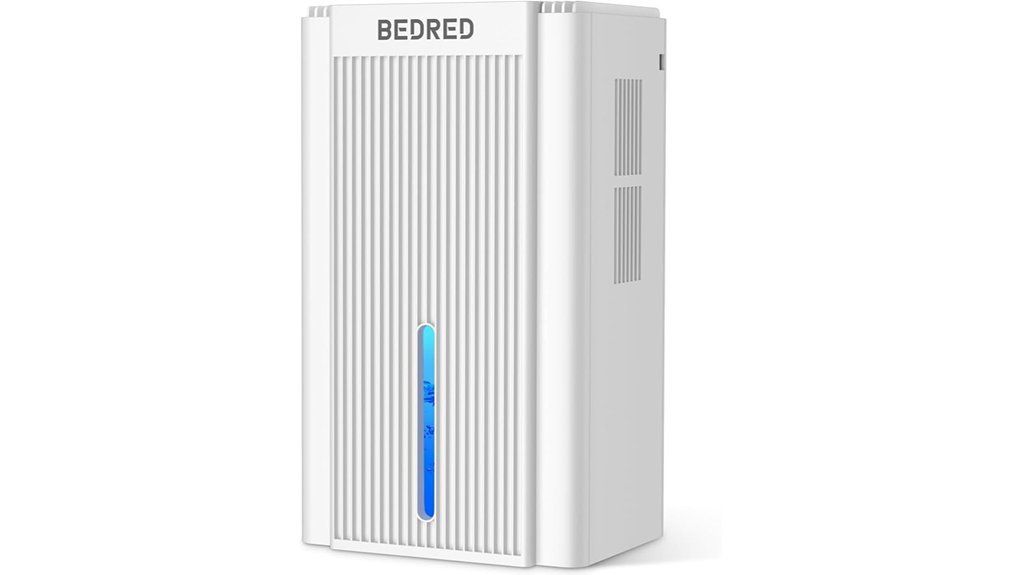
The BEDRED CT11 is a compact option for bedrooms, bathrooms, closets, and smaller living areas where quiet operation and simple controls matter. Its Amazon product information lists a 95-fluid-ounce tank, 85W power rating, 220V voltage, automatic shut-off, quiet sleep-oriented operation, and seven-color ambient lighting. The stated 220V specification makes its electrical information clearer, but it still does not by itself prove that the exact unit is approved for Germany’s mains frequency, plug arrangement, or local market requirements.
Best For: Buyers who want a quiet, simple compact dehumidifier for mild daily humidity and prefer a listing with more explicit electrical information.
Why You’ll Like It: The 95-ounce tank, compact design, auto shut-off, sleep mode, and ambient lighting make it easier to integrate into a bedroom or smaller living space without feeling like a large utility appliance.
Who Should Avoid It: Avoid this model for persistent wet walls, water intrusion, a seriously damp cellar, or other situations that need high-volume extraction. Germany buyers should confirm 50Hz support, the plug arrangement, manufacturer approval, conformity requirements, and warranty before use.
Pros:
- Compact Design: Easier to place in bedrooms, bathrooms, closets, and smaller living spaces.
- Useful Convenience Features: Auto shut-off, quiet operation, and ambient lighting suit everyday indoor use.
- Clearer Electrical Listing: The Amazon product information states 220V and 85W, giving buyers more information to verify before purchase.
Cons:
- Light-Duty Category: Better suited to everyday humidity control than serious building dampness.
- Not Automatically Germany-Ready: A 220V listing does not confirm 50Hz support, plug compatibility, or local-market approval.
- Tank Maintenance: The 95-ounce tank still requires manual emptying when it fills.
Factors to Consider When Choosing Dehumidifier Germany
When choosing a dehumidifier in Germany, do not buy only by tank size or an advertised room-coverage number. A useful Luftentfeuchter should match the actual room size, Luftfeuchtigkeit, moisture source, temperature, noise tolerance, drainage needs, and electrical requirements. First decide whether you are dealing with occasional condensation and musty air or a persistent building-moisture problem that also needs ventilation, leak repair, insulation work, or professional investigation.
Coverage Area Specifications
Coverage figures can help you understand how a manufacturer positions a product, but they do not tell you how quickly it can remove water from the air. A compact unit can advertise a broad coverage area while still extracting much less moisture than a compressor model. For bedrooms, bathrooms, wardrobes, and mild condensation, compact units can be convenient. For a damp Keller, laundry room, garage, or other high-moisture space, compare the verified daily extraction rate, operating temperature, airflow, drainage, and humidistat rather than relying on square footage alone.
Compressor vs Compact Dehumidifiers
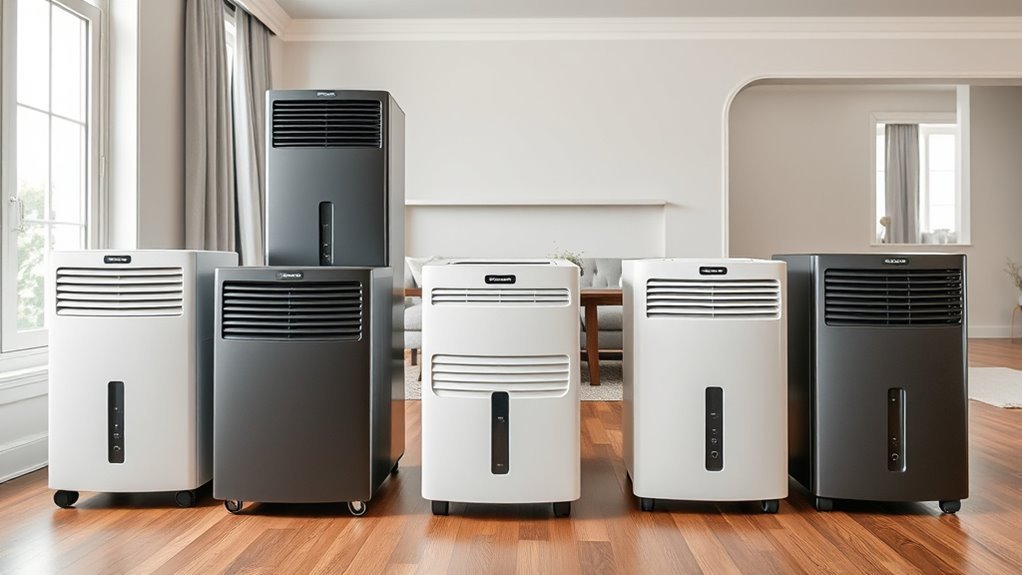
Compact semiconductor-style dehumidifiers are generally easier to place and can be quieter, making them attractive for light humidity control. Compressor dehumidifiers are usually the more appropriate category when you need substantially greater moisture extraction in a cellar, laundry room, garage, or persistently damp living area. Tank size alone does not make a compact model equivalent to a high-capacity compressor unit.
When a Compact Dehumidifier Is Not Enough
The product in this comparison is best treated as a compact light-duty choice. If you regularly see wet walls, heavy window condensation, persistent mold growth, water seepage, or a humidity level that remains high despite normal ventilation, look for a locally supported EU-market compressor dehumidifier with a clearly published extraction rate, adjustable humidistat, suitable low-temperature operation, and continuous drainage. A dehumidifier can manage airborne moisture, but it cannot repair a leak, failed waterproofing, or another structural moisture source.
Energy Efficiency and Running Costs
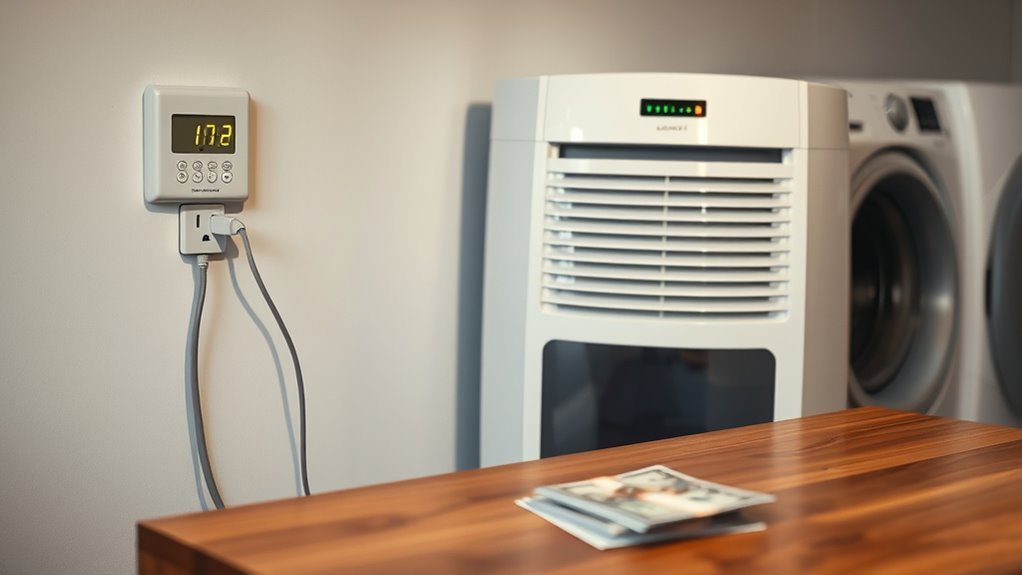
Energy use matters because a dehumidifier may run for long periods during humid weather. Compare the appliance’s rated power consumption and expected runtime rather than assuming the smallest unit always costs the least to operate. An undersized appliance that runs continuously without reaching the desired humidity may be less useful than a properly sized unit that cycles according to a humidistat. Germany buyers should prioritize locally applicable electrical and efficiency information rather than relying only on U.S.-market labels.
Germany Electrical Compatibility
Electrical compatibility is a critical buying step. Before connecting an imported dehumidifier, inspect the exact appliance rating label or supplied power adapter and confirm with the manufacturer that it supports the required mains voltage and frequency. Also verify the plug arrangement, grounding requirements where applicable, conformity information, warranty coverage, returns, replacement parts, and local customer support. Never assume that a physical plug adapter makes a 120V-only appliance suitable for German mains electricity.
Noise Level Considerations
Noise matters most in bedrooms, nurseries, home offices, and shared apartments. Compact units can be attractive for these spaces because they generally avoid the compressor cycling found in larger machines, but low noise often comes with lower moisture-removal capability. Check the manufacturer’s current decibel information where available and decide whether quietness or faster moisture extraction is more important for the room.
Tank Capacity Options
Tank capacity mainly affects how often you need to empty collected water. It does not tell you how quickly moisture is removed from the room. A 95-ounce tank can be convenient for a compact dehumidifier, but serious humidity control should be sized using verified extraction performance and the actual moisture load. For high-volume use, continuous drainage can be more important than having a slightly larger removable tank.
Drainage and Pump Options
Compact models commonly rely on removable tanks, which are straightforward but require regular emptying. Higher-capacity compressor units may offer continuous gravity drainage or, on some models, pump drainage. Gravity drainage requires a suitable lower drain point, while a pump can move collected water upward. Whichever system you use, route hoses so they cannot leak near electrical equipment or create a tripping hazard.
Operating Temperature and Defrost
Cellars, garages, and utility rooms can become cool during parts of the year. Dehumidifier performance changes with temperature, and some technologies lose effectiveness in cooler conditions. Compressor units may also need effective defrost control to prevent frost from reducing performance. If the appliance will run in an unheated room, check the manufacturer’s stated operating-temperature range instead of assuming normal-room performance will continue in winter.
Design and Portability
A compact design is useful when you need a unit in a bathroom, bedroom, wardrobe area, or other space where floor area is limited. Handles and low weight make room-to-room movement easier. Larger compressor models benefit from wheels and stronger handles because they are heavier. Consider where the unit will sit, whether its air intake and exhaust will remain unobstructed, and how easily you can reach the tank for emptying.
Safety Features Required
Look for automatic shut-off when the tank is full, stable placement, clear operating instructions, safe electrical components, and appropriate defrost or frost protection where relevant. Keep the appliance away from direct splashes unless the manufacturer specifically allows the installation, leave adequate airflow around vents, and avoid routing drainage hoses or electrical cords where they can create a hazard.
Maintenance and Upkeep
Regular maintenance helps a dehumidifier work consistently. Empty and clean the water tank as directed, keep air intakes and outlets free of dust, clean or replace filters where fitted, and inspect drainage hoses for blockages. If a larger dehumidifier uses a pump, check the pump and hose system according to the manufacturer’s instructions. Always follow the exact maintenance schedule supplied with the appliance.
Before You Buy: Quick Checklist
- Identify the moisture problem: Decide whether you have mild condensation or persistent dampness that needs a stronger compressor unit or building repair.
- Measure the room: Use room size as one factor, not the only sizing number.
- Check extraction performance: A verified daily moisture-removal figure is more meaningful than tank size or advertised coverage alone.
- Confirm Germany compatibility: Verify the exact voltage, frequency, plug arrangement, conformity information, warranty, and manufacturer support before using an imported appliance.
- Choose suitable drainage: Decide whether manual tank emptying, gravity drainage, or pump drainage fits the room.
- Consider temperature and noise: Bedrooms may prioritize quiet operation, while cool cellars require attention to operating-temperature limits and defrost performance.
- Fix the moisture source: Dehumidification can manage indoor humidity, but leaks, water intrusion, poor ventilation, and building defects still need to be corrected.
Pro Tip: If two dehumidifiers claim similar room coverage, compare their verified moisture-extraction rate, operating temperature, drainage method, humidistat controls, and electrical compatibility before comparing tank size. Those details usually tell you more about real-world suitability.
Frequently Asked Questions
Can I Use a U.S. Amazon Dehumidifier in Germany?
Only if the exact appliance or supplied power adapter is confirmed by its rating label and manufacturer to support the required German mains voltage and frequency. You should also verify the plug arrangement, applicable conformity requirements, warranty, returns, and replacement parts. A plug-shape adapter alone does not convert voltage or frequency, so do not connect a 120V-only appliance directly to German mains power.
Which of These Dehumidifiers Is Best for Heavy Basement Damp?
The compact product in this shortlist should not be treated as the first choice for severe or persistent basement dampness. For that job, look for a locally supported EU-market compressor dehumidifier with a published daily extraction capacity, humidistat, suitable operating-temperature range, and continuous drainage. Also investigate leaks, seepage, ventilation, and other building-related moisture sources.
How Often Should I Empty the Dehumidifier Tank?
Empty the tank whenever it reaches the full level or the appliance’s shut-off indicator activates. How quickly that happens depends on room humidity, temperature, extraction performance, and tank size. During humid weather, check the tank more often and clean it according to the manufacturer’s instructions.
Can Dehumidifiers Help Reduce Allergens in the Air?
Controlling excess indoor humidity can make conditions less favorable for mold and dust mites, but a dehumidifier does not replace ventilation, cleaning, leak repair, mold remediation, or medical treatment. Use it as one part of a broader indoor-moisture plan.
Are Dehumidifiers Noisy During Operation?
Noise varies by technology and model. Compact units can be quieter and easier to tolerate in bedrooms, but they generally offer lower moisture-removal performance. Compressor dehumidifiers usually move more air and may produce both fan and compressor noise. Check the manufacturer’s current noise specifications if the unit will run near a bed, desk, or living area.
What Maintenance Is Required for Dehumidifiers?
Typical maintenance includes emptying and cleaning the tank, keeping air vents free of dust, cleaning or replacing filters where fitted, and checking drainage hoses for clogs. Always follow the manufacturer’s manual because maintenance requirements differ between compact, compressor, and pump-equipped models.
Do Dehumidifiers Consume a Lot of Electricity?
Electricity use depends on the appliance’s rated wattage, technology, room humidity, temperature, target humidity, and runtime. A correctly sized unit with appropriate controls can be more practical than an undersized appliance that runs continuously without controlling the moisture problem.
What Humidity Level Should I Aim For?
For many German homes, keeping indoor relative humidity roughly within the 40% to 60% range is a useful general target. Actual needs can vary by room, season, temperature, and building construction. If windows or cold surfaces repeatedly collect condensation, improve ventilation and investigate the moisture source rather than relying only on a dehumidifier.
Is a Compact Dehumidifier Enough for a Basement?
Usually not if the basement has persistent dampness, visible condensation, water seepage, or a high ongoing moisture load. Compact units are better suited to light humidity control. A damp basement normally calls for a properly sized compressor dehumidifier with verified extraction performance and suitable drainage, along with correction of any leaks or structural moisture problems.
Conclusion
When choosing the right dehumidifier in Germany, focus on the actual moisture problem and electrical suitability rather than the largest room-coverage claim. The BEDRED CT11 that remains in this comparison provides the clearest published voltage information. It is better suited to light everyday humidity than serious building dampness.
Before buying, verify the exact voltage and frequency requirements, plug arrangement, room conditions, extraction performance, noise, tank maintenance, warranty, and local support. If you have a persistently damp cellar, laundry room, garage, or water-intrusion problem, move beyond compact models and choose a locally supported EU-market compressor dehumidifier sized for the real moisture load. The best dehumidifier is the one that safely matches both your electrical supply and the amount of moisture you actually need to remove.