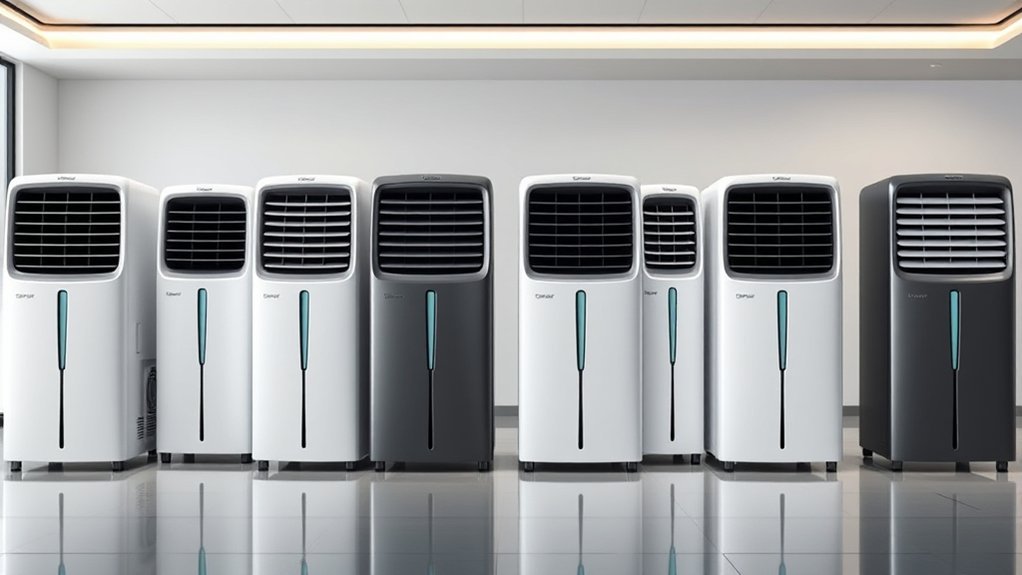
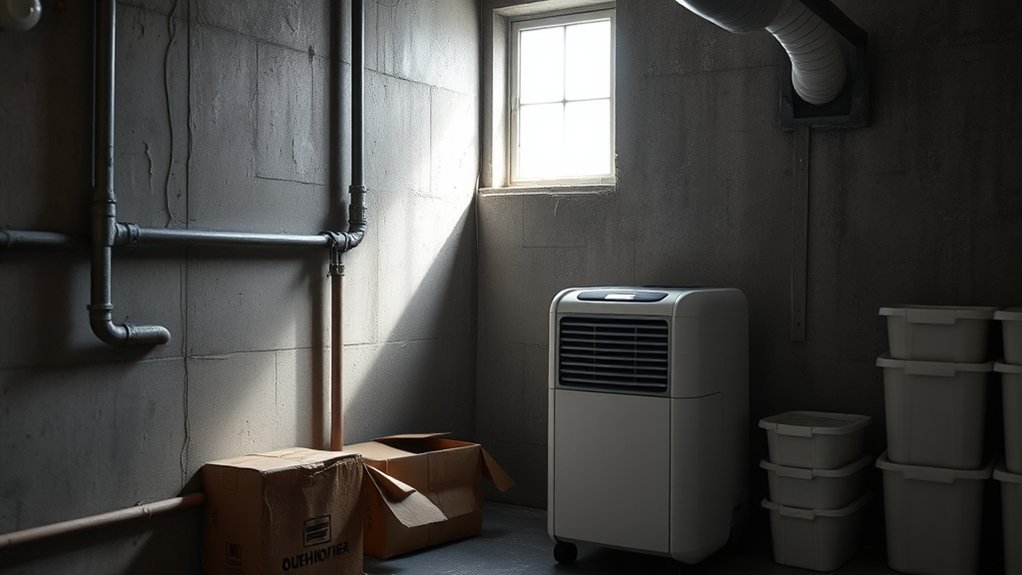
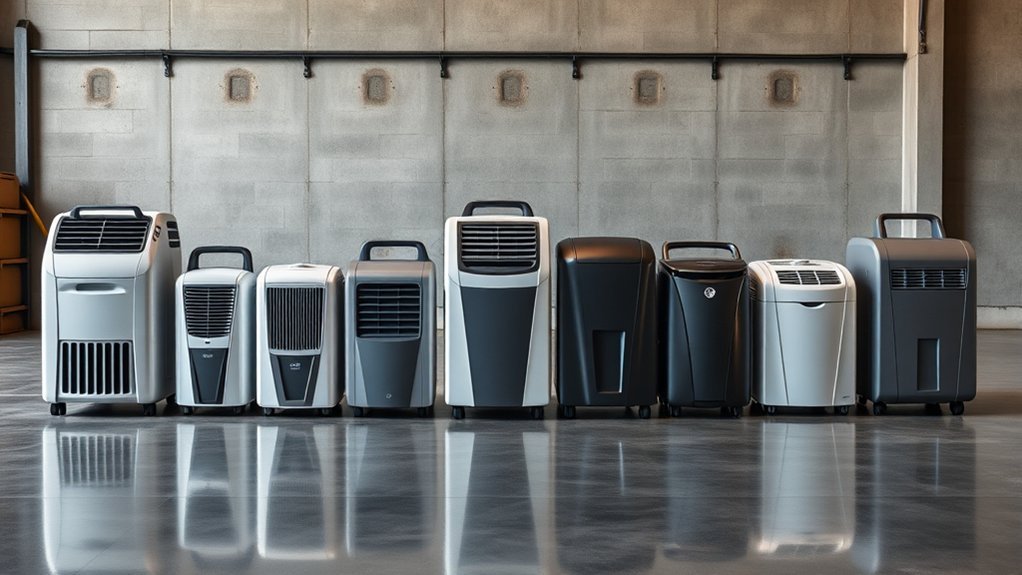
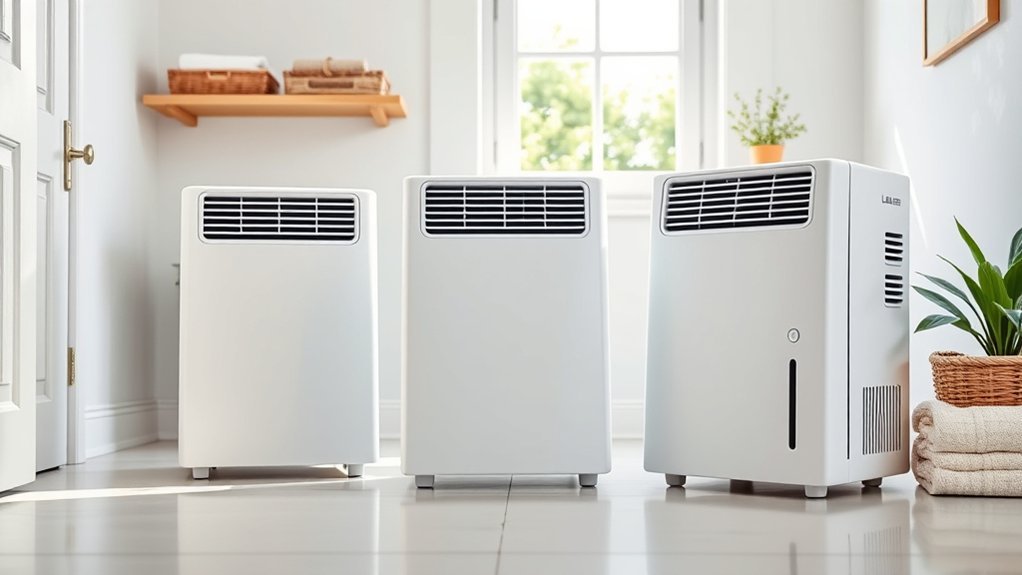
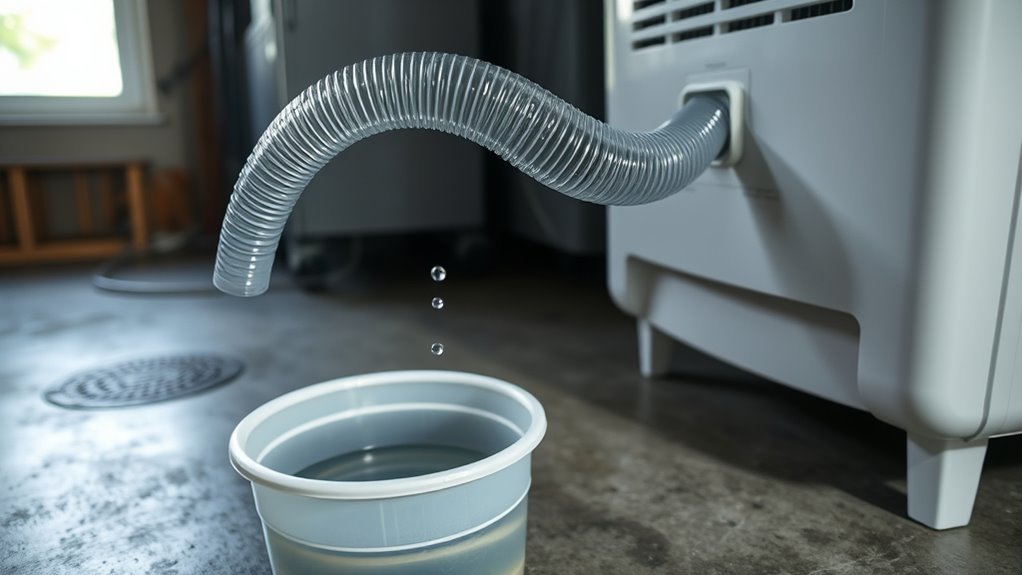
Choosing a dehumidifier for a Mumbai home starts with more than room size or an advertised coverage number. The appliance must match India’s electrical supply, remove enough moisture for the room’s actual conditions, offer practical drainage, and have warranty or service support you can use locally. This guide explains how to compare those details before buying.
Important electrical compatibility check:
Mumbai homes generally use a nominal 230V, 50Hz electricity supply. Buy only when the product label or official manual clearly confirms compatibility with approximately 220–240V and 50Hz. A plug adapter changes only the plug shape; it does not convert voltage or frequency. See the government electricity supply reference for additional context.
Quick verdict
- Choose a 220–240V, 50Hz compressor dehumidifier for persistent room humidity, monsoon dampness, or indoor laundry drying.
- Choose a unit with a humidistat and continuous-drain connection when it may run for several hours each day.
- Use small semiconductor or renewable desiccant units only for wardrobes, cabinets, safes, or other enclosed spaces.
- Confirm the exact model’s plug, warranty, service support, drain accessories, and replacement-filter availability before ordering.
Quick Comparison of Dehumidifier Types
| Type | Best Use | Main Advantage | Main Limitation |
|---|---|---|---|
| Compressor | Bedrooms, living rooms, laundry areas and persistent monsoon humidity | Removes substantially more moisture than most mini units | Larger, heavier and usually more audible |
| Semiconductor or Peltier | Small enclosed areas with light condensation | Compact and generally quiet | Limited moisture removal in large or very humid rooms |
| Renewable desiccant | Wardrobes, safes, cabinets, camera storage and small cupboards | Cordless while absorbing moisture | Not designed to control humidity across a bedroom or living area |
| Whole-home or ducted | Large properties requiring central humidity control | Can manage several connected areas | Requires professional sizing and installation |
Factors to Consider When Choosing a Dehumidifier for Mumbai
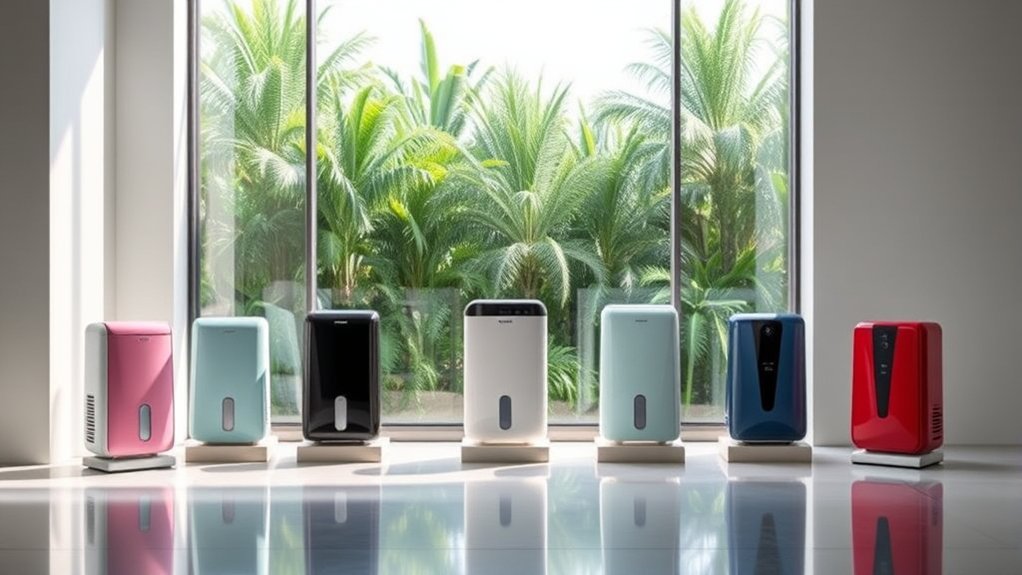
Mumbai’s coastal climate and monsoon season can create persistent indoor dampness. The best unit is not automatically the one with the largest advertised coverage figure. Compare the electrical label, tested moisture-removal capacity, room conditions, drainage, controls, noise, maintenance, and local support.
1. Electrical Voltage and Frequency
Check the rating label or official manual before considering any other feature. It should clearly state that the exact model can operate on approximately 220–240V and 50Hz. Do not assume a product is compatible because an international marketplace can ship it to India.
Also confirm the plug type, earthing requirements, rated current, and whether the manufacturer permits use with a suitable surge-protection device. High-power compressor appliances should not be operated through a basic travel adapter or an undersized extension cord.
2. Room Size and Moisture Load
Room area is only one part of sizing. A small room with wet walls, indoor laundry, poor ventilation, or frequent door opening may need more capacity than a larger room with light seasonal dampness.
Compare the unit’s rated moisture-removal capacity in litres or pints per 24 hours and check the conditions under which that figure was measured. Capacity ratings are produced under specified test conditions, so two large-looking headline numbers may not be directly comparable. The ENERGY STAR capacity guide explains why test conditions matter.
3. Dehumidifier Technology
A compressor dehumidifier is generally the practical choice for persistent humidity in a bedroom, living room, storage room, or laundry area. It uses a refrigeration system to condense water from the air and normally removes much more moisture than a small semiconductor unit.
A semiconductor or Peltier unit can be useful for light condensation in a small enclosed area. However, a compact unit with a small tank should not be treated as a substitute for a room-size compressor model during severe monsoon humidity.
A renewable desiccant absorber is appropriate for a wardrobe, safe, cabinet, or equipment case. Its capacity should be described by the enclosed volume it can protect, not by a full-room coverage claim.
4. Humidity Control and Display
Look for an adjustable humidistat that can switch the compressor on and off around your selected humidity level. A clear humidity display helps you monitor conditions, but a separate digital hygrometer can provide a useful second reading.
A practical starting setting for many homes is around 50% to 55% relative humidity. Adjust it based on comfort, condensation, drying time, and the manufacturer’s instructions. Extremely low settings can increase runtime and electricity use without providing a meaningful benefit.
5. Drainage Options
Continuous drainage is especially useful when a dehumidifier runs for long periods. A gravity drain requires the hose to slope downward continuously toward a suitable outlet. A built-in pump can move water upward or across a longer distance, but it adds cost and maintenance.
When using the water tank, check its capacity, handle design, spill resistance, full-tank indicator, and automatic shutoff. The tank should be easy to remove and clean.
6. Noise and Placement
Check the published sound level for every operating mode, not only sleep mode. A quiet bedroom model should also avoid frequent rattling, loud compressor cycling, or bright control-panel lights.
Leave the clearance specified in the manual around the air intake and outlet. Keep doors and windows closed while the unit is running, and do not block airflow with curtains, furniture, or laundry.
7. Energy Efficiency
Do not judge efficiency by wattage alone. A low-wattage unit that removes very little water may need to run much longer than a properly sized compressor model. Compare moisture removed per unit of electricity, rated capacity, expected daily runtime, standby consumption, and automatic humidity control.
Be cautious with advertisements that promise a fixed percentage or annual cash saving. Actual electricity cost depends on the unit, humidity setting, room conditions, runtime, local tariff, and maintenance.
8. Automatic Restart and Defrost
An automatic restart function can restore the previous settings after a power interruption. Confirm whether the exact model remembers the selected humidity level, fan speed, timer, and operating mode.
Automatic defrost helps protect the refrigeration coil when it becomes too cold. Mumbai is usually warm, but this feature can still help maintain consistent operation in air-conditioned rooms.
9. Warranty, Service and Replacement Parts
Check whether the warranty is valid in India and whether an authorised service centre can repair the exact model. An imported product may have a seller warranty that differs from the manufacturer’s local warranty.
Confirm the availability of filters, water tanks, drain hoses, sensors, control boards, and other replacement parts. A low purchase price can become poor value when basic parts or service are unavailable.
Before You Buy Checklist
- The exact model label confirms 220–240V and 50Hz.
- The plug and earthing arrangement suit your home’s electrical installation.
- The moisture-removal rating is shown with understandable test conditions.
- The unit is a compressor model when you need room-level humidity control.
- An adjustable humidistat and humidity display are included.
- The tank is large enough, or continuous drainage is available.
- The drain hose and any required adapter are included or locally available.
- The noise rating is suitable for the intended room.
- Automatic shutoff, restart and defrost functions are confirmed.
- The warranty is valid in India and service support is accessible.
- Replacement filters and parts can be purchased locally.
- The seller’s return policy covers electrical incompatibility and defects.
How to Use a Dehumidifier Effectively in Mumbai
Close the Room
Close windows and external doors while the unit is operating. Otherwise, it may continuously pull humid outdoor air into the room and struggle to reach the selected setting.
Place It Correctly
Place the unit on a level, stable surface with the clearance required by the manual. Do not place it where curtains, bedding, furniture, or stored items can block the intake or exhaust.
Use Continuous Drainage Safely
Secure the hose and check regularly for bends, leaks, algae, or blockages. A gravity hose must remain below the drain outlet unless the unit has a built-in pump designed to lift water.
Clean the Filter
Inspect and clean the filter at the interval stated in the manual. Dust buildup restricts airflow, reduces moisture removal, and can increase operating time.
Address the Moisture Source
A dehumidifier manages moisture in the air, but it does not repair plumbing leaks, roof seepage, rising damp, damaged waterproofing, or severe condensation caused by building defects. Investigate persistent wet patches or recurring water entry instead of relying only on the appliance.
Frequently Asked Questions
What Type of Dehumidifier Is Best for Mumbai?
A 220–240V, 50Hz compressor dehumidifier is generally the most practical choice for persistent room humidity and monsoon dampness. Small Peltier or desiccant units are better for wardrobes, cabinets, and other enclosed spaces.
What Humidity Setting Should I Use?
Start near 50% to 55% relative humidity and monitor comfort, condensation, and runtime. Avoid setting the target unnecessarily low, as this can make the compressor run longer and use more electricity.
How Often Should the Water Tank Be Emptied?
Empty it whenever the full-tank indicator appears. The frequency depends on room humidity, tank size, temperature, capacity, and runtime. During very humid weather, continuous drainage can be more convenient than repeated manual emptying.
Can a Dehumidifier Help Dry Indoor Laundry?
Yes. A compressor model can remove moisture released by drying clothes, especially in a closed room with suitable airflow. Keep the appliance away from dripping water, do not cover its air vents, and follow all placement instructions in the manual.
Can One Dehumidifier Control Several Rooms?
It may help connected open areas, but airflow through closed doors is limited. One portable unit is unlikely to control several separate rooms evenly. Move the unit between rooms or use more than one properly sized appliance when necessary.
Is a Plug Adapter Enough for a US Dehumidifier?
No. A plug adapter changes the physical plug connection but does not convert voltage or frequency. Use only an appliance whose rating label and manual confirm compatibility with your local electrical supply.
Do Dehumidifiers Use a Lot of Electricity?
Consumption varies by capacity, technology, humidity setting, room conditions, and daily runtime. Compare the rated input power with the tested moisture-removal capacity. A properly sized unit with automatic humidity control can be more practical than an undersized model that runs continuously.
Can a Dehumidifier Fix Damp Walls?
It can lower airborne moisture and may help surfaces dry, but it cannot repair leaks, failed waterproofing, plumbing faults, or rising damp. Persistent wall moisture should be inspected and repaired at its source.
Conclusion
The best dehumidifier for a Mumbai home is one that is electrically compatible, correctly sized, easy to drain, reasonably quiet, and supported by a usable local warranty. Verify 220–240V and 50Hz on the exact model before buying, and do not rely only on advertised square-foot coverage.
For room-level monsoon humidity, prioritise a compressor model with an adjustable humidistat, continuous drainage, automatic restart, accessible filters, and clear service support. For a wardrobe, safe, or cabinet, a smaller semiconductor or renewable desiccant solution may be sufficient. Matching the technology to the actual space will provide better moisture control and reduce the risk of buying an unsuitable imported appliance.