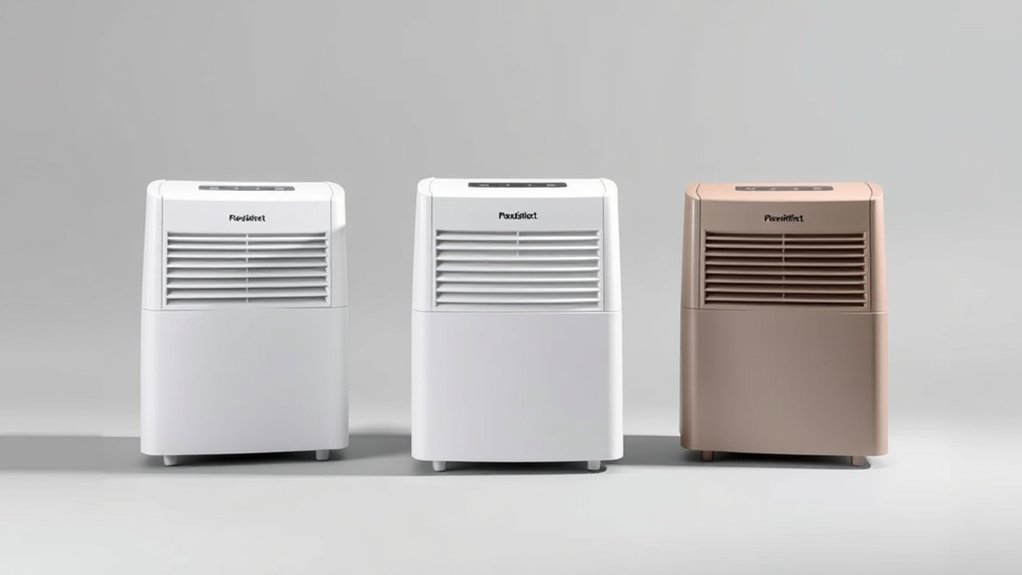
If you want a more sustainable way to control everyday dampness, focus on reusable moisture absorbers and appropriately sized powered dehumidifiers rather than disposable hanging bags. The five options below cover different needs: ToLife offers powered moisture removal for a room, while Eva-Dry, Wisedry, and Ever Bamboo provide reusable protection for closets, vehicles, safes, storage areas, and other enclosed spaces. The right choice depends on the size of your space, how severe the humidity problem is, and how often you are willing to recharge or maintain the product.
Quick Verdict: Choose the ToLife Dehumidifier when you need active moisture removal in a bedroom or similar room. For a closet or safe, the Eva-Dry E-250 is the simplest cordless option. The Wisedry 500g packets are better for vehicles and larger storage containers, while Ever Bamboo is best when odor control matters as much as light moisture absorption.
Important: Passive absorbers are designed for localized or enclosed-space moisture control. They are not substitutes for a properly sized compressor dehumidifier in a wet basement, after a leak, or where humidity remains consistently high.
Affiliate disclosure: This article contains Amazon affiliate links. If you buy through a link, we may earn a commission at no extra cost to you.
Quick Comparison
| Product | Best For | Type | Coverage / Capacity | Main Tradeoff | Check Details |
|---|---|---|---|---|---|
| ToLife Dehumidifier | Bedrooms and supplemental room moisture control | Powered thermoelectric unit | 95 oz tank; marketed for spaces up to 1,000 sq. ft. | Not intended for severe or structural dampness | Check Amazon Availability |
| Eva-Dry E-250 | Closets, cabinets, safes, and small storage spaces | Renewable silica-gel unit | Up to 250 cubic feet; up to 8 oz absorption capacity | Needs an 8–10 hour outlet recharge | Check Product Details |
| Wisedry 2 x 500g Packets | Cars, RVs, boats, tool storage, and large containers | Rechargeable silica-gel bags | Up to 150g moisture per 500g packet | Must be weighed and recharged correctly | Check Product Details |
| Ever Bamboo 500g | Light moisture and odor control | Sun-reactivated bamboo charcoal | For areas up to 200 sq. ft. | Works slowly and is not for heavy humidity | Check Product Details |
| Eva-Dry Air-Dry Cylinder | Closets, safes, RV storage, and rotating coverage | Renewable silica-gel cylinder | Up to 400 cubic feet; up to 7 oz per cylinder | Requires the compatible blower base | Check Product Details |
ToLife Dehumidifier for Home, 1000 sq.ft, 95 OZ Tank
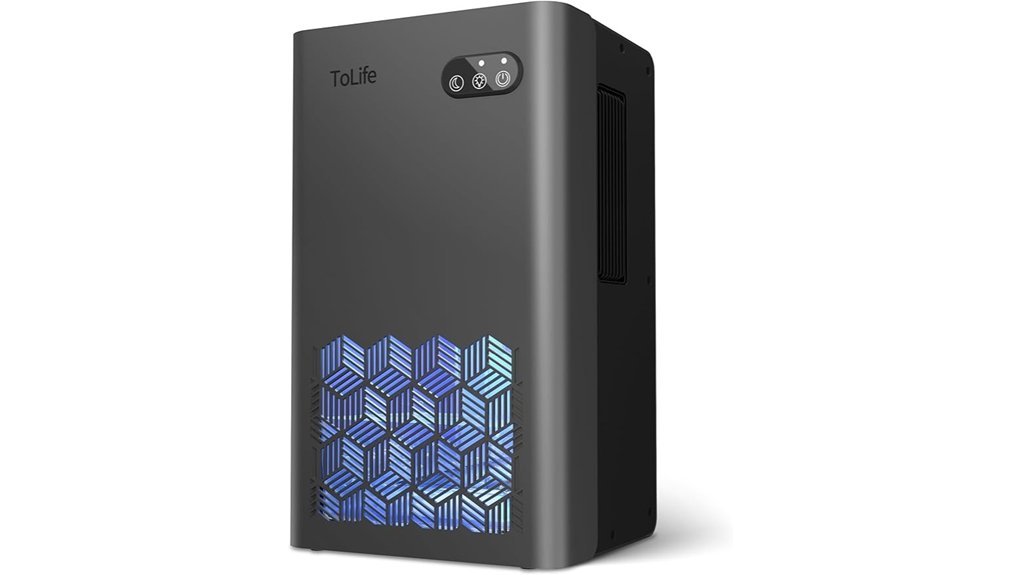
The ToLife Dehumidifier is the only active room dehumidifier in this roundup. It uses semiconductor condensation, has a 95-ounce collection tank, and is marketed for spaces up to 1,000 square feet. Automatic shutoff helps reduce overflow risk when the tank is full or not seated correctly, while the quieter operating mode makes it easier to use in a bedroom or office.
Why You’ll Like It: Unlike passive desiccants, this unit continuously moves air across a cooling surface and collects liquid water. That makes it a more practical choice when a room feels damp rather than when you only need to protect one closet or storage box.
Best For: Bedrooms, bathrooms, apartments, and similar spaces needing supplemental active moisture removal.
Who Should Avoid It: Buyers dealing with standing water, recurring leaks, very wet basements, or whole-home humidity problems should use a properly sized high-capacity dehumidifier and address the moisture source.
Pros:
- Active moisture collection with a large 95-ounce tank.
- Automatic shutoff adds convenience when the tank fills.
- Quiet mode and ambient lighting suit bedrooms and living spaces.
Cons:
- The 1,000-square-foot figure is a marketing coverage claim, not a guarantee of performance in every room.
- Thermoelectric units generally suit supplemental moisture control better than severe dampness.
- The tank still requires manual emptying, and the unit needs continuous power while operating.
Eva-Dry E-250 Renewable Mini Dehumidifier for Small Spaces
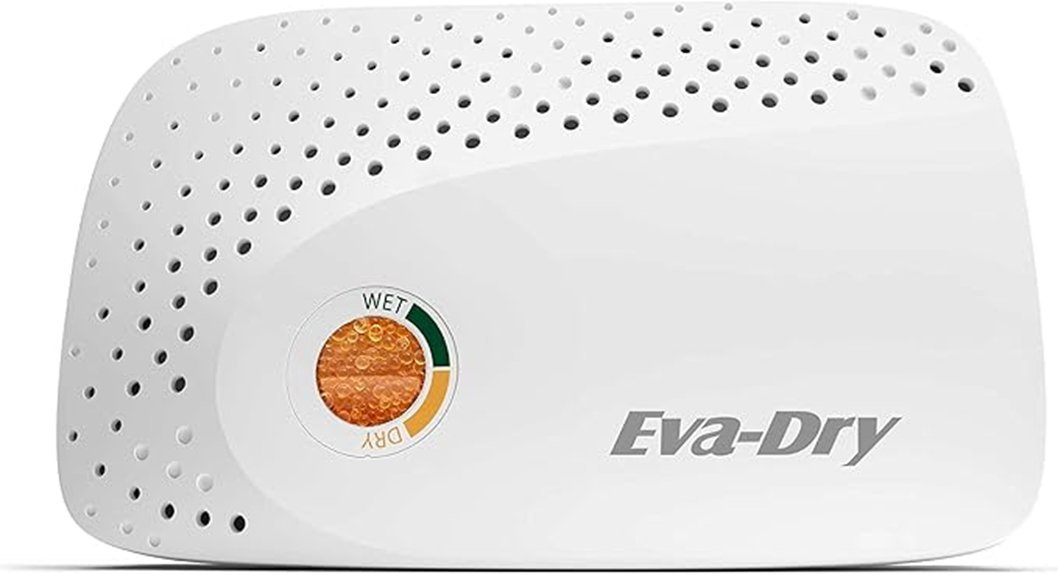
The Eva-Dry E-250 is a compact, cordless moisture absorber designed for enclosed spaces up to 250 cubic feet. Its renewable silica gel absorbs moisture during use, and the indicator beads change color when it is time to recharge. You then plug the unit into a standard outlet for approximately 8–10 hours before returning it to the closet, cabinet, safe, RV, or storage area.
Why You’ll Like It: It avoids disposable refill bags and operates silently without batteries, cords, or moving parts while placed in your space. Its up-to-8-ounce absorption capacity also makes it easy to compare with other reusable mini absorbers.
Best For: Closets, wardrobes, cabinets, safes, storage boxes, and other small enclosed spaces.
Who Should Avoid It: It is not a room dehumidifier and should not be expected to control humidity throughout a bedroom, basement, or open living area.
Pros:
- Renewable silica-gel system eliminates routine refill purchases.
- Silent and cordless during normal use.
- Color-changing beads provide a clear recharge indicator.
Cons:
- Coverage is measured in cubic feet, so it is intended for small enclosed areas.
- Recharging takes about 8–10 hours.
- Performance slows as the beads become saturated, so regular checks are necessary.
Wisedry Rechargeable Silica Gel Dehumidifier Packets (2 x 500g)
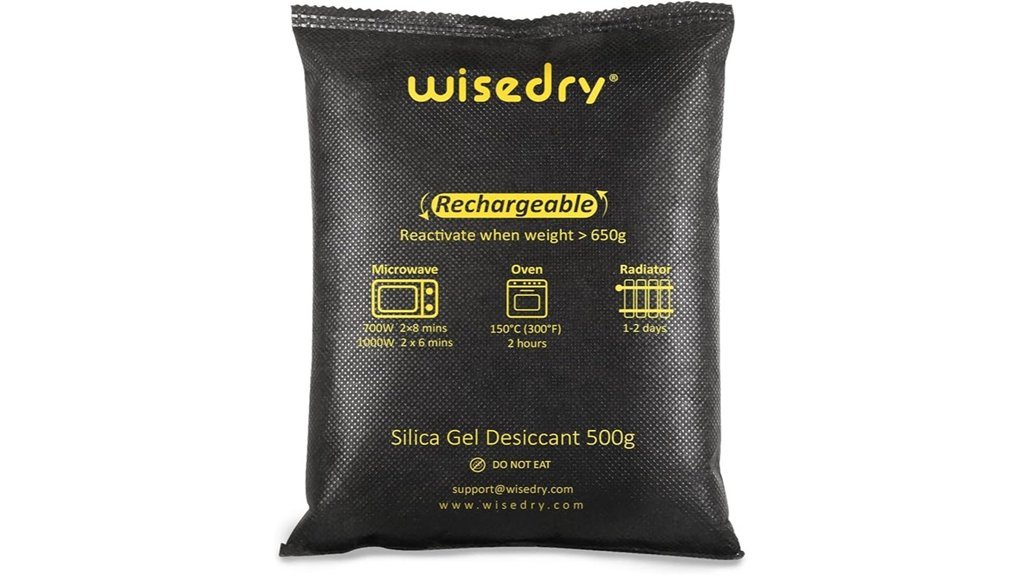
Wisedry’s two 500g silica-gel packets are designed for vehicles, garages, boats, RVs, cupboards, storage rooms, and other enclosed areas where condensation or stored-item dampness is the main concern. According to the manufacturer, each 500g packet can hold about 150g of moisture before it needs reactivation.
Why You’ll Like It: The flexible bags fit beneath a car seat or beside stored equipment more easily than a rigid absorber. They can be reactivated in a microwave or oven when the packet reaches the instructed saturated weight.
Best For: Cars, RVs, boats, tool storage, camera or equipment cases, garages, and large storage containers.
Who Should Avoid It: Anyone who does not want to weigh the packets or follow heating instructions carefully should choose a plug-in renewable unit instead.
Pros:
- Two large reusable packets provide flexible placement.
- Each packet can absorb up to about 150g of moisture.
- Microwave or oven reactivation can be faster than an overnight plug-in cycle.
Cons:
- The packets must be recharged according to the included weight and heating instructions.
- Overheating can damage the bag, so unattended reactivation is not appropriate.
- They control localized moisture and condensation rather than dehumidifying an open room.
Ever Bamboo Deodorizer & Dehumidifier w/Natural Bamboo Charcoal (500 g)
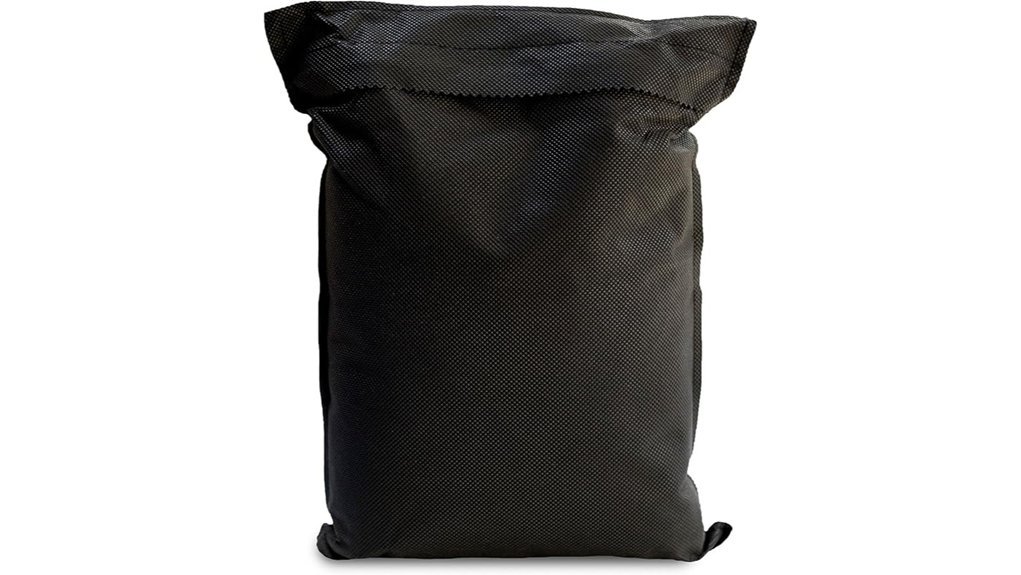
Ever Bamboo uses unscented bamboo charcoal granules to reduce odors while absorbing a modest amount of moisture. The 500g pouch is intended for areas up to 200 square feet, including kitchens, garages, basements, attics, pet areas, vehicles, boats, and RVs. The manufacturer recommends placing the pouch in direct sunlight for 2–3 hours per side about once a month, with a stated useful life of up to one year when cared for properly.
Why You’ll Like It: It is fragrance-free, uses a plant-derived material, and does not require electricity during use or reactivation. It is particularly appealing where musty smells are a bigger concern than rapid water removal.
Best For: Light moisture, musty odors, pet areas, vehicles, garages, and other spaces where an unscented product is preferred.
Who Should Avoid It: This is not the right choice for visible condensation, wet surfaces, persistent high humidity, or fast drying after a leak.
Pros:
- Natural, unscented bamboo-charcoal fill.
- Sunlight reactivation requires no powered charging base.
- Helps address odors as well as light moisture.
Cons:
- Moisture removal is slower and less measurable than with silica gel or a powered unit.
- Requires regular outdoor sunlight exposure to maintain performance.
- The manufacturer states a useful life of up to one year, shorter than many renewable silica-gel products.
Eva-Dry Air-Dry Cylinder Moisture Absorber for Small Spaces
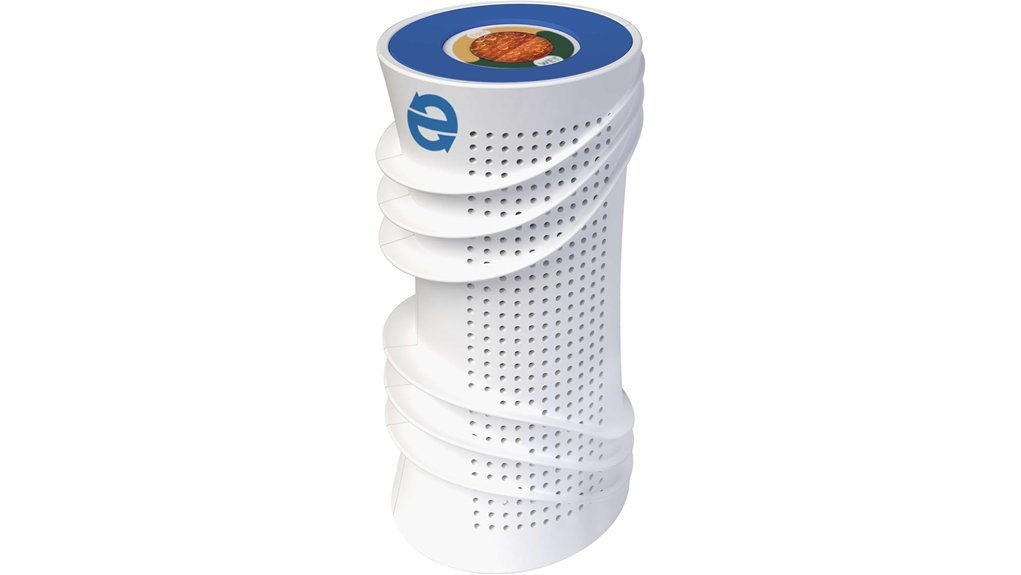
The Eva-Dry Air-Dry Cylinder is a renewable silica-gel absorber designed for enclosed spaces up to 400 cubic feet. Each cylinder has an absorption capacity of up to about 7 ounces and operates silently without a cord while in use. When the indicator beads show saturation, the cylinder is placed on the compatible Air-Dry blower base for a recharge that can take about two hours.
Why You’ll Like It: The dedicated blower base offers a faster turnaround than many plug-in mini absorbers. With multiple cylinders, you can rotate one into service while another is being renewed.
Best For: Closets, safes, RV storage areas, seasonal storage, and buyers who want faster silica-gel renewal.
Who Should Avoid It: The cylinder is not a complete standalone system unless you already own or buy the compatible recharge base.
Pros:
- Reusable silica-gel design avoids disposable refill bags.
- Up to 400 cubic feet of enclosed-space coverage.
- Dedicated blower base can renew a cylinder in about two hours.
Cons:
- Requires the compatible Eva-Dry Air-Dry blower base.
- The cylinder alone is unsuitable for open rooms or severe humidity.
- Buyers must confirm whether the Amazon offer includes only a cylinder or the full system.
Factors to Consider When Choosing an Eco Friendly Dehumidifier
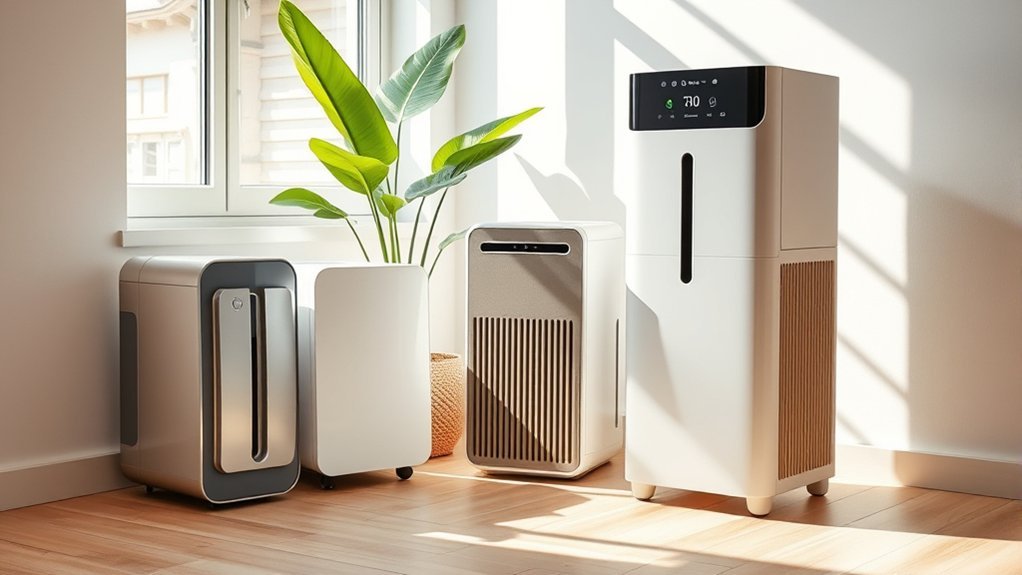
The most sustainable option is not always the product with the greenest label. A good choice should be reusable, correctly sized, durable, and effective enough for the actual moisture problem. An undersized product that never controls humidity can waste money and delay repairs, while an oversized powered unit may use more electricity than necessary.
Active Dehumidifier vs. Passive Absorber
Start by deciding whether you need active room dehumidification or localized protection. A powered unit continuously processes room air and collects liquid water. A passive silica-gel or charcoal product works slowly and is best for closets, safes, vehicles, cabinets, and storage areas. For leaks, wet walls, standing water, or a chronically damp basement, address the moisture source and use a properly sized high-capacity dehumidifier.
Coverage Units
Do not confuse square feet with cubic feet. Room dehumidifiers are often marketed by floor area, while compact renewable absorbers usually list enclosed-space volume. A product rated for 250 cubic feet is suitable for a closet or cabinet, not a 250-square-foot bedroom. Compare the manufacturer’s exact coverage unit before buying.
Reusable Desiccants
Reusable silica gel can reduce recurring waste because it is dried and used again. Compare the recharge method, cycle time, and required equipment. Some units plug directly into an outlet, some use a dedicated blower base, and some bags can be heated in a microwave or oven. Follow the product’s instructions rather than assuming every desiccant can be recharged the same way.
Moisture Capacity
For a powered unit, look for a clearly stated extraction rate and tank size. For a passive absorber, look for total absorption capacity before recharge. These measurements are not interchangeable. A silica-gel packet that holds a few ounces over time should not be compared directly with a powered unit that collects water continuously.
Energy Consumption
Powered dehumidifiers should list wattage or another measure of energy use. Compare that figure with the extraction rate, operating schedule, and room size. Features such as automatic shutoff, timers, adjustable modes, and an accurate humidistat can reduce unnecessary operation. Passive absorbers use no electricity while placed in the space, but some still require electricity or heat during reactivation.
Maintenance Frequency
Consider how often you will empty a tank, inspect indicator beads, weigh packets, place charcoal in sunlight, or clean air inlets. A product only remains low-waste if you maintain and reuse it correctly. If the upkeep is unrealistic for your routine, choose a simpler system.
Safety and Materials
Keep all desiccants and charcoal away from children and pets, even when the material is marketed as non-toxic. Do not ingest the contents, open sealed packs unnecessarily, or place heat-reactivated products near flammable objects. Powered appliances should be kept away from splashing water and used according to the electrical-safety instructions.
Noise Level
Silica-gel and charcoal absorbers are silent during use. Powered thermoelectric or compressor dehumidifiers create fan and mechanical noise, so check the stated decibel level when the unit will run in a bedroom or office. Also confirm whether a sleep mode reduces fan speed, lighting, or both.
Before You Buy Checklist
- Is the problem limited to a closet, vehicle, safe, or storage box—or does the whole room feel damp?
- Does the product list coverage in square feet or cubic feet?
- How much moisture can it remove or hold before maintenance?
- What is the recharge method, and is the required base or accessory included?
- How often will you need to empty, recharge, weigh, or sun-dry it?
- Are the current warranty, power use, dimensions, and package contents shown on the seller page?
- Is there a leak, ventilation problem, or water intrusion that needs repair first?
Frequently Asked Questions
How Often Should Eco Friendly Dehumidifiers Be Emptied or Recharged?
Follow the tank indicator, color-changing beads, packet weight, or manufacturer schedule. A powered tank may need frequent emptying in humid weather. The Eva-Dry E-250 needs recharging when its beads change color, Wisedry packets should be weighed and reactivated at the instructed saturated weight, and Ever Bamboo should be placed in sunlight regularly.
Are Renewable Dehumidifiers Effective in Very Humid Basements?
Small renewable absorbers are not suitable as the main solution for a very humid basement. They can protect an enclosed cabinet or storage bin, but persistent basement humidity usually requires moisture-source repairs, ventilation improvements, and a properly sized powered dehumidifier.
Do Natural Moisture Absorbers Work Without Electricity?
Yes. Bamboo charcoal works without electricity during use and can be refreshed in sunlight. Silica-gel products also work without power while absorbing moisture, although many need an outlet, heating appliance, or blower base for reactivation.
Which Option Is Best for Allergy-Sensitive Households?
No product in this list treats allergies or replaces air filtration. For fragrance-sensitive homes, an unscented absorber may be preferable. The more important step is to control the moisture source and keep the product clean so dampness does not persist.
How Long Does the Ever Bamboo Charcoal Pouch Last?
The manufacturer states that the 500g pouch can last up to one year with proper care. It recommends direct sunlight for 2–3 hours per side about once a month. Replace it sooner if odor or moisture control noticeably declines despite reactivation.
Can a Small Renewable Absorber Dry an Entire Bedroom?
No. Products rated in a few hundred cubic feet are intended for enclosed spaces such as closets, cabinets, safes, or storage boxes. Choose an active room dehumidifier for a bedroom and verify its extraction rate, tank size, and recommended room coverage.
Conclusion
Final Recommendation: The Eva-Dry E-250 is the easiest reusable choice for a typical closet, cabinet, or safe. Choose the Wisedry packets for a vehicle or storage setup that benefits from flexible placement. The ToLife Dehumidifier is the better fit when you need active room moisture collection, while the Ever Bamboo pouch is most useful for light dampness and odor control.
Match the product to the size and severity of the problem. Reusable absorbers can reduce refill waste, but they cannot repair leaks or replace a high-capacity dehumidifier where moisture is persistent.