Can you use a steam mop on vinyl plank flooring without damaging it? The answer depends on the flooring manufacturer’s instructions. Although luxury vinyl plank (LVP) handles everyday spills well, steam adds heat and moisture that some flooring systems cannot tolerate. Understanding the risks, exceptions, and safer cleaning methods can help you protect your floor and its warranty.
Quick Answer
Avoid using a steam mop on vinyl plank flooring unless the manufacturer specifically approves it for your product. Heat can affect the finish, while moisture may reach seams or adhesives. Some luxury vinyl floors do allow controlled steam cleaning. For floors without explicit approval, use a microfiber mop and a manufacturer-approved cleaner instead.
Can You Use a Steam Mop on Vinyl Plank Flooring?
Most vinyl plank flooring should not be steam cleaned unless the manufacturer permits it. Steam combines high temperatures with moisture, creating risks that ordinary damp mopping avoids.
For example, COREtec’s cleaning guidelines advise against steam mops unless the specific flooring product is approved for this method.
However, not every luxury vinyl floor follows the same rule. Some manufacturers design certain products to tolerate controlled steam cleaning.
When Is Steam Cleaning Allowed?
The flooring manufacturer’s product-specific instructions should determine whether steam cleaning is acceptable.
Two documented exceptions show why a blanket ban is inaccurate:
- Mannington ADURA Rigid: Mannington approves residential steam cleaners designed for hard-surface floors.
- Quick-Step Alpha Vinyl: Quick-Step permits steam cleaning under specific conditions, including low power and an appropriate cloth over the steam opening.
Quick-Step also advises users to avoid holding the cleaner over one area or joint for too long. Cleaning should follow the length of the planks.
These exceptions do not mean that every Mannington or Quick-Step product accepts steam. Approval must apply to the exact flooring collection and installation.
If you cannot identify your flooring or confirm approval, choose a damp microfiber mop instead.
What Steam Does to Vinyl Plank Flooring
Steam exposes vinyl flooring to heat and moisture at the same time. Depending on the product and installation, repeated exposure can affect the finish, plank edges, locking joints, or adhesive.
Damage does not always appear immediately. Some problems develop after repeated cleaning or moisture buildup beneath the surface.
Heat and Moisture Damage
A steam mop can expose the protective wear layer to temperatures beyond those intended for routine cleaning.
Heat may cause surface distortion, dullness, or changes in plank dimensions. Moisture can also collect at joints, especially where seams are damaged or poorly fitted.
The main concerns are:
- Surface damage: Excessive heat may affect the finish and appearance.
- Joint damage: Heat-related movement can stress plank connections.
- Moisture intrusion: Water reaching the subfloor may create problems beneath the vinyl.
- Adhesive failure: Excessive heat or moisture may weaken bonds in glue-down installations.
Not all vinyl cores swell when exposed to water. Many modern waterproof planks resist swelling, but the subfloor and surrounding installation may still be vulnerable.
Layer Separation Risks
Layer separation, also called delamination, occurs when bonded components of a flooring product separate.
Luxury vinyl planks commonly contain a protective wear layer, decorative layer, core, and backing. Heat or moisture exposure beyond the product’s limits may affect these components or their bonds.
The installation method also changes the type of damage you might see.
| Installation Type | Potential Problem |
|---|---|
| Floating click-lock | Joint stress, lifting, or plank movement |
| Glue-down | Weakened adhesive or lifting edges |
| Layered vinyl plank | Surface distortion or layer separation |
| Floor over a moisture-sensitive subfloor | Moisture damage beneath the planks |
A waterproof plank does not automatically create a watertight floor. Water can still enter through gaps, edges, or installation details.
Why Steam Mops Can Void Your Warranty
Using a prohibited cleaning method may leave steam-related damage outside your flooring warranty. However, using a steam mop does not automatically cancel every warranty benefit for every product.
The actual result depends on the manufacturer, the warranty language, and the cause of the damage.
For example, COREtec’s published warranty terms exclude damage caused by failing to follow installation and maintenance guidelines.
Warning: If your flooring instructions prohibit steam cleaning, continuing to use a steam mop may leave you responsible for resulting repairs. Keep your product information and follow its approved cleaning methods.
Before using steam, confirm the following:
- Identify the flooring manufacturer and exact product collection.
- Read the care instructions for that product.
- Confirm that steam cleaning is explicitly permitted.
- Follow any limits on equipment, steam settings, and cleaning technique.
- Review the warranty’s exclusions for improper maintenance.
Approval for another product from the same manufacturer is not enough. Keep your purchase records and care instructions in case a warranty question arises.
How to Clean Vinyl Plank Flooring Safely
Regular sweeping and lightly damp mopping are suitable for many luxury vinyl floors. These methods remove dirt while limiting excess moisture and unnecessary heat.
Use a cleaner approved for your flooring rather than assuming every household cleaning solution is safe.
Recommended Products

Microfiber Mops for Floor Cleaning: Flat floor mop with adjustable long handle, flexible lightweight but sturdy, great for housewives, the elderly, children or any home with pets

Spray Mop for Effortless Cleaning: This spray mop has both wet and dry functions and is designed for housewives
Safe Daily Cleaning
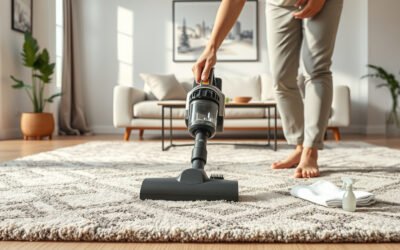
Daily maintenance focuses on removing grit before it scratches the protective surface. A soft broom, dry microfiber mop, or suitable hard-floor vacuum works well.
- Remove loose dirt. Sweep or vacuum high-traffic areas, especially entrances and kitchens.
- Clean spills promptly. Blot liquids with a soft, absorbent cloth.
- Remove remaining residue. Wipe the spot with a lightly damp cloth and an approved cleaner when needed.
- Dry the surface. Remove standing moisture instead of allowing it to collect around plank joints.
Use the vacuum’s hard-floor setting and avoid rotating beater bars that could scratch the finish.
Gentle Deep Cleaning
For deeper cleaning, use a microfiber mop with a vinyl-safe solution. A pH-neutral cleaner is a common recommendation, although your flooring’s instructions take priority.
Follow these steps:
- Sweep or vacuum to remove loose debris.
- Prepare the cleaner according to its label and the flooring manufacturer’s instructions.
- Lightly dampen a clean microfiber mop.
- Mop in manageable sections without flooding the surface.
- Rinse with a separate damp pad if the cleaner requires it.
- Allow the floor to dry before normal use.
Shaw’s luxury vinyl maintenance guidance recommends neutral-pH cleaning products and removing dirt before wet cleaning.
Avoid abrasive pads, harsh chemicals, wax, and unsuitable floor polish. These products can scratch the wear layer, leave residue, or change the finish.
Can You Use Vinegar on Vinyl Plank Flooring?
Vinegar is not a universal cleaning solution for luxury vinyl flooring. Some manufacturers specifically advise against it because acidic cleaners may affect the finish.
The original recommendation of one part vinegar to 10 parts water should therefore not be treated as suitable for every floor.
Use vinegar only if your specific flooring manufacturer’s care instructions permit it. Otherwise, choose an approved vinyl cleaner.
Best Steam Mop Alternatives for LVP
The best steam mop alternatives clean luxury vinyl plank flooring without exposing it to unnecessary heat. Each tool serves a different cleaning purpose.
| Cleaning Tool | Best Use |
|---|---|
| Dry microfiber mop | Dust and everyday debris |
| Soft-bristle broom | Loose dirt and grit |
| Hard-floor vacuum | Hair, crumbs, and larger debris |
| Damp microfiber mop | Regular surface cleaning |
| Vinyl-safe cleaner | Grease, residue, and stubborn dirt |
For everyday care, a dry microfiber mop or hard-floor vacuum is often sufficient.
For deeper cleaning, combine a lightly damp mop with the manufacturer’s recommended solution. Replace dirty mop pads rather than spreading grit across the floor.
A spray mop can also help control moisture, provided its cleaning solution and pad are approved for your flooring.
These methods make routine care simple without depending on high temperatures.
How to Remove Scuffs and Tough Stains
Most scuffs and everyday stains can be removed with gentle spot cleaning. Start with the least aggressive method and avoid scratching the wear layer.
A soft microfiber cloth dampened with warm water is a suitable first step for many marks. Blot spills and gently wipe dried residue.
A pencil eraser may help lift a light scuff. A small amount of baking soda mixed with water may loosen some stubborn marks, but the paste can be abrasive. Use either method only when compatible with your flooring’s care instructions.
Always test an unfamiliar cleaning method in a hidden area.
| Method | Result |
|---|---|
| Pencil eraser | May lift light scuff marks; use gently |
| Warm water cloth | Removes many everyday spots |
| Baking soda paste | May loosen stubborn stains, but can abrade the finish |
| Vinyl-safe cleaner | Treats persistent marks when used as directed |
| Hidden test spot | Checks for unwanted surface changes |
For a stubborn mark that ordinary cleaning cannot remove, follow your flooring manufacturer’s stain-removal instructions.
For example, Karndean’s cleaning FAQs recommend suitable cleaners and non-abrasive methods for scuffs.
Some manufacturers also permit carefully applied isopropyl alcohol for specific stains. Never assume a solvent is suitable for every vinyl product.
A steam mop is unnecessary for this task. It may expose a small stained area to concentrated heat without addressing the underlying mark.
How to Repair Steam-Damaged Vinyl Planks
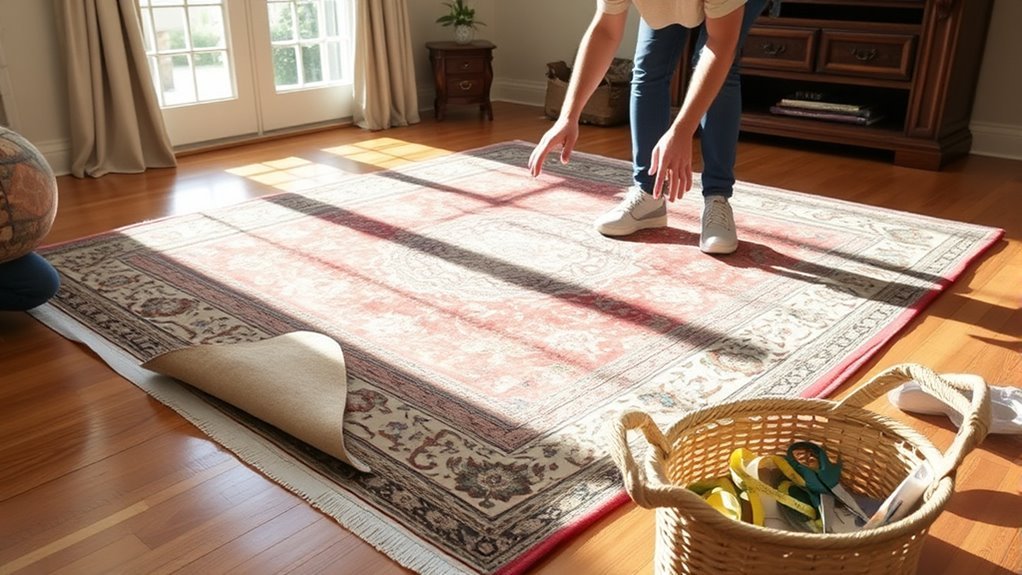
Repairing steam-damaged vinyl flooring starts with identifying the affected area and stopping further moisture exposure. Minor surface residue may be removable, but permanent warping, lifting, or delamination often requires plank replacement.
Do not assume every raised seam was caused by steam. Subfloor moisture, installation problems, and other heat sources can produce similar symptoms.
What to Do Immediately After Steam Damage
- Stop using the steam mop.
- Blot any remaining moisture with a clean, dry cloth.
- Allow the affected area to dry with normal ventilation.
- Inspect the plank edges for lifting, gaps, or distortion.
- Check nearby sections for changes in alignment or appearance.
- Photograph any damage before attempting repairs.
A slightly damp surface does not automatically mean permanent damage has occurred. Visible lifting, persistent gaps, or continuing moisture beneath the floor deserves closer attention.
How to Replace Damaged Planks
Individual vinyl planks can often be replaced, but the correct method depends on how the flooring was installed.
A floating click-lock floor may require careful disassembly from an accessible edge. Some systems also support a manufacturer-specified method for replacing a plank within the floor.
For a floating installation, the general process is:
- Identify the damaged planks and locate matching replacements.
- Consult the installation instructions for the locking system.
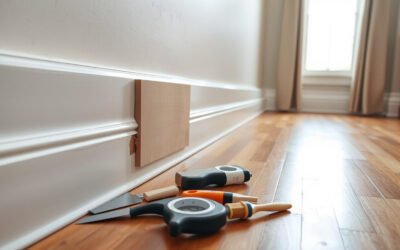
- Remove trim if needed to access the affected section.
- Carefully disconnect the planks without damaging their locking edges.
- Inspect the exposed subfloor and correct any moisture problem.
- Install matching replacement planks according to the manufacturer’s instructions.
- Reassemble the surrounding floor and refit the trim.
Do not force click-lock joints apart or glue a replacement plank into a floating system unless the approved repair method requires it.
Glue-down floors use a different repair process. Karndean explains that individual gluedown planks can be lifted and replaced, making localized repair possible.
However, damaged adhesive or subfloor material must be addressed before installing a replacement.
Keeping spare planks from the original installation makes color and pattern matching easier. If matching material is unavailable, replacing a larger visible section may be necessary.
Contact a flooring professional when several planks have lifted, the subfloor remains damp, or the damage involves an unfamiliar locking system.
How to Prevent Damage to Vinyl Plank Floors
Preventing damage involves more than choosing the right mop. Good daily habits reduce scratches, staining, moisture problems, and unnecessary wear.
Use appropriate furniture protectors and entrance mats, and inspect plank edges for early signs of damage.
| Action | Benefit | Frequency |
|---|---|---|
| Avoid unapproved steam cleaning | Reduces heat and moisture risks | Every cleaning |
| Add felt pads | Reduces scratches and scuffs | Install once; inspect regularly |
| Wipe spills fast | Limits staining and moisture intrusion | As needed |
| Use entry mats | Traps debris before it reaches the floor | Maintain regularly |
| Inspect seams | Catches lifting and gaps early | Seasonally |
Choose non-staining entrance mats without rubber or latex backing unless your flooring manufacturer permits those materials. Some backings can discolor luxury vinyl.
Use wider, non-staining protectors under heavy furniture to help distribute weight. Avoid dragging furniture or appliances across the floor.
Window coverings can also help limit prolonged exposure to direct sunlight, which may cause fading or unwanted heat buildup.
These simple measures support a longer-lasting finish and reduce the need for avoidable repairs.
Frequently Asked Questions
What’s the Best Way to Clean Vinyl Plank Flooring?
The best way is to remove loose dirt with a soft broom or hard-floor vacuum, then use a lightly damp microfiber mop when needed. Choose a cleaner approved for your flooring. Wipe spills promptly and avoid excessive water, abrasive products, and unapproved steam cleaning.
What Kind of Mop Is Best for Vinyl Plank Flooring?
A microfiber mop is a practical choice for vinyl plank flooring. Use a dry pad for dust and a lightly damp pad for deeper cleaning. Its soft material removes debris without the high heat of steam cleaning. Keep the pad clean to avoid dragging grit across the finish.
What Is the Best Way to Clean Vinyl Floors?
Regular dry cleaning followed by occasional damp mopping works well for many vinyl floors. Use a product-safe cleaning solution and remove remaining residue as directed. Cleaning instructions can differ between luxury vinyl planks, sheet vinyl, and other vinyl products, so follow the guidance for your flooring type.
What Flooring Should You Not Use a Steam Mop On?
Avoid steam mops on flooring that the manufacturer does not approve for steam cleaning. This commonly includes laminate, unsealed hardwood, waxed floors, and many vinyl products. Heat and moisture may affect finishes, seams, or adhesives. Some products allow controlled steam cleaning, so product-specific instructions determine whether it is suitable.
Can Waterproof Vinyl Plank Flooring Be Steam Cleaned?
Waterproof vinyl plank flooring is not automatically safe for steam cleaning. Waterproof construction helps the planks resist ordinary water exposure, but it does not guarantee resistance to high temperatures. The floor’s joints, adhesives, and subfloor may also have different limits. Use steam only when the specific product’s instructions allow it.
What Should I Do If I Already Used a Steam Mop on Vinyl Flooring?
Stop using steam until you confirm that your flooring permits it. Dry any remaining moisture and inspect the surface for lifting, gaps, or distortion. One use does not necessarily mean damage has occurred. If the floor shows persistent changes, document them and contact your flooring retailer or installer before attempting repairs.
Conclusion
A steam mop is not the right cleaning tool for every vinyl plank floor. Some products allow controlled steam cleaning, but many manufacturers advise against it because of heat, moisture, and warranty concerns.
For dependable everyday care, use a microfiber mop, an approved cleaner, and controlled moisture. Follow your specific flooring instructions to protect the finish, joints, and long-term performance.
Sources
- COREtec: Guide to Cleaning LVP Flooring: Steam-cleaning restrictions, cleaning products, vinegar guidance, and preventative maintenance.
- Mannington: ADURA Rigid Care and Maintenance: Manufacturer approval for suitable residential steam cleaners and routine maintenance.
- Quick-Step: Steam Cleaning Vinyl Flooring: Product-specific steam-cleaning conditions and operating precautions.
- COREtec: Residential Warranty Terms: Warranty requirements and exclusions for damage caused by improper care.
- Shaw Floors: Luxury Vinyl Care: Recommended cleaning methods, floor protection, and products to avoid.
- Karndean: Flooring FAQs: Vinyl cleaning, steam mop restrictions, stain removal, and floor repairs.
- Karndean: Gluedown Flooring: Individual plank replacement and gluedown construction.