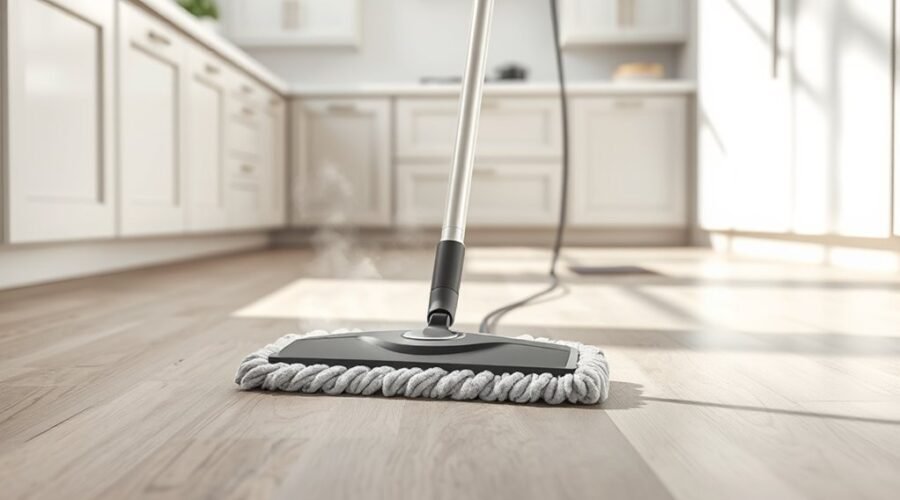
Vinyl plank flooring is durable, but steam mops can create problems that are easy to overlook. Heat and moisture may slip into seams, weaken the wear layer, and shorten the floor’s life. Some manufacturers also warn that steam cleaning can void the warranty. The real question is whether the convenience is worth the risk, and the answer is not always as simple as it seems.
Can You Use a Steam Mop on Vinyl Plank Flooring?
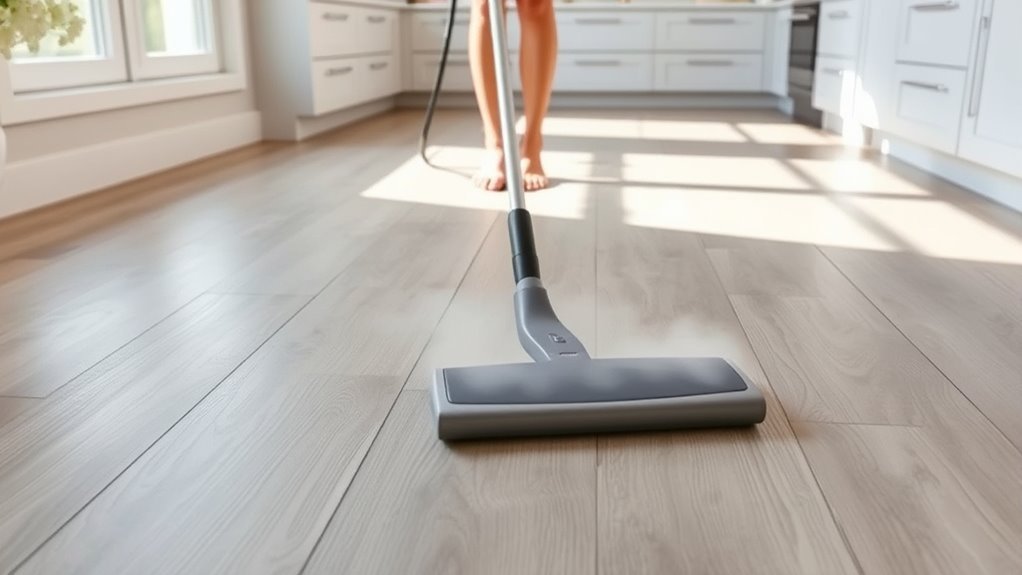
Steam mops are generally not recommended for vinyl plank flooring. A steam mop on vinyl can force moisture into seams, creating water damage, warping, and plank separation. It can also weaken the protective wear layer, leaving luxury vinyl flooring dull and faded. Many manufacturers advise against this method, so using it may void the warranty and reduce long-term freedom of choice.
Steam mops can damage vinyl plank flooring by forcing moisture into seams and weakening the wear layer.
For routine care, it is wiser to avoid using high heat and instead rely on dry mopping or a lightly damp mop with a pH-neutral cleaning solution. This approach removes dirt without stressing the floor.
Glue-down installations deserve extra caution, because steam may compromise adhesive bonds and trigger repairs.
The practical rule is simple: for most vinyl plank floors, the safest path is not to steam clean. Gentle maintenance preserves appearance, stability, and warranty protection while keeping the surface clean and resilient.
What Steam Does to Vinyl Plank Flooring
Steam introduces both heat and moisture, which can work into seams and cause vinyl plank flooring to swell, warp, or lose its finish over time.
The wear layer may dull under high temperatures, and repeated exposure can weaken adhesives in glue-down floors or create separation in floating installations.
These effects can shorten the floor’s lifespan and may also affect warranty coverage.
Heat and Moisture Damage
When used on vinyl plank flooring, a steam mop can introduce both heat and moisture that the surface was not designed to handle.
Steam mops push moisture into seams, where vinyl planks may swell or warp, and the heat can damage the protective wear layer, leaving dullness or fading.
For anyone seeking freedom from avoidable repair bills, the risks are clear.
- Moisture infiltration: seams can absorb steam.
- Heat impact: the finish may lose its luster.
- Warranty loss: many manufacturers reject steam use.
In glue-down installs, repeated exposure may weaken adhesive and invite further damage.
The result can be costly and not easily restored without professional help.
Layer Separation Risks
Layer separation is one of the most serious risks vinyl plank flooring faces under steam cleaning. Steam mops drive moisture into seams, where it can weaken the bond between layers and cause planks to delaminate.
The protective layer may also soften under high heat, reducing durability and dulling the finish. On floating floors, repeated exposure can disturb alignment, creating uneven surfaces over time.
Glue-down installs face added danger because steam can weaken adhesive, making planks lift or separate. These failures often begin slowly, then spread across the floor.
For this reason, steam mops are a poor match for vinyl plank flooring. Damage may void warranties and lead to costly repairs, limiting practical freedom and leaving the surface less secure.
Why Steam Mops Can Void Your Warranty
Although steam mops may seem convenient, they can quickly void a vinyl plank flooring warranty because many manufacturers prohibit steam cleaning altogether. The policy is simple: once steam mops are used, the warranty can be denied, shifting repair costs to the homeowner.
Steam mops can quickly void a vinyl plank flooring warranty, leaving homeowners responsible for costly repairs.
For vinyl flooring, that risk is not minor; heat and moisture can weaken the protective layer, invite damage, and undermine structural integrity.
- Manufacturer rules often forbid steam use.
- Heat and vapor can cause warping, buckling, and delamination.
- Any resulting claim may be rejected, leaving the owner responsible.
This matters because warranty protection is part of owning durable flooring with confidence.
When steam enters seams, it can accelerate wear and reduce shine, making the surface fail earlier than expected.
In practical terms, a brief cleaning choice can erase coverage and create expensive problems.
For those seeking freedom from avoidable loss, reading the product warranty is essential.
How to Clean Vinyl Plank Flooring Safely
Safe daily care for vinyl plank flooring starts with regular sweeping or dry mopping to remove grit before it can scratch the surface.
For deeper cleaning, a lightly damp mop with a vinyl-safe cleaner is a better choice than excess water or steam.
Harsh chemicals and abrasive tools should be avoided to protect the wear layer and preserve the floor’s finish.
Safe Daily Cleaning
A simple daily routine keeps vinyl plank flooring in good condition without risking damage. For routine cleaning, a steam mop should be avoided; it can threaten the protective layer and is not safe for vinyl. A dry microfiber mop or vacuum with a soft-bristle setting removes grit before it can scratch the surface.
- Sweep or vacuum daily to lift dust and debris.
- Spot-wipe spills at once with a soft cloth to protect the floor from moisture.
- Use felt pads under furniture legs to reduce scuffs and preserve the finish.
This practical approach keeps vinyl plank surfaces clean, controlled, and free from unnecessary wear. Simple care supports durability and keeps the floor ready for independent, low-maintenance living.
Gentle Deep Cleaning
For a gentle deep clean, vinyl plank flooring responds best to a microfiber mop or soft-bristle broom that lifts dirt without scratching the surface.
A steam mop may seem efficient, but heat and moisture can threaten the protective layer and weaken adhesion over time. Instead, gentle deep cleaning should rely on damp mopping with a vinyl-safe cleaner or a diluted vinegar solution, mixed at 1:10.
The microfiber mop should be lightly damp, never soaked, so excess water does not seep into seams or cause buckling. Spills deserve immediate attention, because vinyl is water-resistant, not waterproof.
Felt pads under furniture legs help preserve the finish and reduce wear. This careful routine keeps vinyl plank flooring clean, resilient, and free.
Best Steam Mop Alternatives for LVP
Better alternatives for LVP keep cleaning effective while avoiding the moisture risks that steam mops introduce. A steam mop can force water into vinyl plank flooring, leading to warping, swelling, and weakened adhesive.
For everyday care, a microfiber mop or soft-bristle broom lifts dust and grit without scratching luxury vinyl flooring. Regular vacuuming with a hard-floor model also supports freedom from debris while protecting the surface.
For deeper cleaning, a damp mop paired with a pH-neutral cleaner made for vinyl plank flooring offers controlled moisture and solid results. A diluted vinegar mix, one part vinegar to 10 parts water, can also work when used sparingly.
- Microfiber mop
- Hard-floor vacuum
- Vinyl-safe damp mop
These options keep maintenance simple, safe, and effective. They preserve the finish, reduce risk, and avoid the problems that make a steam mop a poor match for vinyl plank flooring.
How to Remove Scuffs and Tough Stains
Scuff marks on vinyl plank flooring can often be lifted by gently rubbing the area with a pencil eraser, which removes the mark without harming the surface. For tougher blemishes, a soft microfiber cloth dampened with warm water should blot, not scrub, because scrubbing can damage the protective layer. A paste of baking soda and water may help loosen tough stains, and a vinyl-safe cleaner can be used on stubborn spots after a brief wait. Always test any solution on a hidden area first. A steam mop is not part of this cleaning method.
| Method | Result |
|---|---|
| Pencil eraser | Lifts scuff marks |
| Warm water cloth | Blots stains safely |
| Baking soda paste | Helps with tough stains |
| Vinyl-safe cleaner | Handles persistent marks |
| Hidden test spot | Checks safety first |
How to Repair Steam-Damaged Vinyl Planks
Steam-damaged vinyl planks should be assessed immediately for warping, lifting, or discoloration, since these issues can worsen over time. A careful inspection helps determine whether limited repair or full replacement is needed.
In many floating flooring systems, damaged vinyl planks can be removed as a DIY task, preserving the rest of the surface. Glue-down installations often require professional repair because the bond and subfloor can be affected.
- Remove trim gently to free access.
- Lift the damaged plank carefully, avoiding adjacent pieces.
- Install a matching replacement plank and refit trim.
Matching new vinyl planks may be difficult, so keeping extra pieces from the original flooring is wise. If a close match is unavailable, replacing the visible section may be the most practical option.
Regular inspection and prompt repair support a clean, stable floor and reduce the spread of steam damage.
How to Prevent Damage to Vinyl Plank Floors
Preventing damage to vinyl plank floors starts with avoiding steam mops, since high heat and moisture can cause warping and delamination of the protective layer. Smart maintenance keeps the surface clean, resilient, and free from avoidable damage. Use felt pads under furniture legs, wipe spills immediately, and place entry mats with synthetic rubber backing to trap grit before it scratches the vinyl plank finish.
| Action | Benefit | Frequency |
|---|---|---|
| Avoid steam mop use | Protects seams | Always |
| Add felt pads | Reduces dents | Once |
| Wipe spills fast | Limits water damage | As needed |
| Use entry mats | Traps debris | Daily |
| Inspect seams | Catches lifting early | Seasonally |
This routine supports freedom from costly repairs and helps the floor keep its strength, appearance, and longevity. When damage is caught early, maintenance stays simple, and the vinyl plank surface remains dependable for years.
Frequently Asked Questions
What’s the Best Way to Clean Vinyl Plank Flooring?
The best way is regular vacuuming, then damp mopping with mild cleaning solutions. Maintenance tips include quick spill cleanup and floor protection. Common mistakes are excess water and abrasives. DIY methods and product recommendations favor microfiber, vinegar.
What Kind of Mop Is Best for Vinyl Plank Flooring?
A microfiber mop is best, like a gentle shield for vinyl planks. Its mop materials support floor protection, cleaning frequency, stain removal, and maintenance tips. Product recommendations favor damp, pH-neutral cleaners over harsh methods.
What Is the Best Way to Clean Vinyl Floors?
He finds the best way to clean vinyl floors is vacuuming or dry mopping, then damp mopping with vinyl-safe cleaning products. Practical floor care includes stain removal, DIY solutions, and protective measures for lasting maintenance tips.
What Flooring Should You Not Use a Steam Mop On?
Steam mops should not be used on vinyl, laminate, unsealed hardwood, waxed floors, or adhesive-backed surfaces; steam mop risks include flooring damage, moisture issues, and warranty concerns. Maintenance tips favor alternative cleaners for safer results.
Conclusion
In short, a steam mop is a poor choice for vinyl plank flooring. Heat and moisture can slip into seams, weaken the wear layer, and leave planks warped or dull, like sun fading a photograph over time. Safer cleaning methods—such as a microfiber mop, pH-neutral cleaner, and minimal water—help preserve both appearance and warranty coverage. For long-term results, gentle care is the most reliable way to protect vinyl floors.