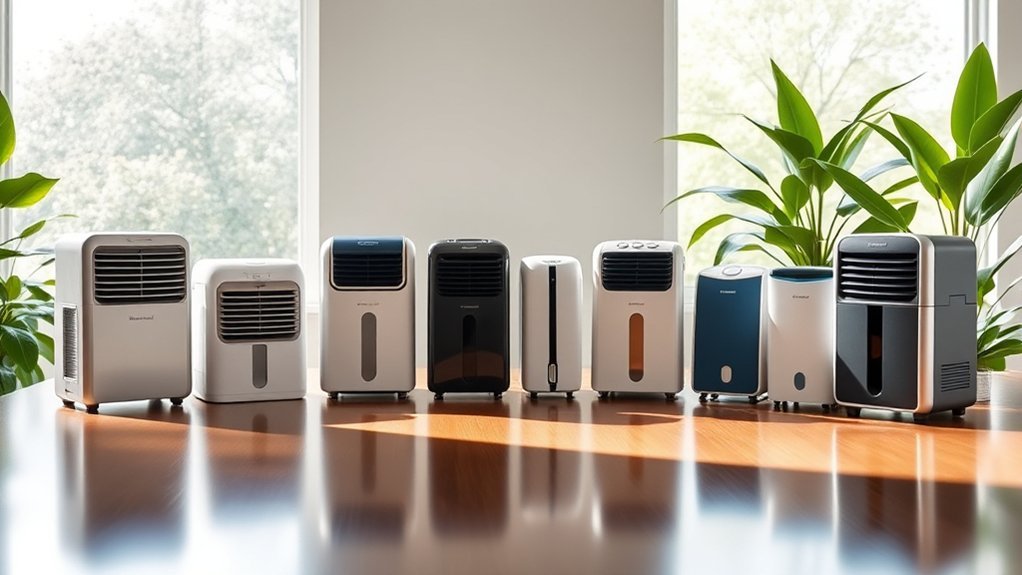
For reliable continuous drainage in 2026, choose a dehumidifier drain hose that matches your unit’s outlet before comparing length or material. Many full-size dehumidifiers use a standard 3/4-inch female hose thread (FHT), while some compact units and portable air conditioners use a smooth 15–20mm drain port secured with an adapter and clamp. The best hose should form a secure connection, resist kinking, and maintain a continuous downhill route to the drain.
Affiliate disclosure: As an Amazon Associate, we may earn from qualifying purchases made through links in this article, at no additional cost to you.
Quick Verdict
Best durable threaded option: The 16FT Dehumidifier Drain Hose with Brass Fittings combines a standard 3/4-inch connection with a rubber hose, brass interface, and cut-to-length design.
Best simple long hose: The 16.5-foot Dehumidifier Drain Hose with 3/4 Inch Connector is a straightforward PVC choice for compatible threaded outlets.
Best for a smooth 15–20mm outlet: The five-foot Universal Dehumidifier Drain Hose uses a rubber connector and clamp instead of a threaded fitting.
Compatibility note: Check your dehumidifier manual and inspect the drain outlet before ordering. A 3/4-inch threaded hose will not directly fit every smooth drain port, and a 15–20mm clamp hose will not replace a threaded FHT connection. For gravity drainage, the entire hose route must remain below the appliance outlet and slope continuously downward.
Quick Comparison of the Best Dehumidifier Drain Hoses
| Product | Length | Connection | Best Use | Amazon |
|---|---|---|---|---|
| Dehumidifier Drain Hose with 3/4 Inch Connector | 16.5 ft | 3/4-inch FHT | Long threaded drain routes | Check Details |
| 16.5 Ft Drain Hose with Clamp | 16.5 ft | Adapter and clamp | Adjustable appliance connections | Check Details |
| 15-Foot Black Dehumidifier Hose | 15 ft | 3/4-inch FHT | Standard medium-length setup | Check Details |
| Universal Five-Foot Drain Hose | 5 ft | 15–20mm connector and clamp | Compact smooth-port units | Check Details |
| 16FT Hose with Brass Fittings | 16 ft | 3/4-inch FHT | Durable threaded connection | Check Details |
| 16.5FT Portable Drain Hose Kit | 16.5 ft | Rubber adapter and clamp | Dehumidifier or portable-AC routing | Check Details |
Dehumidifier Drain Hose with 3/4 Inch Connector
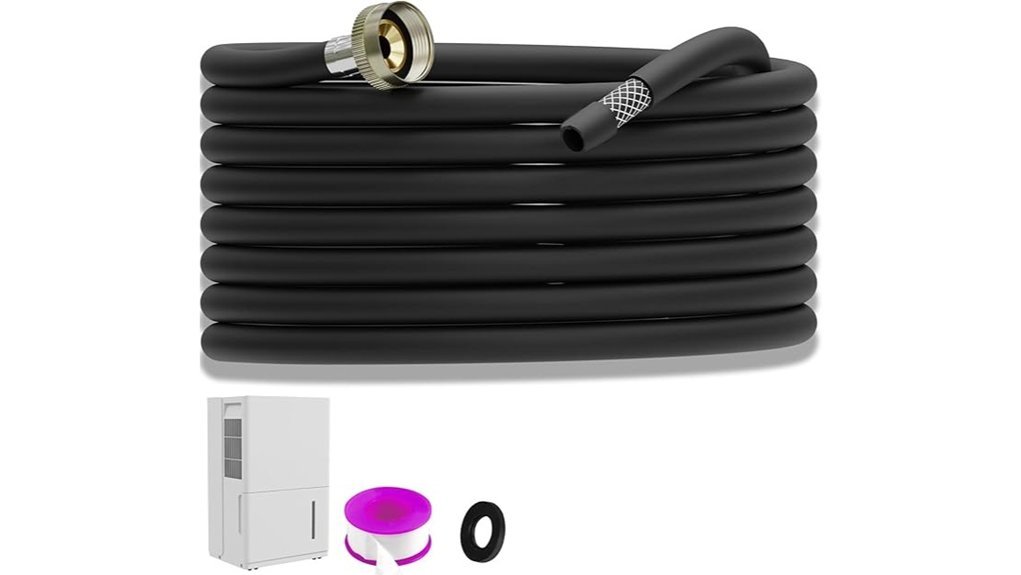
Best Long Threaded Option
This 16.5-foot dehumidifier drain hose is designed for compatible appliances with a standard 3/4-inch female threaded connection. Its PVC construction gives you enough flexibility to route the line toward a nearby floor drain, sink, or other approved drainage point without using a bulky outdoor hose.
The listing describes rubber gaskets and sealing tape intended to improve the connection. However, a good seal still depends on having the correct outlet size, installing the washer properly, and keeping the hose free of sideways strain. The generous length is helpful in larger rooms, but you should use only as much hose as necessary so water can maintain a steady downhill path.
Best For: Basements, laundry rooms, and utility spaces where a dehumidifier with a standard 3/4-inch threaded drain outlet sits several feet from the drain.
Why You’ll Like It:
- 16.5-foot length offers flexibility when the drain is not directly beside the appliance.
- Standard 3/4-inch FHT connection works with many compatible full-size dehumidifiers.
- PVC construction is easier to route and store than a thick pressure-rated garden hose.
Limitations:
- It will not directly fit smooth 15–20mm drain ports.
- Extra unused length can create loops or raised sections that interfere with gravity drainage.
- Compatibility should be confirmed in the dehumidifier manual before ordering.
16.5 Ft Dehumidifier Drain Hose with Clamp
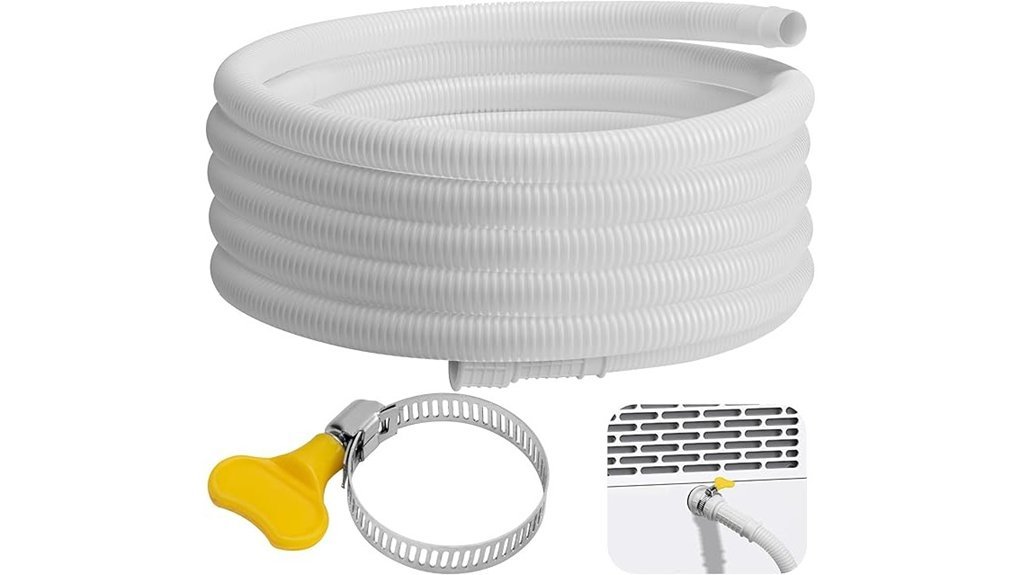
Best Adjustable Clamp Option
This 16.5-foot hose uses a corrugated PE body with an adapter and clamp. It is useful when your appliance accepts a push-on or adapter-style drain connection rather than a simple screw-on garden-hose fitting. The corrugated structure allows the line to bend around furniture and other obstacles while helping it resist complete collapse.
The clamp can improve security at the outlet, but it does not make the hose universally compatible. Measure the outlet and compare it with the current listing instructions before ordering. Once installed, route the hose without high spots, tight coils, or sharp bends.
Best For: Buyers who need a long, flexible drain route and prefer an adapter-and-clamp connection for a compatible dehumidifier or appliance outlet.
Why You’ll Like It:
- Long 16.5-foot reach suits larger rooms and awkward drain locations.
- Corrugated PE construction bends more easily around obstacles.
- Included clamp helps secure the connection when correctly sized.
Limitations:
- The outlet must match the supplied adapter.
- Corrugated grooves may collect residue more easily than smooth tubing.
- Excess length can slow gravity drainage if it creates loops or raised sections.
Dehumidifier Hose, ¾ Inch FHT Connection, No Kink, 15 Feet, Black
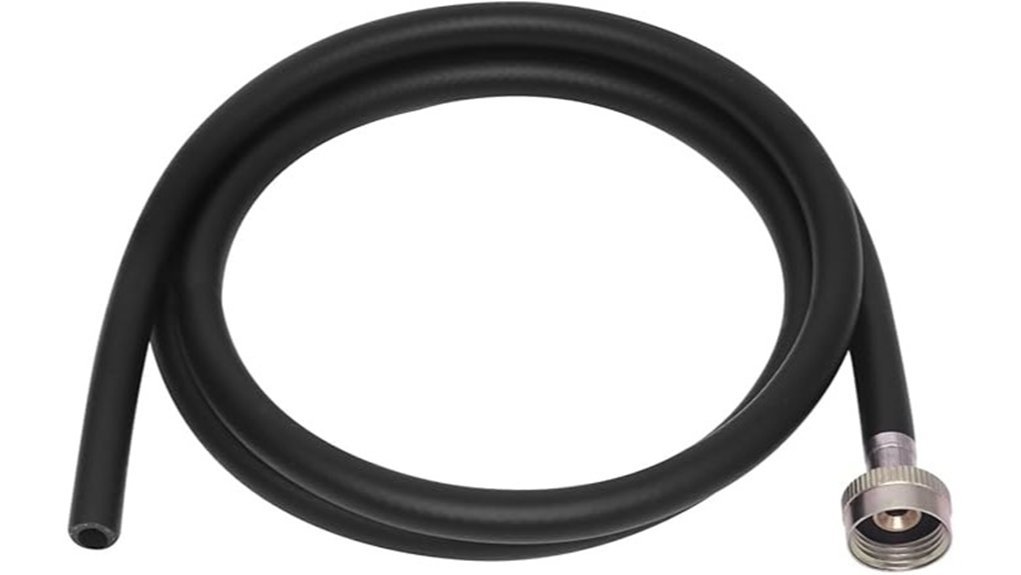
Best Simple 15-Foot Threaded Hose
This black dehumidifier hose provides a straightforward 15-foot drain line with a ¾-inch female hose-thread connection. It is a practical middle-ground option when five feet is too short but a longer 16.5-foot hose would leave unnecessary slack.
The listing positions the hose as a no-kink design, but correct routing is still important. Lay it out fully before use, avoid placing furniture on it, and make sure every section remains level with or below the dehumidifier outlet.
Best For: Homeowners and renters who have a compatible ¾-inch threaded dehumidifier outlet and need a medium-length route to a floor drain or sink.
Why You’ll Like It:
- 15-foot length works for many basement and laundry-room layouts.
- Threaded connection provides a simple screw-on installation on compatible units.
- Black finish can blend into unfinished basements and utility areas.
Limitations:
- Not suitable for a smooth clamp-style drain outlet.
- The dark hose makes interior residue harder to see.
- You should confirm whether the current package includes the washer or gasket required by your appliance.
Universal Dehumidifier Drain Hose with Connector and Clamp
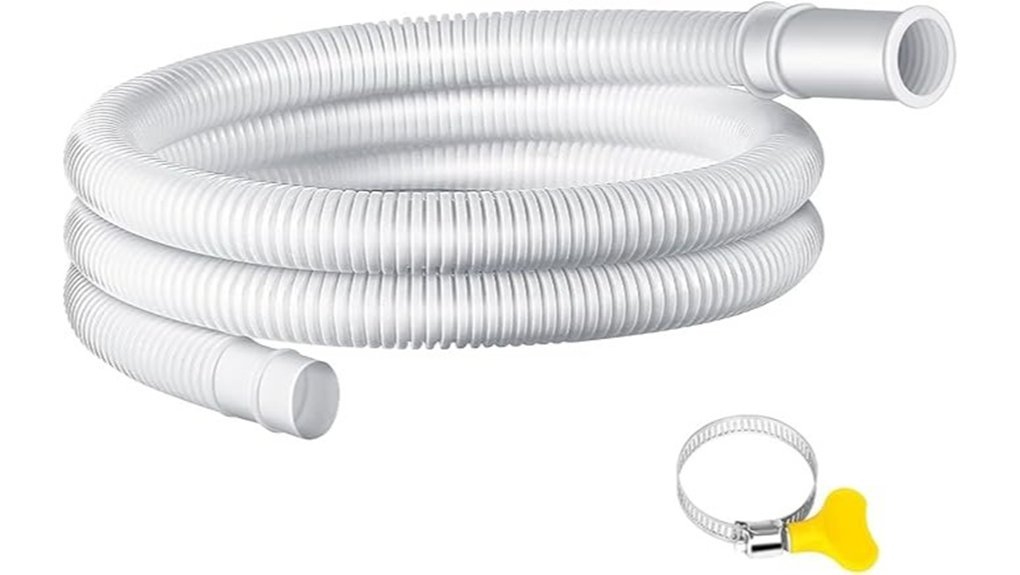
Best Compact Hose for 15–20mm Ports
This five-foot PVC drain hose is designed for compatible appliances with smooth 15–20mm drainage outlets. The elastic rubber connector slides over the port, while the stainless-steel clamp helps hold it in place. Its short length reduces unnecessary slack in compact bathrooms, bedrooms, laundry areas, or apartments.
This is not a direct alternative to a threaded ¾-inch FHT hose. It should be selected only after confirming that your appliance has a compatible smooth drain port.
Best For: Compact dehumidifiers, portable air conditioners, and compatible appliances with a smooth 15–20mm outlet located close to the drain.
Why You’ll Like It:
- Five-foot length keeps short drainage routes clean and manageable.
- Rubber connector and clamp support a secure push-on installation.
- Flexible PVC body can be routed through smaller utility spaces.
Limitations:
- Not compatible with standard ¾-inch threaded outlets.
- Five feet may be insufficient when the drain is across the room.
- The clamp must be tightened securely without crushing or damaging the outlet.
16FT Dehumidifier Drain Hose with Brass Fittings
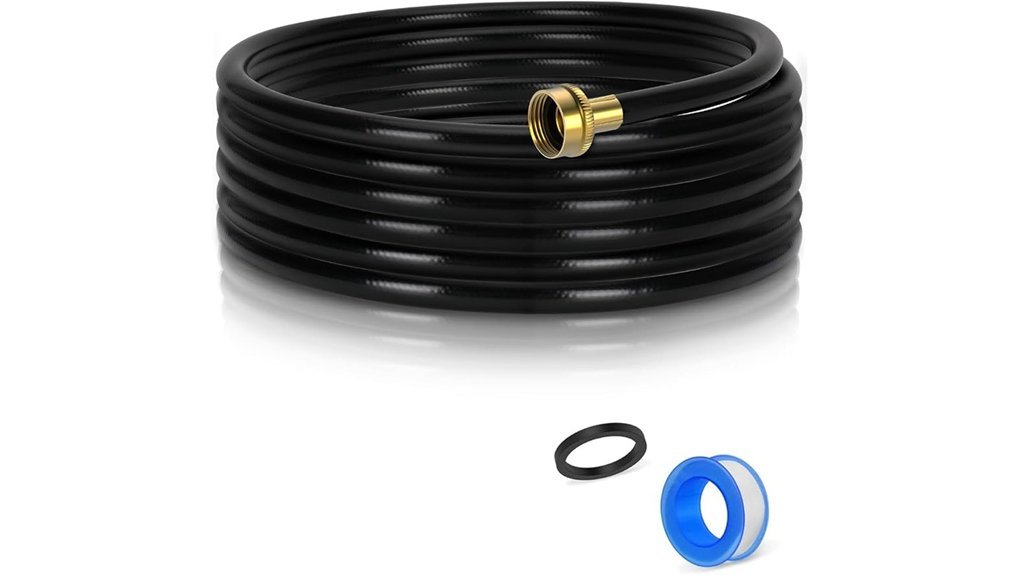
Best Durable Threaded Option
This 16-foot rubber dehumidifier drain hose pairs a standard 3/4-inch FHT connection with a nickel-plated brass interface and rubber seal. The stronger fitting is appealing when you expect to leave the hose connected for long periods or remove and reinstall it during seasonal use.
The listing states that the hose can be cut to a more suitable length. Shortening an overly long hose can improve gravity drainage by reducing loops and unnecessary bends, but make sure you cut only the open discharge end and preserve the threaded connector. The seller also states a ten-year guarantee; confirm the current terms and claim process on Amazon before relying on that coverage.
Best For: Buyers who want a durable threaded connection, rubber construction, and the option to shorten a long hose for a cleaner installation.
Why You’ll Like It:
- Nickel-plated brass interface and rubber seal support a secure threaded connection.
- Sixteen-foot length provides useful reach without moving to an outdoor pressure hose.
- Cut-to-length design can reduce excess hose and improve routing.
Limitations:
- Rubber may feel heavier or less flexible than thin PVC tubing.
- It requires a compatible ¾-inch threaded drain outlet.
- The seller-stated guarantee and its conditions may change over time.
Portable Dehumidifier Drain Hose Kit with Adapter & Clamp
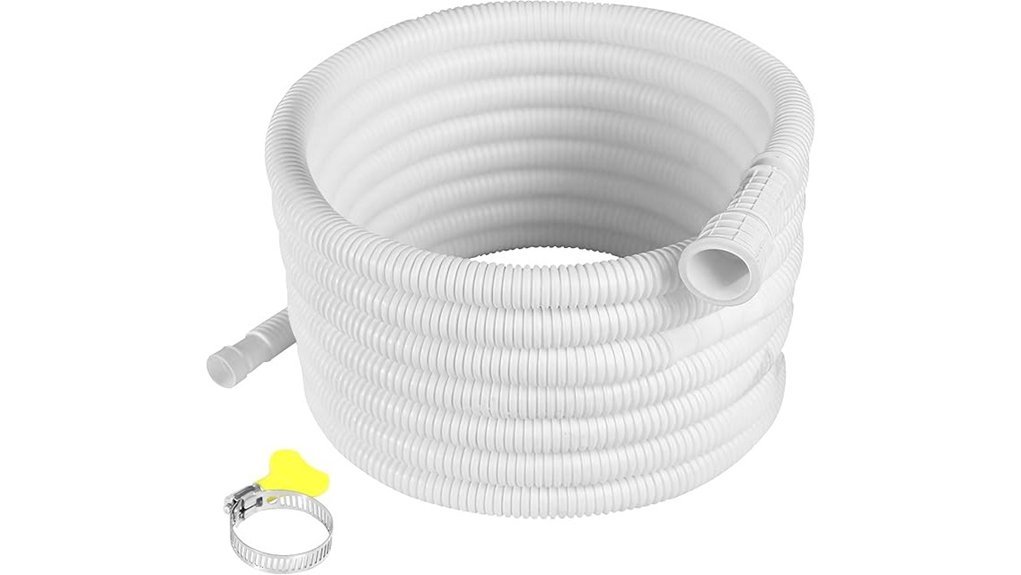
Best Long Adapter-and-Clamp Kit
This 16.5-foot portable dehumidifier drain hose kit uses thickened PVC with a rubber adapter and clamp. The current listing describes compatibility with many ¾-inch FHT dehumidifier outlets and 15–20mm portable-AC drains, making it useful when you need more connection flexibility than a basic threaded hose provides.
The product title and feature descriptions are not fully consistent about whether the adapter should be cut. Do not trim or modify it unless the current instructions for the exact product and your outlet specifically direct you to do so. Test the connection over a water-safe area before leaving the unit unattended.
Best For: Longer or awkward drainage routes where a compatible rubber adapter and clamp are preferable to a simple garden-hose connection.
Why You’ll Like It:
- 16.5-foot length can reach drains located across a utility room.
- Rubber adapter and clamp offer more connection flexibility than a fixed threaded end.
- Rippled PVC construction helps the hose bend around obstacles.
Limitations:
- The adapter must match the exact appliance outlet.
- Product instructions should be checked before cutting or modifying any connector.
- Long routes require careful slope management to prevent standing water.
How to Choose a Dehumidifier Drain Hose
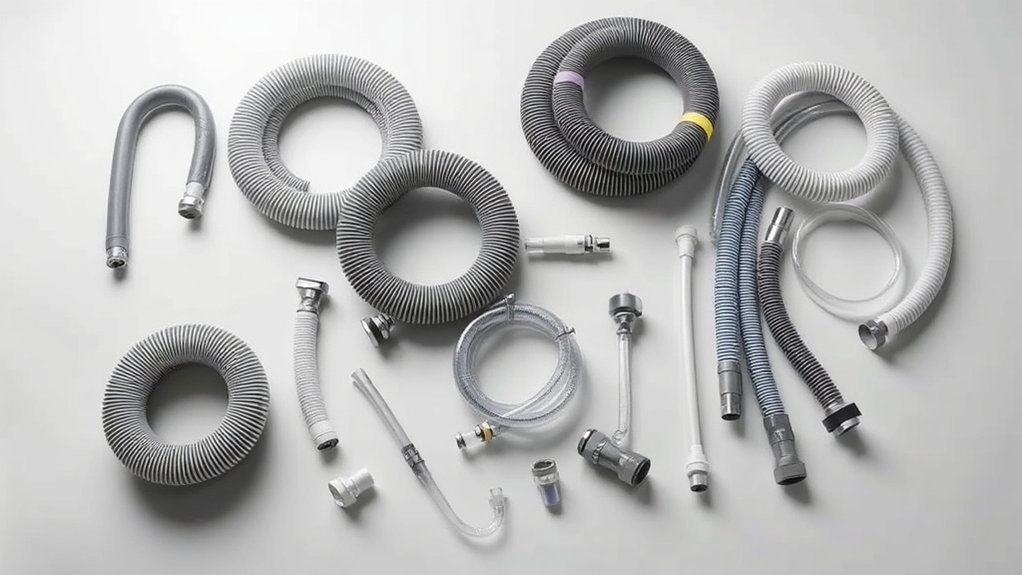
The connector type matters more than any other feature. After confirming fit, compare the hose length, material, flexibility, seal, and installation route. The right hose should drain water safely without creating unnecessary loops, strain, or maintenance.
Check the Connector Before Buying
Inspect your appliance outlet and read the manual before choosing a hose. Many larger dehumidifiers accept a 3/4-inch female garden-hose thread. Other models use a smooth outlet that accepts a flexible tube, rubber adapter, or clamp. The two styles are not directly interchangeable.
Do not rely only on phrases such as “universal fit.” Compare the thread type or measured outlet diameter with the current product description. Also check whether the required washer, adapter, cap, or clamp is included.
Use the Shortest Practical Length
A longer hose provides placement freedom, but it can also create low spots where water collects. Measure the complete route from the appliance outlet to the drain, including turns and the vertical drop. Choose enough length to reach without stretching, but avoid leaving several feet of unused hose on the floor.
If the product is designed to be cut, shortening the open discharge end can make the installation cleaner. Never cut a connector or sealed fitting unless the manufacturer specifically instructs you to do so.
Understand Gravity Drainage Versus Pump Drainage
A standard continuous drain connection normally relies on gravity. The dehumidifier outlet must sit above the drain destination, and the hose must run continuously downhill. A basic hose cannot move water uphill, through a raised window, or over a high sink edge.
To move water upward, you need a dehumidifier with a built-in pump or a compatible external condensate pump. Use only the tubing type and maximum lift specified for that pump system.
Look for a Secure Seal
Threaded connections should have an undamaged rubber washer or gasket. Push-on connections should use a correctly sized adapter and clamp. Tighten the connection firmly, but avoid overtightening plastic threads or crushing a soft outlet.
After installation, run the dehumidifier while watching the connector and the first several feet of hose. Correct any dripping, twisting, or water backup before relying on unattended drainage.
Compare Hose Materials
PVC hoses are generally lightweight, easy to route, and convenient for indoor use. PE corrugated hoses bend readily around obstacles but may hold more residue in their grooves. Rubber hoses can provide a sturdier feel and durable fittings but may be heavier in tight installations.
For indoor gravity drainage, flexibility, wall strength, and connector quality matter more than high pressure or burst ratings. The hose should not flatten under furniture or crack when bent.
Prevent Kinks and Raised Loops
A kink can stop water flow, while a raised loop can trap condensate and send water back toward the dehumidifier bucket. Lay the hose out before connecting it, remove tight coils, and support the line where needed so it maintains a steady downward angle.
Do not place storage boxes, appliances, or furniture on the hose. Check the route again after moving or cleaning the dehumidifier.
Choose an Installation You Can Inspect
A threaded hose is often the simplest option when the appliance has a matching outlet. An adapter-and-clamp hose can work well on compatible smooth ports but requires more careful sizing and tightening.
Keep the connection visible rather than hiding it immediately behind a wall, cabinet, or heavy appliance. Easy access makes it simpler to spot leaks and clean the hose.
Plan for Cleaning and Storage
When the hose is not in use, disconnect it according to the appliance manual, drain all standing water, and let it dry. Coil it loosely rather than folding it sharply. Store PVC and rubber hoses away from direct sunlight, sharp objects, and freezing conditions.
Inspect the connector, washer, clamp, and full hose length before reinstalling it. Replace the hose if it becomes cracked, stiff, crushed, permanently kinked, or difficult to clean.
Before You Buy
- Check whether the drain outlet is threaded or smooth.
- Confirm the required thread size or outlet diameter.
- Measure the route to the drain.
- Make sure the drain point is below the appliance outlet.
- Choose the shortest hose that reaches without strain.
- Check whether a washer, adapter, or clamp is included.
- Review the dehumidifier manual for maximum hose length and installation instructions.
Frequently Asked Questions
How Do I Prevent Buildup Inside a Dehumidifier Drain Hose?
Keep the hose continuously sloped so water does not sit inside it. Inspect it regularly for residue or blockage, and clean it using the method approved in your dehumidifier manual. Disconnect the appliance from power before cleaning the drain outlet or removing the hose.
Can a Dehumidifier Drain Hose Carry Water Uphill?
No. A standard continuous drain hose relies on gravity and cannot carry water uphill. To reach a higher drain, use a dehumidifier with a built-in pump or an approved external condensate pump.
Can I Use a Standard Garden Hose on a Dehumidifier?
Yes, but only when the appliance manual specifies a standard garden-hose connection, commonly a ¾-inch female thread. A short, lightweight drain hose is usually easier to route indoors than a thick outdoor watering hose. Always keep the route downhill and free of kinks.
Do All Dehumidifiers Use the Same Drain Connection?
No. Some use a ¾-inch threaded connection, while others use a smaller smooth outlet, adapter, or manufacturer-specific drain fitting. Check the manual and measure the outlet before buying.
How Long Should a Dehumidifier Drain Hose Be?
Use the shortest practical hose that reaches the drain without stretching. Longer hoses can work when they maintain a continuous downward slope, but loops and raised sections may trap water. Follow any maximum length stated in the appliance manual.
When Should I Replace a Dehumidifier Drain Hose?
Replace it when you notice cracking, stiffness, permanent kinks, damaged threads, a worn washer, corrosion, leakage, or a blockage that cannot be cleaned. Inspect the full setup at the start of each humid season and after moving the appliance.
Conclusion
The best dehumidifier drain hose is the one that matches your appliance outlet and maintains an uninterrupted downhill route. For a standard ¾-inch threaded outlet, the 16FT Dehumidifier Drain Hose with Brass Fittings offers a durable connection and cut-to-length flexibility. The 16.5-foot PVC threaded hose is a simpler lightweight alternative.
For a smooth 15–20mm port, choose a correctly sized adapter-and-clamp hose rather than forcing a threaded fitting. Whatever style you select, keep the route short, secure the connection, test for leaks, and follow the drainage instructions for your exact dehumidifier.
Final Recommendation
Choose the 16FT hose with brass fittings when your dehumidifier has a standard ¾-inch threaded outlet and you want a durable long-term setup.
Choose a clamp-style hose only when your appliance uses a compatible smooth outlet or adapter connection.