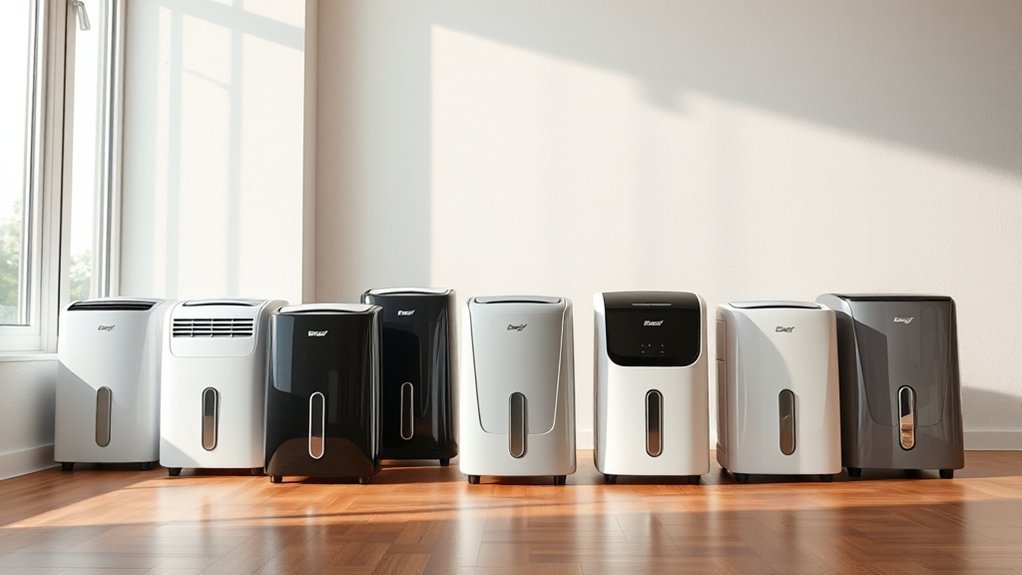
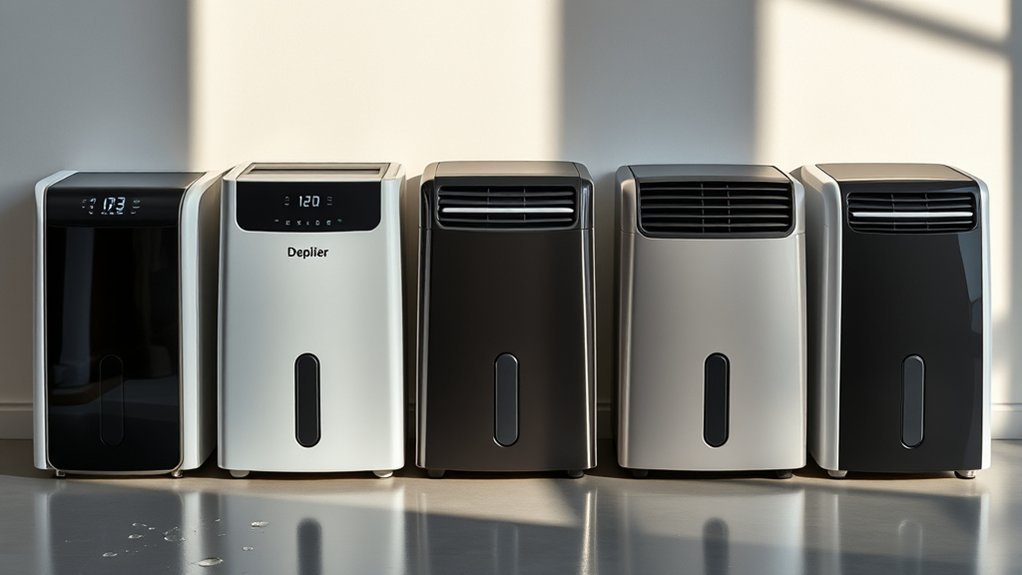
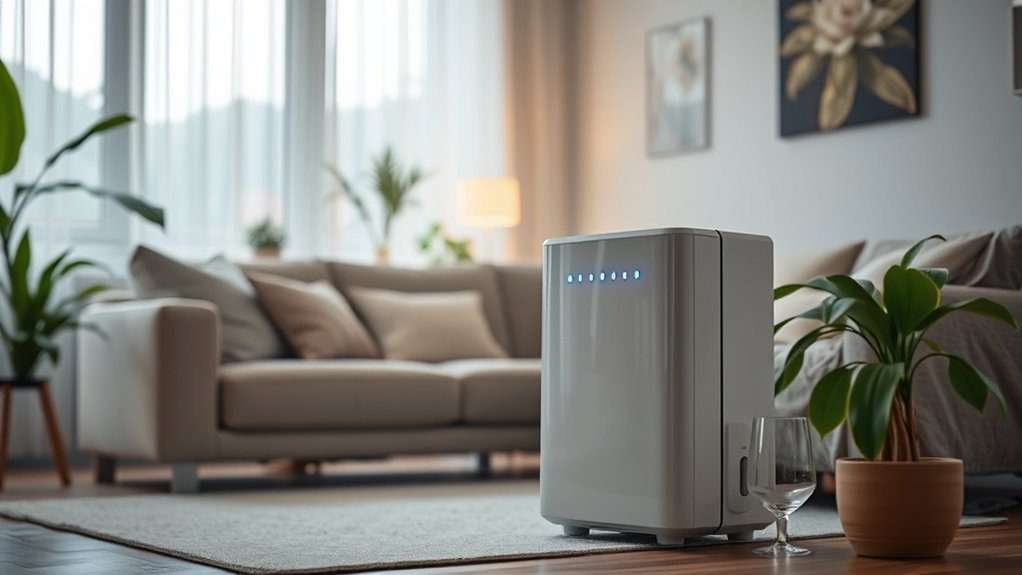
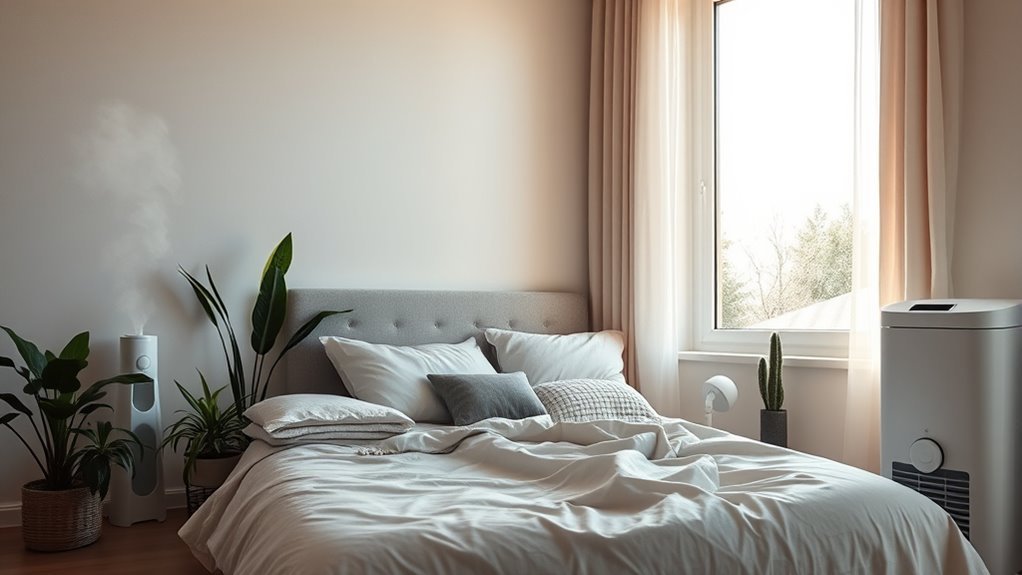
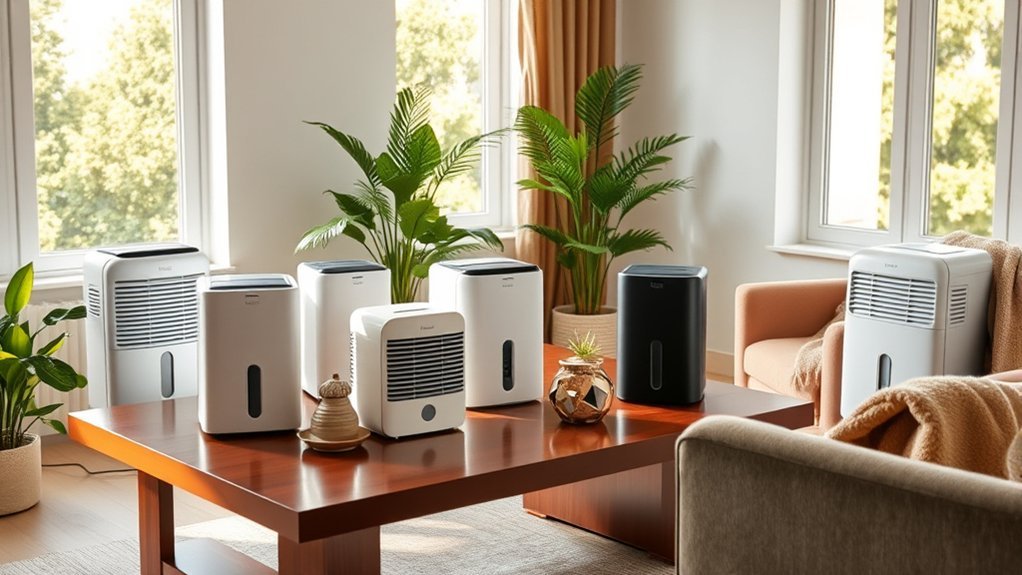
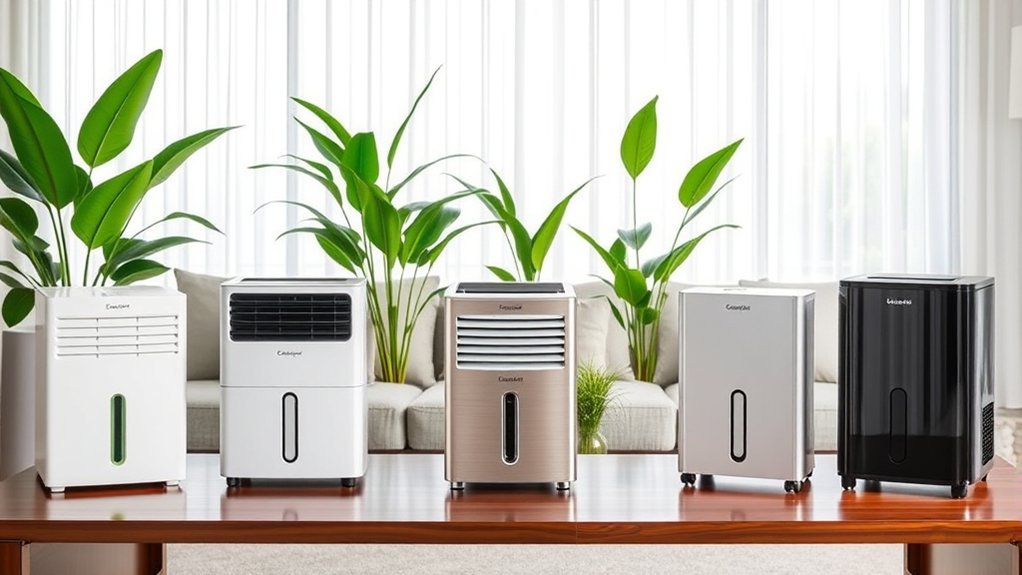
If damp gear, foggy tent walls, musty smells, or moisture-packed storage bags are ruining your outdoor setup, the right camping tent dehumidifier can make your space feel drier and more comfortable. For camping, RV use, rooftop tents, cars, closets, and small enclosed spaces, the best options are usually rechargeable moisture absorber bags, compact silica-gel packs, or small portable dehumidifiers that are easy to carry and simple to reactivate. Below, you’ll find reusable bags, rechargeable desiccant packs, and compact electric-style options that help control humidity without taking up much space.
Quick Verdict: Best Camping Tent Dehumidifiers
Best overall for camping tents: Rooftop Tent Dehumidifier Bag because it is made with outdoor moisture control in mind and is easy to carry.
Best budget-style moisture control: FURWEY Rechargeable Desiccant Packs because the small packs are easy to place in gear bags, bins, cars, and tent corners.
Best for cars and multipurpose storage: Reusable Car Dehumidifier Bag because it helps with damp smells, foggy windows, and enclosed spaces.
Best for small enclosed spaces: Rechargeable Portable Mini Dehumidifier because it is compact and useful for closets, trunks, tents, and storage areas.
Best for RVs and small rooms: Small 1500ML Dehumidifier for Home and RV because it offers a larger tank and active moisture removal for small indoor spaces.
| Product | Best For | Main Benefit | Buy Button |
|---|---|---|---|
| Reusable Car Dehumidifier Bag | Cars, tents, trucks, closets, and small enclosed spaces | Reusable moisture and odor control | Check Price on Amazon |
| Rooftop Tent Dehumidifier Bag | Rooftop tents, camping tents, vehicles, and closets | Portable outdoor moisture absorption | Check Product Details on Amazon |
| FURWEY Rechargeable Desiccant Packs | Gear bins, camera bags, storage bags, tent corners, and vehicles | Small, flexible moisture control packs | View Latest Deal on Amazon |
| Rechargeable Portable Mini Dehumidifier | Small spaces, closets, trunks, documents, clothes, and travel storage | Compact rechargeable humidity control | Check Current Amazon Availability |
| Small 1500ML Dehumidifier for Home and RV | RVs, bedrooms, small rooms, offices, and powered camping setups | Larger tank and quiet active moisture removal | See Today’s Price on Amazon |
Affiliate disclosure: This article contains Amazon affiliate links. If you buy through these links, we may earn a small commission at no extra cost to you.
Reusable Car Dehumidifier Bag – Rechargeable Moisture Absorber
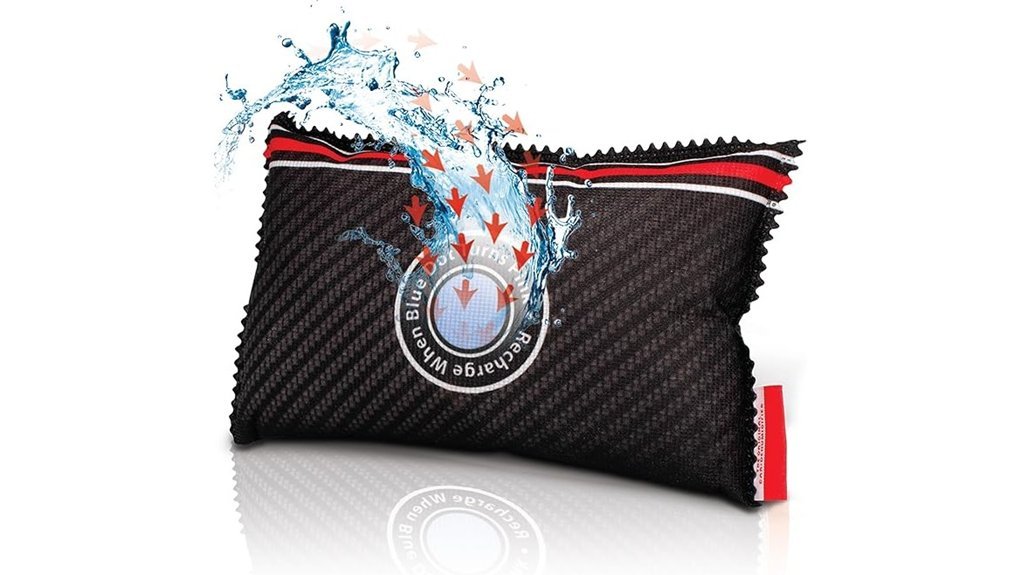
If you often deal with dampness, foggy windows, or musty odors in your vehicle, storage area, or camping tent, the Reusable Car Dehumidifier Bag is a practical moisture-control solution. It is designed to absorb humidity in tight enclosed spaces, which makes it useful for cars, trucks, closets, gear bins, and small tent areas.
This type of rechargeable moisture absorber is especially helpful when you want a simple, leak-free option without running a powered dehumidifier. You can reactivate it by placing it in the microwave or under direct sunlight until the indicator returns to bright blue. That makes it a good choice for repeated use between camping trips, especially if you store gear in a humid garage, trunk, or RV compartment.
It can also help reduce damp smells and improve comfort in enclosed spaces. While it will not replace a full-size electric dehumidifier in a large wet area, it is a smart pick for campers who want a lightweight, low-maintenance way to control moisture around gear, bedding, bags, and vehicle interiors.
Why You’ll Like It: It is reusable, compact, and easy to place where moisture collects, such as under seats, inside storage bins, near tent corners, or beside camping gear.
Who Should Buy This: Campers, car owners, RV users, and anyone who wants a no-spill moisture absorber for small enclosed spaces.
Best For: Individuals seeking an effective solution to eliminate dampness and musty odors in vehicles, homes, and various enclosed spaces.
Pros:
- Rechargeable and easy to reactivate in just 6 minutes.
- Leakproof design ensures no damage to interiors and prevents stains.
- Versatile use in cars, homes, and other tight spaces to maintain freshness.
Cons:
- Requires periodic recharging to maintain effectiveness.
- Limited capacity may necessitate multiple bags for larger spaces.
- Initial investment may be higher compared to disposable options.
Rooftop Tent Dehumidifier Bag
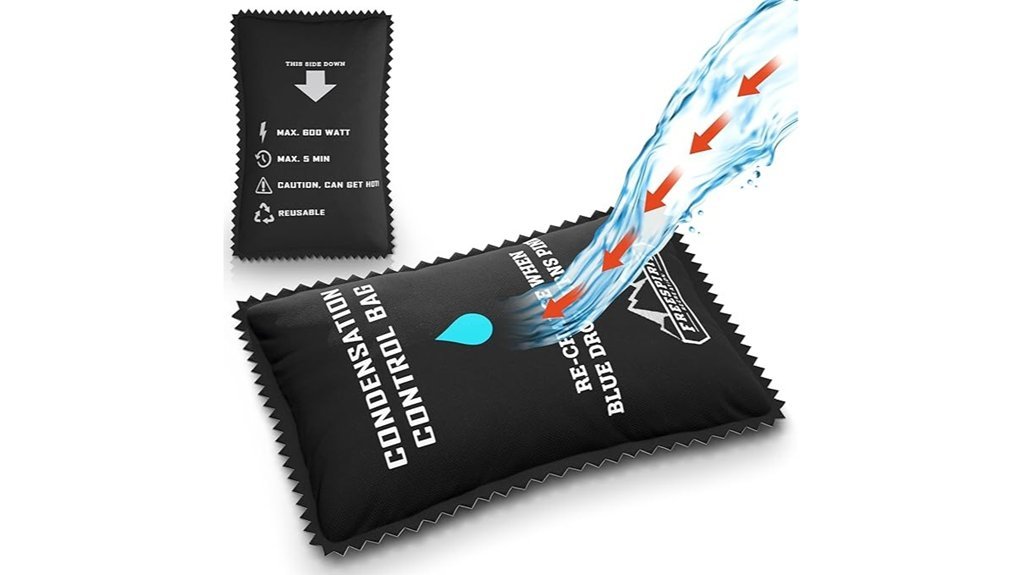
The Rooftop Tent Dehumidifier Bag by Freespirit Recreation is a strong option for outdoor enthusiasts who want a more camping-focused way to manage condensation and moisture. Rooftop tents and enclosed sleeping spaces can trap humidity from wet clothes, rain, and normal breathing overnight, so a compact absorber can make the space feel fresher by morning.
Weighing just 1.05 kilograms, its compact design makes it easy to transport with camping gear. This bag absorbs moisture effectively and can help reduce the need for frequent recharges compared with smaller packets. The color change feature alerts you when it is time to recharge, and you can microwave it for five minutes when reactivation is needed.
Because it is suitable for tents, cars, and closets, it works well for campers who want one product that can move between their vehicle, rooftop tent, and home storage area. It also helps combat musty odors, which is useful when camping gear stays packed for long periods.
Why You’ll Like It: It is easy to pack, simple to recharge, and better aligned with tent and vehicle moisture control than many basic household moisture absorbers.
Who Should Buy This: Rooftop tent owners, weekend campers, overlanders, car campers, and anyone who stores camping gear in a humid vehicle or closet.
Best For: Outdoor enthusiasts and campers looking for a convenient solution to maintain a dry environment in tents and vehicles.
Pros:
- Effective Moisture Control: Absorbs moisture efficiently, reducing the need for frequent recharges.
- Portable Design: Lightweight and compact, making it easy to carry on outdoor adventures.
- Color Change Alert: The visual indicator simplifies the recharge process, ensuring optimal performance.
Cons:
- Microwave Dependency: Requires a microwave for recharging, which may not be available in all settings.
- Limited Capacity: While larger than standard options, it may still be insufficient for very humid environments.
- Material Sensitivity: The outer textile may require careful handling to avoid damage.
FURWEY Rechargeable Desiccant Packs (2-Pack, 100g Each)
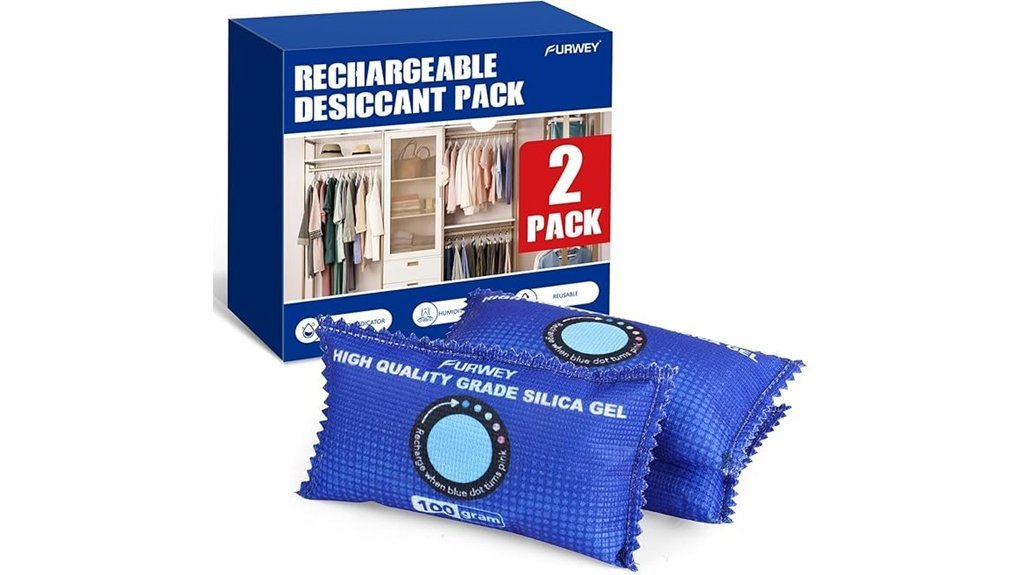
FURWEY Rechargeable Desiccant Packs are a useful pick for campers who need flexible moisture control in smaller spaces. Each pack weighs 100 grams and measures 5.5 x 3.1 inches, making them easy to tuck into storage bins, backpacks, camera bags, tent pockets, tool kits, clothing bags, and vehicle compartments.
These packs are designed to absorb 25% to 35% moisture. When fully saturated, they exceed 130 grams, which gives you a simple way to understand when the pack has taken in moisture. You can easily recharge them in the microwave, and the indicator light changes from blue to light pink when they need a refresh.
With a coverage area of 1200 square centimeters, these packs are best used as targeted moisture protection rather than a whole-tent solution. Place them near items that matter most, such as electronics, documents, clothing, sleeping bags, and food storage containers. For larger tents or humid weather, using more than one pack may provide better results.
Why You’ll Like It: The small size makes these packs easy to position exactly where moisture is a problem, instead of relying on one large unit in the center of your tent.
Who Should Buy This: Campers, travelers, photographers, RV users, and anyone who wants rechargeable moisture control for gear bags and storage containers.
Best For: Campers and outdoor enthusiasts needing effective moisture control for their gear and storage.
Pros:
- Rechargeable: Easily recharged in the microwave, providing long-term use.
- Moisture Absorption: Effectively absorbs 25% to 35% moisture, keeping your belongings dry.
- Indicator Light: Convenient color-changing indicator lets you know when it’s time to recharge.
Cons:
- Limited Lifespan: Recommended replacement after ten uses may require additional purchases.
- Temperature Sensitivity: Charging must be done at specific temperatures, not exceeding 210 ℉.
- Size Limitations: Coverage area may not be sufficient for larger spaces or extensive storage needs.
Rechargeable Portable Mini Dehumidifier for Small Spaces
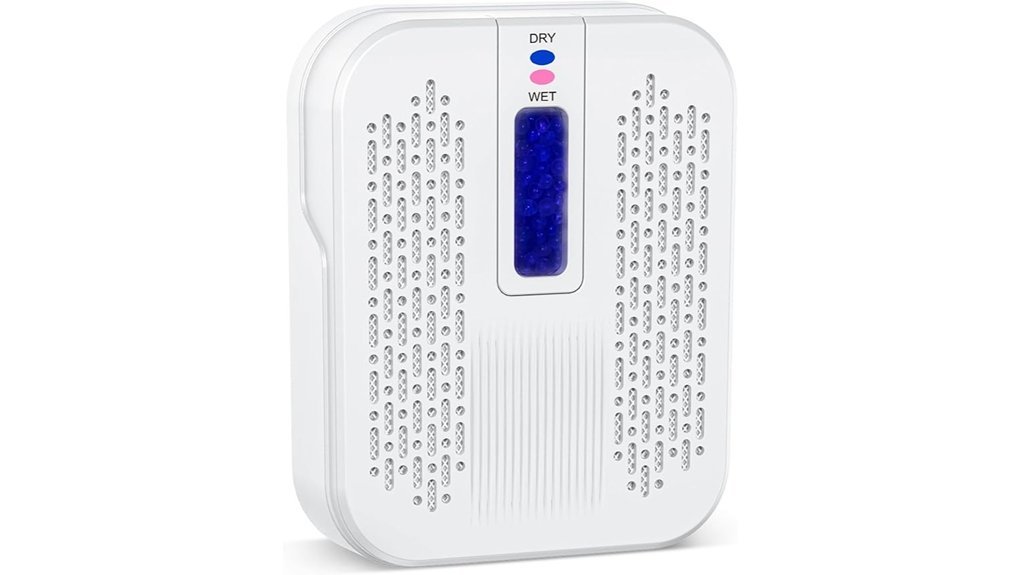
For travelers and campers who need moisture control in a compact form, the Rechargeable Portable Mini Dehumidifier is a practical option. Weighing just 6 x 4.8 x 1.5 inches, it fits easily in tight spaces, making it useful for tents, closets, car trunks, small RV compartments, drawers, and storage bins.
This ATKMAYI dehumidifier uses built-in silica particles to trap humidity, helping protect clothing, papers, medicines, electronics, and small pieces of camping gear from dampness. With up to four days of operation on a single charge, it can be useful for short trips or as backup moisture protection while traveling.
It is also energy-efficient and quieter than many traditional electric models. Since its floor area coverage is limited to up to 35 sq.ft, it is best for targeted use rather than large tents or big rooms. Think of it as a compact moisture guard for small enclosed spaces, not a heavy-duty dehumidifier for an entire campsite.
Why You’ll Like It: It is small enough for travel but still useful for protecting items that are sensitive to humidity.
Who Should Buy This: Students, travelers, campers, RV owners, and families who need moisture protection for clothing, documents, medicines, and compact storage areas.
Best For: Ideal for students, travelers, and humidity-sensitive families looking to protect items like clothing, documents, and medicines from moisture.
Pros:
- Compact and portable design fits easily in small spaces.
- Up to four days of operation on a single charge, reducing the need for frequent recharging.
- Energy-efficient and quieter compared to traditional electric dehumidifiers.
Cons:
- Limited floor area coverage of up to 35 sq.ft, making it unsuitable for larger rooms.
- Small tank volume of 4 fluid ounces may require regular monitoring and emptying.
- Dependence on charging can be inconvenient for long-term use without access to electricity.
Small 1500ML Dehumidifier for Home and RV
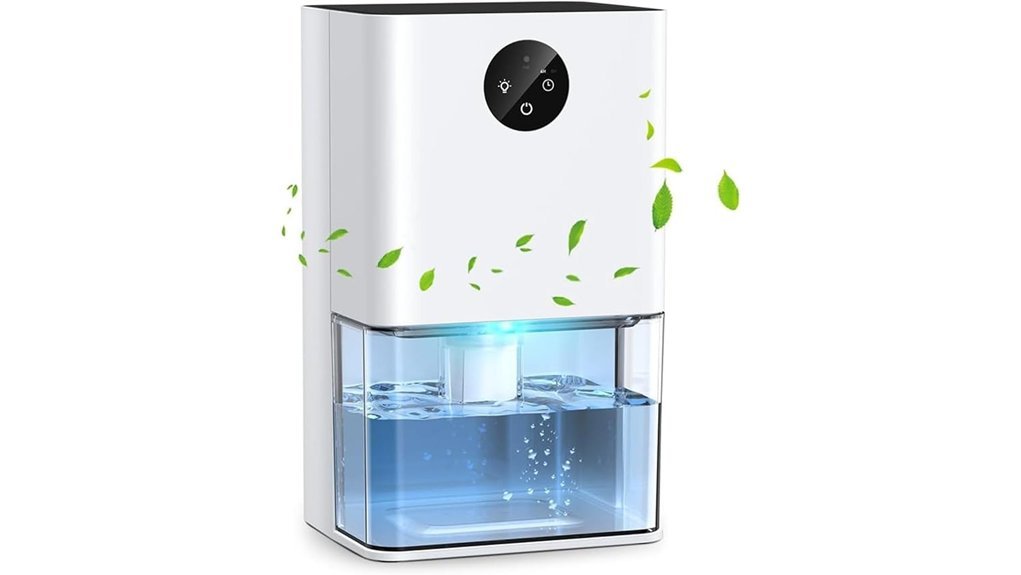
If you want a more active moisture-removal option for an RV, small room, bedroom, office, or powered camping setup, the Dehumidifier DY501 may be a better fit than a simple desiccant bag. With a 1500ml capacity, it is designed to remove up to 300ml of moisture daily and cover spaces up to 300 sq. ft.
Its low energy consumption helps keep running costs low, operating on less than 1 kWh per day. The transparent water tank makes it easy to monitor water levels, while the auto shut-off feature adds peace of mind when the tank fills. It also runs quietly at just 30 dB, making it suitable for bedrooms, small offices, RV sleeping areas, and other compact spaces where noise matters.
This option is less ideal for backpack camping because it depends on power and has a larger body than passive moisture absorbers. However, for RV camping, cabin stays, van life, small bedrooms, and humid storage areas, it gives you more active dehumidification than a moisture bag or desiccant pack.
Why You’ll Like It: It combines a larger water tank, quiet operation, and auto shut-off, making it more convenient for powered spaces than passive bags.
Who Should Buy This: RV owners, van campers, small-room users, and anyone who wants active moisture removal where electricity is available.
Best For: Those seeking a compact and efficient dehumidification solution for small spaces like homes and RVs.
Pros:
- Low energy consumption: Operates under 1 kWh per day, saving on electricity bills.
- Quiet operation: Runs at just 30 dB, making it suitable for use in bedrooms and offices.
- User-friendly design: Transparent water tank for easy monitoring and an auto shut-off feature for safety.
Cons:
- Limited coverage area: Effective only for spaces up to 300 sq. ft., which may not suit larger areas.
- Smaller water tank: Requires more frequent emptying compared to larger dehumidifiers.
- Dependent on ambient conditions: Performance may vary based on temperature and humidity levels.
Factors to Consider When Choosing a Camping Tent Dehumidifier
When choosing a camping tent dehumidifier, you’ll want to consider size, weight, moisture capacity, recharge method, odor control, and whether you have access to power. A backpack camper will usually need a small passive desiccant pack, while an RV camper may prefer a larger active unit with a tank and auto shut-off.
Before You Buy Checklist
- Know your space: A small two-person tent needs a different solution than an RV bedroom or large cabin tent.
- Check the recharge method: Some bags need a microwave, while others may use sunlight or electric charging.
- Match the product to the trip: Passive bags are better for no-power camping, while electric-style units work better in RVs or powered rooms.
- Plan for humidity level: Coastal, rainy, and winter camping may need more moisture-control capacity.
- Use safe placement: Keep dehumidifiers away from young children, pets, open flames, and areas where they may be stepped on or damaged.
Size and Weight Considerations
Selecting the right camping tent dehumidifier hinges on two key factors: size and weight. A lighter model is typically more portable, making it easier to carry during your outdoor adventures. You’ll want to verify the size of the dehumidifier matches your tent’s dimensions; larger models may offer better moisture absorption but can feel cumbersome in tight spaces.
Consider how much storage space you have in your gear. Picking a compact design enhances portability and allows for better placement within the tent. Finally, evaluate the dehumidifier’s capacity in relation to your tent size. If you have a larger tent, RV, or cabin-style shelter, opt for a model with greater moisture absorption capabilities to help maintain a dry environment.
Rechargeability and Efficiency
Choosing a camping tent dehumidifier involves more than just size; rechargeability and efficiency are essential too. Rechargeable models often use methods like microwave activation or sunlight exposure, allowing you to restore moisture absorption in just five to six minutes in some cases.
When looking for efficiency, consider options that absorb 25% to 35% moisture, which can help keep gear drier in small spaces. Many of these dehumidifiers come with color change indicators that alert you when it’s time to recharge, so you do not have to guess. Their compact designs make them portable, easy to carry, and simple to set up wherever you camp. Plus, with built-in silica particles, you can achieve moisture control without always relying on external power sources.
Moisture Absorption Capacity
Rechargeability and efficiency are important, but moisture absorption capacity plays a vital role in your overall camping experience. When you’re choosing a camping tent dehumidifier, look for units that match the size of your space and the expected humidity level.
If you’re camping in coastal areas or during rainy weather, larger capacity models or multiple smaller packs can handle higher moisture levels more effectively. Pay attention to the maximum moisture retention indicated by the manufacturer; this will help you gauge how often you’ll need to recharge or replace the unit. Quicker recharge times can be beneficial for continuous use, especially in unpredictable weather. Some dehumidifiers also feature color-change indicators, signaling when it’s time to recharge, which enhances usability and helps keep your tent drier.
Portability and Design
When you’re out in the wilderness, portability and design are essential factors in picking a camping tent dehumidifier. Look for options weighing under 1.5 kilograms to guarantee easy transport. Compact designs, typically around 10 inches in length and 2-5 inches in width, fit snugly in your gear without taking up too much space.
Choose rechargeable models if you want to use the dehumidifier multiple times without buying disposable products. Additionally, select units effective for the size of your tent or storage space, so your setup stays more comfortable. Finally, lightweight materials such as silicone dioxide and textile outer casings can help keep the unit durable yet easy to carry.
Odor Control Features
To keep your camping tent fresh and inviting, consider a dehumidifier with effective odor control features. These devices not only absorb excess moisture but can also help reduce musty odors commonly found in damp environments.
Look for models that include a color change alert system; this handy feature indicates when the dehumidifier needs recharging, helping maintain more consistent odor control. By maintaining a drier atmosphere, you can reduce the conditions that allow mold and mildew to develop. Some dehumidifiers use materials that naturally absorb odors, improving air quality in small enclosed spaces. Regular use can also help lower humidity levels, protect camping gear, and improve comfort while enjoying the outdoors.
Powered vs Passive Dehumidifiers
Passive dehumidifiers, such as desiccant packs and reusable moisture bags, are best for tents, vehicles, gear bins, and no-power camping. They are quiet, compact, and easy to place near problem areas. However, they usually have limited capacity and need periodic recharging.
Powered dehumidifiers are better for RVs, cabins, small rooms, offices, and powered campsites. They can remove more moisture and often include tanks and auto shut-off features. The downside is that they require electricity, take up more space, and may not be practical for backpacking or remote tent camping.
Safety and Placement Tips
Place moisture absorbers where air can circulate, but avoid areas where people may step on them while entering or leaving the tent. Keep rechargeable packs away from open flames, heaters, and wet electrical cords. If a product requires a microwave to recharge, follow the manufacturer’s time and temperature directions carefully.
For electric dehumidifiers, always use them on a stable surface and keep the power connection dry. In a tent, never rely on an electric model unless your camping setup safely supports power use. For children and pets, place dehumidifiers where they cannot be chewed, opened, or knocked over.
Safety Note: Dehumidifiers can help reduce moisture, but they do not make a wet or poorly ventilated tent automatically safe. Always ventilate your tent when needed, dry wet gear outside when possible, and follow each product’s recharge and placement instructions.
Pro Tips for Keeping Your Tent Dry
A dehumidifier works best when combined with smart camping habits. Vent your tent when weather allows, avoid bringing soaked clothes into the sleeping area, and wipe down condensation in the morning. Store wet shoes and rain gear away from your sleeping bag if possible.
Use desiccant packs inside sealed storage bins for electronics, clothing, snacks, medicine, and important papers. If you are using a rooftop tent or car camping setup, place one absorber in the sleeping area and another in the vehicle or gear compartment. For RVs, an active dehumidifier can be useful overnight, but remember to empty the tank and check airflow.
For rainy trips, pack an extra moisture absorber so you can rotate between one in use and one being recharged. This helps maintain performance without waiting until your tent already feels damp.
Frequently Asked Questions
How Do I Maintain My Camping Tent Dehumidifier?
To maintain your camping tent dehumidifier, regularly clean the water tank and filter if your model has them, check for clogs, and guarantee proper airflow. For desiccant bags or rechargeable packs, follow the recharging instructions and replace them when they no longer absorb moisture well. You should also store the product in a dry place when not in use.
Can I Use a Home Dehumidifier for Camping?
While a home dehumidifier might feel like a warm hug, it’s often too bulky for camping. You’re better off using a compact, portable model specifically designed for outdoor adventures to keep your tent dry. A home-style compact unit may work for RVs, cabins, or powered campsites, but it is usually not the best choice for backpacking or small tents.
What Are the Signs My Tent Needs Dehumidifying?
If your tent feels damp, shows condensation on the walls, or has a musty smell, it’s time to dehumidify. You may also notice wet bedding, clammy clothes, foggy windows in a rooftop tent, or moisture collecting inside storage bags. Keeping moisture at bay will enhance your comfort and help protect your gear during camping trips.
Are Dehumidifiers Safe to Use Around Children and Pets?
Dehumidifiers can be safe around children and pets when used correctly. Place them where curious hands and paws cannot open, chew, spill, or damage them. For electric models, keep cords dry and out of reach. For desiccant bags, make sure the outer casing stays intact and follow all manufacturer safety instructions.
How Long Do Dehumidifiers Typically Last?
Dehumidifiers typically last around five to ten years, depending on usage and maintenance. Passive desiccant packs and moisture absorber bags may need replacement sooner, especially if they are recharged often or used in very humid conditions. If you keep your unit clean, recharge it properly, and avoid overworking it, you may get more useful life from it.
Do Camping Dehumidifiers Stop Condensation Completely?
No, a camping dehumidifier may reduce moisture, but it may not stop condensation completely. Condensation depends on temperature, ventilation, weather, tent material, and how much moisture is inside the tent. For best results, combine a dehumidifier with ventilation, dry gear storage, and proper tent placement.
Which Type Is Best for No-Power Camping?
For no-power camping, choose a passive rechargeable moisture absorber, desiccant pack, or reusable dehumidifier bag. These do not need continuous electricity, are quiet, and are usually easy to carry. Just make sure you have a way to recharge them if your trip is longer than their moisture capacity allows.
Final Recommendation
For most tent campers, the Rooftop Tent Dehumidifier Bag is the most camping-focused pick because it is portable, reusable, and designed for tent and vehicle moisture control. If you need small targeted protection for gear, the FURWEY Rechargeable Desiccant Packs are easier to place in bags, bins, and tight corners.
If your main problem is dampness in a car, truck, or storage area, the Reusable Car Dehumidifier Bag is a practical multipurpose choice. For very small enclosed spaces, the Rechargeable Portable Mini Dehumidifier gives you compact humidity control. For RVs, bedrooms, and powered small spaces, the Small 1500ML Dehumidifier for Home and RV is the better active moisture-removal option.
Conclusion
In summary, staying dry while camping is essential for a comfortable experience, much like having Wi-Fi in a coffee shop. By choosing the right dehumidifier, you can effectively combat moisture, reduce musty smells, and help protect your camping gear from damp conditions.
Whether you choose a reusable bag, a portable desiccant pack, a rechargeable mini unit, or a compact powered dehumidifier, the best option depends on your camping style. Backpackers and tent campers will usually prefer lightweight passive moisture absorbers, while RV users and powered campsite campers may benefit more from a small active unit. Pick the one that suits your space, recharge access, and humidity level, and you’ll enjoy your outdoor adventures with less worry about dampness. Happy camping!