AUDIT REPORT
The source article contains eight product recommendations, a comparison table, safety guidance, a buyer’s guide, FAQs, and Amazon affiliate links.
1. Critical Product-Relevance Issue
Remove: Damp Defender 18-Inch
What is wrong: The Damp Defender is a low-watt heating device that encourages air movement and raises surface temperature. It does not absorb moisture, condense water, collect liquid, or drain water like the other products.
Why it matters: Including it in a list of shed dehumidifiers may confuse readers into believing it provides measurable water extraction. It also introduces a heat-producing appliance into sheds that may contain fuel, sawdust, paint, fabric, or other combustible materials.
Fix: Remove it completely from the introduction, verdict, comparison table, product section, image, CTA, recommendations, and conclusion. It is better suited to a separate article about anti-condensation heaters for closets, boats, cabinets, or small storage compartments.
Keep: Remaining Seven Products
The Waykar and Aiusevo models directly match buyers seeking active dehumidification in powered, weather-tight sheds. The DampRid, STAR BRITE, and Arm & Hammer products are relevant power-free alternatives for mild moisture in enclosed sheds. They must be clearly identified as passive absorbers rather than equivalent replacements for compressor dehumidifiers.
2. Product Information Corrections
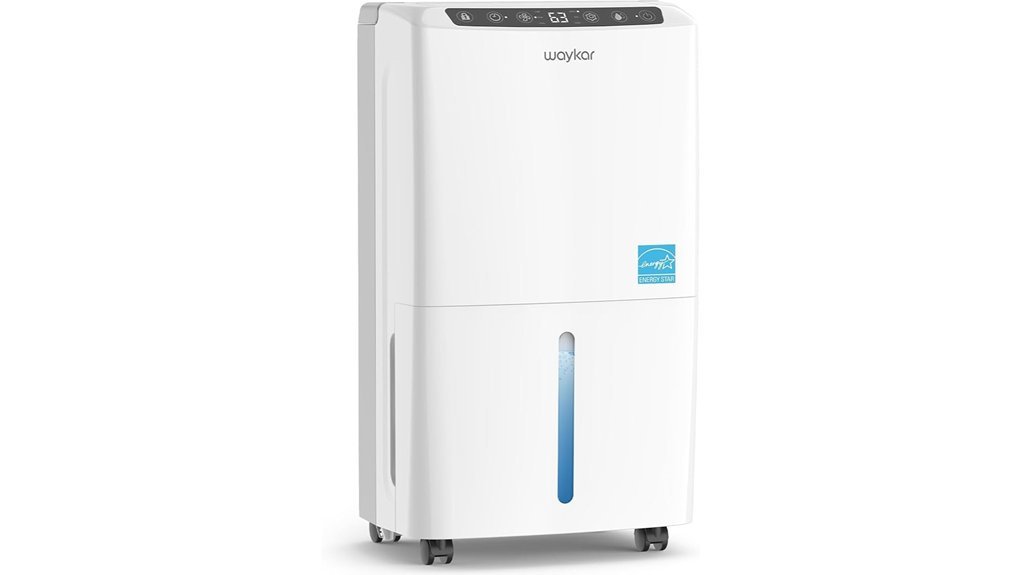
Waykar 34-Pint Dehumidifier
The product identity, 34-pint rating, drainage options, washable filter, automatic functions, and ENERGY STAR positioning are consistent with available product information. The listing markets it for spaces up to 2,000 square feet, but that figure should be presented as a manufacturer coverage claim rather than a guaranteed shed capacity. (Way Kardeh Humidifier)
The phrase “2025 Most Efficient” is time-sensitive and should not be used without checking the current ENERGY STAR database. The safer wording is “ENERGY STAR-certified model.”
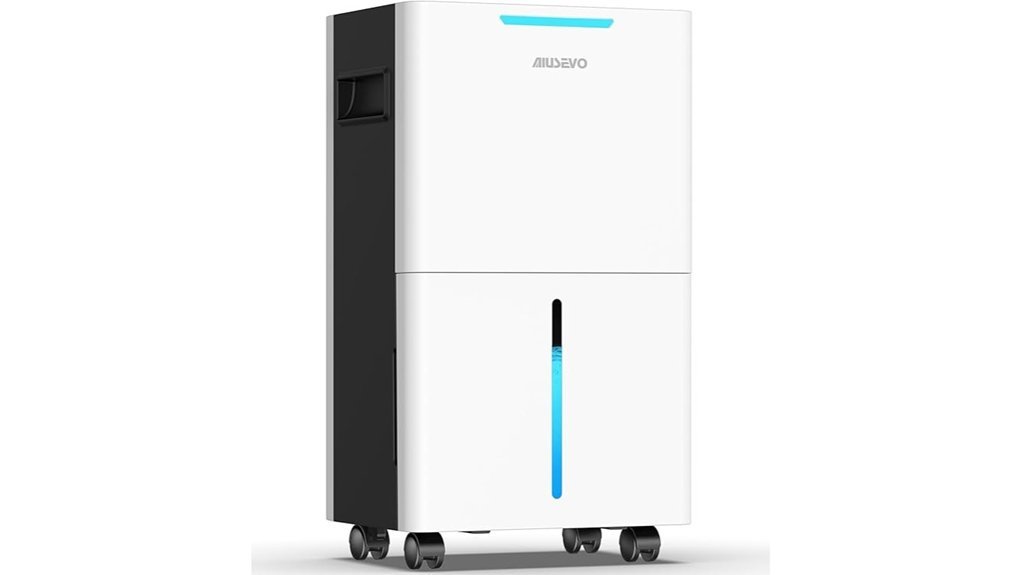
Aiusevo AS280
The generic heading should be replaced with the proper product name. Available product information identifies the AS280 as a 21-pint compressor dehumidifier marketed for spaces up to 1,500 square feet, with three modes, adjustable humidity, automatic shutoff, automatic defrost, and hose drainage. Its 21-pint figure is based on hot, very humid test conditions, so real shed extraction may be lower. (Ubuy Bangladesh)
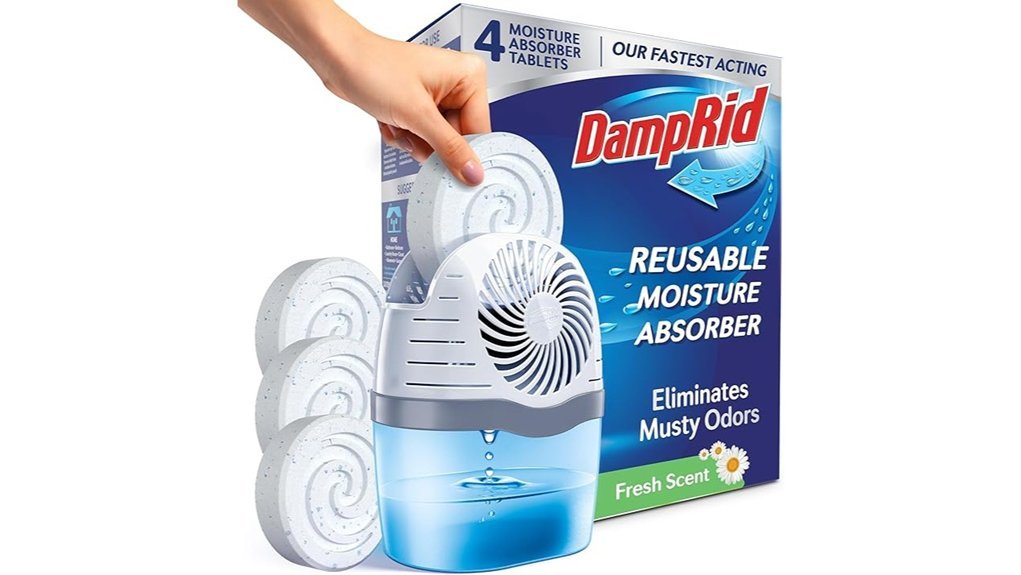
DampRid Reusable System
The ASIN corresponds to a reusable DampRid holder supplied with four fresh-scent drop-in tablets. The article should mention the included tablet count and fragrance because both affect buying suitability.
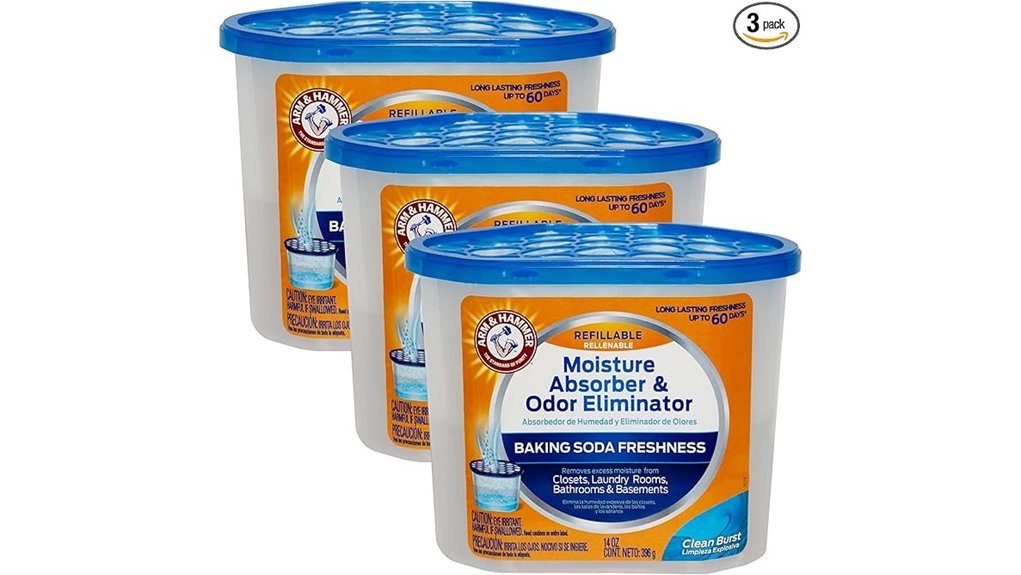
Arm & Hammer Moisture Absorber
The product is the Clean Burst scented, 14-ounce, three-pack version. Calling it only an odor absorber omits the fragrance consideration. Buyers storing clothing, upholstery, paper, or scent-sensitive items should know that it is not fragrance-free.
Passive Product Capacity
Passive absorbers should not be compared with electric models using square footage alone. Their useful life and performance change substantially with temperature, airflow, moisture entry, and humidity. The revised article therefore focuses on small, enclosed, mildly damp spaces instead of promising full-shed coverage.
Current Amazon stock could not be reliably confirmed from indexed sources. The article should retain neutral CTA wording and avoid claiming that any item is currently in stock, discounted, or available at a specific price.
3. Safety and Trust Corrections
The article correctly warns that household compressor dehumidifiers are not weatherproof. This warning should appear prominently before the product table.
ENERGY STAR notes that frost can form and performance can decline when a space falls below approximately 65°F, unless the model is designed for lower-temperature use. It also recommends choosing capacity according to both space size and dampness rather than floor area alone. (ENERGY STAR)
The humidity guidance should be broadened from a strict 40% to 50% target to a practical 30% to 50% range, while explaining that the lowest setting is not always necessary. EPA guidance recommends keeping indoor relative humidity below 60%, ideally between 30% and 50%, and fixing moisture sources rather than relying only on a dehumidifier. (US EPA)
The electrical section should recommend a properly installed grounded outlet and GFCI protection where required. It should tell readers to follow the appliance manual instead of implying that an arbitrary extension cord is acceptable. Damaged, undersized, overloaded, or unsuitable extension cords can create shock and fire hazards. (U.S. Consumer Product Safety Commission)
4. Content and Buyer-Guidance Gaps
The original article needs clearer distinctions among:
-
Compressor dehumidifiers that physically extract water.
-
Calcium-chloride absorbers that slowly collect brine.
-
Odor-control products that provide limited moisture control.
The revised version should add:
-
A transparent selection-criteria block.
-
A “best for” label for each product.
-
A clearer active-versus-passive explanation.
-
Guidance for measuring humidity before buying.
-
Drainage and freezing cautions.
-
Fragrance considerations.
-
Spill and corrosion warnings for passive absorbers.
-
Advice about wet lawn equipment, open soil, ventilation, and air leaks.
-
An FAQ explaining whether a passive tub can replace an electric unit.
5. Conversion Rate Optimization
The original introduction is informative but does not immediately help readers choose between powered and unpowered solutions. The revision should lead with that decision.
The strongest buying order is:
-
Waykar as the best overall powered option.
-
Aiusevo as the active alternative.
-
DampRid Hi-Capacity as the best unpowered option.
-
Smaller passive products arranged by fragrance, refill method, and intended use.
The comparison table should explain how each product works, not only name its category. This reduces confusion and makes the CTA more useful.
CTA wording should remain factual and low-pressure, such as “Check Product Details on Amazon” and “Check Price on Amazon.” Existing orange styling and affiliate attributes are appropriate and should be preserved.
6. SEO Improvements
A stronger SEO title would be:
7 Best Dehumidifiers and Moisture Absorbers for Outdoor Sheds in 2026
Suggested meta description:
Compare electric dehumidifiers and power-free moisture absorbers for enclosed outdoor sheds. Learn which option fits your power supply, temperature, shed size, and dampness level.
Useful semantic terms added naturally include:
-
shed humidity control
-
dehumidifier for garden shed
-
moisture absorber for shed
-
unheated shed condensation
-
tool rust prevention
-
continuous drainage
-
passive dehumidifier
-
hygrometer
-
weather-tight shed
-
calcium chloride moisture absorber
-
low-temperature dehumidifier
-
shed mold and mildew prevention
The headings should use full product names and buyer-focused use cases. The vague Aiusevo heading should be corrected. Internal links could later point to related articles on shed ventilation, stopping condensation, mold cleanup, tool rust prevention, and insulating garden buildings.
7. Affiliate Compliance and Presentation
The disclosure is clear and appropriately placed before affiliate links.
All retained Amazon URLs already include the tracking parameter and use target="_blank" with rel="sponsored nofollow noopener". These attributes should remain unchanged.
The article avoids exact prices, ratings, review counts, fake testing, fake awards, and guaranteed performance claims. The revised copy should continue using language such as “marketed for,” “designed for,” and “may help” where results depend on shed conditions.
Article Fixed HTML Box
Affiliate disclosure: This article contains Amazon affiliate links. We may earn a commission from qualifying purchases at no extra cost to you.
An outdoor shed can trap humid air when rain, exposed soil, wet equipment, air leaks, and temperature changes create condensation. The right moisture-control product depends first on whether the shed is fully enclosed, weather-tight, safely powered, and warm enough for a compressor dehumidifier.
For a powered and protected garden shed, the Waykar and Aiusevo models provide adjustable humidity control and physical water extraction. For an unpowered shed with mild dampness, the DampRid, STAR BRITE, and Arm & Hammer absorbers offer simpler passive control. Passive products work slowly and are not substitutes for repairing leaks, improving drainage, or drying wet building materials.
Quick verdict
Best overall for a powered, enclosed shed: Waykar 34 Pints Energy Star Dehumidifier. Best alternative electric model: Aiusevo AS280 21-Pint Dehumidifier. Best passive option for a larger unpowered shed: DampRid Hi-Capacity Moisture Absorber Bucket. Best for a small fragrance-free storage area: DampRid Fragrance-Free Moisture Absorber.
Important shed safety note: Household compressor dehumidifiers are generally designed for indoor use and are not waterproof. Use one only inside a dry, weather-tight shed with a properly installed grounded outlet, suitable electrical protection, adequate clearance, and temperatures allowed by the current product manual. Never expose the appliance, plug, cord, tank, or drain connection to rain, standing water, roof leaks, or flooding.
How these options were evaluated
The products were compared by moisture-control method, suitability for an enclosed shed, drainage or spill risk, temperature dependence, maintenance requirements, fragrance, and the type of dampness each option can reasonably address. The recommendations are based on product information and buyer-use considerations, not claimed hands-on testing.
Quick Comparison
Product
How It Works
Best For
Main Limitation
Check Details
Waykar 34 Pints
Compressor removes water into a tank or drain hose
Powered, insulated, weather-tight sheds
Indoor appliance with temperature limits
Check on Amazon
Aiusevo AS280
21-pint compressor model with tank and hose drainage
Adjustable control in smaller powered sheds
Needs safe power, suitable temperatures, and filter care
Check on Amazon
DampRid Hi-Capacity Bucket
Calcium-chloride crystals collect moisture as liquid brine
Larger enclosed sheds without electricity
Cannot match active extraction and may spill if tipped
Check on Amazon
DampRid Fragrance-Free 3 Pack
Disposable crystals with activated charcoal
Small sheds, cabinets, and scent-sensitive storage
Limited capacity in severe or continuous damp
Check on Amazon
DampRid Reusable Container
Reusable holder with replaceable fresh-scent tablets
Buyers who want a refillable passive system
Tablets remain consumable and the scent may not suit everyone
Check on Amazon
STAR BRITE No Damp
Power-free moisture-absorbing crystals
Closed seasonal-storage sheds
No humidistat or measurable daily extraction rate
Check on Amazon
Arm & Hammer Clean Burst 3 Pack
Scented passive moisture and odor absorber
Small odor-prone storage areas
Scented formula and recurring replacement
Check on Amazon
Waykar 34 Pints Energy Star Dehumidifier for Home

Best Overall for a Powered, Weather-Tight Shed
The Waykar is the strongest all-around option in this comparison when the shed has safe electricity, remains dry, and stays within the appliance’s permitted operating temperature. Unlike a passive tub, its compressor physically removes water from the air and collects it in a tank or sends it through a drain hose.
The model is marketed with a 34-pint daily capacity and coverage of up to 2,000 square feet. Those figures should be treated as laboratory and manufacturer guidance rather than a promise for every shed. Extraction normally decreases as air becomes cooler or less humid, and a small shed with leaks or exposed ground can have a surprisingly high moisture load.
Main buying benefit: Automatic humidity control and optional continuous drainage make it suitable for ongoing moisture management without relying on disposable crystals.
Why You’ll Like It: It can cycle automatically around a selected humidity setting, shut off when the tank fills, and support hose drainage when a suitable gravity-fed outlet is available.
Who Should Buy This: Owners of enclosed workshops, insulated sheds, or garden buildings with a grounded outlet, stable flooring, and a safe drain route.
Who Should Avoid This: Anyone with a leaking roof, wet floor, exposed electrical connection, freezing shed, or building that remains open to outdoor air.
Pros:
- ENERGY STAR-certified model with adjustable humidity control.
- Tank and hose-drain options support different shed layouts.
- Washable filter, automatic defrost, and full-tank shutoff simplify routine use.
- Provides measurable water extraction rather than only masking musty odors.
Cons:
- Indoor appliance that must remain protected from rain and leaks.
- Extraction may fall significantly in cold shed conditions.
- The collection tank may require frequent emptying during very damp weather.
- Manufacturer square-foot claims do not account for every shed’s leakage or ground moisture.
Aiusevo AS280 21-Pint Dehumidifier for up to 1,500 Sq. Ft.
Best Alternative for Adjustable Humidity and Hose Drainage
The Aiusevo AS280 is a practical alternative for a powered, enclosed shed. It is marketed as a 21-pint compressor model for spaces up to 1,500 square feet and includes dehumidification, clothes-drying, and continuous operating modes.
The published 21-pint capacity is based on hot, highly humid test conditions. A cool garden shed will normally produce less collected water. Before installation, compare the current manual’s minimum temperature, clearance requirements, drainage instructions, and electrical warnings with the actual shed environment.
Main buying benefit: Adjustable humidity, multiple modes, automatic shutoff, and an included drain-hose option provide more control than a passive absorber.
Why You’ll Like It: A humidistat, timer, automatic defrost, tank collection, and hose drainage make it flexible for changing seasonal conditions.
Who Should Buy This: Buyers who need active moisture removal in a smaller powered shed and can inspect the appliance and drain setup regularly.
Who Should Avoid This: Owners of sheds without a safe grounded outlet, dry floor, secure drainage route, or protection from low winter temperatures.
Pros:
- Adjustable humidity settings and three operating modes.
- Automatic shutoff plus optional continuous drainage.
- Automatic defrost can help manage occasional coil frost within the permitted temperature range.
- Portable cabinet design makes repositioning easier inside an enclosed building.
Cons:
- Requires safe electricity and indoor-style placement.
- Tank emptying and filter cleaning remain necessary without a permanent drain setup.
- Its headline extraction figure may not reflect cool everyday shed conditions.
- It cannot compensate for rain entry, wet soil, or major structural dampness.
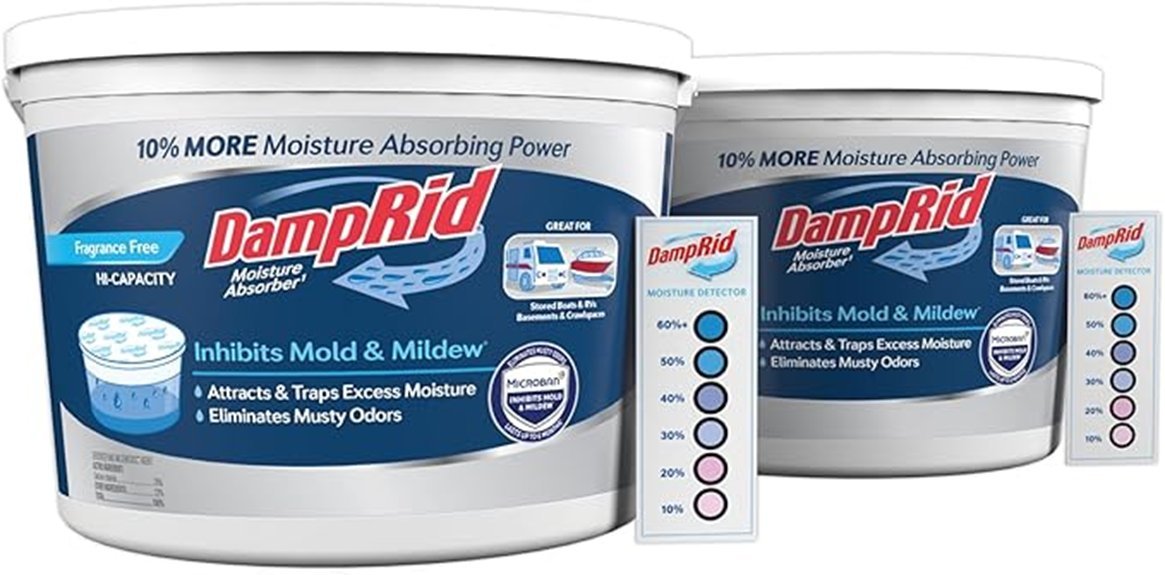
DampRid Hi-Capacity Moisture Absorber Bucket (2 Pack)
Best Passive Pick for a Larger Unpowered Shed
The DampRid Hi-Capacity Bucket is the most substantial passive absorber in this comparison. It uses moisture-attracting crystals that gradually dissolve and collect liquid in the bucket below. The larger format can be more practical than several small tubs in an enclosed shed without electricity.
It still cannot match the extraction rate or humidity control of a compressor dehumidifier. Its performance depends on how well the shed is sealed, how much moisture enters, and how frequently the bucket can be inspected.
Spill warning: The collected calcium-chloride solution is salty brine. Keep the bucket upright and away from tools, metal shelves, leather, timber finishes, electronics, children, and pets.
Why You’ll Like It: It provides more passive capacity than a small disposable tub without needing a cord, fan, tank pump, or drain hose.
Who Should Buy This: Owners of a medium-size, enclosed shed with moderate seasonal dampness but no safe electrical supply.
Who Should Avoid This: Anyone with active leaks, severe condensation, a highly ventilated building, or no stable place to protect the bucket from tipping.
Pros:
- Larger passive capacity than small single-use canisters.
- Power-free and silent.
- Two buckets can be placed in separate damp zones.
- Fragrance-free format is suitable for scent-sensitive storage.
Cons:
- Collected liquid creates a spill and corrosion risk.
- Service life varies substantially with humidity and temperature.
- No humidistat, automatic target, or daily extraction measurement.
- Cannot keep up with continuous water entry or a very leaky shed.
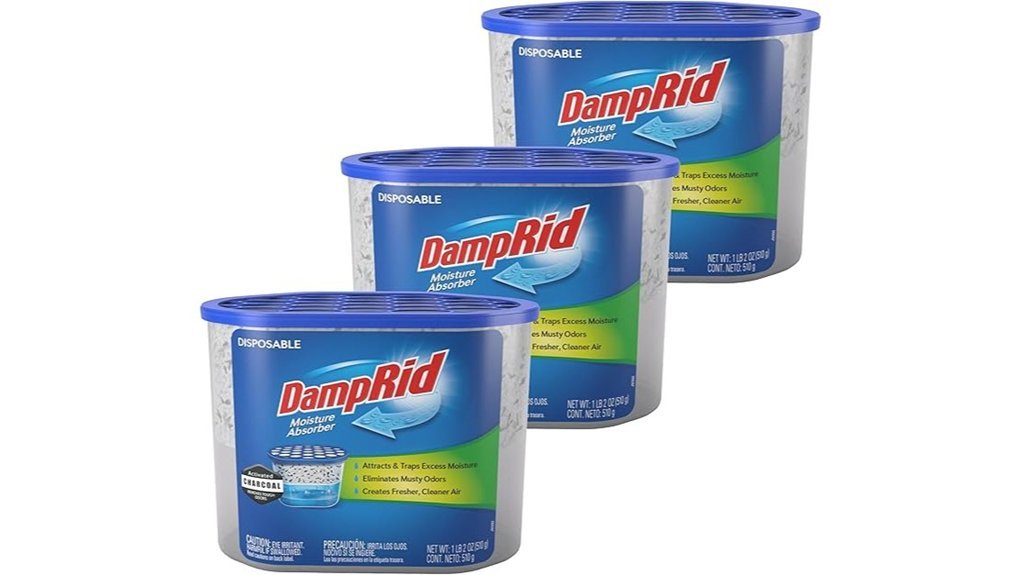
DampRid Fragrance-Free Moisture Absorber (3 Pack)
Best Fragrance-Free Pick for a Small Shed
This DampRid three-pack is a convenient choice when no electricity is available and the problem is light, localized dampness. Calcium-chloride crystals attract moisture and collect it as liquid in the lower chamber, while activated charcoal helps control stale or musty odors without adding fragrance.
It works best in a small, fairly sealed shed, tool cupboard, or storage corner. A drafty shed continually exchanges air with the outdoors, which can exhaust passive crystals quickly without producing a meaningful humidity reduction.
Main buying benefit: It provides quiet, fragrance-free moisture and odor control where a powered appliance would be unnecessary or unsafe.
Why You’ll Like It: No plug, fan noise, hose, filter, or added fragrance is required.
Who Should Buy This: Buyers protecting a small tool cupboard, garden shed, storage shelf, or enclosed corner with light seasonal dampness.
Who Should Avoid This: Anyone dealing with standing water, roof leaks, soaked timber, exposed soil, or persistent high humidity throughout a large shed.
Pros:
- Power-free and simple to place on a stable shelf.
- Fragrance-free formula with activated charcoal for odor control.
- Three canisters can be distributed across separate problem areas.
- No filter cleaning or electrical installation is required.
Cons:
- Limited extraction compared with an electric compressor unit.
- Disposable canisters create recurring replacement cost and waste.
- Collected brine can damage nearby materials if spilled.
- It does not provide a selectable humidity target.
DampRid Reusable Moisture Absorber with 4 Fresh-Scent Tablets
Best Refillable Passive Option
This DampRid system uses a ventilated reusable holder and replaceable drop-in tablets. The holder remains in use while each tablet is replaced after it dissolves, reducing the need to discard a complete plastic tub every time.
The package includes four fresh-scent tablets. That fragrance may help with stale odors, but it may not suit people storing fabrics, paper, hunting equipment, pet supplies, or other scent-sensitive items. Odor control should also never replace repairing leaks or drying wet materials.
Main buying benefit: The reusable holder offers a tidier refill system for buyers who prefer not to replace an entire container after each cycle.
Why You’ll Like It: The drop-in tablet system is straightforward, and the ventilated holder exposes the tablet to air from several directions.
Who Should Buy This: Buyers who want a refillable, power-free system for a small enclosed shed and do not mind a fresh scent.
Who Should Avoid This: People sensitive to fragrances or anyone who needs rapid, measurable water extraction.
Pros:
- Reusable container with four included drop-in tablets.
- No electricity, compressor noise, filter, or drain hose.
- Simple refill process with less container waste than disposable tubs.
- Suitable for small enclosed storage areas with mild dampness.
Cons:
- Replacement tablets remain an ongoing expense.
- Fresh scent may transfer to stored materials or bother sensitive users.
- Collected liquid still requires careful disposal.
- Not powerful enough for major condensation, leaks, or saturated timber.
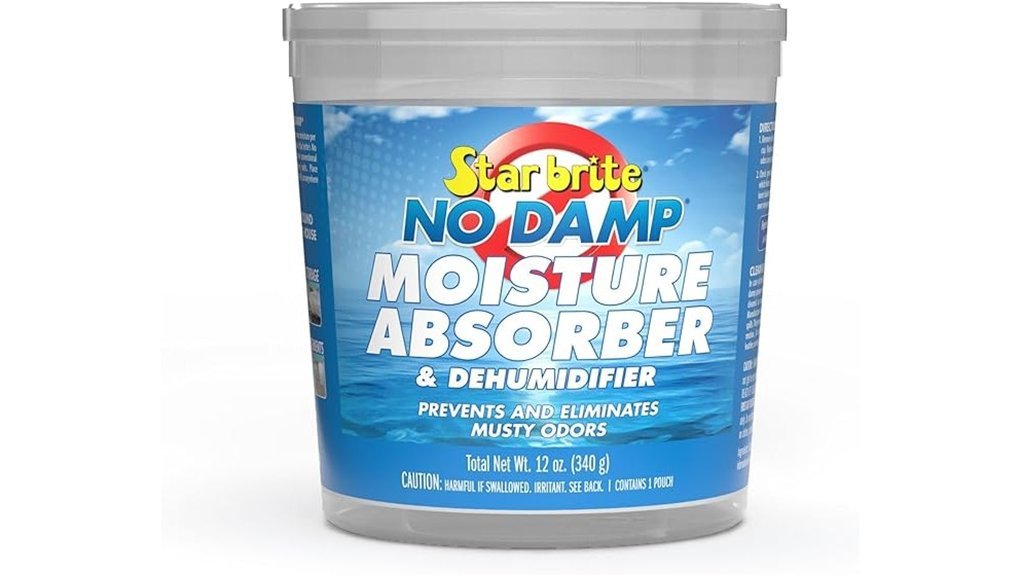
STAR BRITE No Damp Moisture Absorber & Dehumidifier
Best for Seasonal Storage
STAR BRITE No Damp is intended for enclosed storage areas such as boats, RVs, cabins, closets, and seasonal rooms. That makes it a reasonable option for a closed garden shed containing camping gear, cushions, tools, or equipment that may remain untouched for several weeks.
It is a passive crystal absorber rather than a compressor dehumidifier. It has no humidistat and cannot actively pull a measured number of pints from the air each day. Position it upright, follow the label directions, and inspect it as the crystals dissolve.
Main buying benefit: Silent, power-free operation makes it useful for closed seasonal-storage spaces where electrical operation is unavailable or unnecessary.
Why You’ll Like It: There are no moving parts, electrical connections, operating controls, or fan noise.
Who Should Buy This: Owners storing tools, cushions, camping gear, marine equipment, or seasonal items in a small enclosed shed.
Who Should Avoid This: Buyers who need precise humidity control, rapid drying, or protection against active rain and ground-water entry.
Pros:
- No electrical connection or moving parts.
- Well suited to closed seasonal-storage areas.
- Simple to replace after the absorber is spent.
- Useful where compressor noise or power consumption is undesirable.
Cons:
- No humidistat or measurable daily extraction rate.
- May need frequent replacement in warm, humid conditions.
- Cannot compensate for structural leaks or large ventilation gaps.
- Requires protected upright placement and regular inspection.
Arm & Hammer Clean Burst Moisture Absorber and Odor Eliminator (3 Pack)
Best for Mild Moisture and Musty Odors
This Arm & Hammer three-pack combines passive moisture absorption with Clean Burst fragrance and odor control. It is a practical option for small shed areas where gardening gloves, fabrics, sports gear, or cardboard boxes develop a stale smell during humid weather.
The tubs should be treated as support for mild dampness rather than a full-building solution. Keep each container level, follow the label instructions, and replace or refill it when the crystals are spent or the collection chamber reaches its stated limit.
Fragrance note: This is a scented Clean Burst product. Choose a fragrance-free absorber instead when storing scent-sensitive fabrics, paper, food-contact equipment, pet supplies, or hunting gear.
Why You’ll Like It: It addresses light dampness and stale odors without requiring an outlet, hose, filter, or fan.
Who Should Buy This: Buyers who want several small scented tubs for separate shelves, cupboards, or corners.
Who Should Avoid This: Fragrance-sensitive users and anyone who needs measurable humidity control or active water extraction.
Pros:
- Three-pack supports placement in multiple problem spots.
- Simple, silent, and power-free.
- Useful for odor-prone stored fabrics and equipment.
- Small containers are easier to position than one large bucket.
Cons:
- Clean Burst fragrance may not suit every person or stored item.
- Recurring replacement or refill is required.
- Limited effect in large, drafty, or severely damp sheds.
- Collected liquid must be handled carefully during disposal.
Factors to Consider When Choosing a Dehumidifier for an Outdoor Shed
The best shed dehumidifier is not automatically the model with the largest square-foot claim. Start by identifying where the water comes from, measure the humidity, and then match the product type to the shed’s construction, temperature, power supply, and maintenance schedule.
1. Fix Water Entry Before Buying
A dehumidifier cannot permanently solve a leaking roof, rain entering around a door, water rising through an unsealed floor, damaged gutters, poor exterior drainage, or timber in direct contact with wet ground. Repair these problems first and dry soaked materials before expecting a moisture-control product to maintain the space.
2. Measure Humidity with a Hygrometer
Place a separate digital hygrometer near the center of the shed, away from the dehumidifier outlet, direct sunlight, and an exterior wall. Record readings before and after rain for several days. This gives a more useful picture than estimating dampness from smell alone.
3. Choose Active or Passive Moisture Control
Use a compressor dehumidifier when the shed is weather-tight, safely powered, and damp enough to need measurable water extraction. Use a passive absorber when the shed is small, enclosed, mildly damp, or lacks electricity. Passive crystals collect moisture slowly and should not be expected to dry wet timber or overcome continuous outdoor-air exchange.
4. Check the Minimum Operating Temperature
Compressor performance decreases as temperatures fall, and frost can form on the coils in cool conditions. Automatic defrost may help, but it does not make every household dehumidifier suitable for a freezing shed. Check the current manual’s complete operating range before installation.
5. Size for Moisture Load, Not Floor Area Alone
A small leaking shed may require more extraction than a larger insulated building. Consider roof and door leaks, exposed soil, air gaps, wet lawn equipment, drying firewood, ventilation, insulation, and how quickly humidity returns after the appliance switches off.
6. Set a Practical Humidity Target
A relative-humidity range around 40% to 50% is a practical starting point for many tool and equipment sheds. Keeping humidity below 60% is more important than forcing the appliance to reach an unnecessarily low setting. Stored musical instruments, documents, electronics, timber, or specialty materials may require different conditions.
7. Plan the Drainage Method
A collection tank is simple but may fill while you are away. Continuous gravity drainage can reduce tank emptying, but the hose must run downward without loops, kinks, freezing points, or a route that lets water flow back beneath the shed. Follow the manual for hose size and installation.
8. Confirm Electrical Safety
Use a properly installed grounded outlet and any GFCI protection required for the location. Keep plugs and connections above the floor and away from leaks. Do not remove a grounding pin or use damaged, overloaded, undersized, or unsuitable extension cords. A qualified electrician should assess permanent power in a detached garden building.
9. Protect Passive Absorbers from Spills
Calcium-chloride absorbers create liquid brine as they operate. Keep containers upright, out of reach of children and pets, and away from metal tools, leather, electronics, cardboard, painted shelves, and wood finishes. Follow the product label for disposal and spill cleanup.
10. Balance Ventilation and Air Sealing
Ventilation can help remove locally generated moisture when outdoor air is dry, but open vents can also bring humid air into the shed. Seal accidental rain gaps and major air leaks while retaining any ventilation required by the building design, fuel storage rules, or local codes.
11. Plan for Regular Maintenance
Inspect a new setup weekly until you understand the shed’s moisture pattern. Clean electric-unit filters as directed, empty tanks, check drain hoses, confirm hygrometer readings, and inspect passive containers before they become full. Check the shed again after heavy rain, snowmelt, flooding, or storing wet equipment.
Before You Buy Checklist
- Have roof, door, floor, and drainage leaks been repaired?
- Is the shed fully enclosed and weather-tight?
- What does a hygrometer show before and after rain?
- Does the shed remain within the appliance’s operating temperature?
- Is properly installed grounded power available?
- Can collected water drain without freezing or returning beneath the shed?
- Can the appliance or absorber be inspected regularly?
- Are passive containers protected from tipping and spills?
- Are scented products suitable for the items being stored?
Frequently Asked Questions
Can I Use a Household Dehumidifier in an Outdoor Shed?
Only when the appliance is placed inside a fully enclosed, dry, weather-tight shed and the current manual permits the temperature and humidity conditions. Household models are generally not waterproof. Protect the unit, outlet, plug, cord, tank, and drain connection from leaks, rain, flooding, and condensation.
Is an Electric Dehumidifier Better Than a Passive Moisture Absorber?
An electric compressor model is better when measurable water removal and automatic humidity control are required. A passive absorber is simpler when the shed has no electricity and only mild, localized dampness. Passive tubs cannot normally keep pace with severe condensation, a wet floor, or active water entry.
Do Moisture Absorber Tubs Work in Sheds?
They can help in small, fairly sealed sheds with mild dampness. They are less effective in large or drafty buildings because humid outdoor air continually replaces the air being treated. They work best after leaks, drainage problems, and wet stored materials have been addressed.
What Size Dehumidifier Do I Need for My Shed?
Measure the shed, but also evaluate humidity after rain, insulation, air leakage, exposed soil, stored wet equipment, and temperature. A hygrometer and the amount of water collected each day provide better guidance than floor area alone. Avoid choosing a unit solely because a listing displays a large square-foot number.
Will a Dehumidifier Stop Mold and Rust?
Reducing humidity can make condensation, mold growth, and corrosion less likely, but no product guarantees prevention. Existing mold must be cleaned appropriately, leaks must be repaired, and wet materials must be dried. Metal tools should also be kept off damp floors and away from exterior walls.
What Should I Use in an Unheated Shed During Winter?
Check the minimum operating temperature before using a compressor model. If the shed regularly falls below that limit, the appliance may frost, stop extracting water, or shut down. A passive absorber may provide limited support in a small sealed space, but it should still be monitored because cold surfaces can produce condensation even when the air contains less moisture.
Can I Leave a Shed Dehumidifier Running Unattended?
Follow the manufacturer’s instructions. A stable continuous-drain setup can reduce tank-emptying needs, but the hose, outlet, filter, electrical connection, and surrounding area still require inspection. Do not leave an appliance operating where roof leaks, flooding, freezing, blocked drainage, or combustible clutter could create a hazard.
How Often Should I Check the Dehumidifier or Absorber?
Check the setup at least weekly during the first month and after heavy rain. Once you understand the moisture pattern, adjust the schedule without ignoring regular maintenance. Empty tanks, inspect drain hoses, clean filters, verify humidity independently, and replace passive crystals or tablets according to the label.
Conclusion
For a powered, weather-tight shed, the Waykar is the best overall choice because it combines automatic humidity control with tank and hose drainage. The Aiusevo AS280 is a strong alternative for buyers who want a smaller 21-pint model with adjustable modes and continuous-drain capability.
For an unpowered shed, the DampRid Hi-Capacity Bucket offers the most substantial passive setup in this comparison. The fragrance-free DampRid canisters are better for small scent-sensitive storage areas, while the reusable DampRid system suits buyers who prefer replaceable tablets. STAR BRITE is useful for seasonal storage, and the Arm & Hammer tubs are best reserved for mild dampness where a scented odor-control product is acceptable.
Final recommendation
Choose an electric compressor model only for a dry, enclosed, safely powered shed that remains within the appliance’s temperature range. Choose a passive absorber for light dampness in a small unpowered space. In either case, repair water entry first and use a separate hygrometer to confirm that the solution is actually lowering humidity.